
Using RI.4.9 Fourth Grade Common Core Lesson, students identify basic similarities in and differences between two texts on the same topic.
Using this RL.4.1 Fourth Grade Common Core Lesson, students Refer to details and examples in a text when explaining what the text says explicitly and when drawing inferences from the text.
Using RL.4.3 Fourth Grade Common Core Lesson, students describe in depth a character, setting, or event in a story or drama, drawing on specific details in the text.
Using RL.4.4 Fourth Grade Common Core Lesson, students determine the meaning of words and phrases as they are used in a text.
Using RI.4.7 Fourth Grade Common Core Lesson, students make connections between the text of a story or drama and a visual or oral presentation of the text, identifying where each version reflects specificdescriptions and directions in the text

Using this SL.4.2 Fourth Grade Common Core Lesson, students paraphrase portions of a text read aloud or information presented in diverse media and formats, including visually, quantitatively, and orally.

Using this SL.4.6 Fourth Grade Common Core Lesson, students determine contexts that call for formal English and situations where informal discourse is appropriate.
Using W.4.3 Fourth Grade Common Core Lesson, students write narratives to develop real or imagined experiences or events using effective technique, descriptive details, and clear event sequences.
Using W.4.5 Fourth Grade Common Core Lesson, students develop and strengthen writing as needed by planning, revising, and editing.
Using W.4.6 Fourth Grade Common Core Lesson, students use technology, including the Internet, to produce and publish writing as well as to interact and collaborate with others.
Using W.4.7 Fourth Grade Common Core Lesson, students research details about each aspect of your topic and write the information in your their words.
Using W.4.8 Fourth Grade Common Core Lesson, students recall relevant information from experiences or gather relevant information from print and digital sources by taking notesand providing a list of sources.
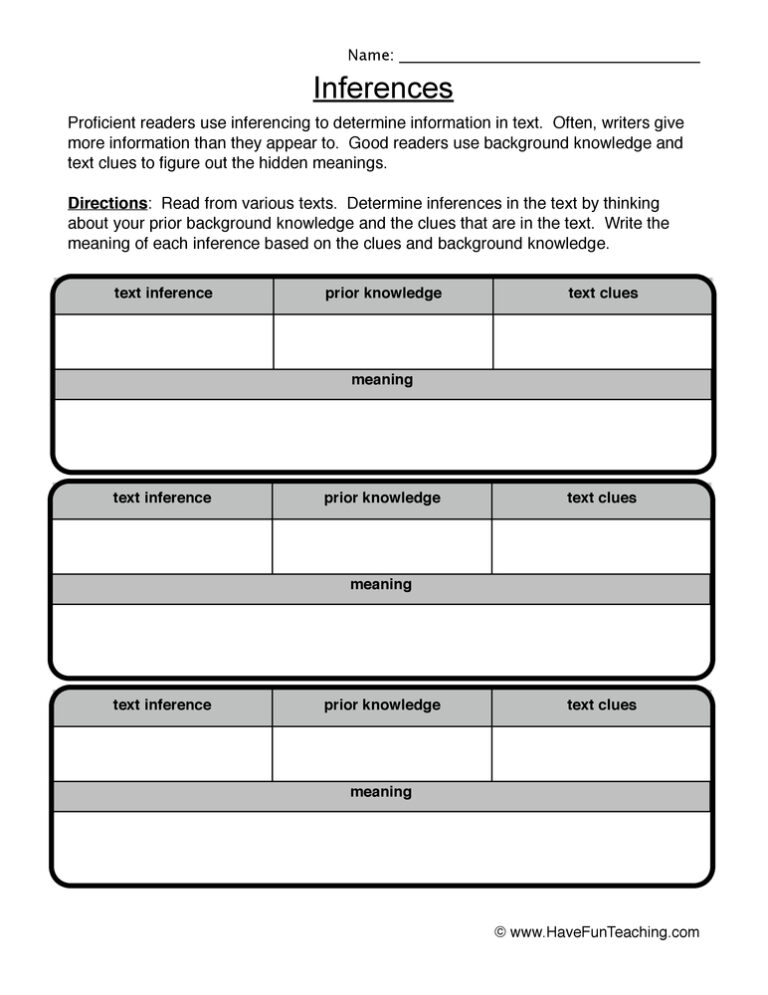
UsingInference Graphic Organizer Worksheet, students determine inferences in the text by thinking about your prior background knowledge and the clues that are in the text. This is perfect for making inferences and drawing conclusions.

Using Inference Recording Worksheet, students determine inferences in the text by thinking about your prior background knowledge and the clues that are in the text. This is perfect for making inferences and drawing conclusions.

Using Sequence Sandwich Worksheet, studentsread about Giselle's morning and sequence the events of her day.
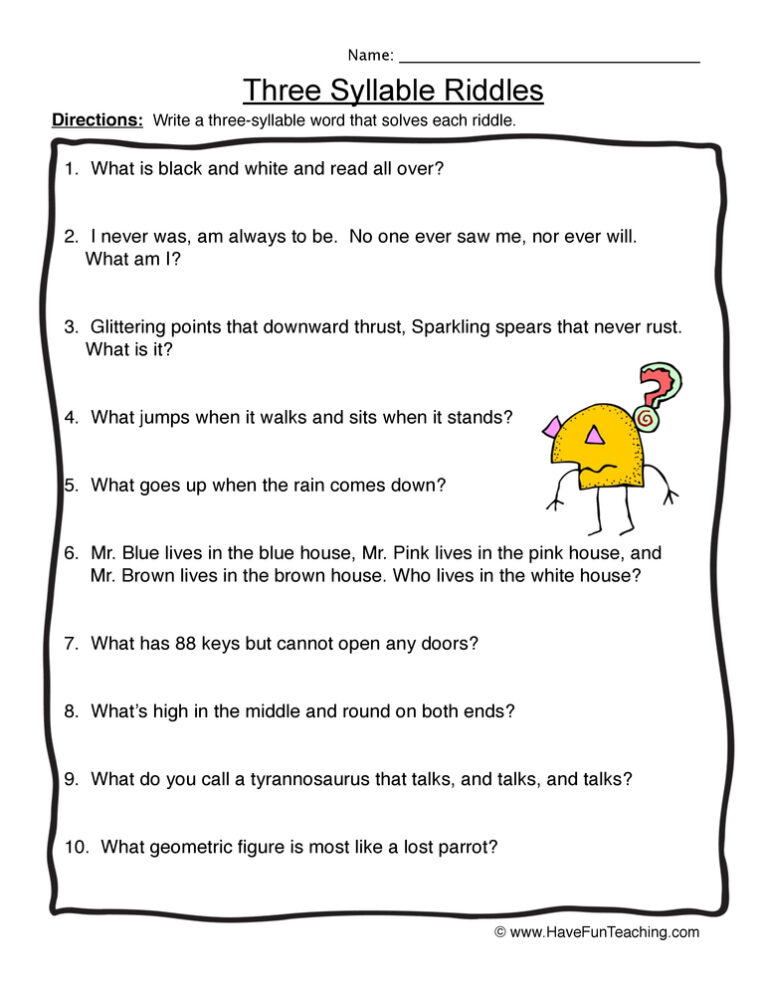
Using this Three Syllable Riddles Worksheet, students write a three-syllable word that solves each riddle to build their ability to break down words.

Using Categorizing Living and Non-Living Things Worksheet, students use a Frayer Model to describe characteristics and examples of living and nonliving things.
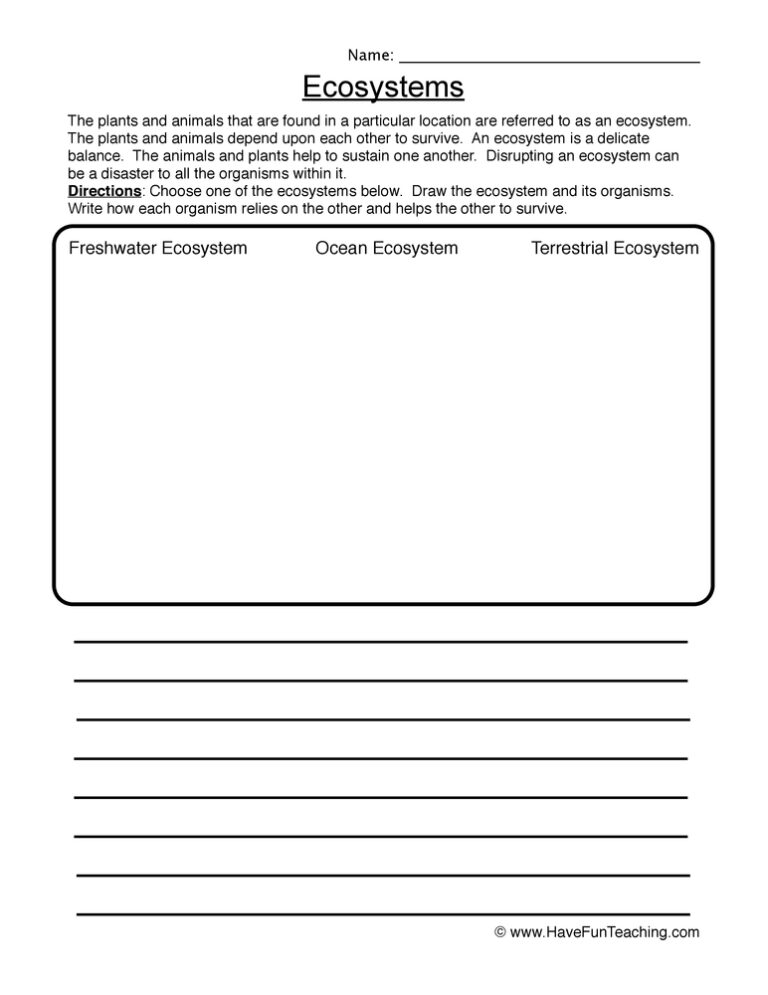
Using Drawing Ecosystems Worksheet, students draw an ecosystemand write how each organism relies on the other and helps the other to survive.

science worksheet, earth science worksheet, need and wants, resources, conservation
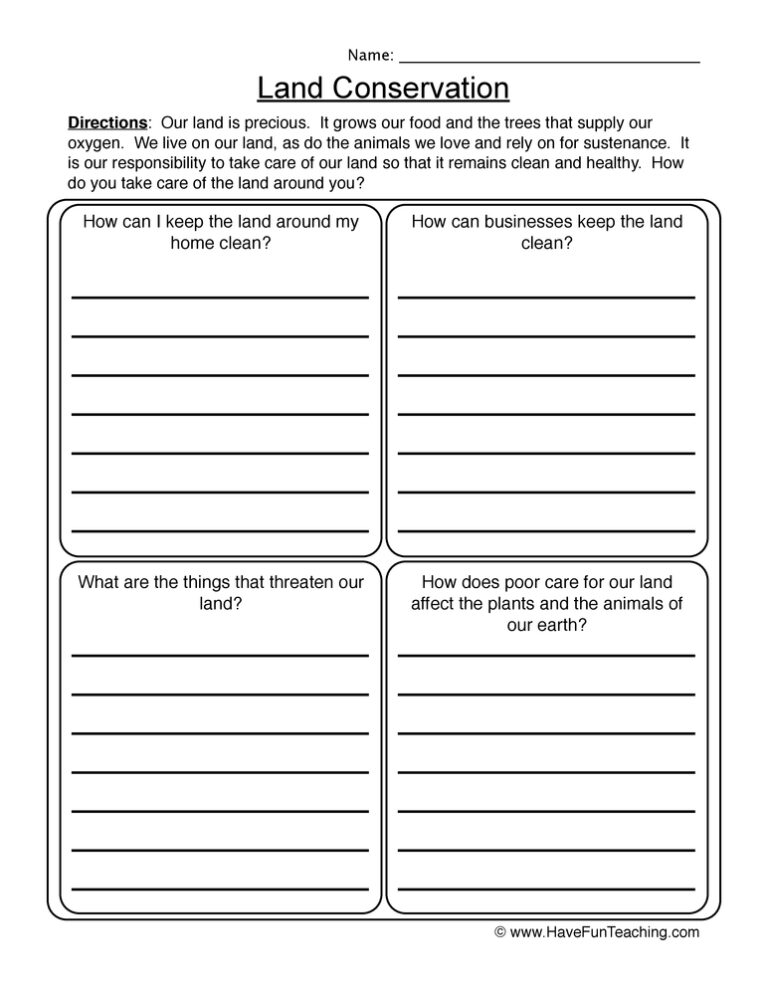
UsingLand Conservation Worksheet, students brainstorm ways that they can take care of our land so it remains clean and healthy.