
Skip to content
Start My 3 Free Days $0 today · cancel anytime

4th Grade Life Science Resources

22 4th grade life science resources: 15 worksheets, 5 activities, 1 song and more. How teachers use these

4th Grade Life Science Resources

22 4th grade life science resources: 15 worksheets, 5 activities, 1 song and more. How teachers use these

Worksheet
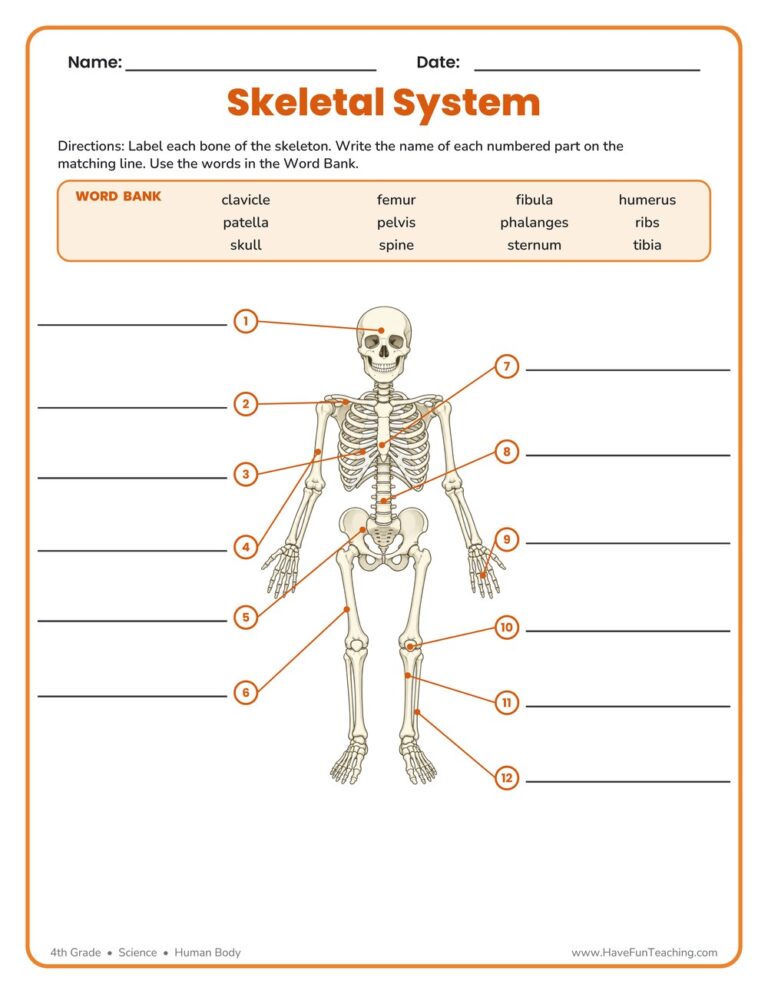
Worksheet4th GradeLabel Skeletal System Worksheet

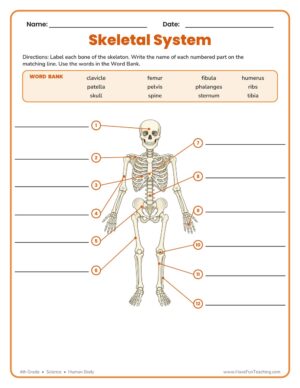
This Label Skeletal System Worksheet lets 4th grade students identify and name twelve major bones on a clear skeleton diagram using a word bank. An answer key is included for quick, no-prep human body practice.

Worksheet
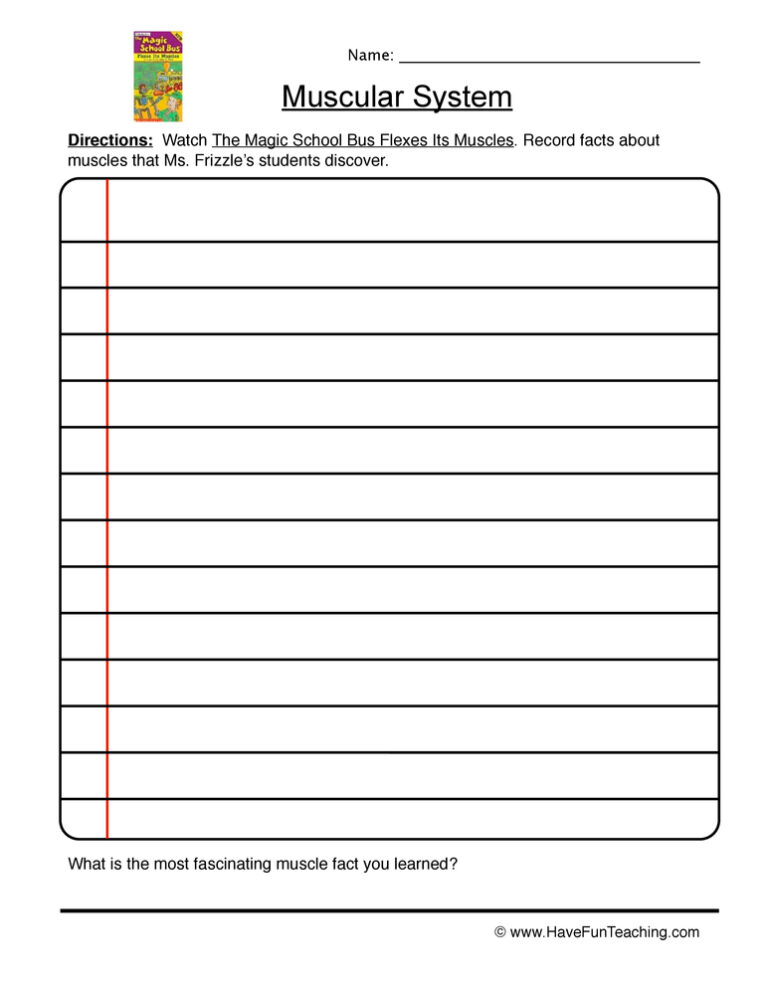
Worksheet4th GradeMuscular System Research Worksheet

This Muscular System Research Worksheet has 4th graders name the three muscle types, sort voluntary and involuntary actions, and explain their thinking. Answer key included, so checking work takes seconds.

Worksheet
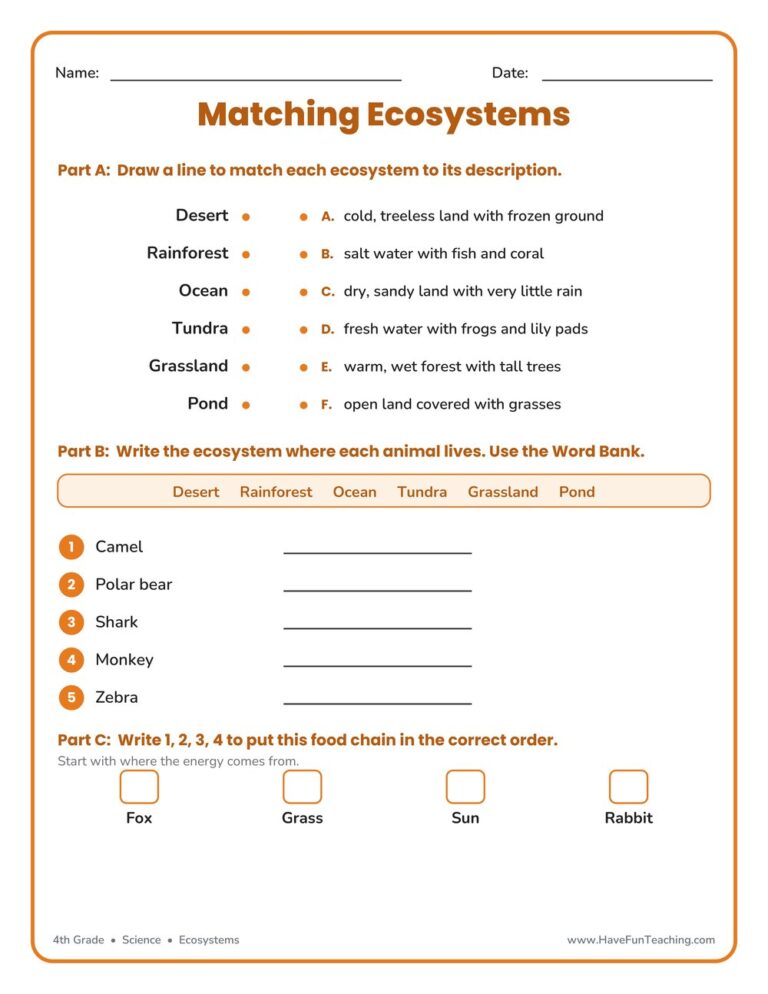
Worksheet4th GradeMatching Ecosystems Worksheet

This matching ecosystems worksheet helps 4th grade students match ecosystems to descriptions, sort animals into habitats, and order a food chain. Includes an answer key for easy, no-prep science practice.

Video
Video4th GradeCreation Song

While watching the Creation Song, students learn about the days of Creation perfect for Sunday school, kid's church, and Bible lessons for kids. Bring joy and understanding into your kid's church, Sunday school, and classroom with this song about the days of Creation. Your kids will love a new way…

Worksheet
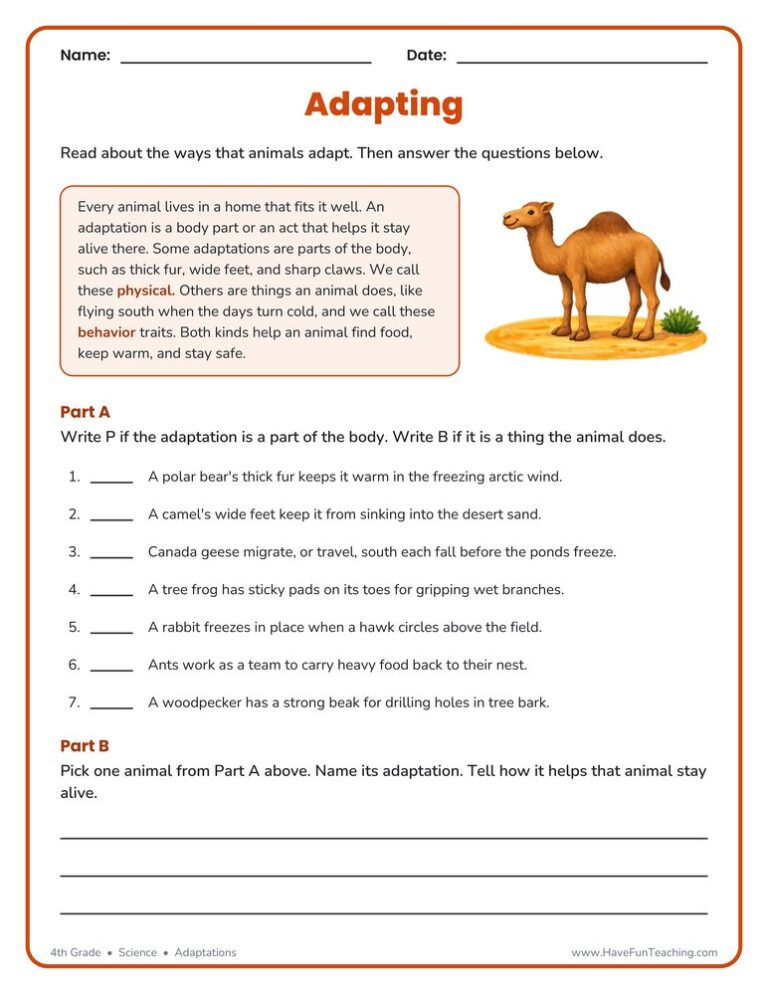
Worksheet4th GradeAdaptation Worksheet

This adaptation worksheet has 4th graders sort seven animal traits into physical and behavioral adaptations, then explain how one helps an animal survive. Answer key included for fast, no-prep life science practice.

Worksheet
Worksheet4th GradeSkeletal System Research Worksheet

This skeletal system research worksheet asks 4th grade students to pair six bones with what each one does, then answer three research questions about the human skeleton. An answer key is included.

Worksheet
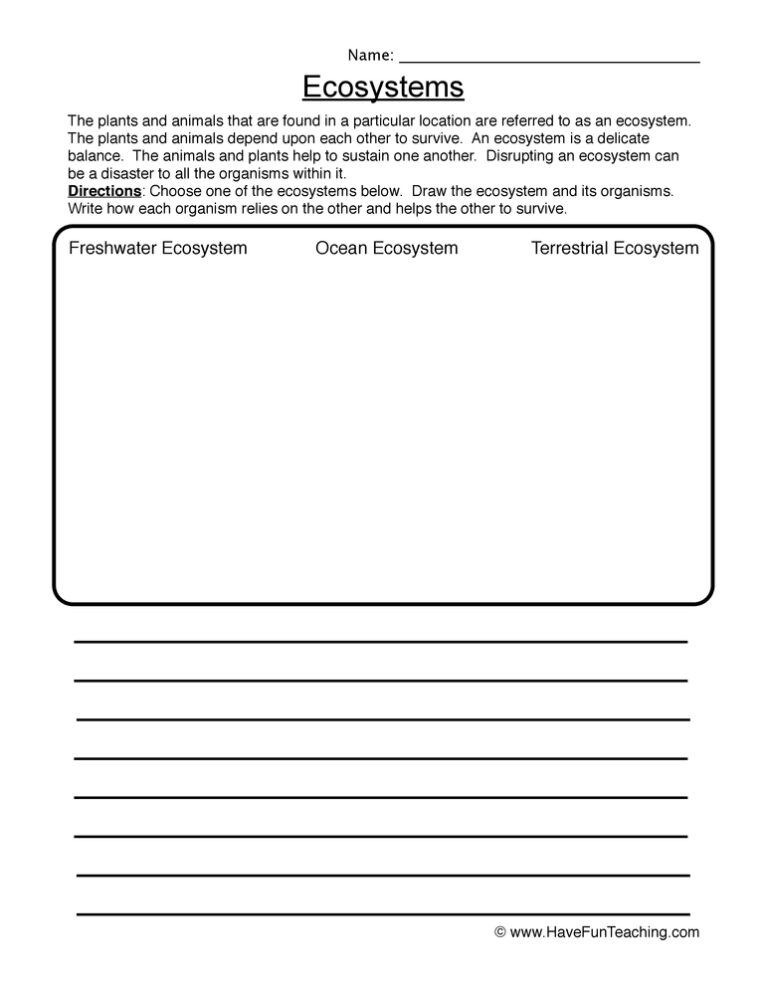
Worksheet4th GradeDrawing Ecosystems Worksheet

The Drawing Ecosystems Worksheet asks 4th grade students to name the freshwater, ocean and terrestrial ecosystems behind six clues, then explain one animal partnership. An answer key is included, so checking takes a minute.

Worksheet
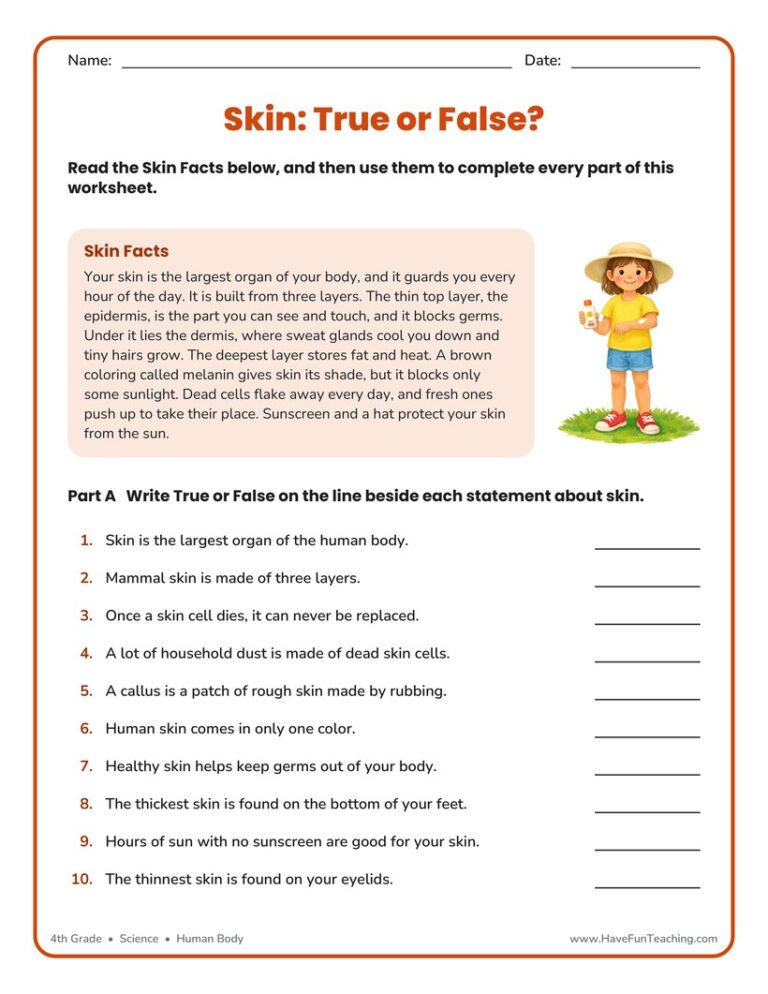
Worksheet4th GradeSkin True or False Worksheet

This Skin True or False Worksheet asks 4th grade students to judge ten skin facts, name the layers of the skin, and explain their thinking in writing. Answer key included, so science review takes minutes.

Worksheet
Worksheet4th GradeFood Chain Worksheet

This food chain worksheet asks 4th grade students to match a producer and three consumers to their pictures and explain how energy moves. An answer key is included to make checking quick.

Worksheet
Worksheet4th GradeExtinction Worksheet

Students read a three-animal research table on this Extinction Worksheet, then explain how people helped the bald eagle, giant panda, and sea otter. Built for 4th grade and includes an answer key, so science research practice takes no prep.

Worksheet
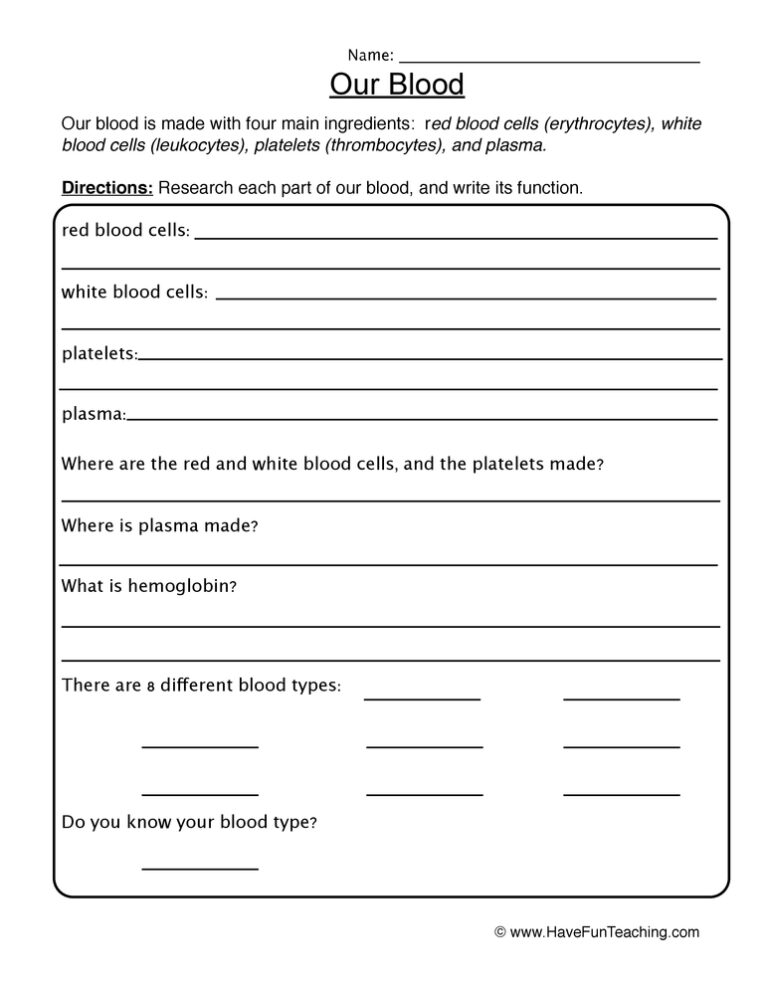
Worksheet4th GradeBlood Worksheet

A Blood Worksheet that walks 4th graders through red blood cells, white blood cells, platelets, and plasma with matching, bubble questions, and a written response. Answer key included for fast, no-prep science practice.

Workbook
Workbook4th GradeLife Science Reading Comprehension Workbook

UsingCharacter Reading Comprehension Workbook, students can have all of the passages about different life science topics all in one workbook.

Worksheet
Worksheet4th GradePopcorn Five Senses Worksheet

This Popcorn Five Senses Worksheet asks 4th graders to chart each sense organ and the information it detects, then name the sense behind three popcorn-day clues. Answer key included for fast, no-prep science practice.

Worksheet
Worksheet4th GradeMuscular System Writing Worksheet

Using this Muscular System Writing Worksheet, students read and then write about each part of the muscular system and explain its function in our body.

Worksheet
Worksheet4th GradeMatching Animal Needs Worksheet

This matching animal needs worksheet has 4th grade students link five animals to the food and shelter they need, sort six needs and write one explanation. Answer key included.

Activity
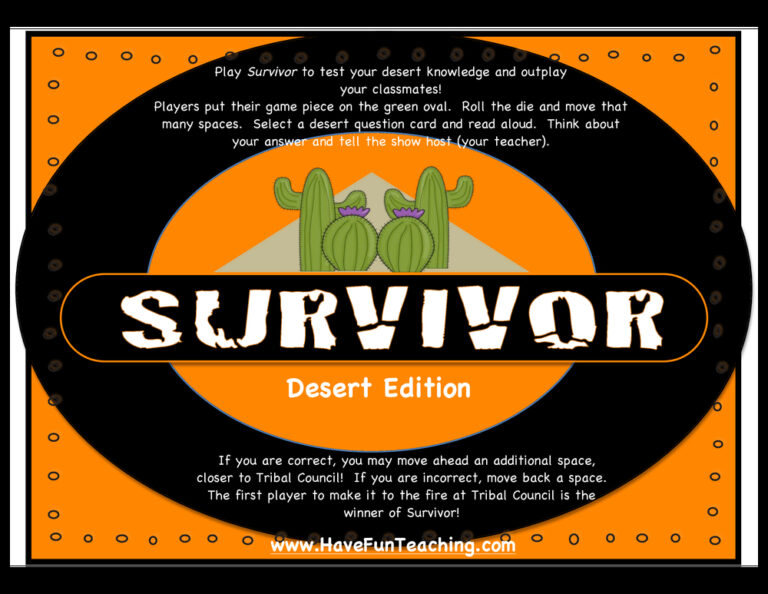
Activity4th GradeSurvivor Desert Edition Activity

Using this Survivor Desert Edition Activity, students play the survivor board game to test your knowledge of animals and their habitats.

Activity
Activity4th GradeFlorida Wildlife Animal Project

Using this Florida Wildlife Animal Project, students research, design a poster, create a model and give a presentation to learn about the animals that live in Florida.

Activity
Activity4th GradeBrazil Wildlife Animal Project

This Brazil wildlife animal project activity has students sort ten rainforest animals by layer, then research one animal and share it. Made for 3rd to 5th grade, answer key included.

Worksheet
Worksheet4th GradePlant Life Cycle Observations Worksheet

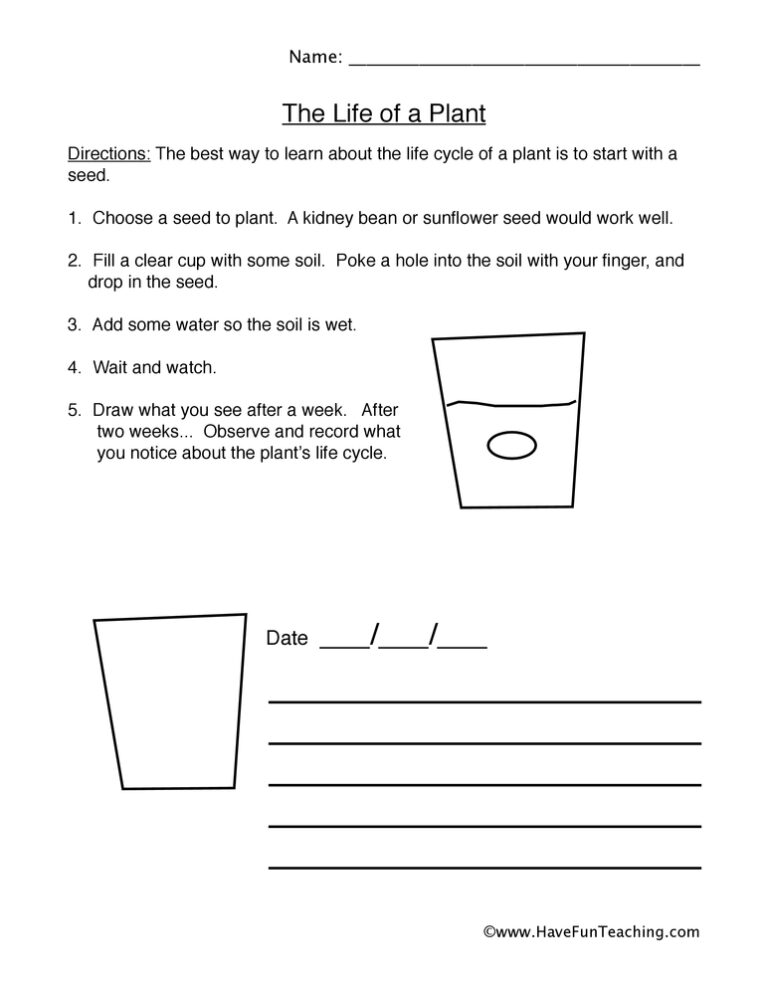
This plant life cycle observations worksheet has 4th grade students read a pea plant log, graph its height, and explain its growth. An answer key is included for quick checking.

Worksheet
Worksheet4th GradeEndangered Species Worksheet - Research

This Endangered Species Worksheet gives 4th Grade students a one-page research organizer for the animal they choose, with room to record its habitat, three reasons it is endangered and ways people can help.

From our teachers' playbook

Bones, food chains and survival secrets

What do 4th graders learn about life science?

Fourth graders study how living things are built to survive. They learn that plants and animals have structures with special jobs, like roots that take in water, a skeleton that holds up the body and muscles that make it move. They explore how animals use their senses to react to the world, how adaptations help them live in deserts or oceans, and how energy moves through a food chain: sun → grass → rabbit → fox. The click moment is when kids look at any animal and ask, "What helps it survive here?"

Our favorite ways to teach life science

Life science is best when kids observe, label and ask why. These moves keep them curious.

Label it, then feel it

Before labeling a skeleton diagram, have kids find their own bones: skull, ribs, spine, femur. Then they label the diagram and write one job for each bone. Connecting the picture to their own body makes it stick.

Why it works: kids understand an idea best when they touch it, then draw it, then write it, the order the U.S. Department of Education recommends for elementary math.
Label Skeletal System WorksheetTry it withLabel Skeletal System WorksheetWorksheetsOpen it →

Draw the energy path

Food chains click when kids draw the arrows themselves. Remind them the arrow points to where the energy goes: grass → rabbit means the rabbit eats the grass. Then remove one link and ask what happens next.

Why it works: children learn more from words and pictures together than from words alone (Mayer, 2009).

Food Chain WorksheetTry it withFood Chain WorksheetWorksheetsOpen it →

Read a little science each week

Short weekly science passages on body systems, animals and plants keep the vocabulary coming back. Kids read, answer a few questions and add new words to their science notebook.

Why it works: spreading practice out over days is one of the two most effective study methods in a major research review (Dunlosky and colleagues, 2013).

Life Science Reading Comprehension WorkbookTry it withLife Science Reading Comprehension WorkbookWorkbooksOpen it →

Questions teachers and parents ask about 4th grade life science

What life science topics are in 4th grade?

Common topics include plant and animal structures and their jobs, the senses, adaptations, ecosystems, food chains and, in many schools, the human body systems.

What is an adaptation?

An adaptation is a body part or behavior that helps a living thing survive where it lives. A camel's hump stores fat, and a polar bear's thick fur keeps it warm.

How do I explain a food chain?

A food chain shows how energy moves from one living thing to another. It starts with the sun, then a plant, then an animal that eats the plant, then an animal that eats that animal.

How can kids explore life science at home?

Observe birds or bugs in the yard, grow a plant from seed or watch a nature show and ask, "How does this animal survive?" Keeping a simple nature journal works great too.



