3 days free
Ready for the whole library?
You’ve had your freebie — but members download 10,000+ resources for every grade, all year long. Try it free — $0 today, cancel anytime.
Free for teachers
Pick your grade. We’ll send 10 free resources.
Worksheets, activities and a video — picked for your classroom, ready to print tonight.
One free bundle per teacher. We’ll also send free teaching ideas each week — unsubscribe anytime.


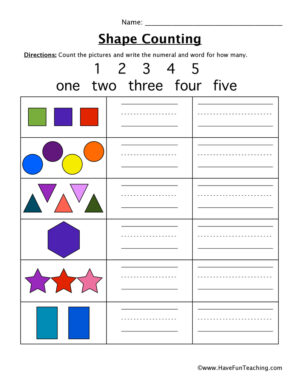


This RI.5.10 Fifth Grade Common Core Lesson includes RI.5.10 Worksheets, RI.5.10 Activities, RI.5.10 Assessment, and RI.5.10 Poster.
Using this RL.5.1 Fifth Grade Common Core Lesson, students Refer to details and examples in a text when explaining what the text says explicitly and when drawing inferences from the text.

Track class reading with this books my students are reading worksheet, a 2nd grade teacher record for dating when each student reads fantasy, mystery, folktale, nonfiction and poetry books.
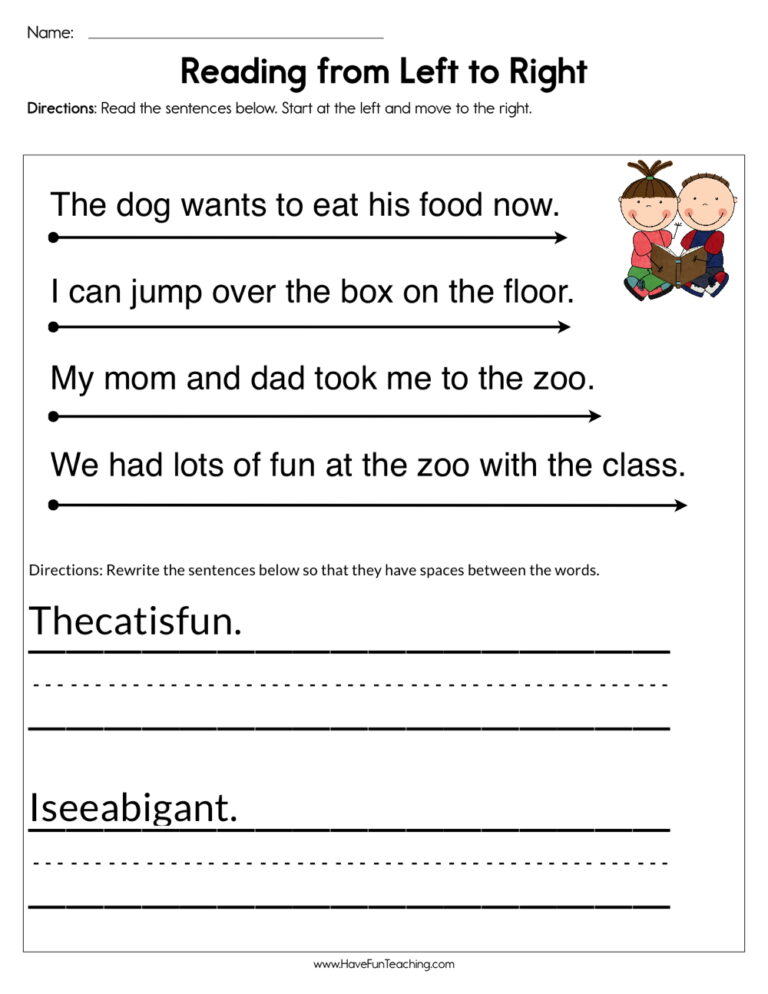
This reading from left to right worksheet lets kindergarten students trace reading arrows, circle first words, and rewrite squished sentences with spaces. An answer key is included for quick checking.

A story details graphic organizer worksheet for 1st grade readers. Children write the story title, then record who, what, where, and when in four labeled boxes, building a retelling routine that works with any book.

The Itsy Bitsy Spider Graphic Organizer Worksheet lets 1st grade readers finish a main idea sentence and four key details from a word bank. An answer key is included for quick checking.
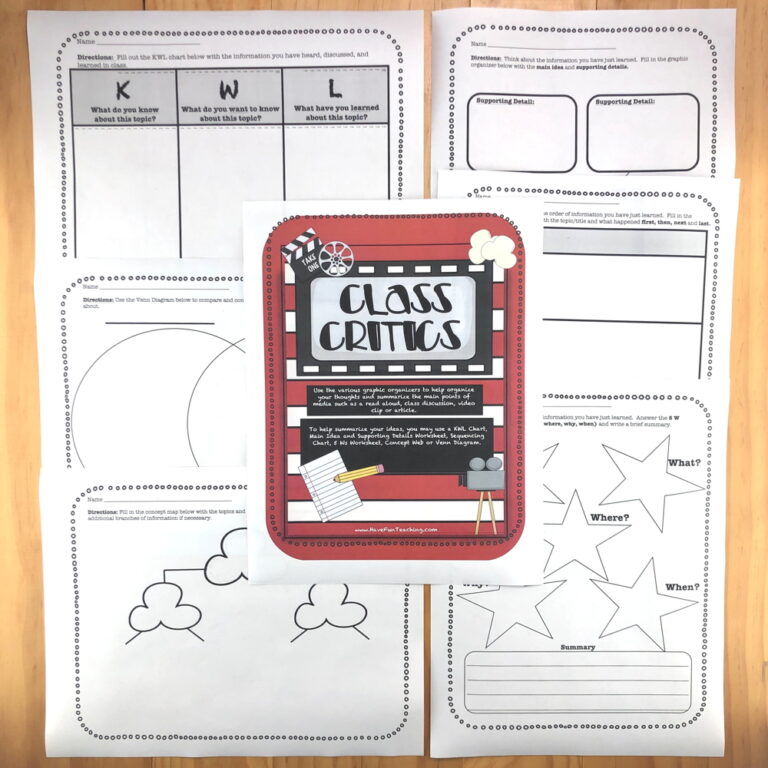
Using Retell the Story Activity, students read Floppy Ears aloud to students and then use the question chart to assess students ability to retell the story.
Using this Determining Theme Graphic Organizers Activity, students determine the theme of a story, drama, or poem from details in the text using Graphic Organizers.
Using Comparing Points of View Activity, students distinguish their own point of view from that of the author of a text.

Using Reading Informational Texts Worksheet, students keep track of the stories they read this year by writing the title and the rating each book.
Using Gold Medal Reading Strategies Activity, students read grade-level text with purpose and understanding using graphic organizers for support.

Using How Words Work Poetry Activity, students describe how words &phrases supply rhythm and meaning in a story, poem, or song.

Using Retell the Story Activity,students read “Floppy Ears” aloud to students and then use the question chart to assess students ability to retell the story.

Using Reading Fiction Fluency Practice Worksheet, studentspractice reading words and sentences with fluency and accuracy to build independent reading skills.
Using Asking Questions Assessment Worksheet, students ask questions to seek help, get information, or clarify something that is not understood while reading or being read to.

Using Retelling Stories Activity,students put the Event Cards in the correct order to retell the story to build summarizing skills.
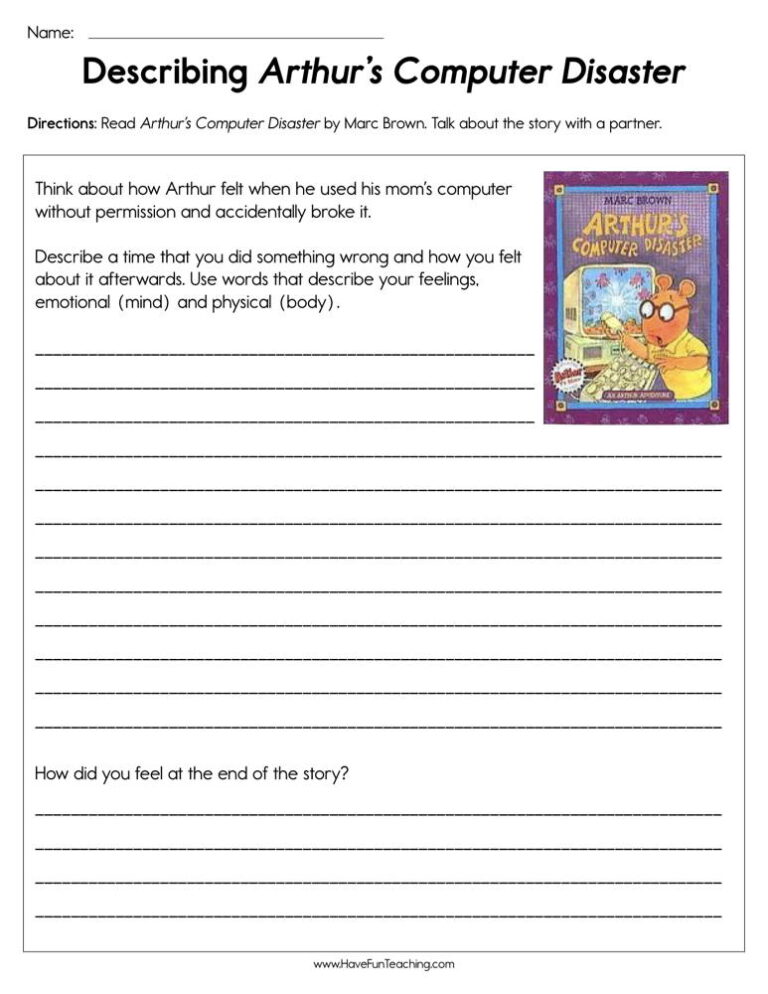
Using this Describing Arthur's Computer Disaster Worksheet, students read Arthur's Computer Disaster to write about how you have experienced something similar to Arthur's troubles.
This Details about Digging Up Dinosaurs Worksheet helps students identify the main idea and key details while reading a passage about dinosaurs.

Using Comparing Books Activity, studentsidentify basic similarities and differences between two texts on the same topic.
UsingRF.K.1 Kindergarten Common Core Lesson, studentsread the book by following the words from left to right, top to bottom, and page by page to build their understanding of the organization of print.