3 days free
Ready for the whole library?
You’ve had your freebie — but members download 10,000+ resources for every grade, all year long. Try it free — $0 today, cancel anytime.
Free for teachers
Pick your grade. We’ll send 10 free resources.
Worksheets, activities and a video — picked for your classroom, ready to print tonight.
One free bundle per teacher. We’ll also send free teaching ideas each week — unsubscribe anytime.



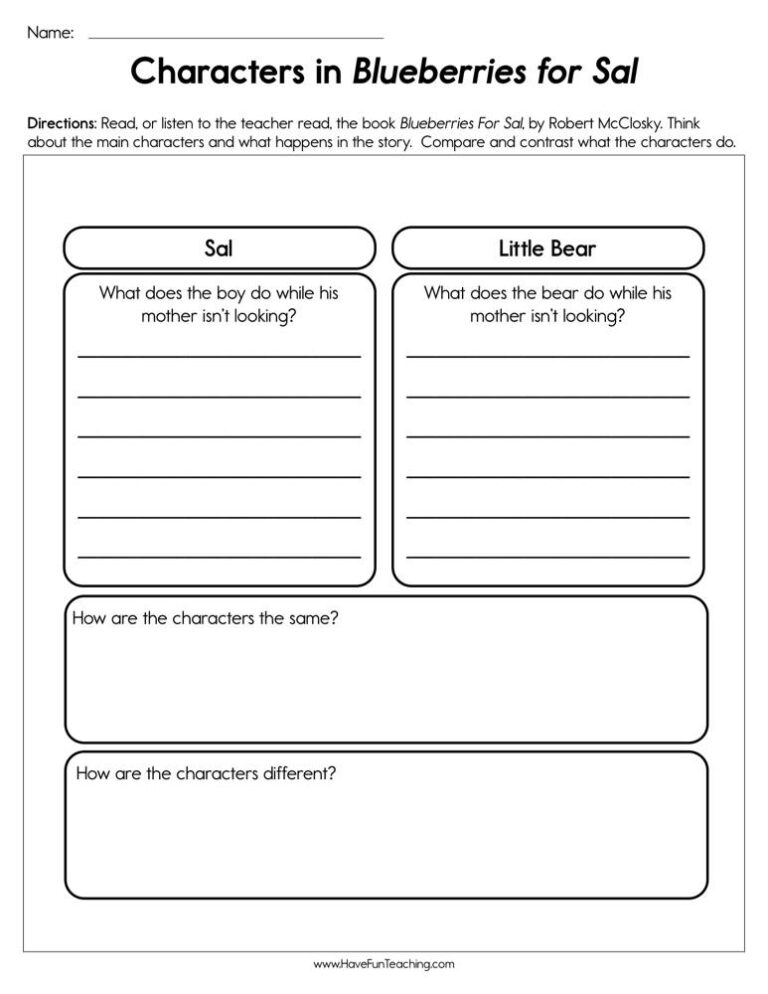
Using Characters in Blueberries for Sal Worksheet, students compare two characters from a story to determine how they are alike and different.

Using RL.5.3 Fifth Grade Common Core Lesson, students compareand contrast two characters usingspecific details in the text.
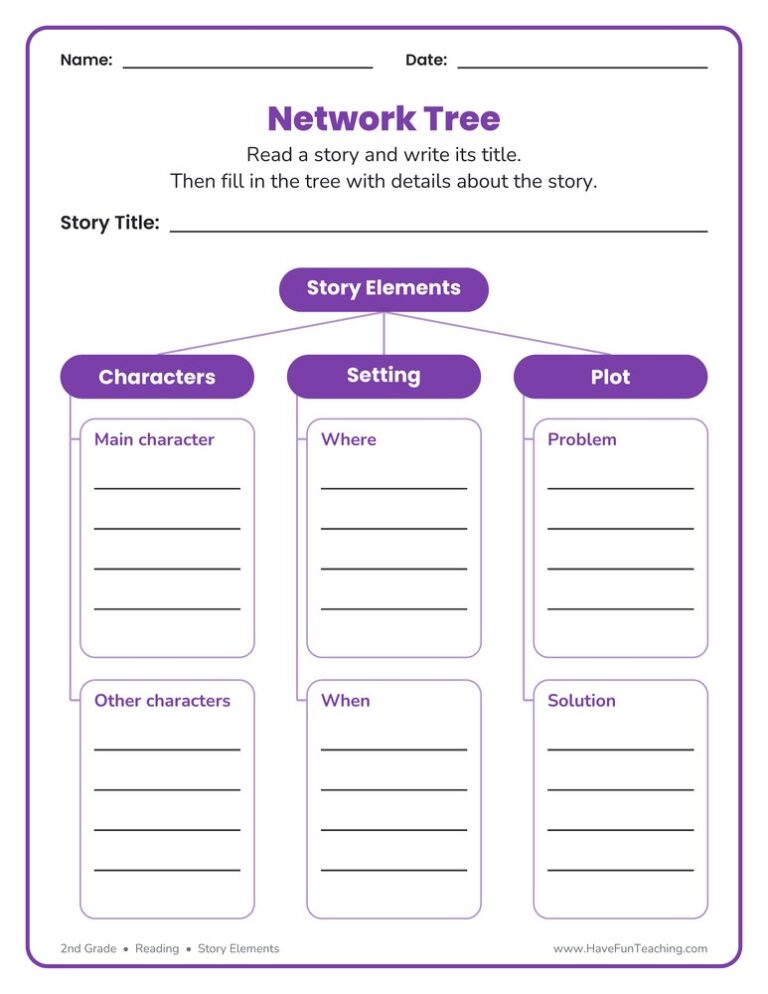
This story elements network tree graphic organizer helps 2nd grade readers map the characters, setting and plot of any book. Answers vary, so it works with every story children read.

This story elements graphic organizer worksheet gives 3rd grade readers one page for the characters, setting, problem and solution of any book they choose, with room to write a real sentence in each box.

The Build a Snowman Sequence Worksheet asks 1st grade readers to number five winter steps in order, then write the first, middle, and last one. Answer key included, so ordering practice checks itself.
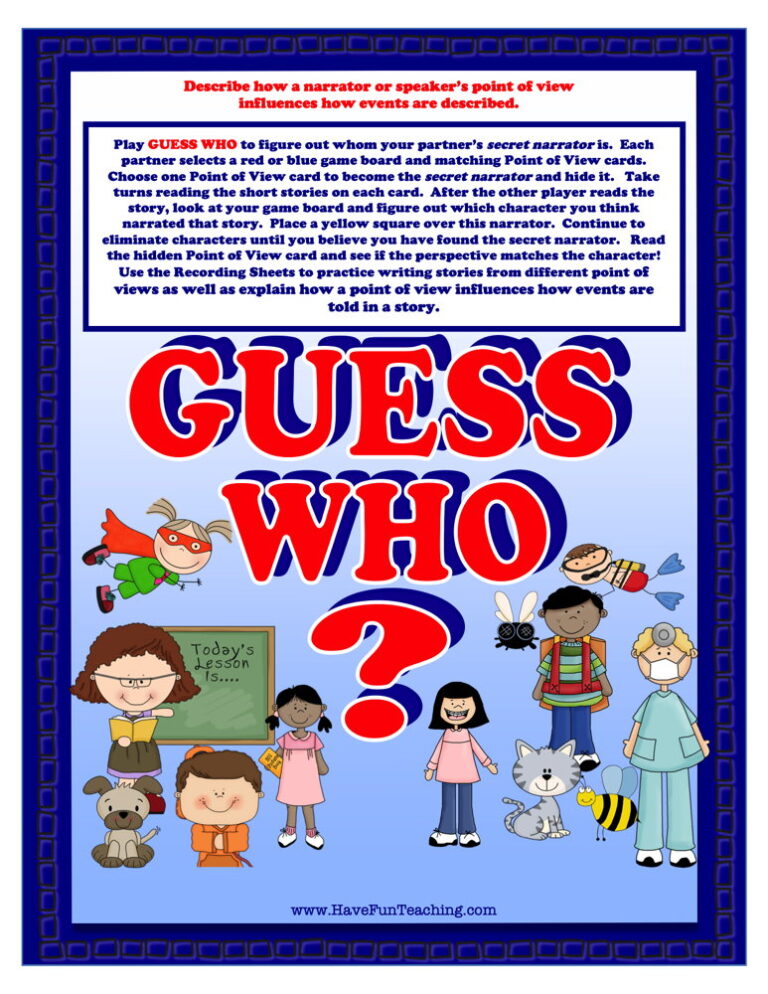
Using this Guess Who Point of View Activity, students identify their partner's "secret narrator" as the partner reads a text card.
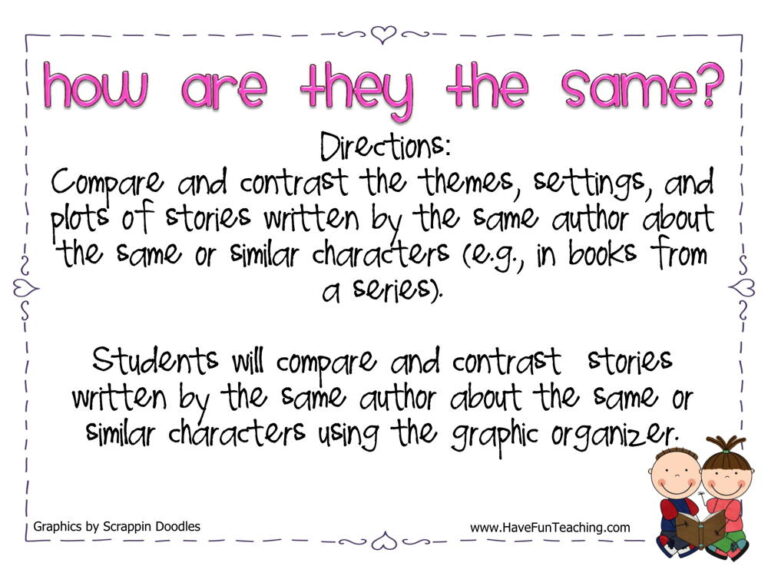
Using How are They the Same Compare and Contrast Story Elements Activity, students compare and contrast the themes, settings, and plots of stories written by the same author about the same or similar characters.
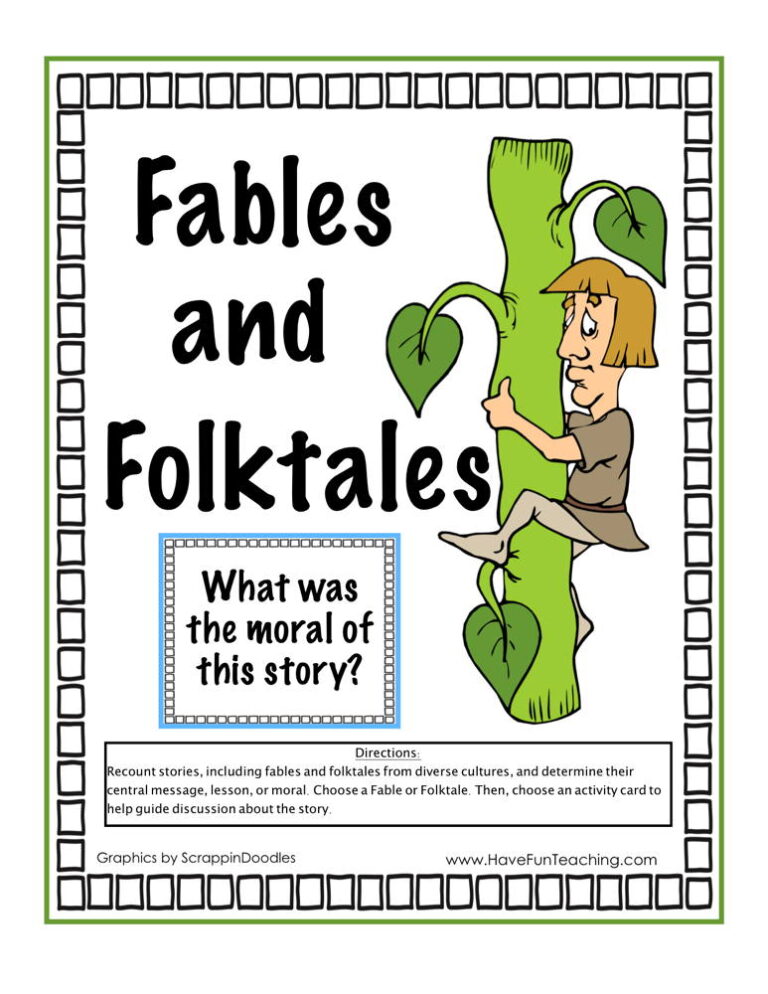
Using Fables and Folktales Activity,students recount fables and folktales from diverse cultures, and determine their central message, lesson, or moral.
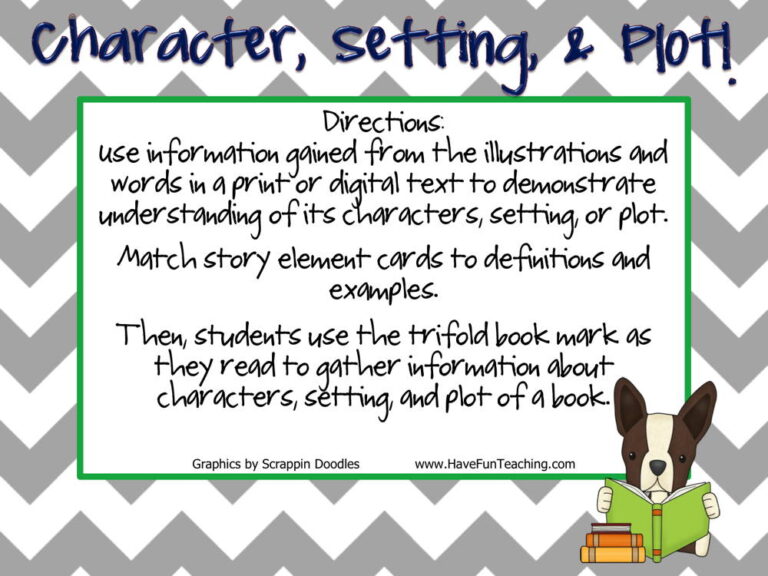
Using Character Setting Plot Activity, studentsfind examples of story elements as they read to build their reading comprehension.
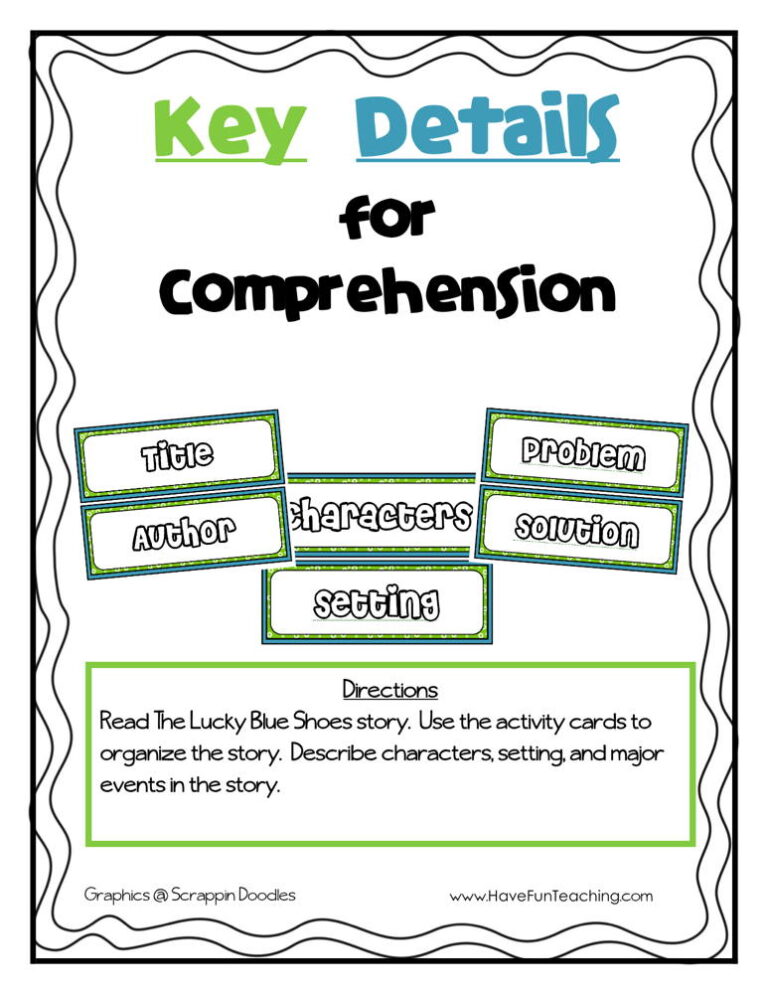
Using Key Details for Comprehension Activity, students read The Lucky Blue Shoes to describe the characters, setting, and major events in the story.
Using Story Elements Activity, studentsfind examples of text features and story elements to build their reading comprehension.
Using this RL.2.1 Second Grade Common Core Lesson, students answer questions aboutkey details in a fiction text.

Using Sequencing Organizer Worksheet , students use the planner to write your own story or to write 5 events from a story in order.
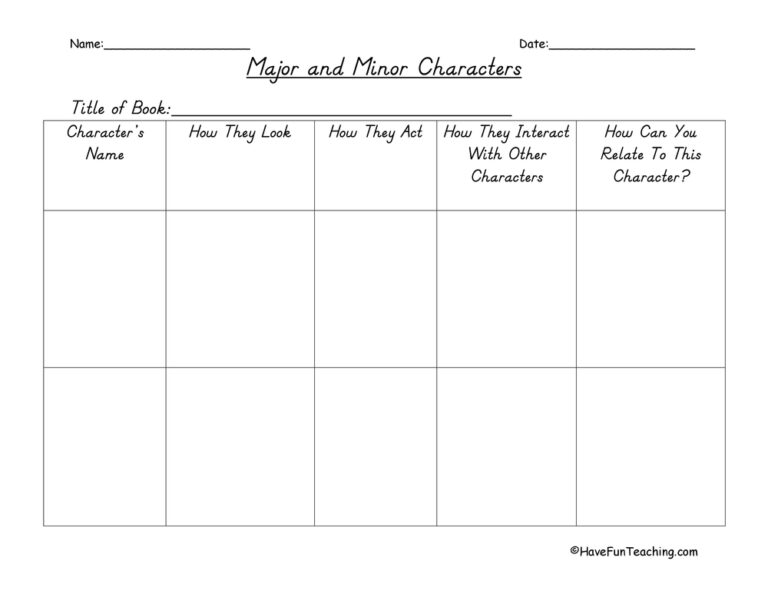
Using this Major and Minor Character Graphic Organizer, students fill in as many details as you can to show information about the Major and Minor Characters.
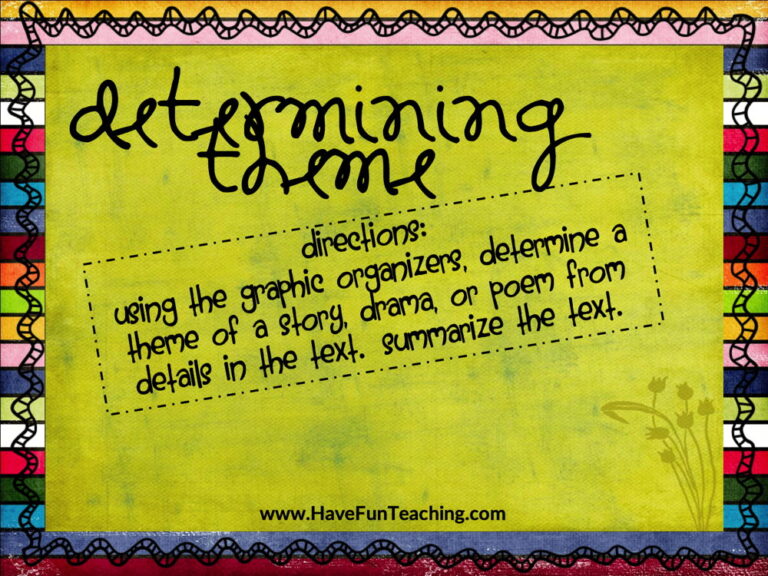
Using this Determining Theme Graphic Organizers Activity, students determine the theme of a story, drama, or poem from details in the text using Graphic Organizers.
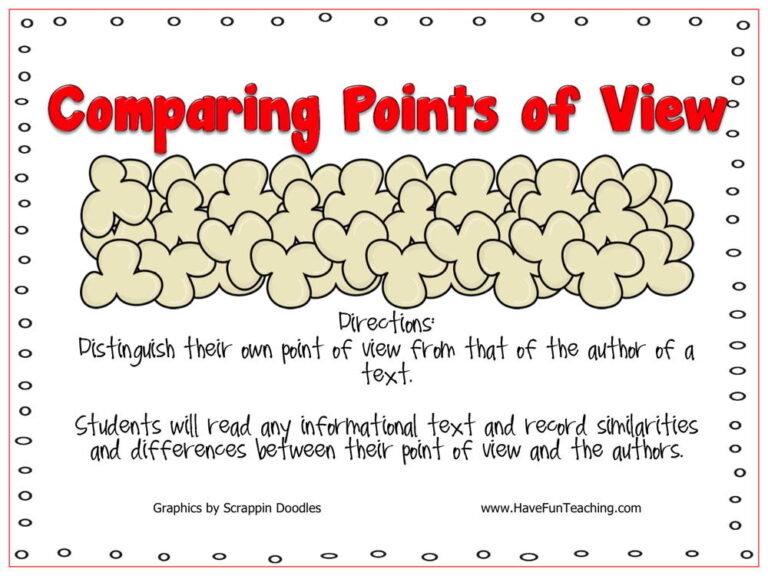
Using Comparing Points of View Activity, students distinguish their own point of view from that of the author of a text.
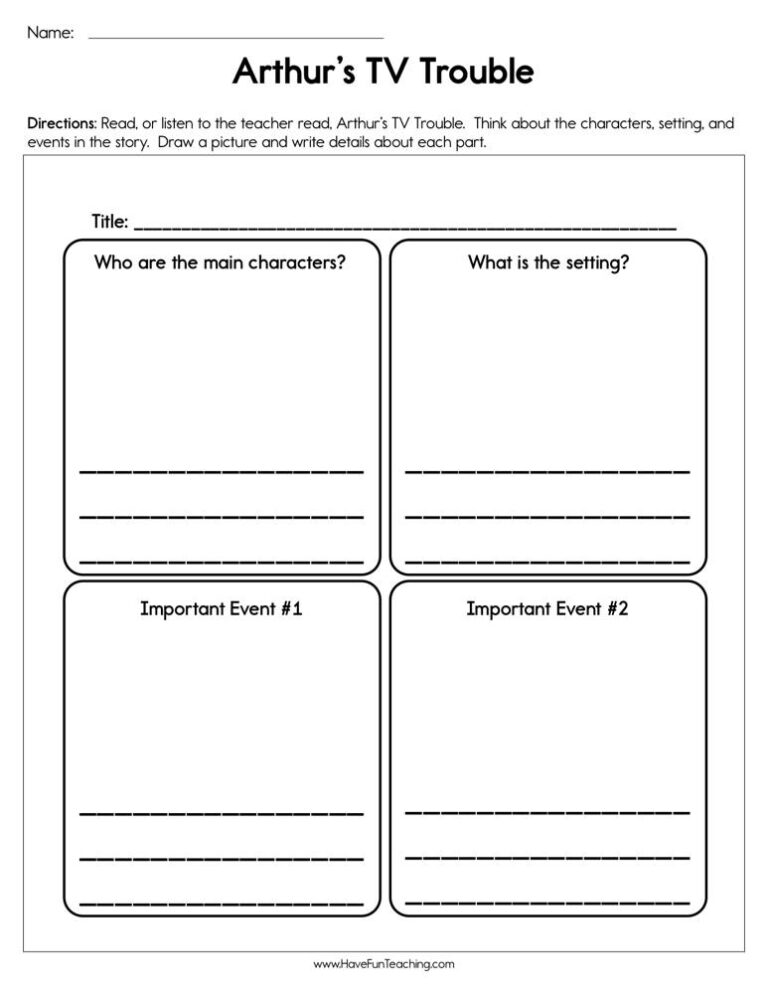
Using Arthur's TV Trouble Worksheet,students retell the story by describing the story elements of any given story to build their reading comprehension.

This RL.1.7 First Grade Common Core Lesson includes RL.1.7 Worksheets, RL.1.7 Activities, RL.1.7 Assessment, and RL.1.7 Poster.

Using RL.2.7 Second Grade Common Core Lesson, students use information gained from the illustrations and words in a print or digital text to demonstrate understanding of its characters, setting, or plot.
Using this RL.3.1 Third Grade Common Core Lesson, students answer questions aboutkey details in a fiction text.