
Skip to content
Start My 3 Free Days $0 today · cancel anytime

Space Worksheets

46 space worksheets. Teacher favorites: Solar System Diagram Worksheet and Solar System Word Search Worksheet. How teachers use these

Space Worksheets

46 space worksheets. Teacher favorites: Solar System Diagram Worksheet and Solar System Word Search Worksheet. How teachers use these

Worksheet
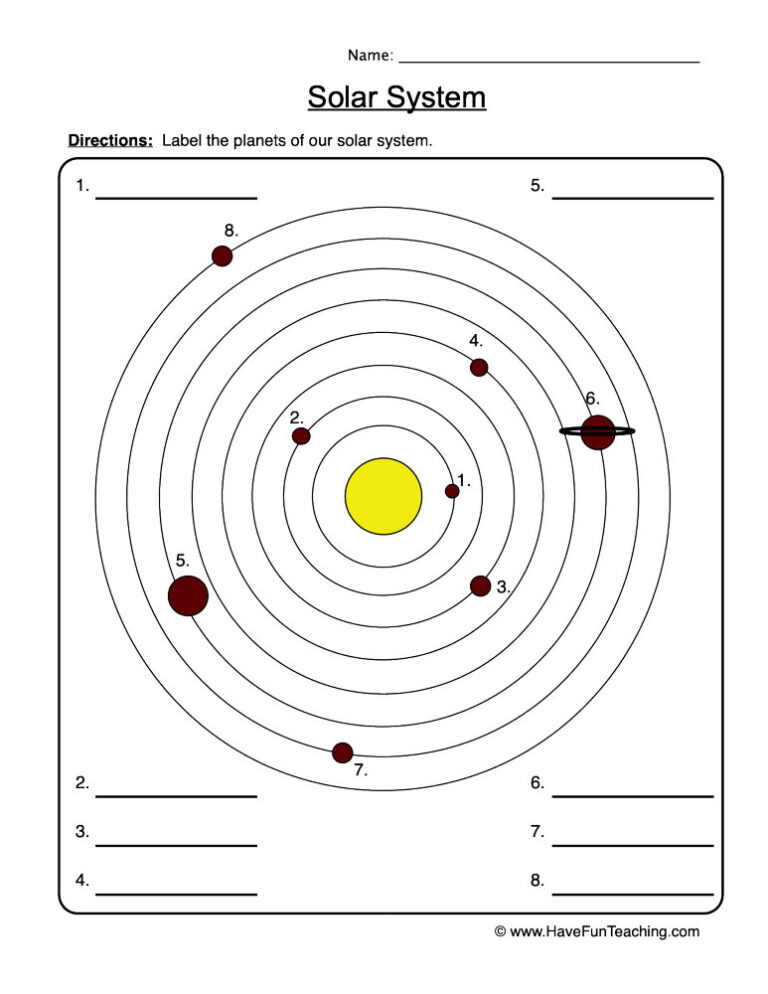
Worksheet4th GradeSolar System Diagram Worksheet

This solar system diagram worksheet has 4th graders label all eight planets in order from the Sun, then answer four questions about the diagram. An answer key is included, so review takes only minutes.

Worksheet
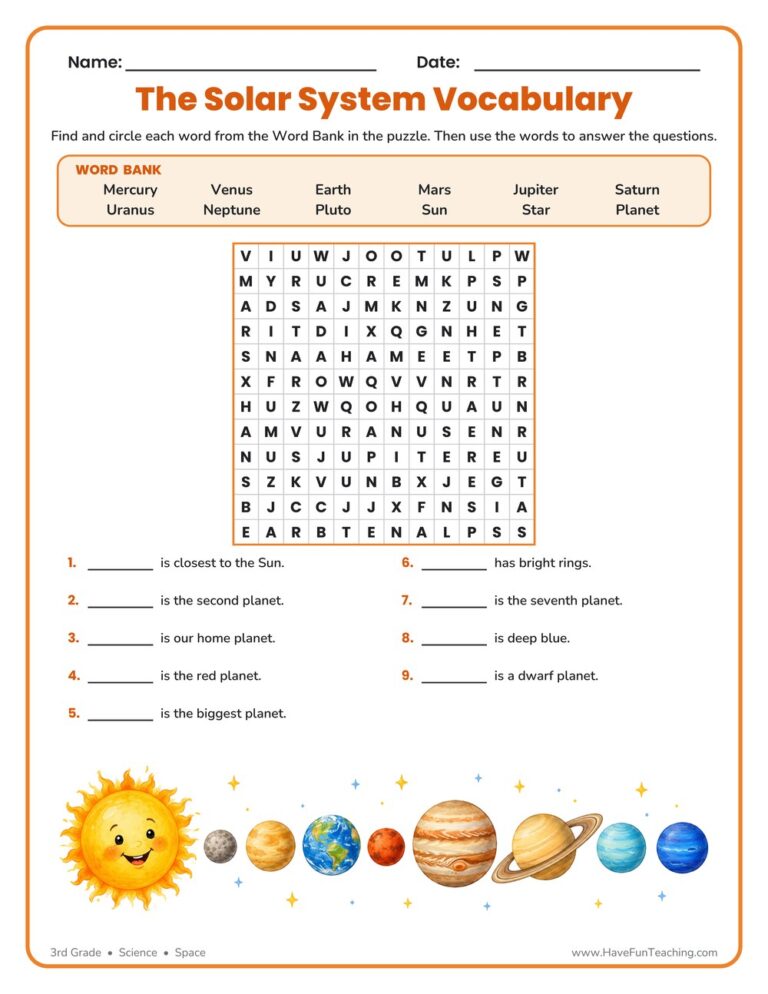
Worksheet3rd GradeSolar System Word Search Worksheet

This Solar System Word Search Worksheet helps 3rd graders find and name the Sun, planets, and other space words, then answer simple clues. Includes a complete answer key for quick, no-prep science vocabulary practice.

Worksheet
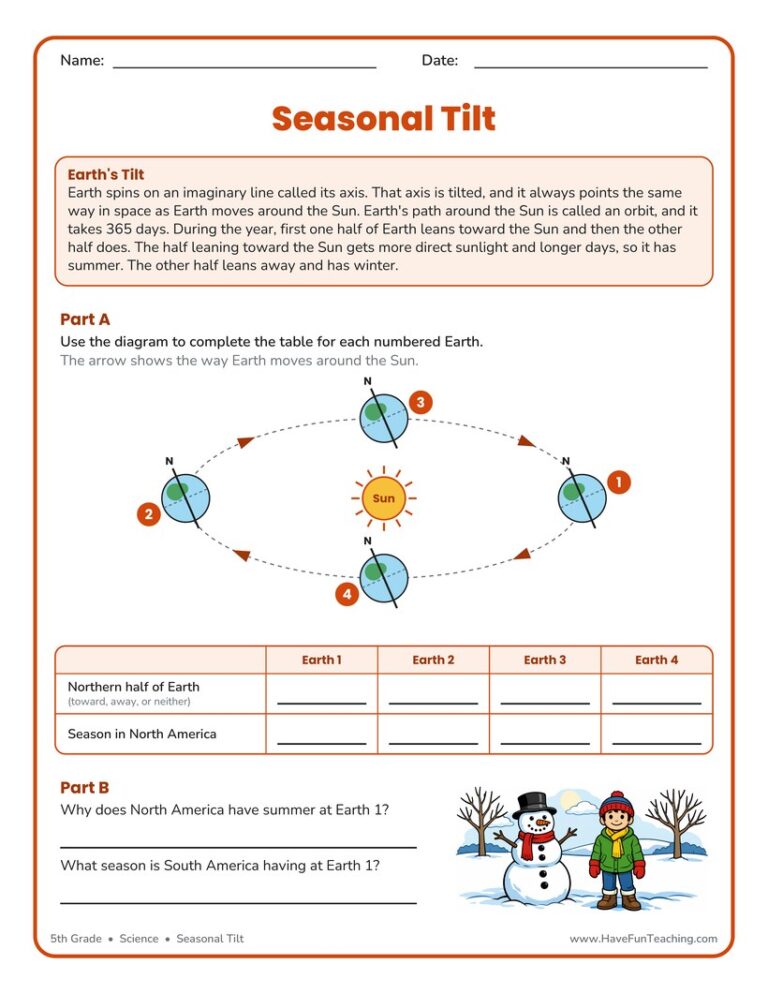
Worksheet5th GradeSeasonal Tilt Worksheet

This Seasonal Tilt Worksheet asks 5th graders to read an Earth and Sun orbit diagram, name the season at four positions, and explain what causes the change. Answer key included for fast, confident grading.

Worksheet
Worksheet4th GradeDrawing Moon Phases Worksheet

This Drawing Moon Phases Worksheet gives 4th grade students eight circles to shade, one for every phase of the moon in order, plus two questions to explain what they see. An answer key is included.

Worksheet
Worksheet4th GradeSeasons Causes Worksheet

This seasons causes worksheet asks 4th graders to read a tilted Earth diagram, name the season in the northern half, and sort real causes from common myths. An answer key with a model response is included.

Worksheet
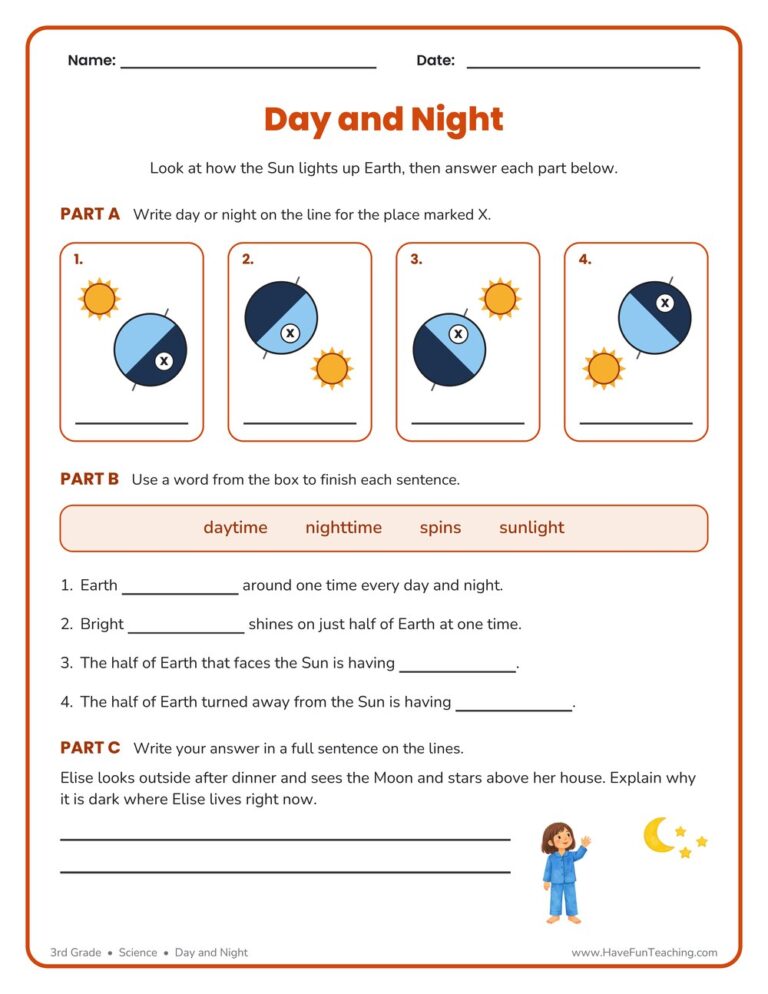
Worksheet3rd GradeDay and Night Worksheet

A hands-on day and night worksheet where 3rd graders read Sun and Earth diagrams, finish science sentences from a word box, and explain what makes it dark. Answer key included for quick, no-prep review.

Worksheet
Worksheet5th GradeSolar System Order Worksheet

Put the eight planets in order from the Sun, then use that order to answer three questions and explain why Neptune is colder than Mercury. This solar system order worksheet for 5th grade includes an answer key.

Worksheet
Worksheet3rd GradeOur Sun Worksheet

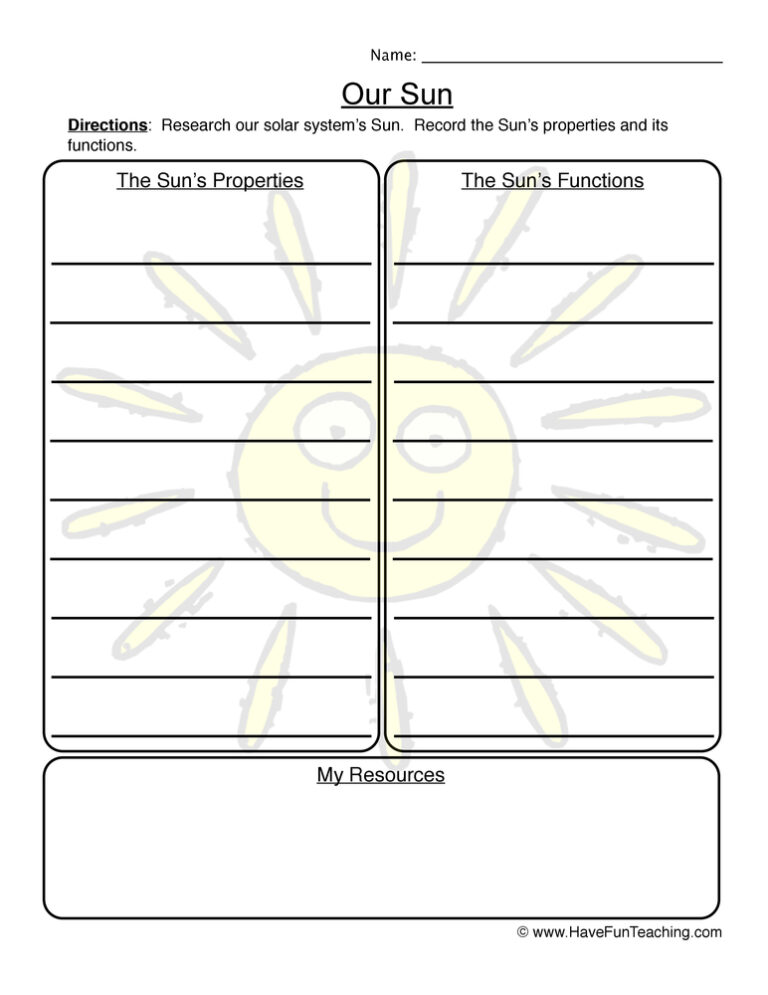
Our sun worksheet for 3rd grade: students sort eight facts into what the Sun is and what the Sun does, then find both inside four sentences. Answer key included for quick, no-prep science practice.

Worksheet
Worksheet3rd GradeSun Facts Worksheet

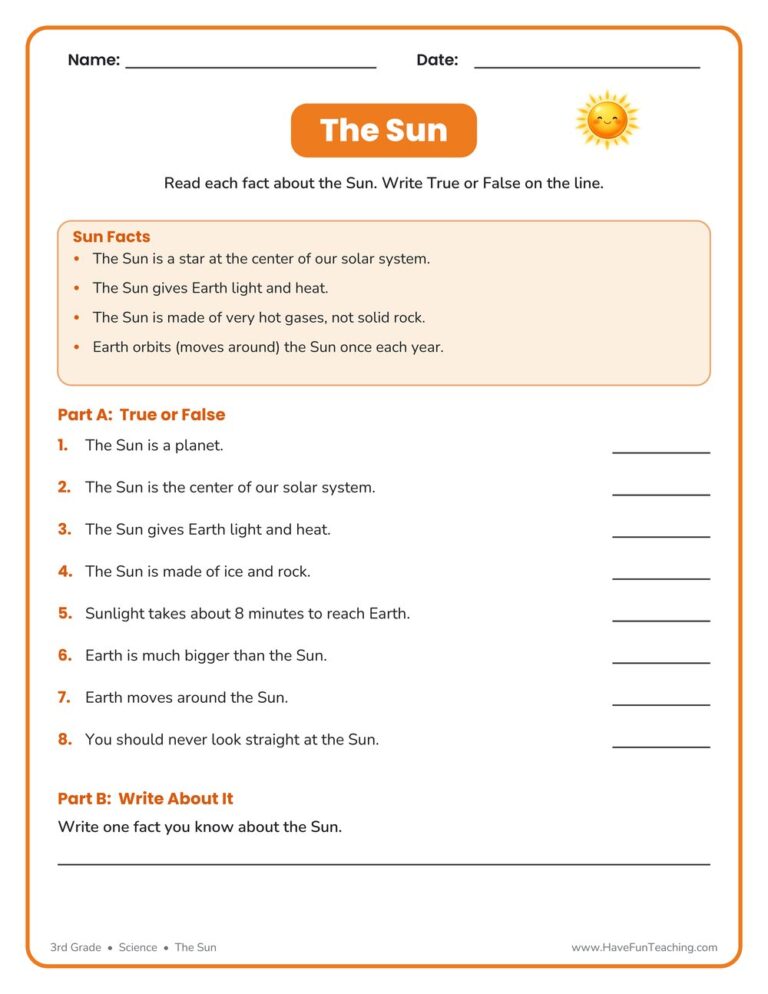
A 3rd grade sun facts worksheet where students read about the Sun and mark each statement true or false. Includes an answer key — perfect for quick, no-prep Earth and space science practice.

Worksheet
Worksheet3rd GradeEarth Planet Worksheet

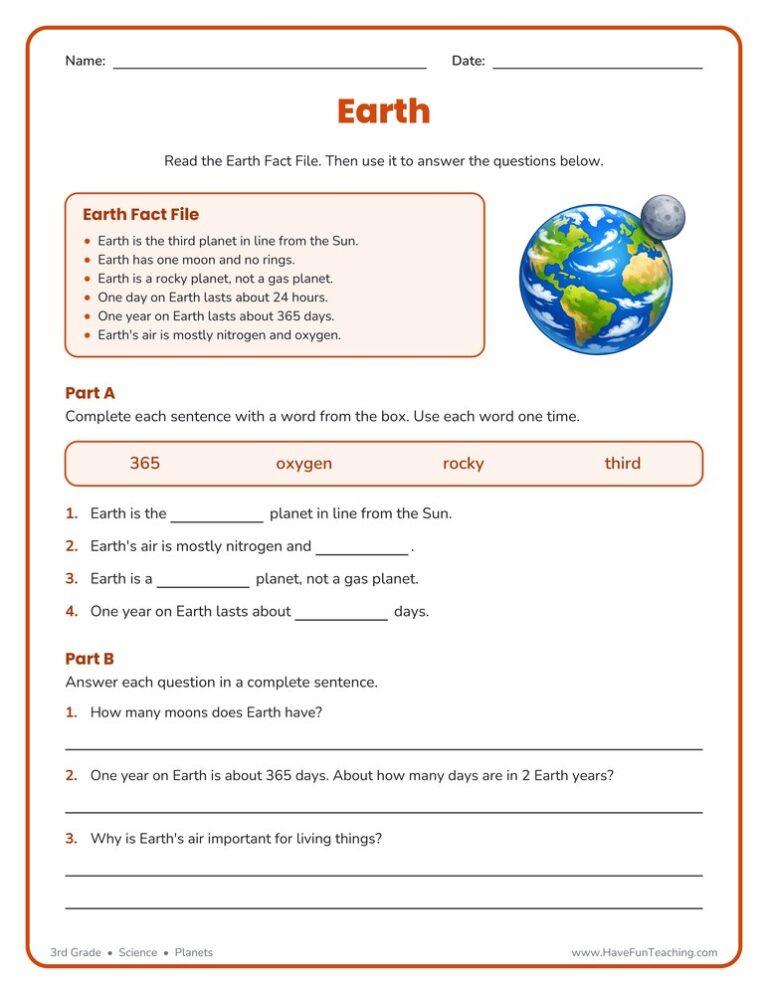
Students use the Earth Planet Worksheet to read a six-fact file about our planet, complete word-bank sentences, and write full-sentence answers. Built for 3rd Grade with an answer key included.

Worksheet
Worksheet3rd GradeMercury Planet Worksheet

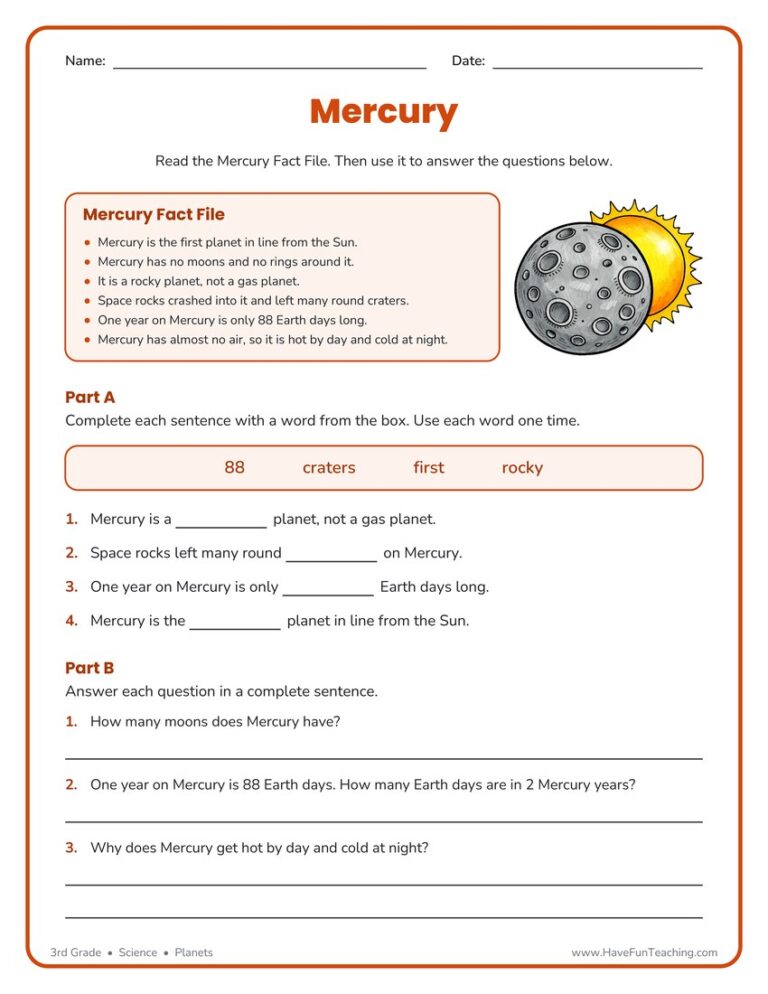
This Mercury Planet Worksheet gives 3rd graders a fact file about the first planet from the Sun, then four word-bank sentences and three written answers. Answer key included for fast, no-prep solar system practice.

Worksheet
Worksheet3rd GradeSaturn Planet Worksheet

A Saturn planet worksheet for 3rd grade that pairs a short Saturn fact file with word-bank sentences and two written questions. Answer key included, so students can check their own solar system facts.

Worksheet
Worksheet5th GradeWeight Gravity Worksheet

This Weight Gravity Worksheet asks 5th graders to multiply an Earth weight by each world's gravity factor, then explain their reasoning. A complete answer key is included, so decimal multiplication practice takes no prep.

Worksheet
Worksheet4th GradeOuter Planets Worksheet

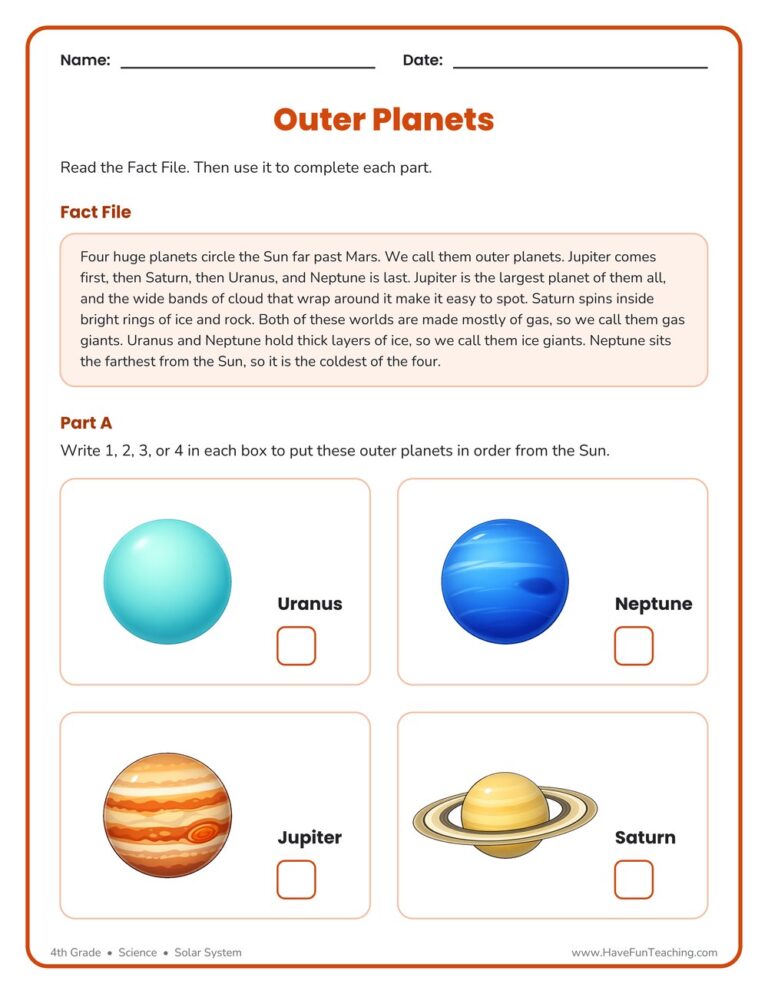
This outer planets worksheet has 4th graders read a short Fact File, order Jupiter, Saturn, Uranus and Neptune from the Sun, and compare gas giants with ice giants. Answer key included.

Worksheet
Worksheet3rd GradeVenus Planet Worksheet

This Venus Planet Worksheet gives 3rd Grade students a short fact box, fill-in-the-blank sentences, bubble questions, and a written response, with an answer key included, so learning about Venus feels clear and doable.

Worksheet
Worksheet1st GradeSun Writing Worksheet

This sun writing worksheet lets 1st graders complete six Sun facts with words from a word bank. An answer key is included, and kids build science knowledge while they read and write.

Worksheet
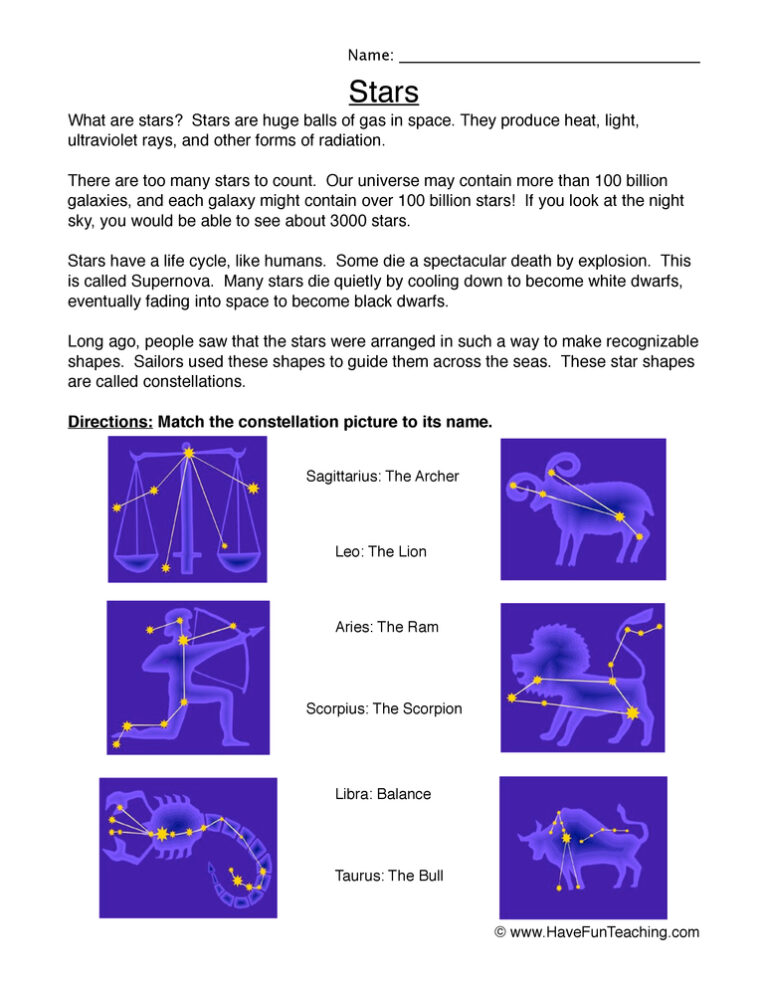
Worksheet3rd GradeStars Constellations Worksheet

This Stars Constellations Worksheet has 3rd graders match Orion, Cassiopeia, and the Big Dipper to real star maps, then explain their thinking. Answer key included for quick, no-prep night sky science.

Worksheet
Worksheet3rd GradeMars Planet Worksheet

This Mars planet worksheet hands 3rd graders a kid-friendly fact file, then asks them to name Mars facts and explain one in writing. Answer key included for confident, no-prep science practice.

Worksheet
Worksheet4th GradeJupiter Planet Worksheet

This Jupiter Planet Worksheet gives 4th graders a short science passage, a word bank, and two written-response questions about the largest planet. Answer key included for fast, no-prep solar system practice.

Worksheet
Worksheet4th GradeSolar System Worksheet

This Solar System Worksheet has 4th graders research asteroids, meteoroids, meteors, meteorites and comets, recording where each is found and one key fact. Answer key included.

From our teachers' playbook

To the moon and beyond!

What do kids learn about space?

Space is one of the most exciting topics in elementary science. Young kids notice patterns in the sky: the sun rises and sets, the moon changes shape, and we see stars at night. In 1st grade, they connect the sun's patterns to the seasons. Older kids learn that Earth spins once a day to make day and night and orbits the sun once a year. They learn the planets in order, why the moon has phases, how gravity pulls things toward Earth, and that the sun is a star that looks bigger because it's so close. The order of the planets: Mercury, Venus, Earth, Mars, Jupiter, Saturn, Uranus, Neptune.

Our favorite ways to teach space

Space is huge and hard to see up close. These moves bring it down to kid size.

Label the solar system

Have kids color and label a solar system diagram, saying each planet's name out loud. Then cover the labels and see how many they remember. Add one fun fact per planet to make it stick.

Why it works: children learn more from words and pictures together than from words alone (Mayer, 2009).

Solar System Diagram WorksheetTry it withSolar System Diagram WorksheetWorksheetsOpen it →

Moon phases you can eat

Give kids sandwich cookies and have them scrape the frosting to show each moon phase, from new moon to full moon. Then they draw what they made. It's sweet, memorable and surprisingly accurate.

Why it works: the U.S. Department of Education's guide for teaching elementary math recommends moving from hands-on objects to drawings to numbers.

Drawing Moon Phases WorksheetTry it withDrawing Moon Phases WorksheetWorksheetsOpen it →

Flashlight and a globe

Turn off the lights and shine a flashlight on a globe while you slowly spin it. Show day and night, then tilt the globe and walk it around the flashlight to show the seasons. Kids see what words alone can't explain.

Why it works: showing first, practicing together, then letting kids try alone is the "gradual release" model teachers have relied on for decades (Pearson and Gallagher, 1983).

Seasons Causes WorksheetTry it withSeasons Causes WorksheetWorksheetsOpen it →

Space questions we hear a lot

What are the 8 planets in order?

The planets in order from the sun are Mercury, Venus, Earth, Mars, Jupiter, Saturn, Uranus and Neptune. A fun way to remember: My Very Educated Mother Just Served Us Noodles.

What causes day and night?

Earth spins on its axis once every 24 hours. When your side faces the sun, it's day. When your side turns away, it's night.

Why does the moon change shape?

The moon doesn't really change shape. As it orbits Earth, we see different amounts of its sunlit side. These are called the phases of the moon.

What grade learns about the solar system?

Kids observe the sun, moon and stars in kindergarten and 1st grade. Many students study the planets, Earth's rotation and the moon's phases in upper elementary, often 4th or 5th grade.

Is the sun a star?

Yes! The sun is a medium-sized star. It looks much bigger and brighter than other stars because it's so much closer to Earth.



