
This Weight Gravity Worksheet asks 5th graders to multiply an Earth weight by each world's gravity factor, then explain their reasoning. A complete answer key is included, so decimal multiplication practice takes no prep.
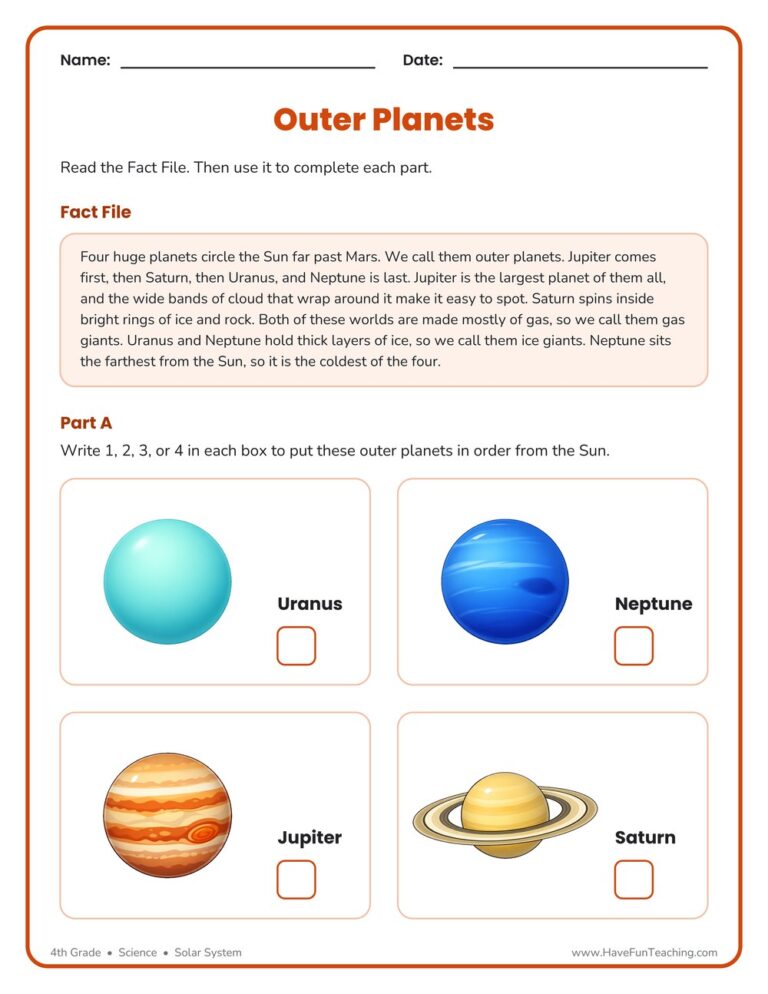
This outer planets worksheet has 4th graders read a short Fact File, order Jupiter, Saturn, Uranus and Neptune from the Sun, and compare gas giants with ice giants. Answer key included.

A one-page research notes worksheet where 4th graders record their topic, source, facts, definitions, details, and quotations in one place, so their notes stay organized from the first source to the last.

A categorizing living and non-living things worksheet where 1st graders sort six words into two columns and bubble in living or nonliving for four pictures. Answer key included for fast, no-prep science practice.
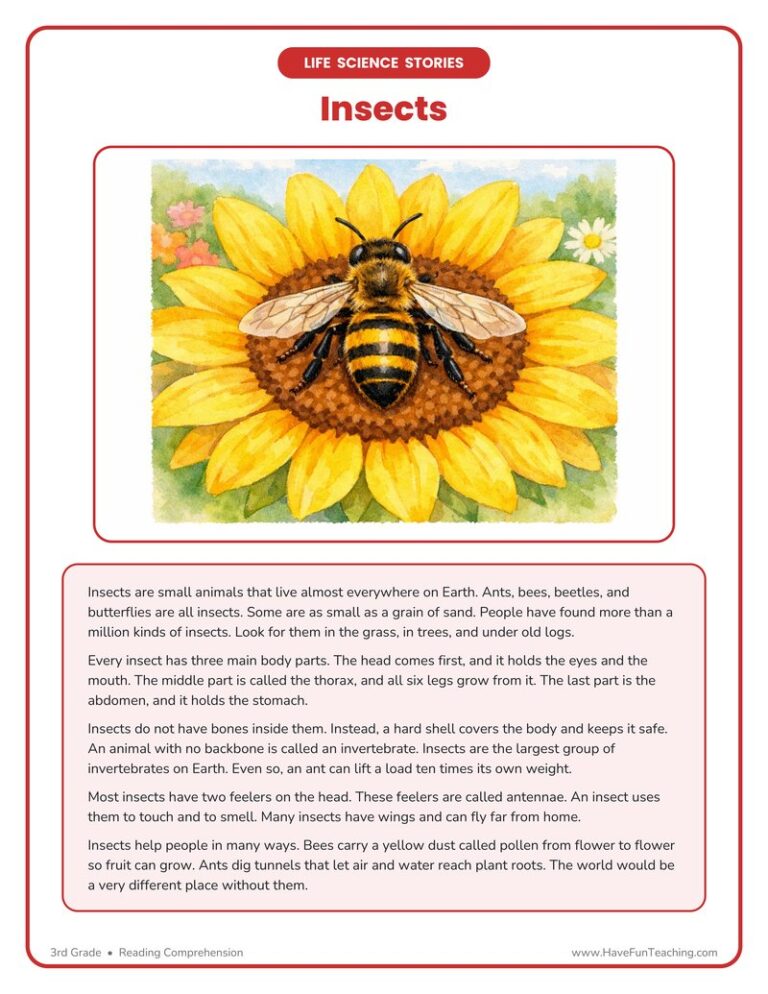
This insects life science reading comprehension worksheet gives 3rd Grade readers a non-fiction passage about insect body parts, plus multiple choice, word-bank, and written-response questions. Answer key included for fast, no-prep science reading practice.
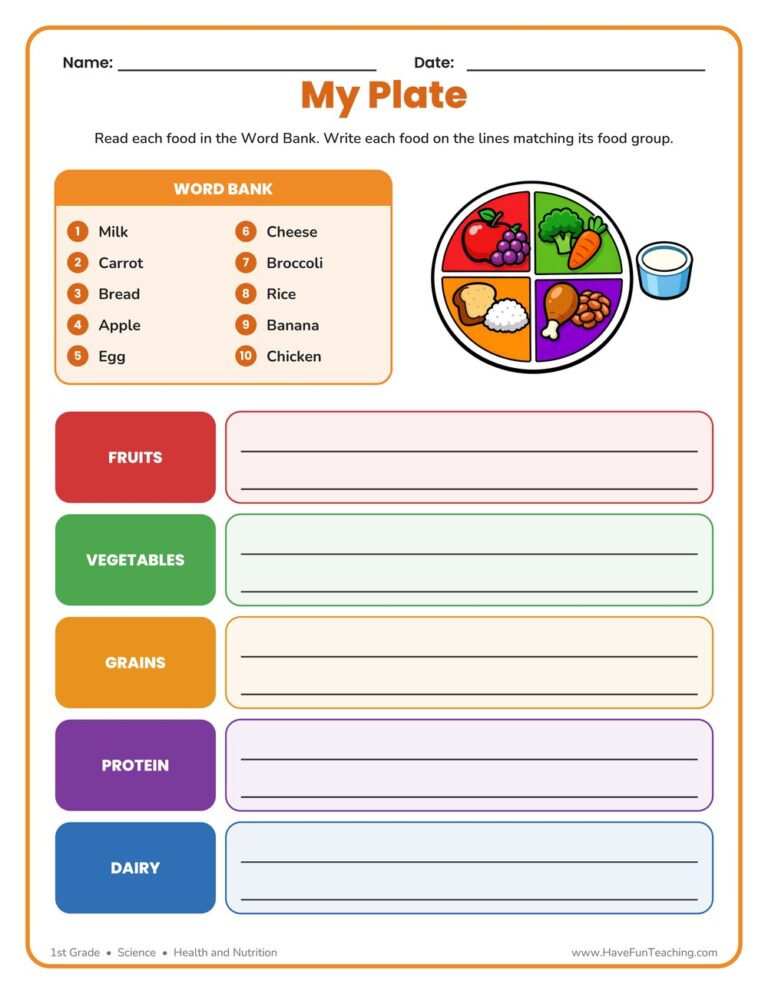
Help first grade students sort foods into the five MyPlate food groups with this my plate sorting worksheet. A printable science activity with an answer key that builds healthy-eating skills.
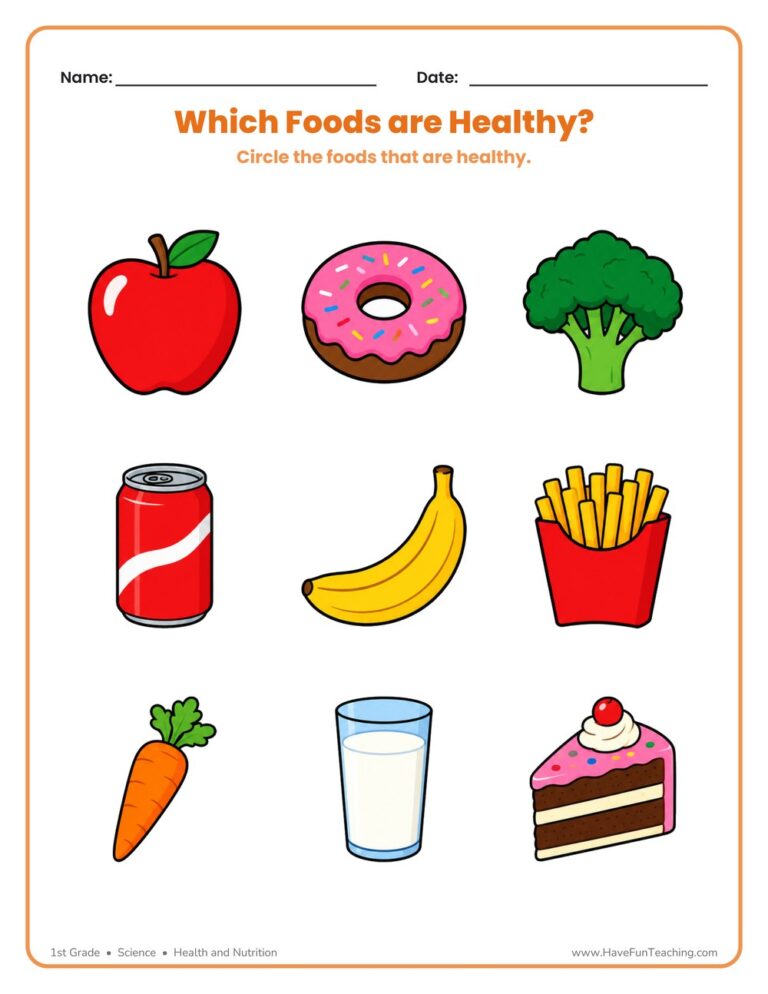
A colorful Which Foods are Healthy Worksheet where 1st graders circle nourishing foods like apples, broccoli, and milk among treats such as soda and cake. Answer key included for quick, no-prep nutrition practice.
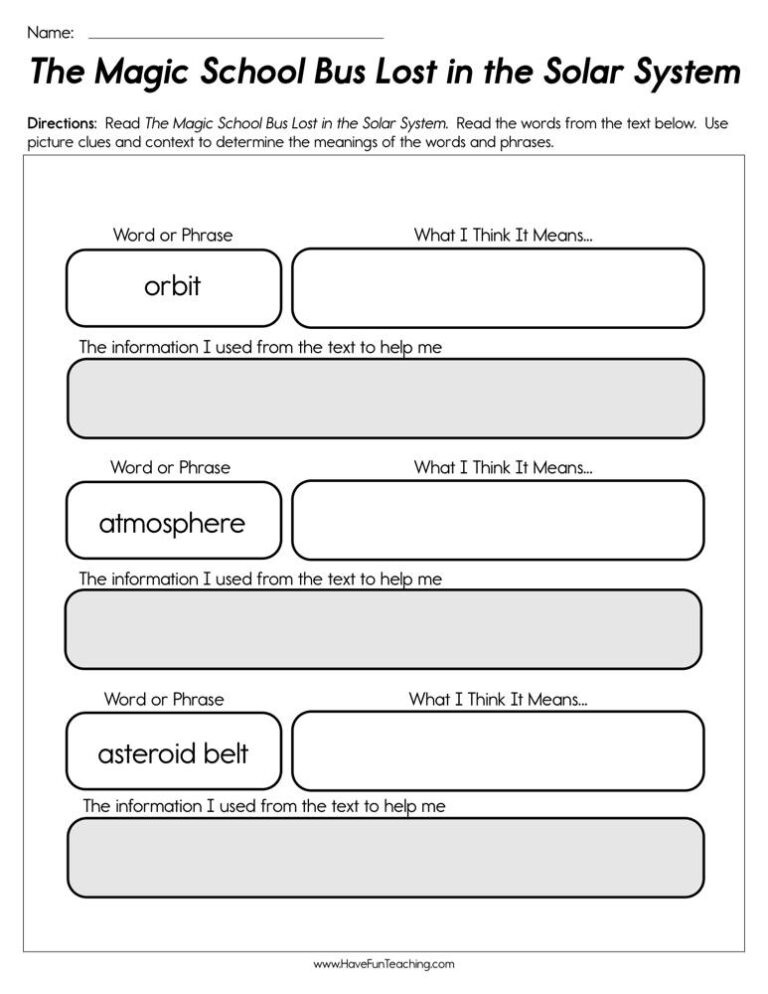
Using The Magic School Bus Lost in the Solar System Worksheet, students read The Magic School Bus Lost in the Solar System to determine the meanings of these words and phrases.
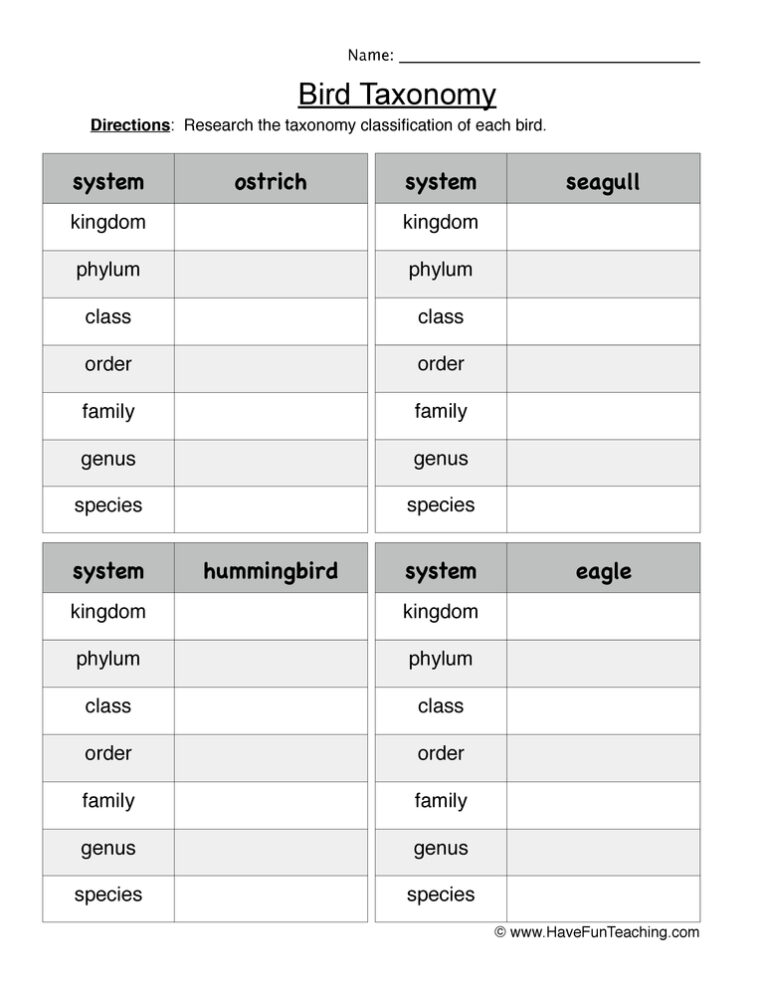
This bird taxonomy worksheet has 5th grade students use a bald eagle model and word endings to classify a hummingbird from kingdom to species. Includes an answer key and four chart questions.
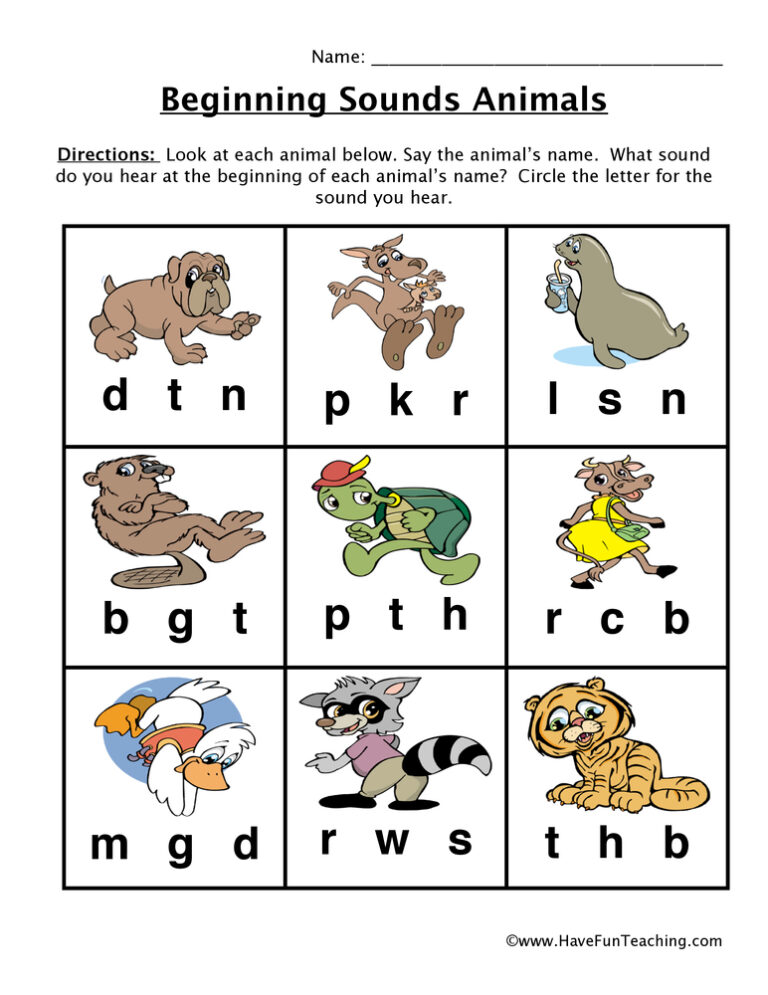
The animal pictures beginning sounds worksheet gives kindergarten students nine animal cards and one letter to write on each. An answer key is included, so a child can practice letter sounds with no prep.

This fish worksheet has 3rd graders circle the facts that are true of all fish, sort eight animals into Fish and Not a Fish, and explain how a dolphin is different. Answer key included.

This senses hearing worksheet asks 2nd graders to sort ten everyday sounds into Loud and Quiet columns, then write each word by hand. Answer key included for teachers and homeschool parents.

This Classifying Shapes Worksheet has 1st graders count sides and corners, then sort nine numbered shapes into circle, square, and triangle columns. An answer key is included for fast checking.
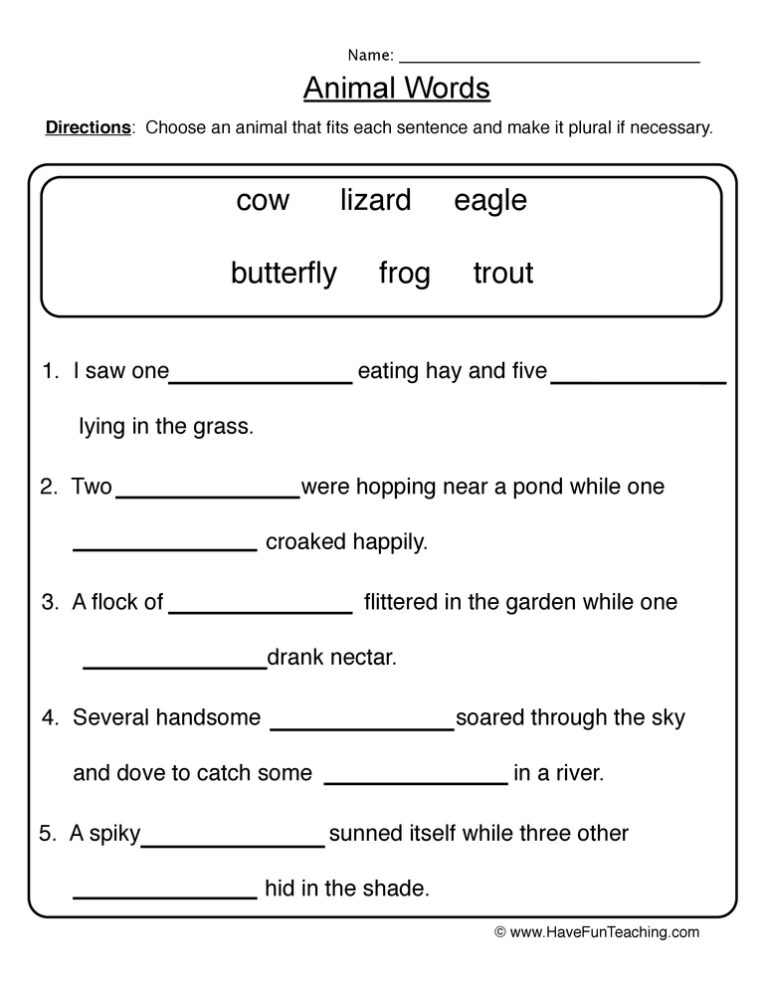
This animal words singular plural worksheet gives 2nd grade students nine sentences that ask for the singular or plural form of an animal name, with an answer key included, so plural rules finally stick.
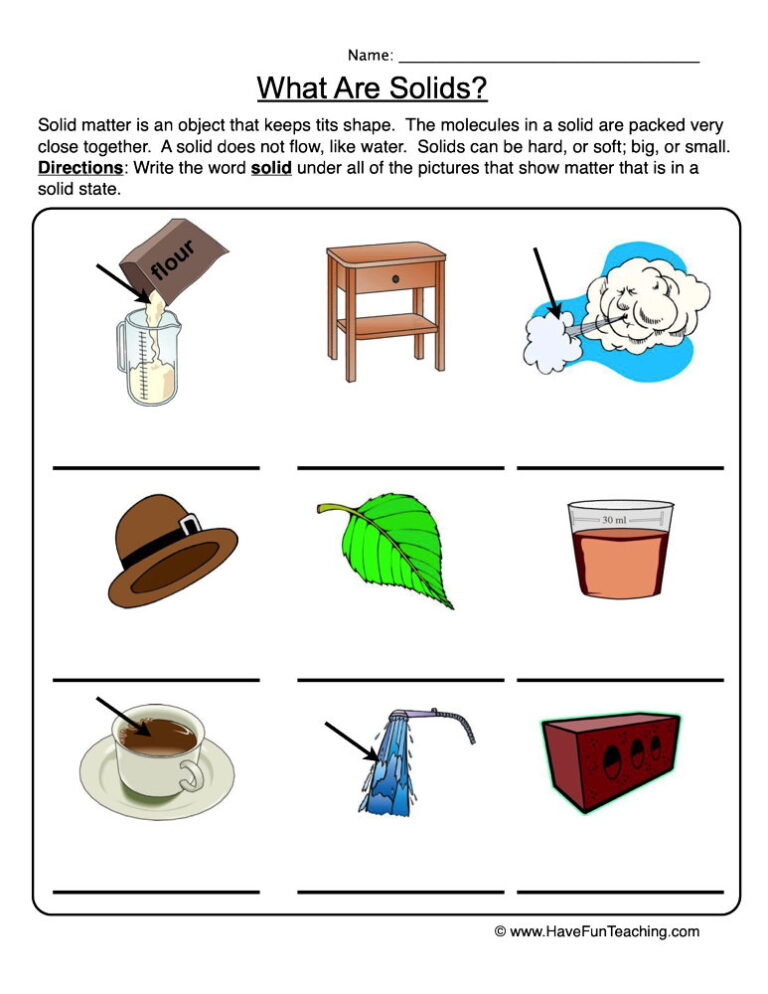
This what are solids? worksheet has 3rd grade students sort eight materials into solid and not-solid columns and find both in four sentences, with an answer key included for fast checking.
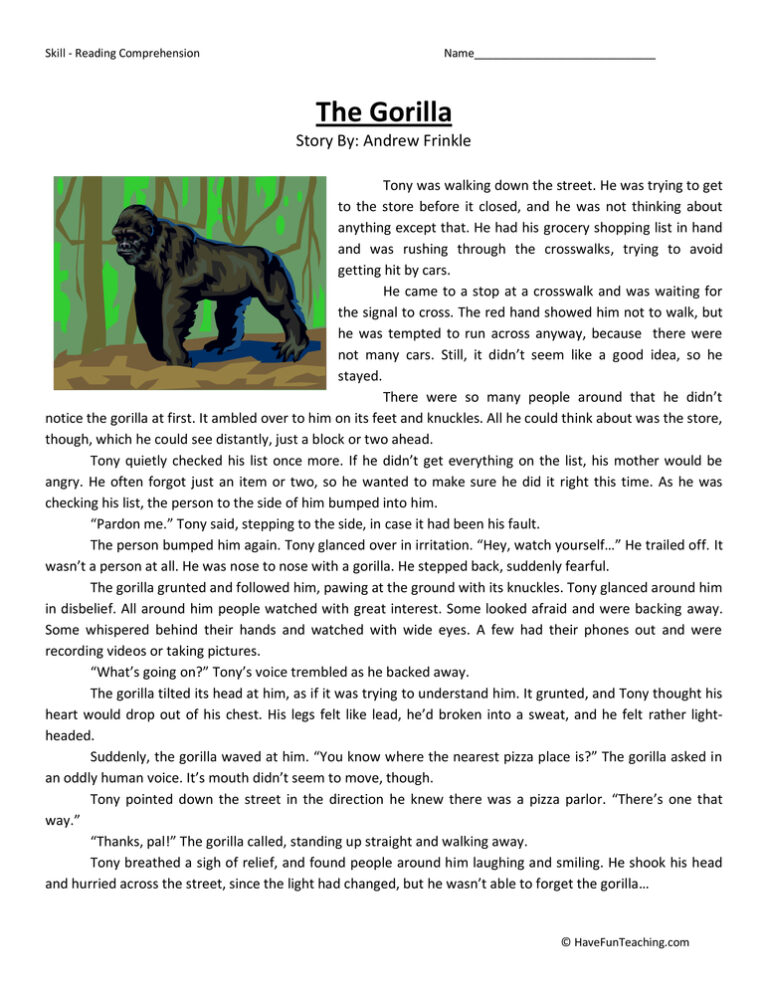
This Gorilla Reading Comprehension Worksheet gives 5th Grade students a two-page nonfiction article about mountain gorillas, four multiple-choice questions, a written response, and an answer key, so readers practice finding evidence in a longer text.

This Celsius to Fahrenheit worksheet gives 5th Grade students eight conversion problems, a dual scale thermometer to read in both units, and a temperature word problem. An answer key is included.
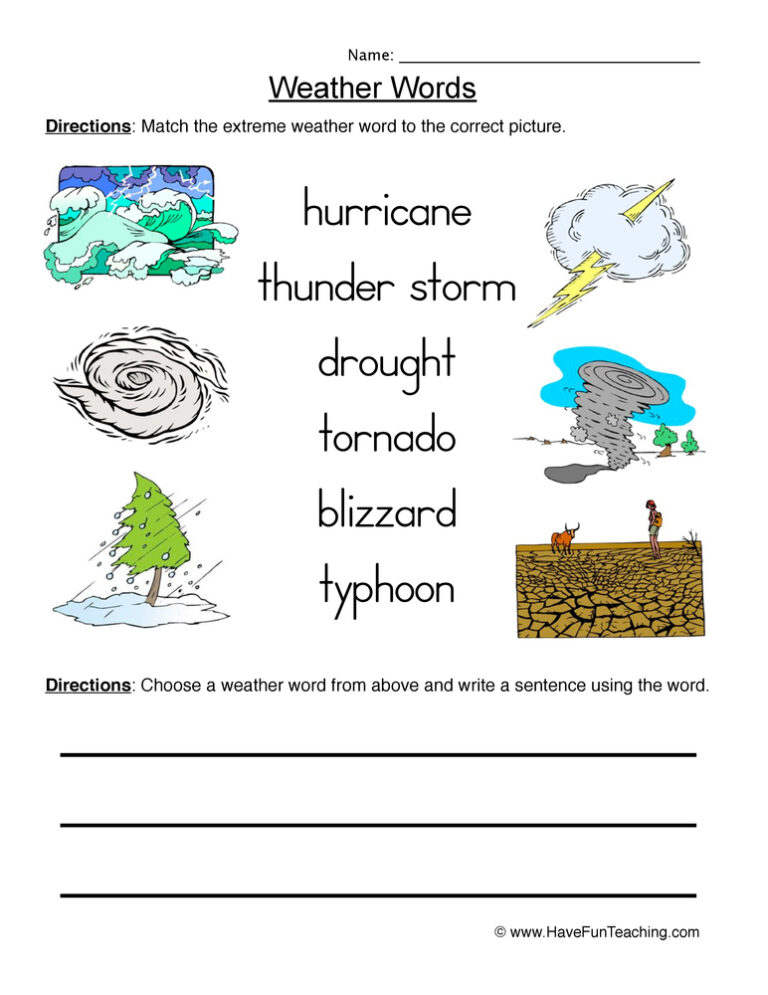
This weather matching worksheet has 1st Grade students match four weather words to their meanings, then finish six sentences. An answer key is included, so weather vocabulary practice is quick to assign and check.
This What's on Your Pizza? Reading Comprehension Worksheet gives 5th graders a two-page story about a homemade pizza night, plus multiple choice, vocabulary, and written response questions. An answer key is included, so comprehension practice takes no prep at all.
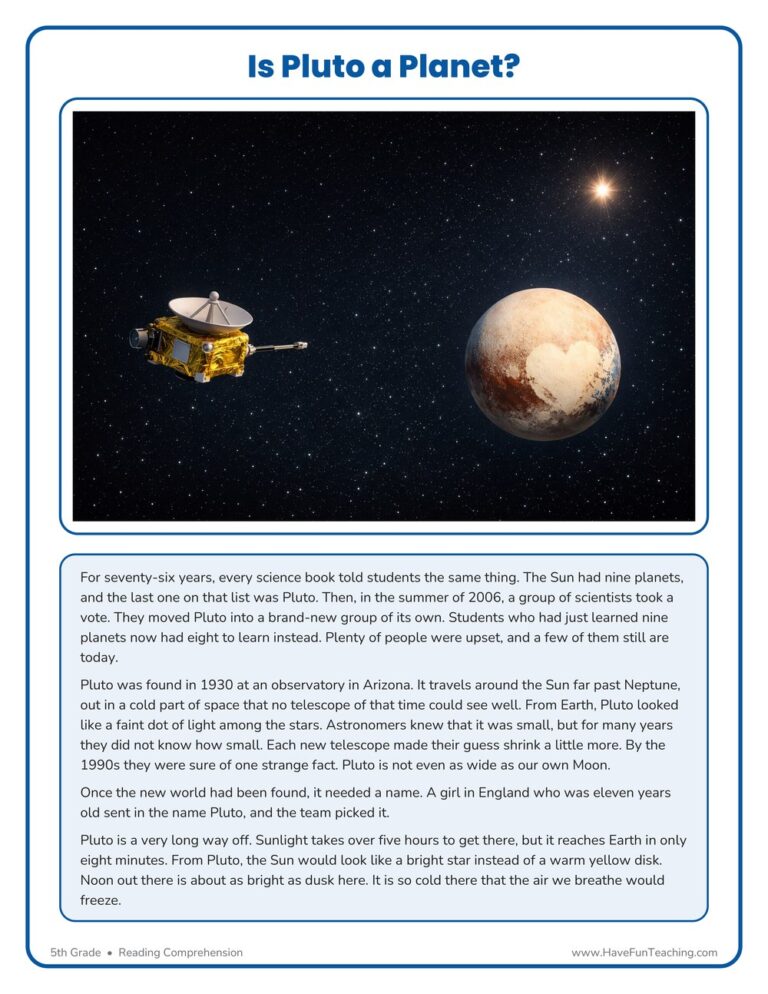
This Is Pluto a Planet? Reading Comprehension Worksheet gives 5th graders a two-page science article and six questions about one real scientific debate. An answer key is included, so close reading practice is ready in minutes.