Skip to content
Start My 3 Free Days $0 today · cancel anytime

Reading Resources

1,954 reading resources: 1,452 worksheets, 796 assessments, 192 activities and more, covering reading comprehension, sight words, story elements, plus more. How teachers use these

Reading Resources

1,954 reading resources: 1,452 worksheets, 796 assessments, 192 activities and more, covering reading comprehension, sight words, story elements, plus more. How teachers use these

Worksheet
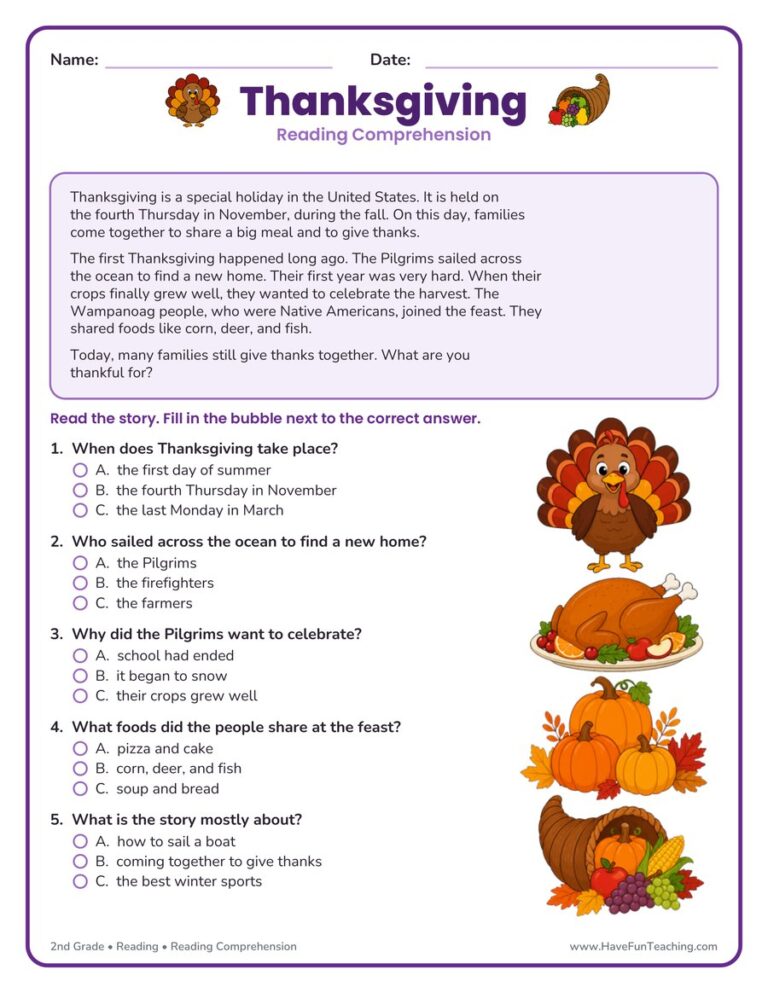
Worksheet2nd GradeThanksgiving Reading Comprehension Worksheet

A festive Thanksgiving Reading Comprehension Worksheet where 2nd graders read a short holiday story and answer questions about the details and main idea. Answer key included — perfect for quick, no-prep comprehension practice.

Bundle
BundlePreschoolAlphabet Songs (Classic Video Collection)

The Alphabet Songs Collection - Classic will help your kids gain a better understanding of letter names and sounds by listening to these ABC Songs.

Bundle
BundlePreschoolAlphabet Songs (Animated Video Collection)

The Alphabet Songs Pack - Animated will help support your visual learners gain a better understanding of letter names and sounds by listening to this song.

Game
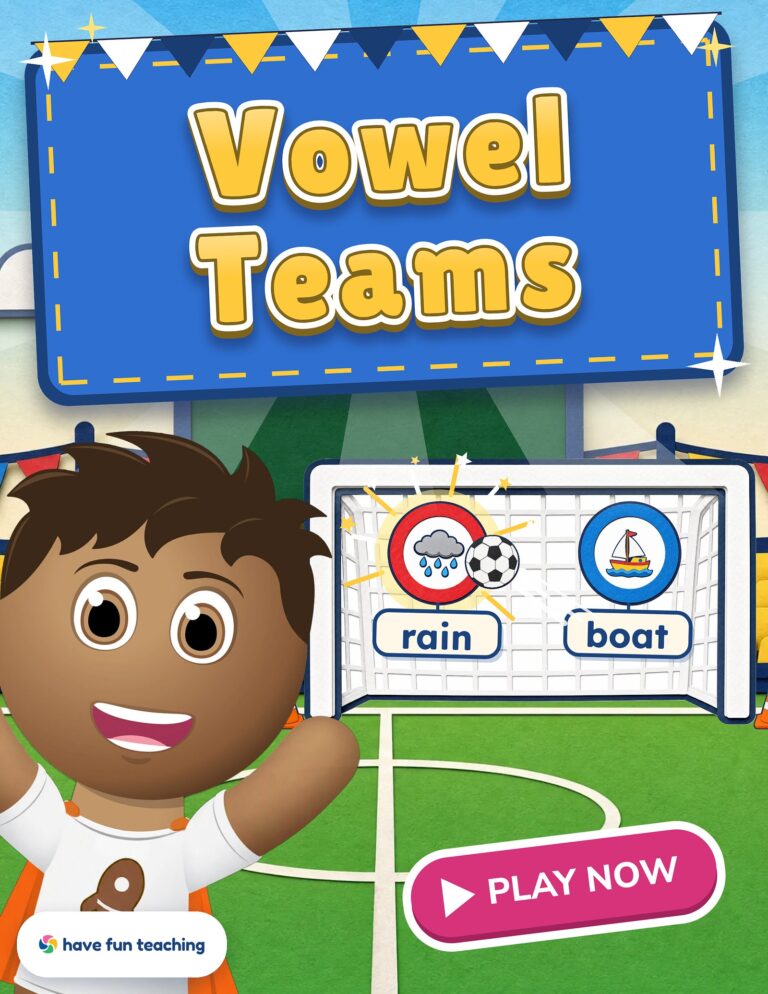
Game2nd GradeVowel Teams Game

A soccer vowel teams game where second grade kids kick the ball at words with ai, ay, ee, ea, oa, ow, ie and igh, like rain, bee, boat and pie. Play online on any phone, tablet, Chromebook or computer.

Worksheet
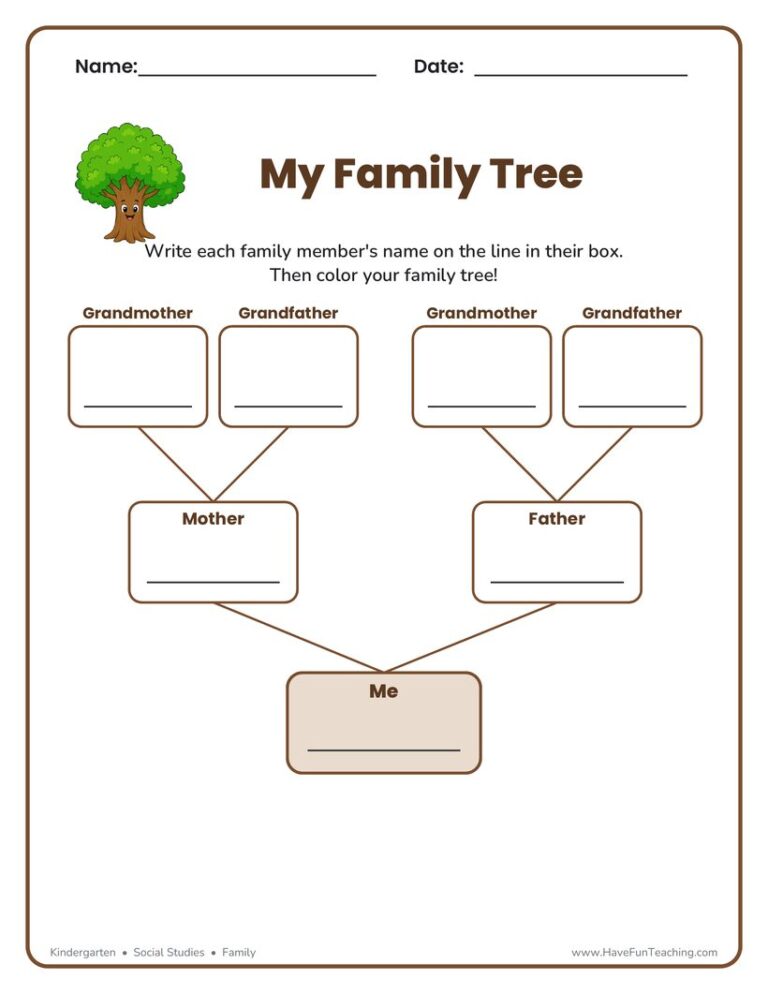
WorksheetKindergarten1 Child Family Tree Worksheet

A 1 Child Family Tree Worksheet where kindergarteners write the names of their grandparents, parents, and themselves on a friendly tree they can color. A no-prep, all-about-me activity perfect for the start of a family unit.

Assessment
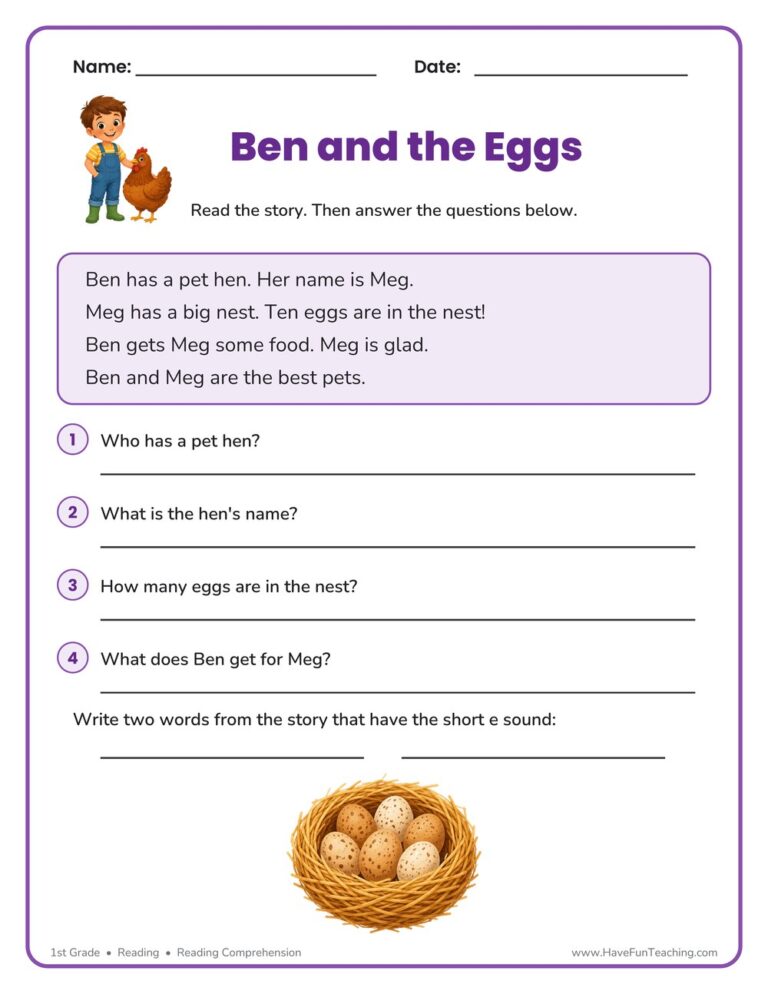
Assessment1st GradeBen and the Eggs Phonics Reading Comprehension Story Worksheet - Short Vowel E Sound

A short vowel E reading comprehension story worksheet starring Ben and his hen. 1st graders read the decodable story and answer questions. Includes a complete answer key — great for quick, no-prep phonics and reading practice.

Game
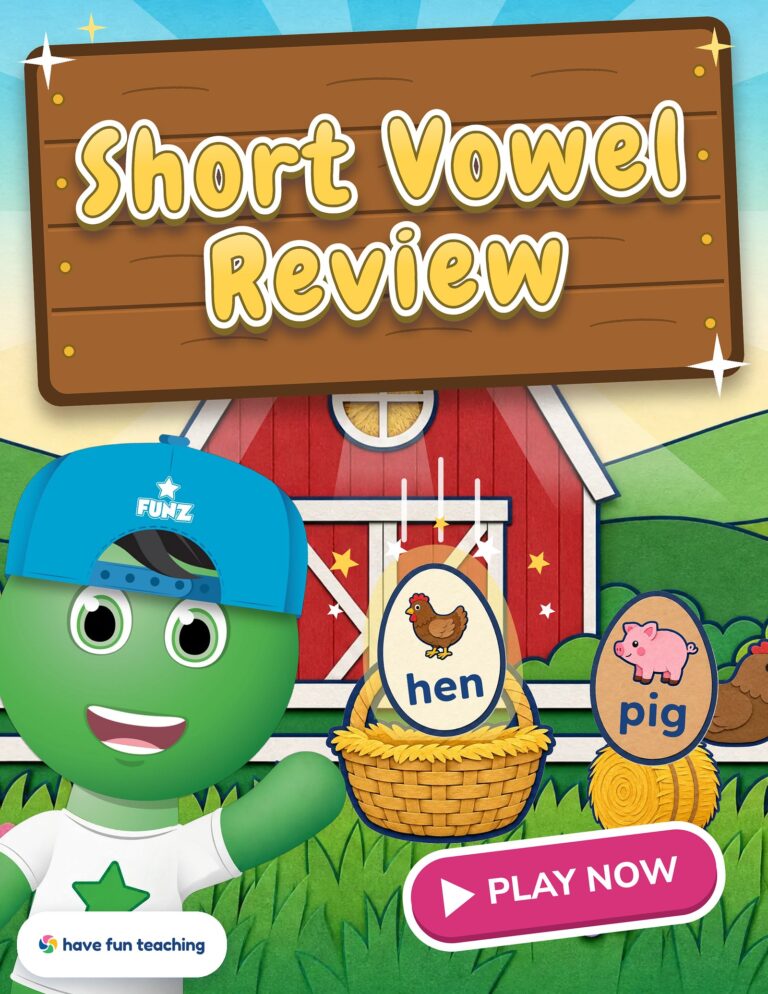
Game1st GradeShort Vowel Review Game

A farm egg-catching short vowel review game where first grade kids catch the eggs with short a, e, i, o and u words like cat, hen, pig, pot and sun. Play online on any phone, tablet, Chromebook or computer.

Game
Game3rd GradePrefixes Pre Dis Mis Game

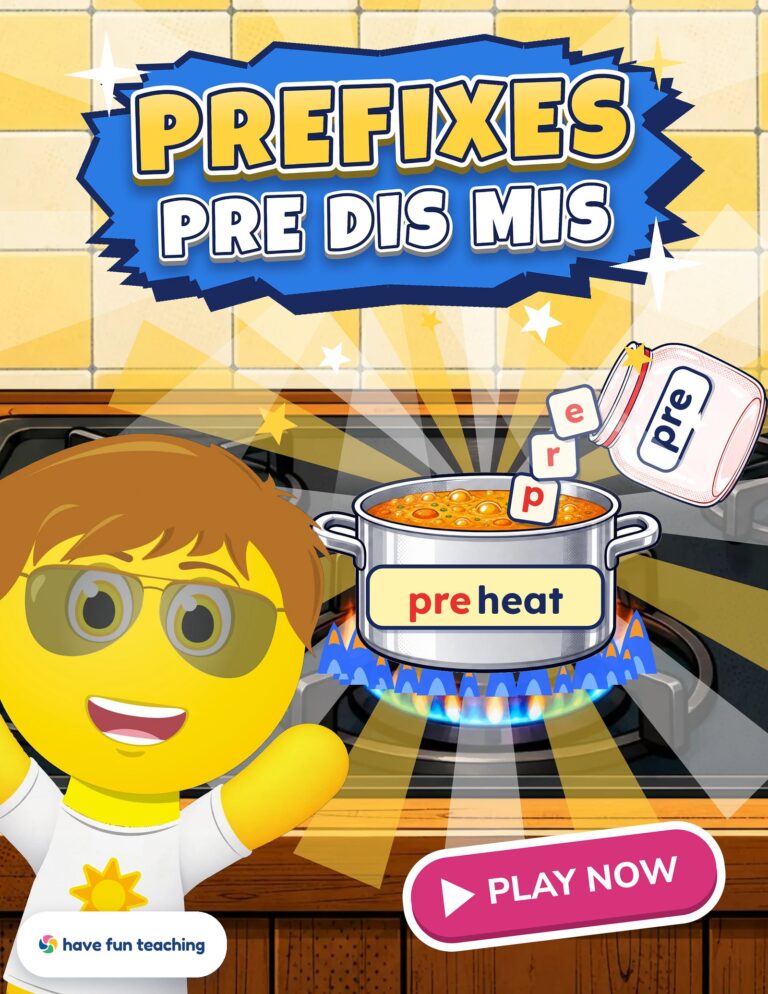
A comic-book cooking game where third grade kids read each order and pour the prefix pre, dis or mis into the pot to cook up words like preheat, dislike and misspell. Play online on any phone, tablet, Chromebook or computer.

Worksheet
Worksheet2nd GradeWriting Complete Sentences about an Image Worksheet

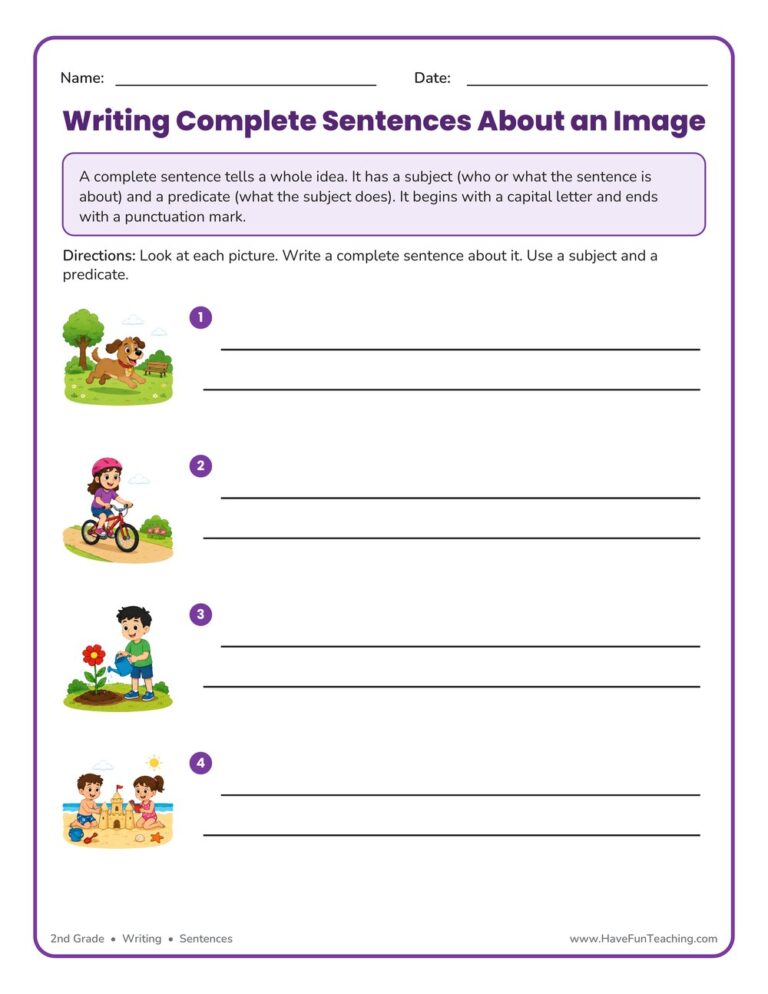
This Writing Complete Sentences About an Image Worksheet gives 2nd graders four picture prompts to practice building sentences with a subject and predicate. Includes sample answers — great for no-prep grammar and writing practice.

Game
Game2nd GradeIdentifying Cause and Effect Game

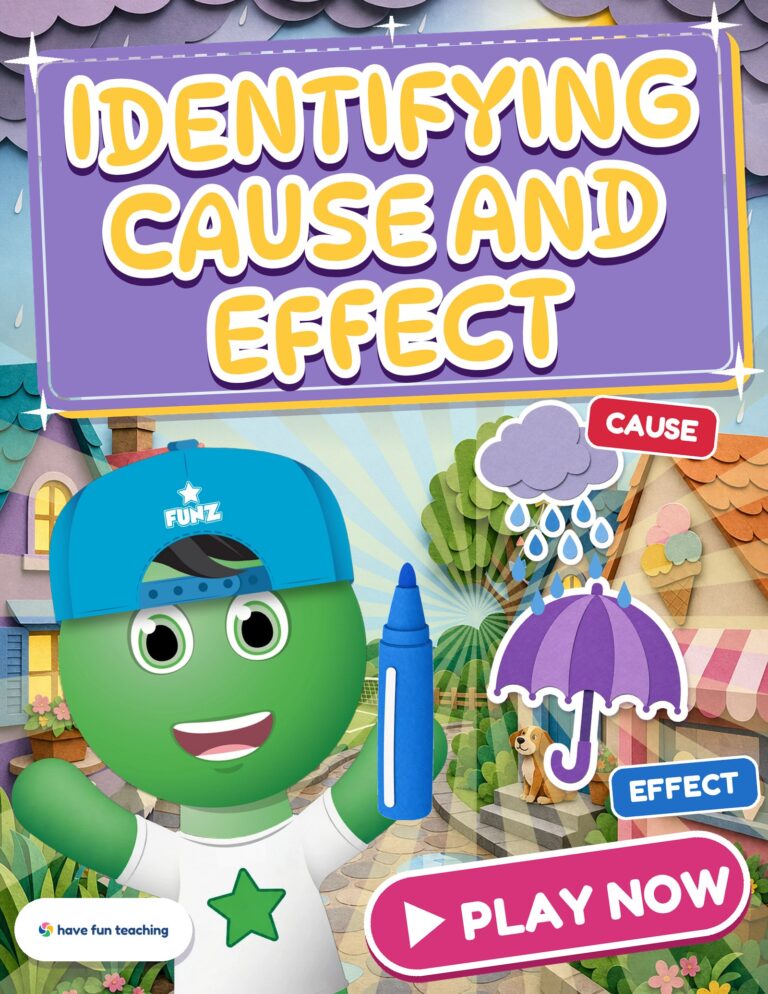
A cause and effect game where 2nd graders underline the effect in blue and the cause in red in ten fun sentences, with Funzy reading every direction aloud. Play online on any phone, tablet, Chromebook or computer.

Game
Game4th GradeGreek and Latin Roots Game

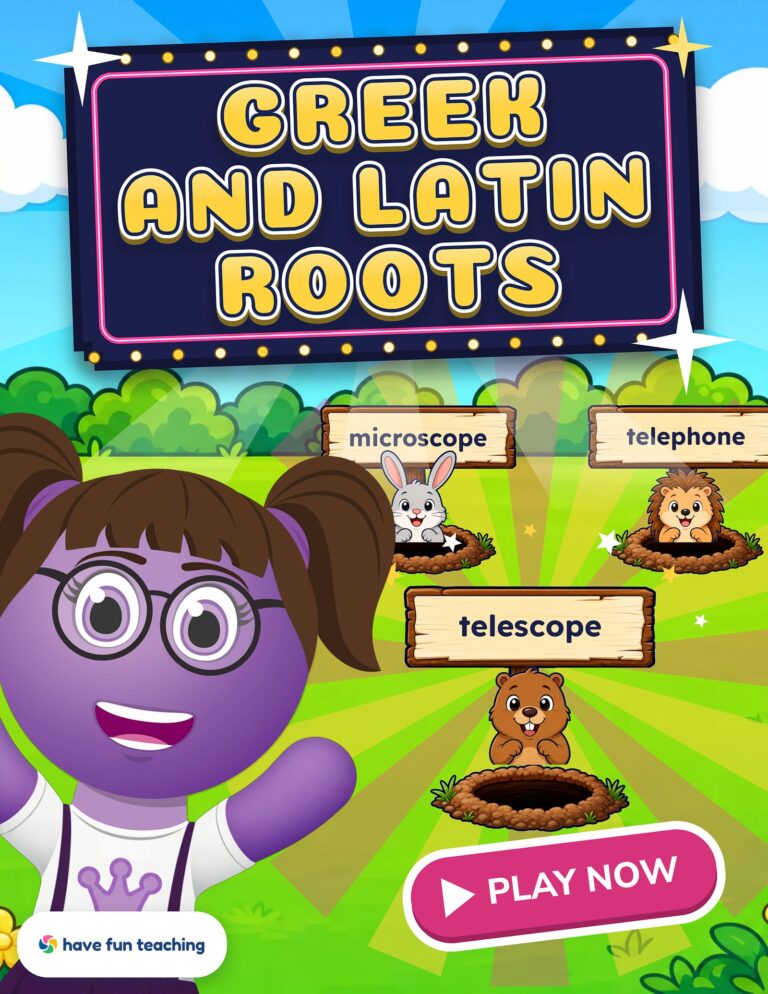
A retro arcade game where 4th grade kids read each clue and tap the critter holding the matching word, using Greek and Latin roots like tele, scope, port and graph. Play online on any phone, tablet, Chromebook or computer.

Assessment
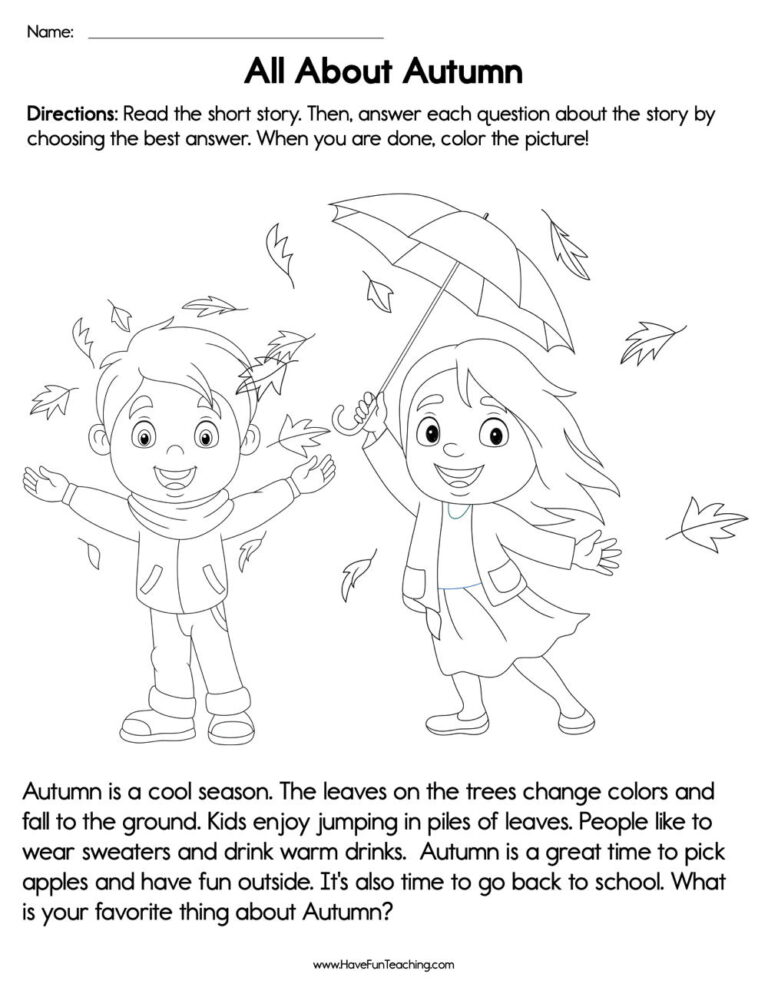
Assessment1st GradeAll About Autumn Reading Comprehension Worksheet

The All About Autumn Reading Comprehension Worksheet gives 1st graders a short fall passage and multiple-choice questions to build reading comprehension. An answer key is included for quick, no-prep practice at home or school.

Game
Game2nd GradeThanksgiving Reading Comprehension Game

A 2nd grade Thanksgiving reading comprehension game: kids follow along as Abby reads a short Thanksgiving story, then look back in the story to answer five questions by tapping the right autumn leaf. Play online on any phone, tablet, Chromebook or computer.

Worksheet
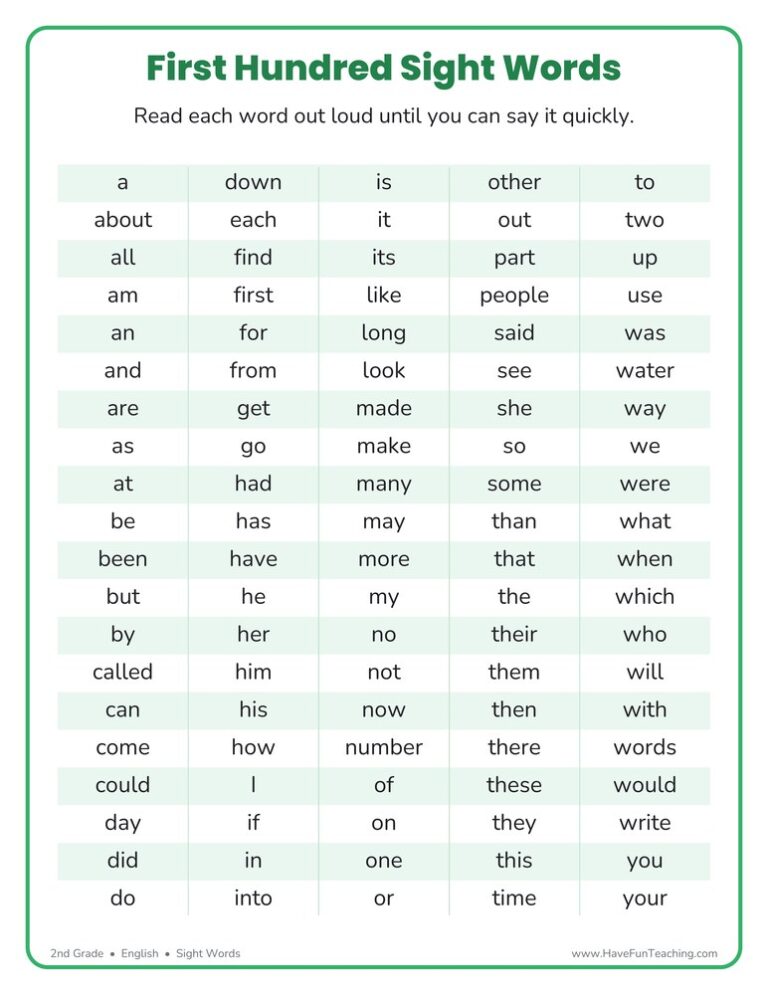
Worksheet2nd GradeFry's 300 Sight Words List

A three-page Fry's 300 Sight Words List reference chart for 2nd grade, sorted into the first, second, and third hundred words. Print it once and build fast, confident word recognition all year long.

Assessment
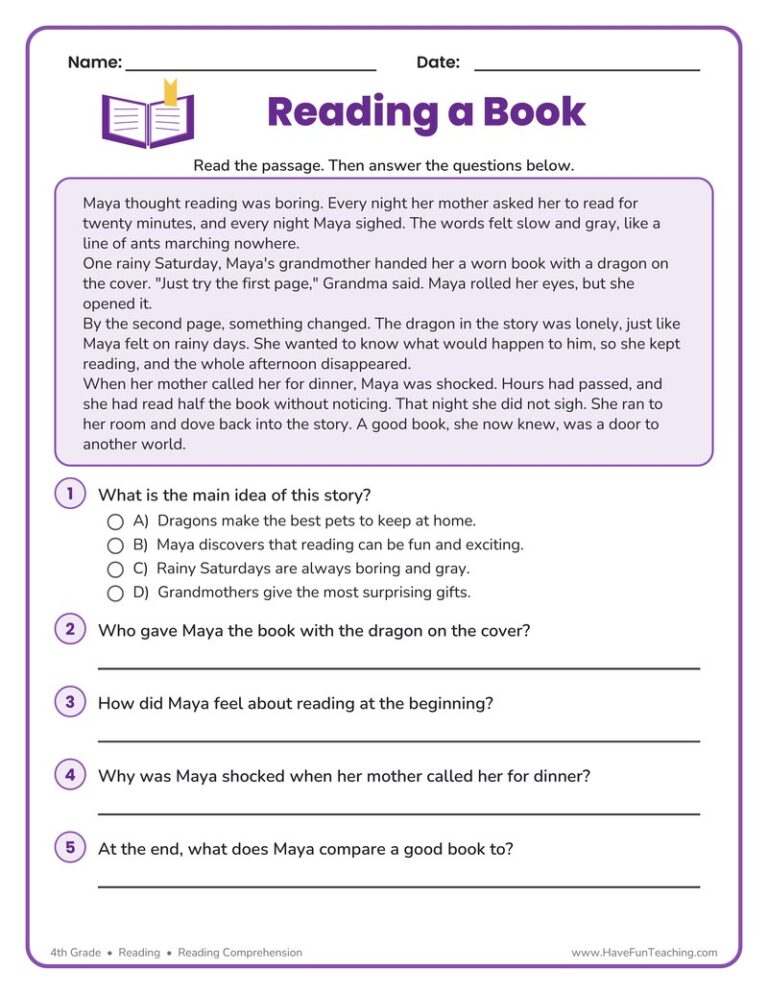
Assessment4th GradeReading a Book Reading Comprehension Worksheet

A Reading a Book Reading Comprehension Worksheet that helps 4th graders read a fun story about a girl who learns to love reading, then answer multiple-choice and short-answer questions. Includes a complete answer key for quick, no-prep practice.

Game
Game5th GradeAdvanced Roots and Affixes Game

An underwater bubble game where 5th grade kids read each clue and pop the bubble with the matching word, using Greek and Latin roots, prefixes and suffixes. Play online on any phone, tablet, Chromebook or computer.

Worksheet
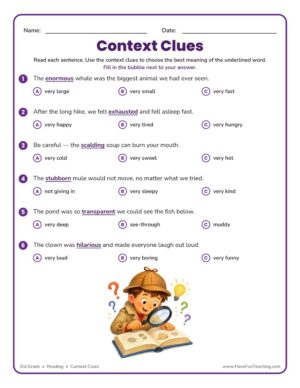
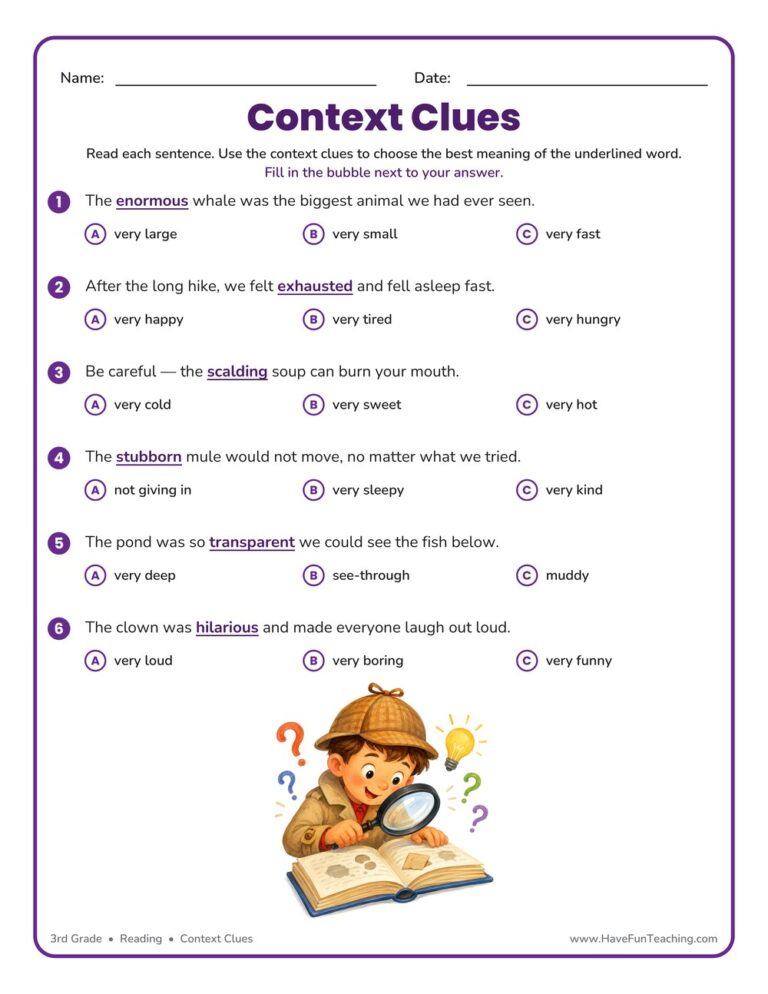
Worksheet3rd GradeContext Clues Worksheet

A 3rd grade Context Clues Worksheet with six multiple-choice sentences where students use the surrounding words to find the meaning of each underlined word. Answer key included for fast, no-prep vocabulary practice.

Worksheet
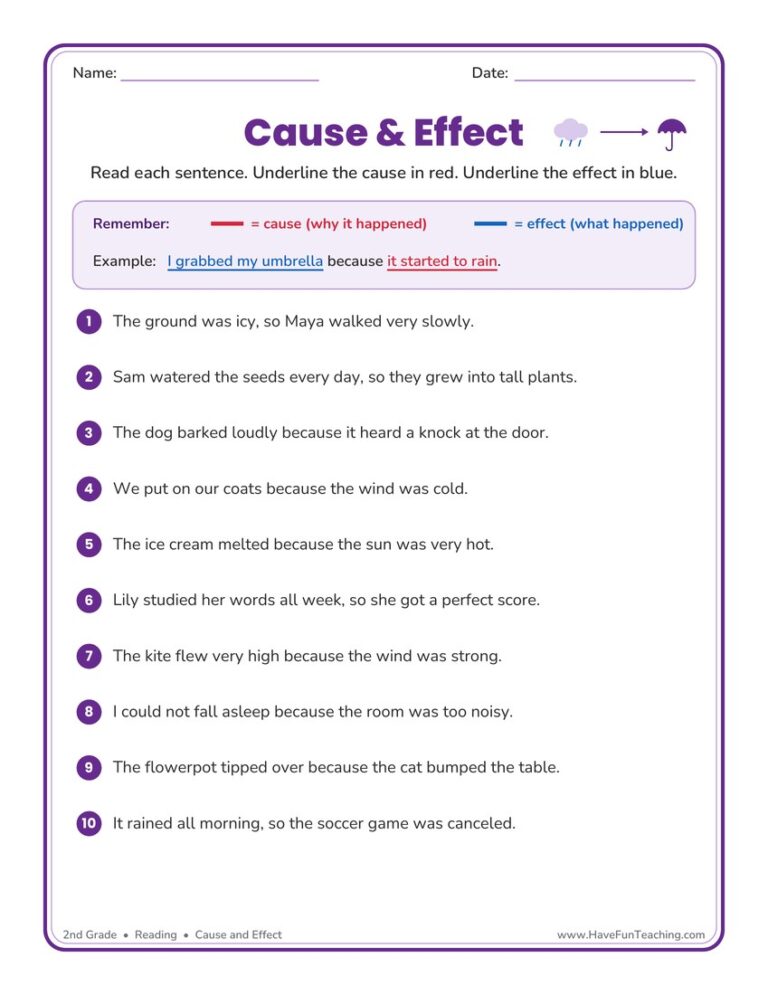
Worksheet2nd GradeIdentifying Cause and Effect Worksheet

An Identifying Cause and Effect Worksheet where 2nd graders underline each cause in red and each effect in blue across ten simple sentences. Includes a complete answer key for quick, no-prep reading practice.

Worksheet
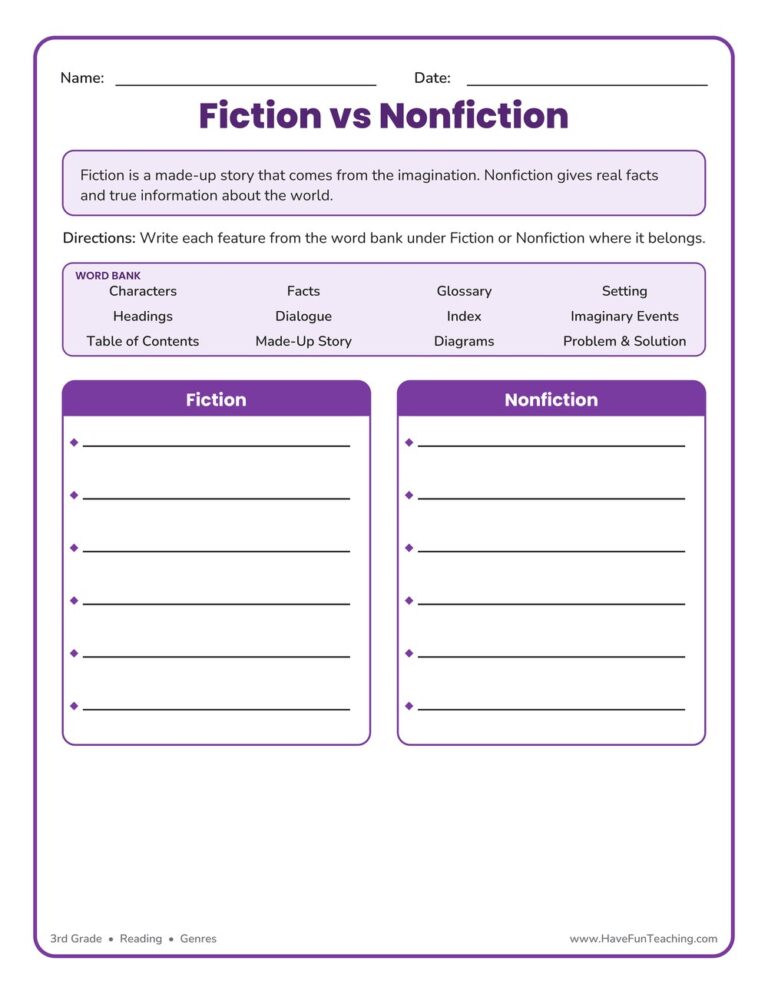
Worksheet3rd GradeFiction and Nonfiction Features Worksheet

This fiction and nonfiction features worksheet has 3rd graders sort twelve text features into Fiction and Nonfiction columns. An answer key is included, making it a quick, no-prep way to build genre awareness.

Worksheet
WorksheetKindergartenAlphabet Stories Letter A Reading Comprehension Worksheet

This free Alphabet Stories Letter A Reading Comprehension Worksheet pairs a short letter A story with fill-in-the-bubble questions for kindergarten readers. Includes an answer key — a fun, no-prep way to practice phonics and comprehension.

From our teachers' playbook

Raising readers, one page at a time

What do kids learn in reading?

Reading has a few big parts that grow together. Kids learn to decode words with phonics and recognize sight words like the, said, was on the spot. They build fluency so reading sounds smooth, and vocabulary so they can figure out new words from context clues. Then comes comprehension: story elements, cause and effect, fiction versus nonfiction, and the author's purpose. The best moment of all? When a child picks up a book just because they want to.

Our favorite ways to grow strong readers

Every one of these moves works from kindergarten on up. Pick one and try it this week.

Snap the sight words

Pull ten words from Fry's 300 list each week and flash them in a quick daily round. Words a child reads instantly go in the "got it" pile. Watch the pile grow and celebrate every new word.

Why it works: pulling an answer out of memory makes it stick far better than rereading it, one of the strongest findings in learning research (Dunlosky and colleagues, 2013).
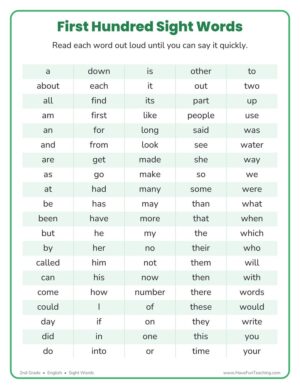
Fry's 300 Sight Words ListTry it withFry's 300 Sight Words ListWorksheetsOpen it →
Map the text

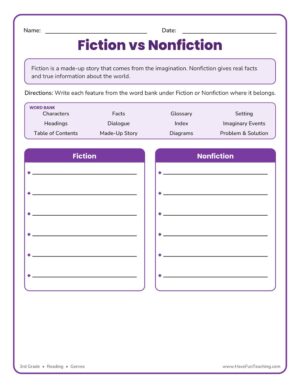
Before reading, ask "Is this fiction or nonfiction? How can you tell?" Then use the fiction and nonfiction features page to spot headings, captions and characters. Seeing a text's structure helps kids know what to look for.

Why it works: children learn more from words and pictures together than from words alone (Mayer, 2009).

Fiction and Nonfiction Features WorksheetTry it withFiction and Nonfiction Features WorksheetWorksheetsOpen it →

Show the "because"

Read a short passage aloud and stop at a key event: "The dog was muddy because..." Have kids finish the sentence from the text. Model a few, then let them try on the cause and effect worksheet.

Why it works: showing first, practicing together, then letting kids try alone is the "gradual release" model teachers have relied on for decades (Pearson and Gallagher, 1983).

Identifying Cause and Effect WorksheetTry it withIdentifying Cause and Effect WorksheetWorksheetsOpen it →

Questions parents and teachers ask about reading

What are the five parts of reading?

Phonemic awareness, phonics, fluency, vocabulary and comprehension. Kids need all five, and they grow together from preschool through upper elementary.

How can I help my child become a better reader?

Read aloud every day, let them read to you, and talk about the story. Practice sight words for a few minutes and keep books they love nearby.

What are sight words?

Sight words are common words kids learn to read instantly, like the, and, was and said. Many don't follow regular phonics rules, so quick recognition helps reading flow.

How long should my child read each day?

A short daily habit matters most. Even 10 to 20 minutes of reading together or alone every day builds skill and confidence over the year.