Skip to content
Start My 3 Free Days $0 today · cancel anytime

Reading Activities

191 reading activities, covering independent and guided reading, reading comprehension, story elements, plus 21 more topics. How teachers use these

Reading Activities

191 reading activities, covering independent and guided reading, reading comprehension, story elements, plus 21 more topics. How teachers use these

Activity
Activity3rd GradeIdentifying Theme Activity

This identifying theme activity helps 3rd to 5th grade students match short stories to their themes and back them up with text details. Answer key included.

Activity
ActivityPreschoolRhyming Words Matching Activity

This rhyming words matching activity lets PreK to 1st grade children match picture cards that rhyme, like cat and hat. A practice page and answer key included.

Activity
ActivityKindergartenBlank Mask

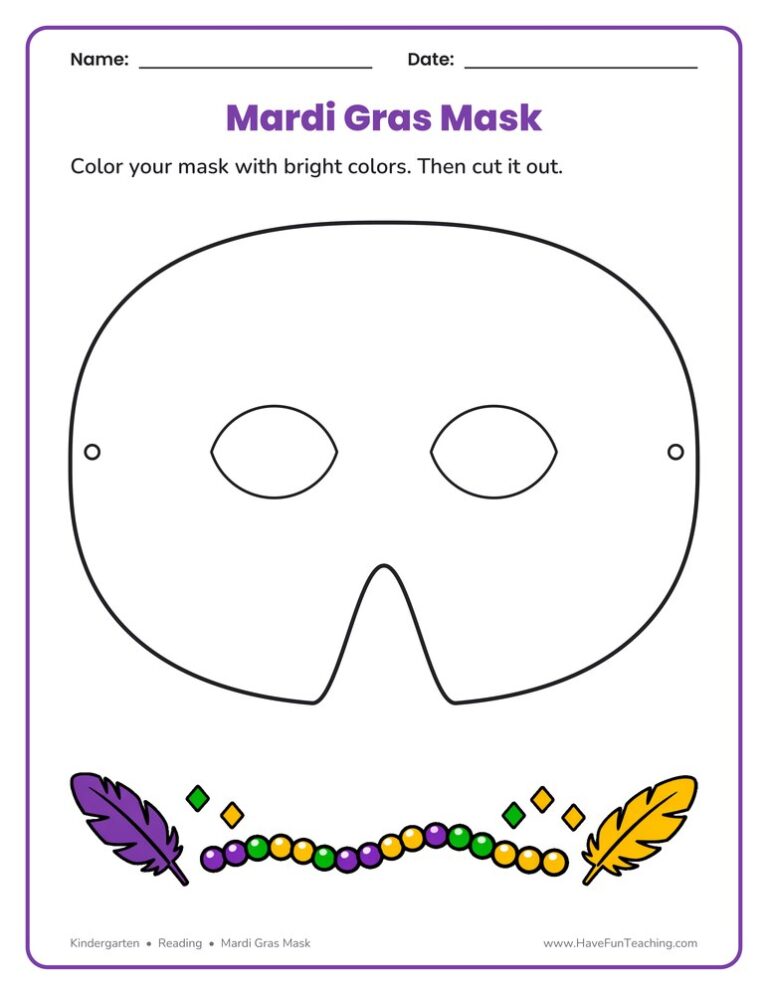
Turn a Mardi Gras tradition into an easy craft with this blank mask worksheet. Kindergarten students color the template, cut it out, and wear their mask for a parade or a reader's theater show.

Activity
ActivityPreschoolPictures Tell Stories Sequencing Activity

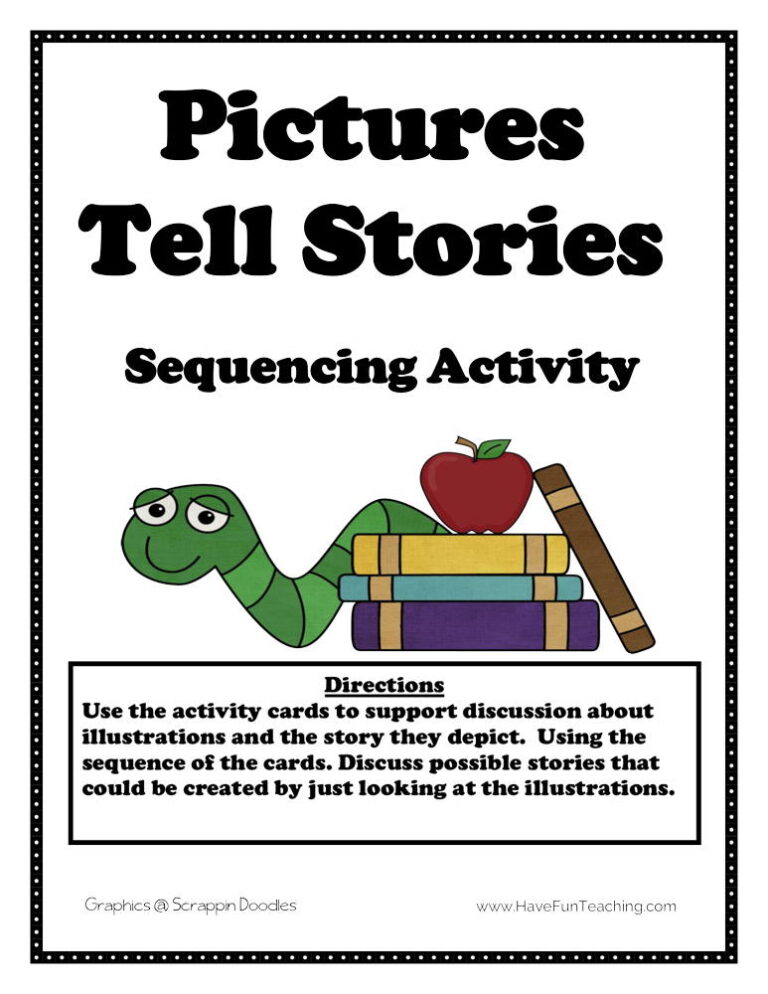
Children put wordless picture cards in order and tell the story in this pictures tell stories sequencing activity for preschool to 1st grade, with a practice page and answer key included.

Activity
ActivityPreschoolSequence of Events Activity

This sequence of events activity helps preschool, kindergarten, and 1st grade children put picture cards in order and retell stories with first, next, then, and last. An answer key is included.

Activity
ActivityKindergartenKey Details Activity

This key details activity gives K through 3rd grade readers 12 question cards to use with any book, plus a recording sheet and practice stories. Answer key included.

Activity
Activity3rd GradeDetermining Theme Activity

Students read 12 short fable cards in this determining theme activity for 3rd to 5th Grade, match each to a theme, and cite a detail. Answer key included.

Activity
Activity1st GradeReading Between The Lines Inference Activity

This reading between the lines inference activity lets 1st to 3rd grade students use story clues to figure out how a character feels. An answer key is included for easy checking.

Activity
ActivityPreschoolMain Idea and Details Activity

Sort picture cards in this main idea and details activity for PreK to 1st grade. Children match details to Farm, Beach, Birthday and Rain, then practice on a worksheet. Answer key included.

Activity
Activity3rd GradeInference Chains Activity

This inference chains activity has 3rd to 5th grade students match each inference to two supporting clues and build paper chains. Answer key included.

Activity
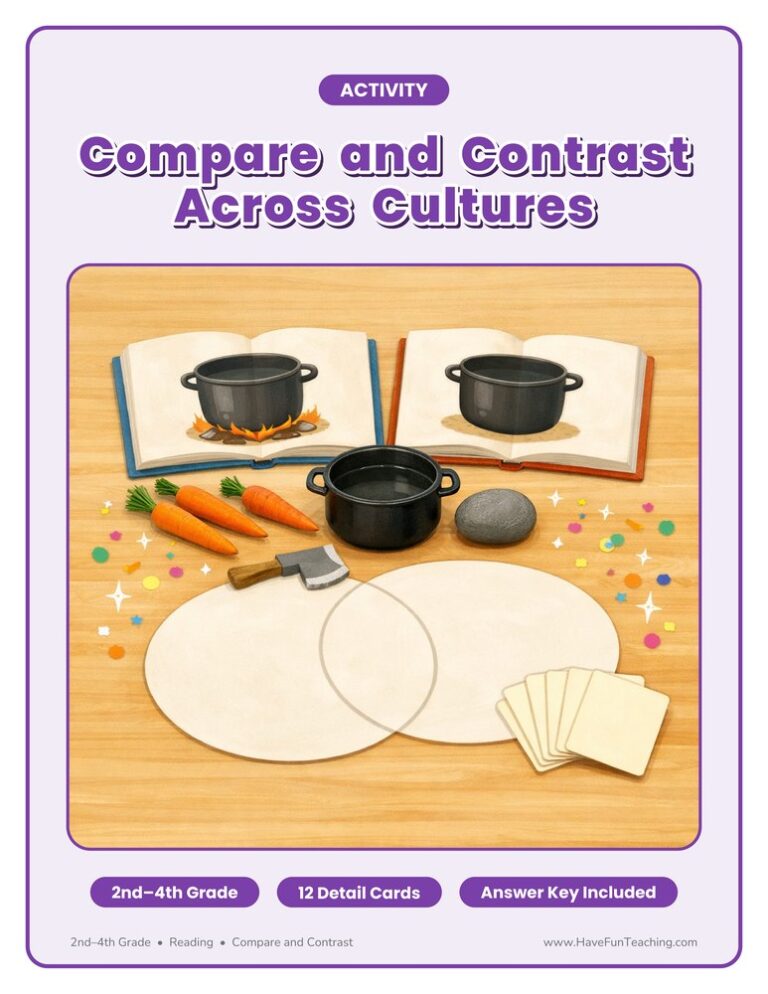
Activity2nd GradeCompare and Contrast Across Cultures Activity

This compare and contrast across cultures activity helps 2nd-4th grade readers sort story details from two folk tales onto a Venn diagram. Answer key included.

Activity
Activity2nd GradeFables and Folktales Activity

Read, retell and find the moral with this fables and folktales activity for 2nd and 3rd grade: story cards, moral cards, talk cards and a Story Map, with an answer key included.

Activity
Activity2nd GradeDictionary Dive Activity

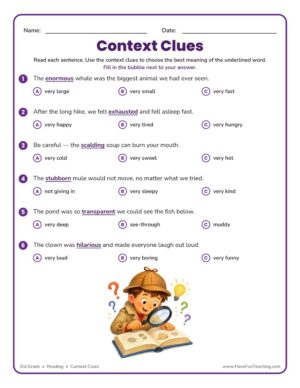
This dictionary dive activity helps 2nd to 4th grade students look up multiple-meaning words and use context clues to pick the right meaning. A printed dictionary page and an answer key are included.

Activity
ActivityKindergartenFinding the Author and Illustrator Activity

Kids become book detectives with this finding the author and illustrator activity for kindergarten to 2nd grade, using cover cards and a recording sheet. An answer key is included.

Activity
ActivityKindergartenStory Elements Activity

This story elements activity has kindergarten and 1st grade students hear a short story and match picture cards to its characters, setting, problem and solution. Answer key included.

Activity
Activity2nd GradeWhat Does it Mean Literal Non-Literal Language Activity

This what does it mean literal non-literal language activity has 2nd to 4th grade students sort 16 food sentence cards and explain idioms. A practice page and answer key are included.

Activity
Activity3rd GradeIn Your Own Words Paraphrase Activity

This in your own words paraphrase activity has 3rd to 5th grade students match texts to paraphrase cards and write their own. A practice page and an answer key are included.

Activity
Activity1st GradeBeginning Middle End Plot Activity

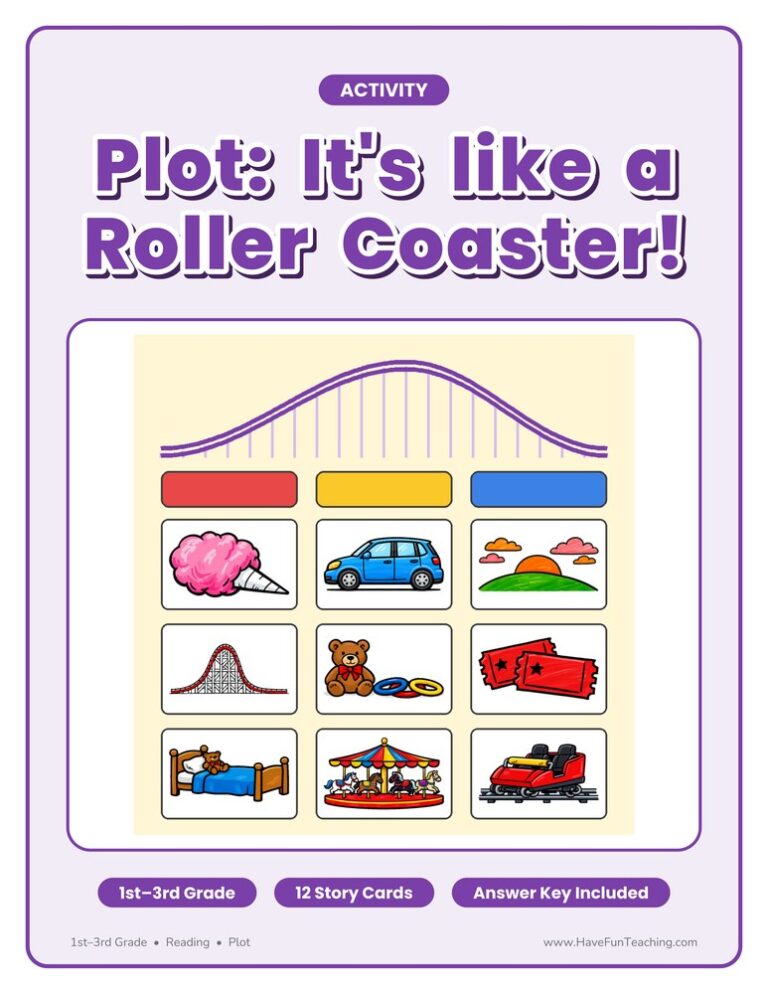
Kids sort story cards with this beginning middle end plot activity for 1st to 3rd grade, then retell the story on a roller coaster plot chart. An answer key is included for easy checking.

Activity
Activity2nd GradeProofreading Capitalization and Punctuation Activity

This proofreading capitalization and punctuation activity gives 2nd to 5th grade students 16 self-checking detective cards for fixing sentences. A practice page and answer key are included.

Activity
Activity2nd GradeSecond Grade Sight Words Bingo

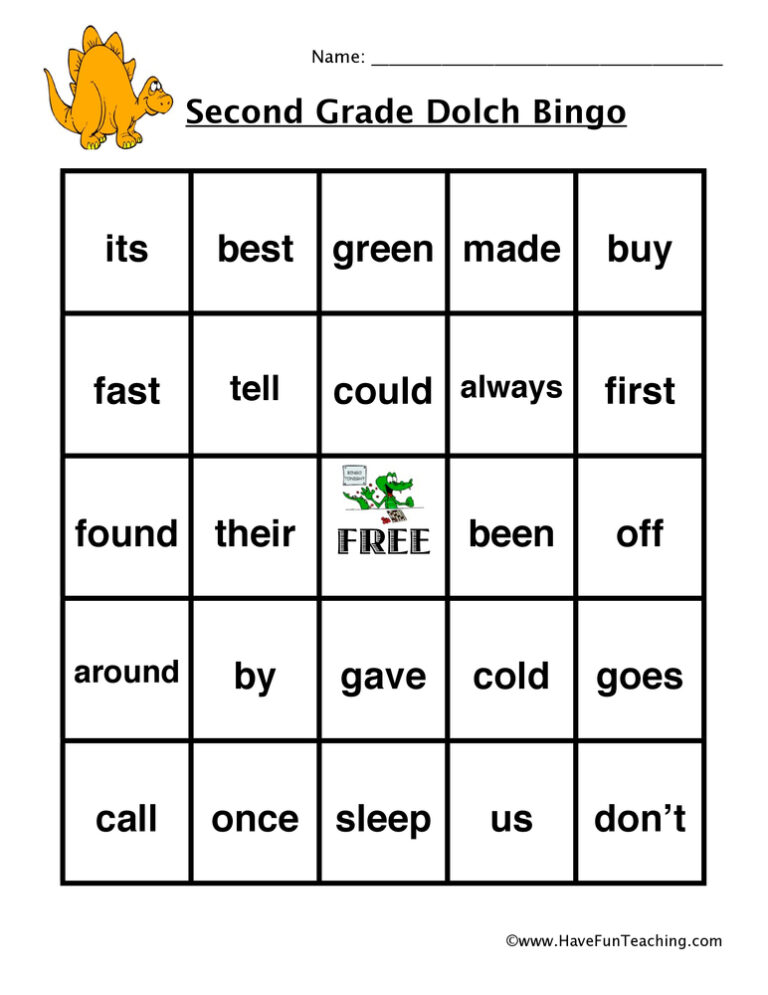
This second grade sight words bingo worksheet turns Dolch word practice into a whole-class game. Print a board for each 2nd grade student, call the words, and watch sight reading get faster and a lot more fun.

From our teachers' playbook

Raising readers, one page at a time

What do kids learn in reading?

Reading has a few big parts that grow together. Kids learn to decode words with phonics and recognize sight words like the, said, was on the spot. They build fluency so reading sounds smooth, and vocabulary so they can figure out new words from context clues. Then comes comprehension: story elements, cause and effect, fiction versus nonfiction, and the author's purpose. The best moment of all? When a child picks up a book just because they want to.

Our favorite ways to grow strong readers

Every one of these moves works from kindergarten on up. Pick one and try it this week.

Snap the sight words

Pull ten words from Fry's 300 list each week and flash them in a quick daily round. Words a child reads instantly go in the "got it" pile. Watch the pile grow and celebrate every new word.

Why it works: a big review of study methods ranked quick self-quizzing among the most powerful ways to remember (Dunlosky and colleagues, 2013).
Fry's 300 Sight Words ListTry it withFry's 300 Sight Words ListWorksheetsOpen it →
Map the text

Before reading, ask "Is this fiction or nonfiction? How can you tell?" Then use the fiction and nonfiction features page to spot headings, captions and characters. Seeing a text's structure helps kids know what to look for.

Why it works: pairing a picture with each word gives kids two ways to remember it, a well-tested principle of how people learn (Mayer, 2009).

Fiction and Nonfiction Features WorksheetTry it withFiction and Nonfiction Features WorksheetWorksheetsOpen it →

Show the "because"

Read a short passage aloud and stop at a key event: "The dog was muddy because..." Have kids finish the sentence from the text. Model a few, then let them try on the cause and effect worksheet.

Why it works: showing first, practicing together, then letting kids try alone is the "gradual release" model teachers have relied on for decades (Pearson and Gallagher, 1983).

Identifying Cause and Effect WorksheetTry it withIdentifying Cause and Effect WorksheetWorksheetsOpen it →

What's on this page

Teacher favorites right now: Identifying Theme Activity, Rhyming Words Matching Activity and Blank Mask.

Questions parents and teachers ask about reading

What are the five parts of reading?

Phonemic awareness, phonics, fluency, vocabulary and comprehension. Kids need all five, and they grow together from preschool through upper elementary.

How can I help my child become a better reader?

Read aloud every day, let them read to you, and talk about the story. Practice sight words for a few minutes and keep books they love nearby.

What are sight words?

Sight words are common words kids learn to read instantly, like the, and, was and said. Many don't follow regular phonics rules, so quick recognition helps reading flow.

How long should my child read each day?

A short daily habit matters most. Even 10 to 20 minutes of reading together or alone every day builds skill and confidence over the year.