3 days free
Ready for the whole library?
You’ve had your freebie — but members download 10,000+ resources for every grade, all year long. Try it free — $0 today, cancel anytime.
Free for teachers
Pick your grade. We’ll send 10 free resources.
Worksheets, activities and a video — picked for your classroom, ready to print tonight.
One free bundle per teacher. We’ll also send free teaching ideas each week — unsubscribe anytime.

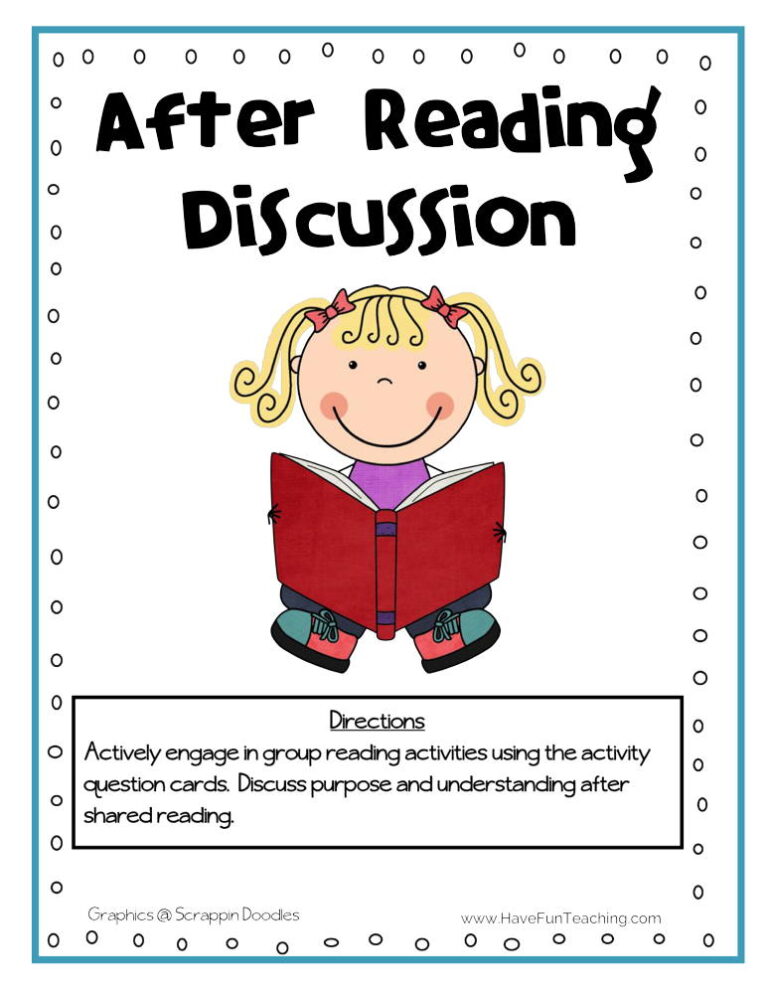
Using the After Reading Discussion Cards, students actively engage in group reading activities to discuss purpose and understanding after shared reading.

Using Apples Fact or Fiction Activity, students sort statements of apples into fact or fiction categories.
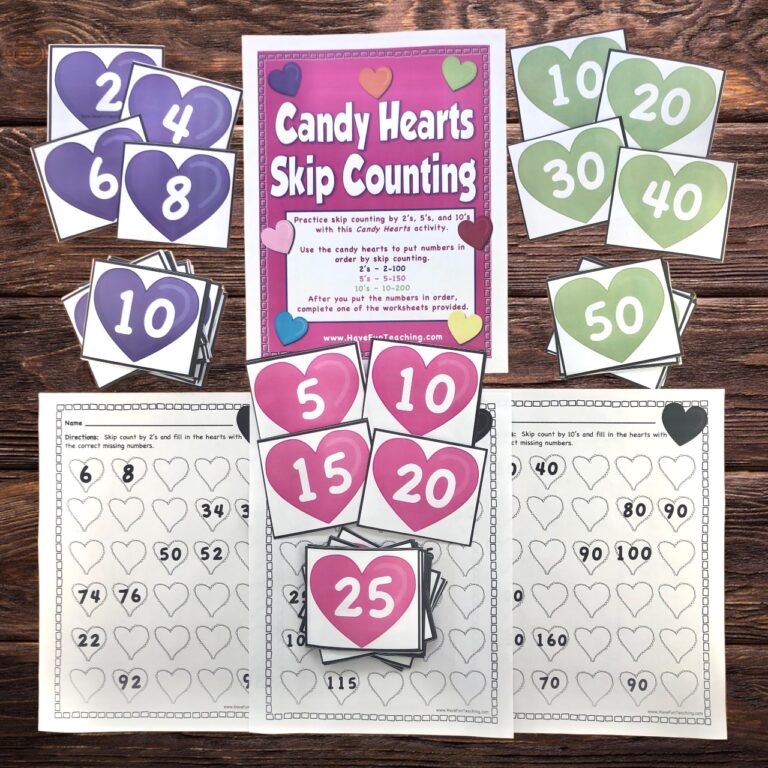
Using this Candy Hearts Skip Counting Activity, students practice skip counting by 2's, 5's, and 10's by putting number cards in order. Your students need lots of practice with skip counting. Skip Counting is the foundation of multiplication and division fact fluency. This activity will give your students the opportunity…
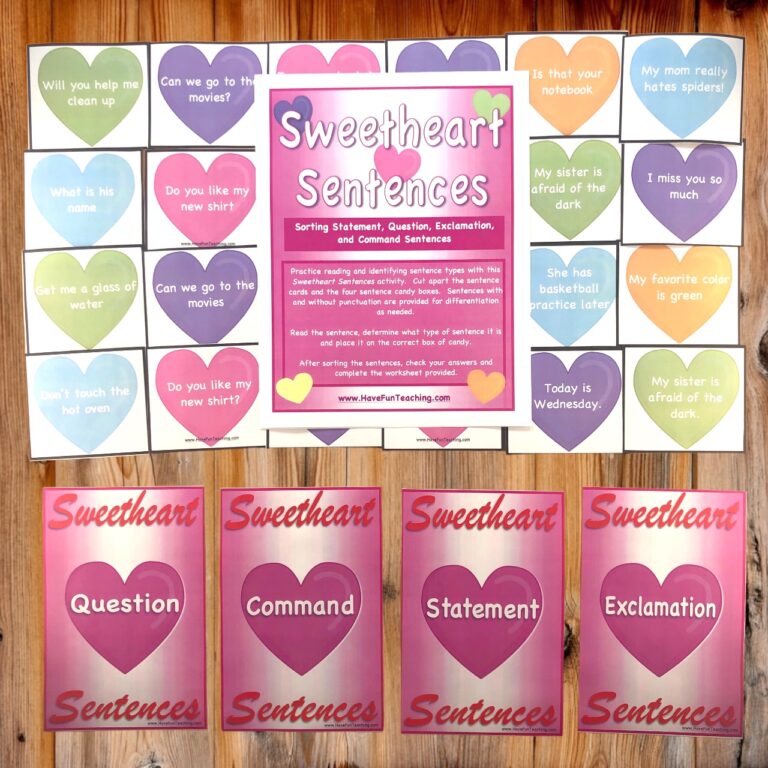
Using Sweetheart Sentences Activity, students read and identify sentence types to use in their own writing.

Using First President Facts Activity, students use the Presidential game board to test your knowledge of America's first President, George Washington!

UsingFun with Magnets Science Activity, students determine which objects are repelled or attracted to magnets by testing it out.

UsingHard and Soft C and G Activity, students read words and sort them under the hard or soft G and C category to build their pronunciation skills.

Using Magnet Activity, students sort the picture cards into two categories: magnetic or non-magnetic.
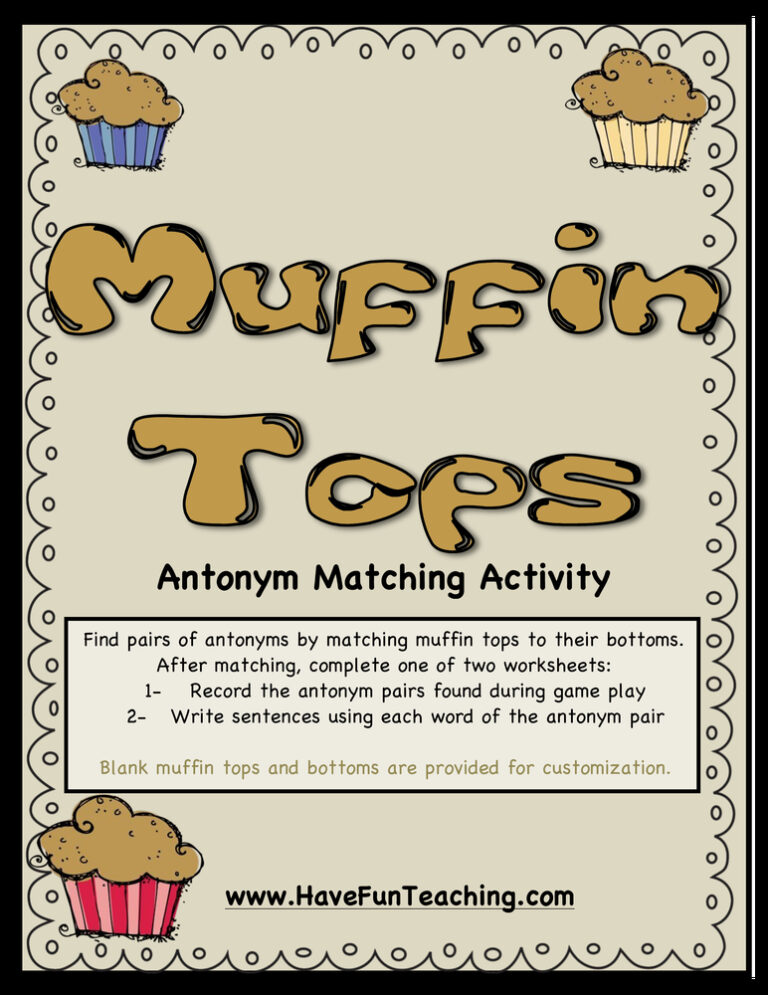
Using this Muffin Tops Antonyms Activity, students match the cards to make antonym pairs of opposite meanings.
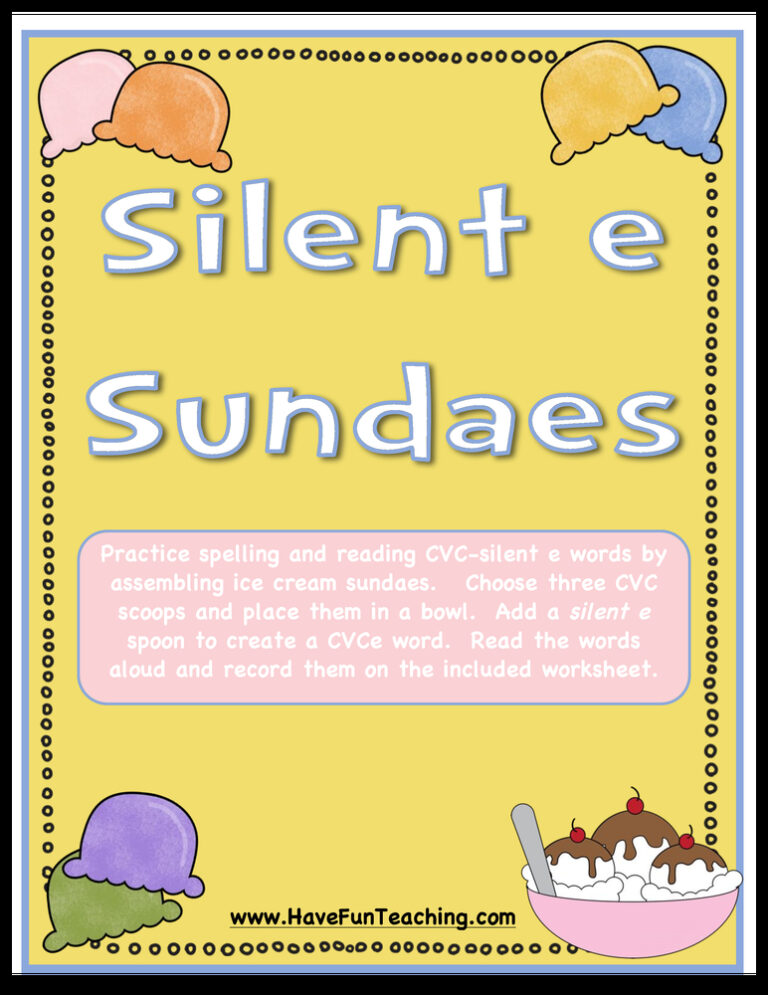
Using this Silent E Sundaes Activity , students practice spelling and reading CVC-silent e words by assembling ice cream sundaes to build reading fluency with CVCe words.
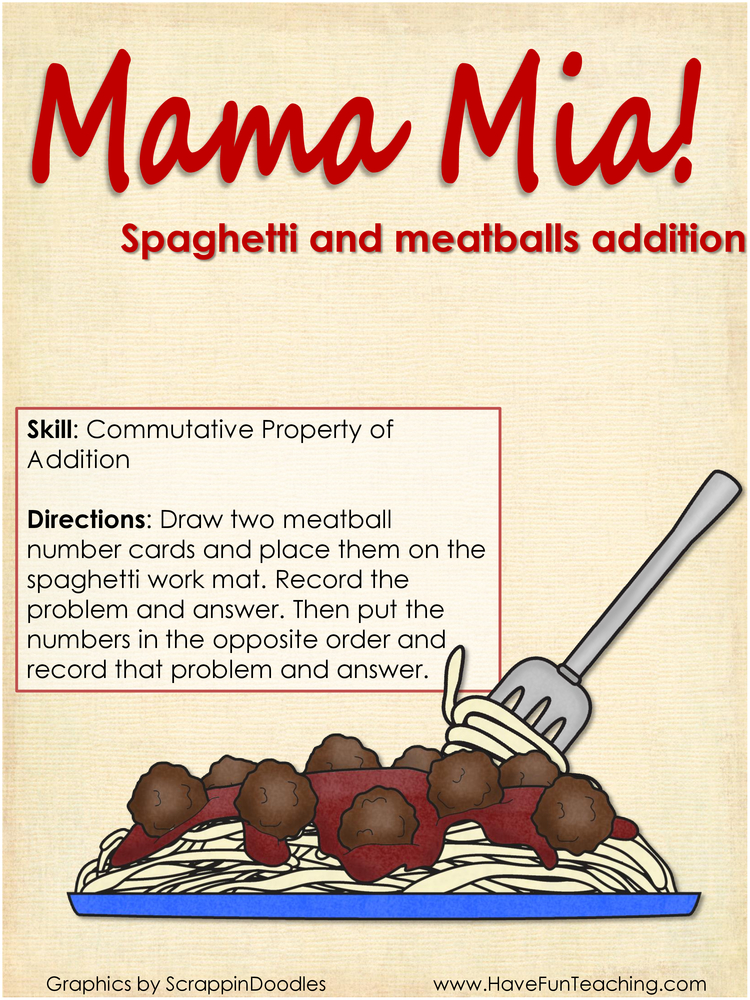
Using thisMama Mia Commutative Property Addition Activity, students practice the Commutative Property of Addition by writing equations in any order.
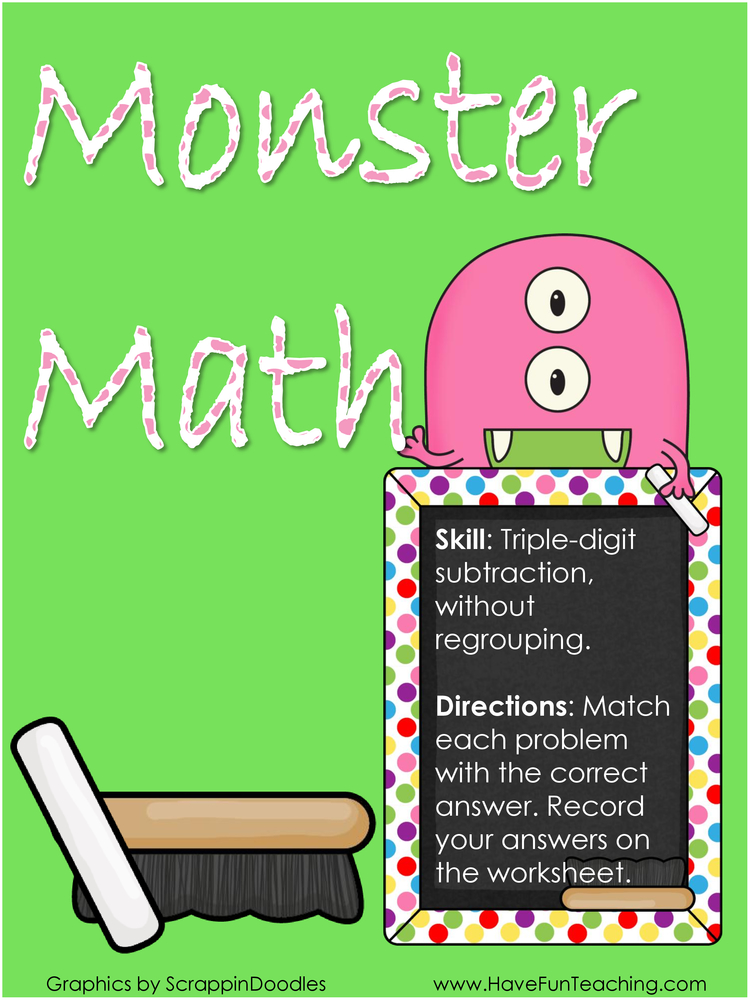
Using Monster Math Triple Digit Subtraction Activity, students solve three digit subtraction equations without regrouping to build their subtraction fluency.
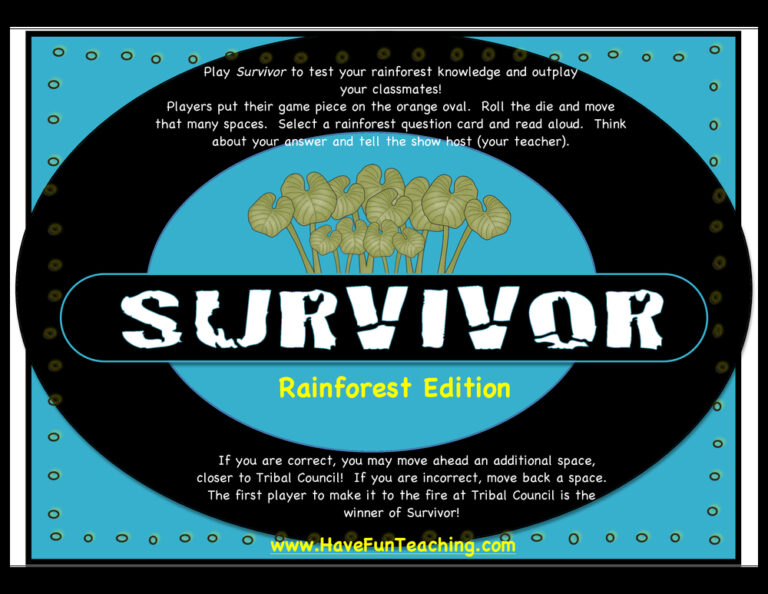
Using this Survivor Rainforest Edition Activity, students play the survivor board game to test your knowledge of animals and their habitats.
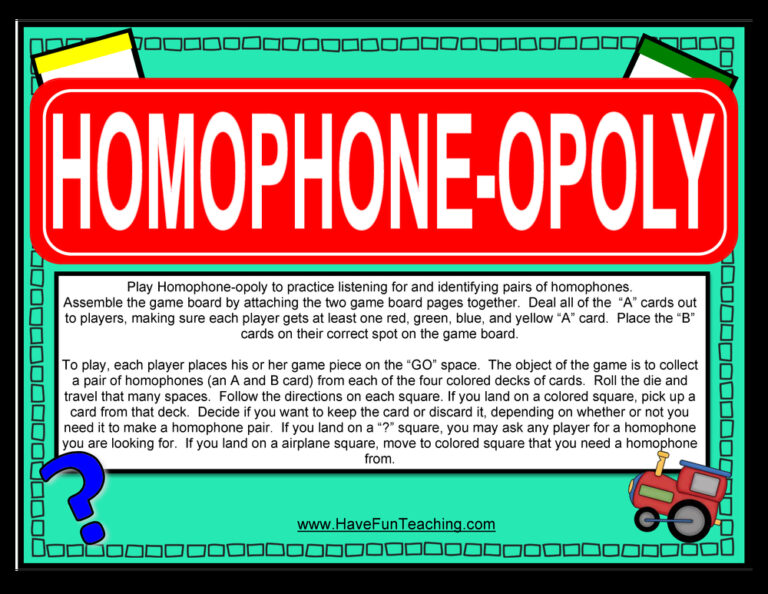
Using Homophoneopoly Homophones Activity, students play Homophone-opoly to practice listening for and identifying pairs of homophones.

Using Contractions Activity, students match two word phrase cards (I cannot) to contractions cards (I can't) in order to use contractions in their writing.

Using Three Addend Addition Activity, students solve three addend addition problems by matching equations and sums.
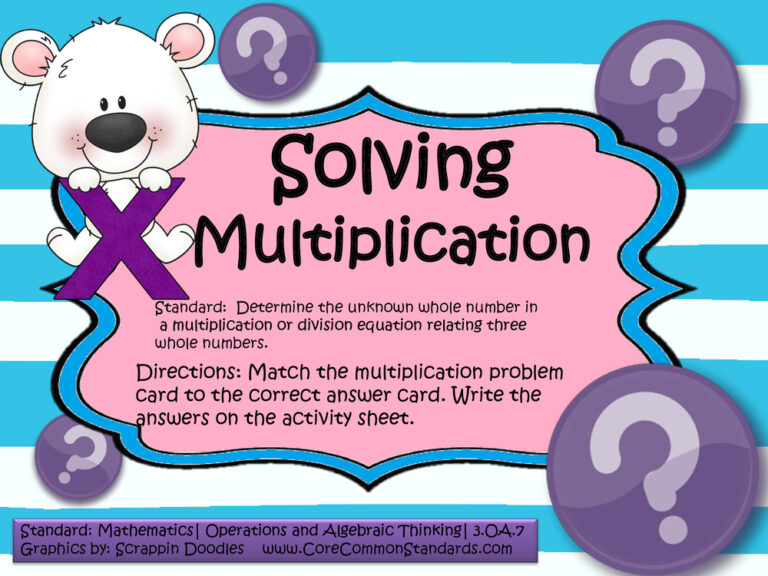
In this 3.OA.7 Common Core Activity, students determine the unknown whole number in a multiplication or division equation relating three whole numbers.

In this 3.MD.7 Common Core Activity, studentsfind the area of a vegetable garden by relating addition and multiplication.

Using the Blends Activity, students match the blend, word and picture cards to build their beginning blends word fluency.