
3 days free
Ready for the whole library?
You’ve had your freebie — but members download 10,000+ resources for every grade, all year long. Try it free — $0 today, cancel anytime.
Free for teachers
Pick your grade. We’ll send 10 free resources.
Worksheets, activities and a video — picked for your classroom, ready to print tonight.
One free bundle per teacher. We’ll also send free teaching ideas each week — unsubscribe anytime.


A 3rd Grade collaboration discussion worksheet that guides students through group talk with a six-rule checklist and note spaces for others' ideas, their own thinking, and what they learned.

This Writing Formal vs. Informal Letters Worksheet gives 3rd Grade students practice labeling letter lines, swapping casual phrases for formal ones, and matching a letter to its reader. An answer key is included.

The Is it Formal or Informal Worksheet helps 3rd graders sort everyday sentences by how polite they sound, then rewrite the casual ones. An answer key is included, so it works as no-prep speaking and listening practice.
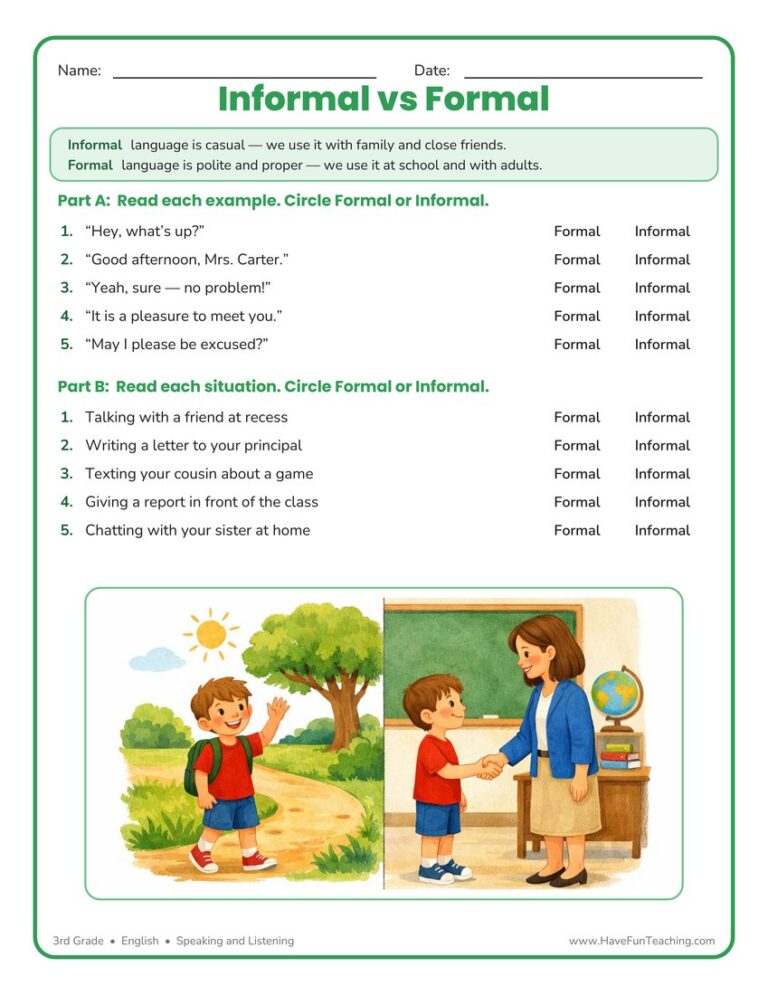
This Informal vs Formal Worksheet helps 3rd graders decide when to use formal or informal language across real examples and everyday situations. A complete answer key is included for quick, no-prep speaking and listening practice.

Using Feeling Words Activity, students read Amy Goes to First Grade to find words and phrases that describe Amy's feelings on the first day of school.
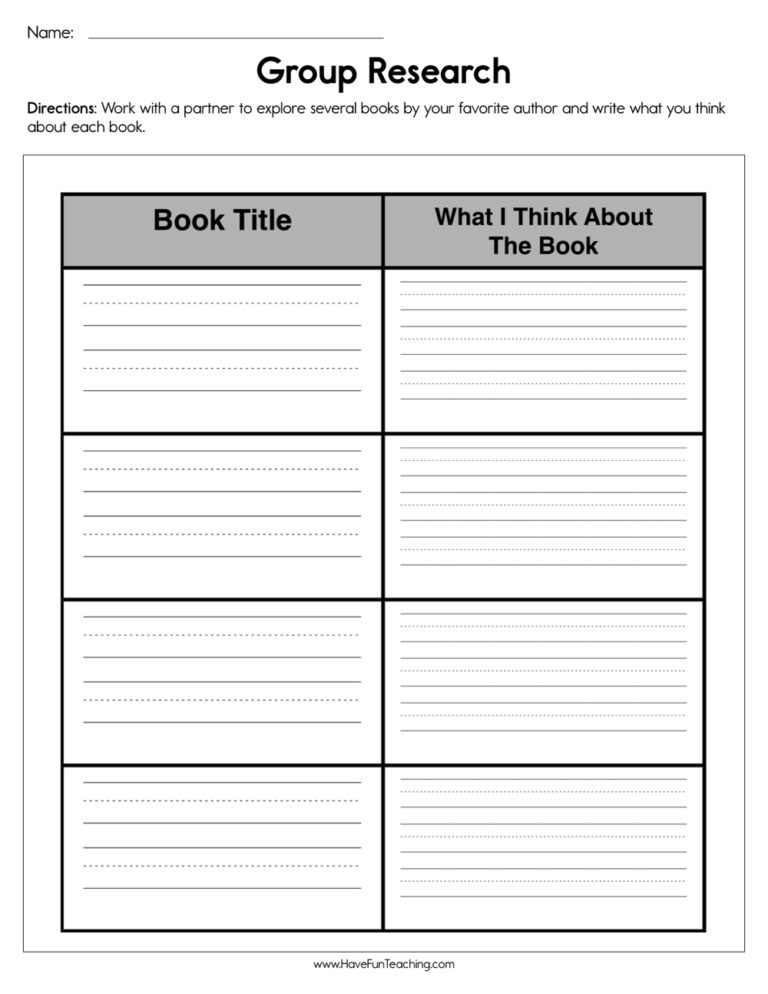
Using the Group Research Worksheet, students read with a partner to explore several books by your favorite author and write what you thinkabout each book.
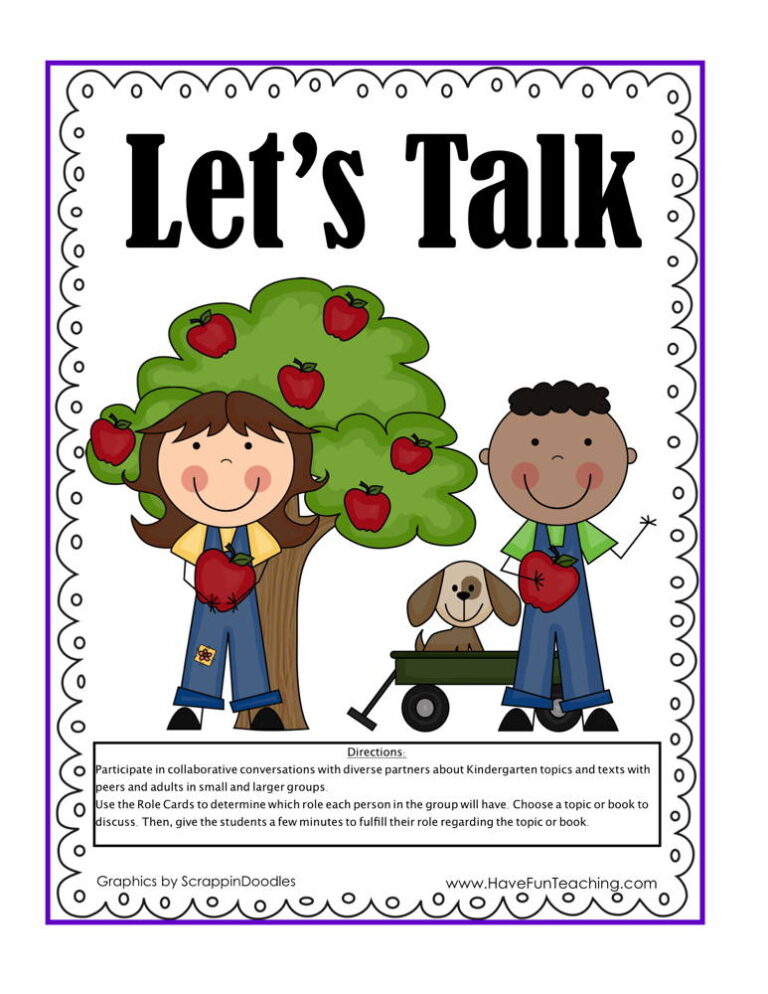
Using this Let's Talk Classroom Speaking Activity, students participate in collaborative conversations with diverse partners about topics and texts with peers and adults in small and larger groups.
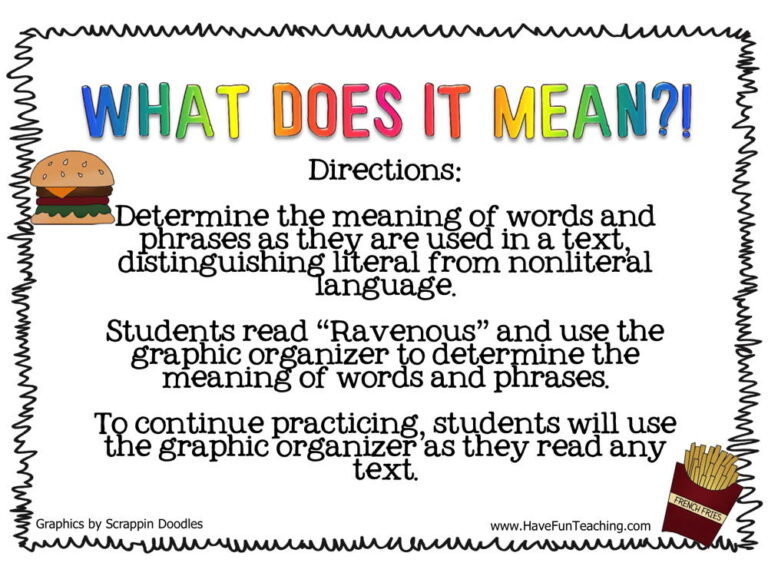
Using this What Does it Mean Literal Non-Literal Language Activity, students determine the meaning of words and phrases as they are used in a text, distinguishing literal from non-literal language.

Using the Spoken or Written Language Activity, students determine which words or phrases are most appropriate to be used in spoken or written situations.

A Collaborative Research Worksheet that helps 3rd graders plan a group project: one topic, four research questions, the sources they used, and how they will share what they learned.
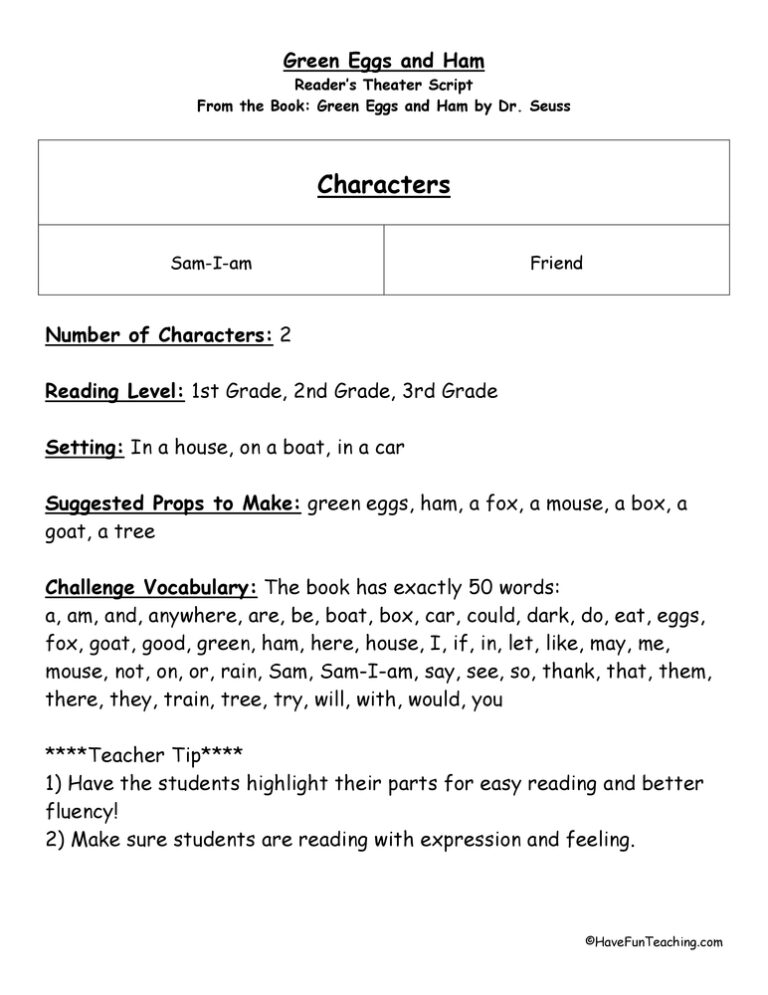
Using Green Eggs and Ham Reader's Theater, students act out different parts in the story Green Eggs and Hall to learn more about Dr. Seuss.

Using Hurricanes Reading Comprehension Activity, students refer to details to explain what the text says explicitly and when drawing inferences. This is perfect for making inferences and drawing conclusions.

Using the Recording a Story or Poem Worksheet, students create audio recordings of stories or poems by using a voice recorder with a microphone.

Using Asking Questions about a Story Activity, students Discuss a topic or read a book aloud using Question Cards to help guide questions andanswers about the topic.
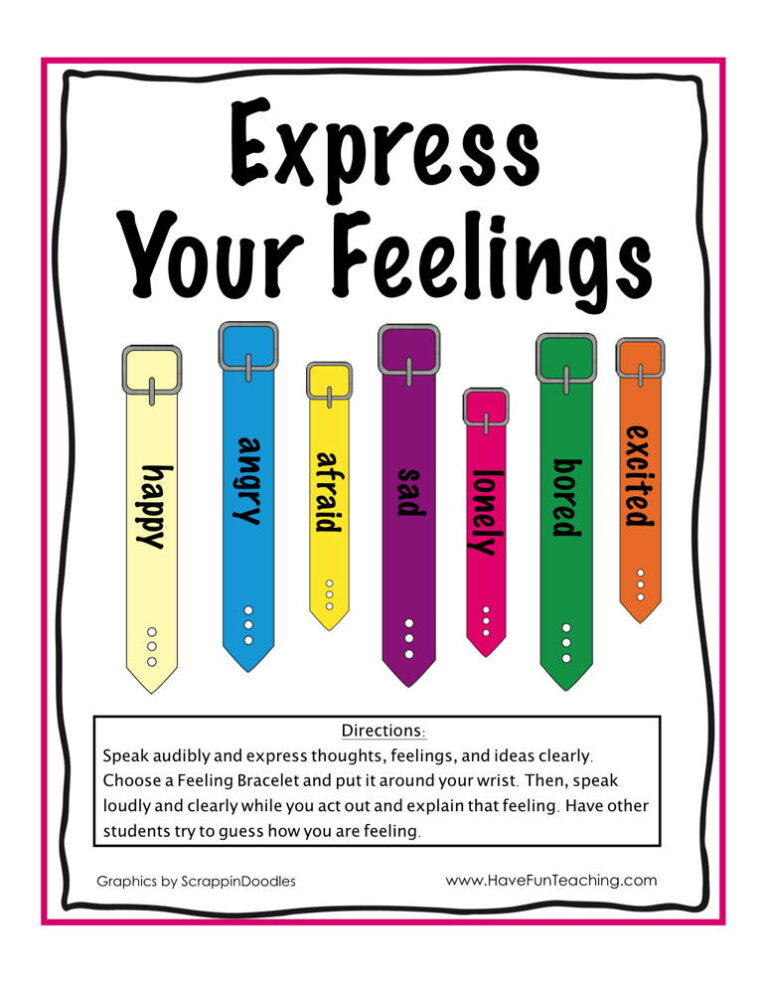
Using this Express Your Feelings Character Education Activity, students express thoughts, feelings, and ideas clearly.
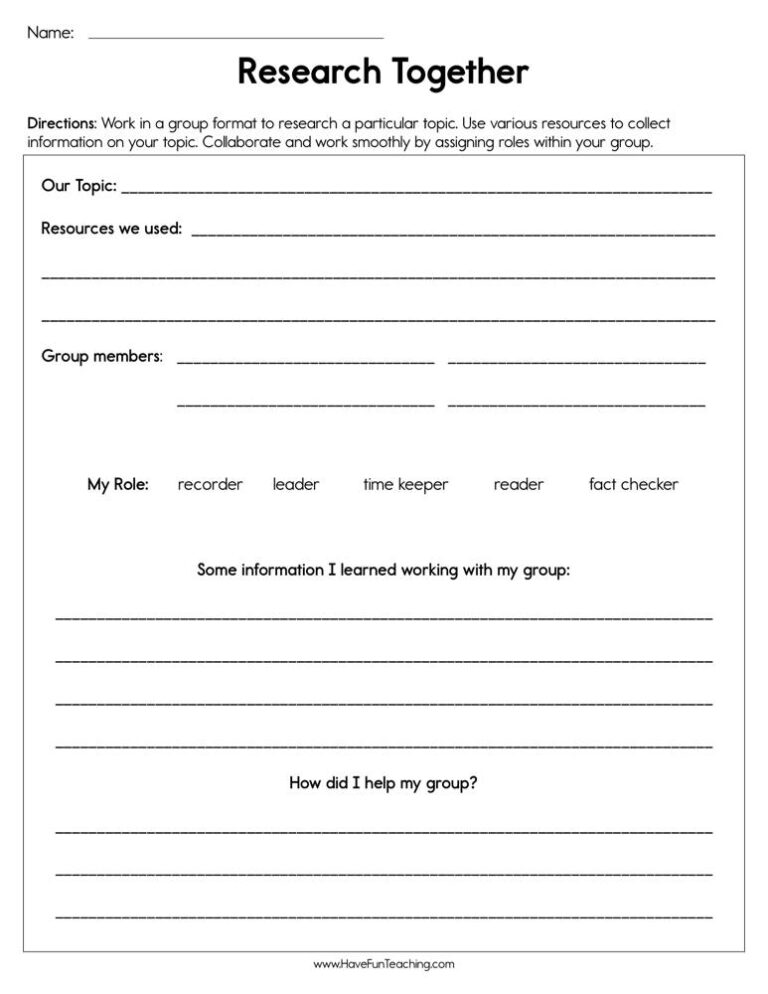
This Group Researching Worksheet helps 3rd graders plan a team research project, choose a group job, list the books they used, and write what they learned and how they helped.

This make an audio recording worksheet gives 3rd graders one page to plan the story or poem they will read aloud, their audience, and how their voice will sound, so every recording is clear, expressive, and easy to listen to.

Using Reading Questions Camping Activity, students ask and answer questions to demonstrate understanding of key details in a text.
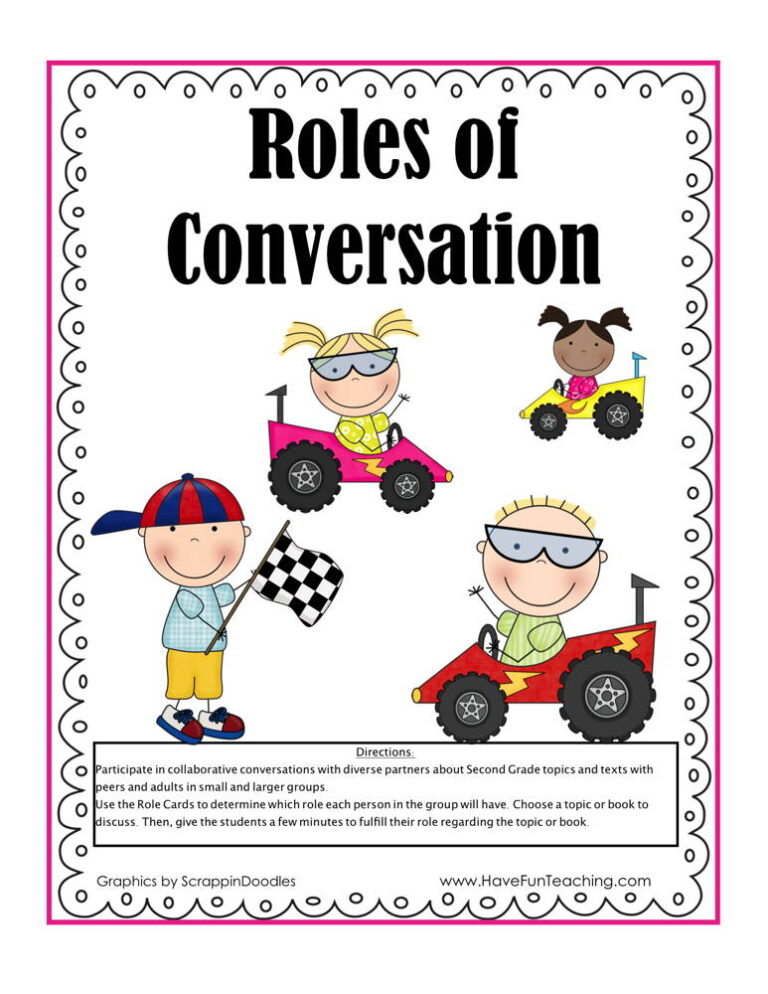
Using the Roles of Conversation Activity, studentsparticipate in collaborative conversations with diverse partners about topics and texts with peers and adults in small and larger groups.

Using Who What When Where Why How Activity, students ask and answer questions to demonstrate understanding of key details in a text.



