
Using RI.3.9 Third Grade Common Core Lesson, students identify basic similarities in and differences between two texts on the same topic.
Using RL.3.10 Third Grade Common Core Lesson, students read and comprehend literature, including stories and poetry.
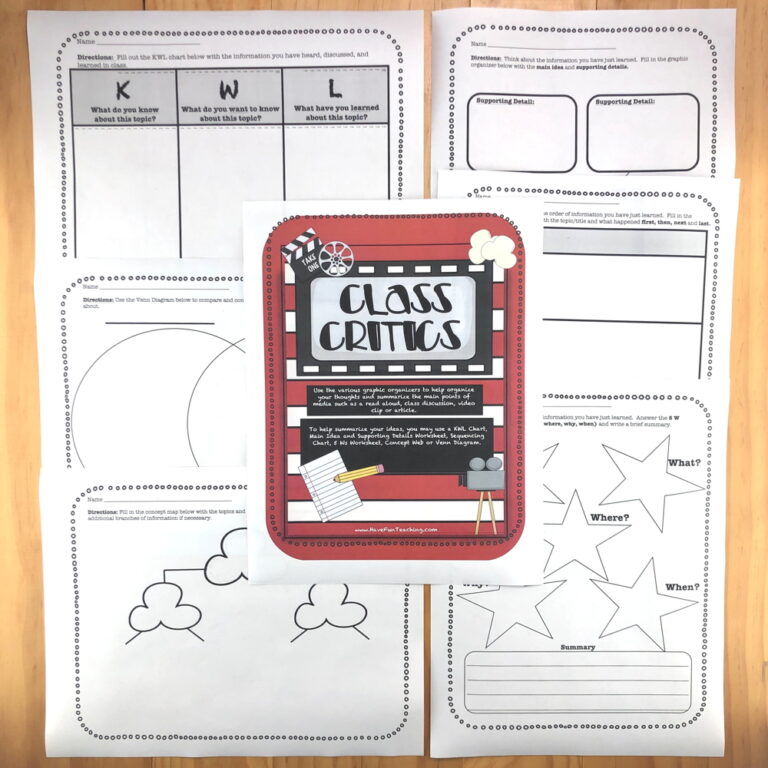
Using Retell the Story Activity, students read Floppy Ears aloud to students and then use the question chart to assess students ability to retell the story.

Using this Two Texts Important Information Activity, students read two texts on the same topic. They record important information on the graphic organizers in order to write or speak about the topic knowledgeably.

Using this Read It Decoding Words Activity, students decode provided words by using the provided tips on the "What should I do when I don't know a word?" poster.

Using Firsthand and Secondhand Accounts Activity, students read both firsthand and secondhand accounts of the same event to describe the differences in the information provided.
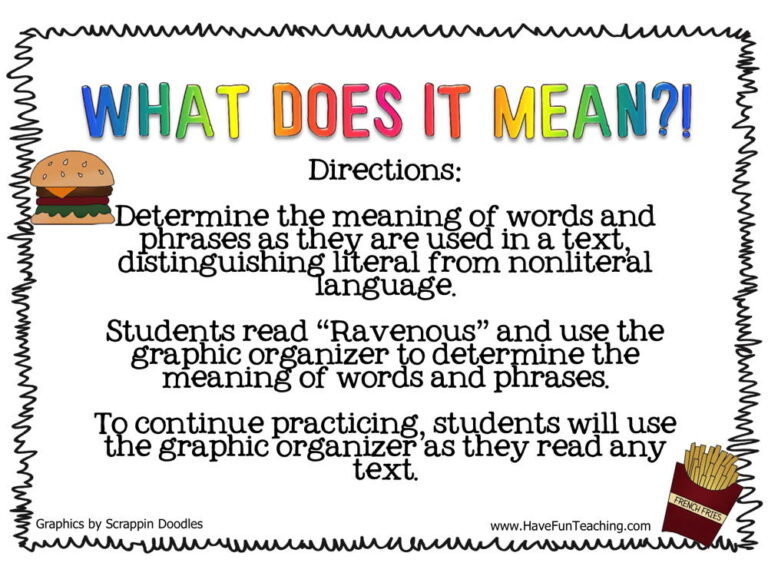
Using this What Does it Mean Literal Non-Literal Language Activity, students determine the meaning of words and phrases as they are used in a text, distinguishing literal from non-literal language.
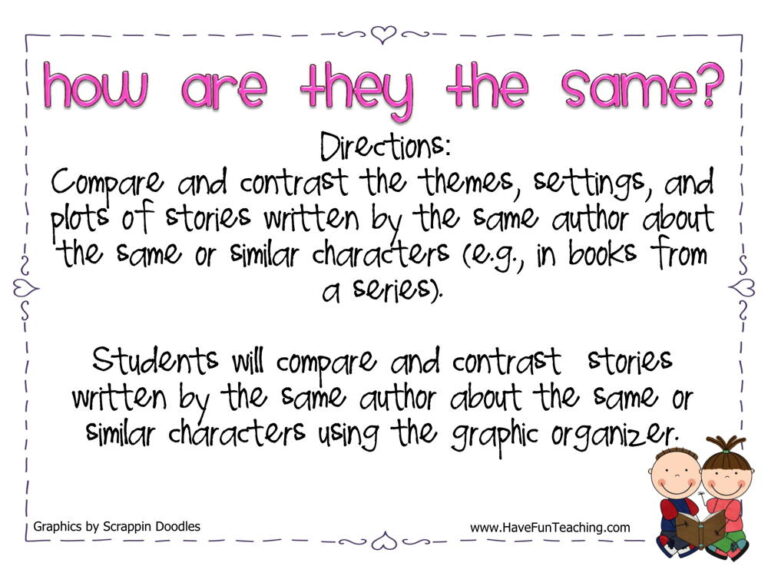
Using How are They the Same Compare and Contrast Story Elements Activity, students compare and contrast the themes, settings, and plots of stories written by the same author about the same or similar characters.

Using Read it Fluently Cooperative Learning Activity, students readwith sufficient accuracy and fluency to support comprehension.

Using Giraffes Reading Comprehension Worksheet, students build their reading comprehension skills by reading an informational text about giraffes.

Using What Are They Reading by Genre Assessment Worksheet, students keep track of the stories they read this year by writing the title and the date the book was completed.
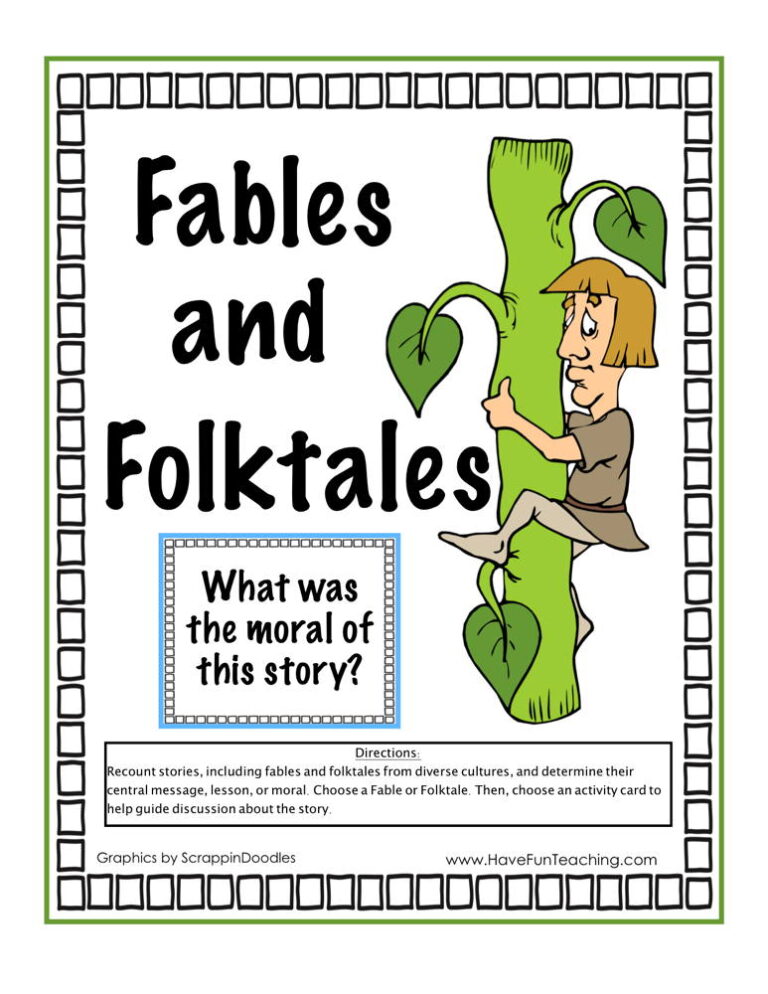
Using Fables and Folktales Activity,students recount fables and folktales from diverse cultures, and determine their central message, lesson, or moral.

Using How Words Work Poetry Activity, students describe how words &phrases supply rhythm and meaning in a story, poem, or song.

Using Reading Questions Camping Activity, students ask and answer questions to demonstrate understanding of key details in a text.
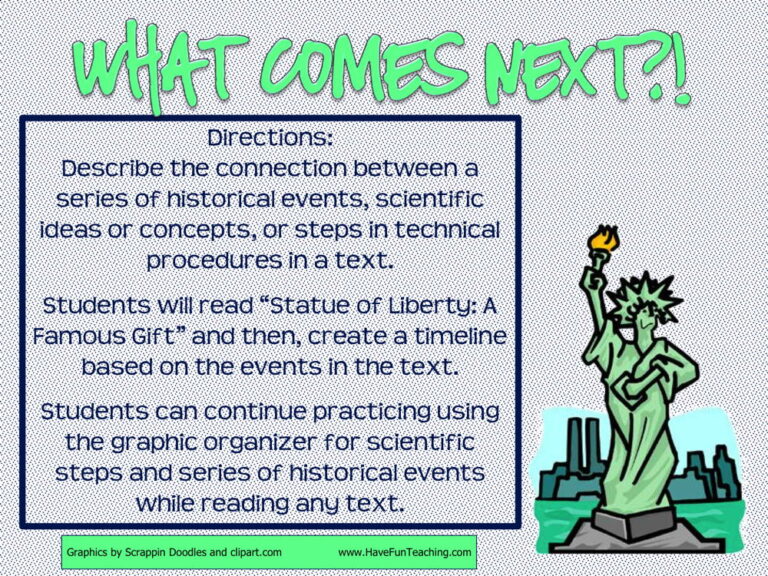
In order to use this What Comes Next? Timeline Activity, your students will describe the connection between a series of historical events, scientific ideas or concepts, or steps in technical procedures in a text.

Using Retell the Story Activity,students read “Floppy Ears” aloud to students and then use the question chart to assess students ability to retell the story.

Using Informational Texts Worksheet, students keep track of the stories they read this year by writing the title and the rating each book.

Using Retelling Stories Activity,students put the Event Cards in the correct order to retell the story to build summarizing skills.
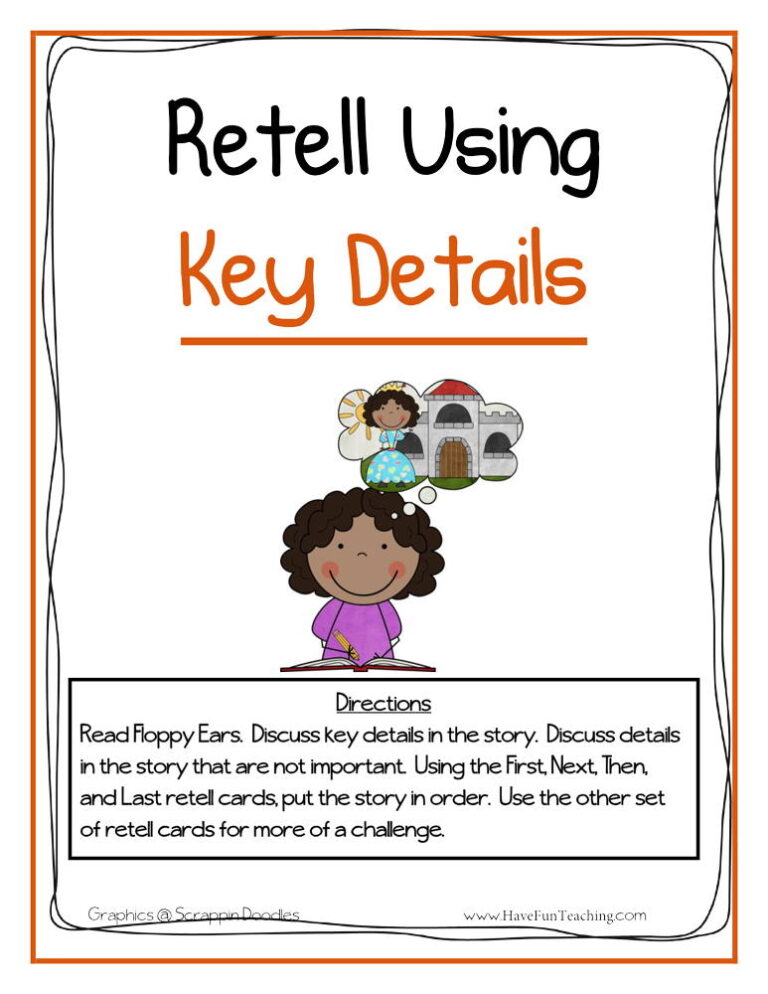
Using Retelling Using Key Details Activity,students read Floppy Ears to retell the story by putting key events in order.

Using Asking Questions about a Story Activity, students Discuss a topic or read a book aloud using Question Cards to help guide questions andanswers about the topic.