Skip to content
Start My 3 Free Days $0 today · cancel anytime

Compare and Contrast Activities

27 compare and contrast activities. Teacher favorites: Identifying Theme Activity and Determining Theme Activity. How teachers use these

Find the perfect resource in seconds

Compare and Contrast Activities

27 compare and contrast activities. Teacher favorites: Identifying Theme Activity and Determining Theme Activity. How teachers use these

Activity
Activity3rd GradeIdentifying Theme Activity

This identifying theme activity helps 3rd to 5th grade students match short stories to their themes and back them up with text details. Answer key included.

Activity
Activity3rd GradeDetermining Theme Activity

Students read 12 short fable cards in this determining theme activity for 3rd to 5th Grade, match each to a theme, and cite a detail. Answer key included.

Activity
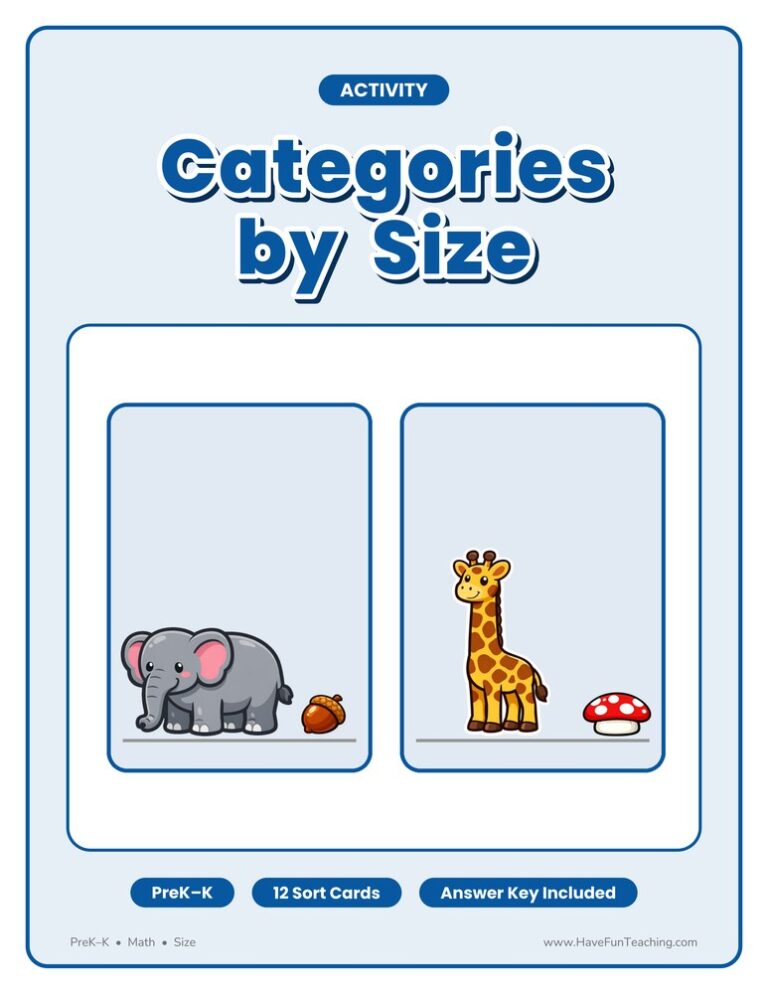
ActivityPreschoolSize Activity

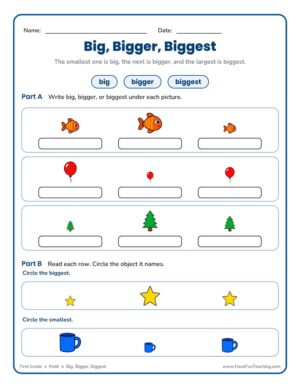
This size activity has Preschool to Kindergarten children sort picture cards into big or small and tall or short on two sorting mats. Answer key included, plus a practice page.

Activity
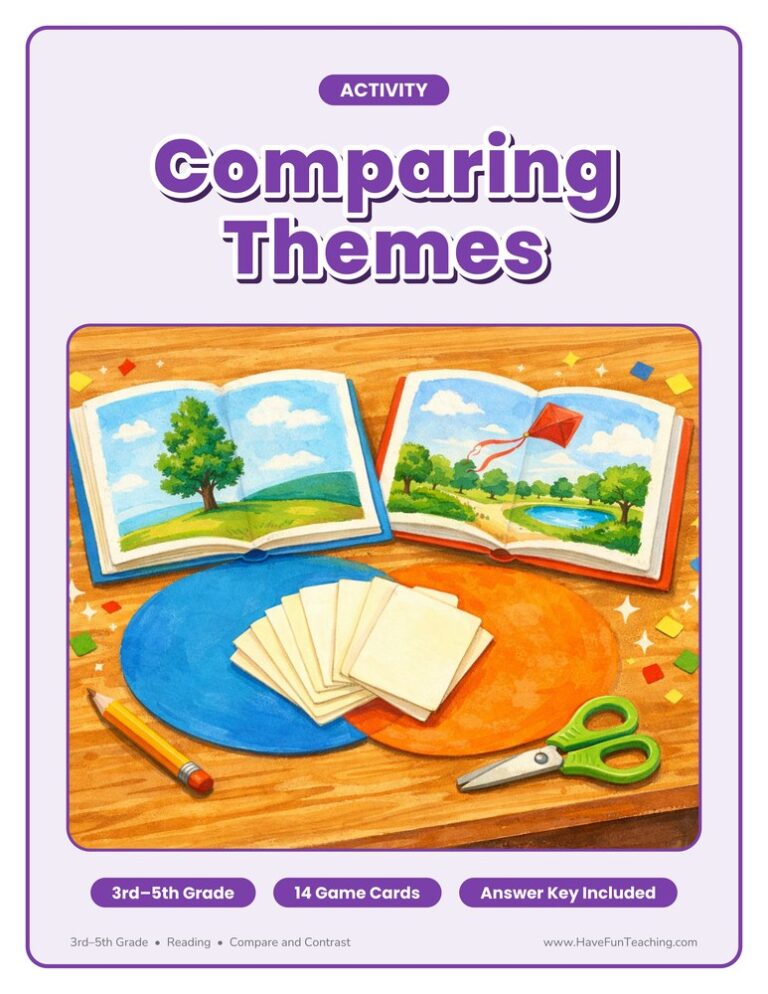
Activity3rd GradeComparing Themes of Two Stories Activity

This comparing themes of two stories activity for 3rd-5th grade turns story pairs into a fun matching game, with a graphic organizer, practice page, and answer key included.

Activity
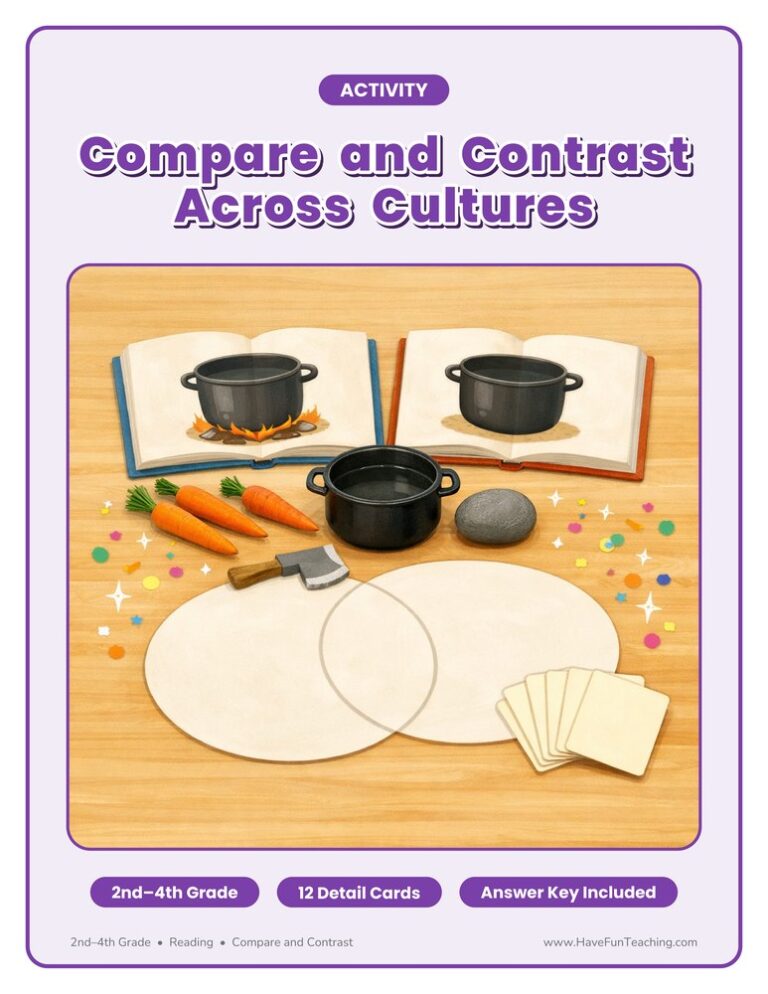
Activity2nd GradeCompare and Contrast Across Cultures Activity

This compare and contrast across cultures activity helps 2nd-4th grade readers sort story details from two folk tales onto a Venn diagram. Answer key included.

Activity
ActivityKindergartenComparing Characters Activity

This comparing characters activity has K-2nd Grade readers hear two short animal stories, then sort picture cards into Bunny, Turtle or Both. Answer key included, so practicing alike and different feels like a game.

Activity
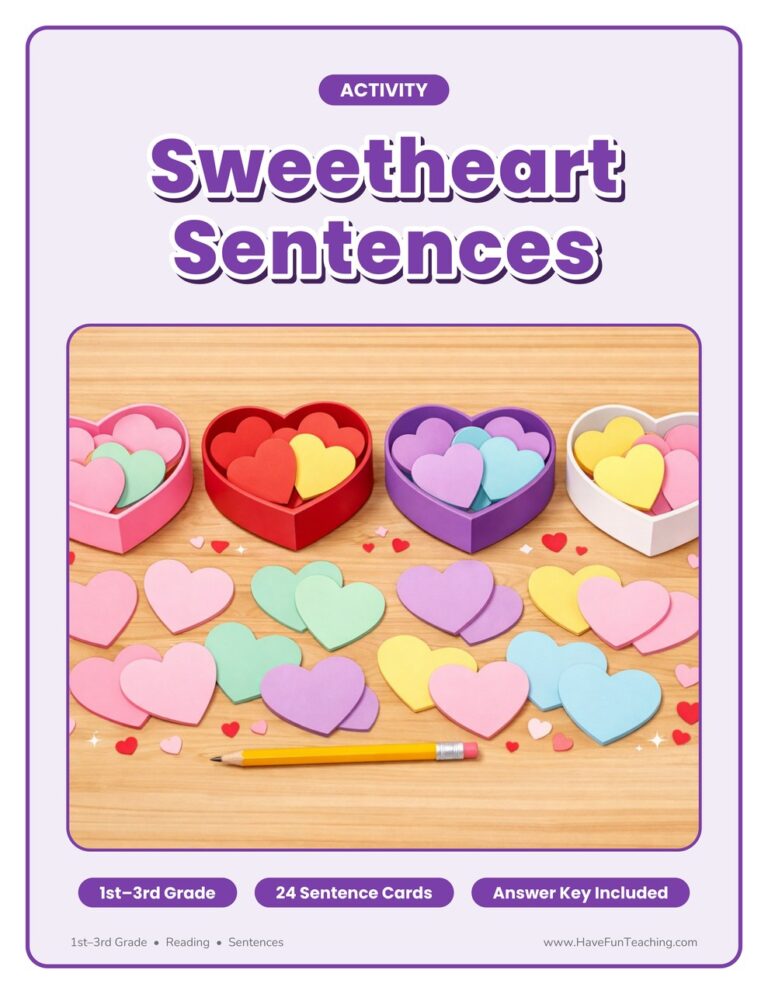
Activity1st GradeSweetheart Sentences Activity

This sweetheart sentences activity lets 1st to 3rd grade children sort Valentine heart cards into statements, questions, exclamations and commands while building strong grammar skills. Answer key included.

Activity
Activity1st GradeComparing Two Stories Activity

This comparing two stories activity has students sort 16 detail cards from Stone Soup and Nail Soup. Built for 1st to 3rd grade, with a Venn sheet, practice page and answer key included.

Activity
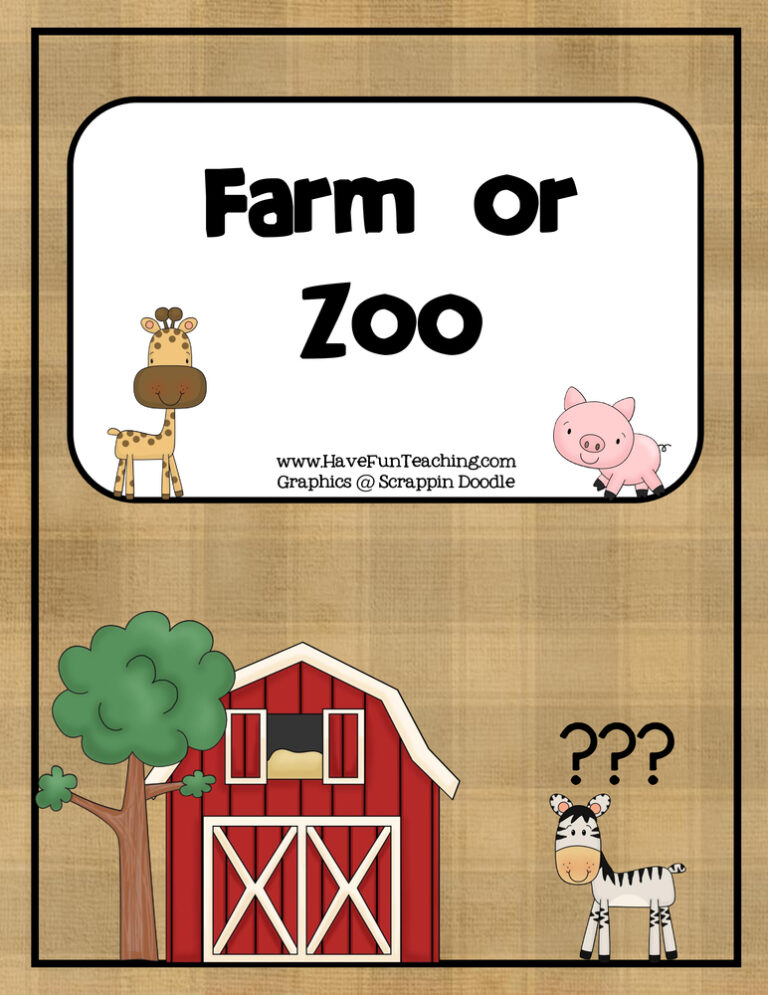
ActivityPreschoolFarm or Zoo Matching Activity

This farm or zoo matching activity has PreK-1st Grade children sort 12 animal picture cards onto a farm and zoo mat, with a practice worksheet and answer key included for easy checking.

Activity
Activity2nd GradeComparing Points of View Activity

Children read short opinion texts, match each one to what the author thinks, and compare it with their own view in this 2nd to 4th grade reading game. Practice page and answer key included.

Activity
ActivityKindergartenComparing Books Activity

In this comparing books activity, K-1st grade students read two pumpkin picture books and use 12 detective cards to tell what is the same and different. Answer key included.

Activity
Activity1st GradeHow are They the Same Compare and Contrast Story Elements Activity

This how are they the same compare and contrast story elements activity has 1st-3rd Grade readers sort 16 detail cards from two Otter and Beaver stories. Answer key included.

Activity
Activity3rd GradeBook Vs Movie Compare and Contrast Activity

This book vs movie compare and contrast activity has 3rd to 5th grade partners sort statement cards and compare a story on the page and on screen. Answer key included.

Activity
ActivityPreschoolMaking Connections Between Stories Activity

This making connections between stories activity gives PreK-1st grade students spinner-picked question cards for text-to-self, text-to-text, and text-to-world talk after any read-aloud.

Activity
Activity2nd GradeCompare and Contrast Graphic Organizer Activity

Using this Compare and Contrast Graphic Organizer Activity, students organize their ideas using any of the provided graphic organizers in order to compare and contrast the structure of events, ideas, concepts, and information in two or more texts.

Activity
ActivityPreschoolStocking Sort Classifying Activity

This stocking sort classifying activity has PreK-1st grade students sort holiday picture cards into toy, food and clothes stockings, plus a practice page. Answer key included.

Activity
Activity1st GradeMaking Connections in a Story Activity

This making connections in a story activity has 1st and 2nd grade readers match story card halves joined by but, because and so. Answer key included, so children can check how each event connects.

Activity
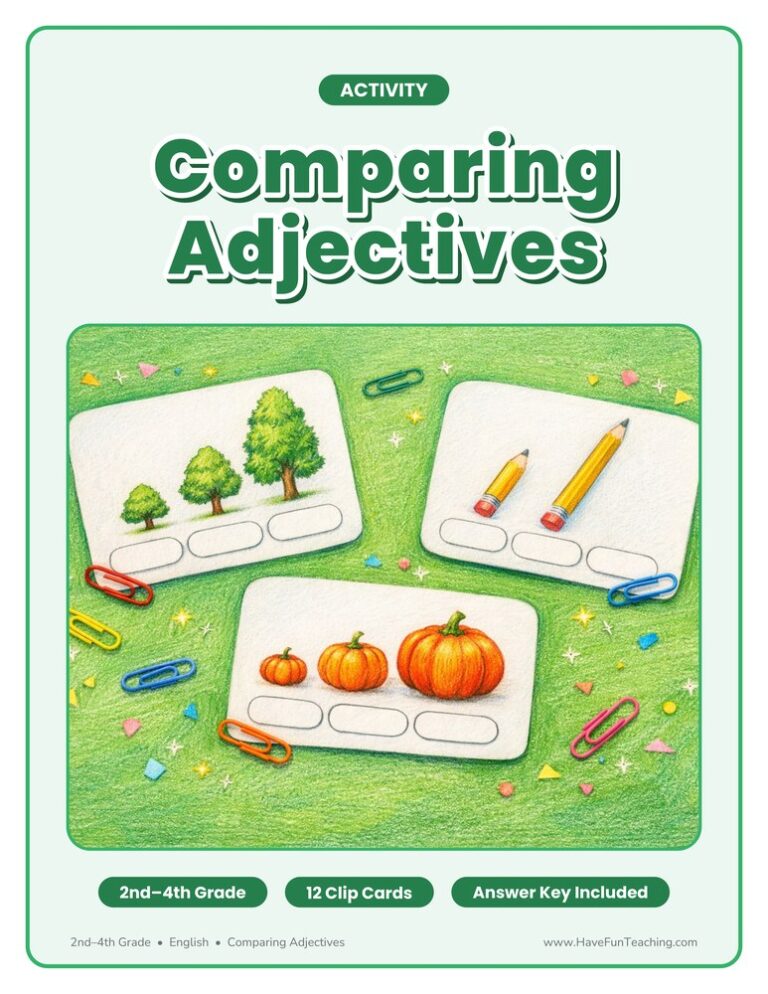
Activity2nd GradeComparing Adjectives Comparatives and Superlatives Activity

This comparing adjectives comparatives and superlatives activity gives 2nd to 4th Grade students 12 picture clip cards for choosing -er and -est words. Answer key included.

Activity
Activity3rd GradeFirsthand and Secondhand Accounts Activity

This firsthand and secondhand accounts activity has students sort 24 account cards by who is telling the story. Built for 3rd to 5th grade, with a practice page and answer key included.

Activity
Activity1st GradeCompare Books Activity

This compare books activity has 1st and 2nd grade readers sort fact cards from two short dog books into Book 1, Book 2 or Both, with an answer key included for quick, confident checking.

From our teachers' playbook

Same, different, and why it matters

What do kids learn about compare and contrast?

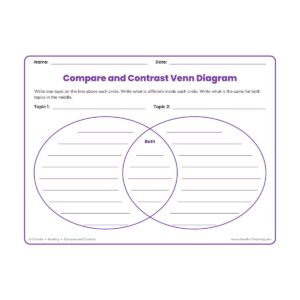
Comparing means finding how things are alike, and contrasting means finding how they're different. Little learners start with pictures and sizes: big, bigger, biggest. Then kids compare two characters, two stories or two topics, often using a Venn diagram, where the middle shows what's the same. Older kids compare two texts on the same topic or two versions of a story. The click comes when kids notice that the differences are often the most interesting part. That's where the thinking happens!

How we teach compare and contrast

Kids compare things all day long. These moves turn that natural habit into a reading skill.

Use signal words

Post words like both, also, but and however. Partners must use at least one in every sentence they say about the two things. Signal words make compare and contrast thinking clear in speaking and writing.

Why it works: using clear, consistent math words out loud is one of the U.S. Department of Education's recommendations for elementary math.

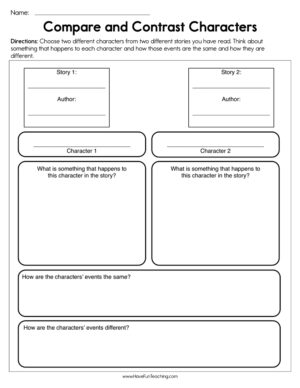
Compare and Contrast Characters WorksheetTry it withCompare and Contrast Characters WorksheetWorksheetsOpen it →

Compare two stories

Read two versions of the same tale, then compare the characters, setting and ending. Kids love spotting what changed, and it builds deep comprehension.

Why it works: the U.S. Department of Education's guide for teaching elementary math recommends moving from hands-on objects to drawings to numbers.

Comparing Two Stories WorksheetTry it withComparing Two Stories WorksheetWorksheetsOpen it →

What's on this page

Teacher favorites right now: Identifying Theme Activity, Determining Theme Activity and Size Activity.

Compare and contrast questions

What is compare and contrast for kids?

Comparing means telling how two things are alike. Contrasting means telling how they are different. Kids use it to understand stories, topics and ideas more deeply.

What is a Venn diagram?

A Venn diagram is two overlapping circles. Each circle holds details about one thing, and the middle where they overlap holds what both have in common.

What grade learns compare and contrast?

Kids start comparing pictures and sizes in preschool and kindergarten. Comparing characters and stories begins in 1st and 2nd grade, and comparing texts and topics continues through 5th grade.

How can I practice compare and contrast at home?

Compare two foods, two pets, two movies or two books. Ask "How are they the same? How are they different?" Everyday choices make great practice.