

Organizing Data Using a Pictograph Worksheet
This organizing data using a pictograph worksheet has 3rd Grade students draw a scaled picture graph from a reading log table, then answer questions about it. Answer key included for fast checking.
$6.97
Or free with a membership — members pay $3.33/mo for all 10,000+ resources. See plans
Want this one free?
Tell us where to send it and it’s yours — no card, no catch.
One free resource per teacher. We’ll also send free teaching ideas each week — unsubscribe anytime.
Teaching is easier with a membership
Unlimited printables, games & videos for PreK–6th — for your classroom or homeschool. Cancel anytime.
Start your 3-day free trial$0 today · cancel anytime · Instant access to 10,000+ resources
About this resource
Description
This organizing data using a pictograph worksheet gives third graders a table of real classroom data and asks them to turn it into a scaled picture graph, then use their own graph to answer questions. Room 12 kept track of the books its students read each day of Reading Week, and the counts are listed in a simple table. Every book picture on the graph stands for two books, so students cannot copy a number straight across; each count has to be divided by the key first. That one step is what moves third grade graphing beyond the one-to-one picture graphs of first and second grade.
Part A holds the data table, a clear picture key, and an empty pictograph with a row for Monday through Friday. Part B asks four questions about the finished graph: how many pictures belong in one row, a comparison between two days, the total for the whole week, and a written explanation of a classmate’s mistake with the key. Have students draw every row before answering anything, then work down the questions and check each answer against the graph they made. The answer key on the second page shows the completed pictograph and a model written answer, so this 3rd grade picture graph worksheet is quick to check.
What’s Included
- A five-row data table showing the books read on each day of Reading Week
- A picture key where one book picture stands for two books
- An empty pictograph with a labeled row for every school day
- Three questions that read, compare and total the data, plus one written-response item
- A full answer key with every row drawn and a model written answer
Three Reasons This Helps Kids
- Drawing the pictures, rather than reading a finished graph, teaches students what a key really means.
- Dividing each count by the key before drawing builds the same thinking students later use with scaled bar graphs.
- Explaining a classmate’s mistake makes students put the rule into their own words.
Ideas for Teachers and Parents
- Ask students to read the key out loud before they start: one picture means two books.
- Count each finished row by twos to check that it matches the table.
- Keep a real reading log for a week, then use this organizing data using a pictograph worksheet as the model for graphing your own class data.
- Talk through question four together: why would ten pictures show twenty books instead of ten?
Related Resources
What teachers say
Reviews
You must be logged in to post a review.
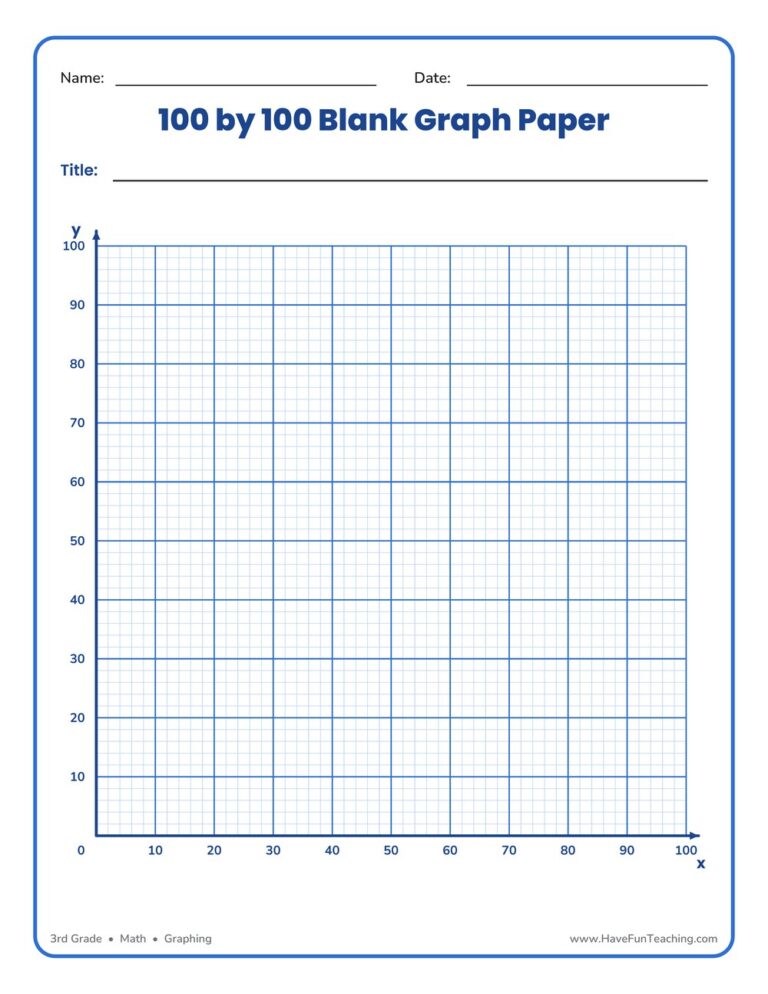
This 100 by 100 blank graph paper worksheet gives 3rd graders a ready-made coordinate grid numbered to 100 by tens — perfect for plotting points, building bar graphs, and organizing data with no prep required.
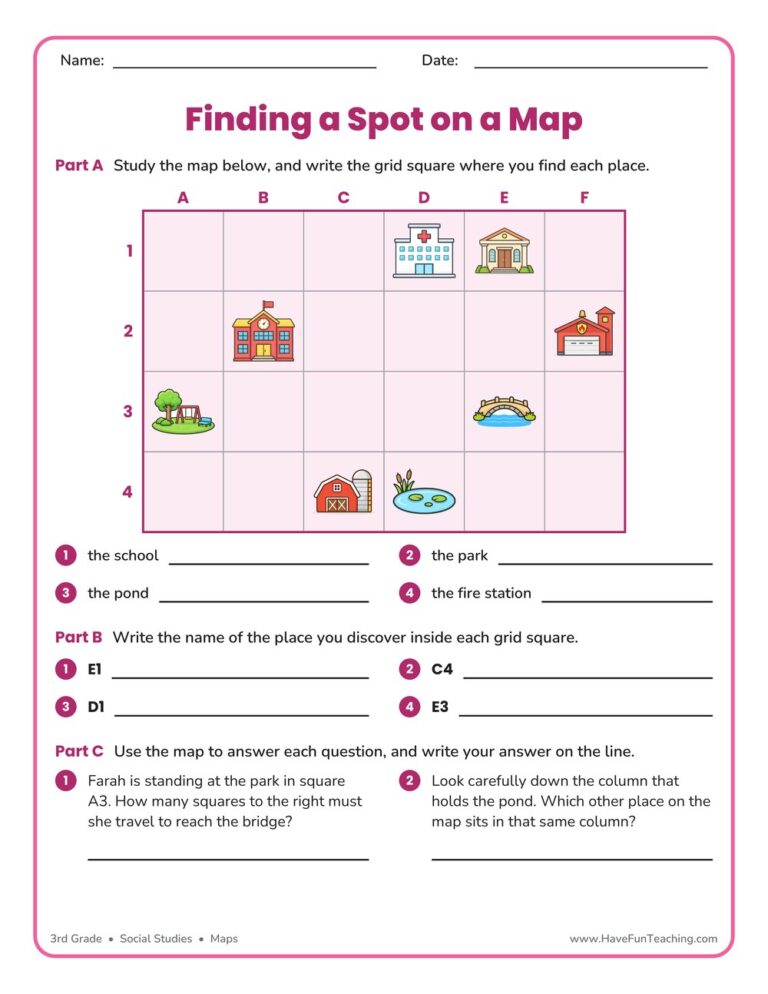
A finding a spot on a map worksheet for 3rd grade, built on one labeled town grid with place-to-square, square-to-place, and reasoning questions. Answer key included for quick no-prep map skills practice.

This making a graph using data worksheet has 3rd graders build a scaled bar graph from an orchard data table, then answer four questions about it. An answer key is included, so graphing practice needs no prep.

Students build a scaled bar graph from a class food survey in this Thanksgiving Graph Worksheet, then answer comparison questions about the data. Written for 3rd Grade, with an answer key included for fast checking.
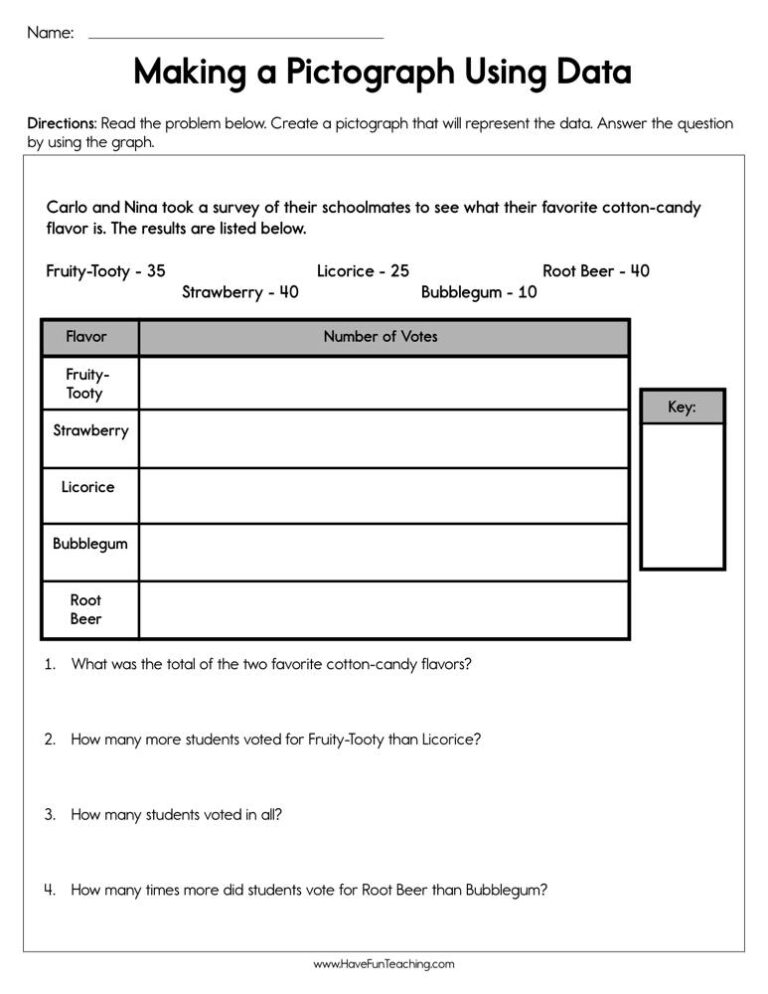
A Making a Pictograph Using Data Worksheet for 3rd Grade: students draw one star for every five votes, then read, compare, and explain their graph. Answer key included for easy, no-prep graphing practice.

This Multiplication Bar Graphs Worksheet has 3rd grade students solve six multiplication problems and graph each product on a scaled bar graph. An answer key is included, so checking work takes seconds.

A blank pie graph worksheet where 3rd graders collect their own data, color the circle sections, and label a key. A reusable, no-prep template for hands-on graphing practice at home or school.

This organizing data using a bar graph worksheet has 3rd Grade students turn a data table into a scaled bar graph, then answer read, compare and two-step questions. An answer key is included.

Using this Graphing Measurements Worksheet, students measure the objects below to create a line graph that shows growth over time.
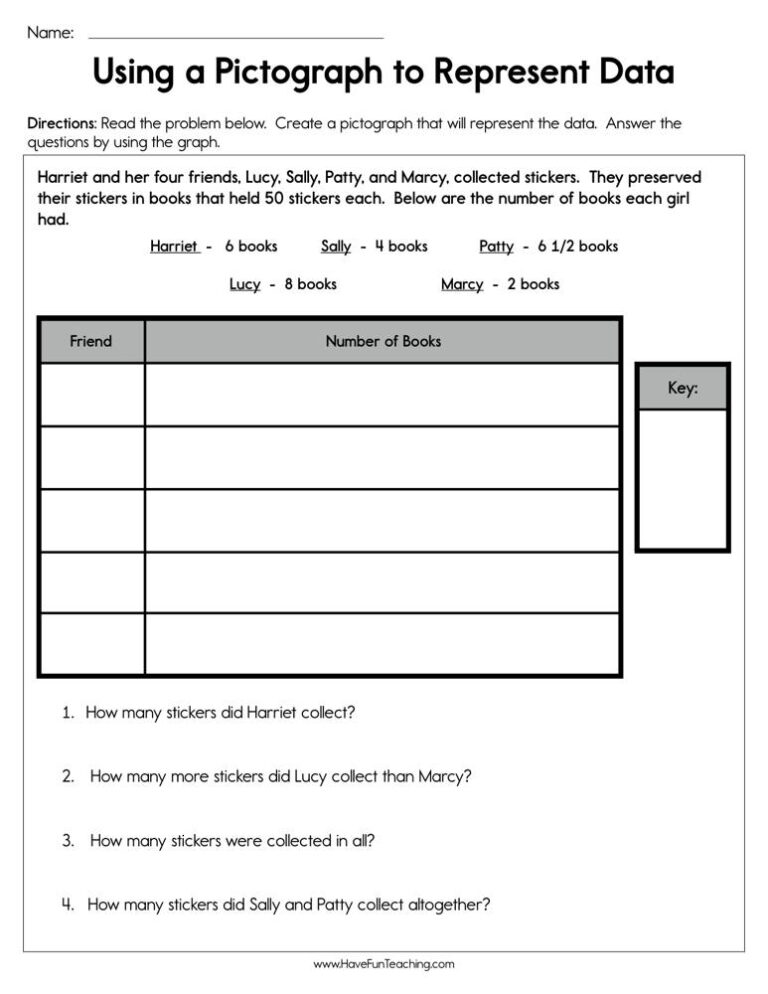
This using a pictograph to represent data worksheet has 3rd Grade students draw a scaled star graph, with half stars, from a sticker table. Answer key included for easy checking.

This graphing favorite foods worksheet has 3rd graders draw a scaled bar graph from lunch vote data, then answer comparison and two-step questions. An answer key is included for fast checking.
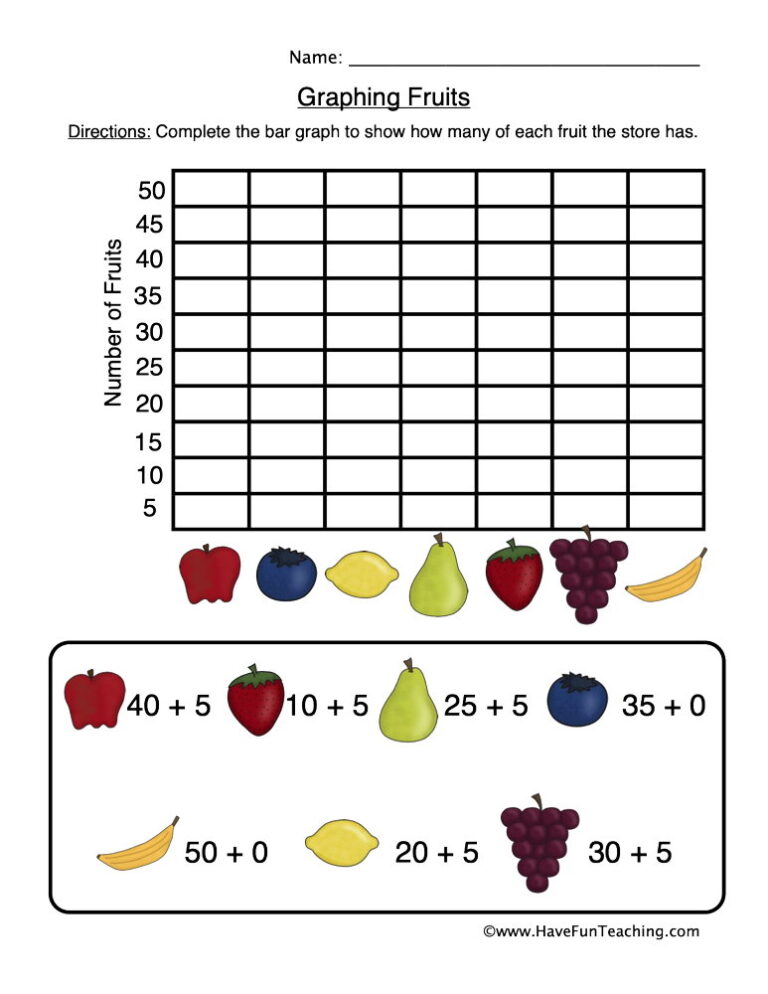
The Graphing Fruits Worksheet has 2nd grade students solve four addition facts, color a bar graph with their answers and read it to answer three questions, with a full answer key.




Reviews
There are no reviews yet