
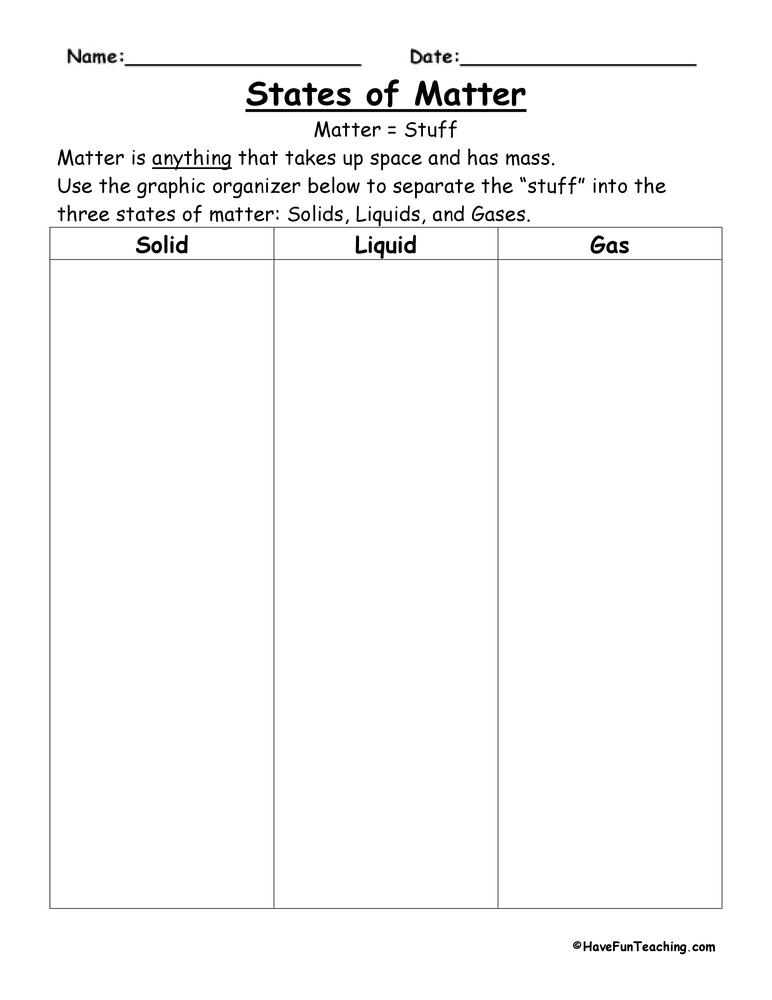
States of Matter Worksheet
A States of Matter worksheet for 3rd grade: students sort nine everyday materials into Solid, Liquid, and Gas columns, then name the solid and the liquid in four sentences. Answer key included for fast, no-prep science practice.
$6.97
Or free with a membership — members pay $3.33/mo for all 10,000+ resources. See plans
Want this one free?
Tell us where to send it and it’s yours — no card, no catch.
One free resource per teacher. We’ll also send free teaching ideas each week — unsubscribe anytime.
Teaching is easier with a membership
Unlimited printables, games & videos for PreK–6th — for your classroom or homeschool. Cancel anytime.
Start your 3-day free trial$0 today · cancel anytime · Instant access to 10,000+ resources
About this resource
Description
Everything a child can see, hold, pour, or breathe is matter, and matter shows up in three familiar forms: solid, liquid, and gas. A solid keeps its own shape, a liquid pours and takes the shape of whatever holds it, and a gas spreads out to fill its whole container. This states of matter worksheet gives third graders a clear, hands-on way to practice telling those three forms apart using ordinary classroom and kitchen materials rather than abstract definitions.
This solid liquid and gas worksheet opens with a word box of nine everyday materials and a three-column sorting chart labeled Solid, Liquid, and Gas. Students read each word, decide which form it takes, and write it in the matching column. The second half moves the skill into reading: four sentences each name one solid and one liquid, and students find both and write them on the labeled lines. Use it as a lesson warm-up, an independent practice page, a science center task, or a quick check before a unit test.
What’s Included
- 1 print-ready PDF worksheet
- Answer key
- A nine-word sorting chart with Solid, Liquid, and Gas columns
- 4 sentence items with two labeled answer lines each
There are three reasons this page helps children learn the skill. First, sorting real materials such as wood, honey, and oxygen ties an abstract science idea to objects a child already knows, so the definitions stick. Second, the sorting chart is a graphic organizer, which means students can see all three categories side by side and compare them instead of memorizing them one at a time. Third, the sentence section asks students to apply the skill inside connected text, which is exactly how a states of matter worksheet question appears on a science assessment.
Teachers and parents can stretch this lesson well past the page. Set three labeled bins on a table and let children sort real objects into them, then talk about why a sponge is still a solid even though it squishes. Fill a balloon and ask what is inside it that no one can see. Freeze water, melt the ice, and boil a little of it on the stove so students watch one substance travel through all three forms. Send children on a home hunt for one solid, one liquid, and one gas, and have them draw what they found in a science notebook the next morning.
Related Resources
What teachers say
Reviews
You must be logged in to post a review.

The Matter Song teaches all about matter and the states of matter. With this states of matter song, students learn about solid, liquid, and gas, as well as the phases of matter, properties of matter, physical changes, chemical changes, and so much more. Matter has mass and takes up space.…

This many states of water worksheet gives 3rd grade students practice naming solid, liquid, and gas and the changes between them. Answer key included, so checking work takes seconds.

This physical properties matter worksheet gives 3rd grade students practice naming color, texture, size, shape, and mass, plus states of matter. An answer key is included, so checking work takes seconds.

While listening to the Matter Song (MP3), students learn about the states of matter, phases of matter, properties of matter, physical changes, chemical changes, solid, liquid, and gas and more.
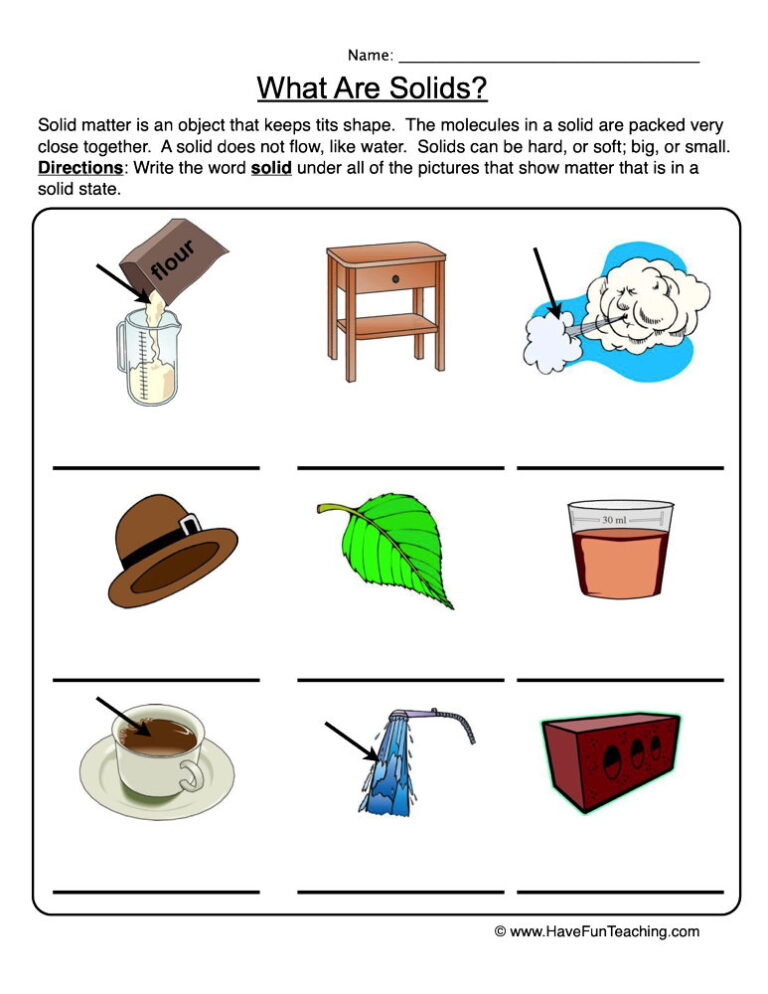
This what are solids? worksheet has 3rd grade students sort eight materials into solid and not-solid columns and find both in four sentences, with an answer key included for fast checking.
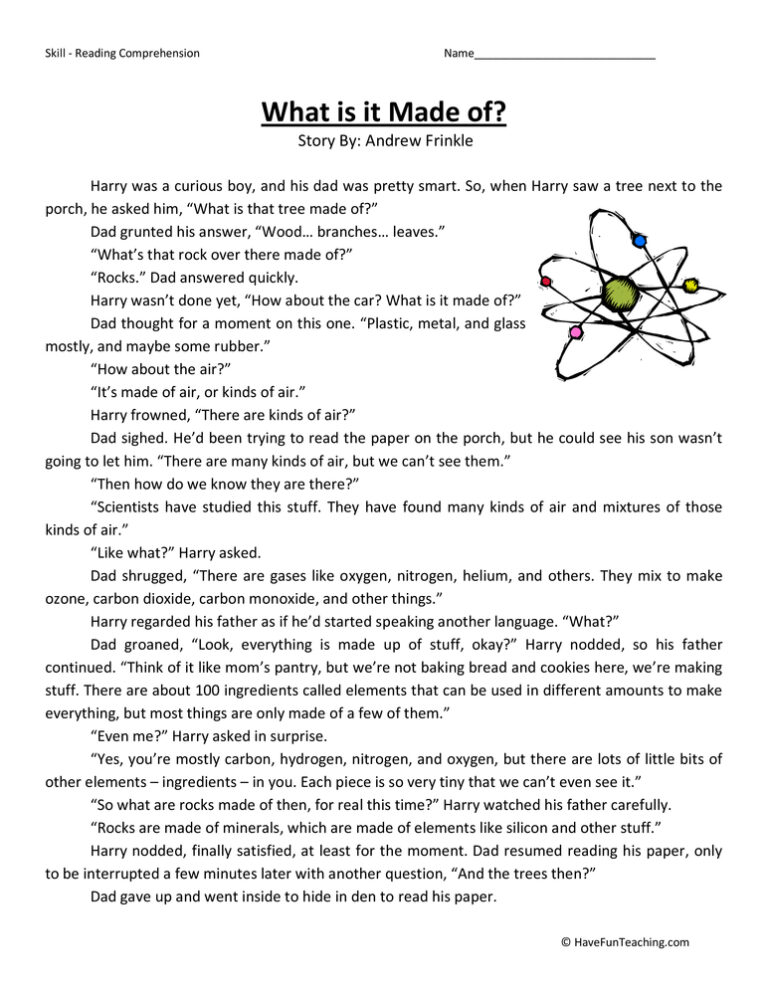
This What is it Made of reading comprehension worksheet gives 3rd grade students a short passage about matter, four bubble questions and one written response. An answer key is included for quick checking.
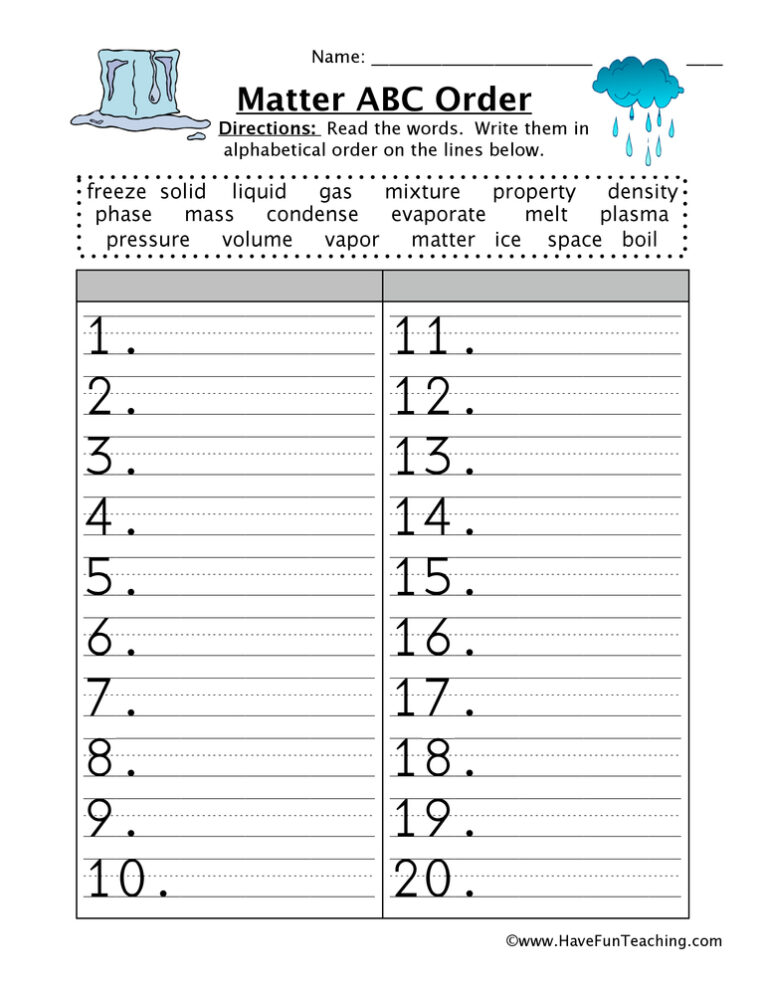
This matter alphabetical order worksheet has 3rd grade students sort ten states-of-matter words into ABC order and compare word pairs letter by letter. An answer key is included for simple checking.

A 3rd Grade liquids worksheet that pairs matter vocabulary with real examples like poured syrup and a balloon of air. Answer key included, so students can practice naming solids, liquids and gases with no prep.
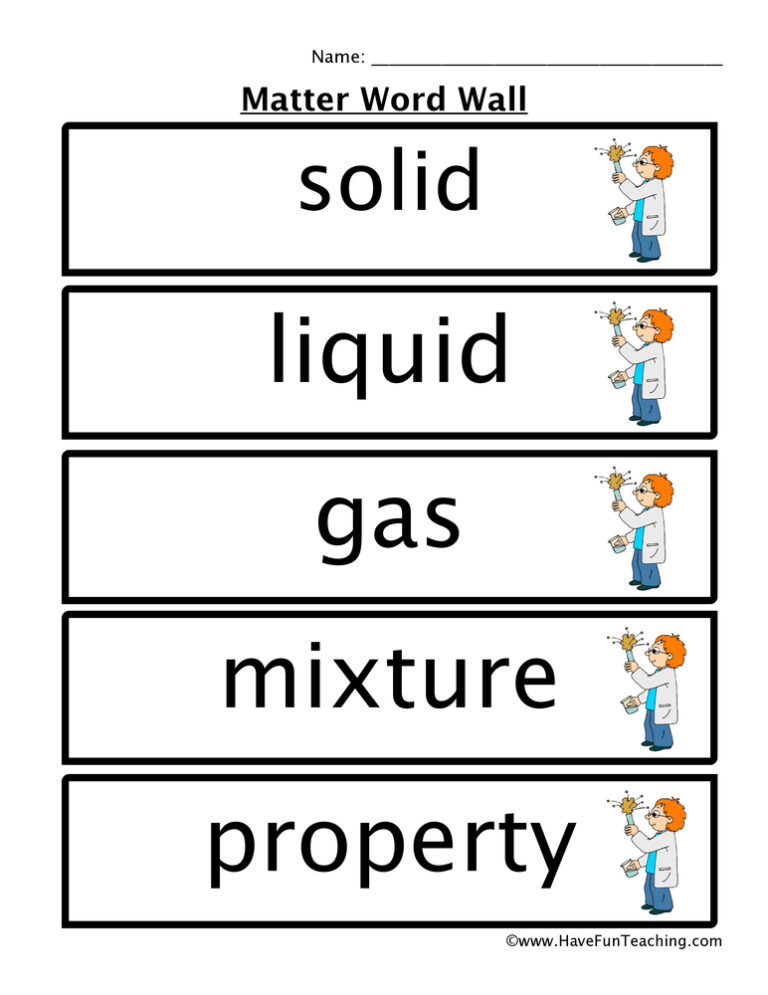
Using this Matter Word Wall, students use these common States of Matter terms in your science word wall to build their vocabulary.

States of Matter Activity, Solid Liquid Gas Activity, Learning about the states of matter, the three states of matter
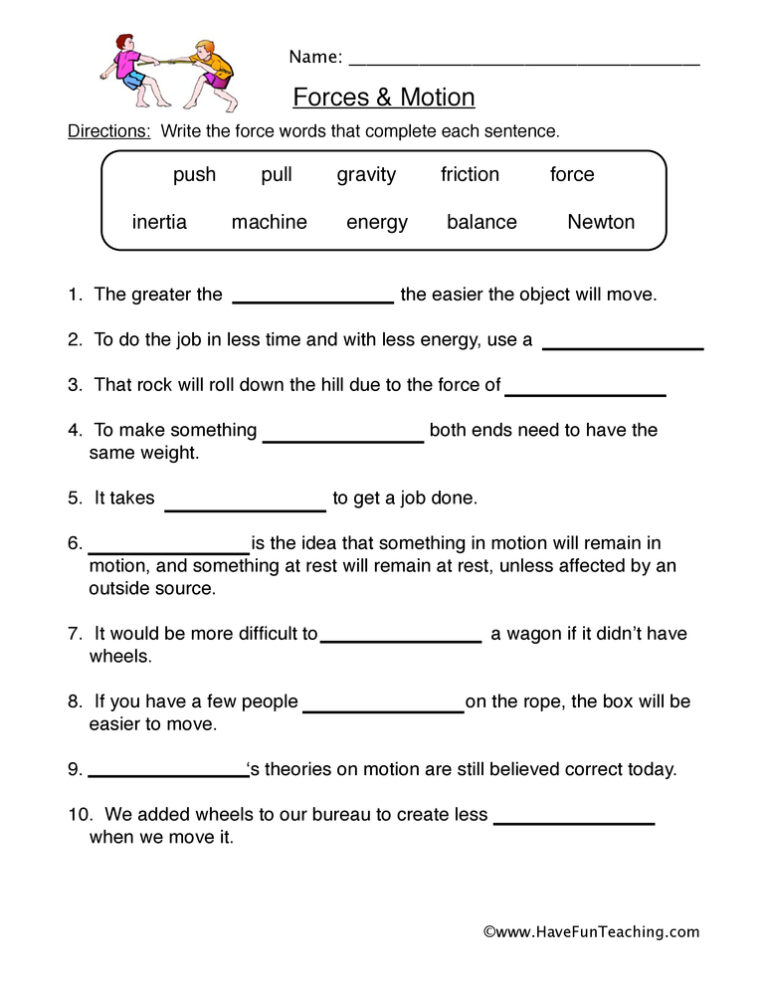
A 3rd grade forces motion worksheet where students use a word bank to complete eight sentences about force, push, pull, gravity, friction, motion, speed, and magnets. Includes an answer key for easy, no-prep science practice.
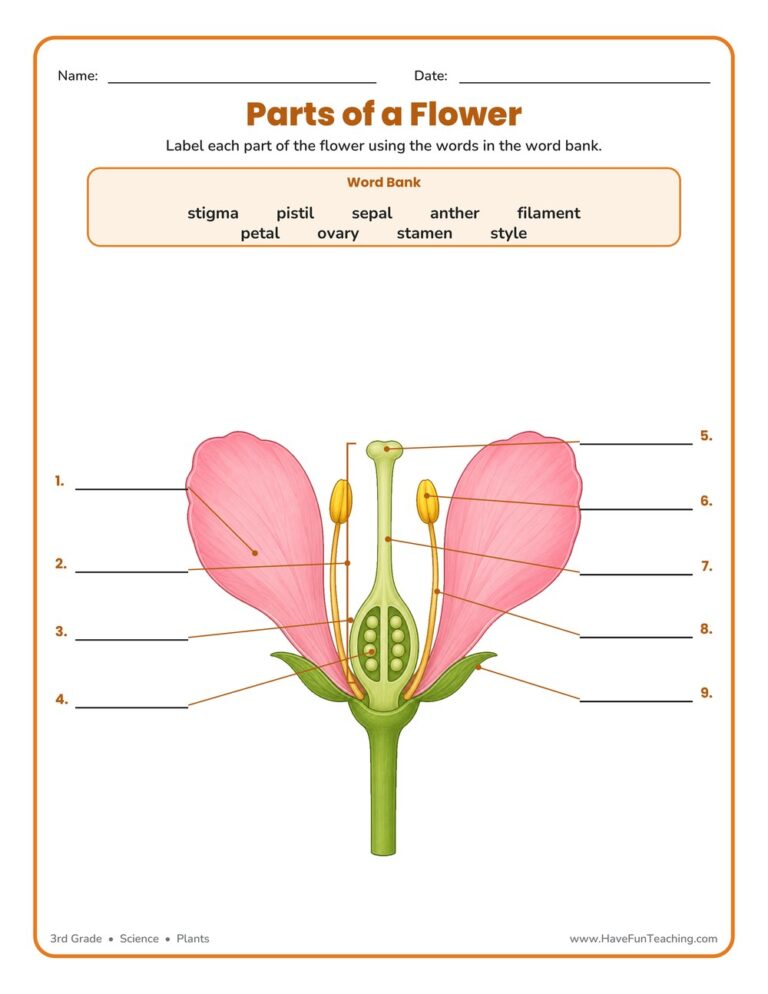
A third grade flower parts of a plant worksheet where students label the nine parts of a flower — petal, sepal, stamen, pistil, and more — using a word bank. Includes a complete answer key for quick, no-prep life science practice.

Reviews
There are no reviews yet