3 days free
Ready for the whole library?
You’ve had your freebie — but members download 10,000+ resources for every grade, all year long. Try it free — $0 today, cancel anytime.
Free for teachers
Pick your grade. We’ll send 10 free resources.
Worksheets, activities and a video — picked for your classroom, ready to print tonight.
One free bundle per teacher. We’ll also send free teaching ideas each week — unsubscribe anytime.


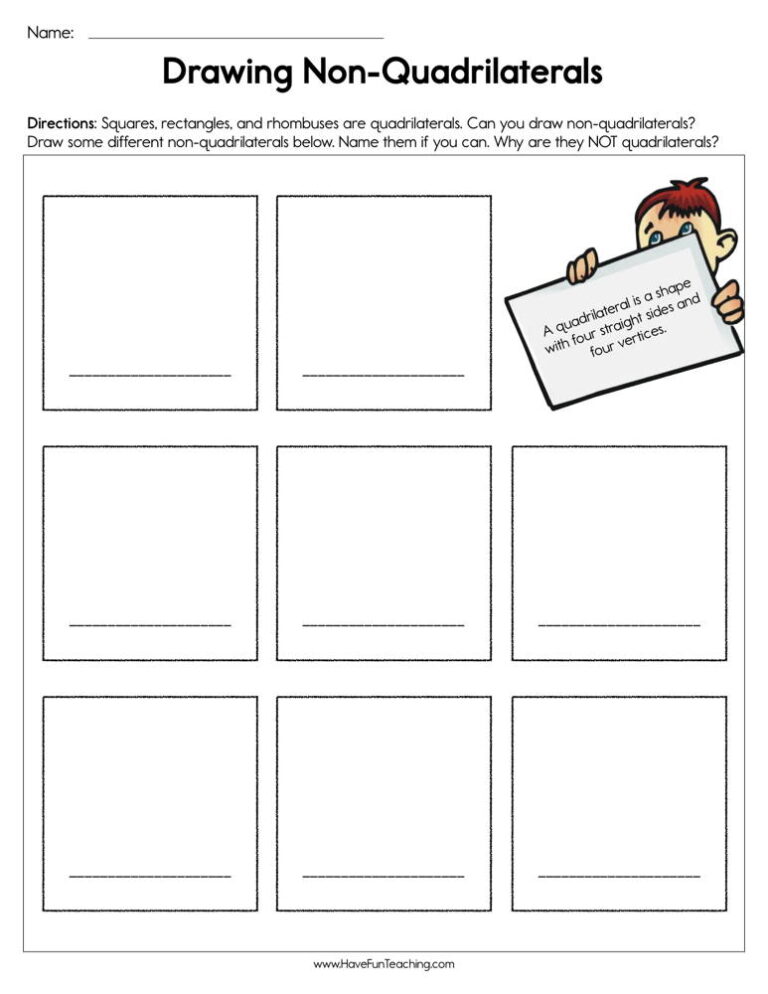
Using this Drawing Non-Quadrilaterals Worksheet, students draw and find examples of non-quadrilaterals to build understanding of this category of shapes.

Using the Spoken or Written Language Activity, students determine which words or phrases are most appropriate to be used in spoken or written situations.

Using this Sweet Rectangular Arrays Addition Activity, students use addition to find the total number of objects arranged in rectangular arrays with up to 5 rows and up to 5 columns; write an equation to express the total as a sum of equal addends.
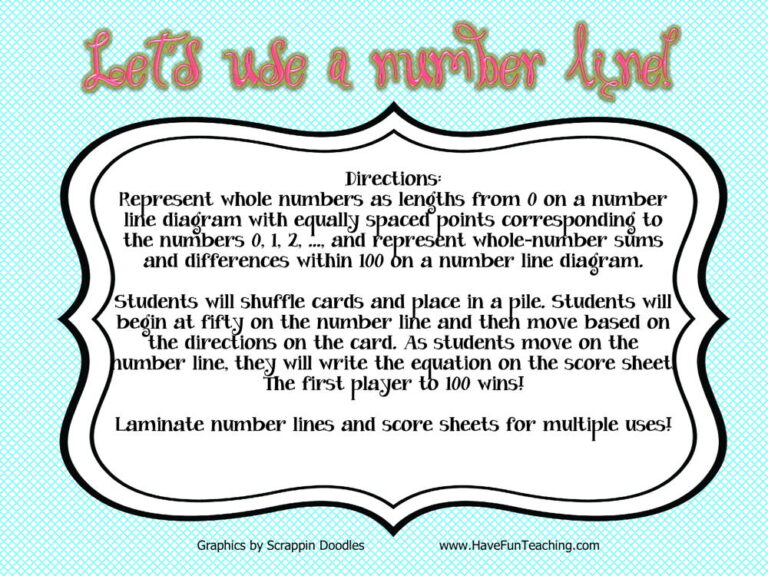
Using Let's Use a Number Line Activity, students represent whole-number sums and differences within 100 on a number line diagram.

Using this Matching Shapes Activity, students recognize and draw shapes having specified attributes.
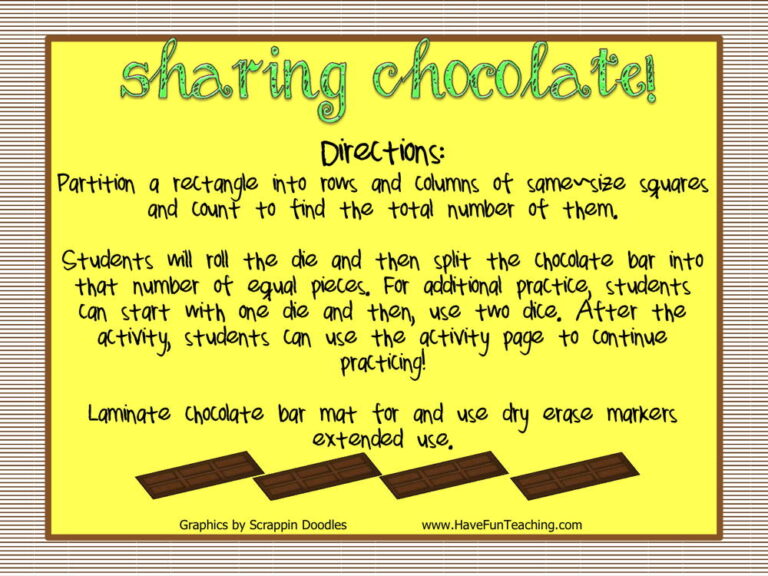
Using this Sharing Chocolate Rows and Columns Activity, students partition a rectangle into rows and columns of same-size squares and count to find the total number of them.

Using How Does The Character Respond Activity, students describe how characters in a story respond to major events and challenges.

Using Reading Questions Camping Activity, students ask and answer questions to demonstrate understanding of key details in a text.

Using What Does This Word Mean Activity, students read independently or with a partner to collect unknown words and phrases to build their vocabulary and reading comprehension.
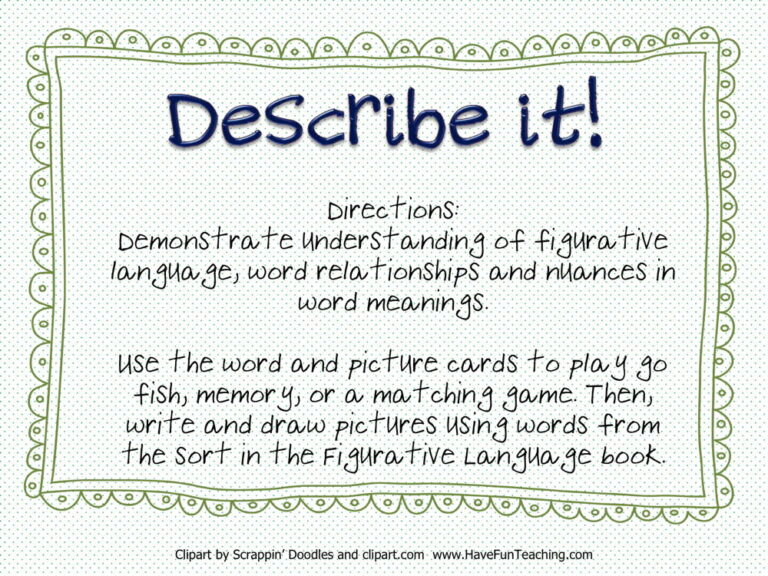
Using this Describe It Figurative Language Activity, students match the word to the pictures that best describe them.

Using Prefixes and Suffixes Sorting Activity, students sort prefix and suffix cards into appropriate categories to build their vocabulary.
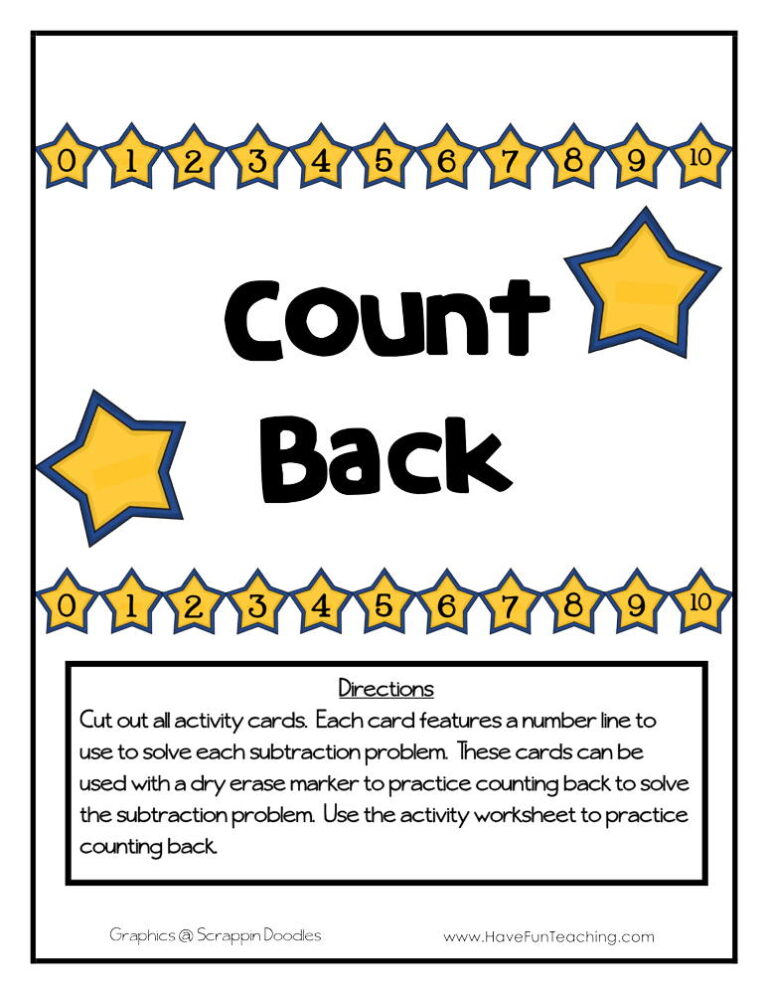
Using Count Back Activity, students count back from one number to another number to solve the subtraction equations.

Using Subtracting 10 Using a Number Line Activity, students subtract multiples of ten from multiples of ten on a number line to solve the subtraction equations.
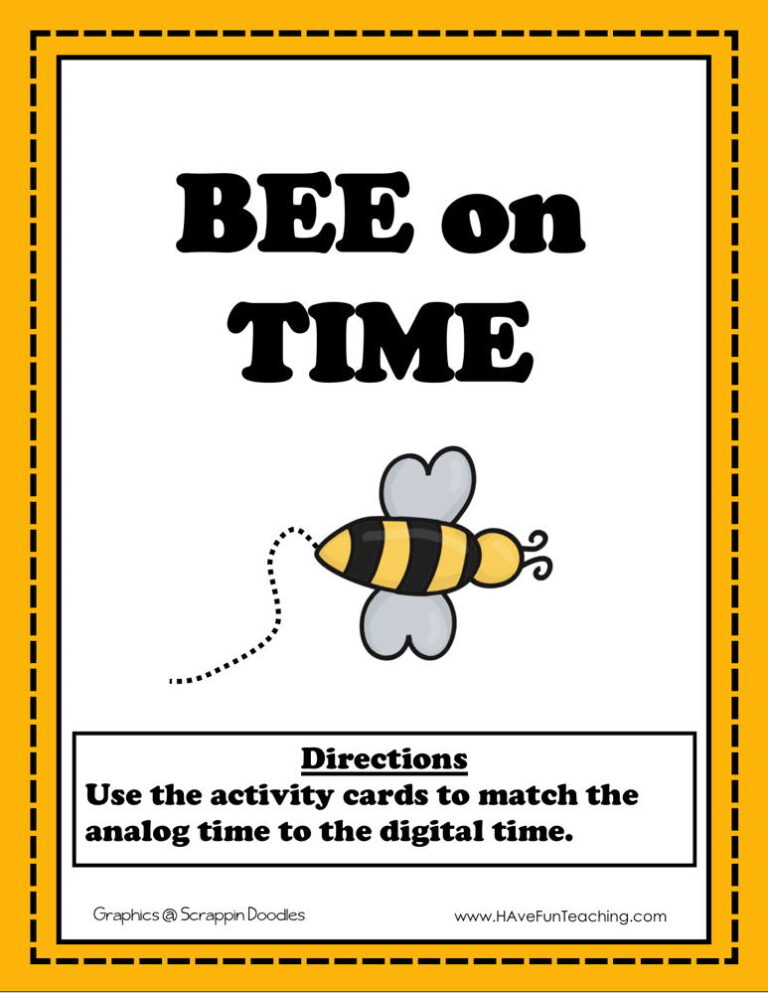
This Bee on Time to the Hour Activity teaches students about how to read a clock to the hour and half hour through this matching activity.

Using First Grade Informational Texts Activity, studentsread informational texts to build reading comprehension skills and their understanding of informational texts.
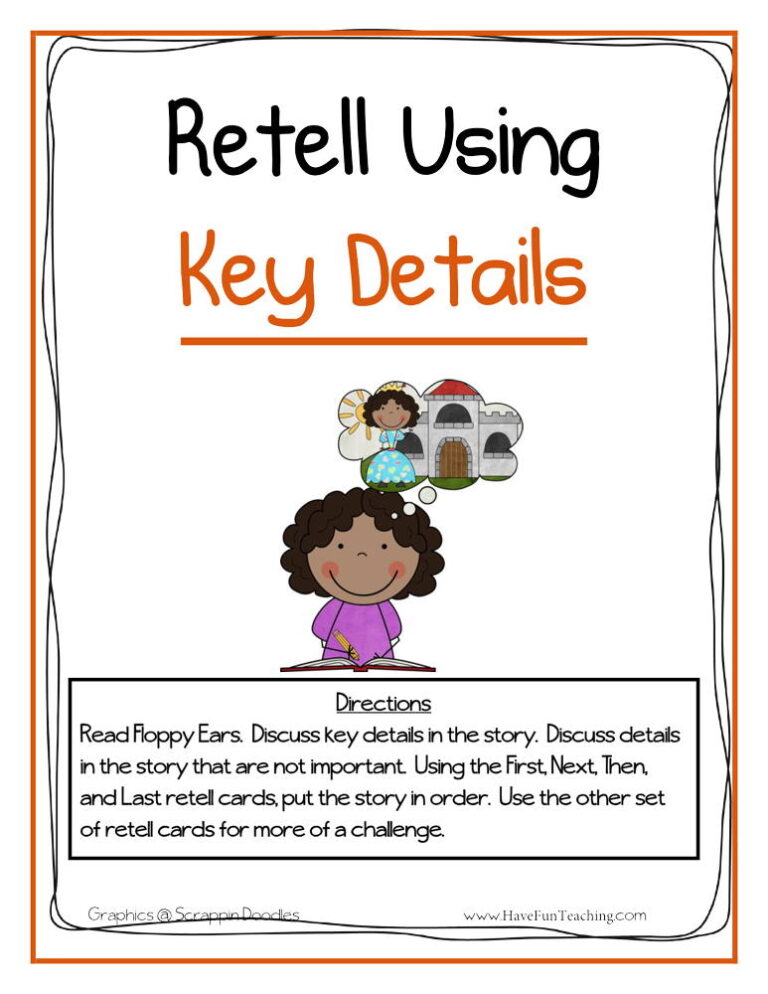
Using Retelling Using Key Details Activity,students read Floppy Ears to retell the story by putting key events in order.

Using Unknown Words and Phrases Activity, students read independently or with a partner to collect unknown words and phrases to build their vocabulary and reading comprehension.

Using Asking Questions about a Story Activity, students Discuss a topic or read a book aloud using Question Cards to help guide questions andanswers about the topic.

Using this Complete Sentences with Subject and Predicate Activity, students match subjects and predicates to create sentences with complete ideas.
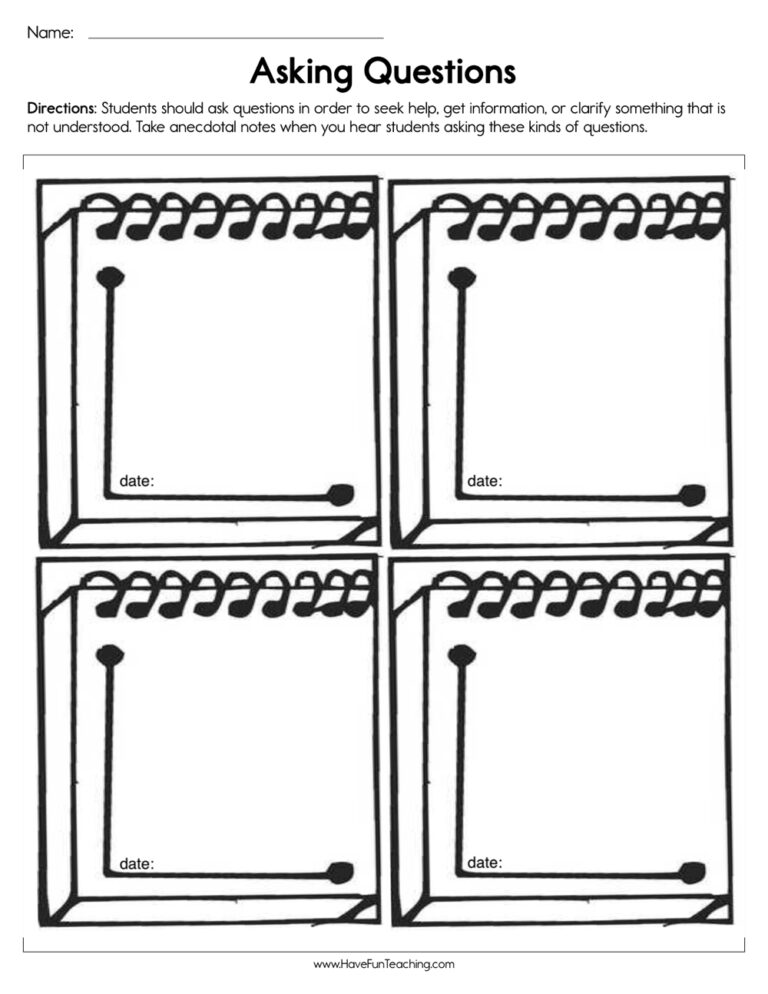
Using Asking Questions Worksheet, students ask questions to seek help, get information, or clarify something that is not understood while reading or being read to.