Skip to content
Start My 3 Free Days $0 today · cancel anytime

Kindergarten Phonics Worksheets

190 kindergarten phonics worksheets, covering alphabet, beginning sounds, letter recognition, plus 10 more topics. How teachers use these

Kindergarten Phonics Worksheets

190 kindergarten phonics worksheets, covering alphabet, beginning sounds, letter recognition, plus 10 more topics. How teachers use these

Worksheet
WorksheetKindergartenAlphabet Letter Recognition Assessment

This alphabet letter recognition assessment helps kindergarten teachers quickly check which uppercase and lowercase letters a child can name. Includes a complete A-to-Z answer key for fast, low-prep progress checks.

Worksheet
WorksheetKindergartenCVC Word Sounds Worksheet

This CVC Word Sounds Worksheet has Kindergarten readers say six pictures and fill in the bubble beside the CVC word with the matching sounds. Answer key included for quick, no-prep phonics practice.

Worksheet
WorksheetKindergartenAlphabet Stories Letter A Reading Comprehension Worksheet

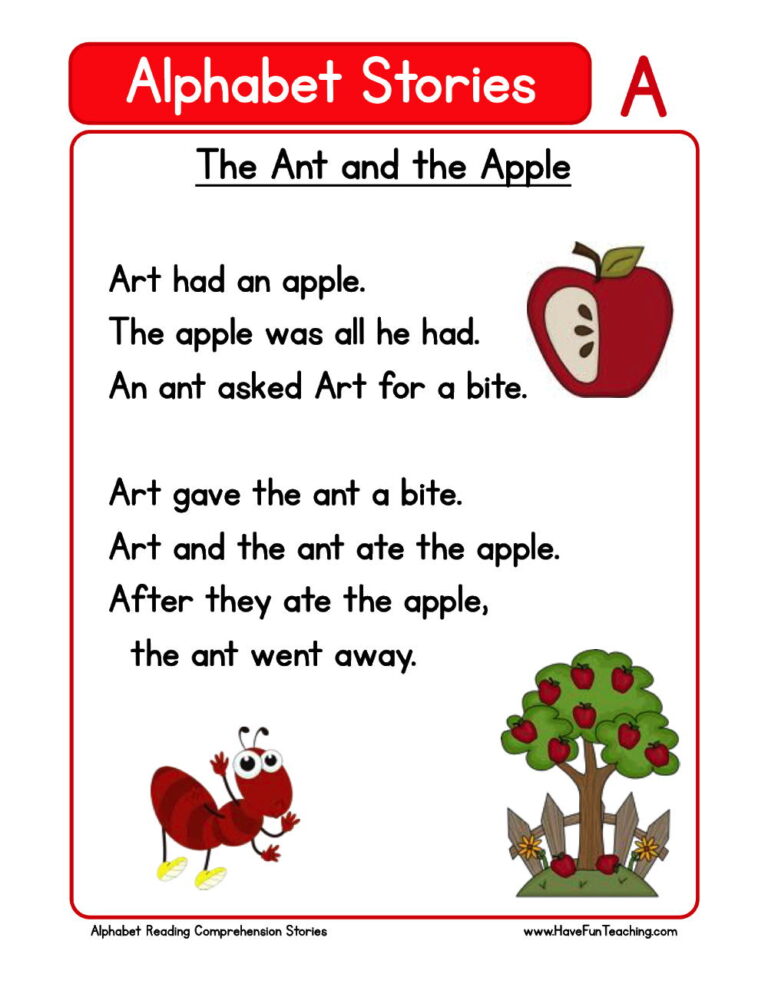
This free Alphabet Stories Letter A Reading Comprehension Worksheet pairs a short letter A story with fill-in-the-bubble questions for kindergarten readers. Includes an answer key — a fun, no-prep way to practice phonics and comprehension.

Worksheet
WorksheetKindergartenSpelling CVC Words Worksheet

A picture-clue Spelling CVC Words Worksheet that helps kindergarten students hear and write the beginning, middle, and ending sounds in simple three-letter words. Answer key included for quick, no-prep phonics practice.

Worksheet
WorksheetKindergartenMatching CVC Worksheet

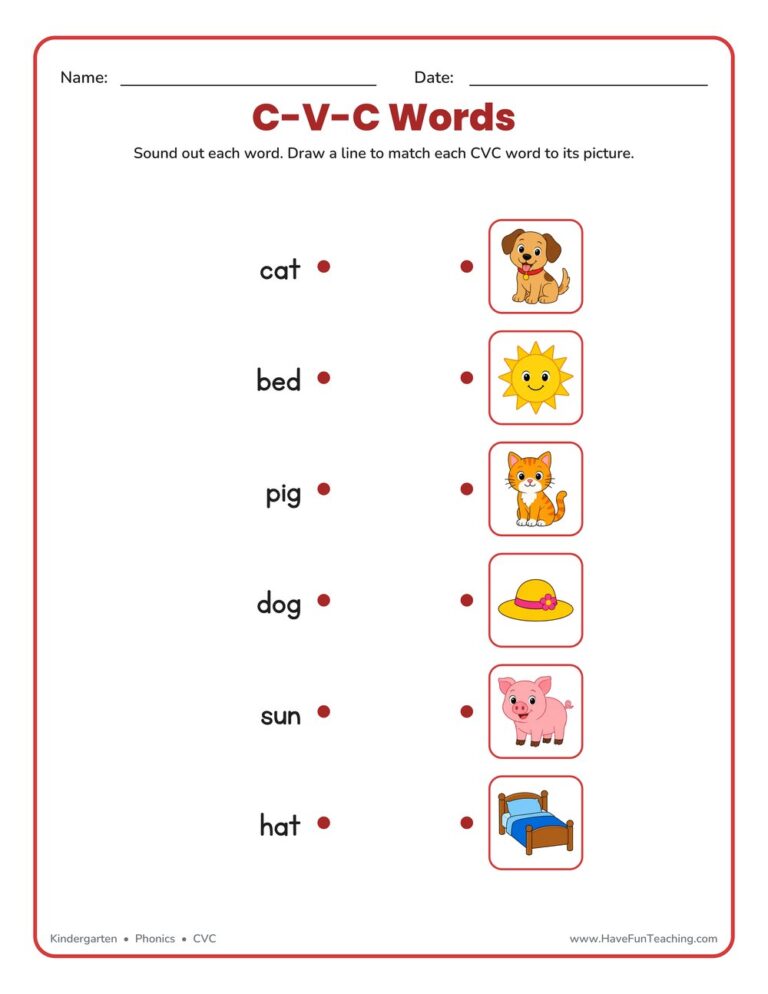
A matching CVC worksheet where kindergarten readers sound out six short words and draw a line to each picture. Includes an answer key — perfect for no-prep phonics and early decoding practice.

Worksheet
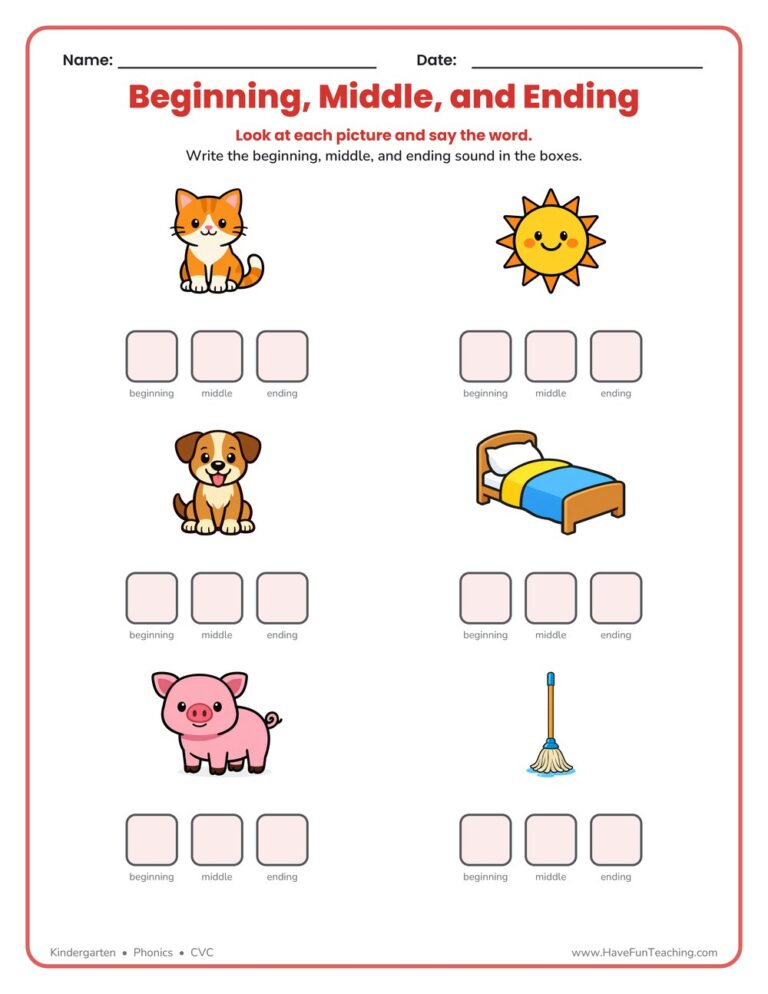
WorksheetKindergartenBeginning, Middle, and Ending Sounds Worksheet

This Beginning, Middle, and Ending Sounds Worksheet helps kindergarten learners break six CVC picture words into their beginning, middle, and ending sounds. Answer key included—great no-prep phonics practice.

Worksheet
WorksheetKindergartenCVC Practice Worksheet

This CVC practice worksheet asks Kindergarten students to say each picture, stretch out its three sounds, and write a letter in every box to spell the word. An answer key is included, so checking phonics practice takes seconds.

Worksheet
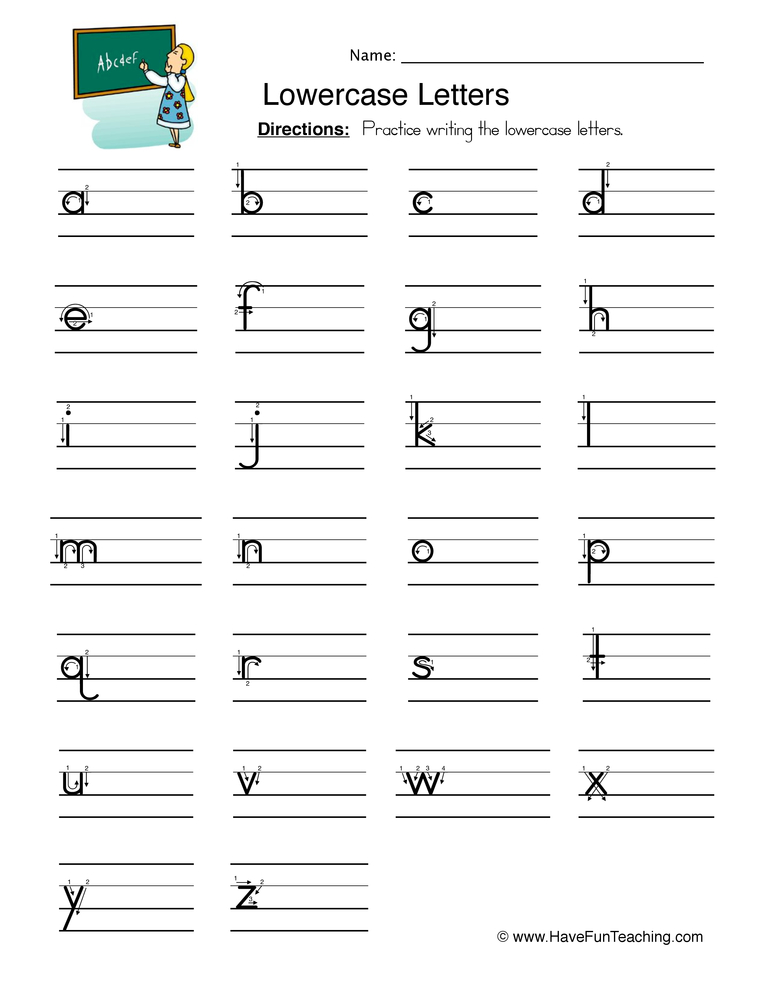
WorksheetKindergartenLowercase Letters Writing Worksheet

This lowercase letters writing worksheet gives Kindergarten students guided lines to trace every lowercase letter from a to z. Answer key included for quick, no-prep alphabet and handwriting practice.

Worksheet
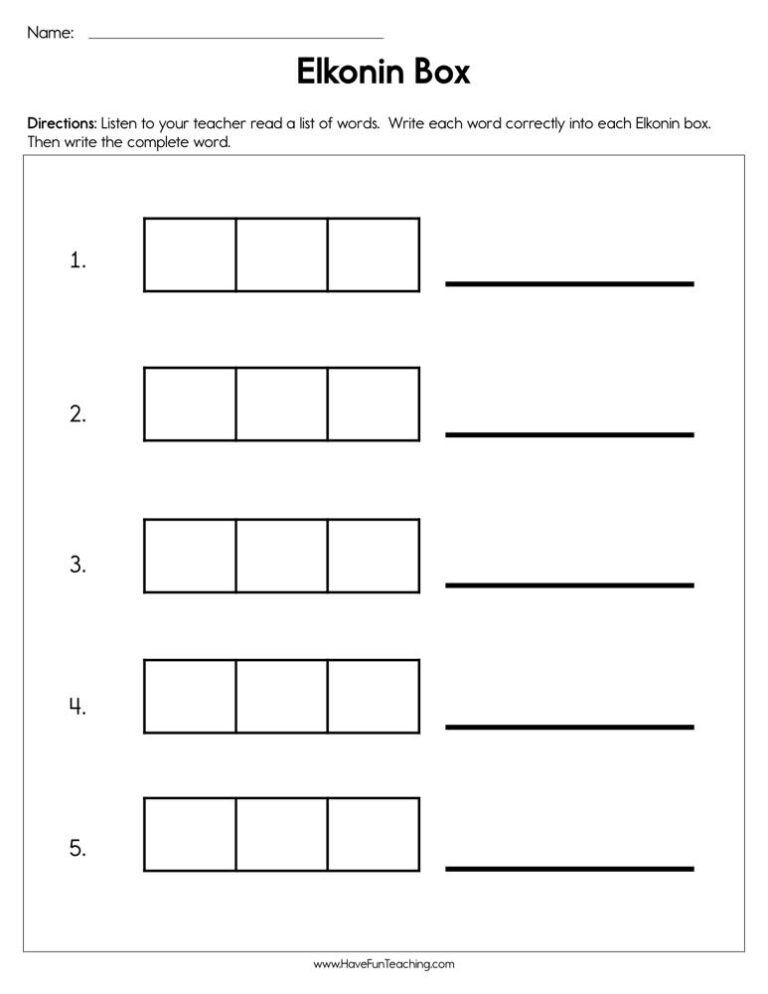
WorksheetKindergartenElkonin Box Worksheet

This Elkonin Box Worksheet gives Kindergarten students seven picture prompts and three-cell sound boxes for segmenting CVC words into beginning, middle, and ending sounds. Answer key included, so practice takes no prep.

Worksheet
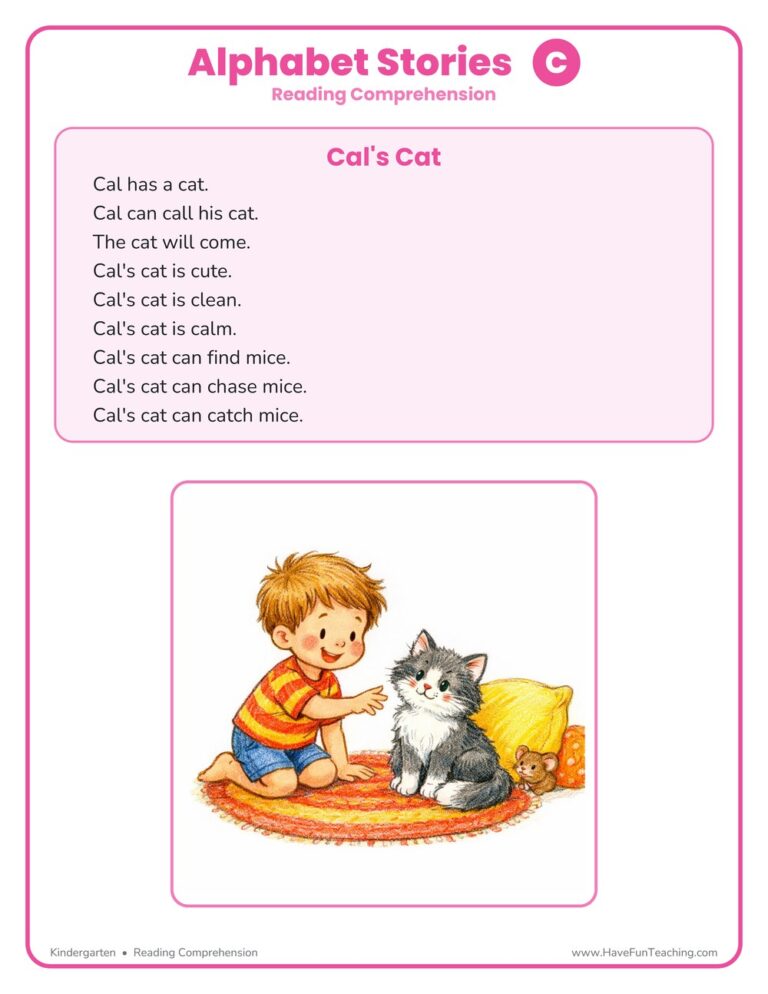
WorksheetKindergartenAlphabet Stories Letter C Reading Comprehension Worksheet

The Alphabet Stories Letter C Reading Comprehension Worksheet lets Kindergarten readers enjoy the short story “Cal’s Cat” and answer five picture-supported questions. Answer key included — a no-prep way to build early reading and phonics skills.

Worksheet
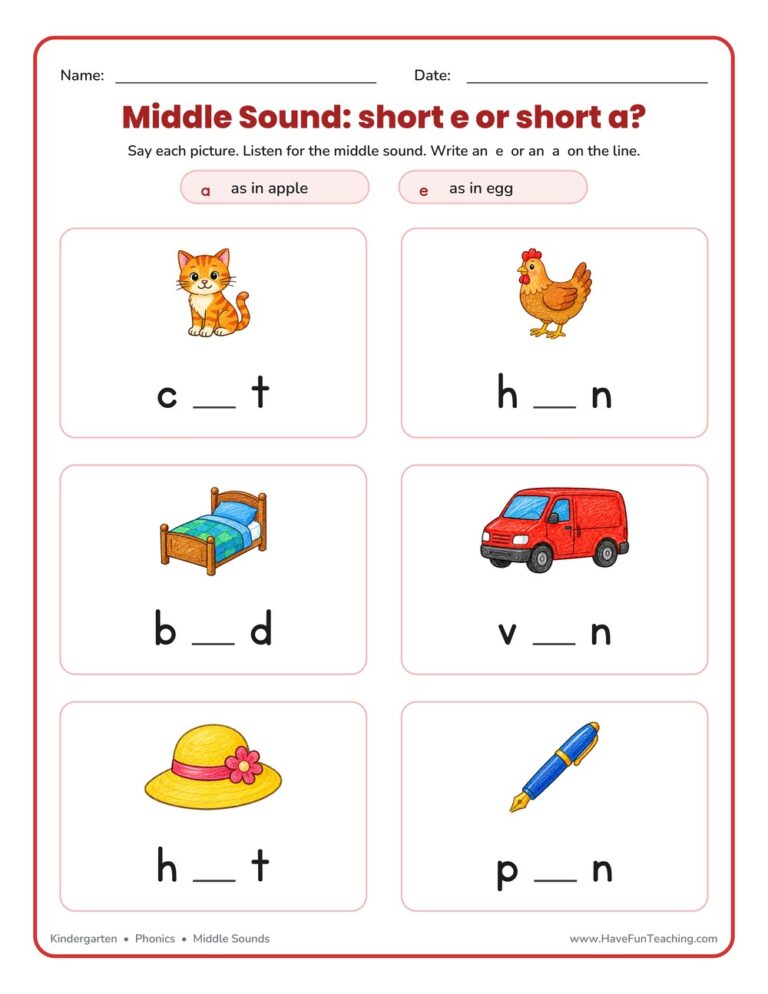
WorksheetKindergartenMiddle Sounds E or A Worksheet

This Middle Sounds E or A Worksheet gives kindergarten readers six picture cards to say, hear the short vowel, and write e or a. Includes an answer key for quick, no-prep phonics practice.

Worksheet
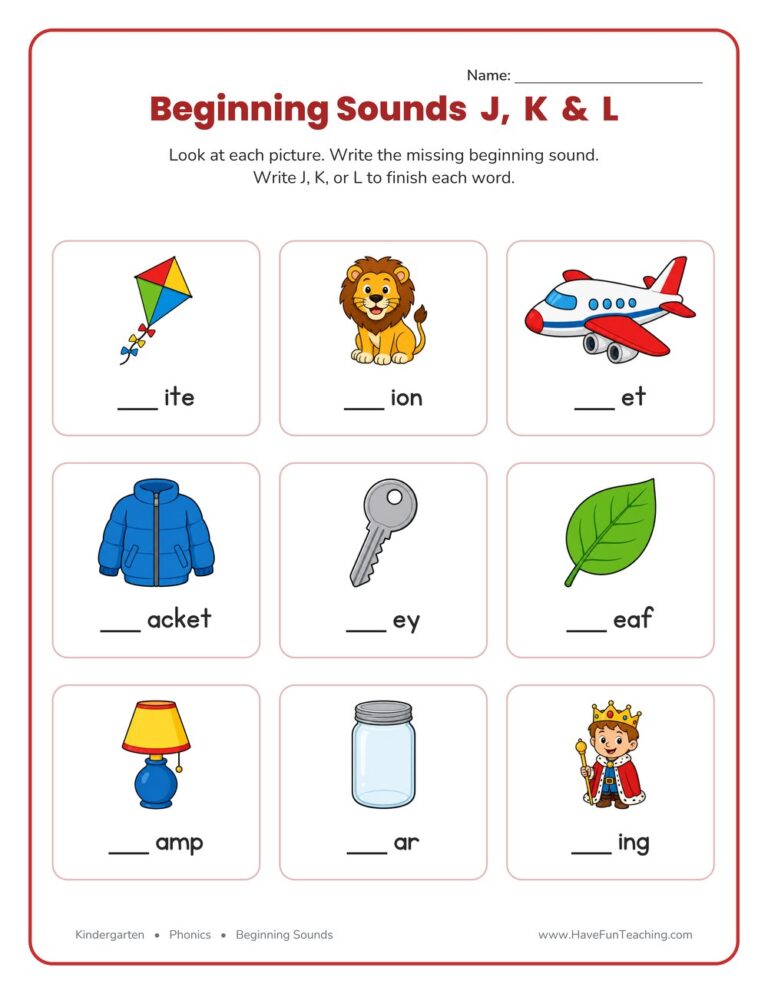
WorksheetKindergartenBeginning Sounds J K L Worksheet - Pictures

The Beginning Sounds J K L Worksheet lets Kindergarten students look at nine pictures and write the missing first letter — J, K, or L — to finish each word. Includes an answer key for quick, no-prep phonics practice.

Worksheet
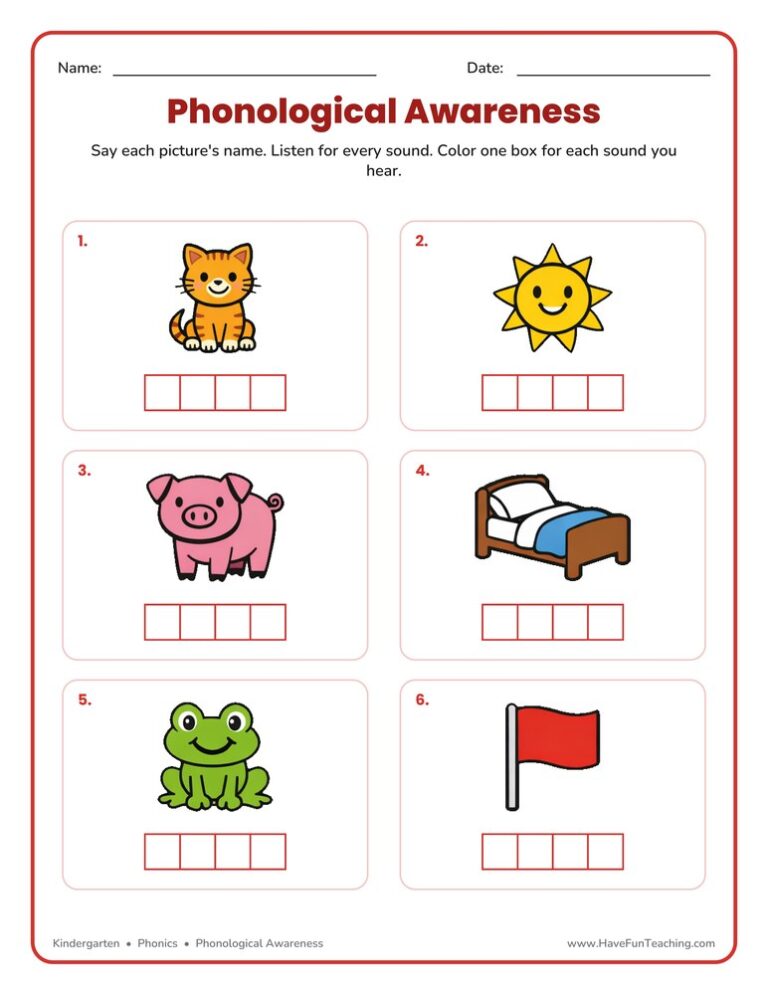
WorksheetKindergartenPhonological Awareness Worksheet

This phonological awareness worksheet helps Kindergarten students listen for each sound in a word and color one box per sound they hear. Includes a complete answer key for easy, no-prep practice of early phonics and phoneme skills.

Worksheet
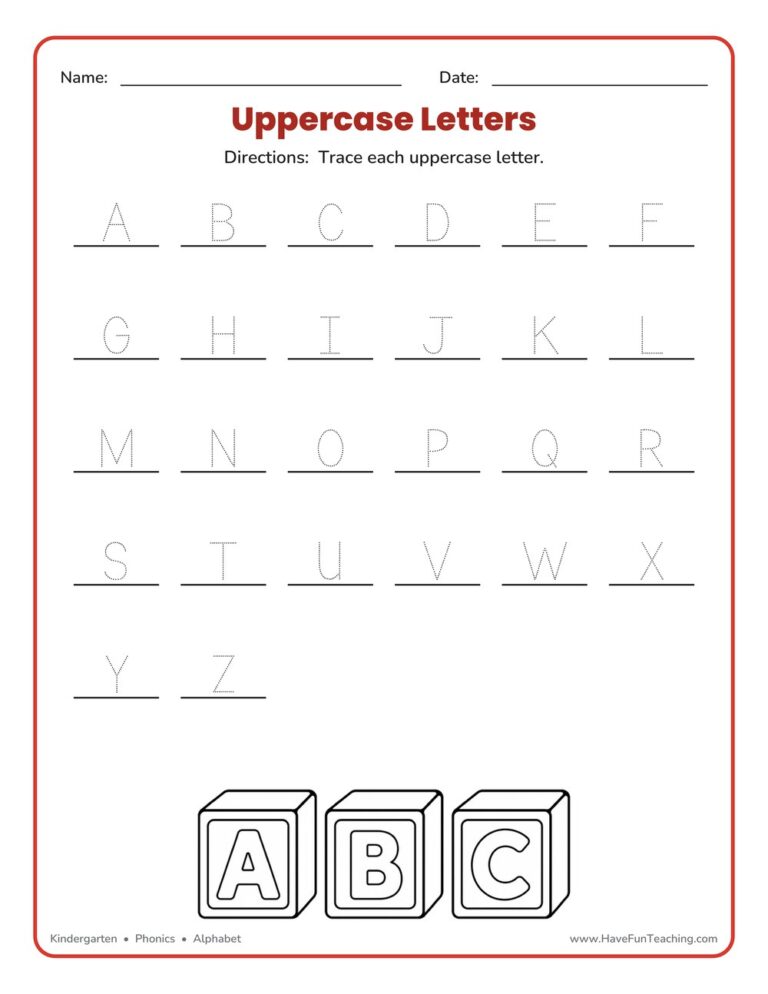
WorksheetKindergartenUppercase Letters Writing Worksheet

This uppercase letters writing worksheet lets kindergarteners trace all 26 capital letters A–Z on clean handwriting lines. Includes an answer key and a fun ABC coloring picture—perfect for no-prep alphabet handwriting practice.

Worksheet
WorksheetKindergartenEnding Sounds Worksheet

This ending sounds worksheet gives kindergarten students six picture cards and one writing line each, so they say the word, hear the last sound, and print the letter. An answer key is included for fast checking.

Worksheet
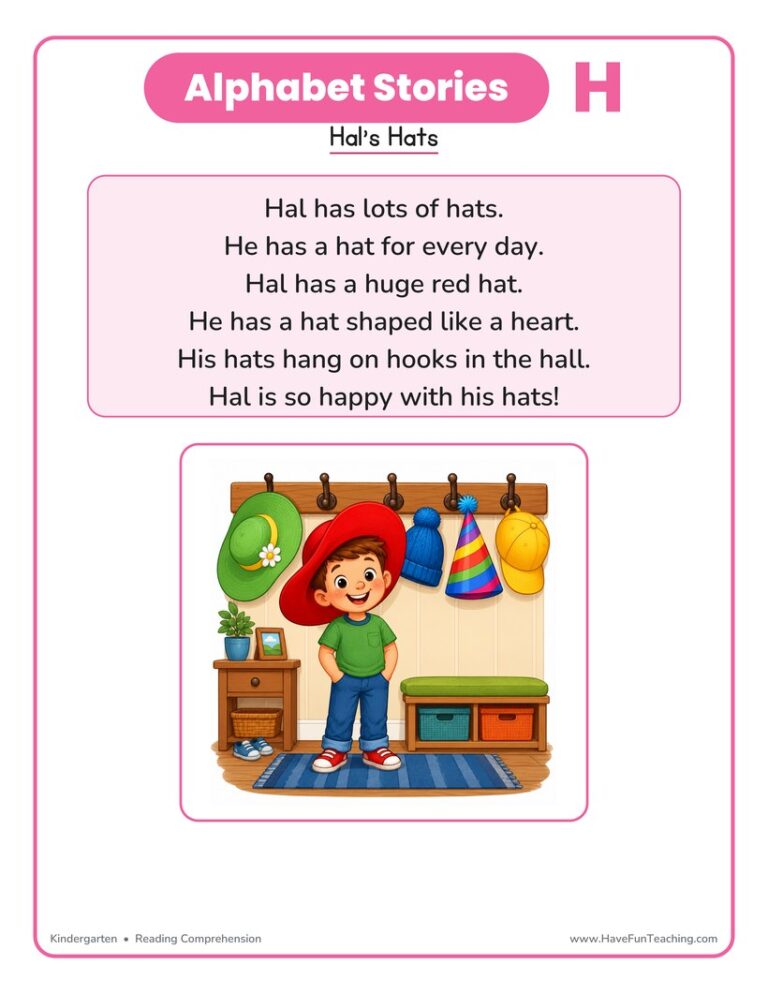
WorksheetKindergartenAlphabet Stories Letter H Reading Comprehension Worksheet

The Alphabet Stories Letter H Reading Comprehension Worksheet gives Kindergarten readers a playful “Hal’s Hats” story full of letter-H words plus five comprehension questions. Answer key included — a fun, no-prep way to build early reading and phonics skills.

Worksheet
WorksheetKindergartenWriting Words Worksheets

These writing words worksheets give kindergarten students one page for each letter A to Z, where they think of words that begin with the letter and write them on handwriting guides.

Worksheet
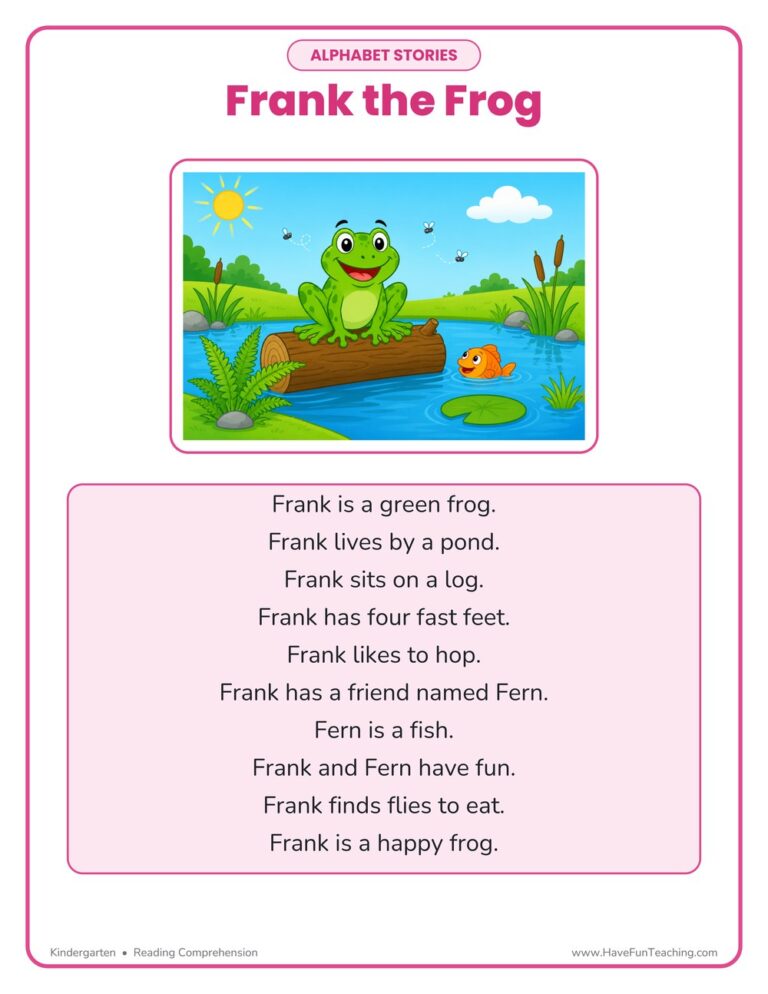
WorksheetKindergartenAlphabet Stories Letter F Reading Comprehension Worksheet

This Alphabet Stories Letter F Reading Comprehension Worksheet gives kindergarten readers a short Frank the Frog story and five picture-supported questions, with an answer key included, so they build letter F skills and reading confidence together.

Worksheet
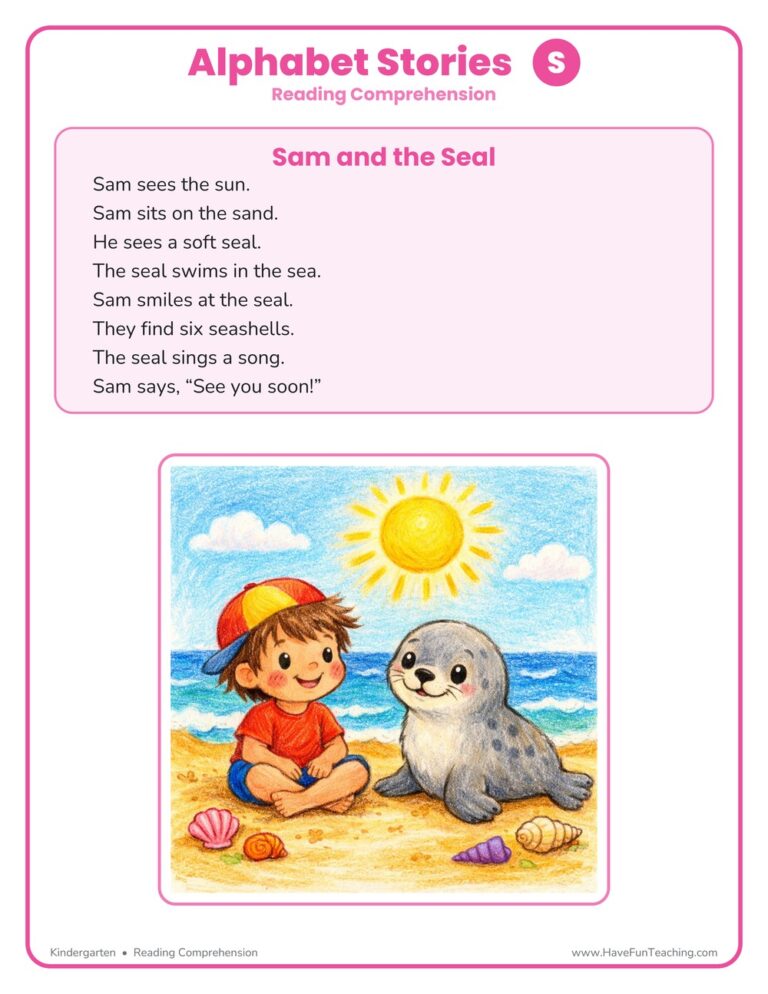
WorksheetKindergartenAlphabet Stories Letter S Reading Comprehension Worksheet

The Alphabet Stories Letter S Reading Comprehension Worksheet gives Kindergarten readers a fun beach story full of the /s/ sound plus five comprehension questions. Answer key included for quick, no-prep Letter S practice.

Worksheet
WorksheetKindergartenBeginning Sounds F, G, H, J Worksheet

This Beginning Sounds F, G, H, J Worksheet asks Kindergarten students to name twelve pictures and write the letter each one starts with. Answer key included, so a quick sound check takes seconds.

From our teachers' playbook

Letters, sounds and first real words!

What do kindergartners learn in phonics?

Kindergarten is where reading begins! Kids learn to name all 26 letters, uppercase and lowercase, and match each one to its sound. Then comes the magic: blending sounds together to read short words like c - a - t = cat. They hear the first, middle and last sounds in words, rhyme like crazy, and start spelling simple CVC words on their own. The click moment is huge: a 5-year-old points to a word in a book and reads it all by themselves.

Our favorite ways to make phonics stick

Kindergarten phonics should be loud, playful and a little bit every day. These are the moves we swear by.

A song for every letter

Start each letter of the week with its song. Kids sing the sound, do an action, and name words that start with it. Music gives little brains a hook, and you'll hear them singing it at recess.

Why it works: words set to a repeating melody are easier to recall than the same words spoken (Wallace, 1994).
Letter A Song (Original Music Video)Try it withLetter A Song (Original Music Video)SongsOpen it →

Tap and blend CVC words

Show kids how to tap each sound on their arm, shoulder, elbow, wrist, then slide down to blend: "/m/ /a/ /p/... map!" Do five words a day. That simple routine turns letter sounds into real reading.

Why it works: the National Reading Panel found that systematic, explicit phonics teaching clearly improves how children learn to read.

CVC Word Sounds WorksheetTry it withCVC Word Sounds WorksheetWorksheetsOpen it →

Quick letter check-ins

Every couple of weeks, sit with each child for two minutes and check which letters they know. Mark the tricky ones, like b and d, and practice those in small groups. Little checks tell you exactly who needs what.

Why it works: a big review of study methods ranked quick self-quizzing among the most powerful ways to remember (Dunlosky and colleagues, 2013).

Alphabet Letter Recognition AssessmentTry it withAlphabet Letter Recognition AssessmentWorksheetsOpen it →

Questions teachers and parents ask

What phonics skills should a kindergartner know?

By the end of kindergarten, kids should know every letter name and sound, hear the first and last sounds in words, rhyme, and blend sounds to read simple CVC words like cat, sit and hop.

What order should I teach letters in kindergarten?

Many teachers start with letters that are easy to say and build lots of words, like s, a, t, p, i and n. That way kids can read real words in the first few weeks instead of waiting for the whole alphabet.

How can I practice phonics at home with my kindergartner?

Play "I spy something that starts with /b/" around the house, sing alphabet songs in the car, and sound out short words on signs together. Five fun minutes a day is plenty.

Is it normal for kindergartners to mix up b and d?

Yes, totally normal! Most kids reverse letters at this age. A simple trick is the "bed" hand sign: two thumbs up make a b and a d with the bed in between.