3 days free
Ready for the whole library?
You’ve had your freebie — but members download 10,000+ resources for every grade, all year long. Try it free — $0 today, cancel anytime.
Free for teachers
Pick your grade. We’ll send 10 free resources.
Worksheets, activities and a video — picked for your classroom, ready to print tonight.
One free bundle per teacher. We’ll also send free teaching ideas each week — unsubscribe anytime.



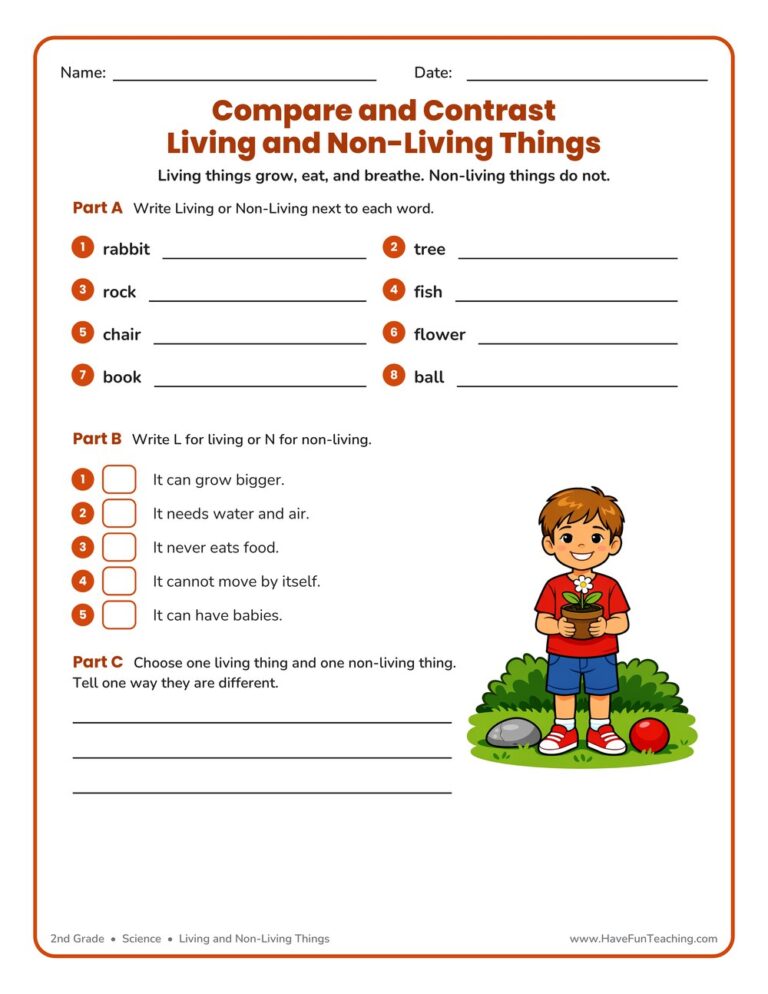
A hands-on characteristics of living and non-living things worksheet for 2nd grade, where students sort words, judge true traits, and compare examples. Includes an answer key for quick, no-prep science practice.
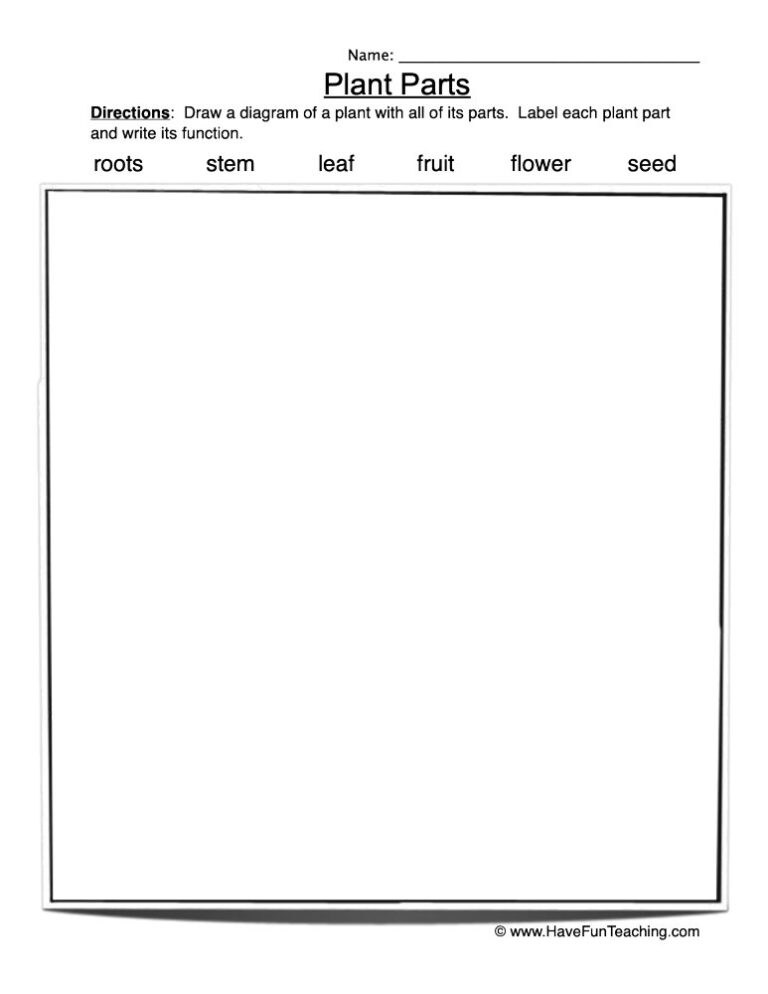
This Plant Parts Drawing Worksheet has 2nd Grade students match each plant part to its job, then draw and label a whole plant. An answer key is included, so checking plant vocabulary is quick and easy.

This Ant Body Parts Worksheet asks 2nd grade students to use a word box and label six parts on a large ant diagram. An answer key is included, so life science vocabulary practice is ready to print.
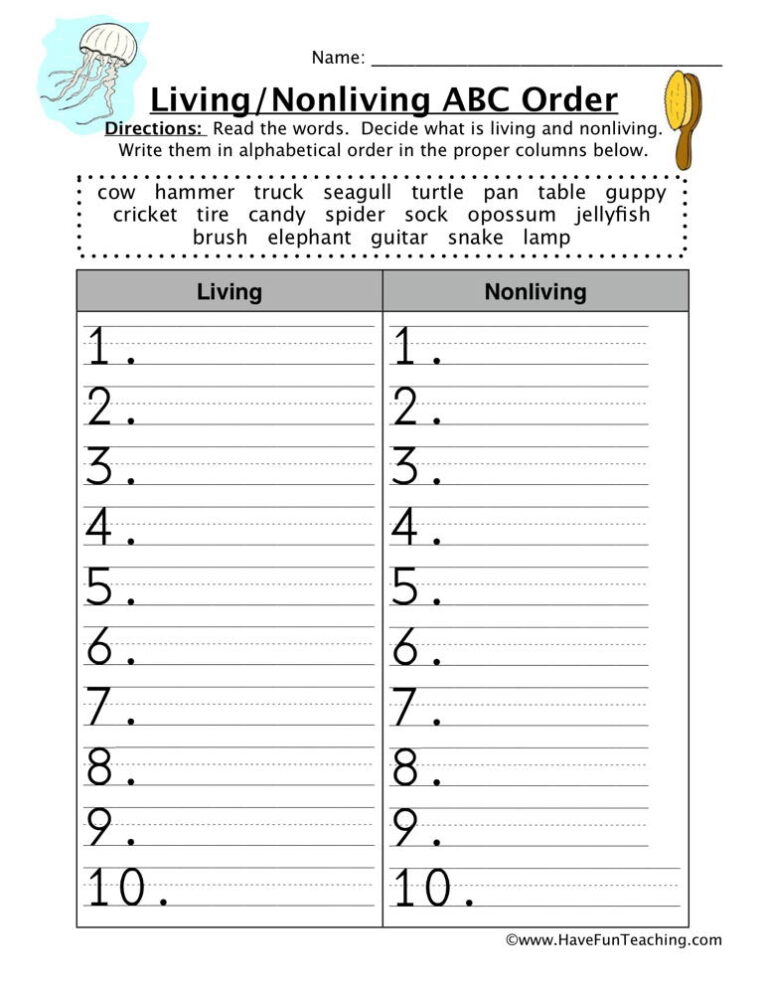
This living and non-living things alphabetical order worksheet asks 2nd graders to sort twelve words into living and nonliving, then write each list in ABC order. A full answer key is included for fast checking.
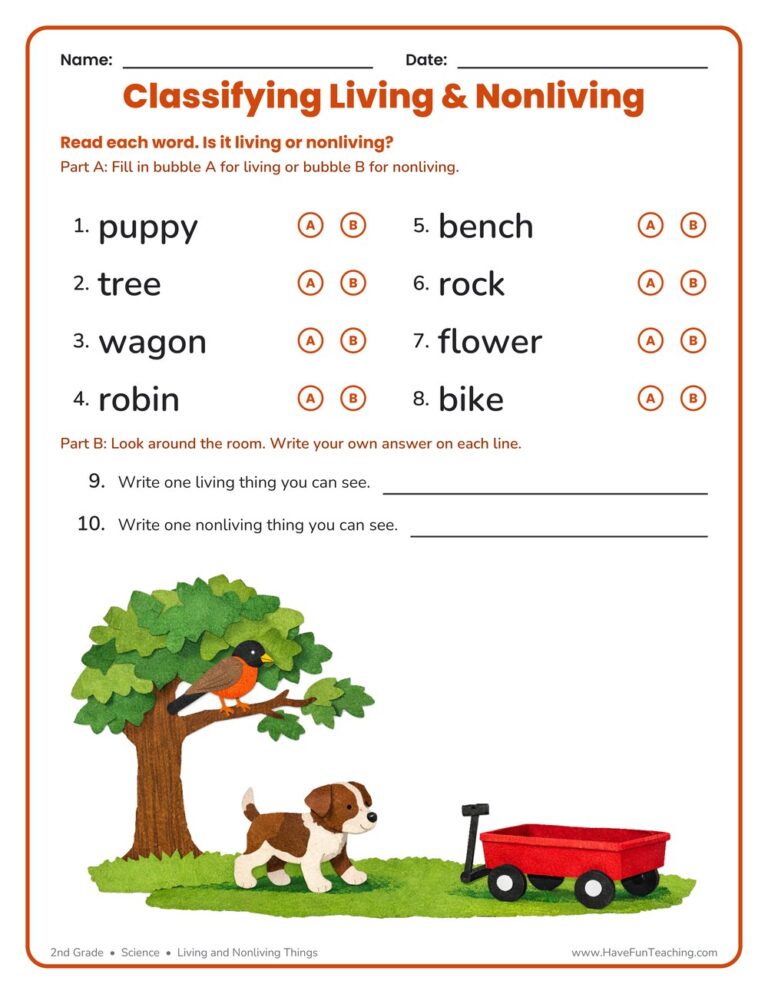
This Classifying Living and Nonliving Things Worksheet has 2nd Grade students sort eight everyday things into living or nonliving, then find one of each in the room. An answer key is included for quick checking.
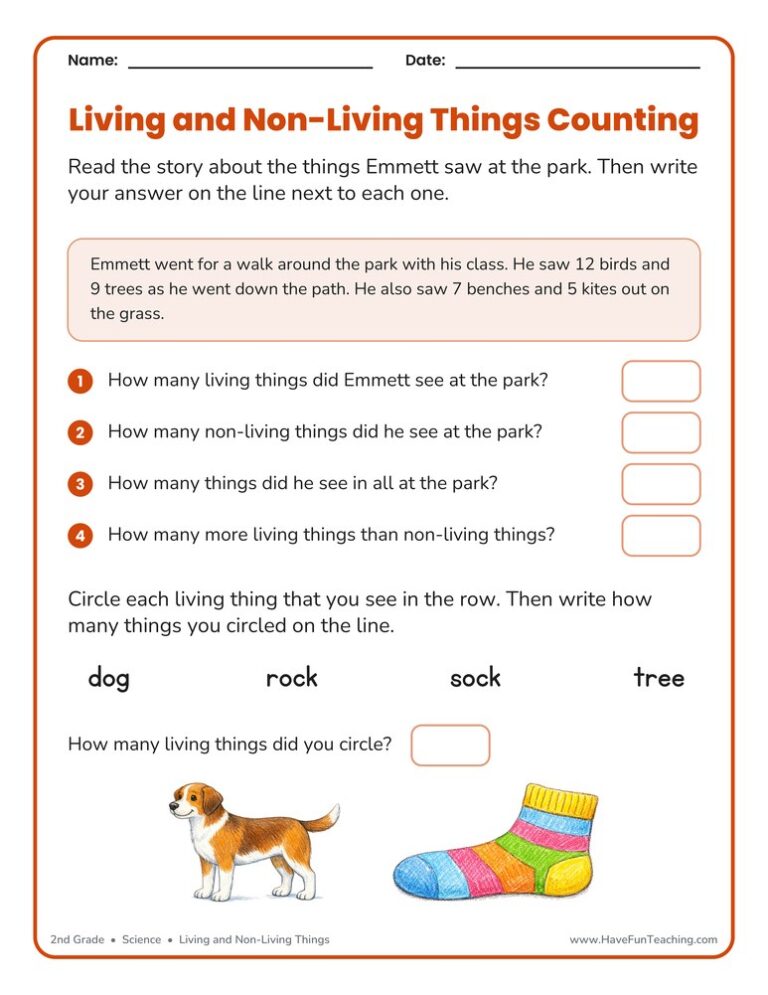
This Living Things and Non Living Things Counting Worksheet gives 2nd grade students a park number story to count, classify and compare, with an answer key included so checking the whole page takes seconds.
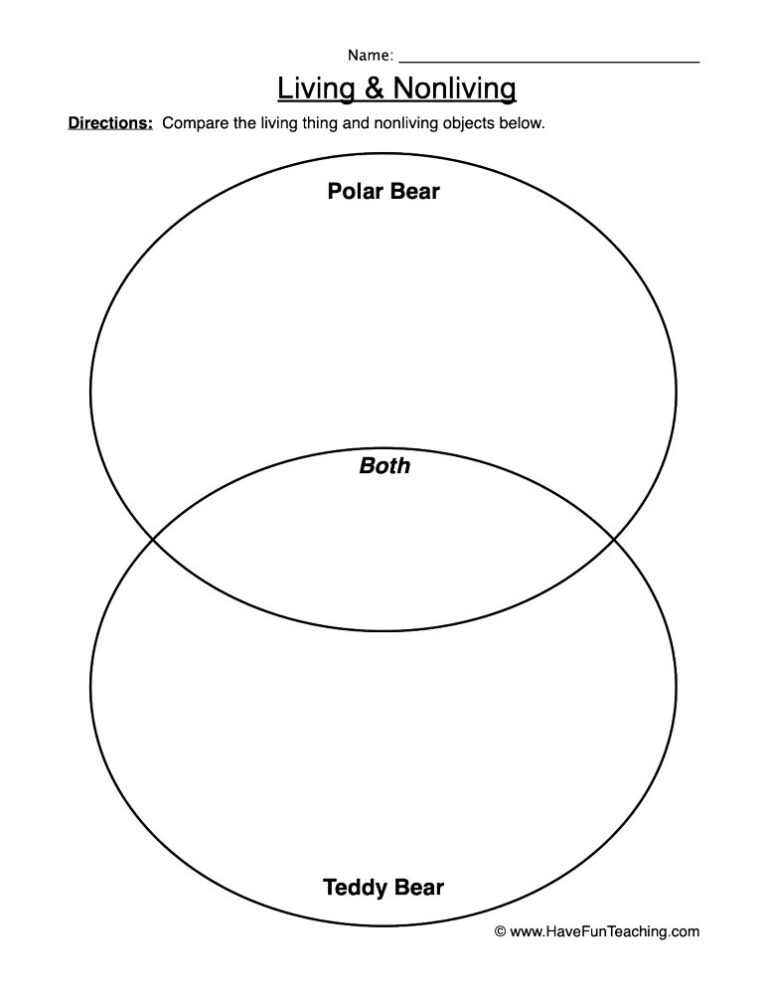
This living non-living venn diagram worksheet has 2nd grade students sort six facts about a polar bear and a teddy bear into a Venn diagram. An answer key is included for quick, easy checking.

This Basic Fish Parts Worksheet asks 1st graders to label six numbered parts on a big, friendly fish using a word box. An answer key is included, so science practice takes no prep at all.

This compare and contrast living and non living things worksheet has 2nd graders sort six words into Living and Non-Living groups, then match four traits. Answer key included for fast, no-prep science practice.

Using this Insect Life Cycles Worksheet, students drawand research the life cycle of two different insects; one that undergoes a complete metamorphosis and incomplete metamorphosis.
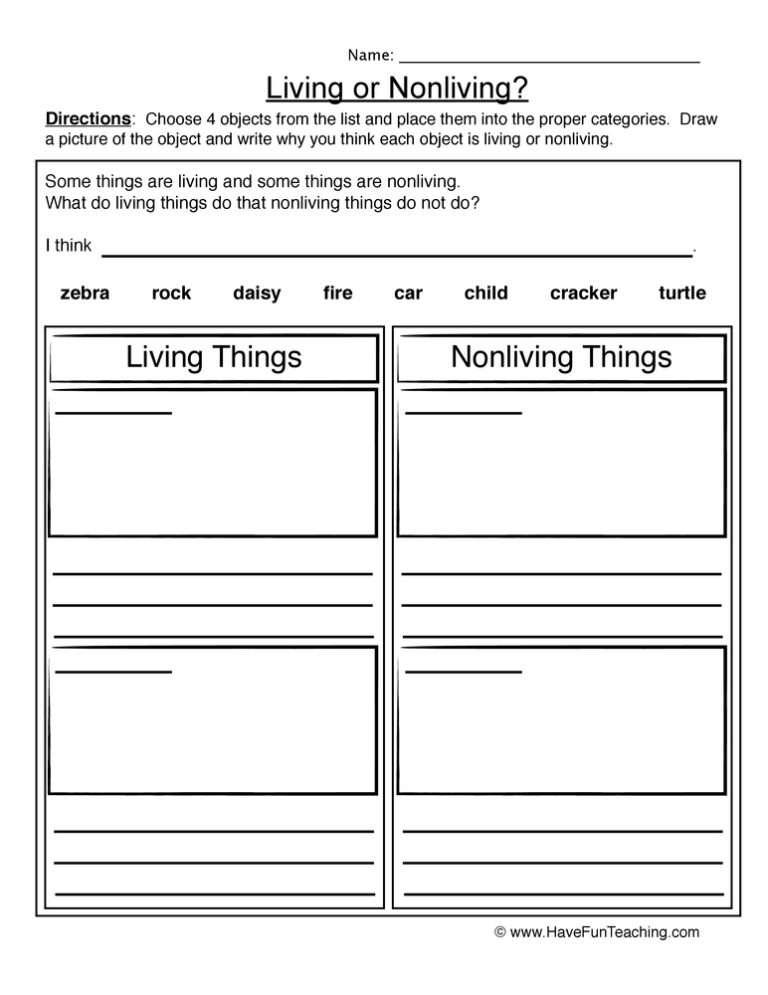
This drawing living nonliving worksheet has 2nd graders sort six words into Living and Nonliving, then draw and name their own examples. An answer key is included for quick checking.
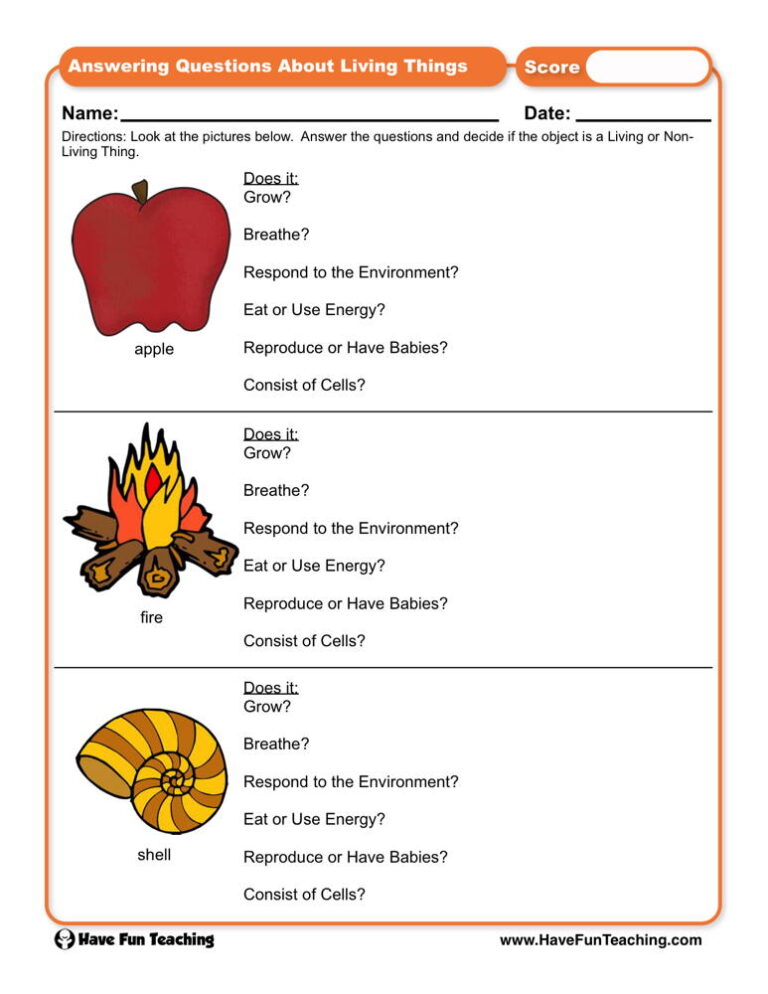
This Answering Questions About Living Things Worksheet has second grade students answer Yes or No about seven things, then use those answers to decide if each one is living. An answer key is included.
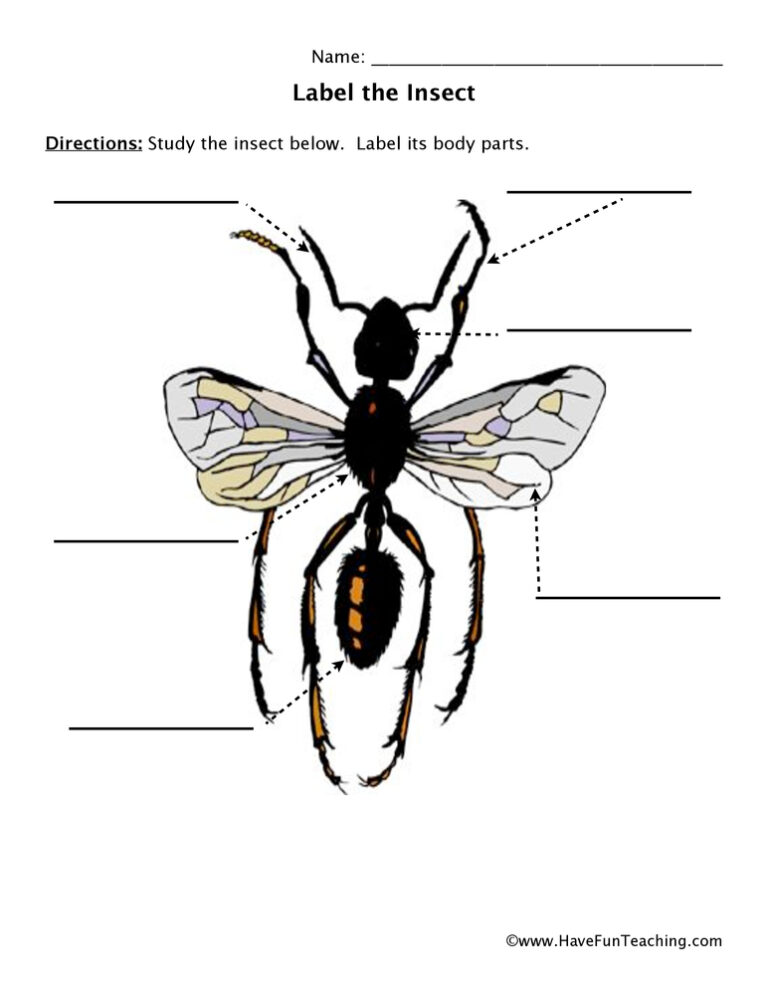
This winged bug body parts worksheet has 2nd grade students label the head, thorax, abdomen, wing, leg and antenna of an insect. An answer key is included for quick checking.
This drawing living things worksheet has 2nd graders name what plants and animals need, then draw a living and a nonliving thing. An answer key is included for quick, easy checking.

Using Sorting Living and Non-Living Things Worksheet, students sort objects into the living and non-living things categories

UsingLiving and Non-Living Things Sorting Worksheet, students sort objects into the living and non-living things categories

This drawing things that grow worksheet helps 2nd graders name what a puppy, acorn, and tadpole grow into, then draw and explain two living things that grow. Answer key included.
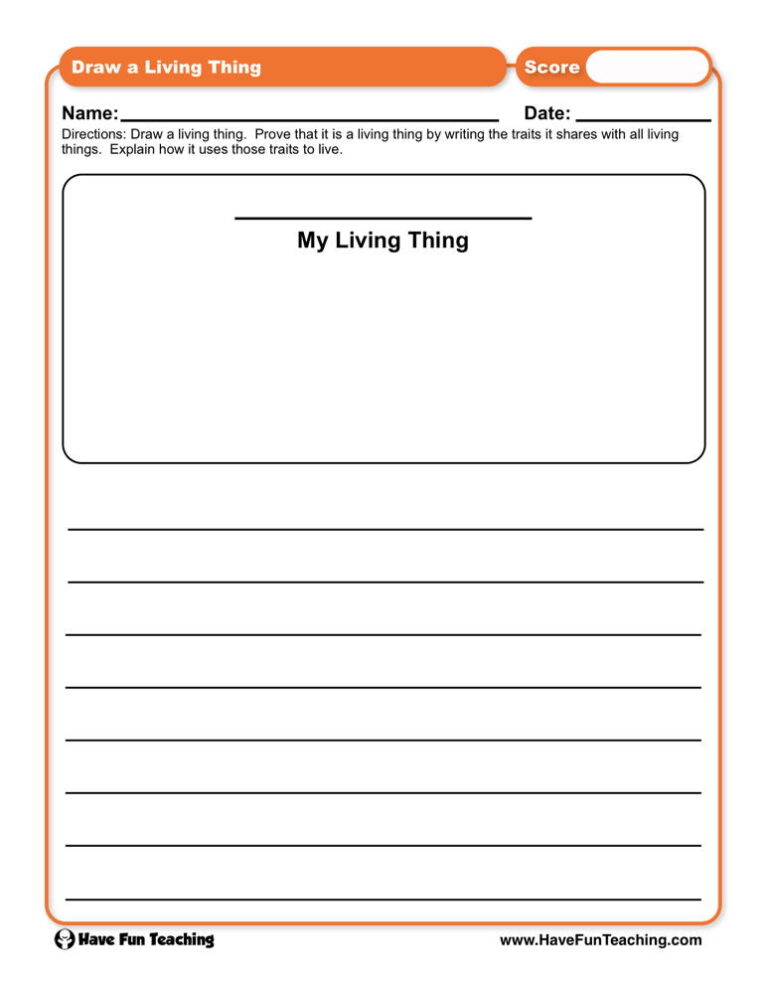
Use this draw a living thing worksheet to help 2nd grade students name the traits of living things, then draw and describe one of their own. An answer key is included for easy checking.