
3 days free
Ready for the whole library?
You’ve had your freebie — but members download 10,000+ resources for every grade, all year long. Try it free — $0 today, cancel anytime.
Free for teachers
Pick your grade. We’ll send 10 free resources.
Worksheets, activities and a video — picked for your classroom, ready to print tonight.
One free bundle per teacher. We’ll also send free teaching ideas each week — unsubscribe anytime.

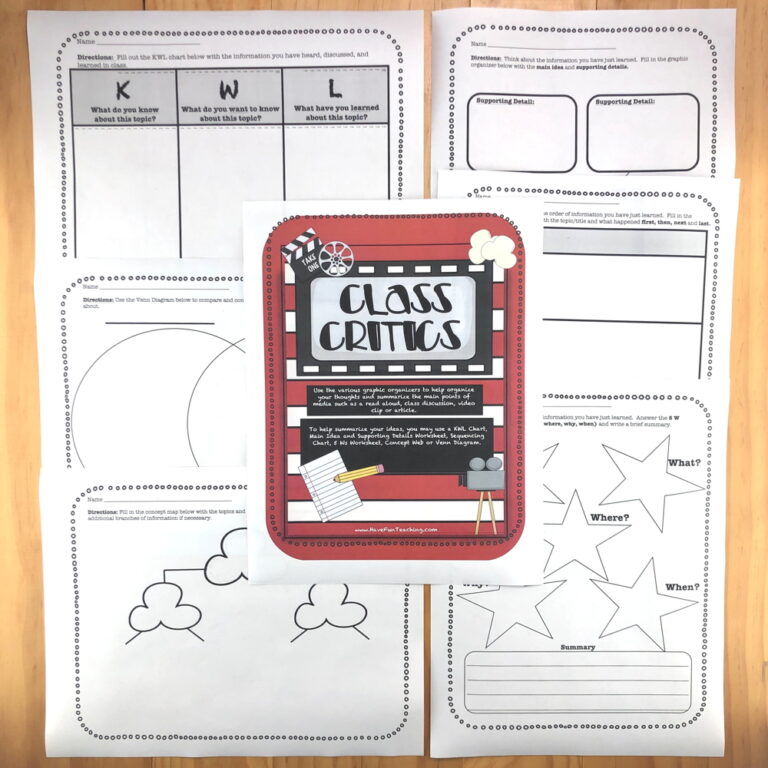
Using Retell the Story Activity, students read Floppy Ears aloud to students and then use the question chart to assess students ability to retell the story.
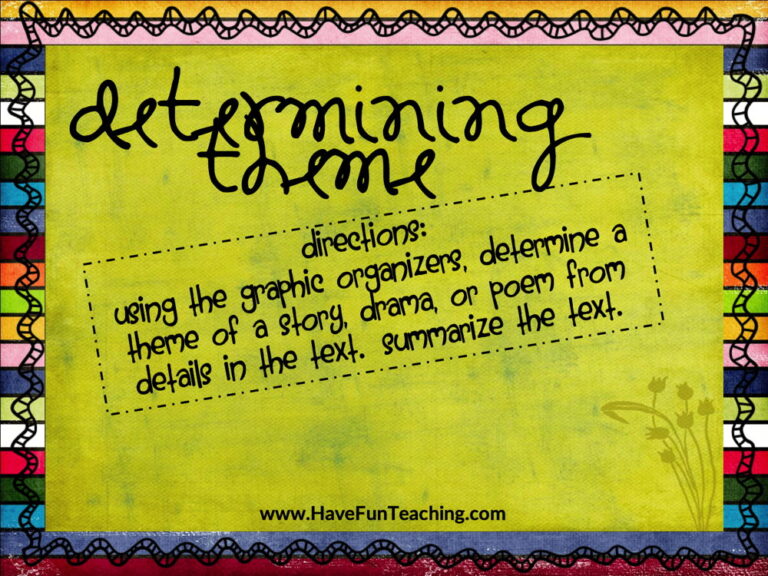
Using this Determining Theme Graphic Organizers Activity, students determine the theme of a story, drama, or poem from details in the text using Graphic Organizers.
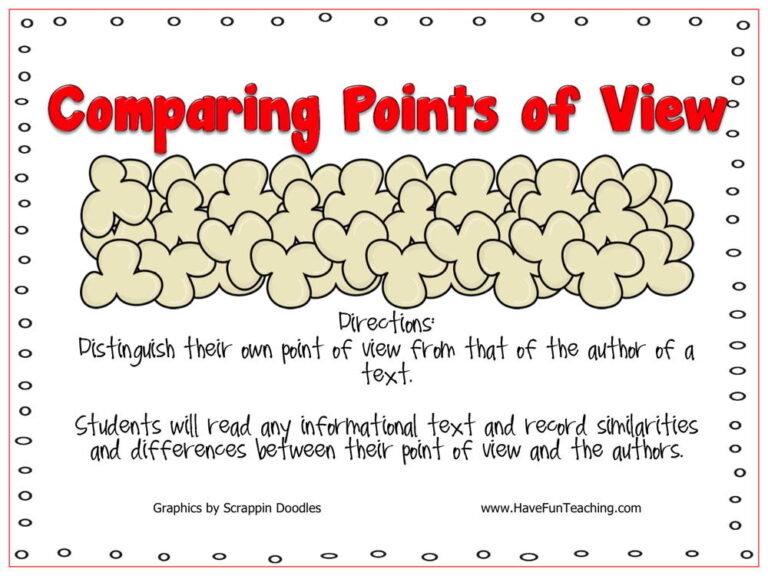
Using Comparing Points of View Activity, students distinguish their own point of view from that of the author of a text.
Using Gold Medal Reading Strategies Activity, students read grade-level text with purpose and understanding using graphic organizers for support.

Using How Words Work Poetry Activity, students describe how words &phrases supply rhythm and meaning in a story, poem, or song.

Using Retell the Story Activity,students read “Floppy Ears” aloud to students and then use the question chart to assess students ability to retell the story.

Using Retelling Stories Activity,students put the Event Cards in the correct order to retell the story to build summarizing skills.

Using this Read It Decoding Words Activity, students decode provided words by using the provided tips on the "What should I do when I don't know a word?" poster.

Using How the Text is Organized Activity, studentsdescribe the logical connection between particular sentences and paragraphs in a text.

Using Read it Fluently Cooperative Learning Activity, students readwith sufficient accuracy and fluency to support comprehension.

Using Read It Syllables Activity, students know and apply grade-level phonics and word analysis skills in decoding words.

Using Comparing Texts Compare and Contrast Activity, students compare and contrast the most important points and key details presented in two texts on the same topic.
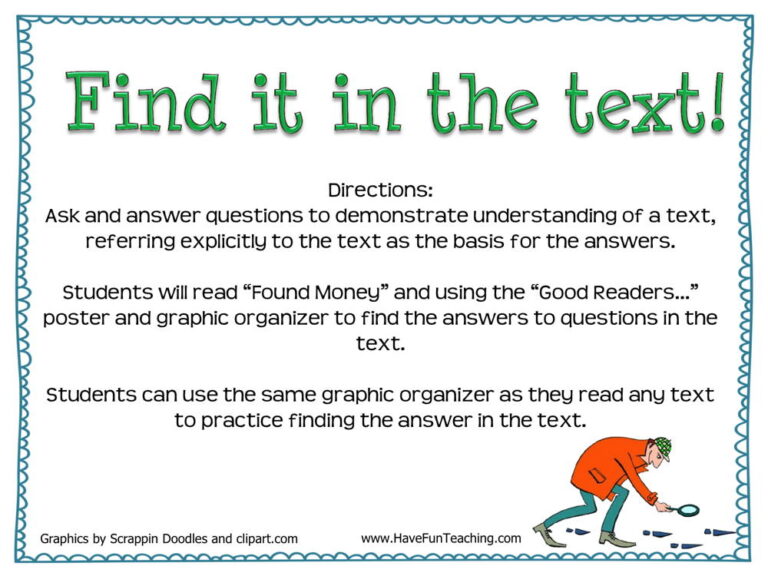
Using this Find It In The Text Activity, students ask and answer questions to demonstrate understanding of a text, referring explicitly to the text as the basis for the answers.
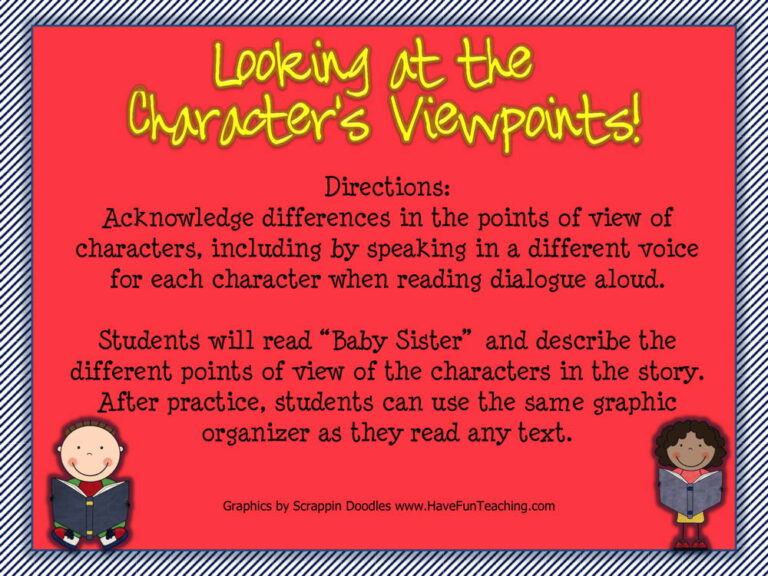
Using Looking at the Character's Viewpoints Activity, students acknowledge differences in the points of view of characters to gain a different perspective.

Using What Have You Read This Year Activity, students read and comprehend literature, including stories and poetry.

Using Point of View Activity, students identify who is telling the story at various points in a text.

Using Story Elements Organizing What You Read Activity, students use activity worksheets and graphic organizers to describe the characters, setting and events.
Using this Why oh Why Story Details Activity, students answer the questions "What happened?" and "why did it happen?" while citing their textual evidence.

Using this Two Texts Important Information Activity, students read two texts on the same topic. They record important information on the graphic organizers in order to write or speak about the topic knowledgeably.

Using the Practice Makes Perfect Fluency Activity, students read the passage with accuracy and fluency while you take notes on their reading.



