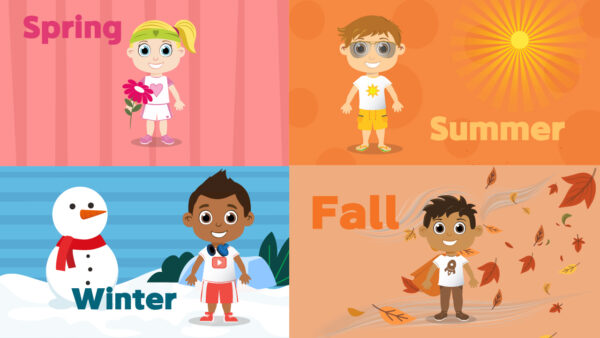
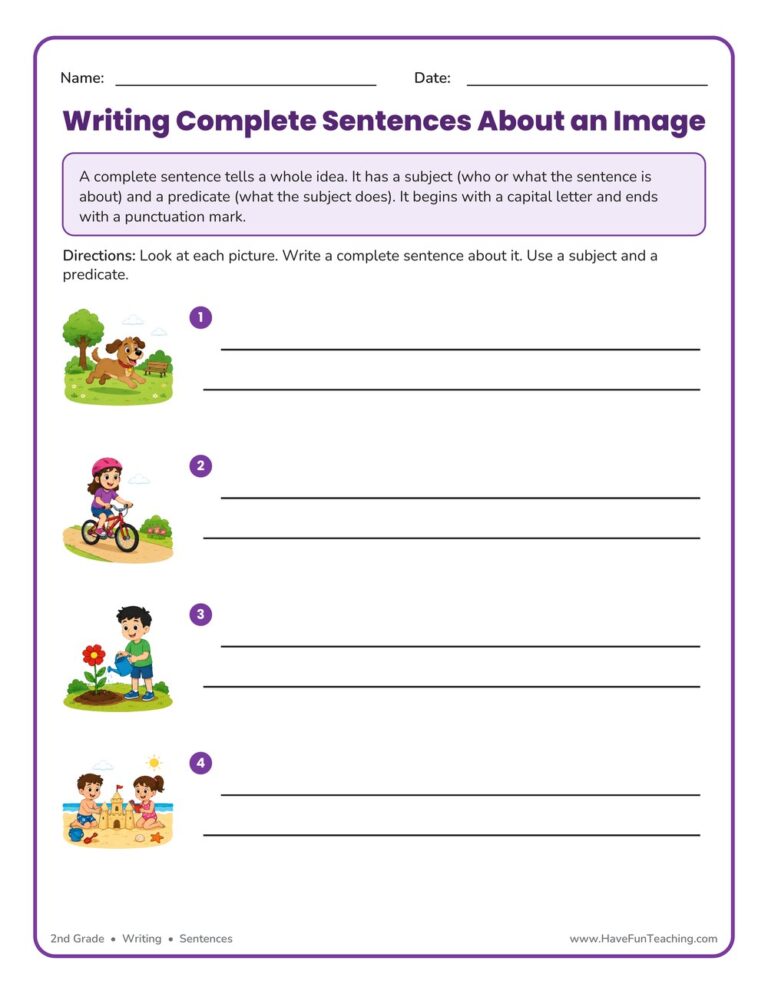
This Writing Complete Sentences About an Image Worksheet gives 2nd graders four picture prompts to practice building sentences with a subject and predicate. Includes sample answers — great for no-prep grammar and writing practice.
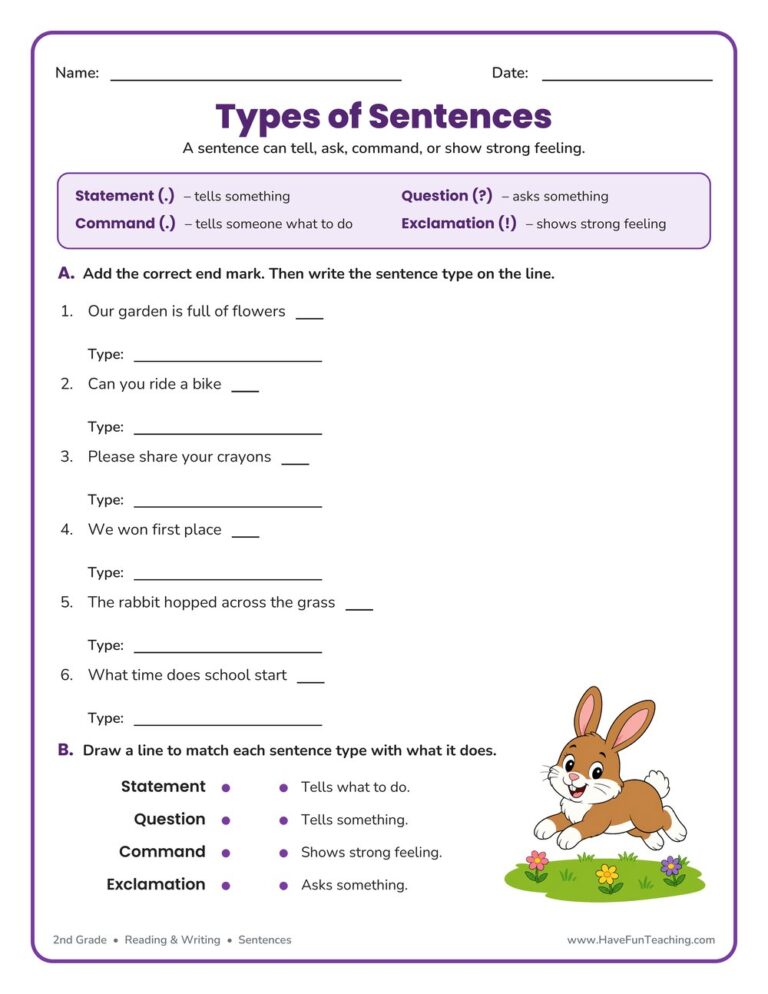
A types of sentences worksheet that helps 2nd graders add end punctuation and identify statements, questions, commands, and exclamations. Includes a complete answer key—perfect for quick, no-prep grammar practice at home or school.
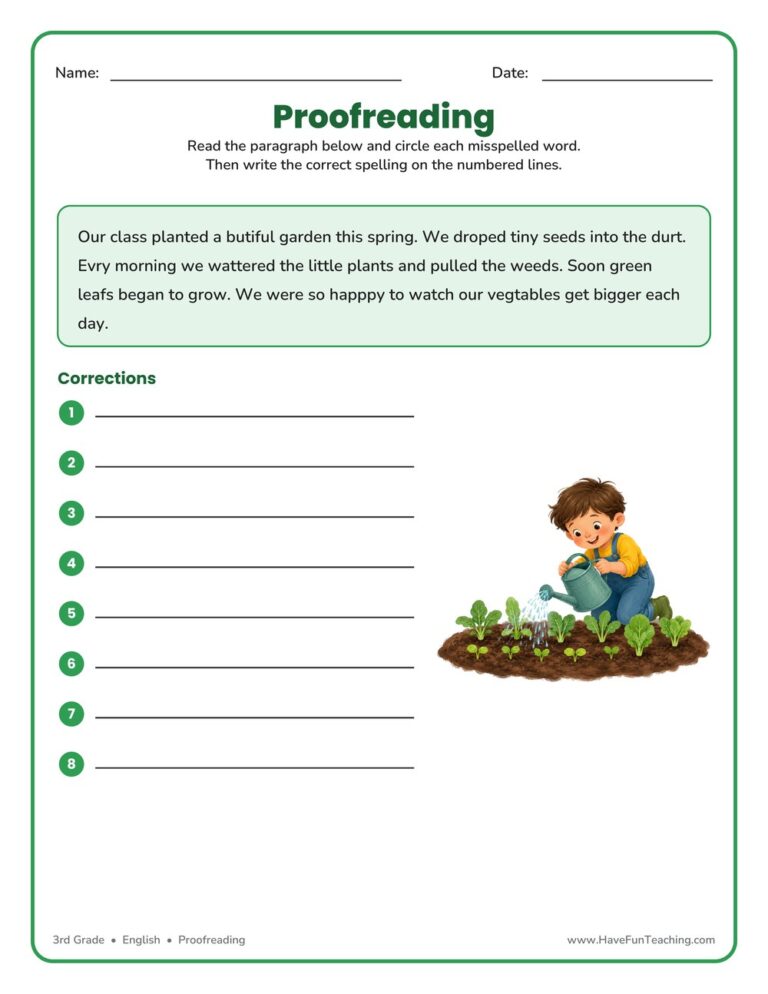
This 3rd grade proofreading worksheet has students hunt for and fix eight misspelled words in a fun garden paragraph. Answer key included — perfect for quick, no-prep spelling and editing practice at home or school.
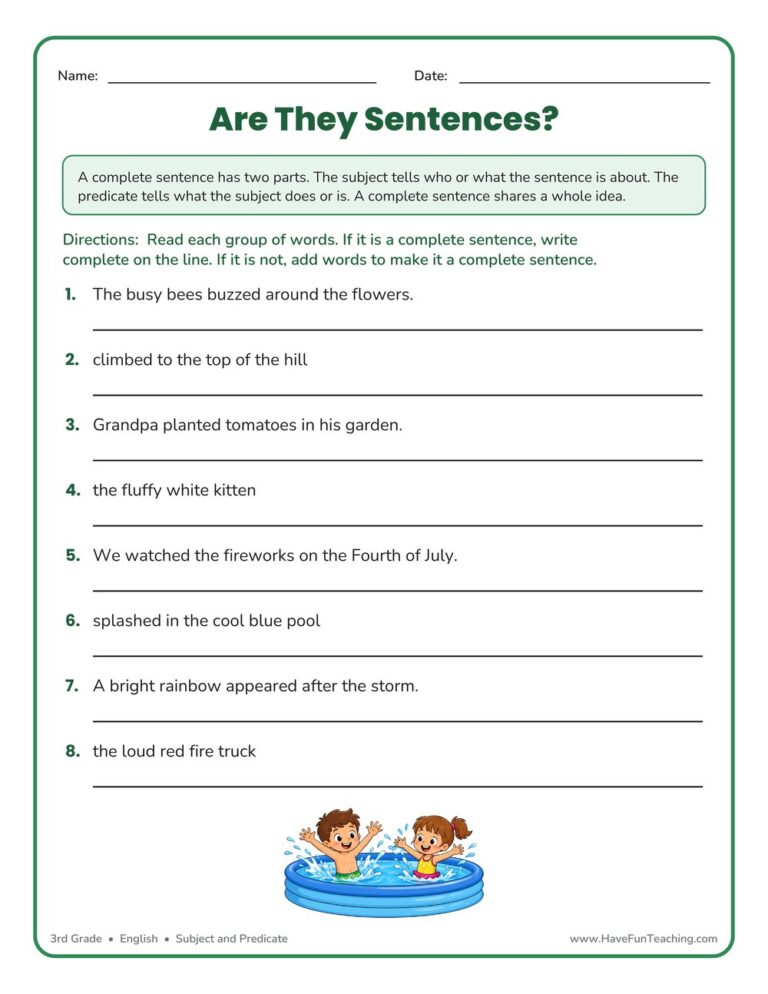
This Creating Complete Sentences Worksheet asks 3rd graders to spot complete sentences and fix fragments by adding a missing subject or predicate. Answer key included — perfect for quick, no-prep grammar practice at home or school.
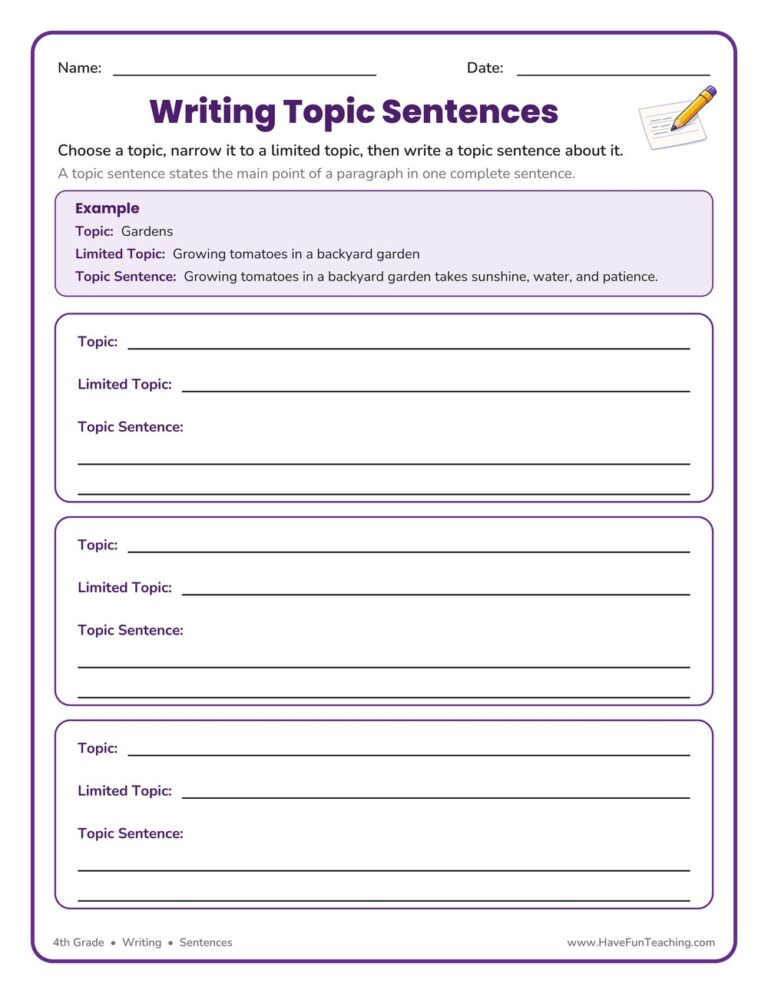
This Writing Topic Sentences Worksheet gives 4th grade students a worked example and three guided frames to move from a broad topic to a focused topic sentence. Perfect for no-prep paragraph-writing practice at home or school.
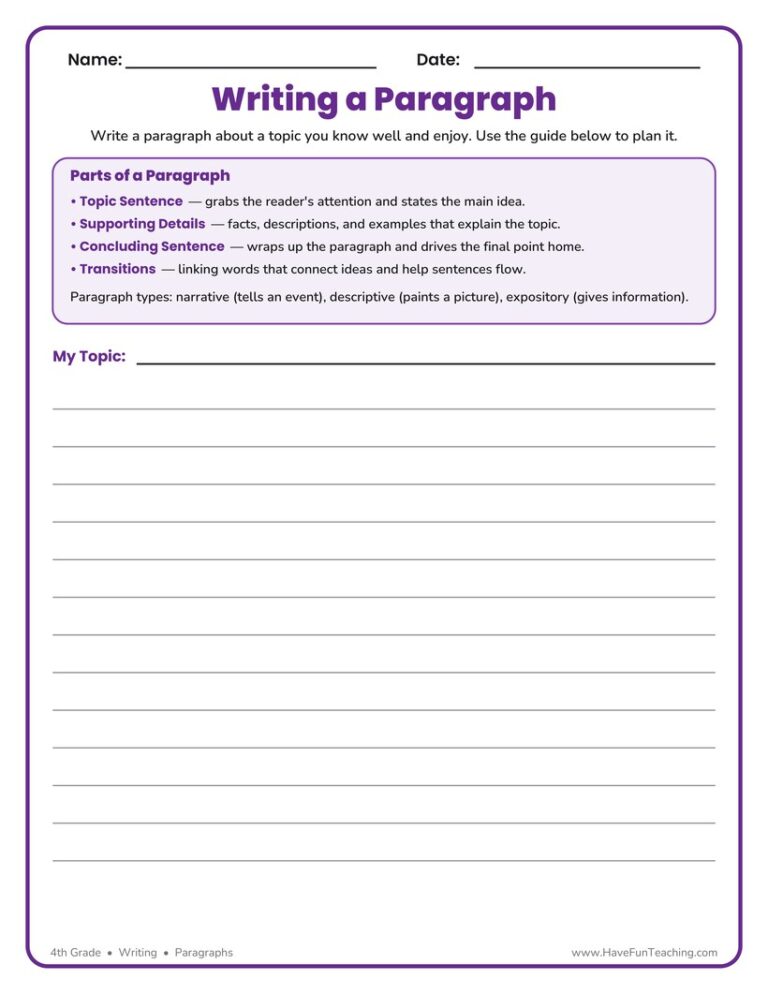
A guided writing paragraphs worksheet for 4th grade, with a parts-of-a-paragraph reference box and a full page of lined space. Students plan a topic sentence, supporting details, and a conclusion, then write with confidence.

This simple, compound, and complex sentences worksheet helps 4th grade students identify and combine sentence types using clauses and conjunctions. Includes a complete answer key for fast, no-prep grammar practice at home or school.
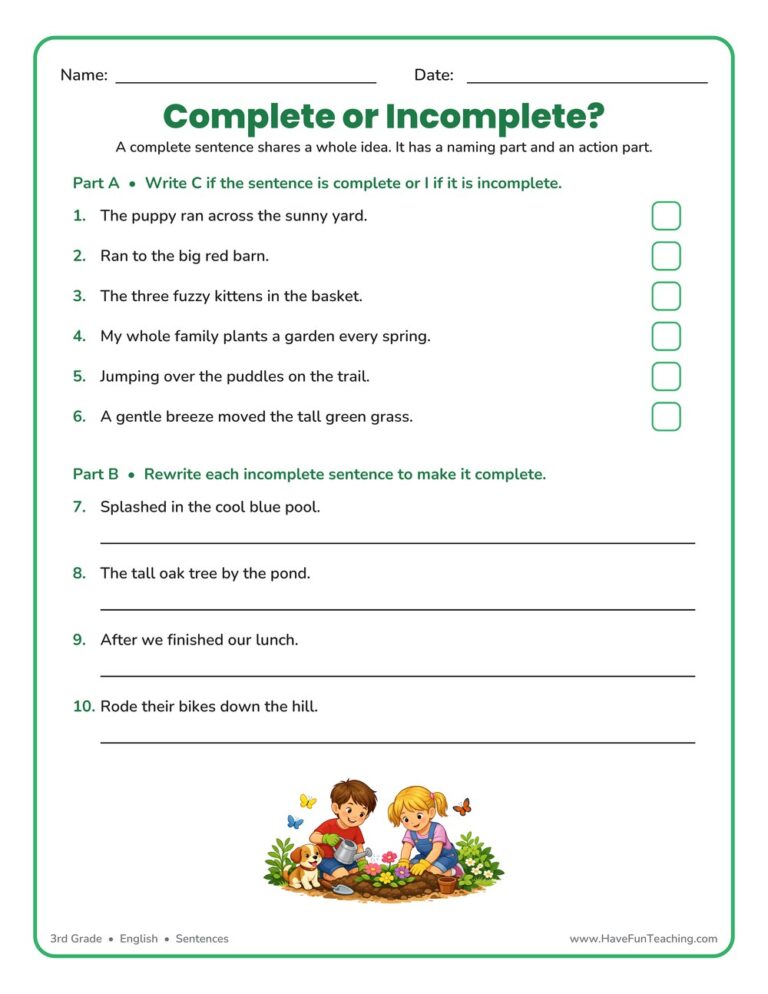
This rewriting incomplete sentences worksheet helps 3rd graders sort complete and incomplete sentences, then rewrite the fragments into full thoughts. Includes an answer key for fast, no-prep grammar practice at home or school.

With this picture matching sentences worksheet, first graders read six short sentences and label the picture each one describes. Answer key included, so checking work takes seconds.
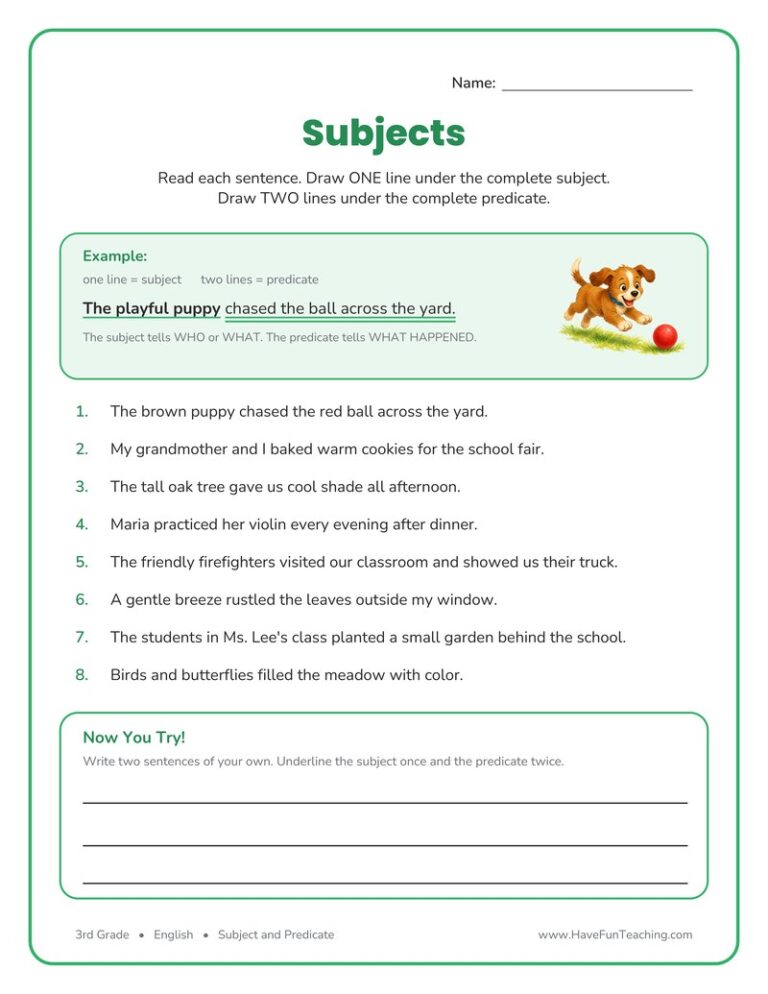
A 3rd grade subject predicate worksheet where kids underline the subject and predicate in eight sentences, then write their own. Includes a full answer key for quick, confident grammar practice.
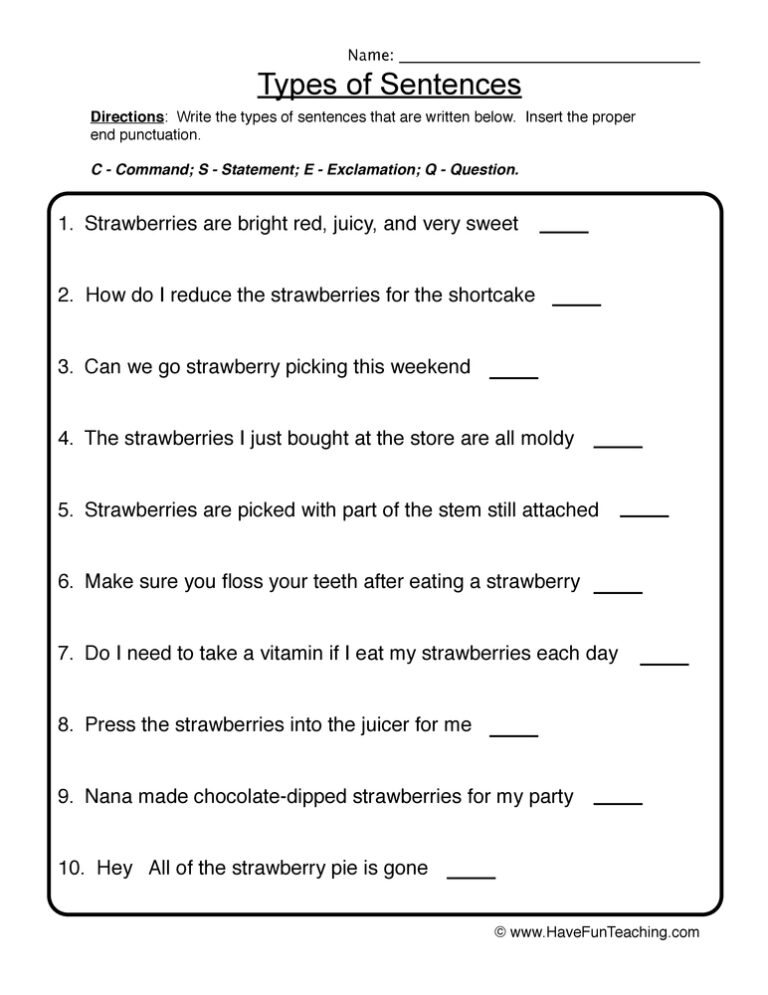
Students use this identifying types of sentences worksheet to add end marks, label each sentence, and rewrite one type as another. Built for 3rd Grade, with an answer key included.
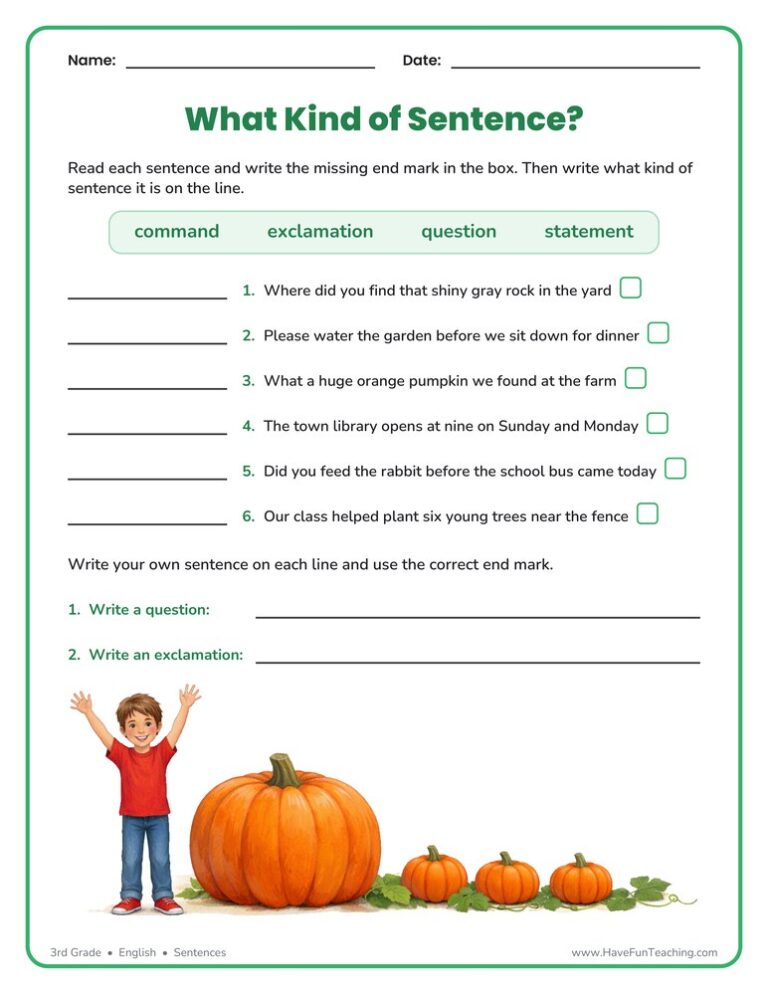
With this What Kind of Sentence? Worksheet, 3rd Grade students add the missing end mark and label each sentence as a statement, question, command, or exclamation. An answer key is included, so practice is quick to check.

A Speaking in Complete Sentences Worksheet that helps 2nd graders tell a whole sentence from a fragment, find the naming part, and say and write one about a picture. Answer key included for confident sentence practice.
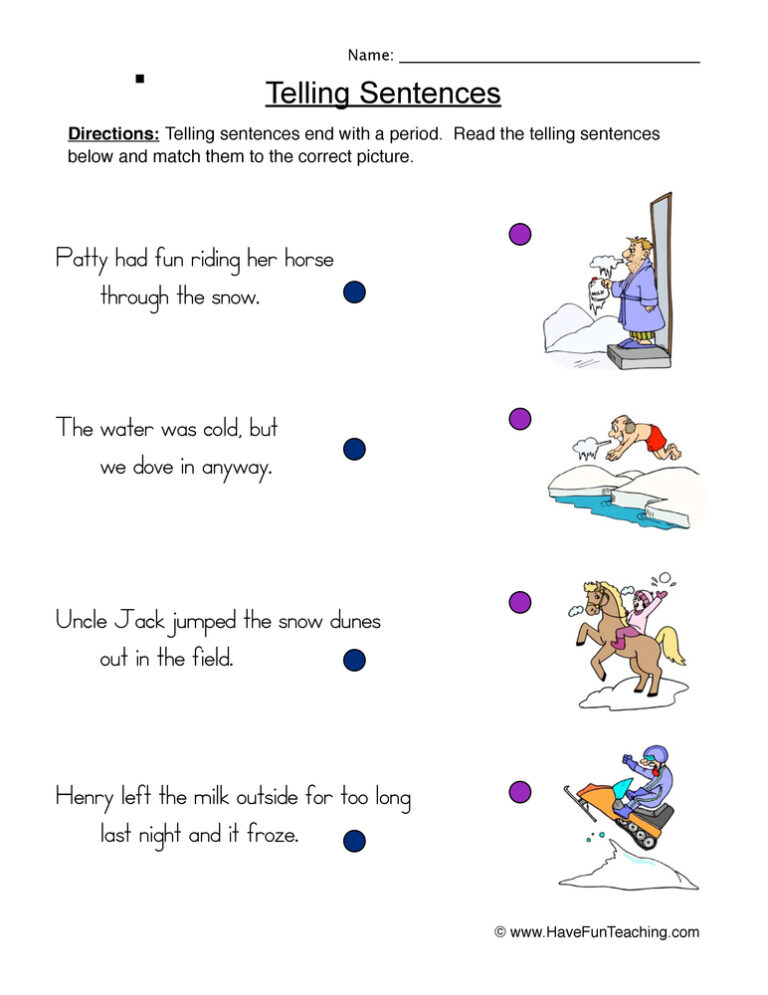
Students match four telling sentences to the pictures they describe, then write a telling sentence of their own. This 1st grade telling sentences matching worksheet includes an answer key for quick, no-prep sentence practice.
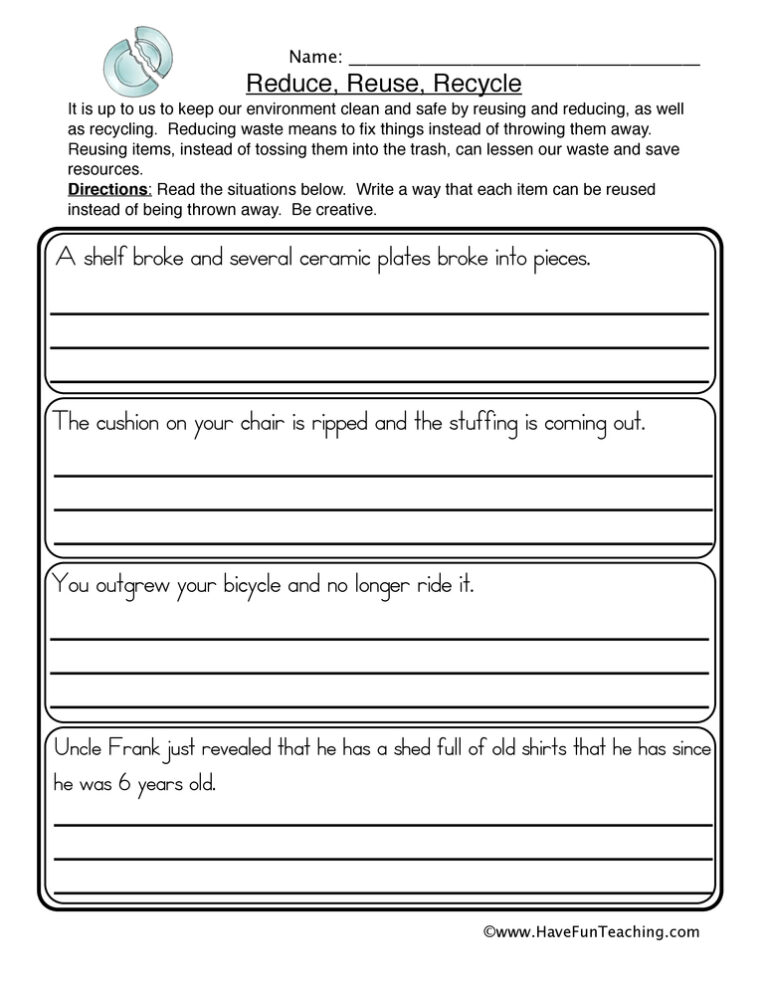
Read six real-life situations and decide whether each one shows reducing, reusing, or recycling on this reduce, reuse, recycle scenarios worksheet for 3rd grade. Answer key included, so Earth Day science practice takes no prep.

This period worksheet asks 1st graders to unscramble words, write four telling sentences, and end each one with a period. Answer key included for quick, no-prep punctuation practice at home or school.
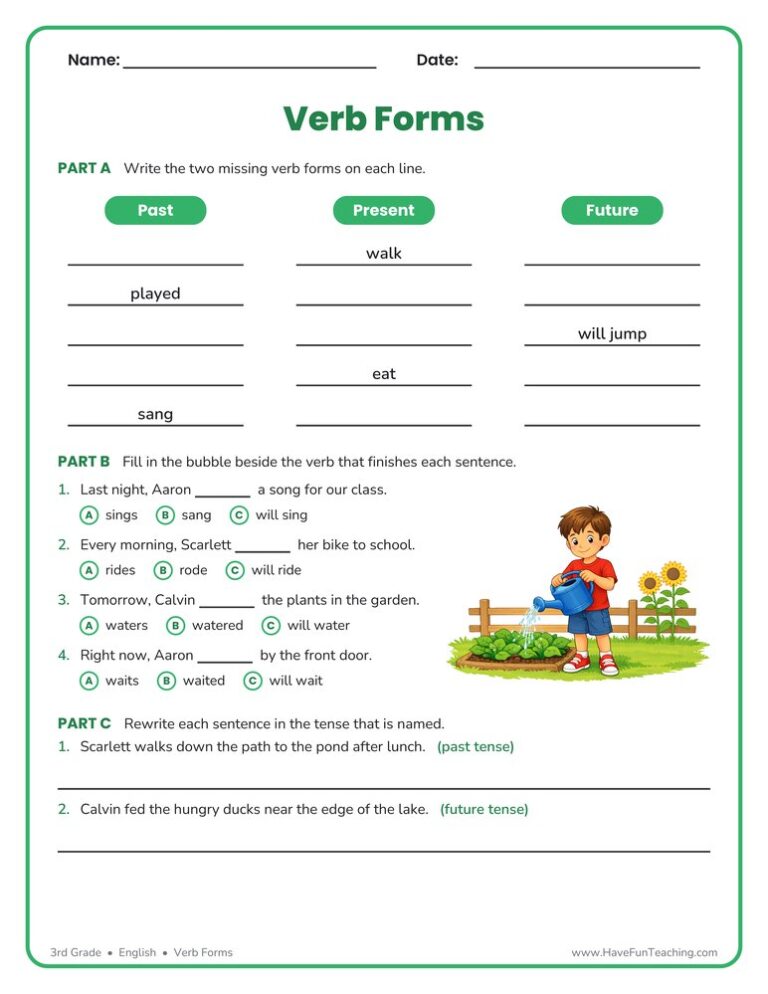
A three-part verb forms worksheet that has 3rd graders complete a past, present, and future chart, pick the right verb for each sentence, and rewrite sentences in a new tense. Answer key included for fast checking.

This writing supporting sentences worksheet asks 5th grade students to add two supporting details to each topic sentence and spot the sentence that does not belong. Answer key included, so paragraphs get stronger fast.

This complete incomplete chocolate sentences worksheet helps 4th graders spot sentence fragments and fix them by adding subjects and predicates. An answer key is included for easy checking.

The How To Say It Punctuation Worksheet gives 2nd grade students six sentences to punctuate and four sentence kinds to match, with an answer key included, so end marks finally make sense.