
Skip to content
Start My 3 Free Days $0 today · cancel anytime

2nd Grade Sentences Resources (Reading)

24 2nd grade sentences resources: 15 worksheets and 10 activities. How teachers use these

2nd Grade Sentences Resources (Reading)

24 2nd grade sentences resources: 15 worksheets and 10 activities. How teachers use these

Worksheet
Worksheet2nd GradeWriting Complete Sentences about an Image Worksheet

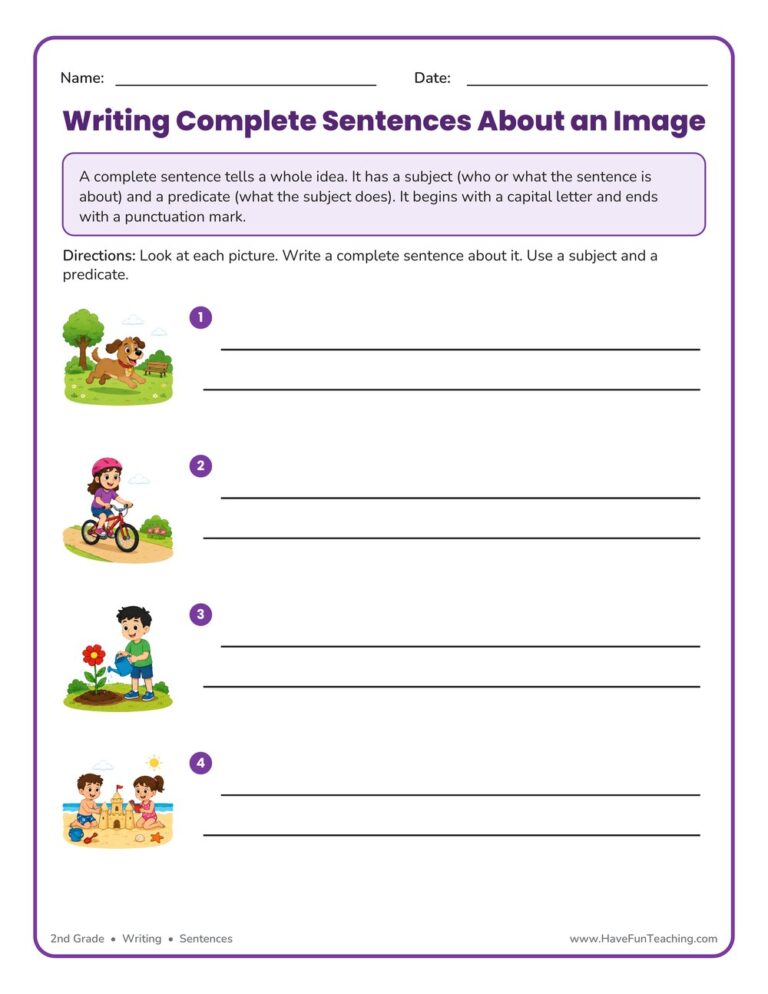
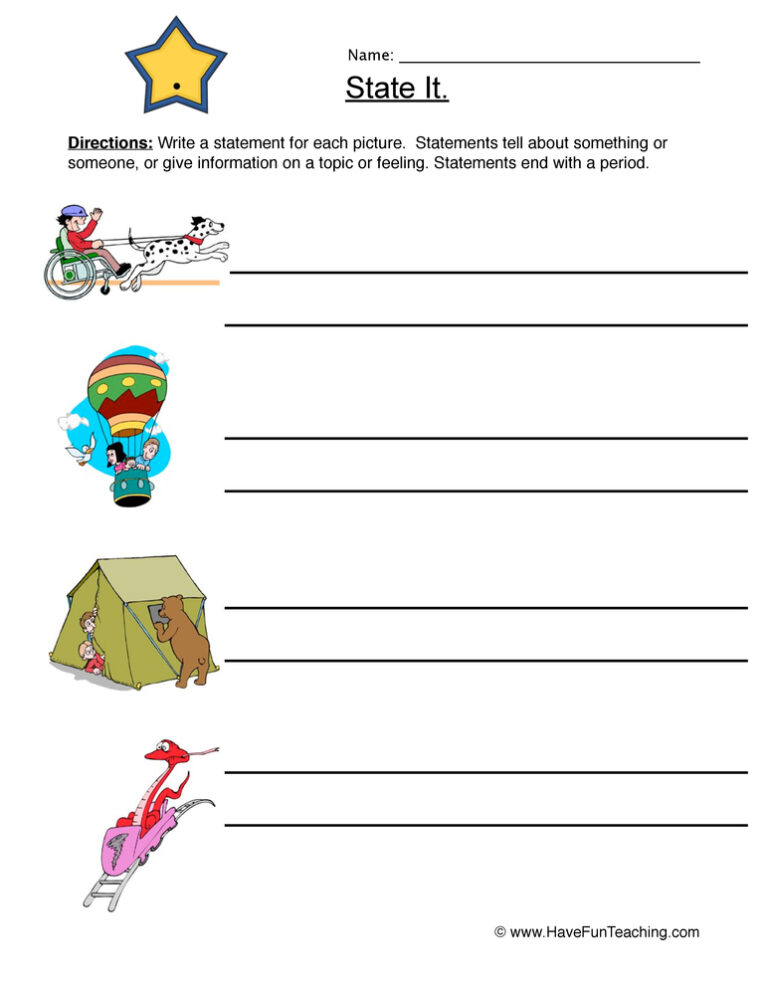
This Writing Complete Sentences About an Image Worksheet gives 2nd graders four picture prompts to practice building sentences with a subject and predicate. Includes sample answers — great for no-prep grammar and writing practice.

Worksheet
Worksheet2nd GradeTypes of Sentences Worksheet

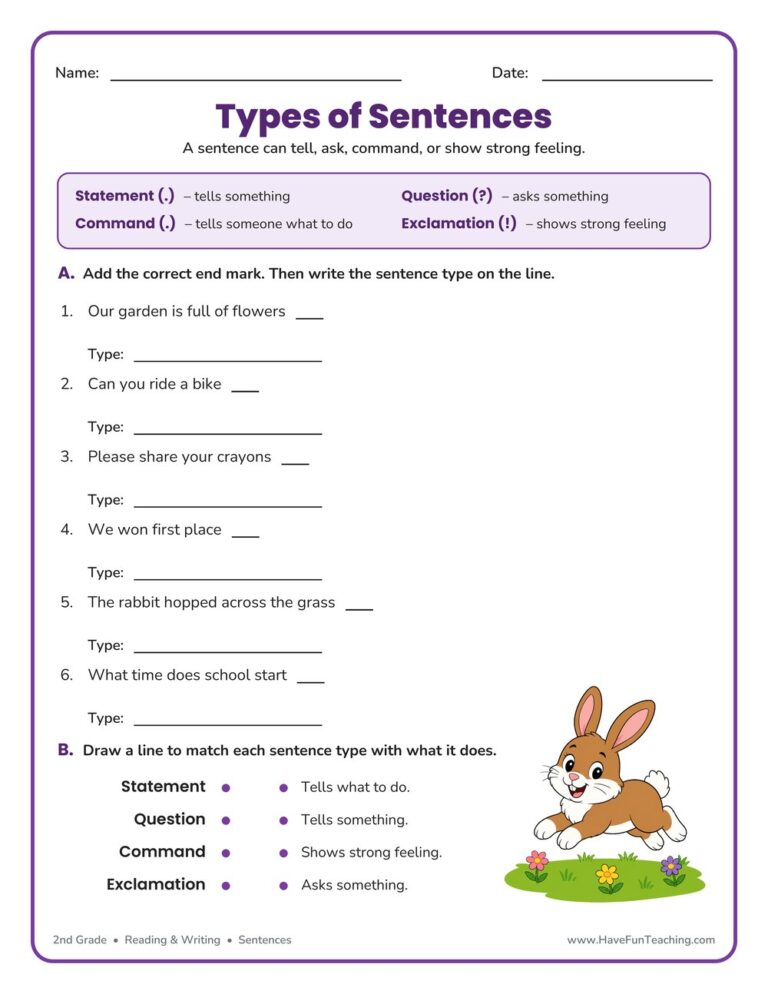
A types of sentences worksheet that helps 2nd graders add end punctuation and identify statements, questions, commands, and exclamations. Includes a complete answer key—perfect for quick, no-prep grammar practice at home or school.

Worksheet
Worksheet2nd GradePronouns Dialogue Worksheet

This Pronouns Dialogue Worksheet helps 2nd Grade students replace bold nouns with the right pronoun and rewrite sentences using one. An answer key is included, so practice is quick to check and easy to reuse.

Worksheet
Worksheet2nd GradeSpeaking in Complete Sentences Worksheet

A Speaking in Complete Sentences Worksheet that helps 2nd graders tell a whole sentence from a fragment, find the naming part, and say and write one about a picture. Answer key included for confident sentence practice.

Worksheet
Worksheet2nd GradeTime Words Worksheet

This time words worksheet asks 2nd graders to use context clues to complete six sentences with words like morning, noon, and tomorrow. An answer key is included, so checking is quick and easy.

Activity
Activity2nd GradeProofreading Capitalization and Punctuation Activity

This proofreading capitalization and punctuation activity gives 2nd to 5th grade students 16 self-checking detective cards for fixing sentences. A practice page and answer key are included.

Worksheet
Worksheet2nd GradeUsing Complete Sentences Worksheet

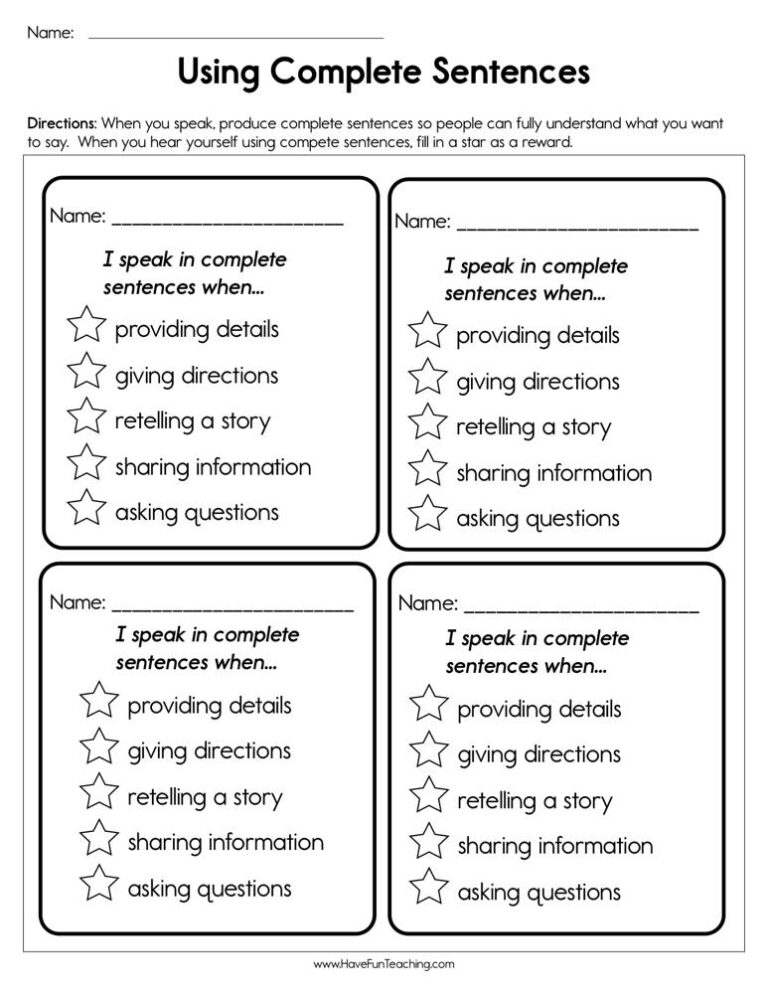
This Using Complete Sentences Worksheet helps 2nd graders find the subject and the predicate, match the two halves, and write a complete sentence of their own. Answer key included for fast, no-prep grammar practice.

Activity
Activity2nd GradeCool Cat Sentences Activity

This cool cat sentences activity has K-2nd Grade children sort telling, asking and exciting sentence cards by their end marks. Answer key included, so practicing punctuation feels like a game.

Worksheet
Worksheet2nd GradeQuestions Worksheet

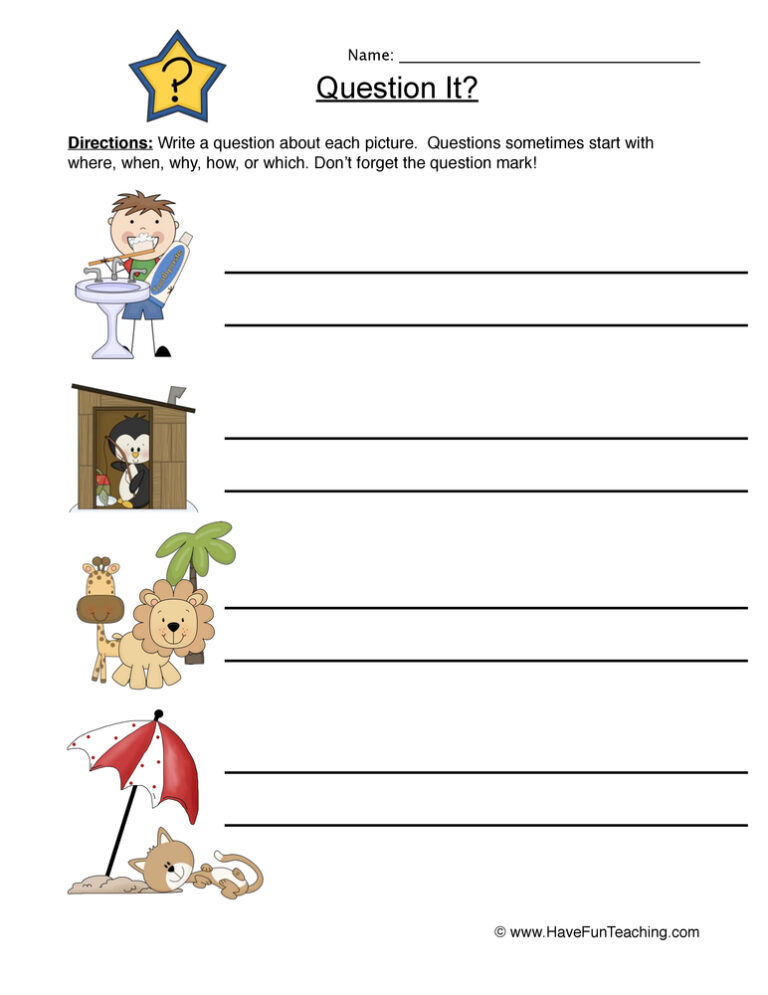
This Questions Worksheet has 2nd graders choose the right question word for five questions, then write two questions of their own. An answer key is included, making it an easy question mark review.

Worksheet
Worksheet2nd GradeHow To Say It Punctuation Worksheet

The How To Say It Punctuation Worksheet gives 2nd grade students six sentences to punctuate and four sentence kinds to match, with an answer key included, so end marks finally make sense.

Activity
Activity2nd GradeComplete Sentences with Subject and Predicate Activity

This complete sentences with subject and predicate activity has 1st to 3rd grade students match picture subject cards to predicate cards, then practice on a worksheet. Answer key included.

Worksheet
Worksheet2nd GradeWriting Sentences with Pronouns Worksheet

This Writing Sentences with Pronouns Worksheet gives 2nd Grade students six sentences to rewrite with the right pronoun plus a write-your-own item, and an answer key is included so checking work takes seconds.

Activity
Activity2nd GradeSentence Structure Activity

Build real sentences with this sentence structure activity for Kindergarten to 2nd Grade: 24 picture-coded word cards, a recording sheet and a practice page, with an answer key included.

Worksheet
Worksheet2nd GradeSentences Worksheet

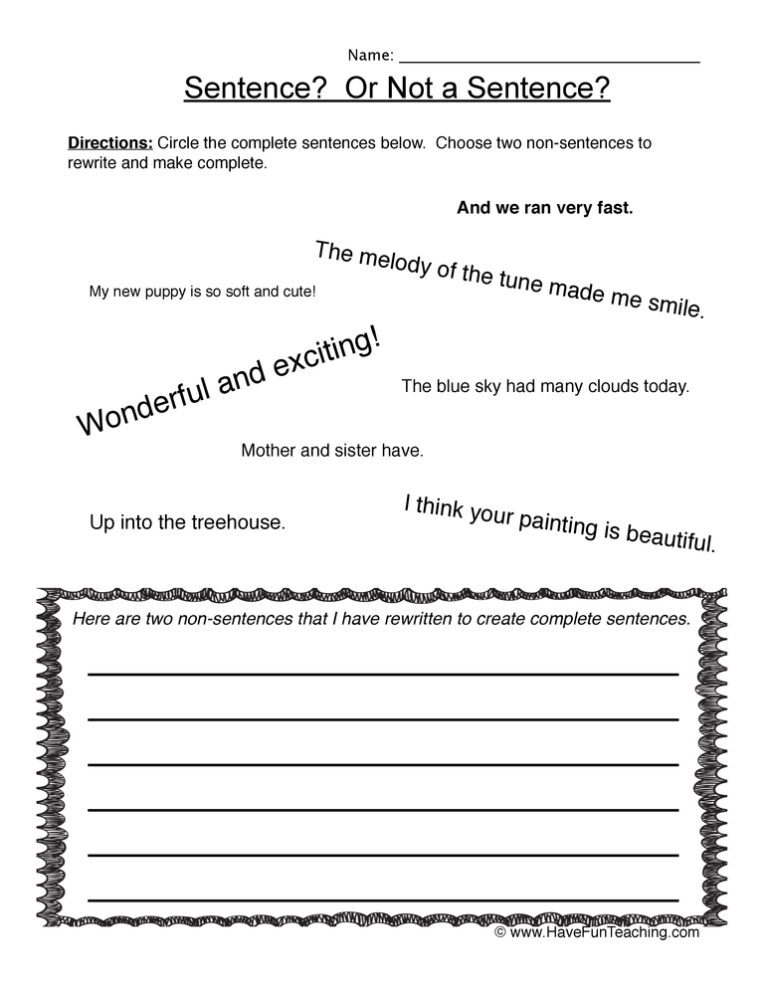
This sentences worksheet has 2nd graders decide whether each group of words is a complete sentence, then fix two that are not. An answer key is included for quick checking.

Worksheet
Worksheet2nd GradeWriting Types of Sentences Worksheet

This Writing Types of Sentences Worksheet gives 2nd Grade students four labeled boxes and a model sentence in each one, so every child gets real practice writing a statement, question, command, and exclamation of their own.

Worksheet
Worksheet2nd GradeStatements Worksheet

This Statements Worksheet has 2nd graders turn four questions into telling sentences that start with a given word and end with a period. An answer key is included for quick checking.

Worksheet
Worksheet2nd GradeWho Said That Worksheet

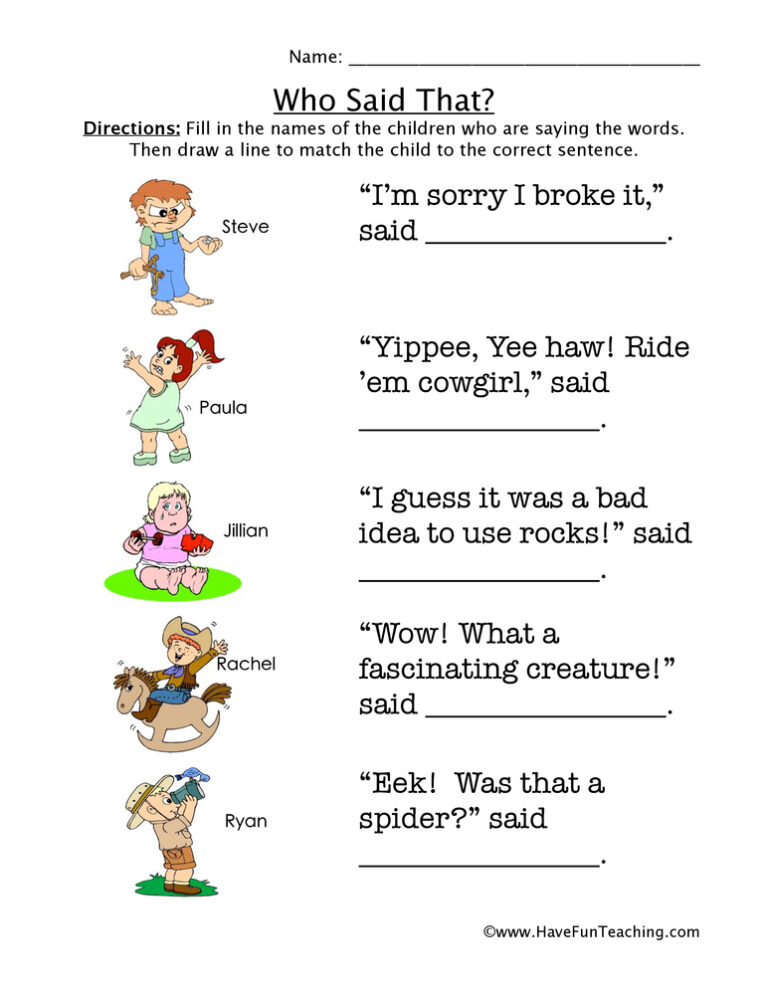
Use this who said that worksheet to help 2nd graders read quotations and match each one to the child who said it, with a complete answer key for easy checking and quick practice.

Activity
Activity2nd GradeSweetheart Sentences Activity

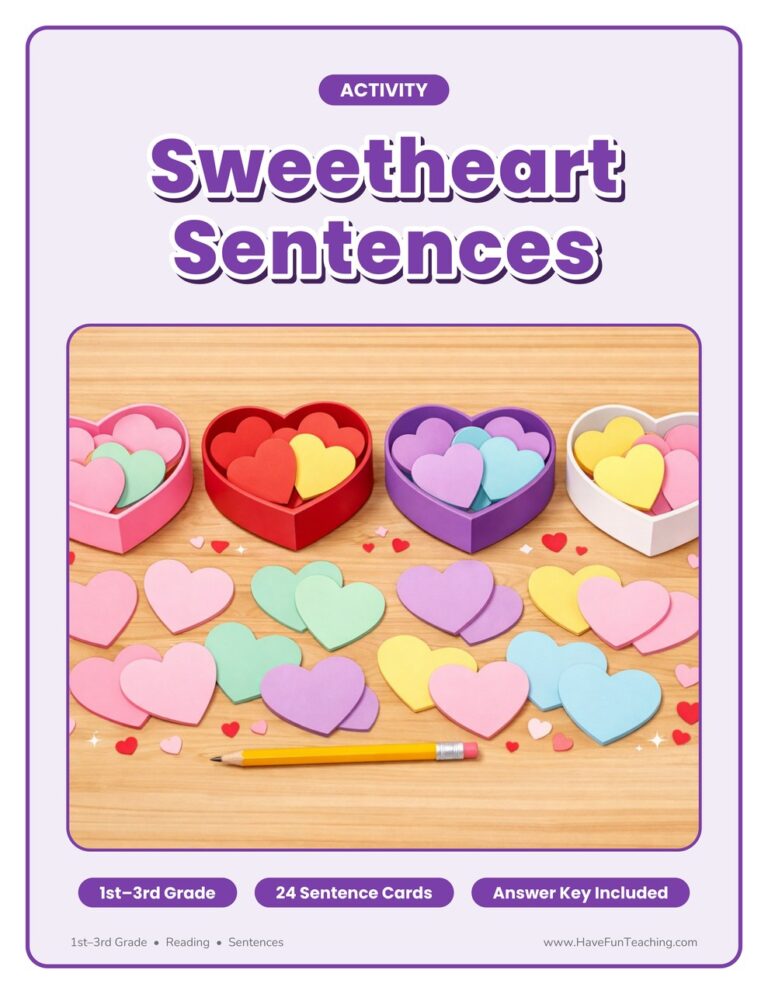
This sweetheart sentences activity lets 1st to 3rd grade children sort Valentine heart cards into statements, questions, exclamations and commands while building strong grammar skills. Answer key included.

Activity
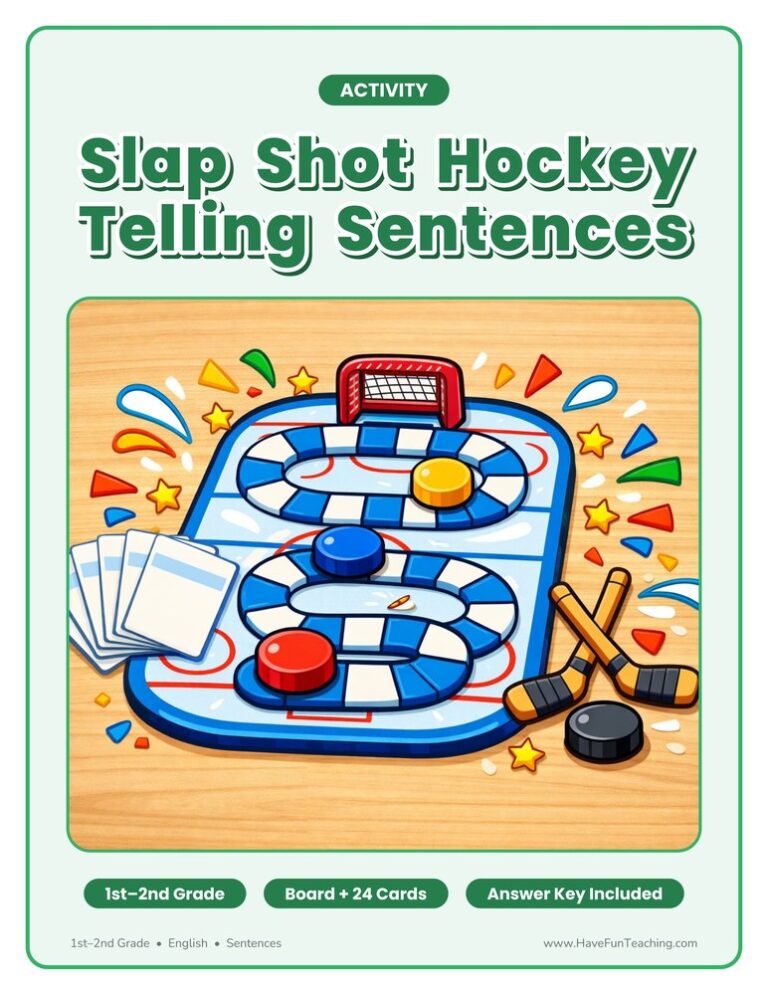
Activity2nd GradeSlap Shot Hockey Telling Sentences Activity

This slap shot hockey telling sentences activity for 1st and 2nd Grade has kids race pucks on a rink board by sorting telling and asking sentences. Answer key included.

Activity
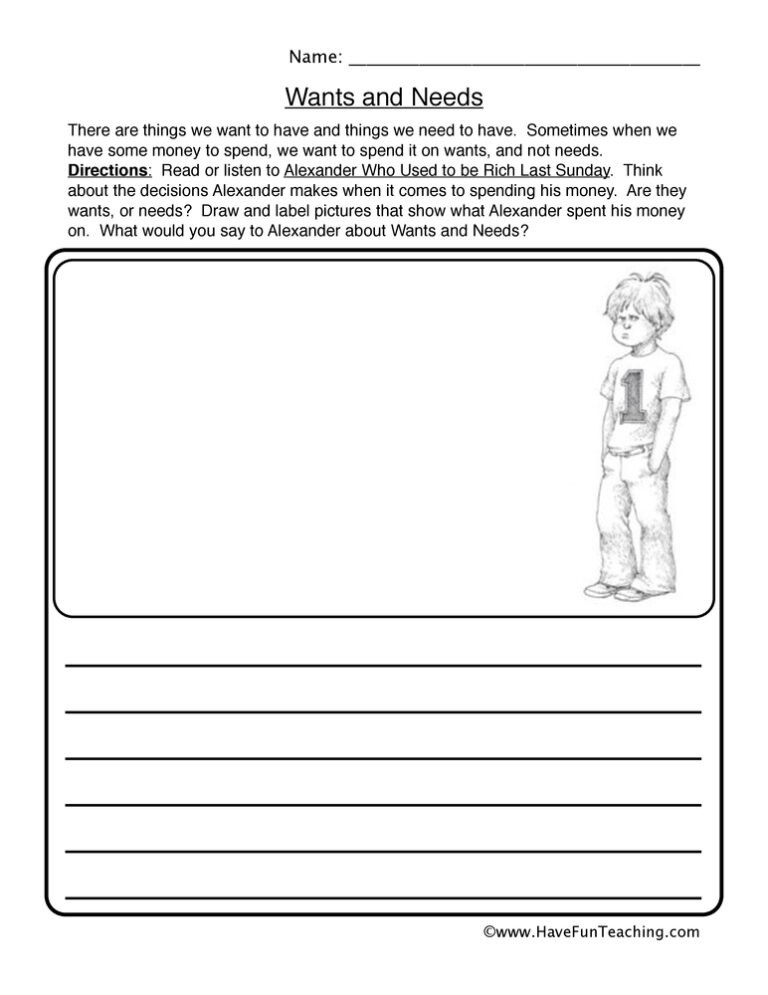
Activity2nd GradeWants Needs Reading Response Worksheet

Using this Wants Needs Reading Response Worksheet, students readAlexander Who Used to be Rich Last Sunday to build their understanding of wants and needs.

From our teachers' playbook

Who did what? Now you've got a sentence!

What do 2nd graders learn about sentences?

Second graders learn that a complete sentence needs two parts: a who or what (the subject) and a doing part (the predicate). The puppy | chased the ball. They learn the four kinds of sentences, telling, asking, exclaiming and commanding, and the end mark each one gets. They also start building longer sentences by adding details and joining ideas with and, but or so. The click moment comes when a child rereads their own writing, finds a fragment like "Went to the park," and fixes it without a reminder.

Our favorite ways to teach sentences

Sentences click when kids can hear them, build them and fix them. These moves do all three.

Who? Did what?

Write subjects on blue strips and predicates on yellow strips. Kids mix and match to build sentences, then read them aloud. "The elephant ate my homework" gets giggles and proves that every sentence needs both colors.

Why it works: going from real objects to pictures to symbols is a core recommendation of the U.S. Department of Education's elementary math guide.

Complete Sentences with Subject and Predicate ActivityTry it withComplete Sentences with Subject and Predicate ActivityActivitiesOpen it →
Show the four types

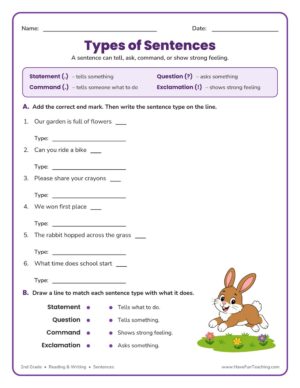
Model one idea four ways: "The cake is big." "Is the cake big?" "Wow, the cake is huge!" "Eat the cake." Read each with the matching voice. Kids hear how the end mark changes the meaning, then try their own.

Why it works: handing over the work step by step, from teacher to student, is one of the most widely used teaching frameworks (Pearson and Gallagher, 1983).

Types of Sentences WorksheetTry it withTypes of Sentences WorksheetWorksheetsOpen it →

Fix-it sentences

Start each day with one or two sentences full of mistakes: missing capitals, missing end marks, a fragment. Mix up the error types so kids have to really look. They'll love catching your "mistakes."

Why it works: mixing different kinds of problems in one practice set helped students do far better on a later test (Rohrer and Taylor, 2007).

Proofreading Capitalization and Punctuation ActivityTry it withProofreading Capitalization and Punctuation ActivityActivitiesOpen it →

Questions parents and teachers ask us

What makes a complete sentence for 2nd graders?

A complete sentence has a subject (who or what) and a predicate (what they do or are), starts with a capital letter and ends with a punctuation mark. "The bird sang" is complete. "The bird" is not.

What are the 4 types of sentences?

Statements tell something and end with a period. Questions ask and end with a question mark. Exclamations show strong feeling and end with an exclamation point. Commands tell someone to do something and often end with a period.

How do I help my child stop writing run-on sentences?

Have them read their writing aloud and listen for where their voice stops. Each stop usually needs an end mark. Joining ideas with "and" over and over is common at this age, so praise each fix.

How can I practice sentences at home?

Play "make it longer": you say "The dog ran," and your child adds details like where, when or how. Writing a short note or grocery list in full sentences is great practice too.



