Skip to content
Start My 3 Free Days $0 today · cancel anytime

1st Grade Life Science Worksheets

28 1st grade life science worksheets. Teacher favorites: Mammals, Fish, or Birds Classifying Animals Worksheet and Body Parts Worksheet. How teachers use these

1st Grade Life Science Worksheets

28 1st grade life science worksheets. Teacher favorites: Mammals, Fish, or Birds Classifying Animals Worksheet and Body Parts Worksheet. How teachers use these

Worksheet
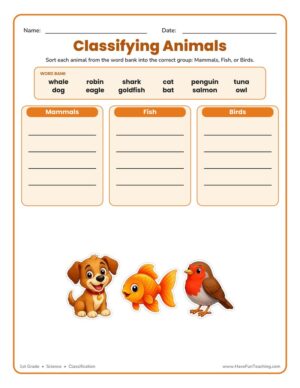
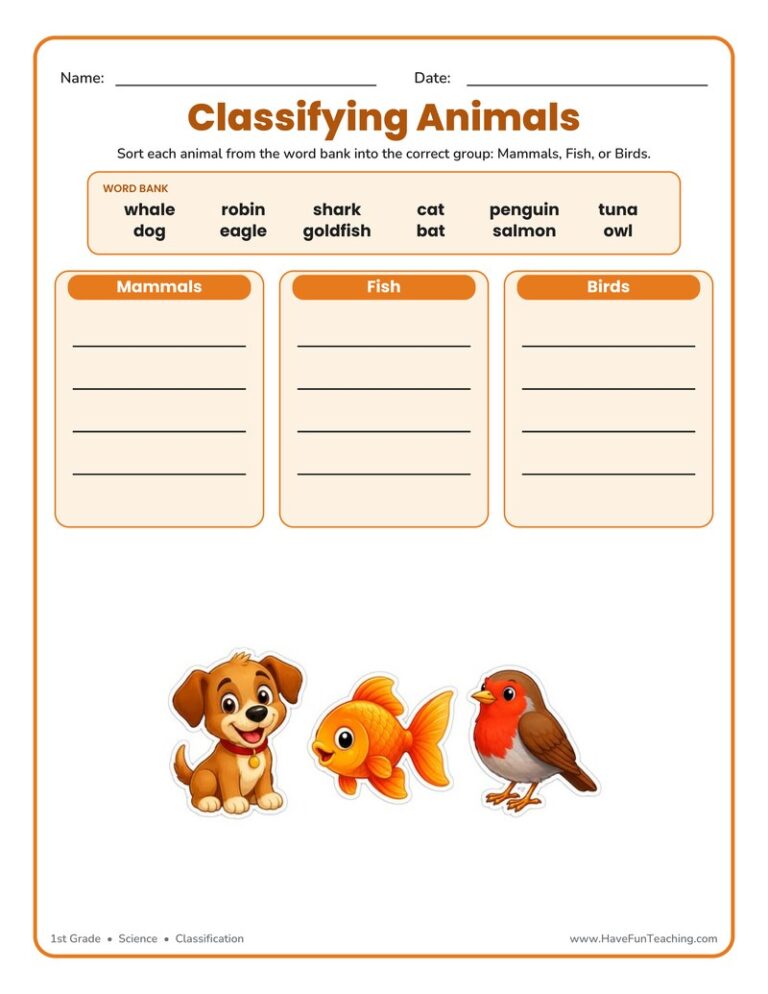
Worksheet1st GradeMammals, Fish, or Birds Classifying Animals Worksheet

A 1st grade Mammals, Fish, or Birds Classifying Animals Worksheet where students sort a word bank of animals into three groups. Includes a complete answer key for quick, no-prep science practice.

Worksheet
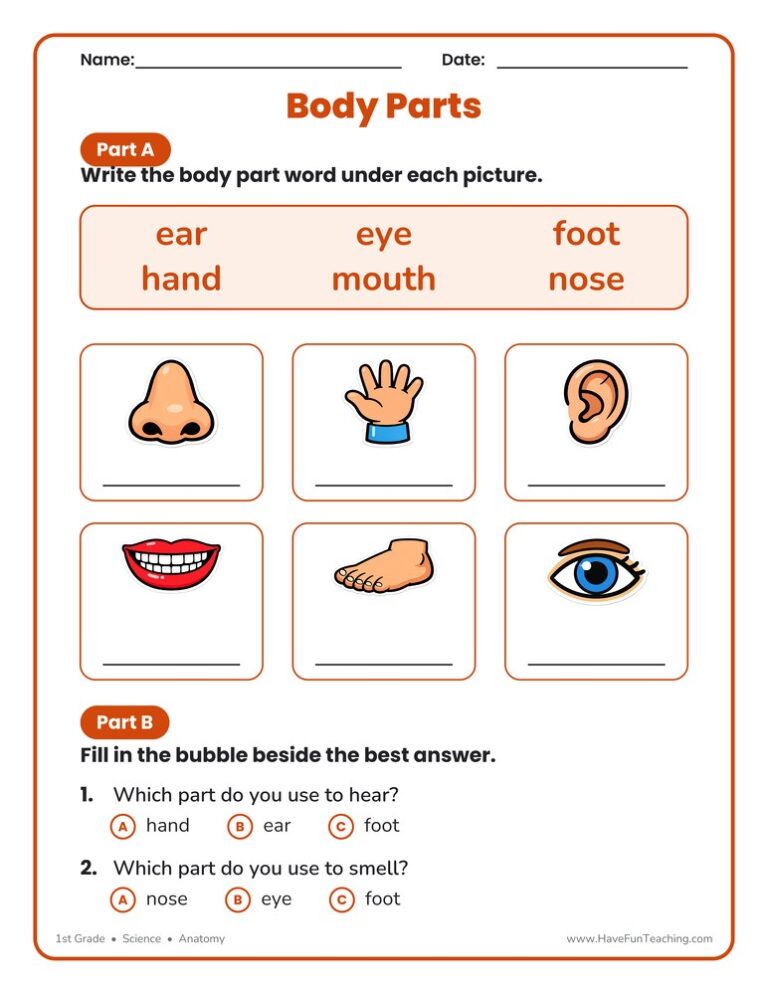
Worksheet1st GradeBody Parts Worksheet

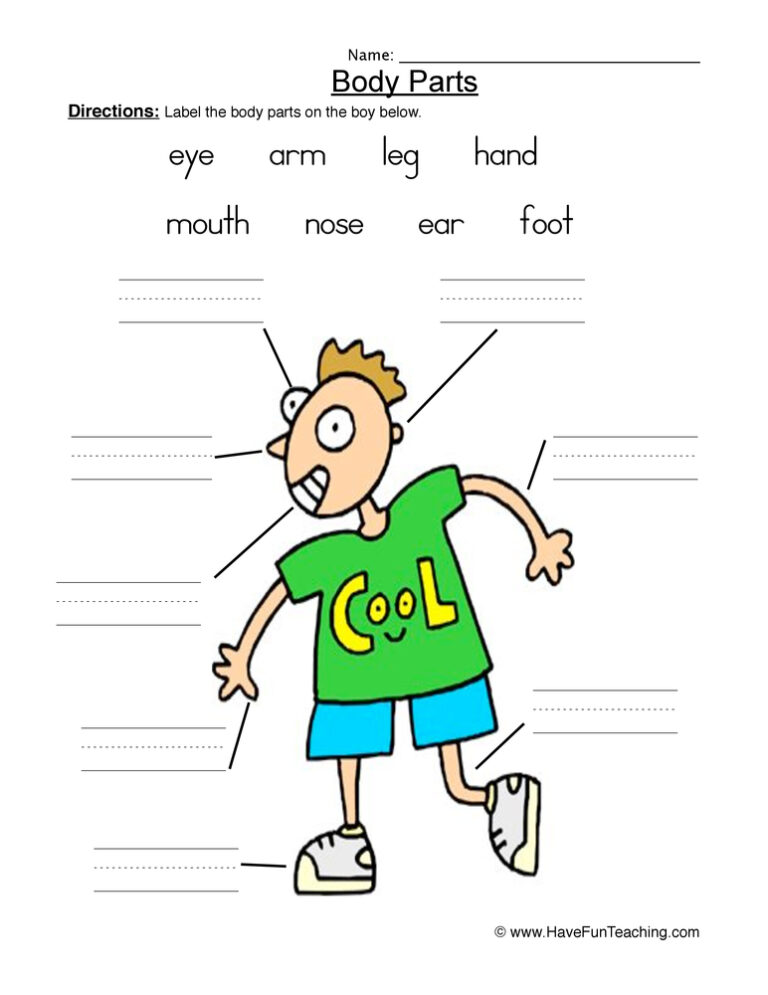
This Body Parts Worksheet helps 1st Grade students name the nose, hand, ear, mouth, foot, and eye with a picture word bank, then show what each part does. Answer key included.

Worksheet
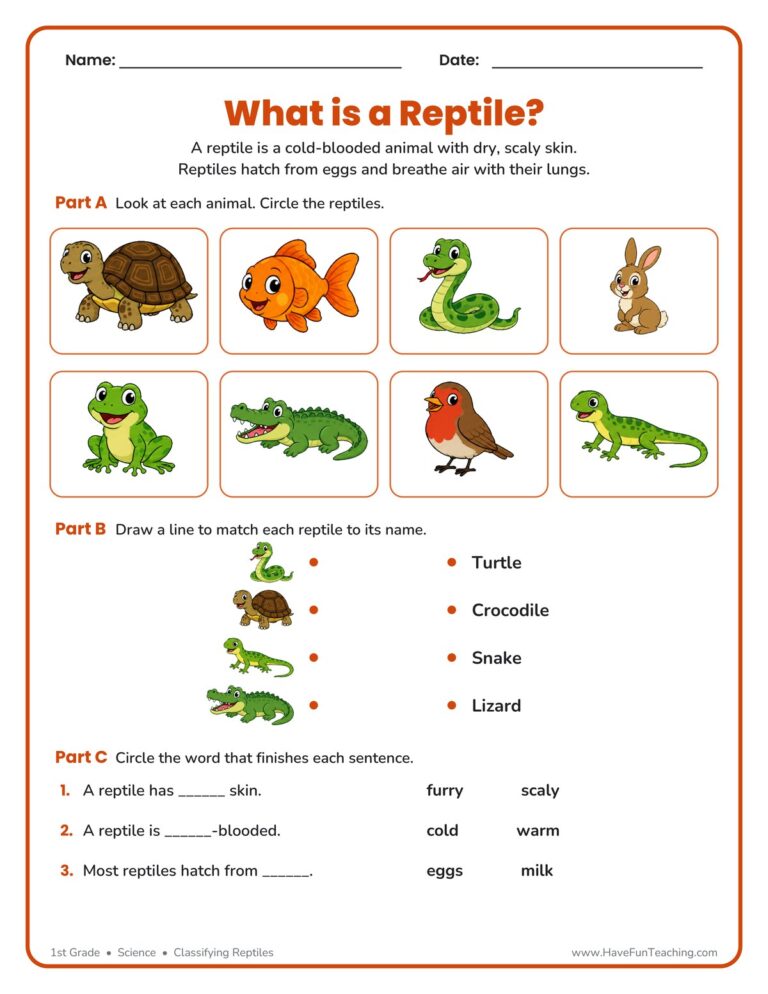
Worksheet1st GradeReptile Classification Worksheet

This reptile classification worksheet helps 1st graders sort animals by circling reptiles, matching them to their names, and completing simple reptile facts. Includes a complete answer key for fast, no-prep life science practice.

Worksheet
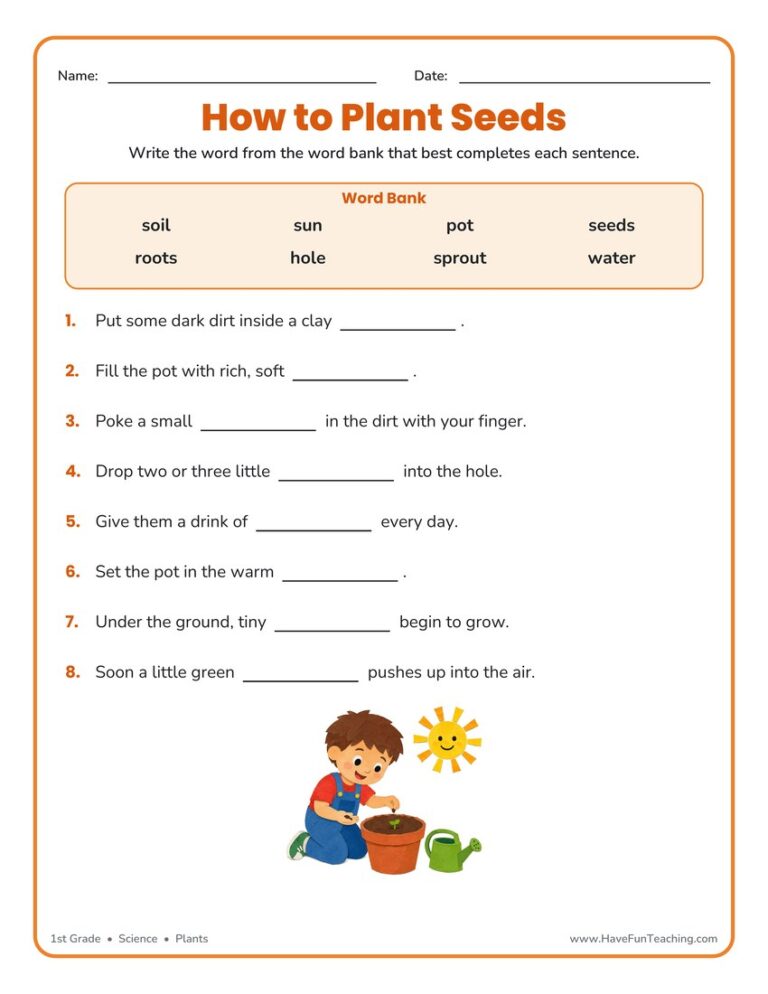
Worksheet1st GradeSeeds Plants Fill in the Blanks Worksheet

This Seeds Plants Fill in the Blanks Worksheet lets 1st graders use a word bank to complete eight sentences about how to plant a seed and help it grow. An answer key is included for quick, no-prep science practice.

Worksheet
Worksheet1st GradeSenses Touch Worksheet

This senses touch worksheet has first grade students circle the objects that feel soft, then write texture words to finish three sentences. An answer key is included, so checking the work takes seconds.

Worksheet
Worksheet1st GradeAnimal Names Worksheet

Students label nine friendly animal pictures using a nine-word bank in this animal names worksheet. Built for 1st Grade science, with an answer key included so checking work takes seconds.

Worksheet
Worksheet1st GradeImportance of Farming Worksheet

Use this Importance of Farming Worksheet to help 1st Grade students sort six farm foods into plants and animals and decide what farms really give people. Answer key included for fast, no-prep science practice.

Worksheet
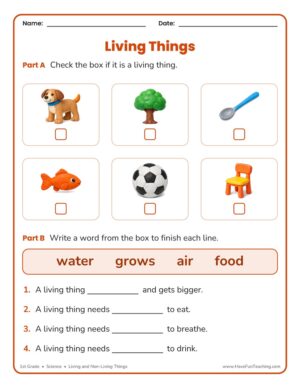
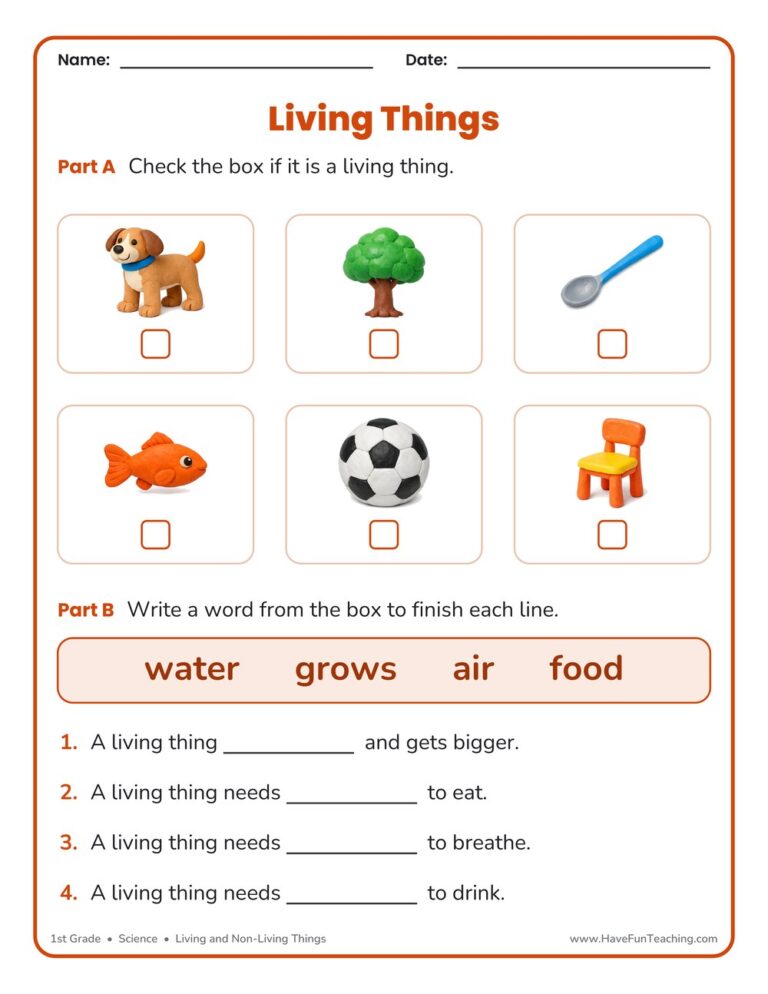
Worksheet1st GradeDescribing Characteristics Living Things Worksheet

This Describing Characteristics Living Things Worksheet asks first graders to check off six pictures and finish four sentences about what living things need. Answer key included for fast, no-prep science practice.

Worksheet
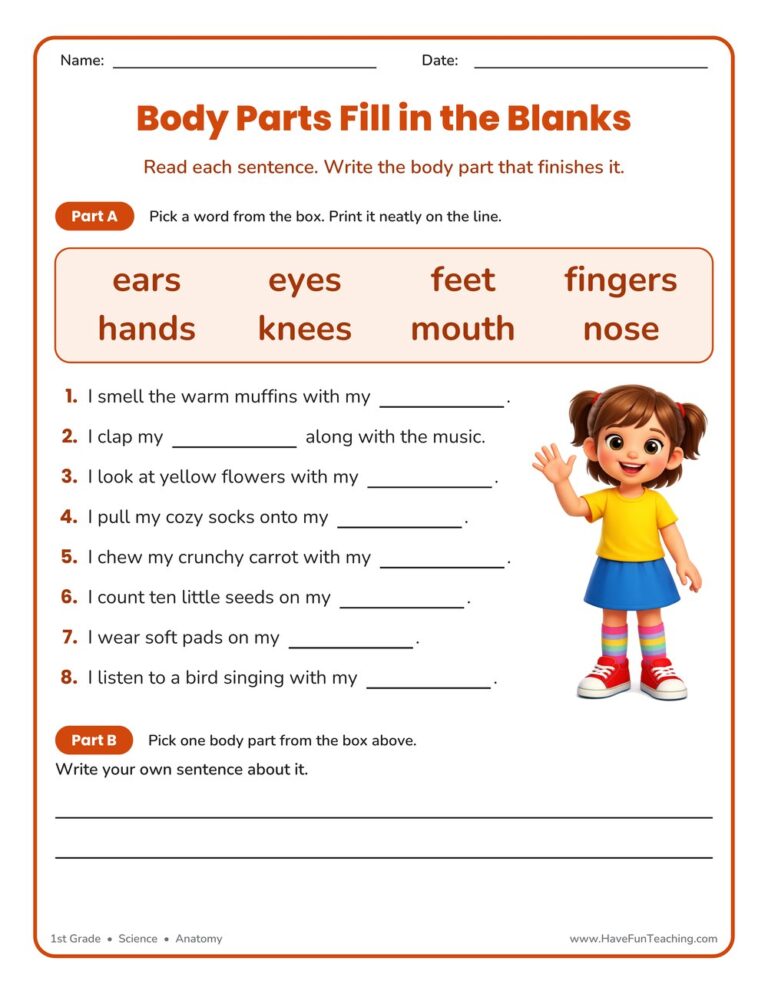
Worksheet1st GradeBody Parts Fill in the Blanks Worksheet

Students use a word box to complete eight sentences with the body parts fill in the blanks worksheet, then write one of their own. Built for 1st Grade with an answer key included, it makes naming body parts simple.

Worksheet
Worksheet1st GradeBasic Fish Parts Worksheet

This Basic Fish Parts Worksheet asks 1st graders to label six numbered parts on a big, friendly fish using a word box. An answer key is included, so science practice takes no prep at all.

Worksheet
Worksheet1st GradePlant Parts We Eat Worksheet

This Plant Parts We Eat Worksheet helps 1st graders match eight foods to the plant part we eat, using a helpful word box. Includes an answer key for easy, no-prep plant science practice.

Worksheet
Worksheet1st GradeSenses Smell Worksheet

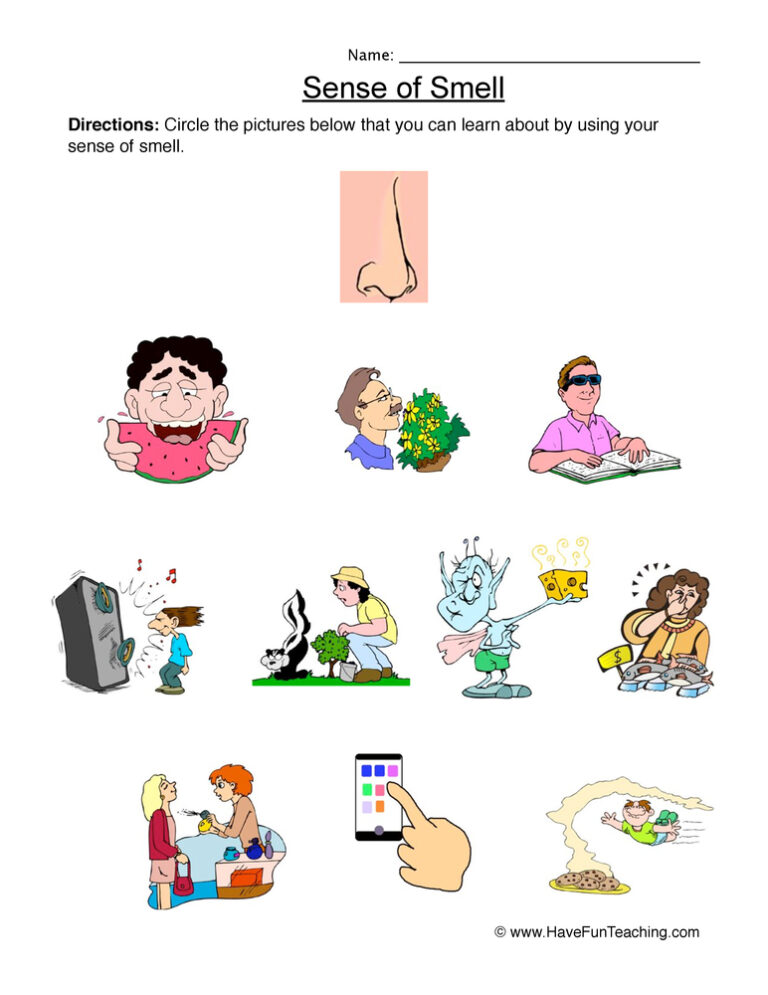
This senses smell worksheet asks 1st graders to circle the things that carry a strong smell, then finish three sentences from a word box. Answer key included for teachers and homeschool parents.

Worksheet
Worksheet1st GradeAnimal Riddles Worksheet

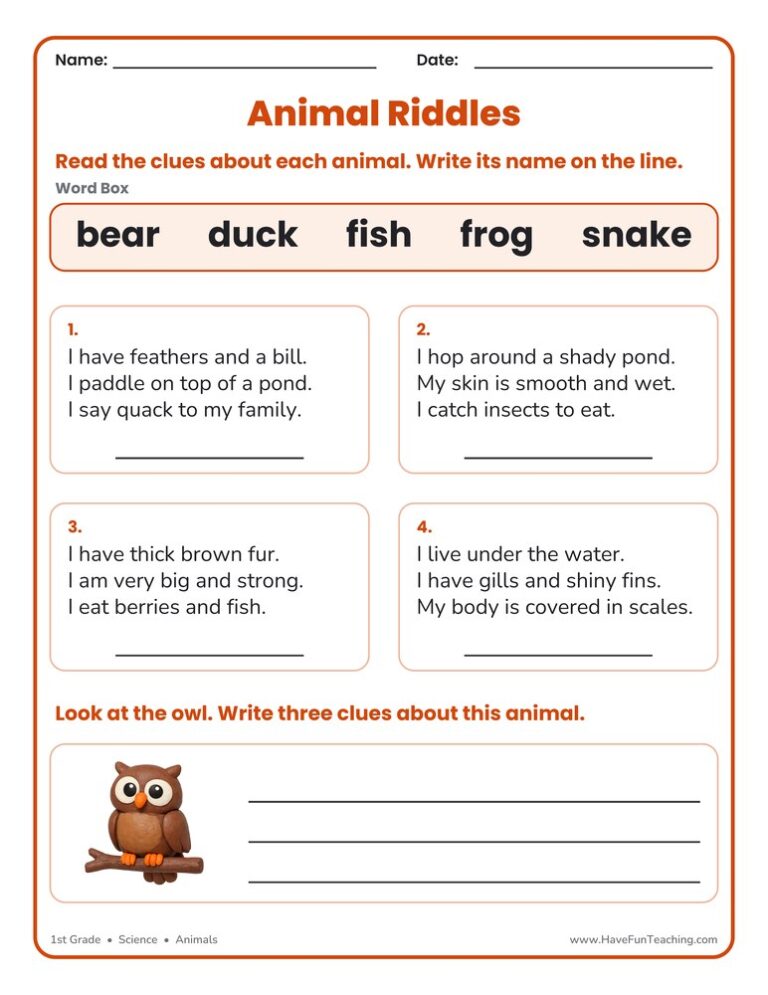
This animal riddles worksheet has first graders read three clues about an animal, choose its name from a word box, and then write their own clues about an owl. Answer key included for quick, no-prep science practice.

Worksheet
Worksheet1st GradeUsing Your Five Senses Worksheet

The Using Your Five Senses Worksheet helps 1st grade students find the main topic of a five senses passage and match each sense to its body part. Answer key included to build reading confidence.

Worksheet
Worksheet1st GradeBoy Body Parts Worksheet

This Boy Body Parts Worksheet asks first grade students to use a word box and label six parts on a drawing of a boy. An answer key is included, so science vocabulary practice is ready to print and go.

Worksheet
Worksheet1st GradeParents Offspring Worksheet

This parents offspring worksheet has 1st Grade students match five baby animals to their parents, then write each baby's name from a trait it shares. An answer key is included.

Worksheet
Worksheet1st GradeOcean Animal Habitat Worksheet

This Ocean Animal Habitat Worksheet has 1st graders circle the animals that live in the sea, then write the three names on wide handwriting lines. Answer key included for quick, no-prep science practice.

Worksheet
Worksheet1st GradeGirl Body Parts Worksheet

This Girl Body Parts Worksheet has first grade students read a word box and label six body parts on a picture of a girl. An answer key is included for easy checking.

Worksheet
Worksheet1st GradePlant Riddles Worksheet

This Plant Riddles Worksheet gives 1st Grade students four three-clue riddles about plants and a word box to answer them from. An answer key is included.

Worksheet
Worksheet1st GradeWhat is in the Bag? Five Senses Worksheet

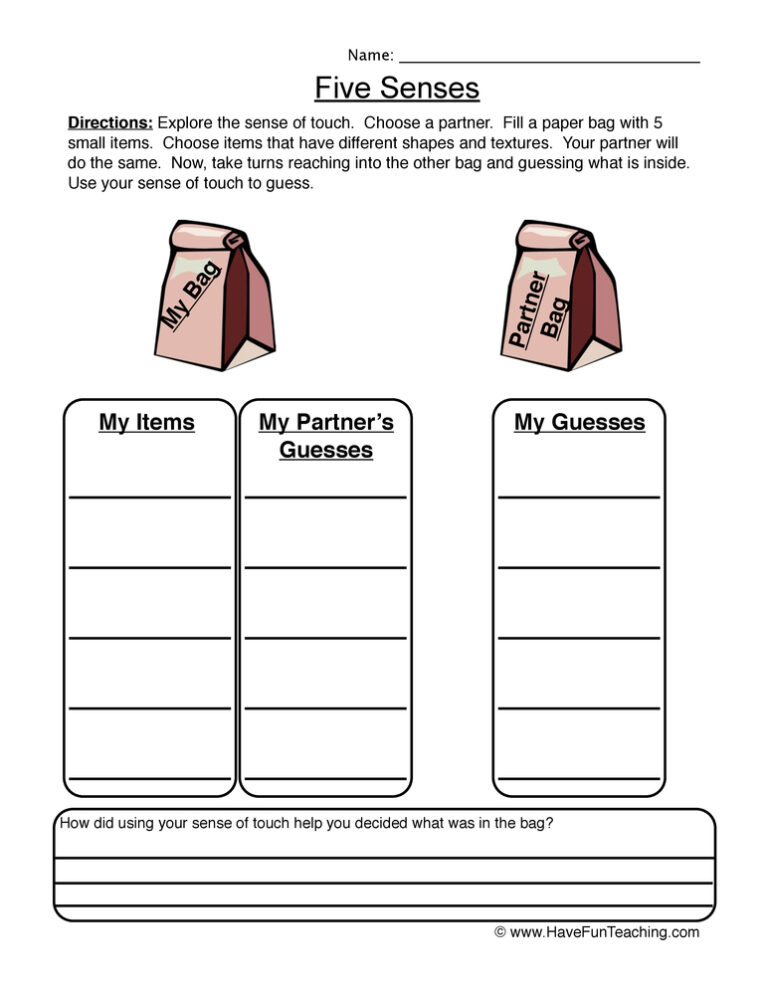
In this what is in the bag five senses worksheet, 1st graders read touch clues to name four mystery objects. Includes an answer key and builds sense-of-touch vocabulary.

From our teachers' playbook

Roots, fins, fur and five senses

What do 1st graders learn in life science?

First graders look closely at living things and ask, "How does this help it survive?" They learn that plants have parts with jobs, roots drink · stems hold up · leaves make food, and that animals use body parts like claws, fins and shells to find food and stay safe. They notice that baby animals look a lot like their parents, but not exactly, and that parents help their young survive. They sort animals into groups and use their five senses to observe. The click moment is when kids start inventing their own ideas from nature, like a helmet shaped like a turtle shell.

Our favorite ways to teach life science

First grade science should be hands-on, loud and full of questions. These moves make that happen.

Sing about mammals

Play the Mammal Song and have kids stand up every time they hear a feature, like fur or drinking milk. Afterwards, they list the features they remember and check them against the song.

Why it works: a catchy, repeating tune gives the brain a hook to hang words on, so sung text is remembered better (Wallace, 1994).

Mammal SongTry it withMammal SongSongsOpen it →

Sort the animal cards

Give each group animal pictures and three labels: mammals, fish, birds. Kids sort, then explain one clue that made them decide. The worksheet afterwards shows who really got it.

Why it works: kids understand an idea best when they touch it, then draw it, then write it, the order the U.S. Department of Education recommends for elementary math.

Mammals, Fish, or Birds Classifying Animals WorksheetTry it withMammals, Fish, or Birds Classifying Animals WorksheetWorksheetsOpen it →

Snack-time plant parts

Bring in carrots, celery, lettuce and seeds. Kids match each snack to the plant part it comes from, then draw a plant and label the parts we eat. Delicious science!

Why it works: pairing a picture with each word gives kids two ways to remember it, a well-tested principle of how people learn (Mayer, 2009).

Plant Parts We Eat WorksheetTry it withPlant Parts We Eat WorksheetWorksheetsOpen it →

Questions teachers and parents ask

What is life science in 1st grade?

First grade life science covers plant and animal parts and their jobs, how young animals resemble their parents, how parents care for their young, animal groups and using the five senses to observe living things.

What are the parts of a plant for 1st grade?

First graders learn roots, stems, leaves, flowers and seeds. Roots take in water, the stem holds the plant up, leaves make food, flowers make seeds and seeds grow new plants.

How do animals use their body parts to survive?

Animals use body parts to eat, move, protect themselves and stay warm. A bird uses its beak to crack seeds, a turtle hides in its shell and a fish uses fins to swim.

How can I teach life science at home?

Go on a backyard or park walk and look for living things. Ask your child to describe them with their five senses and guess how each part helps the plant or animal survive.