3 days free
Ready for the whole library?
You’ve had your freebie — but members download 10,000+ resources for every grade, all year long. Try it free — $0 today, cancel anytime.
Free for teachers
Pick your grade. We’ll send 10 free resources.
Worksheets, activities and a video — picked for your classroom, ready to print tonight.
One free bundle per teacher. We’ll also send free teaching ideas each week — unsubscribe anytime.




With this picture matching sentences worksheet, first graders read six short sentences and label the picture each one describes. Answer key included, so checking work takes seconds.

The Parts of a Book Worksheet helps Kindergarten readers name the front cover, back cover, and pages, then trace each word. Includes an answer key — a fun, no-prep way to build early print concepts.

This Using Non-Fiction Text Features Worksheet helps 2nd graders spot the title, subheadings, captions, bold words, and glossary on a real nonfiction page. Answer key included for quick, no-prep reading practice.

This Nonfiction Text Features Worksheet helps 2nd graders match key text features and use a Table of Contents and Index to find information. An answer key is included for quick, no-prep reading practice.
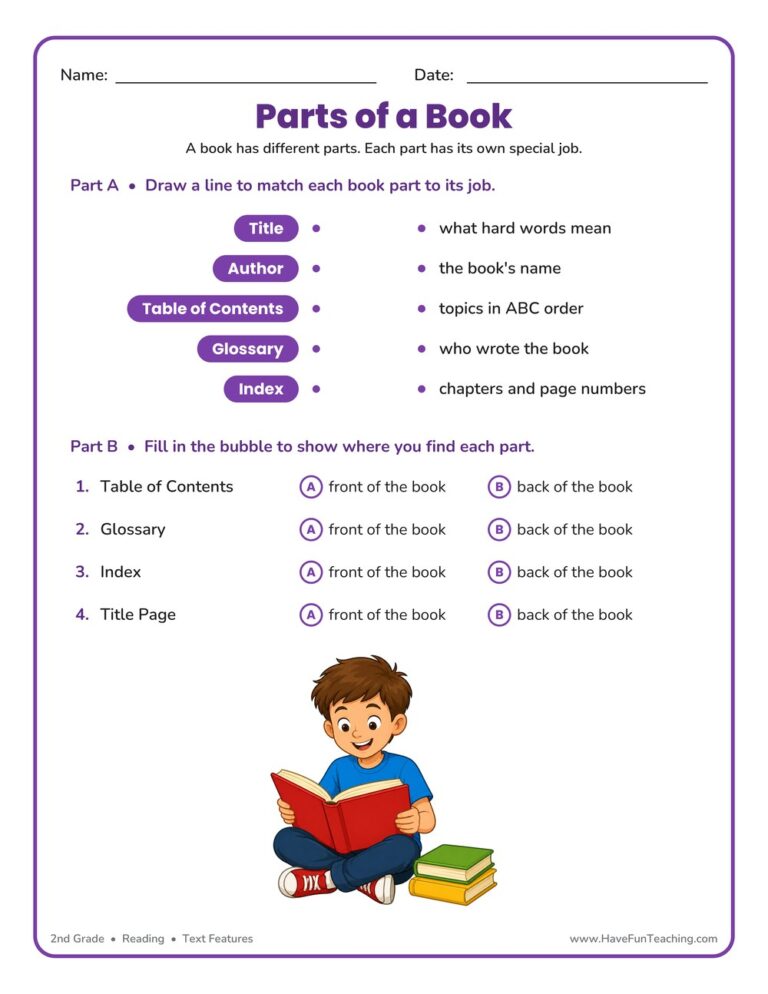
This Book Parts Worksheet helps 2nd graders identify the title, table of contents, glossary, and index, and where to find each part of a book. An answer key is included for quick, no-prep reading practice.

The Locating Nonfiction Text Features Worksheet asks 3rd Grade readers to name six features cut from one nonfiction page about honey bees, then explain one choice. Answer key included for fast, confident nonfiction reading.
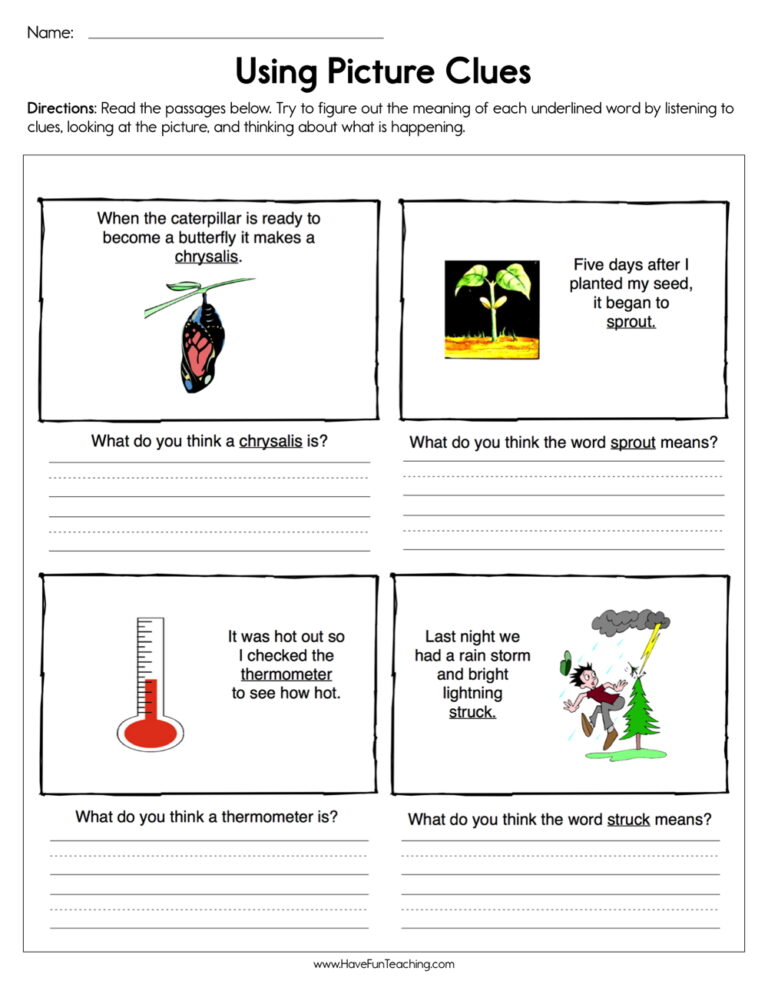
This Using Picture Clues Worksheet gives first graders four illustrated sentences and asks them to figure out what each bold word means. An answer key is included, so it is ready for quick, no-prep reading practice.
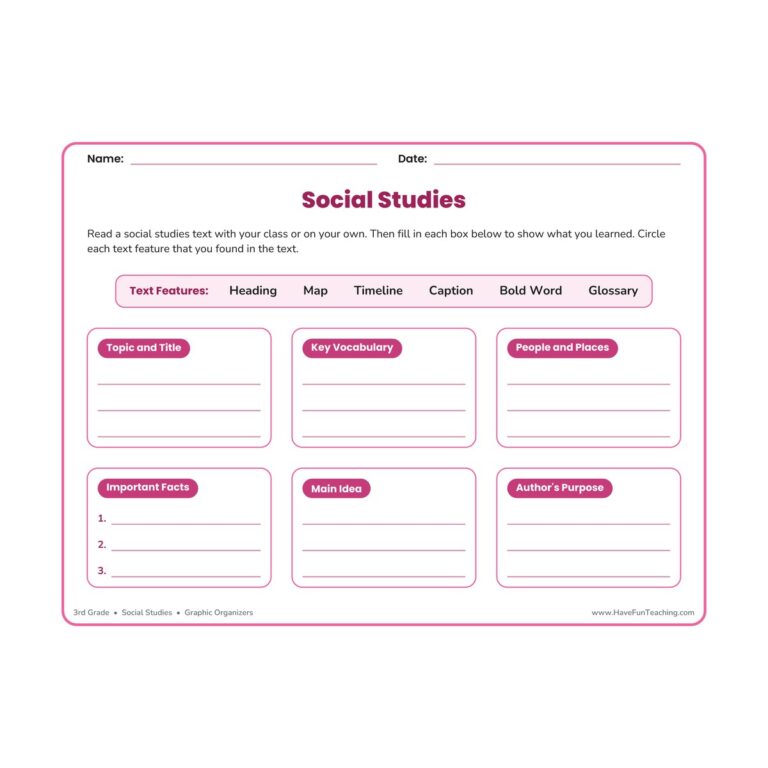
A one-page social studies graphic organizer worksheet for 3rd graders to capture the topic, key vocabulary, people, three facts, main idea, and author's purpose from any nonfiction text.
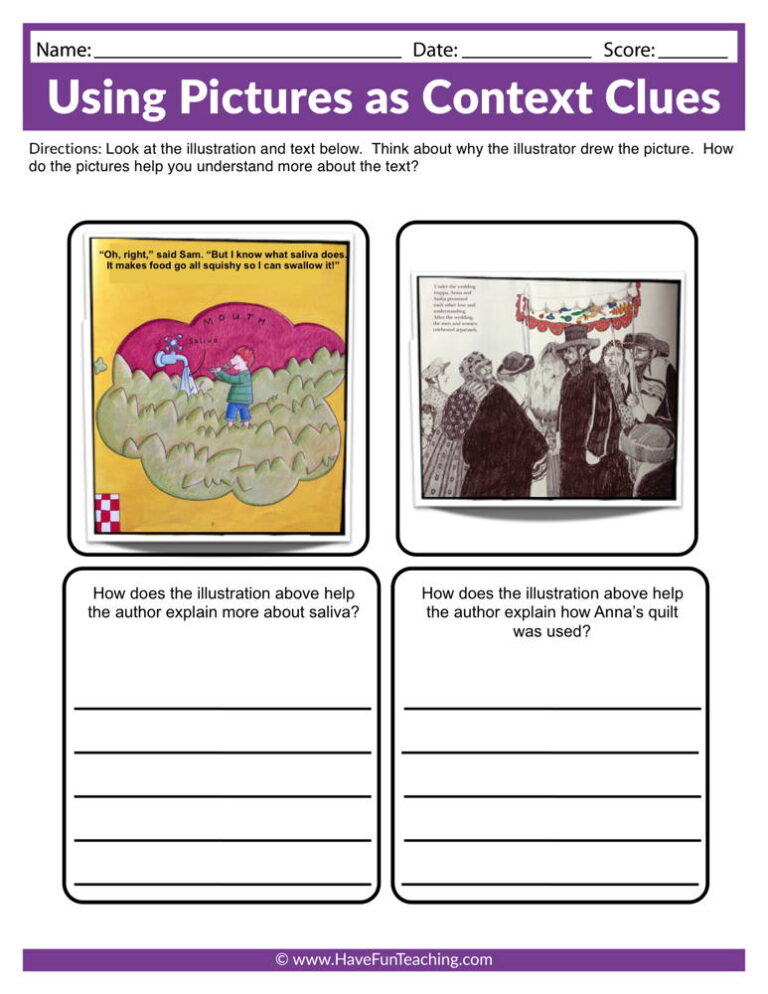
This Using Pictures as Context Clues Worksheet helps 1st Grade readers use an illustration and the words around a new word to find its meaning, with five questions and an answer key included.
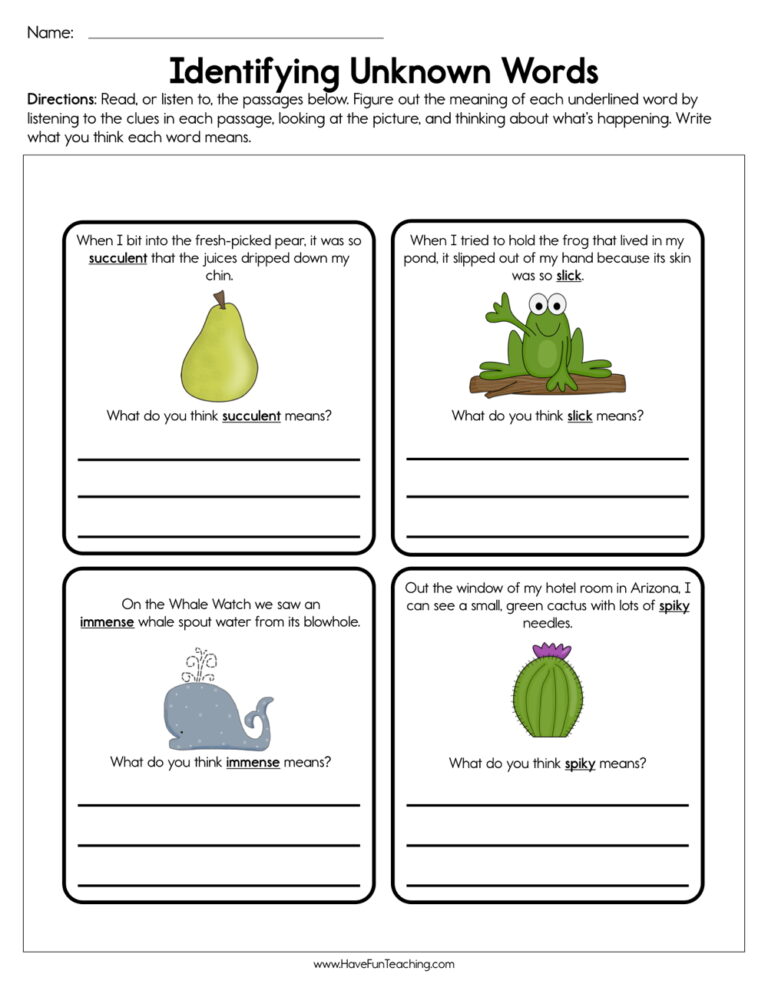
This Identifying Unknown Words Worksheet gives 2nd graders four illustrated passages and asks them to use context clues to choose what each underlined word means. Answer key included for fast, confident vocabulary practice.
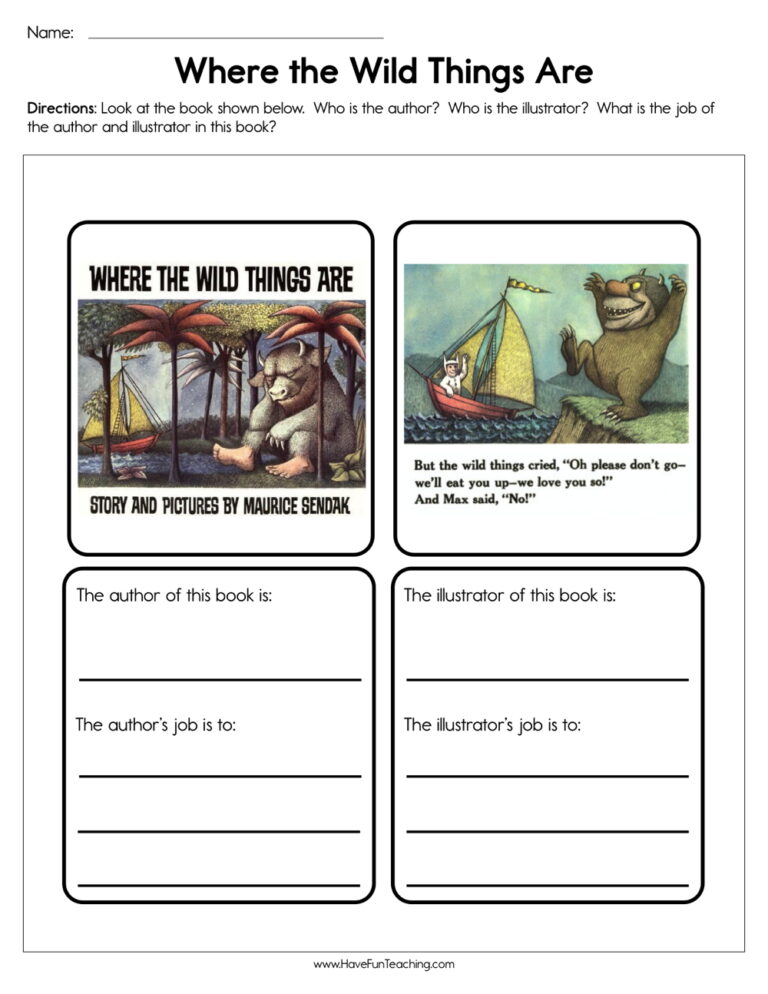
Using this Where the Wild Things Are Worksheet, students describe the title, author, and illustrator of Where the Wild Things Are.
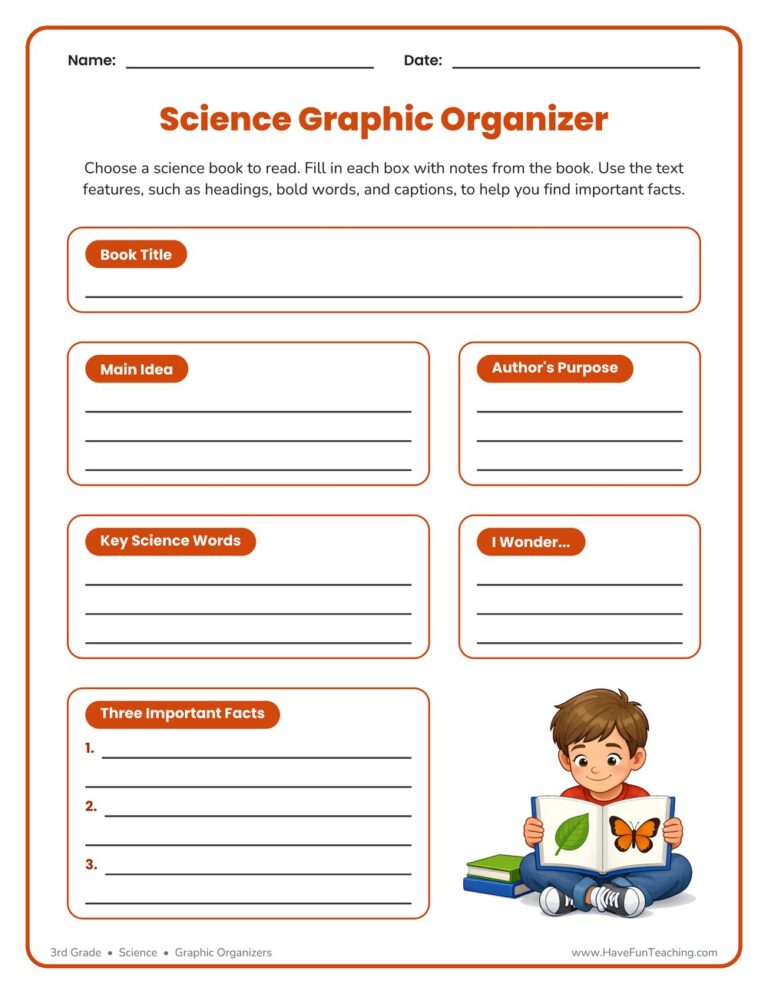
This science graphic organizer worksheet helps 3rd graders take notes on any nonfiction science book, from main idea and author’s purpose to key science words and three important facts. A reusable page that turns reading into real understanding.

This Using Text or Pictures to Find Information Worksheet asks 2nd graders to decide whether each fact came from the words or the picture. An answer key is included, so nonfiction practice takes no prep.

The Understanding Meaning The Venus Fly Trap Worksheet gives 1st graders a short non-fiction passage and five context clue questions. An answer key is included, so students can check their thinking and point to the sentence that proves it.
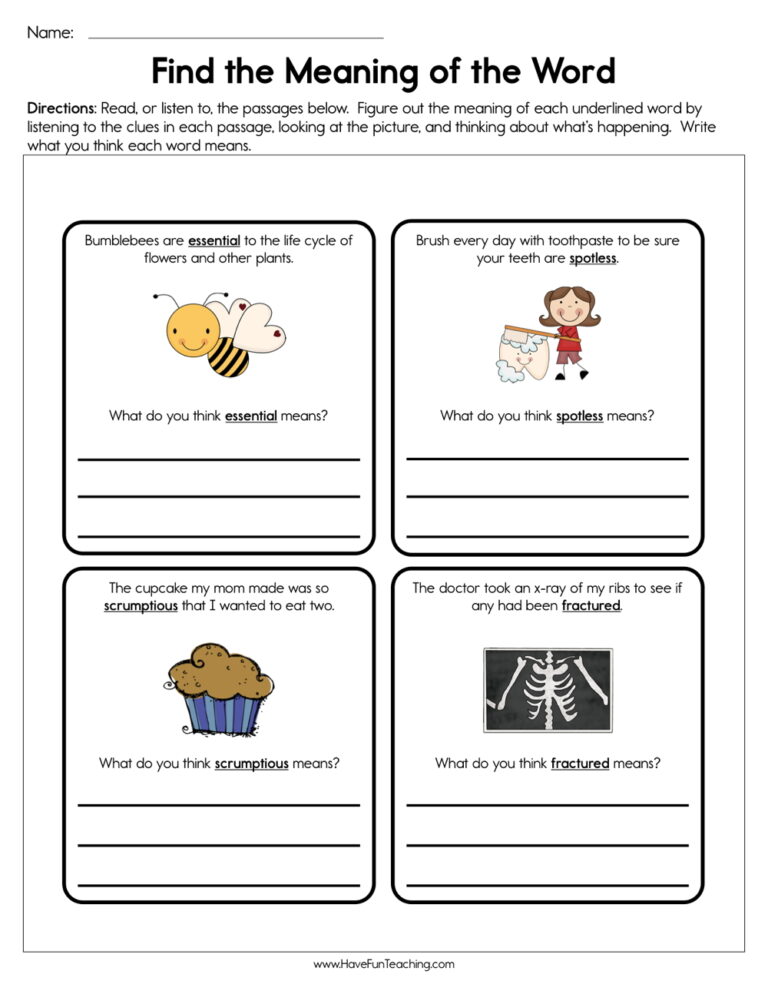
The Find the Meaning of the Word Worksheet gives 1st graders a short non-fiction passage and five context clue questions. An answer key is included, so children can check their thinking and point to the sentence that proves it.
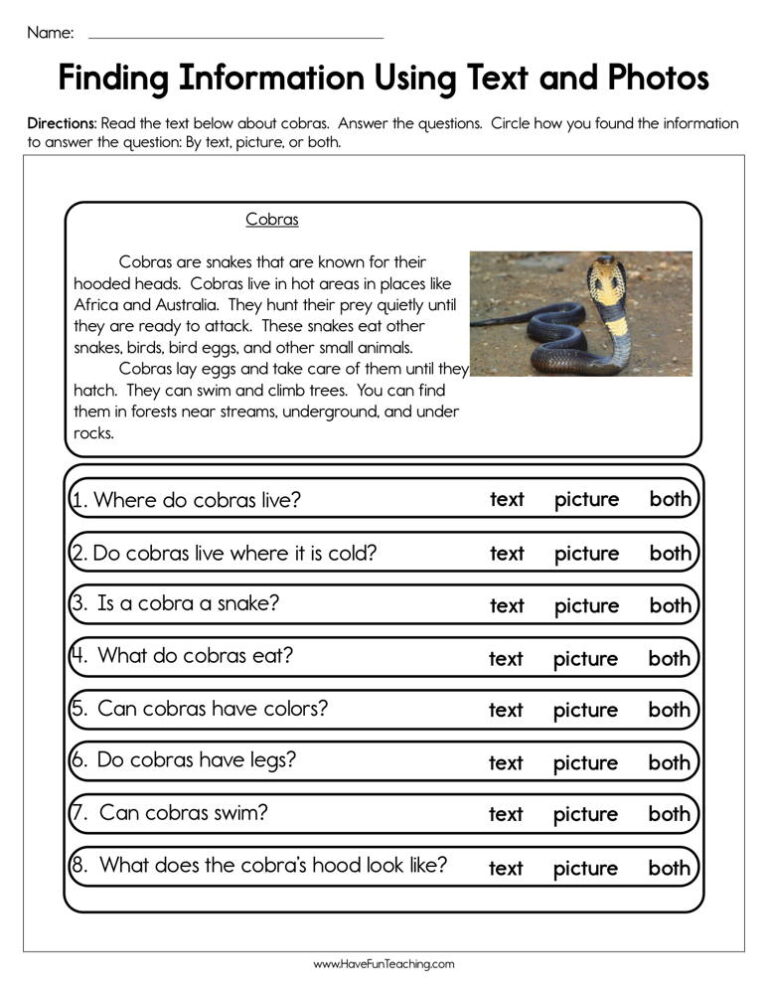
A beaver-themed Finding Information Using Text and Photos Worksheet that has 1st graders decide whether each answer came from the words, the picture, or both. Answer key included for fast, no-prep nonfiction reading practice.

A locating nonfiction text features examples worksheet that has 2nd graders name the heading, caption, index, and bold word in four real book snippets. Answer key included for fast, no-prep nonfiction reading practice.
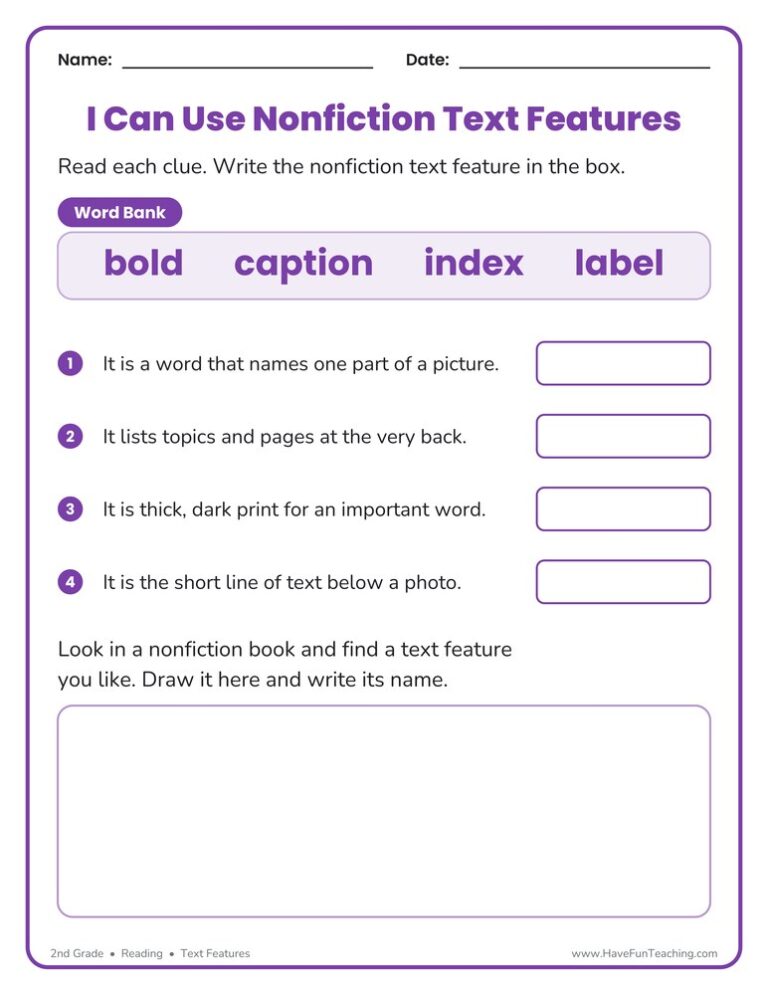
This I Can Use Nonfiction Text Features worksheet helps 2nd grade students name bold print, captions, labels, and the index, then find one in a real book. An answer key makes checking easy.
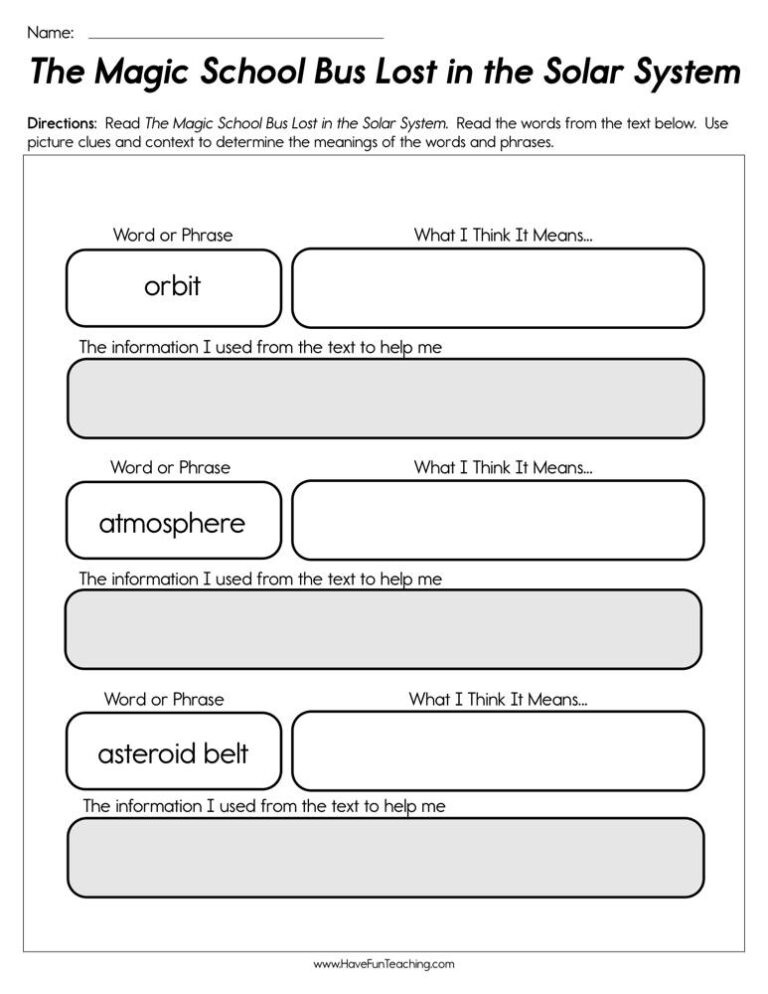
Using The Magic School Bus Lost in the Solar System Worksheet, students read The Magic School Bus Lost in the Solar System to determine the meanings of these words and phrases.

This informational text vocabulary worksheet gives 2nd grade students a short passage about how a seed grows, four bubble questions and one written response. An answer key is included.