
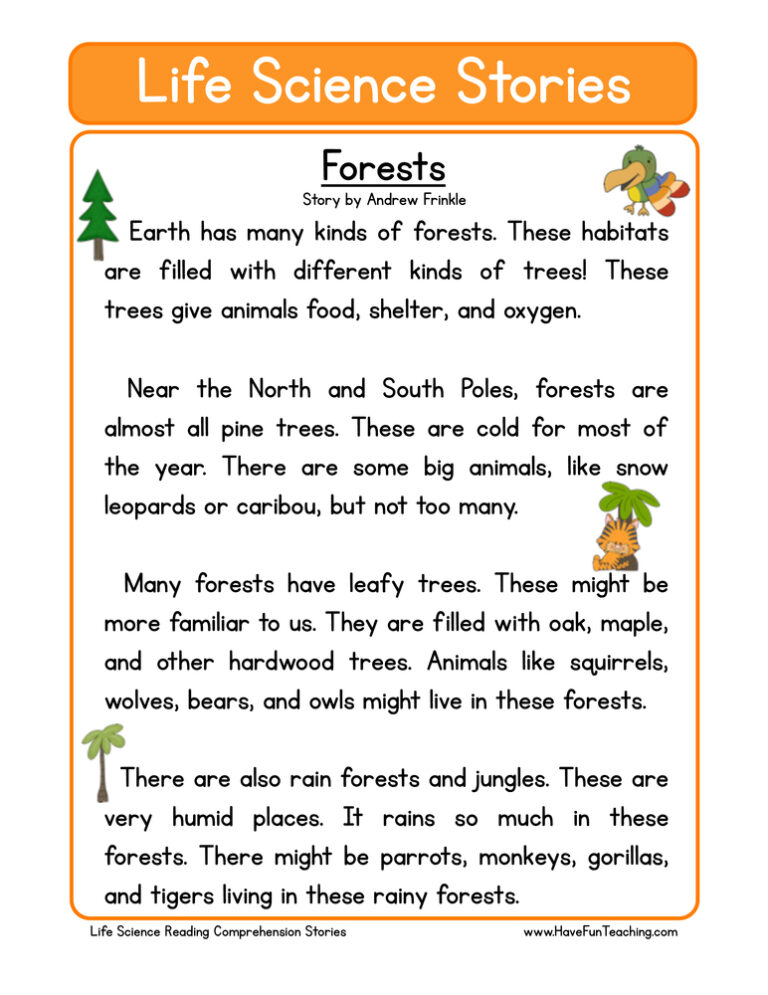
This Forests Life Science Reading Comprehension Worksheet gives 2nd graders a short non-fiction passage about pine, leafy, and rain forests, plus questions and an answer key. Great no-prep practice for main idea and key details.
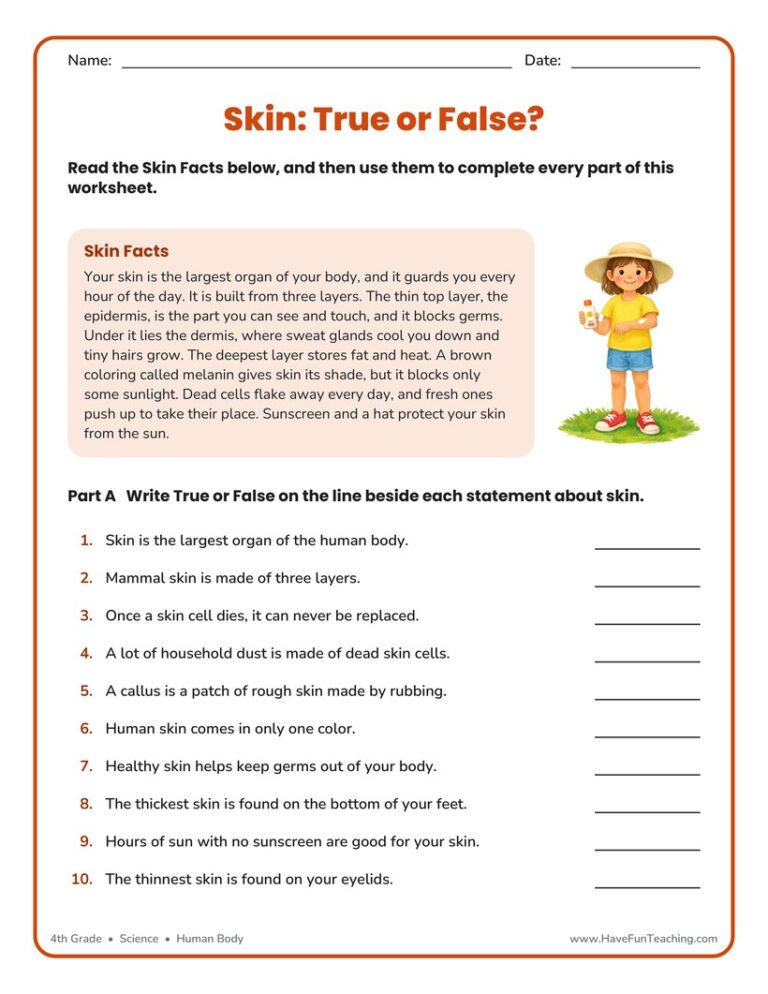
This Skin True or False Worksheet asks 4th grade students to judge ten skin facts, name the layers of the skin, and explain their thinking in writing. Answer key included, so science review takes minutes.
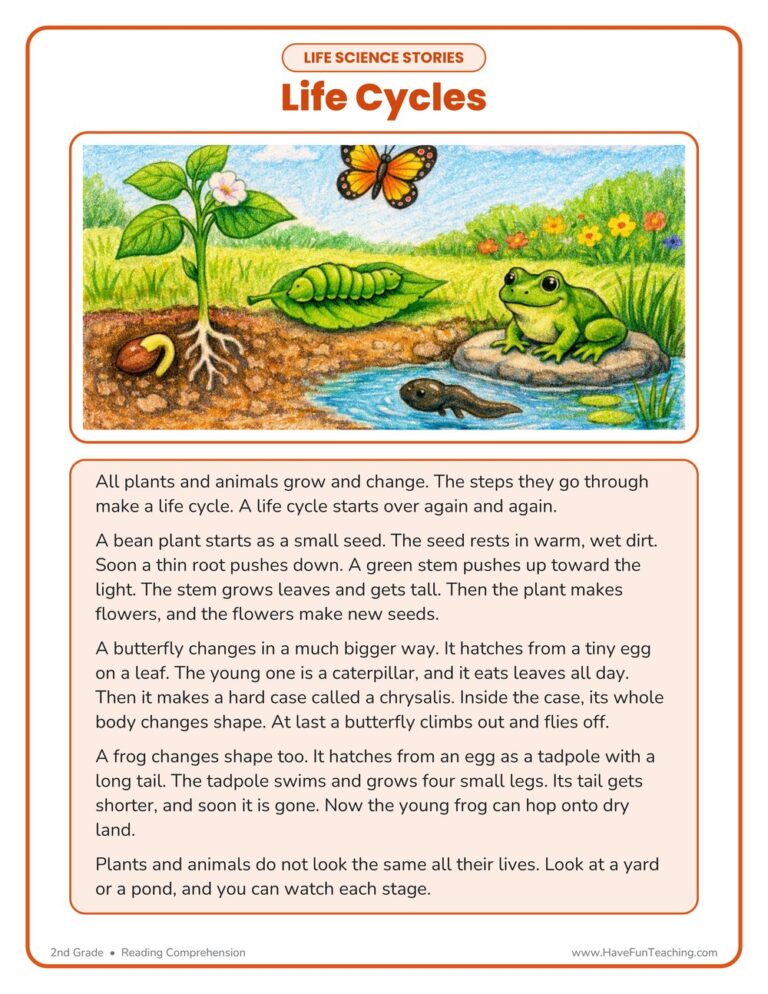
This Life Cycles Life Science Reading Comprehension Worksheet gives 2nd Grade readers a non-fiction story about seeds, caterpillars, and tadpoles, plus bubble, word-bank, and writing questions. Answer key included for fast, no-prep practice.

This food chain worksheet asks 4th grade students to match a producer and three consumers to their pictures and explain how energy moves. An answer key is included to make checking quick.
This plant parts worksheet asks 2nd grade students to name the plant part each of six familiar foods comes from, using a word box. An answer key is included, so checking work takes seconds.

Students read a three-animal research table on this Extinction Worksheet, then explain how people helped the bald eagle, giant panda, and sea otter. Built for 4th grade and includes an answer key, so science research practice takes no prep.
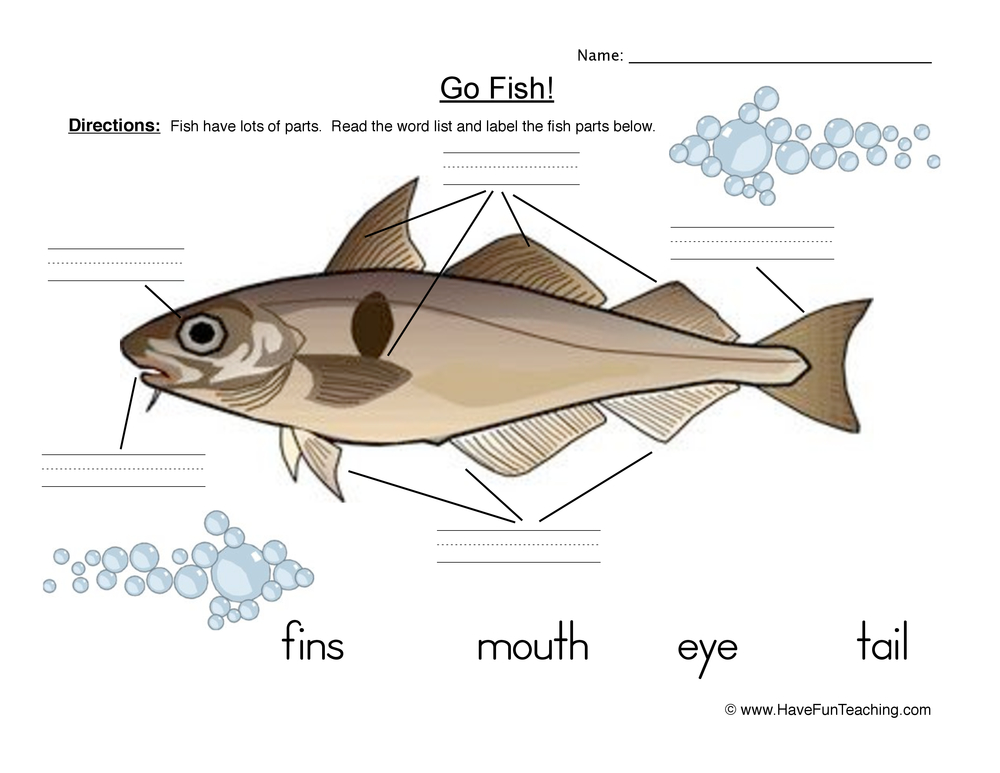
This Fish Parts Worksheet has kindergarten students label the eye, fin, mouth, and tail on a big numbered fish using a word box. An answer key is included for fast, easy checking.

This drawing fossils worksheet has 3rd graders sketch the imprint a fern leaf, seashell, fish and bird foot would leave in rock, then answer three written questions. Answer key included.
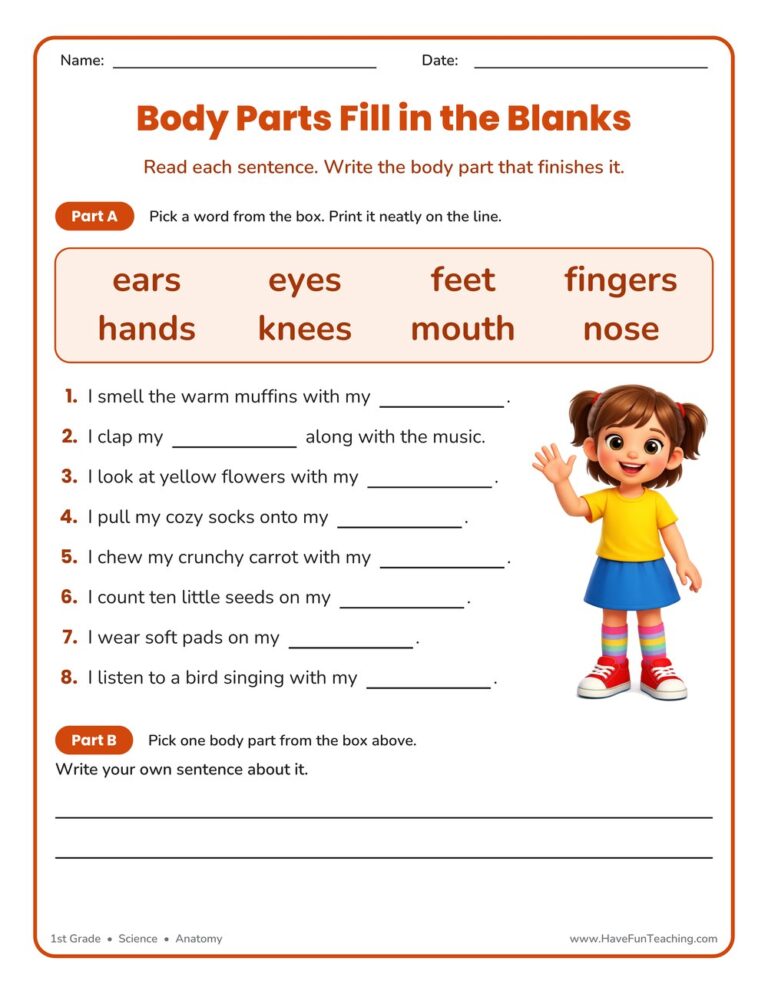
Students use a word box to complete eight sentences with the body parts fill in the blanks worksheet, then write one of their own. Built for 1st Grade with an answer key included, it makes naming body parts simple.
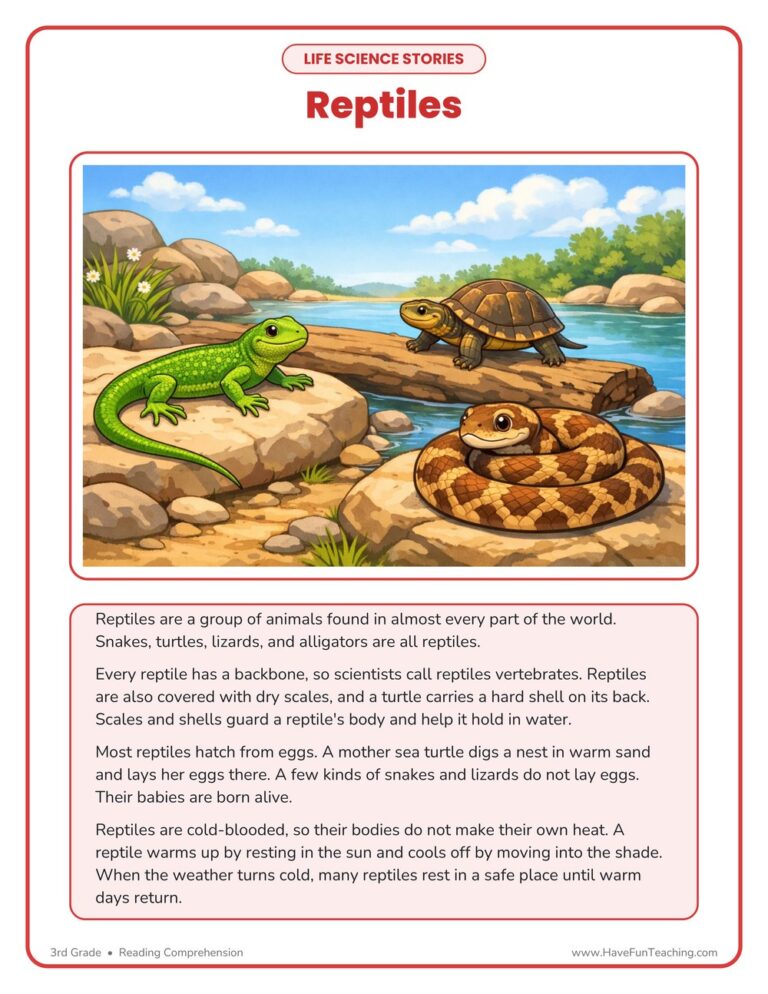
Build non-fiction reading skills with the Reptiles Life Science Reading Comprehension Worksheet, a 3rd grade passage about reptiles with comprehension questions and an answer key included. Reading and science practice in one page.

This bird classification worksheet asks 3rd grade students to sort eight animals into birds and not birds, then match four trait clues. A full answer key makes the sort quick to check.

This Basic Fish Parts Worksheet asks 1st graders to label six numbered parts on a big, friendly fish using a word box. An answer key is included, so science practice takes no prep at all.
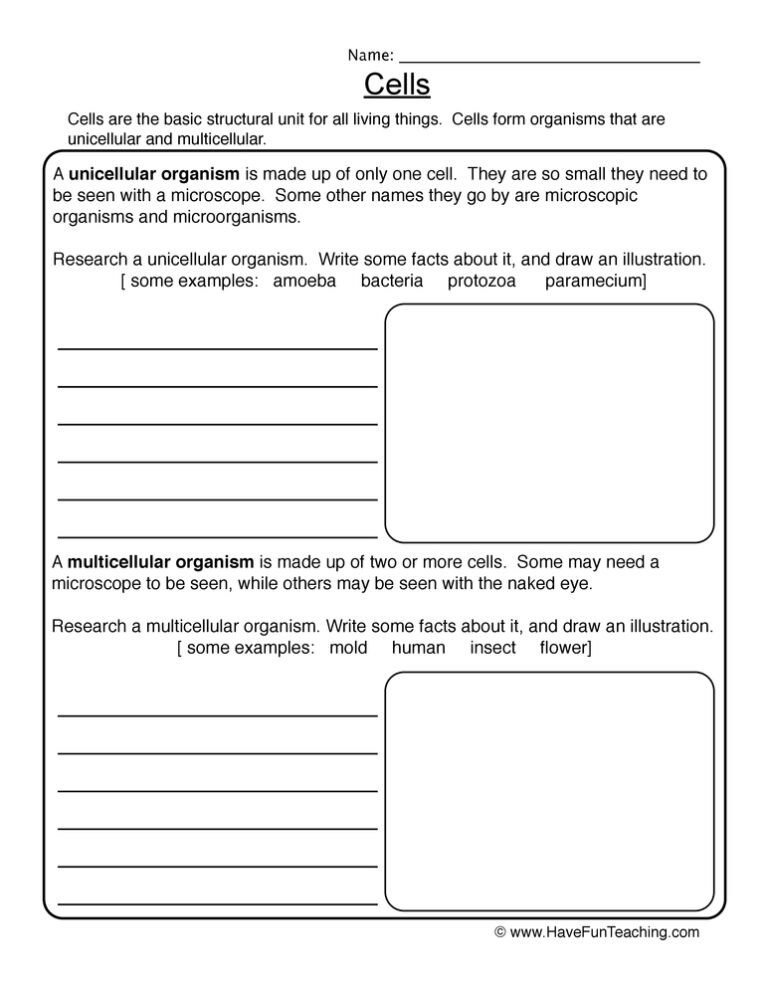
This cells worksheet has 5th graders sort eight living things into unicellular and multicellular columns, then use clues to classify four more. An answer key is included, so science practice is ready to print and grade in minutes.
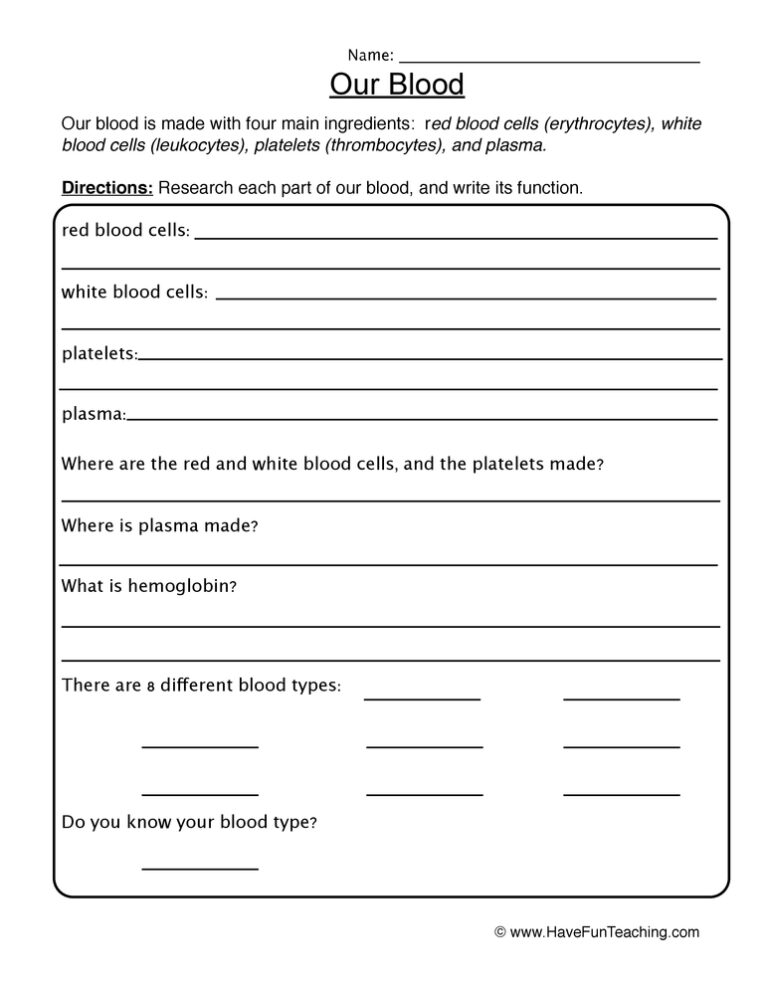
A Blood Worksheet that walks 4th graders through red blood cells, white blood cells, platelets, and plasma with matching, bubble questions, and a written response. Answer key included for fast, no-prep science practice.

Use this fish classification worksheet to help 2nd grade students circle the fish among six animals and name gills, fins, and scales. An answer key is included, so checking work takes seconds.
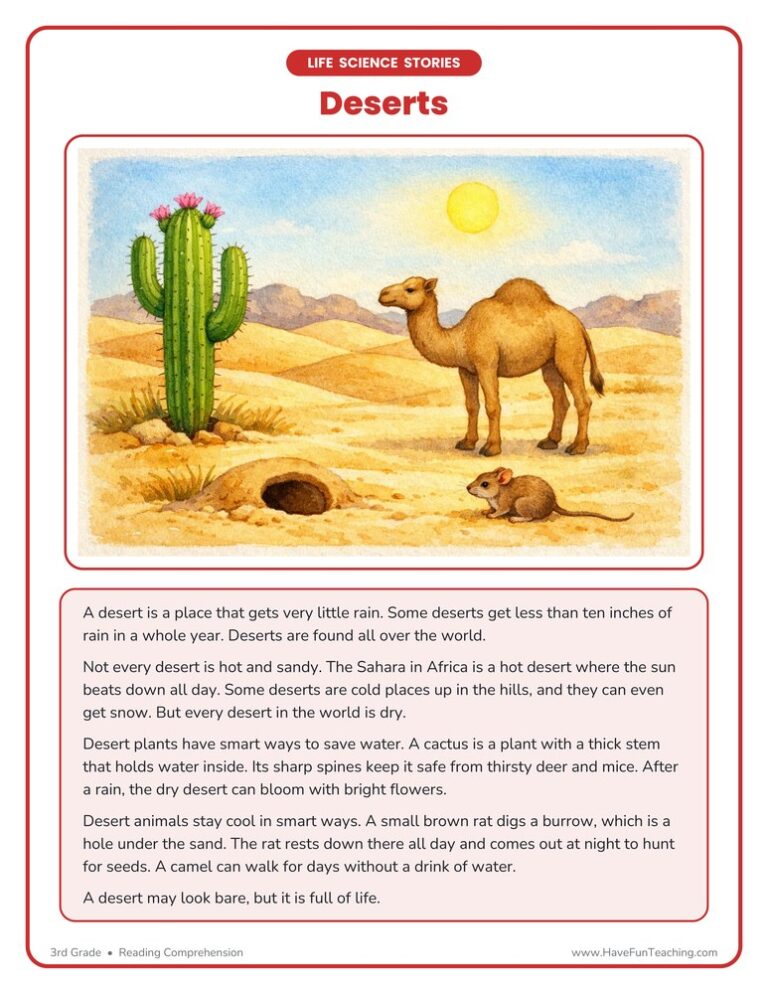
This Deserts Life Science Reading Comprehension Worksheet gives 3rd Grade readers a short nonfiction passage about hot and cold deserts, with comprehension questions and an answer key included, so science reading practice takes minutes to prep.
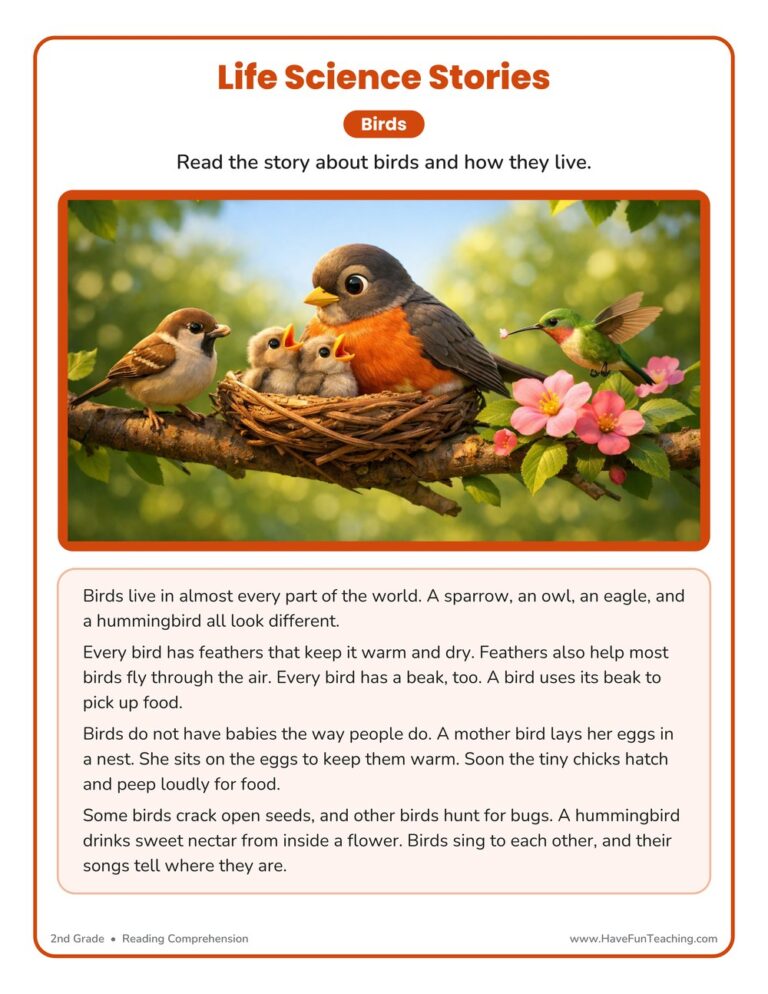
A nonfiction bird passage for 2nd graders, with questions on feathers, nests, and what birds eat. This Birds Life Science Reading Comprehension Worksheet includes an answer key for easy, no-prep science reading practice.
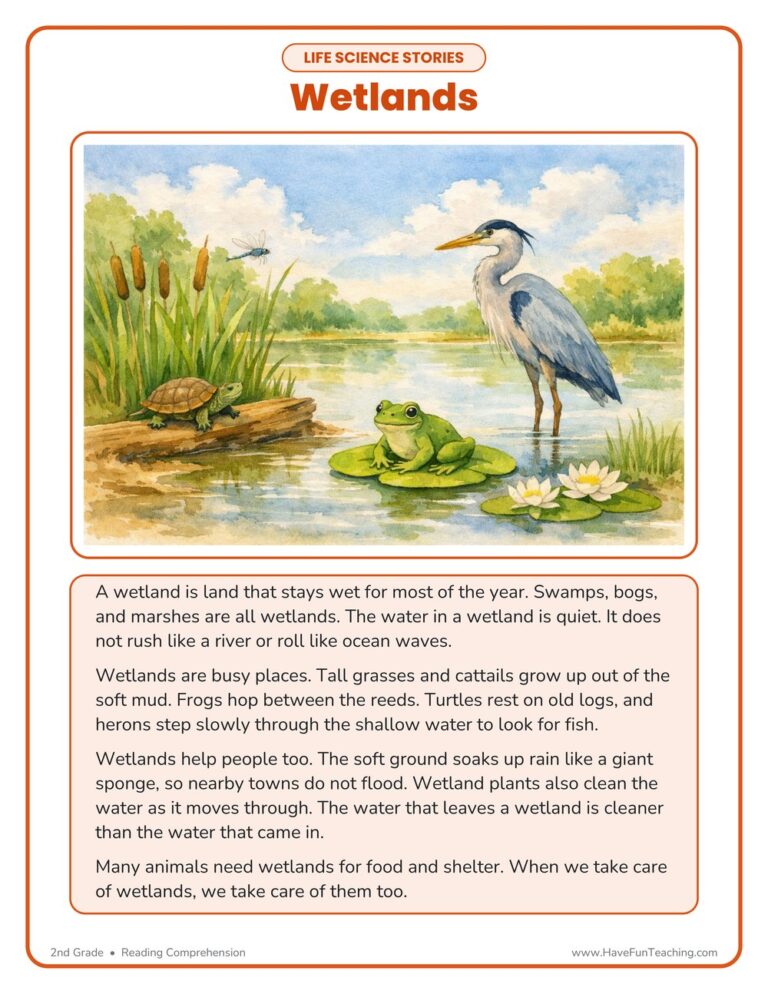
Explore swamps, bogs, and marshes with this wetlands life science reading comprehension worksheet. Second graders read a short nonfiction passage and answer six questions, and an answer key is included, so learning about habitats stays easy and fun.

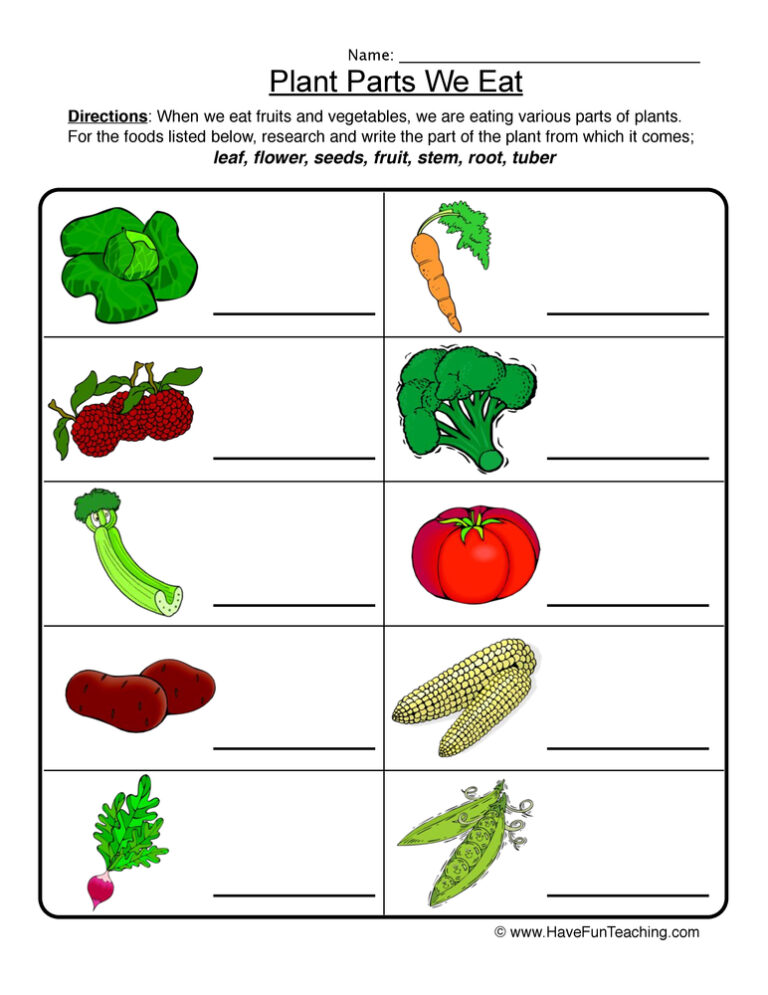
This Plant Parts We Eat Worksheet helps 1st graders match eight foods to the plant part we eat, using a helpful word box. Includes an answer key for easy, no-prep plant science practice.
This Plant Parts Drawing Worksheet has 2nd Grade students match each plant part to its job, then draw and label a whole plant. An answer key is included, so checking plant vocabulary is quick and easy.



