Skip to content
Start My 3 Free Days $0 today · cancel anytime

Life Science Worksheets

149 life science worksheets. Teacher favorites: Animal and Plant Cells Worksheet and Label Skeletal System Worksheet. How teachers use these

Life Science Worksheets

149 life science worksheets. Teacher favorites: Animal and Plant Cells Worksheet and Label Skeletal System Worksheet. How teachers use these

Worksheet
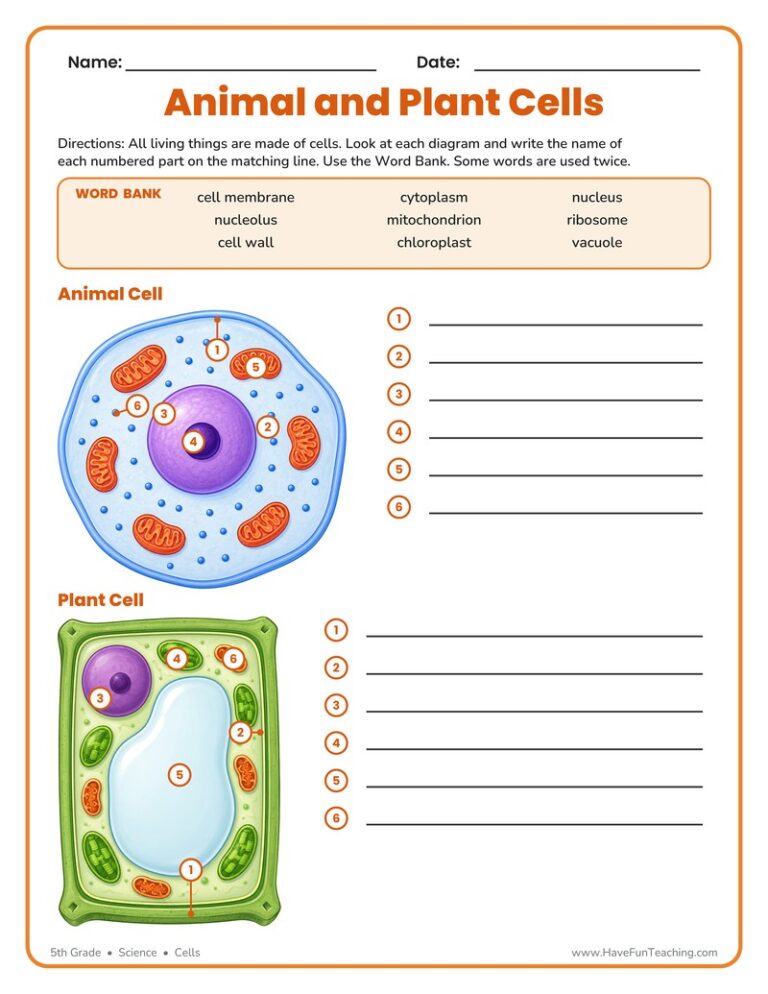
Worksheet5th GradeAnimal and Plant Cells Worksheet

This Animal and Plant Cells Worksheet asks 5th grade students to label the organelles of an animal cell and a plant cell using a word bank. Answer key included for fast, no-prep science review.

Worksheet
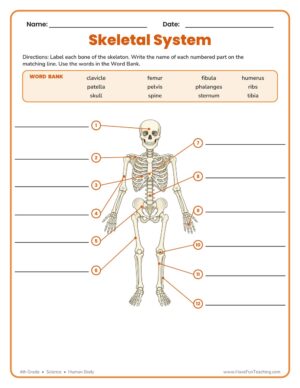
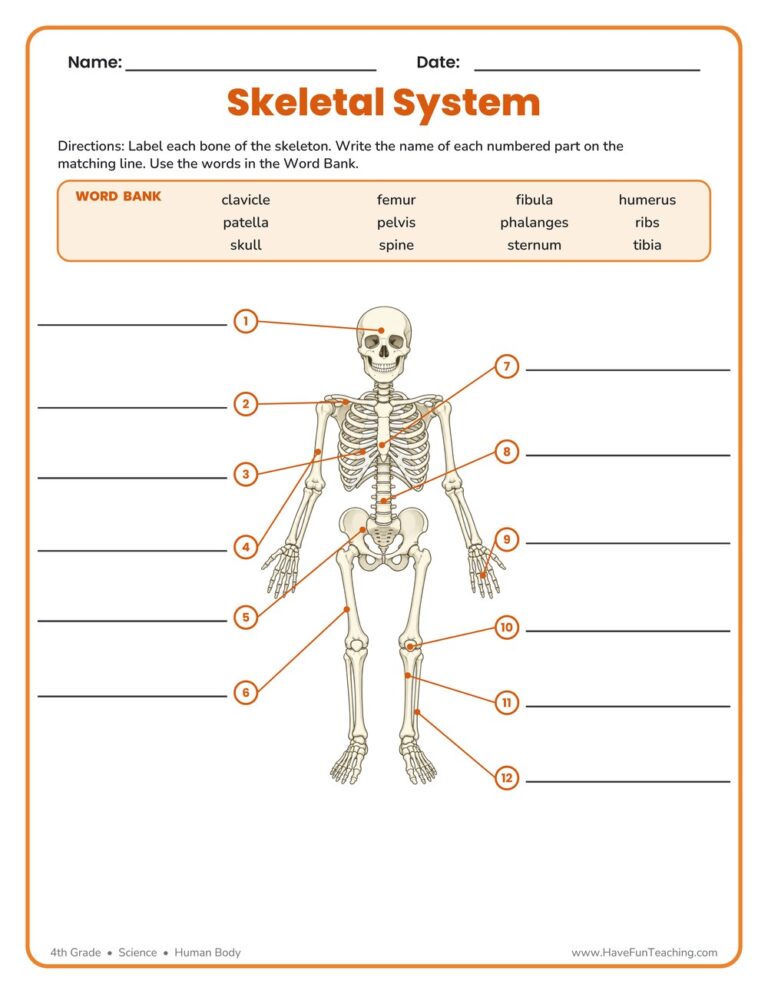
Worksheet4th GradeLabel Skeletal System Worksheet

This Label Skeletal System Worksheet lets 4th grade students identify and name twelve major bones on a clear skeleton diagram using a word bank. An answer key is included for quick, no-prep human body practice.

Worksheet
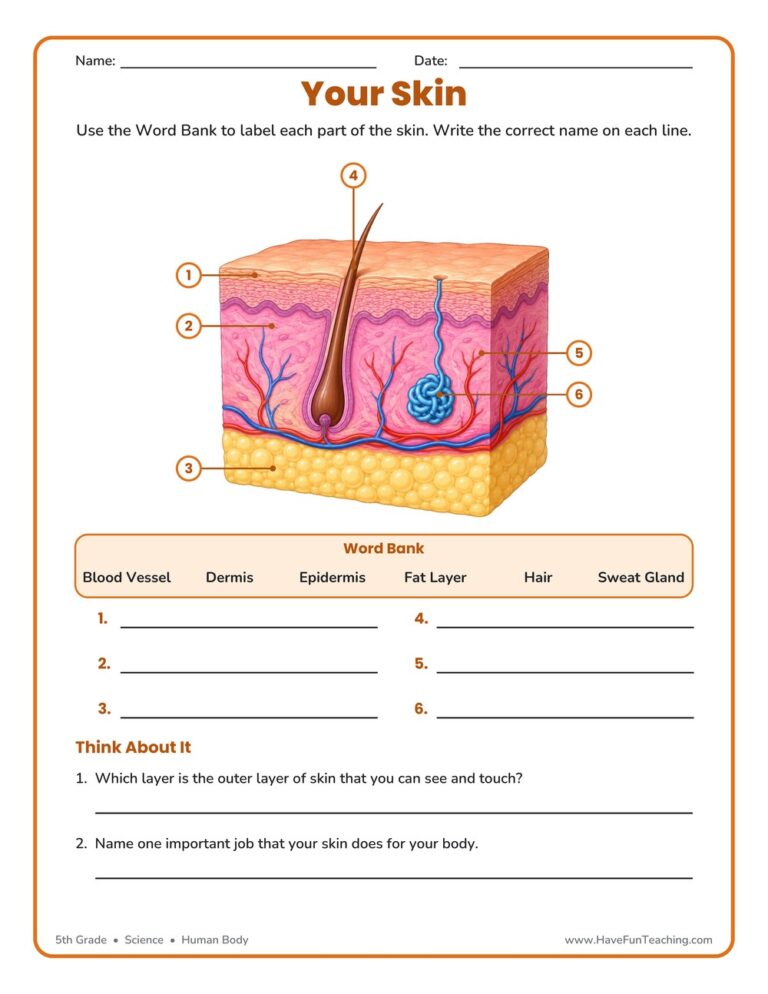
Worksheet5th GradeSkin Diagram Worksheet

This Skin Diagram Worksheet has 5th graders label the epidermis, dermis, fat layer, and more on a clear skin cross-section. Includes an answer key—perfect for a no-prep human body science lesson.

Worksheet
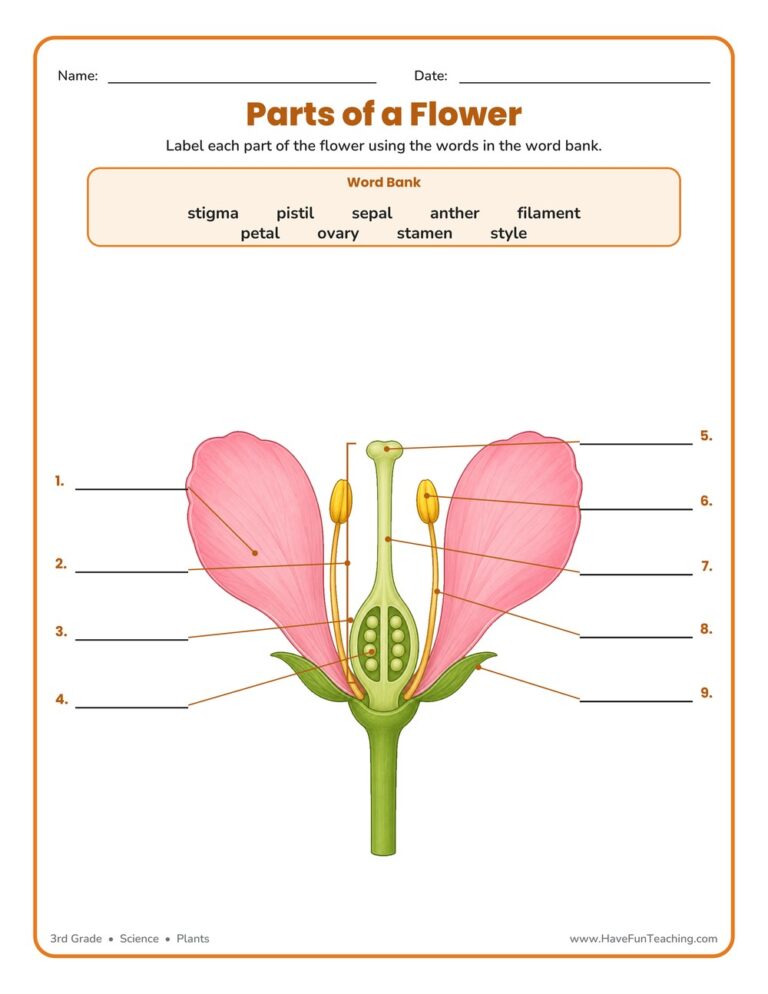
Worksheet3rd GradeFlower Parts of a Plant Worksheet

A third grade flower parts of a plant worksheet where students label the nine parts of a flower — petal, sepal, stamen, pistil, and more — using a word bank. Includes a complete answer key for quick, no-prep life science practice.

Worksheet
Worksheet4th GradeMuscular System Research Worksheet

This Muscular System Research Worksheet has 4th graders name the three muscle types, sort voluntary and involuntary actions, and explain their thinking. Answer key included, so checking work takes seconds.

Worksheet
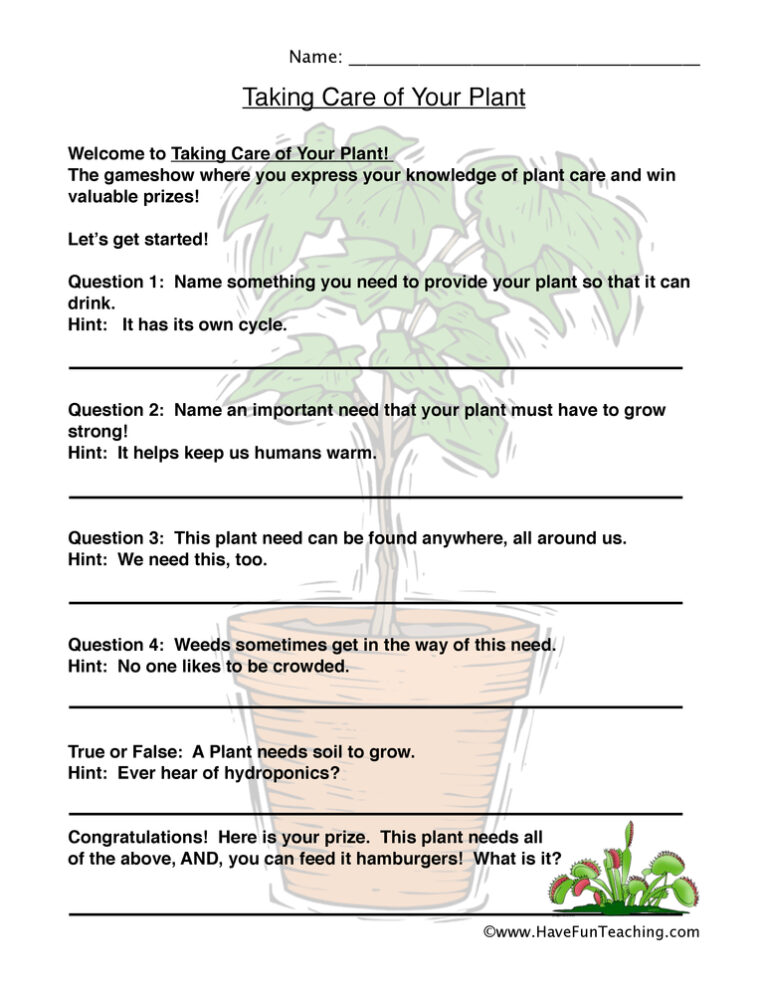
Worksheet2nd GradePlant Needs Worksheet

A hands-on plant needs worksheet where 2nd graders name the five things every plant must have, then match three pictures to the needs they show. Answer key included for quick, no-prep science practice.

Worksheet
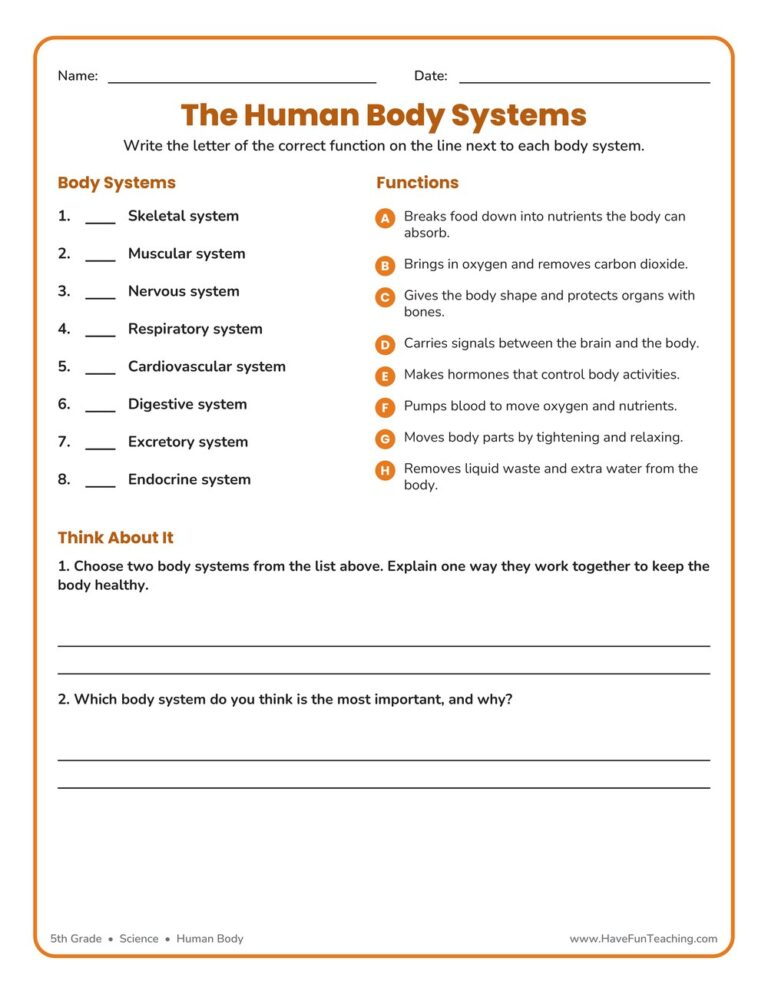
Worksheet5th GradeHuman Body Systems Worksheet

This human body systems worksheet has 5th graders match eight major body systems to their functions and reflect on how they work together. Answer key included for quick, no-prep science review.

Worksheet
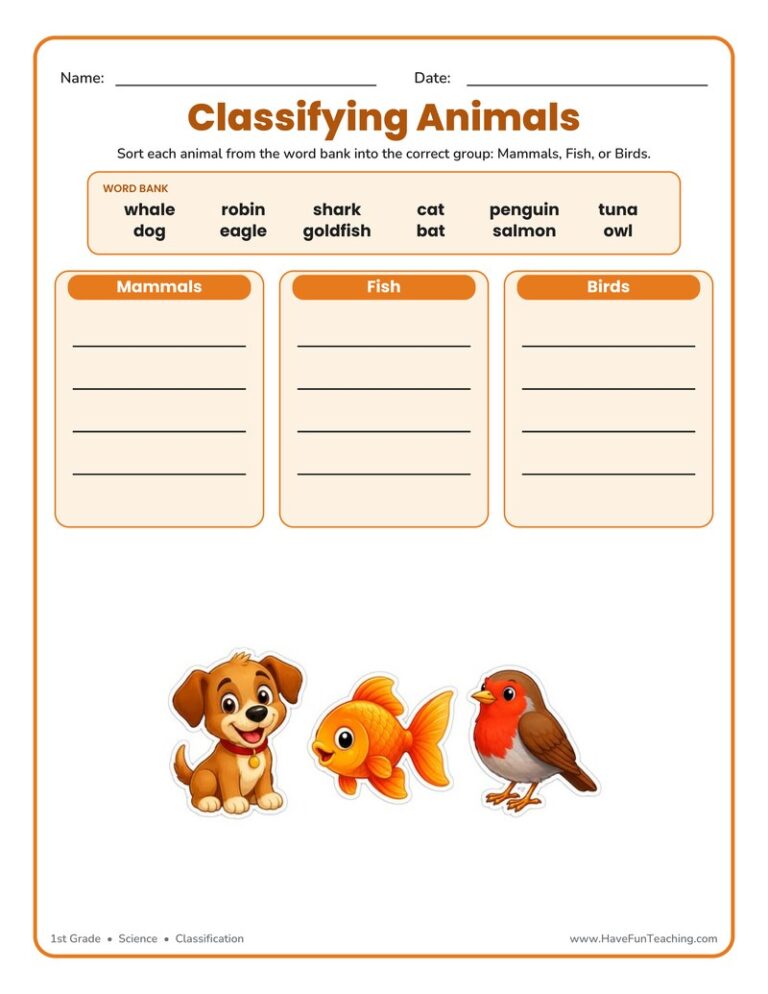
Worksheet1st GradeMammals, Fish, or Birds Classifying Animals Worksheet

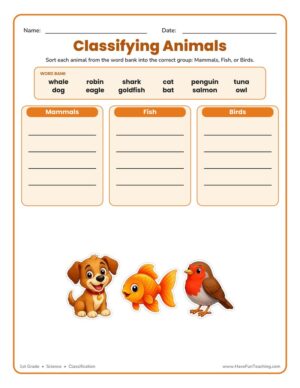
A 1st grade Mammals, Fish, or Birds Classifying Animals Worksheet where students sort a word bank of animals into three groups. Includes a complete answer key for quick, no-prep science practice.

Worksheet
Worksheet1st GradeBody Parts Worksheet

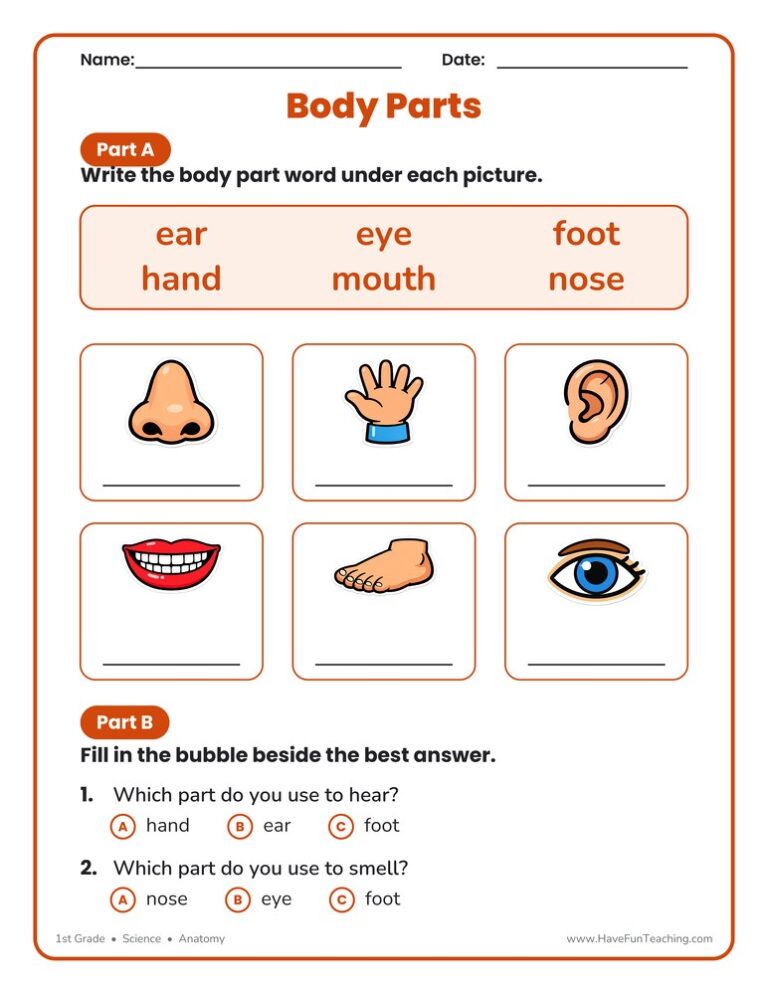
This Body Parts Worksheet helps 1st Grade students name the nose, hand, ear, mouth, foot, and eye with a picture word bank, then show what each part does. Answer key included.

Worksheet
Worksheet2nd GradeCharacteristics of Living and Non-Living Things Worksheet

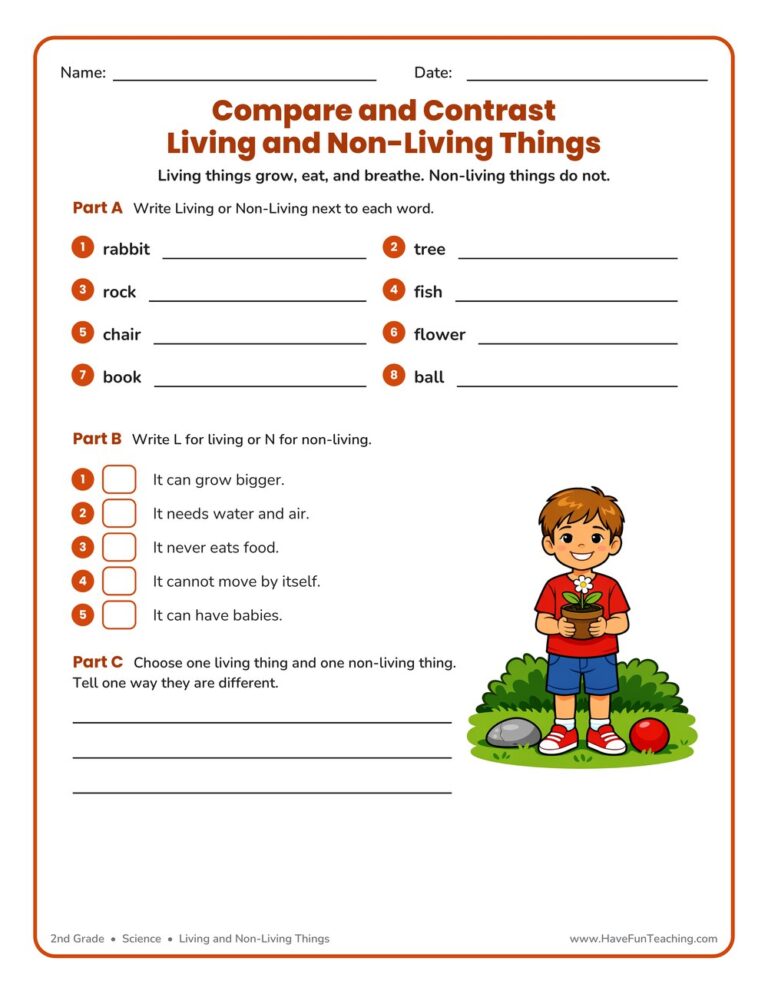
A hands-on characteristics of living and non-living things worksheet for 2nd grade, where students sort words, judge true traits, and compare examples. Includes an answer key for quick, no-prep science practice.

Worksheet
Worksheet2nd GradeSenses Fill in the Blanks Worksheet

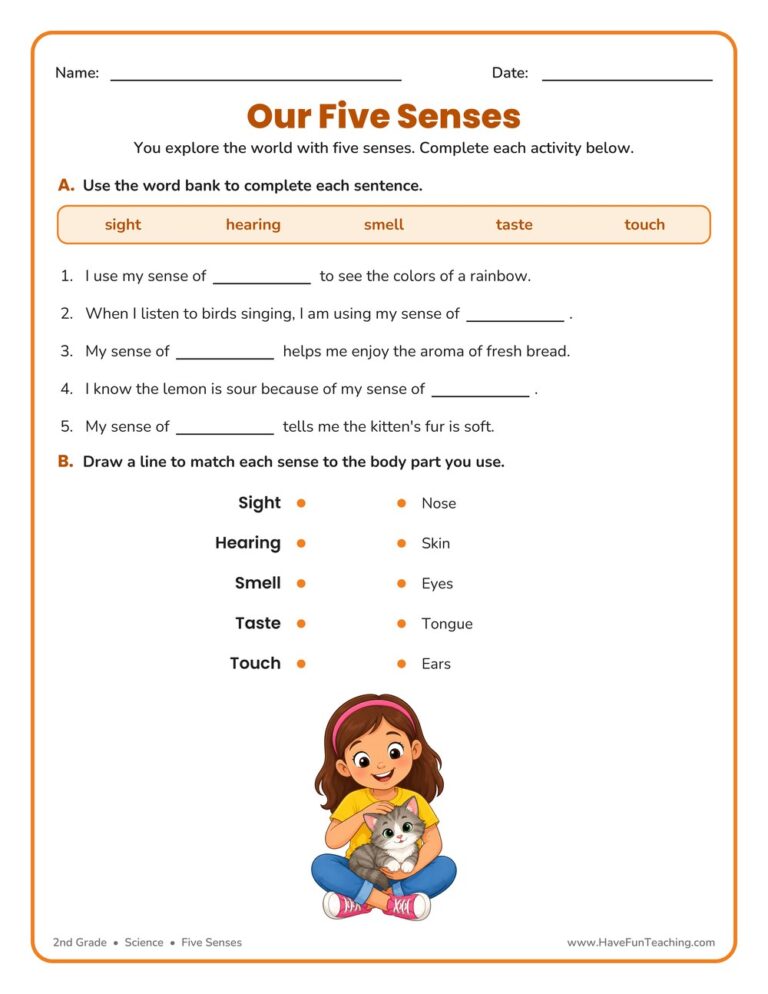
The Senses Fill in the Blanks Worksheet gives 2nd grade students word-bank practice completing sentences about sight, hearing, smell, taste, and touch, plus a sense-to-body-part match. Answer key included for quick, no-prep science review.

Worksheet
Worksheet2nd GradeMatching Animal Habitats Worksheet

This matching animal habitats worksheet has 2nd Grade students connect five animals to the ocean, pond, desert, forest, and grassland, then finish three sentences. An answer key is included for fast, no-prep science practice.

Worksheet
Worksheet2nd GradeLife Cycle of a Butterfly Worksheet

The Life Cycle of a Butterfly Worksheet has 2nd graders label the egg, larva, pupa, and adult stages and put them in the correct order. Answer key included for quick, hands-on life science practice.

Worksheet
Worksheet2nd GradeMammal Classification Worksheet

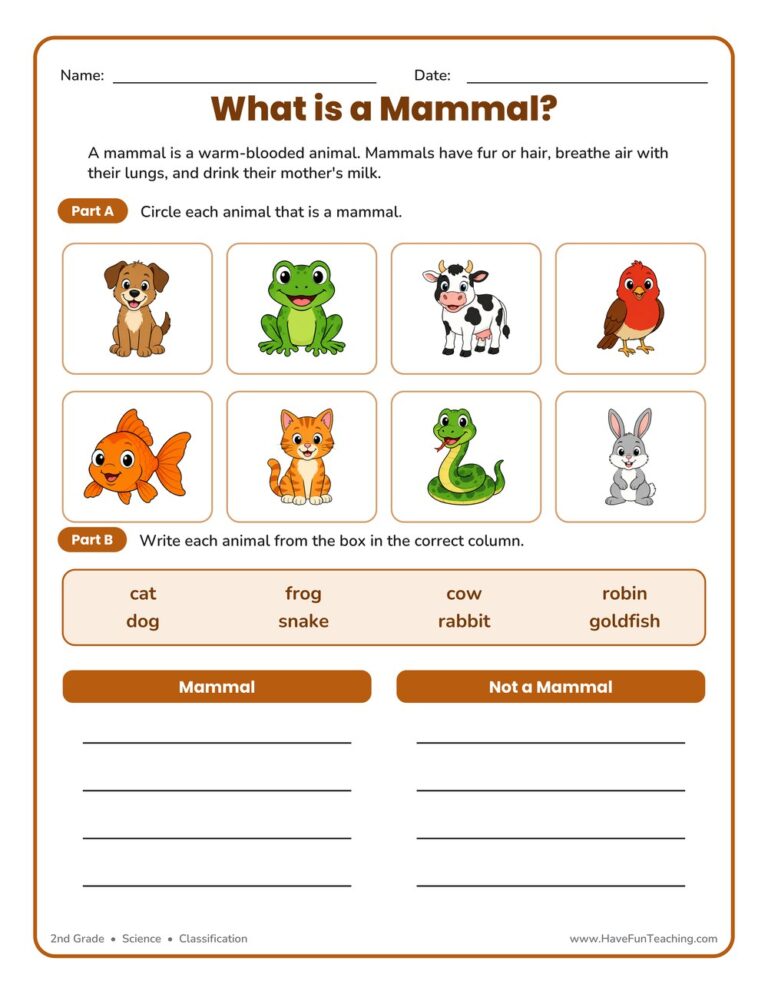
This mammal classification worksheet helps 2nd graders spot mammals and sort animals into mammal and not-a-mammal groups. It includes a complete answer key, making it perfect for no-prep science practice at home or in the classroom.

Worksheet
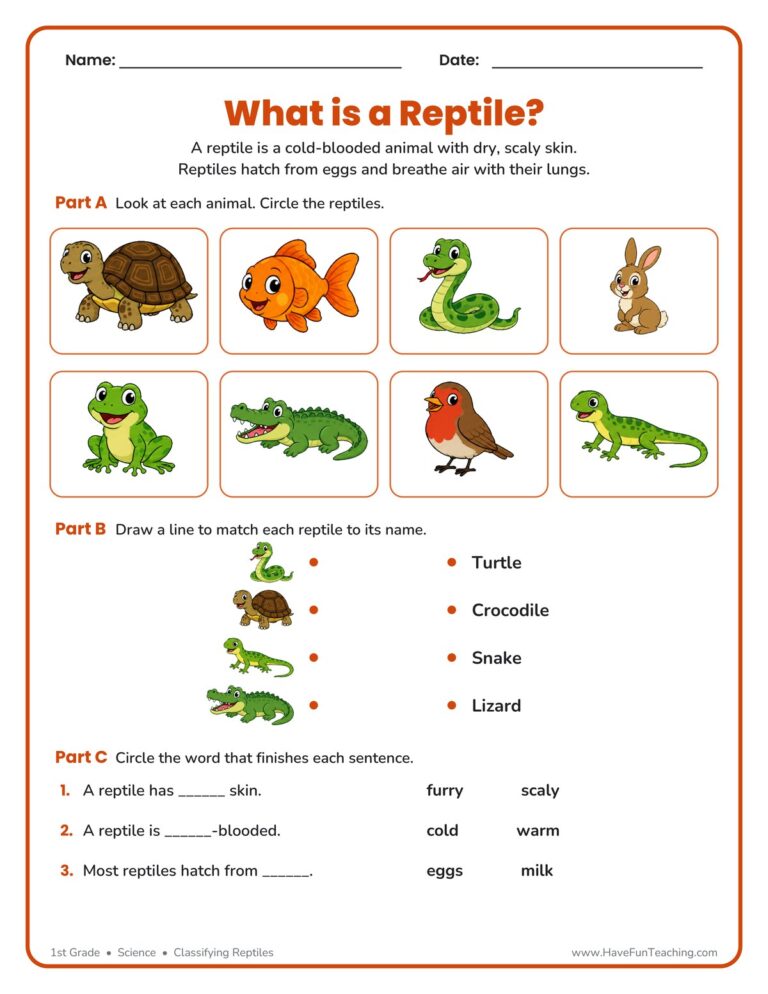
Worksheet1st GradeReptile Classification Worksheet

This reptile classification worksheet helps 1st graders sort animals by circling reptiles, matching them to their names, and completing simple reptile facts. Includes a complete answer key for fast, no-prep life science practice.

Worksheet
Worksheet3rd GradeWater Pollution Worksheet

This Water Pollution Worksheet has 3rd Grade students sort pictures, finish sentences from a word box, and write about one way to keep rivers clean. Answer key included.

Worksheet
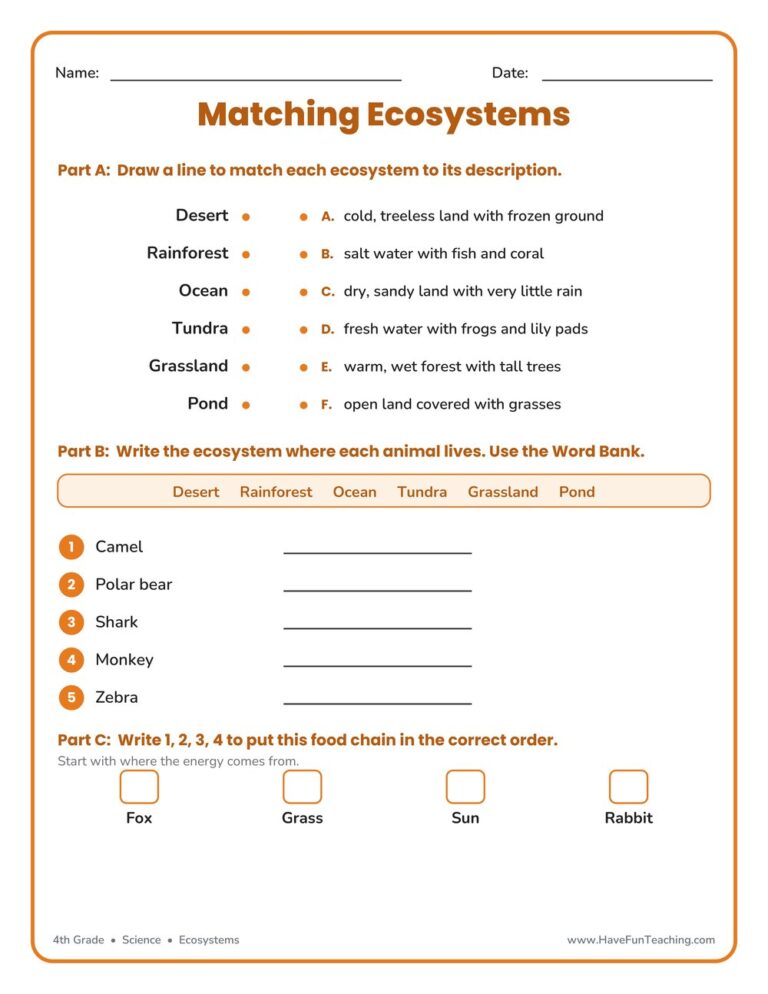
Worksheet4th GradeMatching Ecosystems Worksheet

This matching ecosystems worksheet helps 4th grade students match ecosystems to descriptions, sort animals into habitats, and order a food chain. Includes an answer key for easy, no-prep science practice.

Worksheet
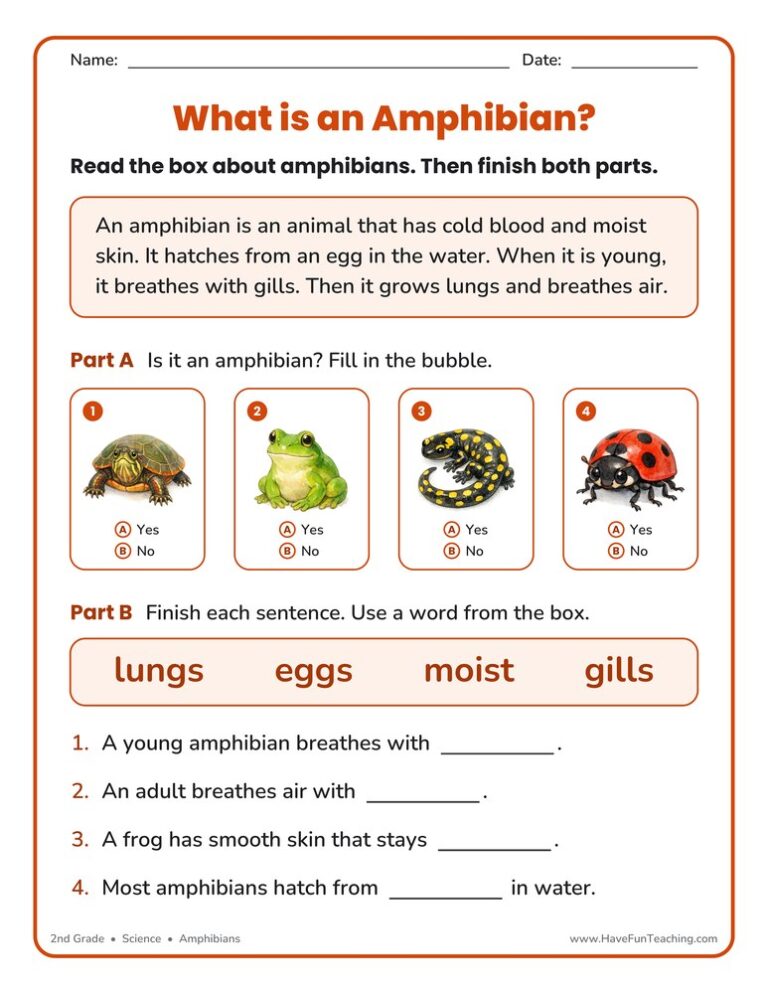
Worksheet2nd GradeAmphibian Classification Worksheet

This amphibian classification worksheet asks 2nd graders to decide which animals are amphibians by checking their traits, then finish four sentences from a word bank. Answer key included for quick, no-prep science practice.

Worksheet
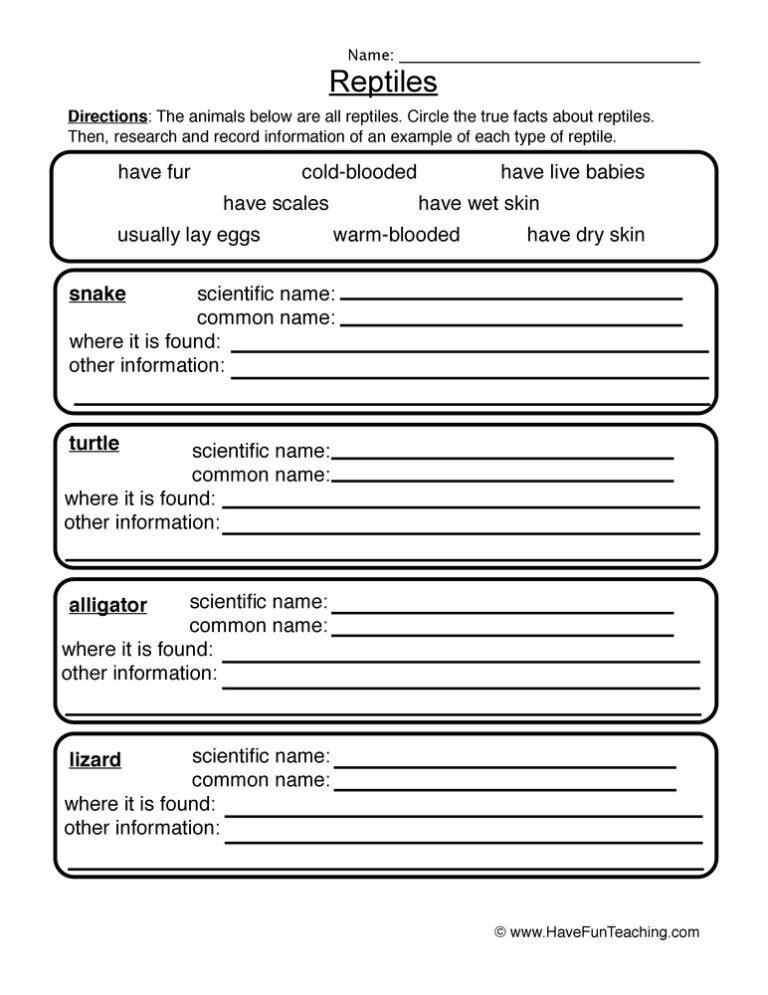
Worksheet3rd GradeReptiles Worksheet

This reptiles worksheet has 3rd Grade students check reptile facts, sort eight animals into reptile and not-a-reptile columns, and explain how a frog differs. An answer key is included, so checking work takes seconds.

Worksheet
WorksheetKindergartenAnimal Words Matching Worksheet

This animal words matching worksheet has Kindergarten students match four animal names to their pictures, then trace three more. Answer key included for fast, no-prep science and sight-word practice.

From our teachers' playbook

Plants, animals and the amazing human body!

What do kids learn in life science?

Life science is the study of living things. Kids learn what plants need to grow, name the parts of a plant and a flower, and watch life cycles like a caterpillar becoming a butterfly. They group animals into mammals, birds, reptiles, fish and more, and learn how adaptations help animals survive. They also explore their own bodies: bones, muscles, skin and the five senses. As they grow, kids look closer at cells, the tiny building blocks of every living thing. The click moment is when kids see how every living thing fits its environment.

Our favorite ways to teach life science

Life science comes alive when kids can observe, sort and draw. These moves make it hands-on.

Label a real flower

Bring in a real flower and have kids gently pull it apart to find the petals, stem and roots. Then they label a diagram. Matching the real thing to a picture builds strong vocabulary.

Why it works: children learn more from words and pictures together than from words alone (Mayer, 2009).
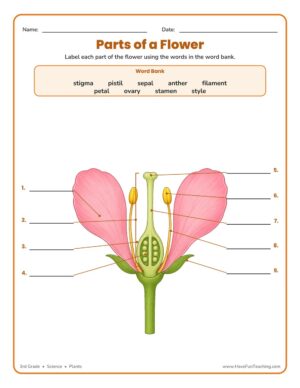
Flower Parts of a Plant WorksheetTry it withFlower Parts of a Plant WorksheetWorksheetsOpen it →
Animal word match

Quick matching rounds of animal words and pictures keep new vocabulary fresh. Repeat a few times a week as a warm-up.

Why it works: researchers who compared ten study methods found practice testing is one of the two that work best (Dunlosky and colleagues, 2013).

Animal Words Matching WorksheetTry it withAnimal Words Matching WorksheetWorksheetsOpen it →

Questions parents and teachers ask us

What is life science for kids?

Life science is the study of living things, including plants, animals and people. Kids learn about life cycles, habitats, body systems and what living things need to survive.

What topics are in elementary life science?

Common topics include plant parts and needs, animal groups, life cycles, habitats and adaptations, the human body and the five senses. Older grades add cells and ecosystems.

How can I teach life science at home?

Plant seeds, watch birds, visit a park or zoo, and talk about how animals live. Simple observations and questions build real science skills.

What is the difference between life science and physical science?

Life science studies living things like plants and animals. Physical science studies matter, energy, forces and motion.