
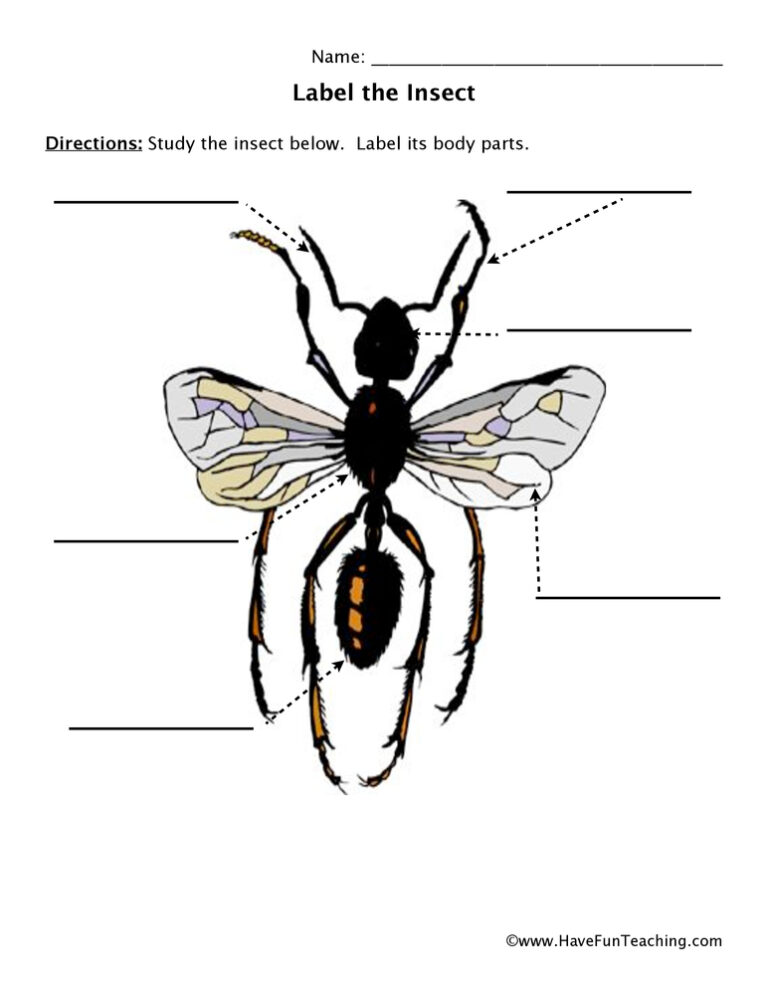
Using Winged Bug Body Parts Worksheet, students label the parts of the winged bug to build their understanding of an insect's anatomy.

Using this Animal Habitats Worksheet, students draw and write about habitats where different animals live.
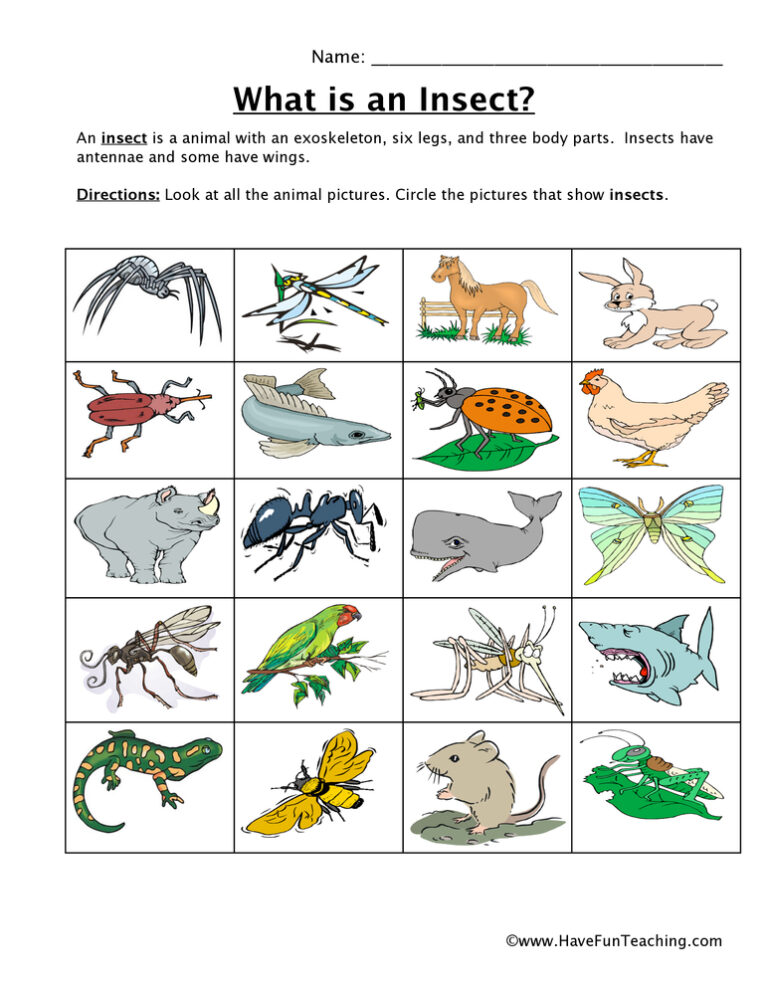
Using this Insect Classification Worksheet, students identify examples of insects by circling pictures in a chart.

Using the Beginning Animal Sounds Worksheet, students use pictures to determine the beginning sound of the animal shown
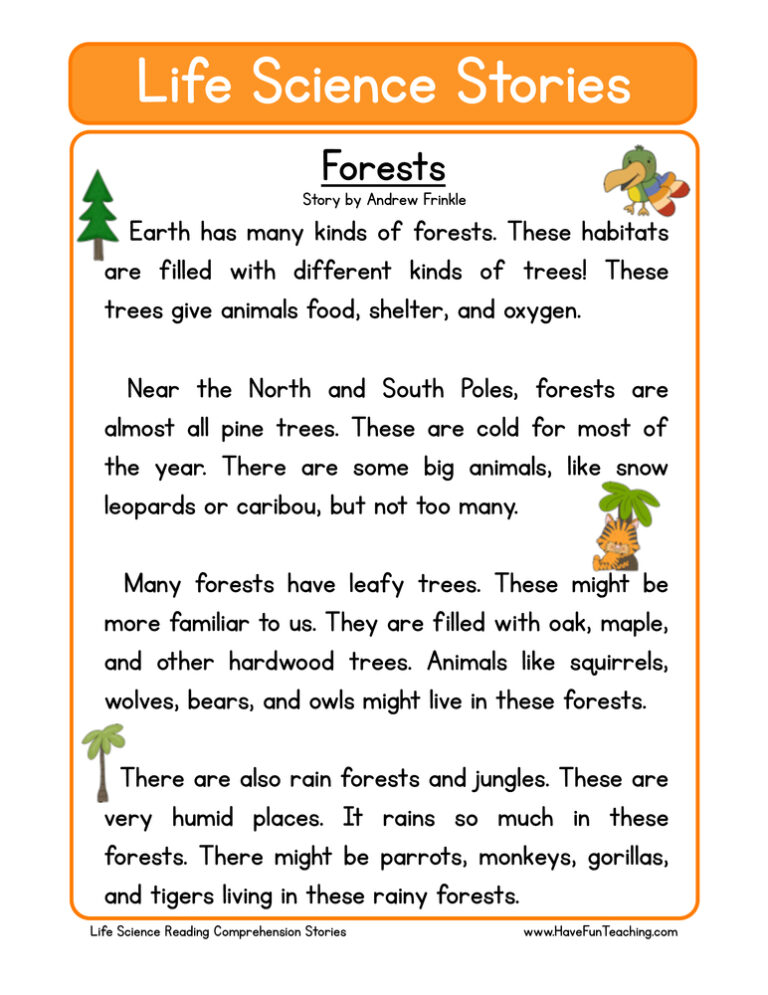
This Forests Life Science Reading Comprehension Worksheet gives 2nd graders a short non-fiction passage about pine, leafy, and rain forests, plus questions and an answer key. Great no-prep practice for main idea and key details.
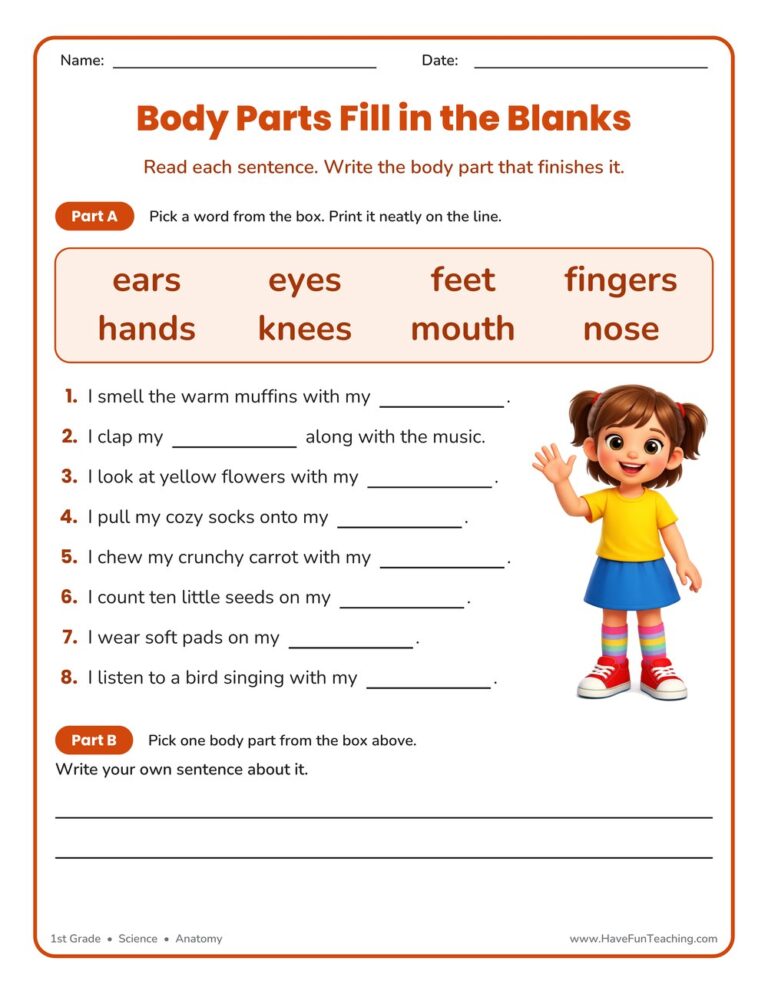
Students use a word box to complete eight sentences with the body parts fill in the blanks worksheet, then write one of their own. Built for 1st Grade with an answer key included, it makes naming body parts simple.
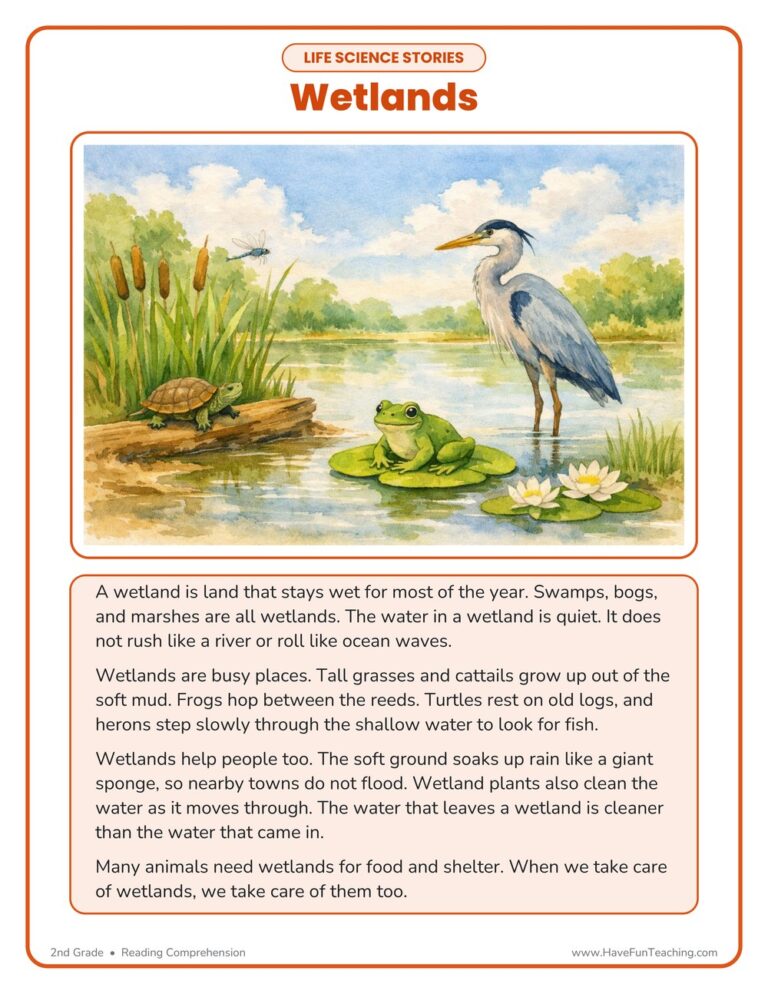
Explore swamps, bogs, and marshes with this wetlands life science reading comprehension worksheet. Second graders read a short nonfiction passage and answer six questions, and an answer key is included, so learning about habitats stays easy and fun.
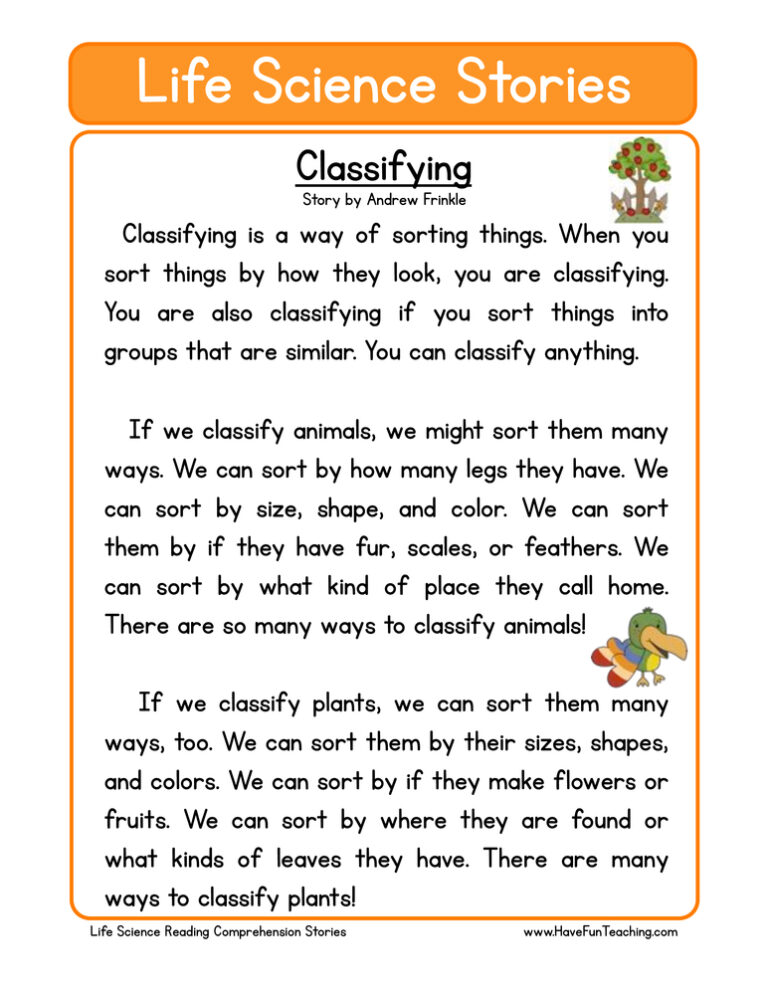
This Classifying Life Science Reading Comprehension Worksheet will help your students build their reading comprehension skills while reading about what it means to classify.
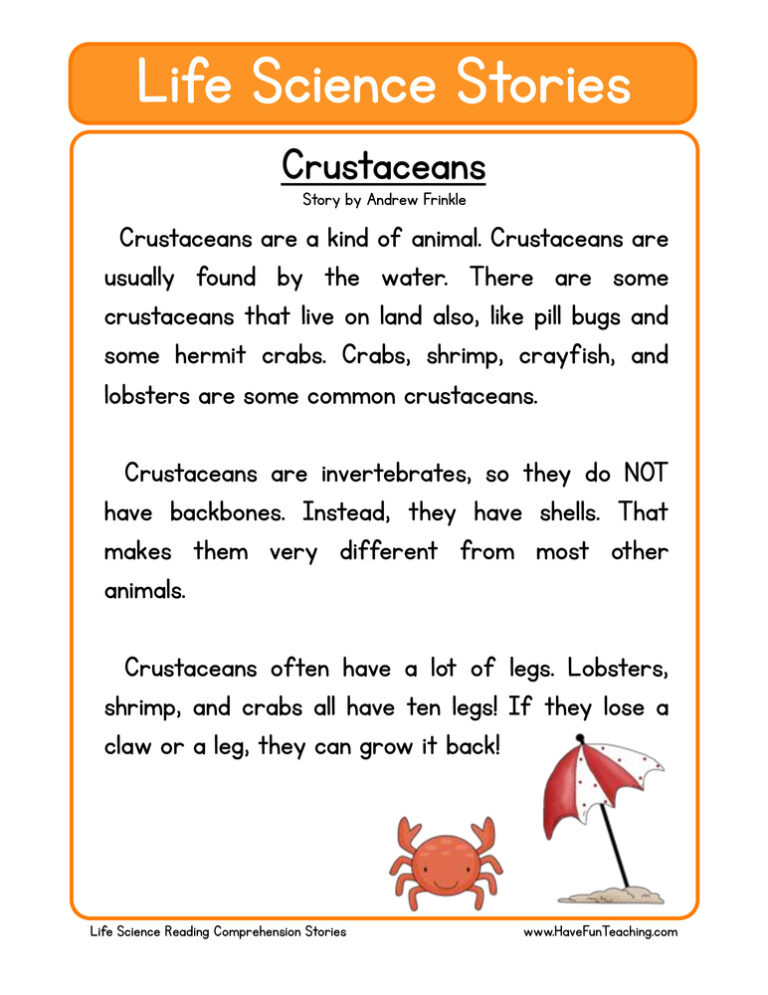
This Crustaceans Life Science Reading Comprehension Worksheet will help your students build their reading comprehension skills while reading a non-fiction text about crustaceans.

This Funguses Life Science Reading Comprehension Worksheet will help your students build their reading comprehension skills while reading a non-fiction text about fungus.
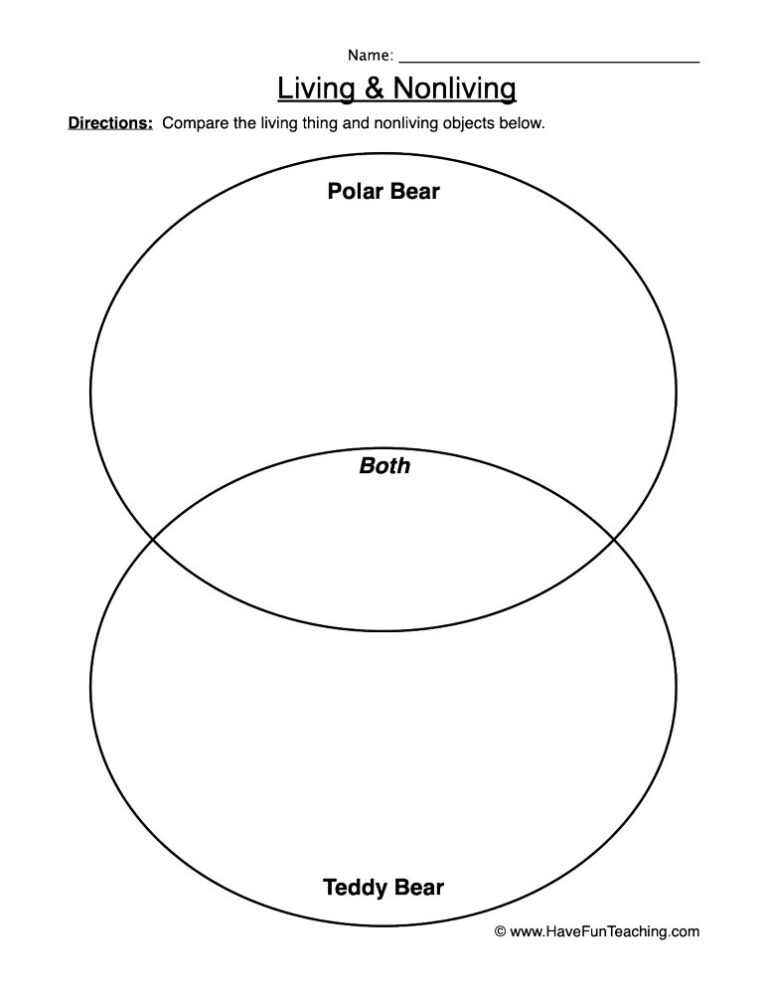
Using Living Non-Living Venn Diagram Worksheet, students use a Venn Diagram to compare living and nonliving things.

Using this Matching Habitats Worksheet, students draw lines to match five animals pictures to their best living environment.

Using this Water Pollution Worksheet, students list three causes ofwater pollution and discuss what things need to change in order for pollution to stop.

Using Describe It Five Senses Worksheet, students try and describe a snack using adjectives that represent their Five Senses.

Using Adaptation Worksheet, students describe how each animal has physically or behaviorally adapted to environment.

Using this Endangered Species Worksheet - Research, students research six different types of endangered species to learn more about each specific category of endangered species.

UsingFood Chain Worksheet, students draw and label three different food chains in order to show how we depend on each other.
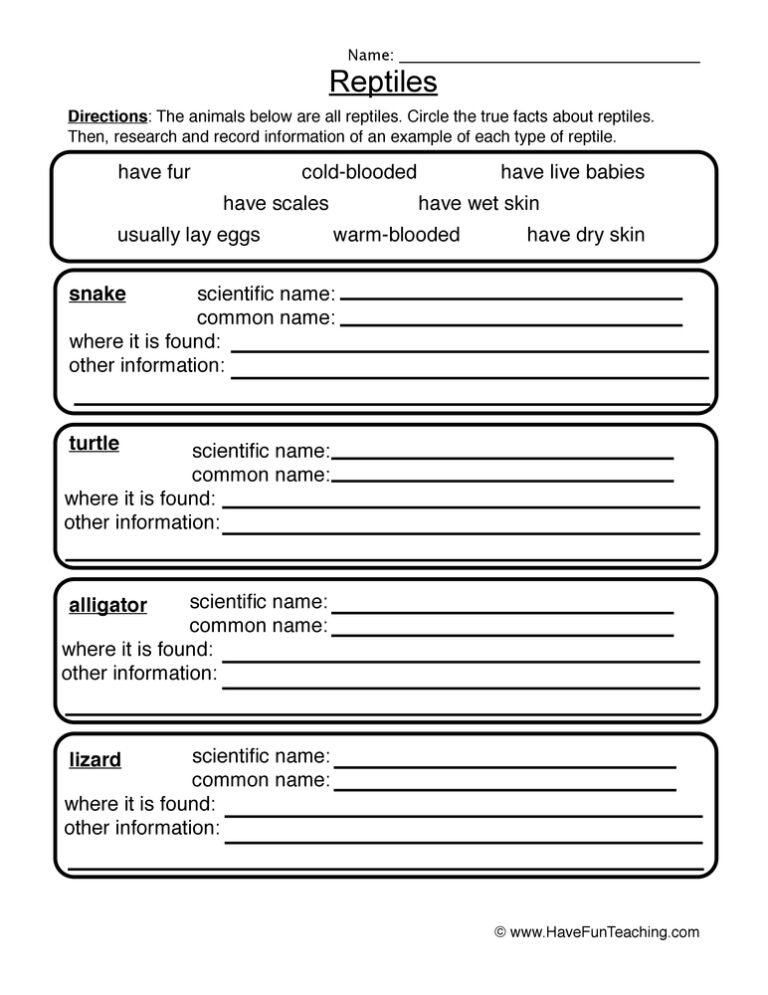
Using this Reptiles Worksheet, students research four different types of reptiles to learn more about qualities of reptiles.
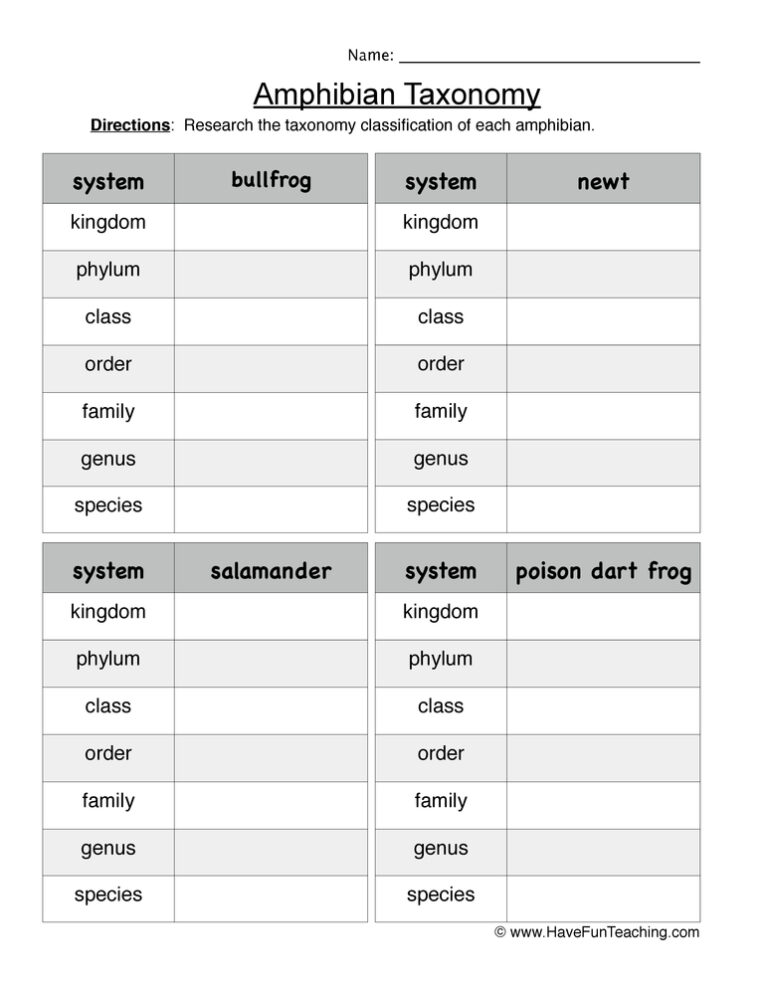
Using this Amphibian Taxonomy Worksheet, students will be able to write the taxonomy classification for each example of amphibian.

Using Rainforest True or False Worksheet, students determine which statements about rainforests are true or false.