
Skip to content
Start My 3 Free Days $0 today · cancel anytime

2nd Grade Reading Response Resources

26 2nd grade reading response resources: 20 worksheets, 6 assessments, 5 activities and more. How teachers use these

2nd Grade Reading Response Resources

26 2nd grade reading response resources: 20 worksheets, 6 assessments, 5 activities and more. How teachers use these

Worksheet
Worksheet2nd GradeWriting Graphic Organizer Worksheet

This Writing Graphic Organizer Worksheet helps 2nd graders plan informative writing by choosing a topic, listing three facts, and adding a closing sentence. A simple, no-prep planning page for confident, organized young writers.

Assessment
Assessment2nd GradeFables The Lion and The Mouse Worksheet

This Fables The Lion and The Mouse Worksheet gives 2nd graders an original retelling of Aesop’s fable, four comprehension questions and a written item on the lesson. Answer key included for quick, no-prep practice.

Worksheet
Worksheet2nd GradeSmall Group Checklist Worksheet

This small group checklist worksheet lets 2nd grade students check off six discussion rules they followed and finish one sentence about what they learned from their group that day.

Worksheet
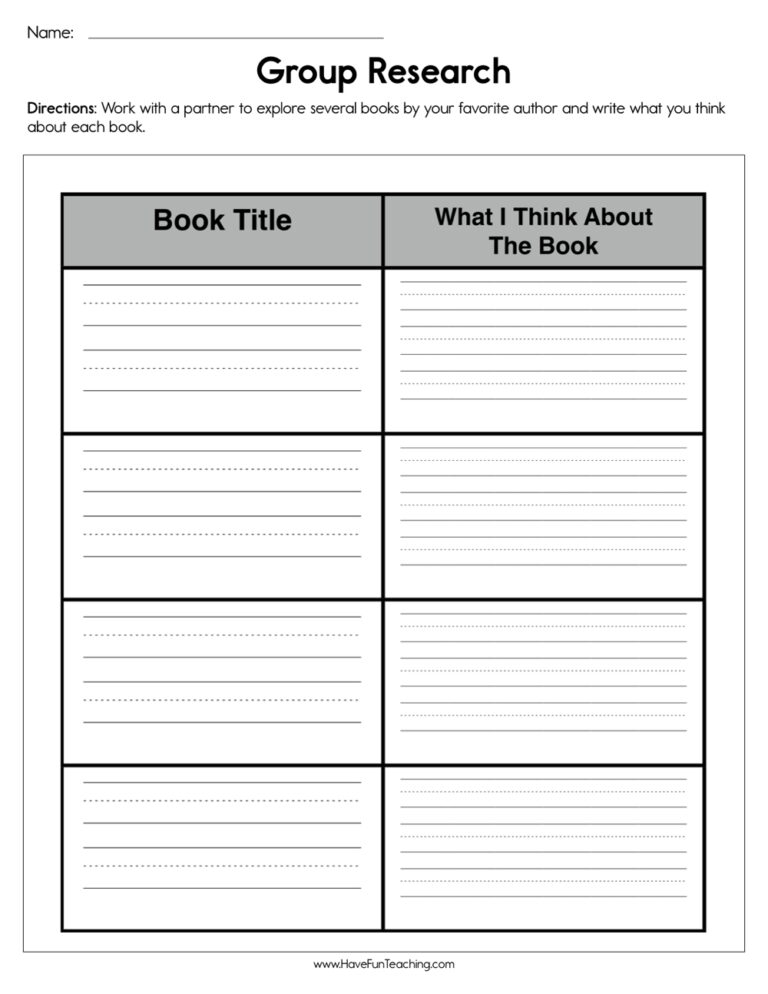
Worksheet2nd GradeGroup Research Worksheet

The Group Research Worksheet lets 2nd grade partners read books by one author, list each title, and write what they think, building reading response and teamwork skills.

Worksheet
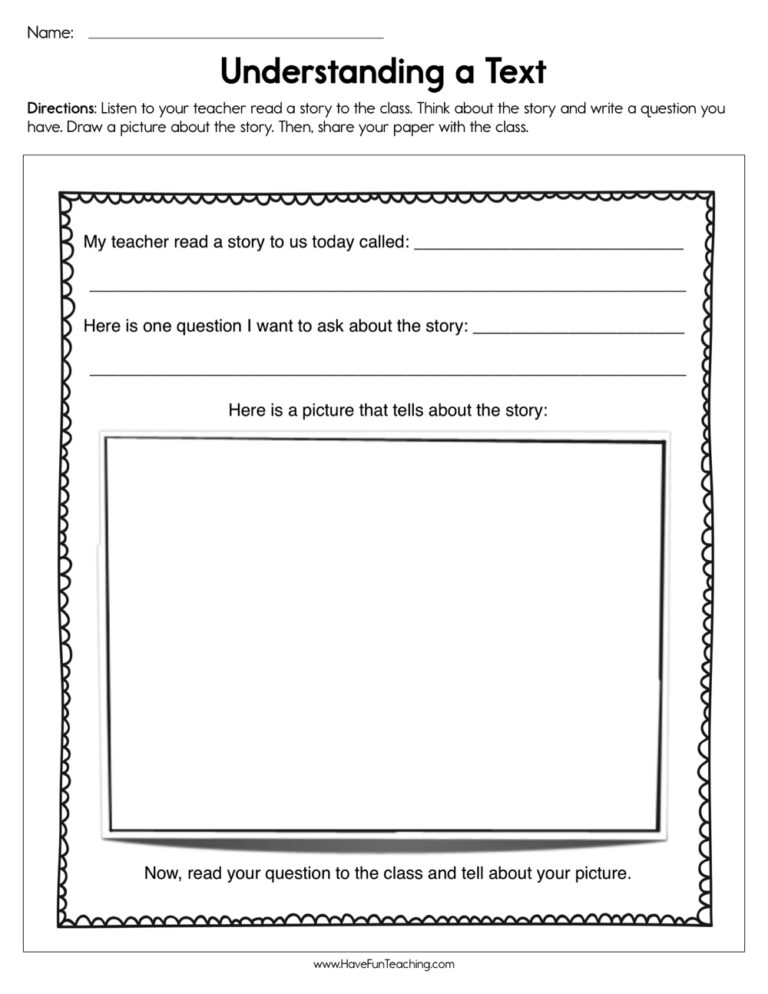
Worksheet2nd GradeUnderstanding a Text Worksheet

This Understanding a Text Worksheet helps second graders ask a who, what, where, when, why or how question about any story, write the answer, and draw a picture that shows it.

Worksheet
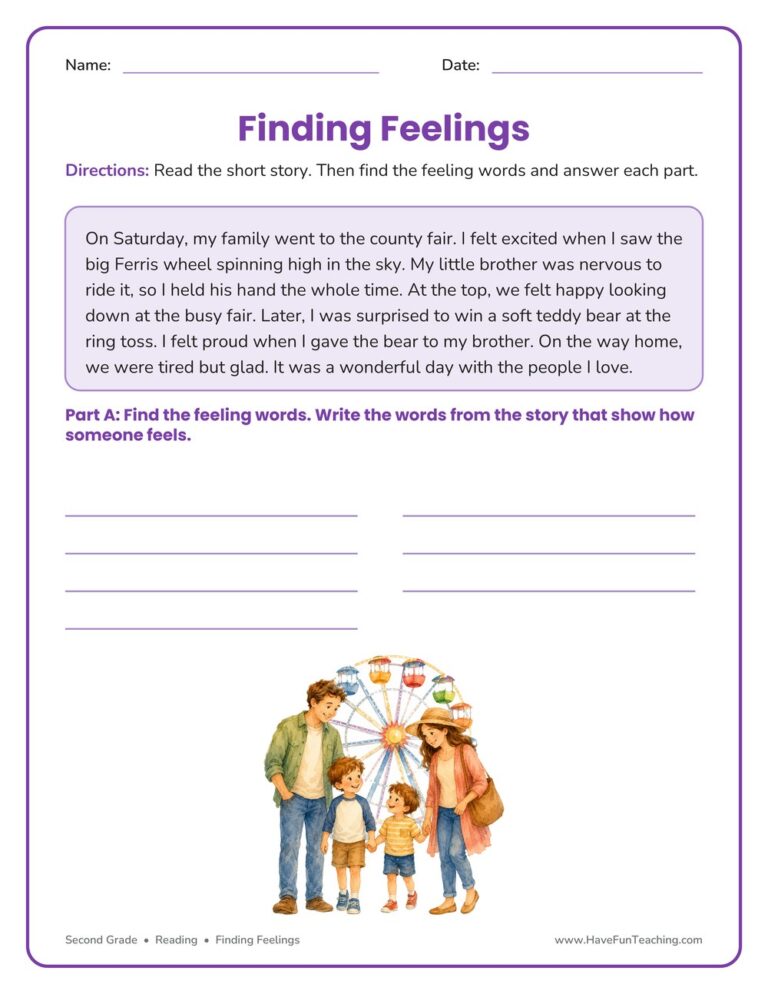
Worksheet2nd GradeFinding Feelings Worksheet

This Finding Feelings Worksheet has second graders read a short story, find the feeling words, and match story moments to emotions. Answer key included — a no-prep way to build reading comprehension and empathy.

Assessment
Assessment2nd GradeFinding Feelings within a Text Worksheet

A Finding Feelings Within a Text Worksheet for 2nd grade readers, with an original story about a nervous boy and questions asking which words show how he feels. An answer key is included, so checking takes seconds.

Worksheet
Worksheet2nd GradeIn My Own Words Worksheet

This In My Own Words Worksheet gives 2nd graders three sentences to read and restate in their own words on wide writing lines. An answer key is included, so paraphrasing practice takes no prep at all.

Assessment
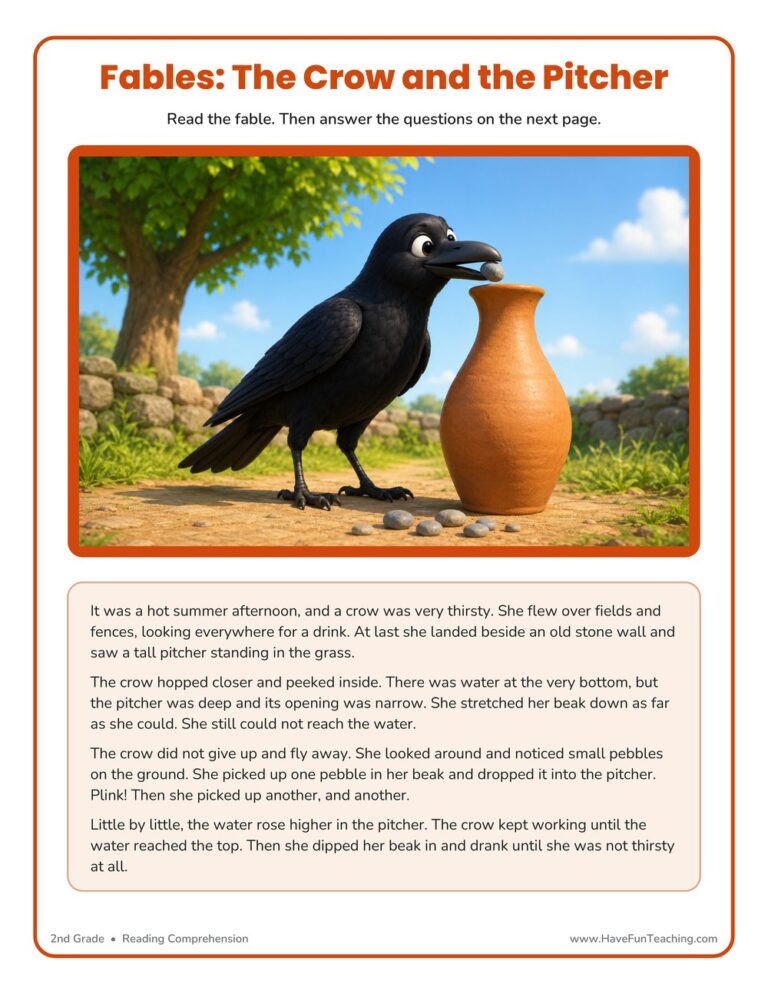
Assessment2nd GradeFables The Crow and The Pitcher Worksheet

This Fables The Crow and The Pitcher Worksheet gives 2nd Grade readers an illustrated Aesop fable, comprehension questions, a sequencing activity, and a lesson response. Answer key included for quick, no-prep reading practice.

Worksheet
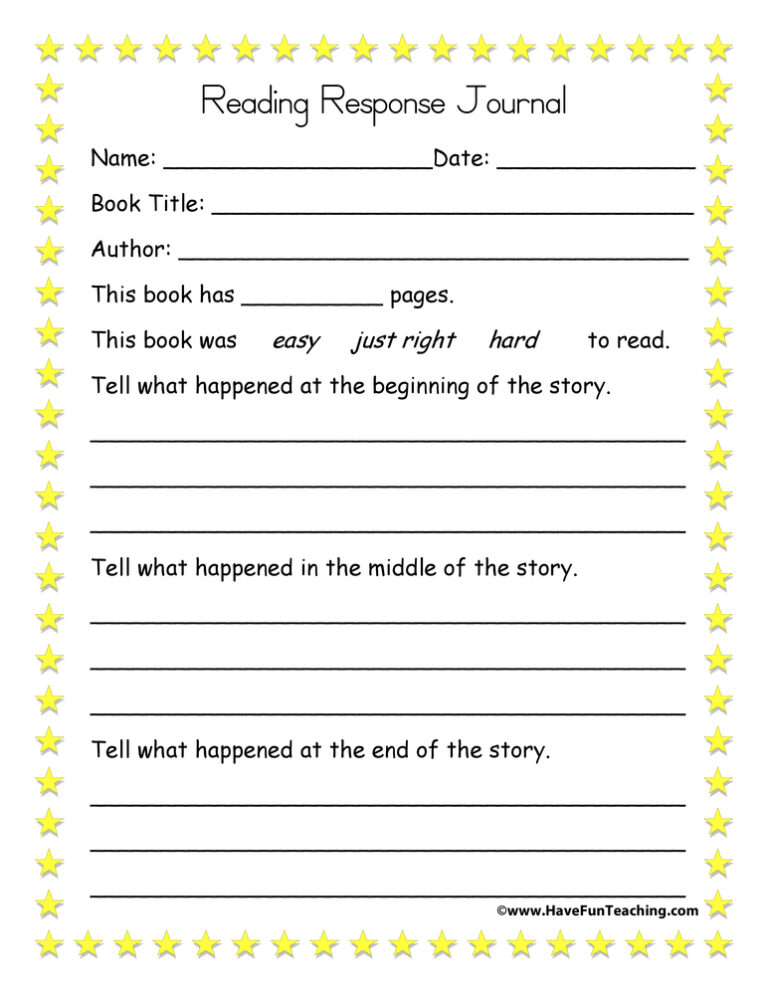
Worksheet2nd GradeBeginning, Middle, End Reading Response Journal

This beginning middle end reading response journal lets 2nd grade students record a book title and author, rate how hard it was, and retell the story in order for stronger reading.

Worksheet
Worksheet2nd GradeWriting about a Creative Experience Worksheet

Writing about a Creative Experience Worksheet gives 2nd Grade writers a describing-word bank and a full page of ruled space to tell the story of something they made. No-prep personal narrative practice.

Worksheet
Worksheet2nd GradeOpinions and Reasons Worksheet

This opinions and reasons worksheet helps 2nd grade students pick the reason that best supports an opinion and write their own opinion with two reasons. An answer key is included for quick checking.

Assessment
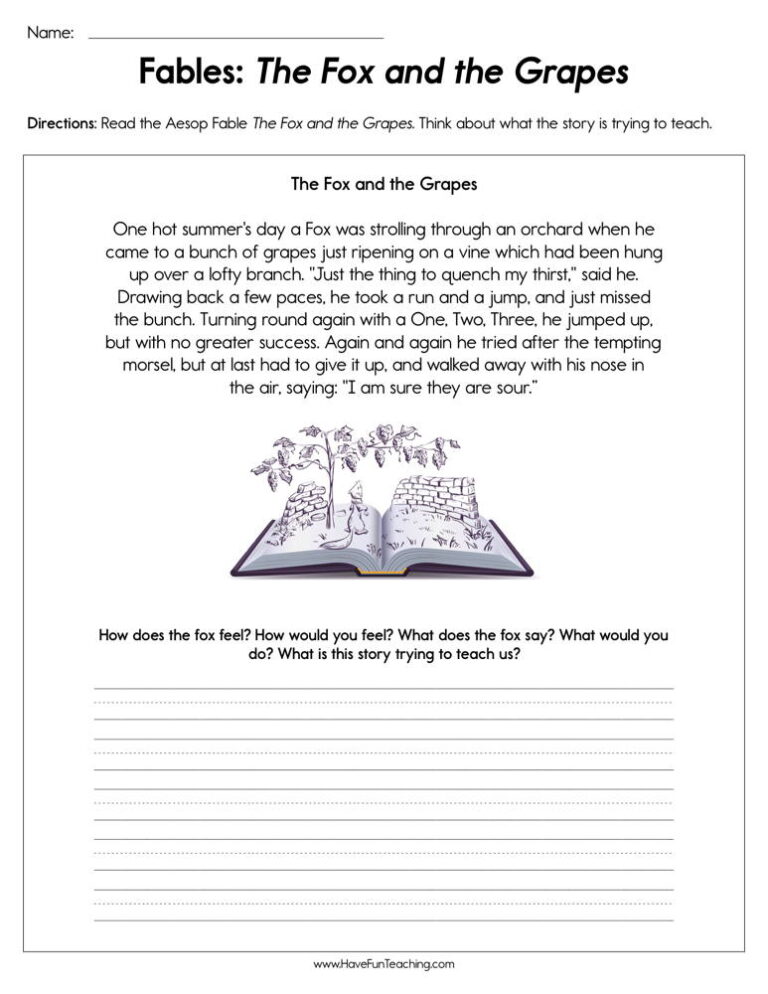
Assessment2nd GradeFables The Fox and The Grapes Worksheet

This Fables The Fox and The Grapes Worksheet gives 2nd Grade readers an original retelling of the Aesop fable, four comprehension questions and a written response on its lesson. An answer key is included.

Worksheet
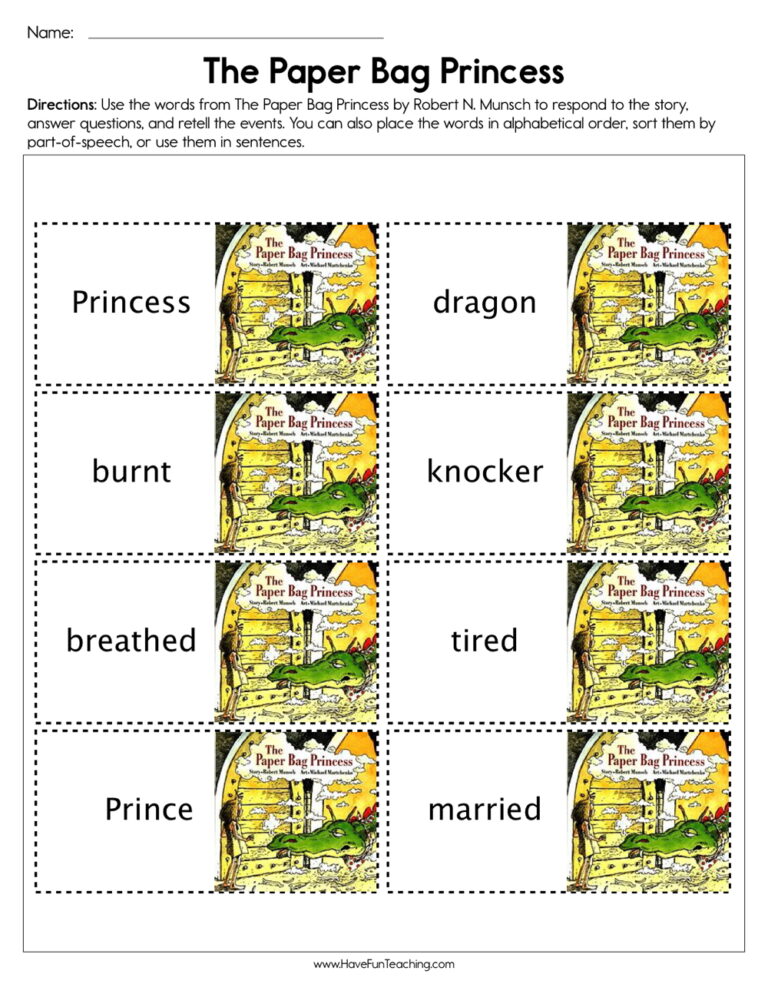
Worksheet2nd GradeThe Paper Bag Princess Worksheet

Using this The Paper Bag Princess Worksheet, students use the words from the story to respond to the story and retell the events.

Worksheet
Worksheet2nd GradeAn Interesting Person Worksheet

This An Interesting Person Worksheet lets 2nd graders choose a character from any book, explain why that person is special, and draw a picture, building strong opinion writing skills.

2nd GradeAsking Questions Activity

Using the Asking Questions Activity, students actively engage in group reading activities to discuss purpose and understanding after shared reading.

Activity
Activity2nd GradeKey Details in a Text Activity

This key details in a text activity helps K-2nd grade readers answer who, what, where, when, why, and how questions with self-checking story cards. Answer key included.

Activity
Activity2nd GradeAfter Reading Discussion Cards Activity

These after reading discussion cards give kindergarten to 3rd grade readers 24 story questions, a spinner and a book talk page for lively group conversations about any book.

Worksheet
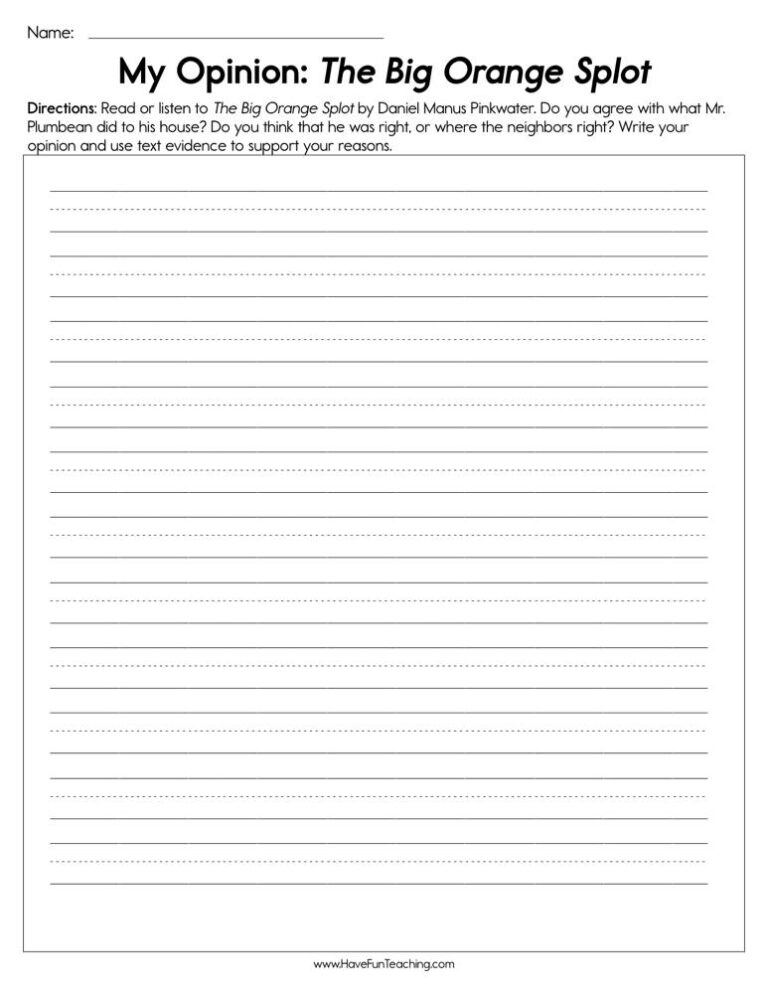
Worksheet2nd GradeMy Opinion The Big Orange Splot Worksheet

Using My Opinion The Big Orange Splot Worksheet, students read The Big Orange Splot and write your opinion and use text evidence to support your reasons.

Activity
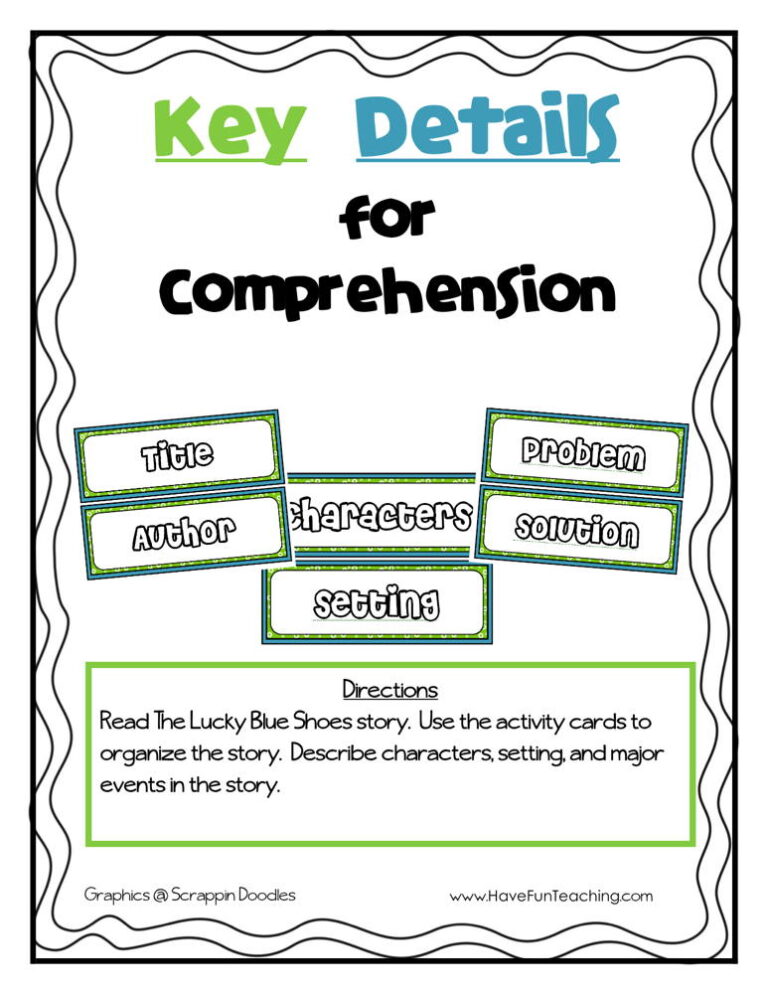
Activity2nd GradeKey Details for Comprehension Activity

Use this key details for comprehension activity with Kindergarten to 3rd grade readers to find characters, setting, problem and solution in a story. Answer key included, so checking work is quick.

From our teachers' playbook

Think deeper, write it down!

What do 2nd graders learn about reading response?

Second graders write more thoughtful responses to what they read. They retell the beginning, middle and end, explain a character's feelings with clues from the text, find the lesson in a fable, and share an opinion with reasons. They put ideas in their own words instead of copying. The click moment comes when a child writes, "The mouse helped the lion, so the lesson is that small friends can be a big help."

Our favorite ways to grow reading responses

Second graders are ready to explain their thinking. These moves help them say more and prove it.

Model a beginning, middle, end response

After a read-aloud, fill in a journal page together, thinking out loud about what happened first, next and last. Then kids try their own. A shared example shows them exactly what a strong retell looks like.

Why it works: handing over the work step by step, from teacher to student, is one of the most widely used teaching frameworks (Pearson and Gallagher, 1983).

Beginning, Middle, End Reading Response JournalTry it withBeginning, Middle, End Reading Response JournalWorksheetsOpen it →

Plan before writing

Have kids jot ideas in a graphic organizer: my opinion, reason one, reason two, closing. Then they write. Planning first turns scattered ideas into a clear response.

Why it works: going from real objects to pictures to symbols is a core recommendation of the U.S. Department of Education's elementary math guide.

Writing Graphic Organizer WorksheetTry it withWriting Graphic Organizer WorksheetWorksheetsOpen it →

Find the fable's lesson

Read a short fable and ask kids to write the lesson without looking back. Then they reread to check. Pulling ideas from memory and then checking builds deeper understanding.

Why it works: researchers who compared ten study methods found practice testing is one of the two that work best (Dunlosky and colleagues, 2013).

Fables The Lion and The Mouse WorksheetTry it withFables The Lion and The Mouse WorksheetAssessmentsOpen it →

Questions teachers and parents ask

What is a reading response in 2nd grade?

It's a short piece of writing or discussion where students show what they understood about a text, such as retelling, describing characters, finding a lesson or sharing an opinion with reasons.

How long should a 2nd grade reading response be?

Most second graders can write three to five sentences that answer the question and include a detail or reason from the text.

What questions should I ask my 2nd grader after reading?

Try "How did the character feel and how do you know?", "What lesson did the story teach?", and "Did you like the ending? Why?"

How do I help my 2nd grader use evidence?

Ask "What in the book made you think that?" and have them point to the page. Then they can add that detail to their writing.



