

Using Story Elements Organizing What You Read Activity, students use activity worksheets and graphic organizers to describe the characters, setting and events.
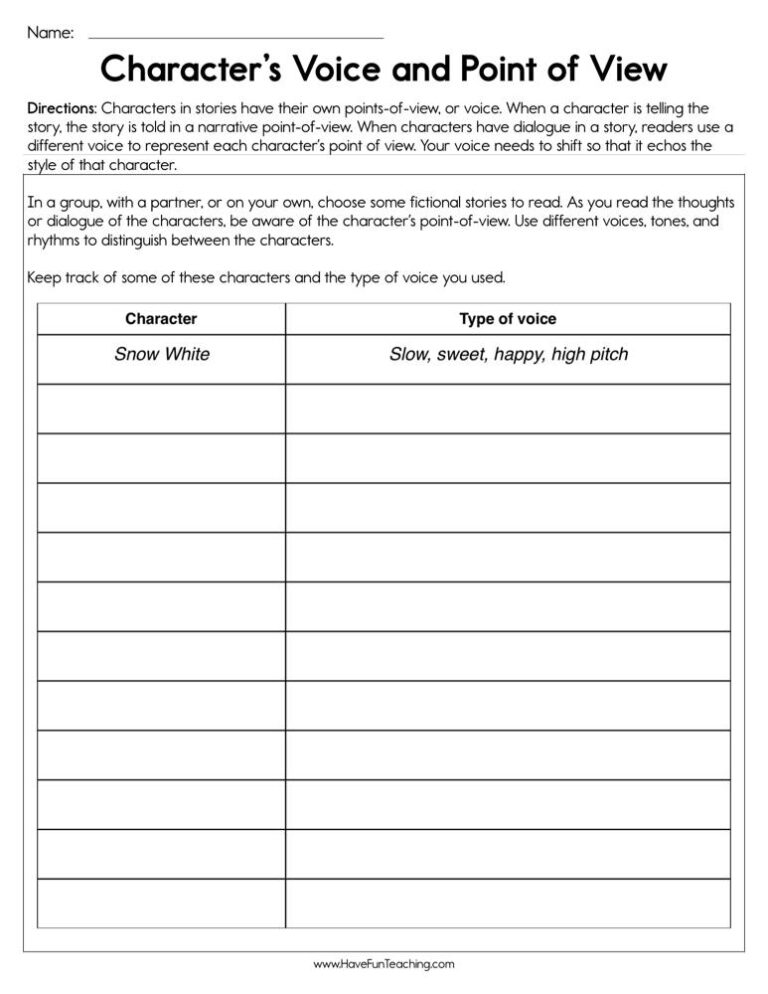
UsingCharacters Voice and Point of View Worksheet, students keep track of different types of voice characters use to show their point of view in a story.
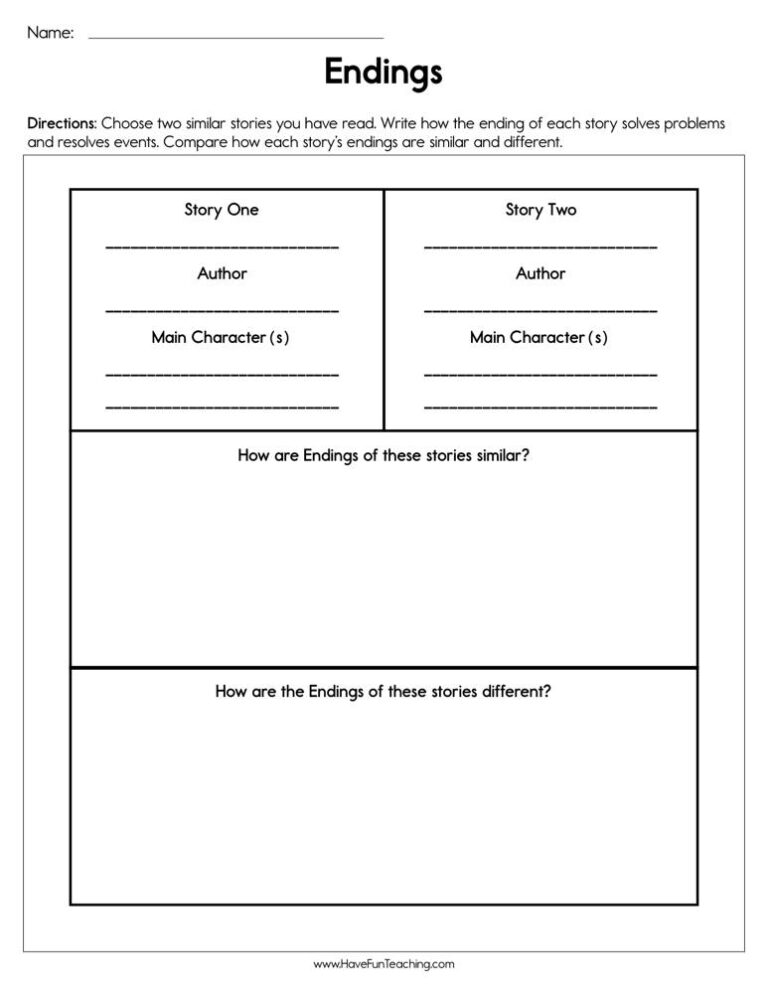
Using Endings Worksheet, students write how the ending of each story solves problems and resolves events of the story to compare the two similar stories read.

Using Characters and Story Plots Worksheet, studentsread two stories with similar plots, or characters to compare the elements from the two stories.
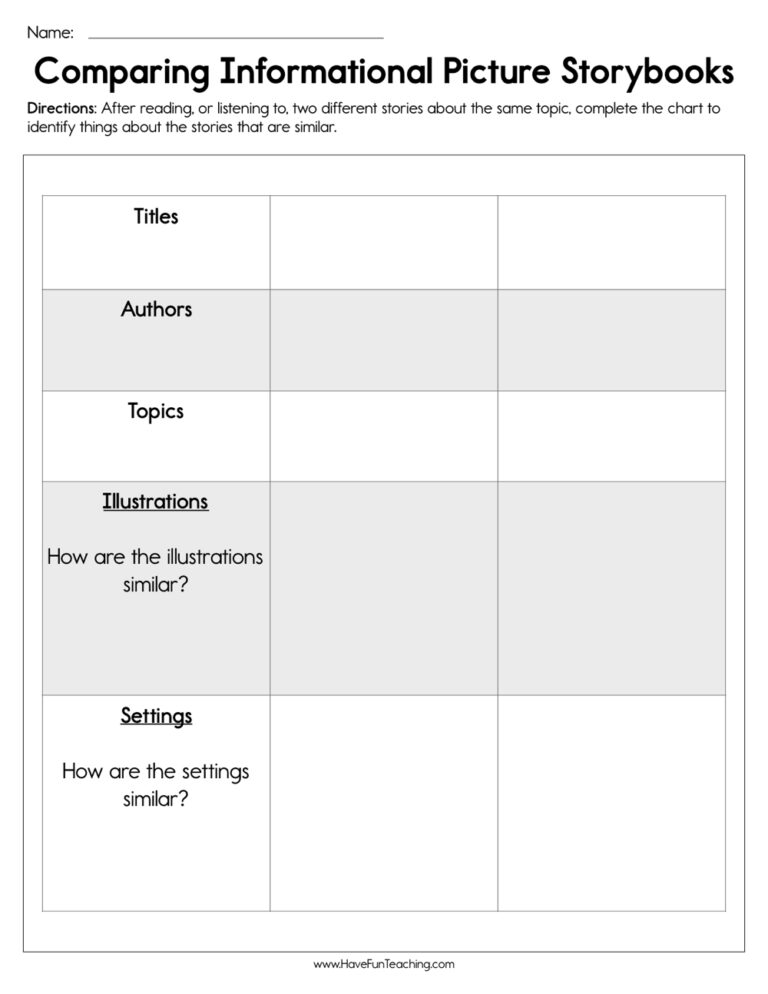
Using Comparing Informational Picture Storybooks Worksheet, students compare story elements intwo different stories about the same topic to determine how they are alike and different.
Using this RL.2.1 Second Grade Common Core Lesson, students answer questions aboutkey details in a fiction text.

Using RL.2.7 Second Grade Common Core Lesson, students use information gained from the illustrations and words in a print or digital text to demonstrate understanding of its characters, setting, or plot.

Using Build a Snowman Sequence Worksheet, students write numbers into the squares to place the sentences in order to show the way to build a snowman.

Using Sequencing Events Organizer Worksheet, students use the planner to write your own story or to write 5 events from a story in order.

Using Sequencing Organizer Worksheet , students use the planner to write your own story or to write 5 events from a story in order.

Using this Fantasy and Realism Story Elements Graphic Organizer, students fill in as many details as you can to show the difference between Fantasy and Realism.

Using this Whose Point of View Compare and Contrast Activity, students identify whether a story is being told in a first- or third-person POV, while comparing and contrasting the two.

Using Animal Myth Busters Author's Purpose Activity, students read animal myths to explain how an author uses evidence to support points in a text.
Using Comparing Points of View Activity, students distinguish their own point of view from that of the author of a text.
Using Looking at the Character's Viewpoints Activity, students acknowledge differences in the points of view of characters to gain a different perspective.
Using Beginning Middle End Plot Activity, students describe the overall structure of a story, including describing how the beginning introduces the story and the ending concludes the action.
Using Character Setting Plot Activity, studentsfind examples of story elements as they read to build their reading comprehension.

Using Point of View Activity, students identify who is telling the story at various points in a text.
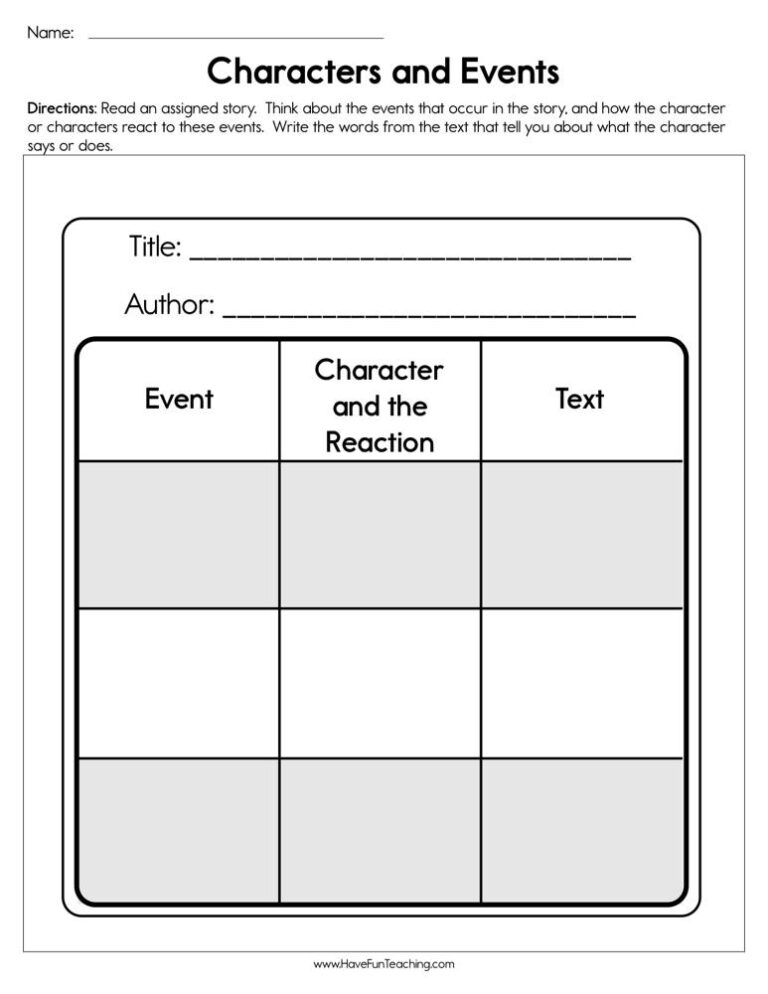
Using Characters and Events Worksheet, students identify characters and major events in a story with prompting and support.
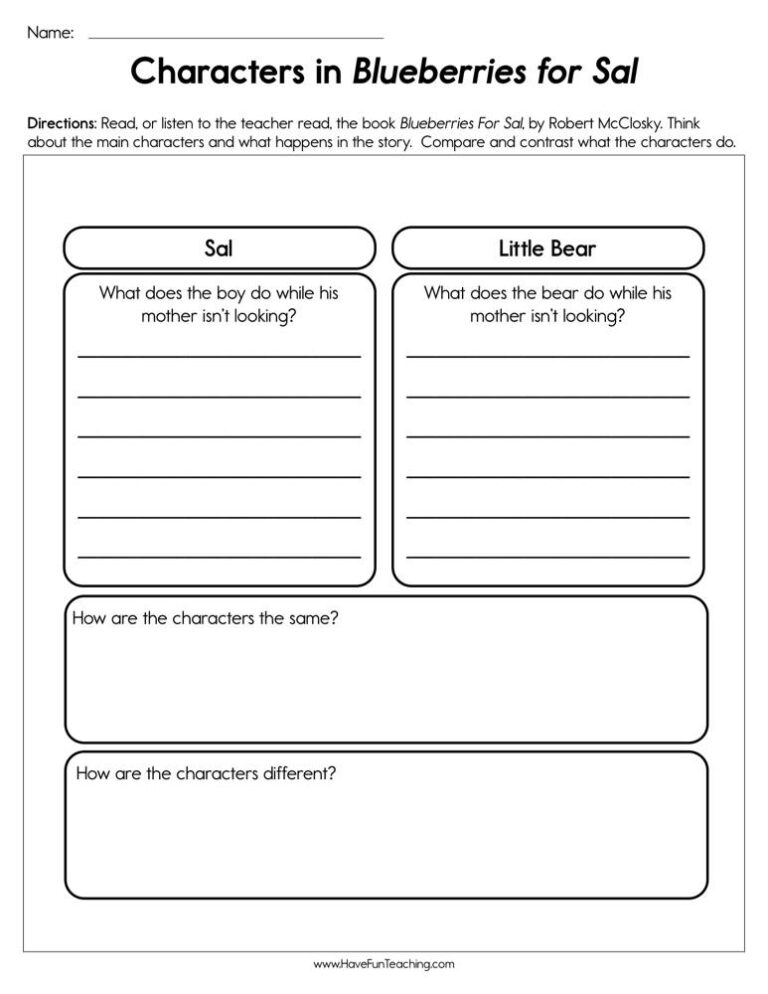
Using Characters in Blueberries for Sal Worksheet, students compare two characters from a story to determine how they are alike and different.