Skip to content
Start My 3 Free Days $0 today · cancel anytime

Economics Worksheets

20 economics worksheets. Teacher favorites: Supply & Demand Worksheet and Barter System Worksheet. How teachers use these

Economics Worksheets

20 economics worksheets. Teacher favorites: Supply & Demand Worksheet and Barter System Worksheet. How teachers use these

Worksheet
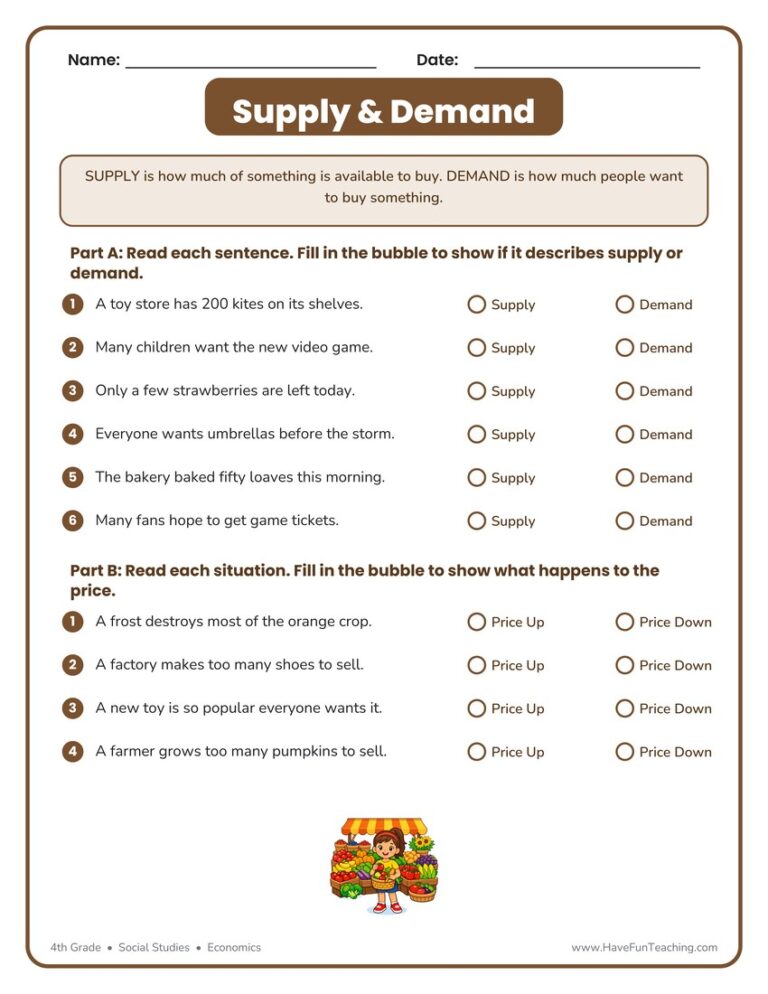
Worksheet4th GradeSupply & Demand Worksheet

This Supply & Demand Worksheet helps 4th grade students sort supply and demand and predict how prices change. Includes a complete answer key for quick, no-prep economics practice.

Worksheet
Worksheet3rd GradeBarter System Worksheet

This Barter System Worksheet has 3rd Grade students sort goods from services and explain what makes a swap fair, just like an economist. An answer key is included, so review takes seconds.

Worksheet
Worksheet4th GradeIndustrial Revolution Worksheet

This Industrial Revolution worksheet asks 4th graders to match key history and economics terms to clues, then explain how steam power and railroads made everyday goods cheaper. Answer key included.

Worksheet
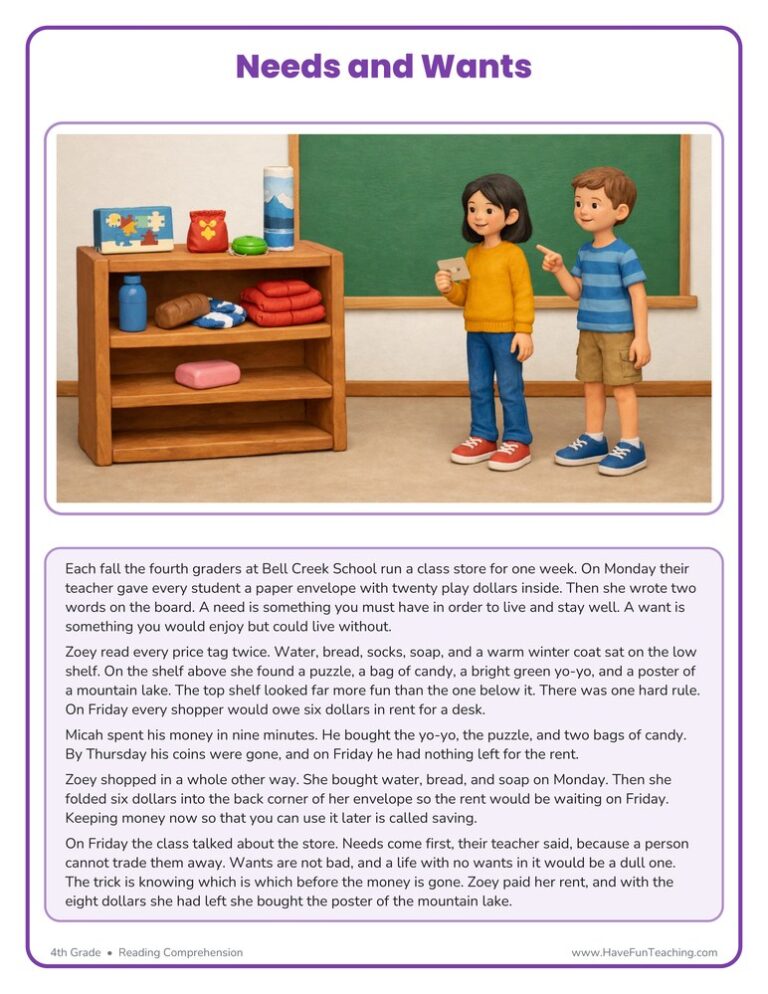
Worksheet4th GradeNeeds and Wants Reading Comprehension Worksheet

A needs and wants reading comprehension worksheet for 4th grade: read a short story about a classroom store, then answer bubble and written-response questions. Answer key included, so students can check their own evidence.

Worksheet
Worksheet3rd GradeEconomy Worksheet

This economy worksheet helps 3rd graders sort out producers, consumers, goods, and services with a word bank and a short town story. Answer key included, so it is ready for no-prep social studies practice.

Worksheet
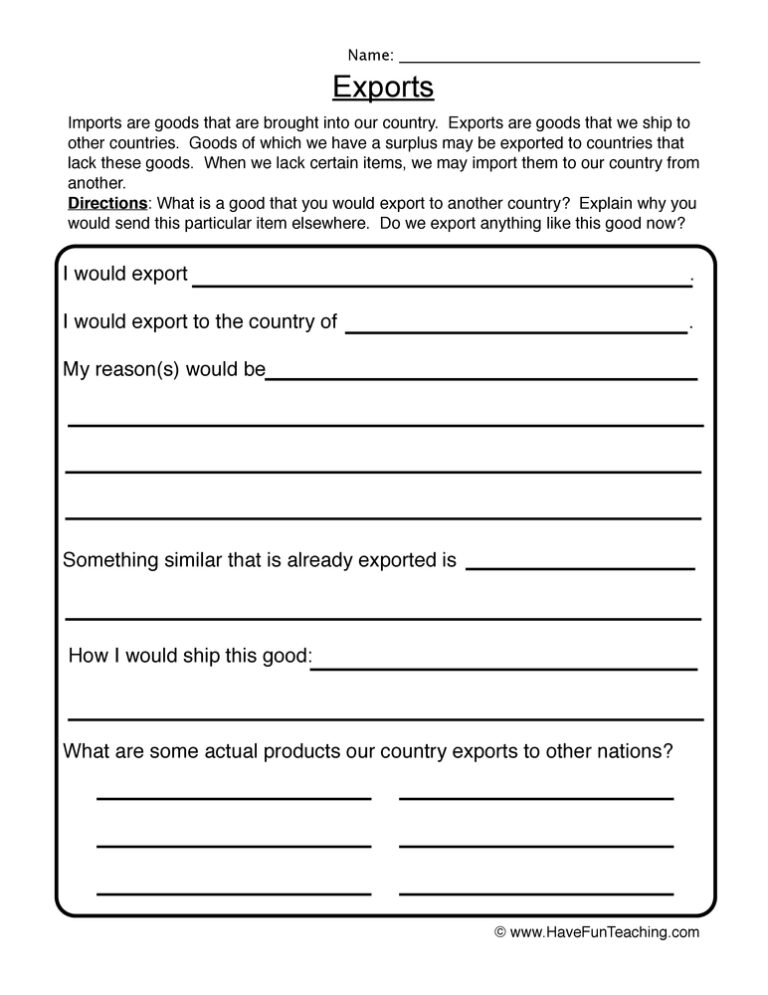
Worksheet4th GradeExports Worksheet

This Exports Worksheet has 4th graders label five trade situations as an import or an export, then explain their thinking in two written answers. Answer key included for quick, no-prep economics practice.

Worksheet
Worksheet4th GradeCreating Producers and Consumers Worksheet

This creating producers and consumers worksheet has 4th graders sort six community situations by producer or consumer and by goods or services. An answer key is included, so it is ready for quick, no-prep social studies practice.

Worksheet
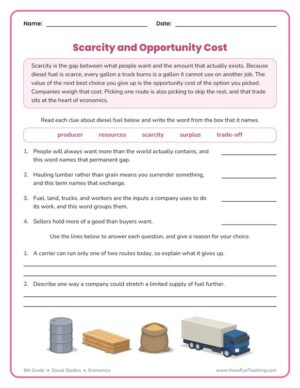
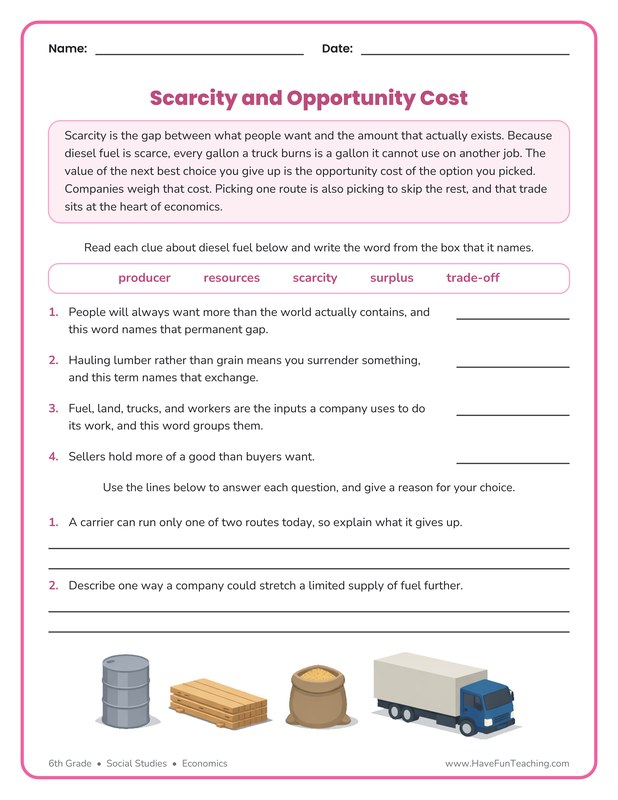
Worksheet6th GradeDiesel Fuel Scarcity and Opportunity Cost Worksheet

This scarcity and opportunity cost worksheet asks 6th graders to define economic trade-offs and justify what a carrier gives up when fuel is limited. An answer key is included for no-prep practice.

Worksheet
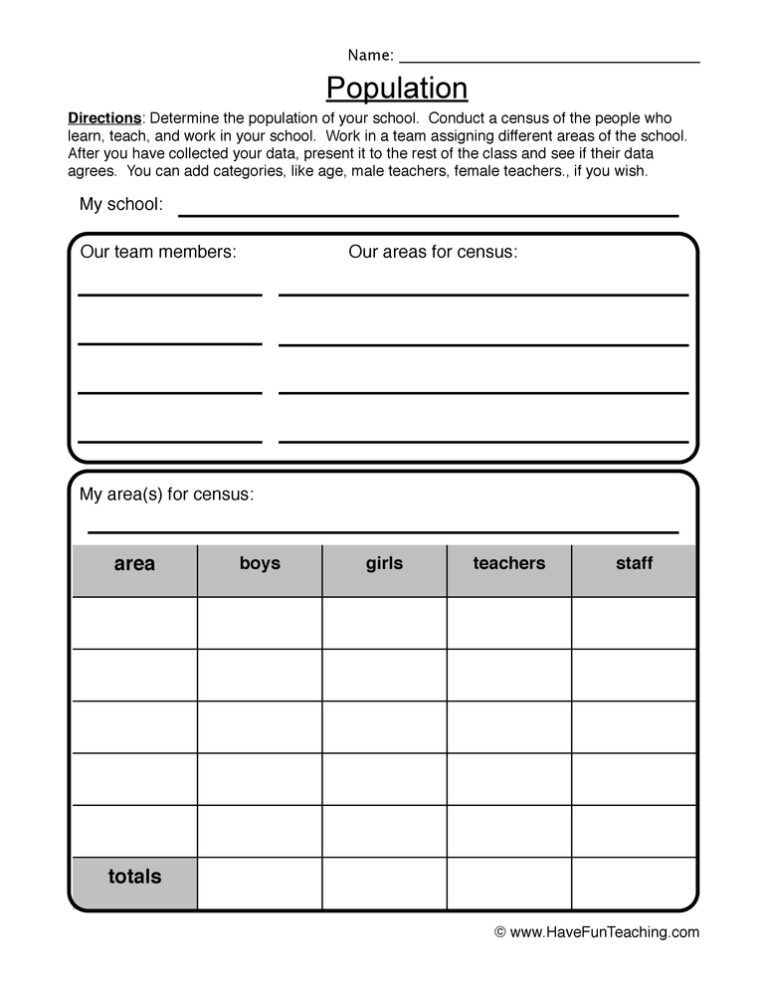
Worksheet3rd GradePopulation Collection Worksheet

This population collection worksheet asks 3rd graders to total a school census chart and answer three questions about the data. An answer key is included, so children see right away how counting people describes a community.

Worksheet
Worksheet3rd GradeGood and Services Worksheet

This Good and Services Worksheet has 3rd graders fill in bubbles to sort everyday purchases, then explain their thinking in writing. An answer key is included, so checking work is quick and easy.

Worksheet
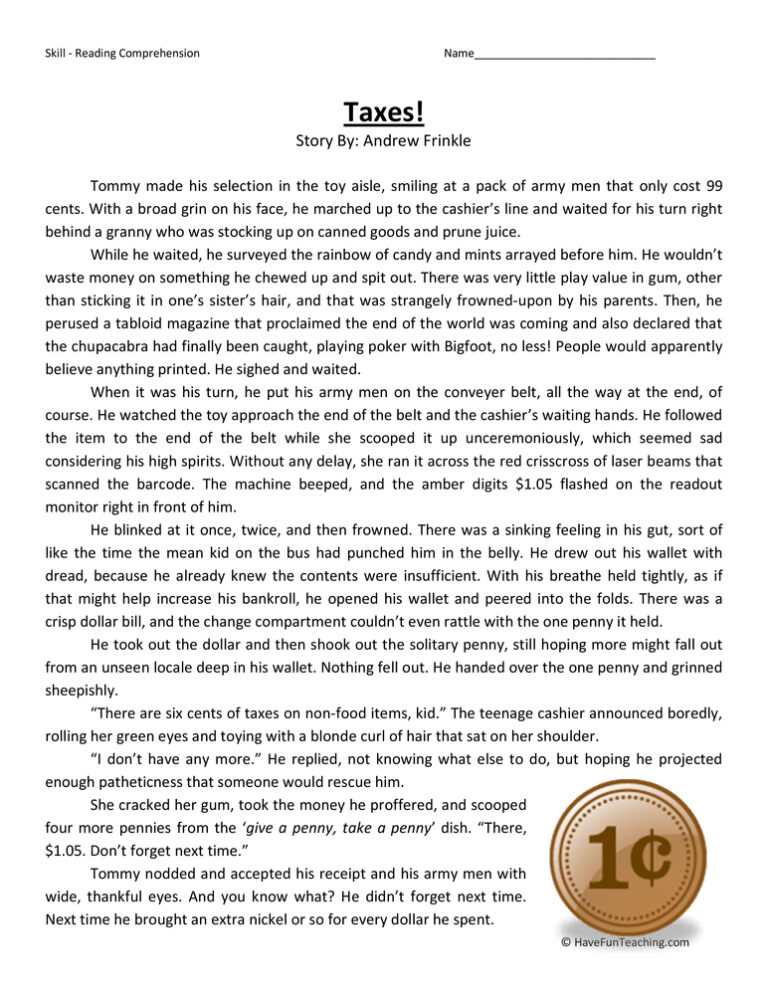
Worksheet5th GradeTaxes Reading Comprehension Worksheet

A taxes reading comprehension worksheet with an original two-page non-fiction text on sales, income and property tax for 5th grade. Four questions, one written response and an answer key.

Worksheet
Worksheet5th GradeDiesel Fuel Producers and Consumers Worksheet

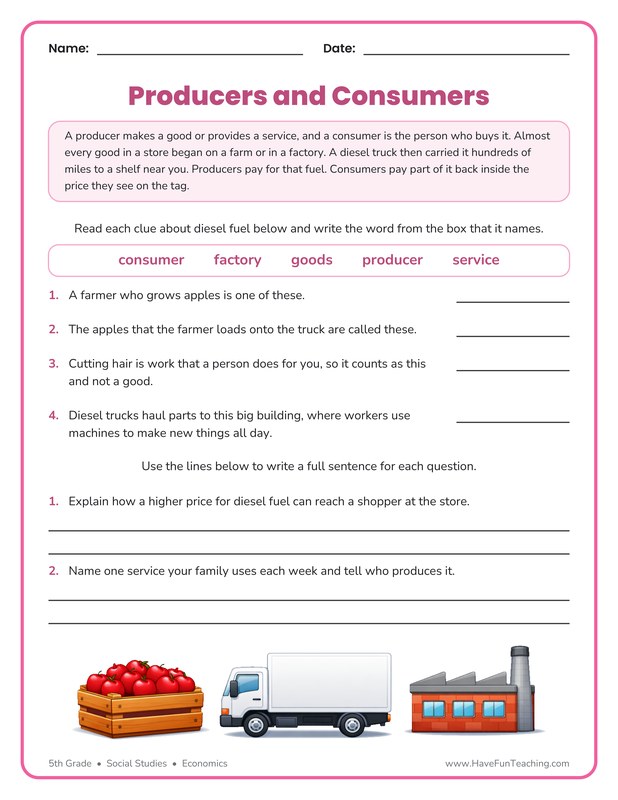
This producers and consumers worksheet has 5th graders follow apples from the farm to the shelf and tell goods apart from services. An answer key is included for easy, no-prep economics practice.

Worksheet
Worksheet3rd GradeImports Worksheet

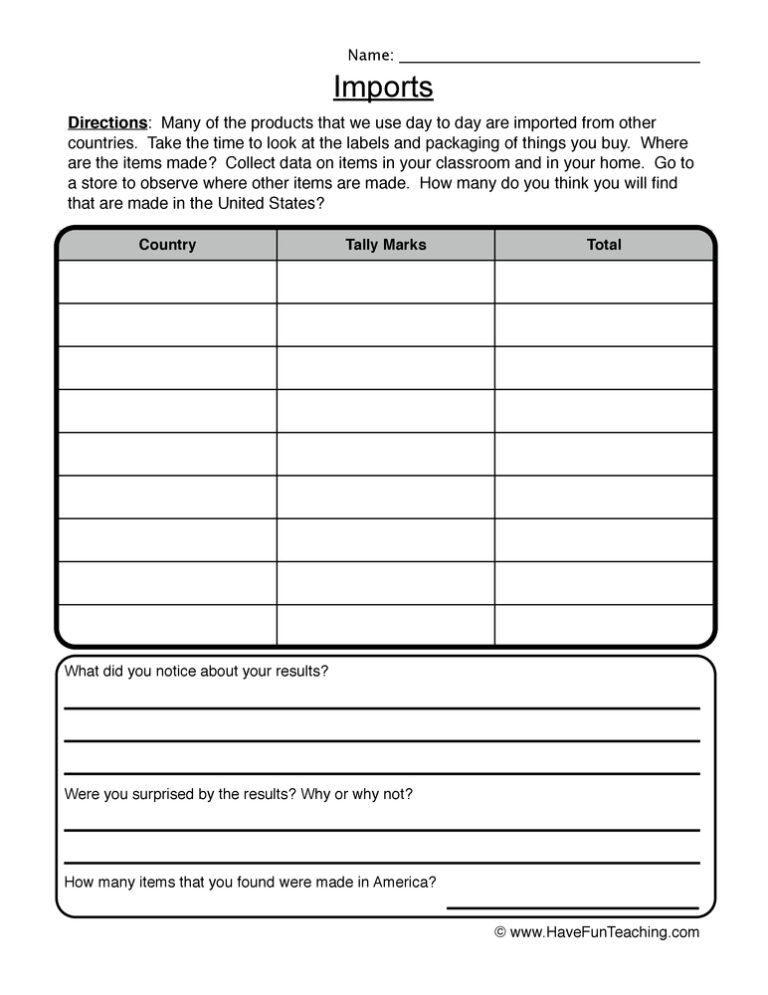
This Imports Worksheet has 3rd graders total a tally chart from a class label hunt and answer three questions about goods from other countries. An answer key is included for easy checking.

Worksheet
Worksheet4th GradeProducers and Consumers Worksheet

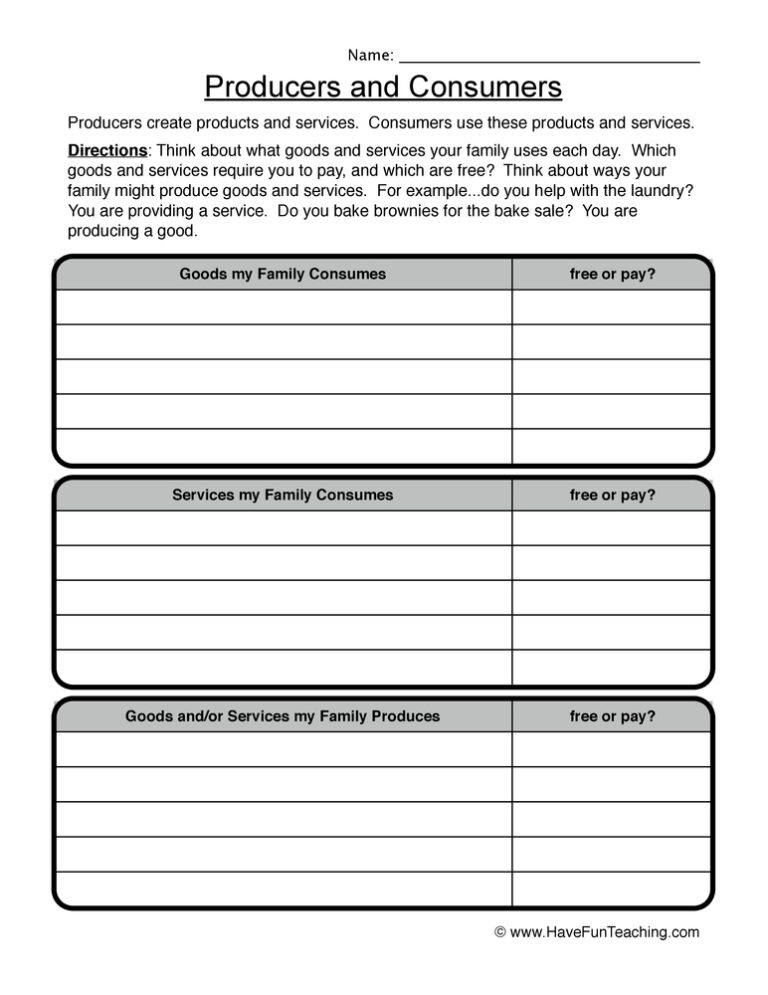
A Producers and Consumers Worksheet that has 4th graders match six everyday scenes to producer, consumer, goods, or services, then explain how a shopper pays a maker. Answer key included for quick no-prep economics practice.

Worksheet
Worksheet5th GradeTaking Care of the Poor Worksheet

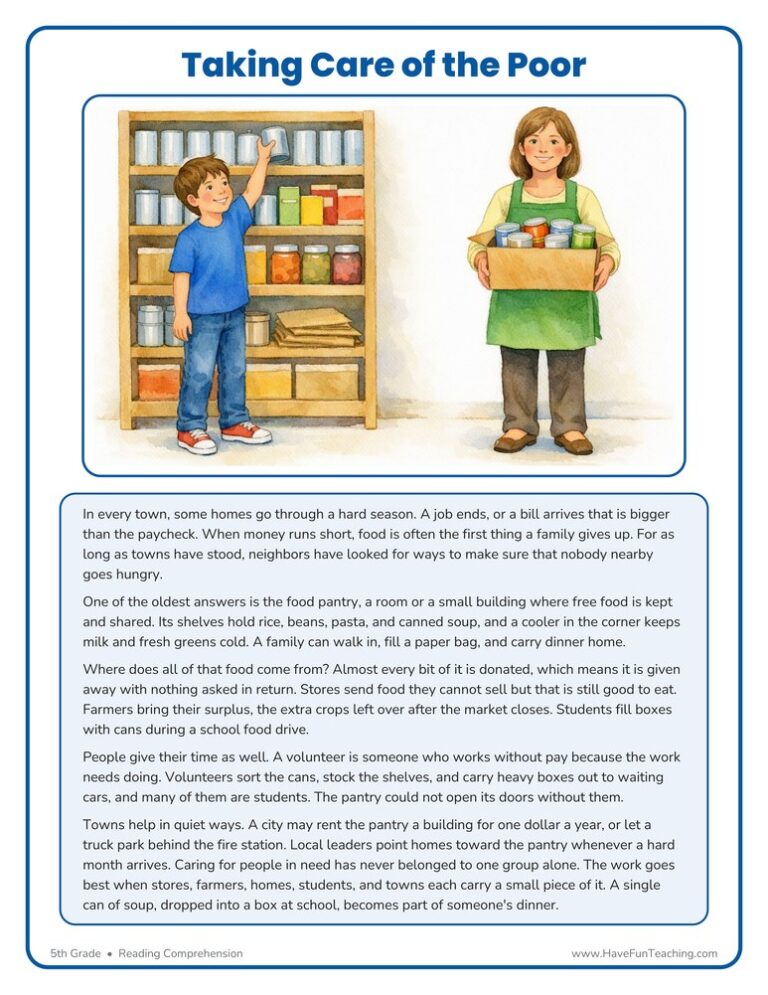
This Taking Care of the Poor Worksheet gives 5th graders an illustrated passage about community food pantries plus evidence-based comprehension questions. An answer key is included, so the practice takes no prep at all.

Worksheet
Worksheet3rd GradeAmerican Industrial Revolution Worksheet

This American Industrial Revolution Worksheet gives 3rd grade readers a short true passage about Samuel Slater's mill, four questions, a written response and an answer key, so main idea practice feels like real history.

Worksheet
Worksheet4th GradeTo Save or Not to Save Reading Comprehension Worksheet

This To Save or Not to Save reading comprehension worksheet gives 4th graders a nonfiction passage on saving and spending, with questions and an answer key that build smart money habits.

Worksheet
Worksheet5th GradeCryptocurrency and the Blockchain Reading Comprehension Worksheet

Introduce digital money with this Cryptocurrency and the Blockchain reading comprehension worksheet for 5th grade. Students read a short nonfiction passage and answer questions, with an answer key included to make checking quick and easy.

Worksheet
Worksheet5th GradeReselling for Profit Reading Comprehension Worksheet

Use this reselling for profit reading comprehension worksheet to help 5th grade students explore wholesale prices, unit cost and profit, then answer text-based questions and check their work with the answer key.

Worksheet
Worksheet4th GradeDiesel Fuel Supply and Demand Worksheet

This supply and demand worksheet asks 4th graders to use diesel fuel, trucks, and grocery prices to explain why a price rises or falls. An answer key is included for fast, no-prep economics practice.

From our teachers' playbook

Needs, wants and smart choices

What do kids learn about economics?

Economics for kids starts with one big idea: we can't have everything, so we make choices. Young learners sort needs and wants and goods and services, then meet producers and consumers. Older kids explore scarcity, opportunity cost, supply and demand, saving, taxes and trade, from the barter system to today's money. The click moment is realizing that every choice has a cost: buy the toy now, and you give up the bigger thing you were saving for.

Our favorite ways to make economics stick

Kids get economics fastest when it's about their own choices. These moves turn big words into everyday sense.

Who makes it, who buys it?

Have kids list five things they used today, then draw the producer behind each one: the farmer, the baker, the bus driver. Seeing producers and consumers in their own morning makes the idea stick far better than a definition.

Why it works: going from real objects to pictures to symbols is a core recommendation of the U.S. Department of Education's elementary math guide.

Producers and Consumers WorksheetTry it withProducers and Consumers WorksheetWorksheetsOpen it →
Need or want? Quick check

Read a short passage, then fire off quick items: "Shoes? Video game? Water?" Kids answer on whiteboards and explain any they disagree on. Those debates ("but I need my tablet!") are where the real learning happens.

Why it works: a big review of study methods ranked quick self-quizzing among the most powerful ways to remember (Dunlosky and colleagues, 2013).

Needs and Wants Reading Comprehension WorksheetTry it withNeeds and Wants Reading Comprehension WorksheetWorksheetsOpen it →

Opportunity cost in the news

Use a real situation, like a fuel shortage, to connect scarcity and opportunity cost. Kids decide what a town should do with limited fuel and name what each choice gives up. Mixing ideas in one real story beats separate vocabulary drills.

Why it works: mixing different kinds of problems in one practice set helped students do far better on a later test (Rohrer and Taylor, 2007).

Diesel Fuel Scarcity and Opportunity Cost WorksheetTry it withDiesel Fuel Scarcity and Opportunity Cost WorksheetWorksheetsOpen it →

Questions teachers and parents ask

What is economics for kids?

It's the study of how people make choices about using money, time and resources. For kids, it starts with needs and wants, goods and services, and producers and consumers.

What age should kids learn economics?

Kindergarten and 1st grade can sort needs and wants. By 2nd and 3rd grade kids learn producers, consumers and scarcity, and upper elementary adds supply and demand, trade and taxes.

How do you explain supply and demand to a child?

Use something they love. If everyone wants the last cookie, its "price" goes up. If there are tons of cookies and nobody's hungry, the price drops. That's supply and demand.

What is opportunity cost in simple terms?

It's what you give up when you choose something. If you spend recess on the swings, the opportunity cost is the game of tag you missed.

How can I teach kids about money at home?

Let them make small spending choices with real coins, set a savings goal together, and talk through store decisions out loud. Real practice builds money sense early.