
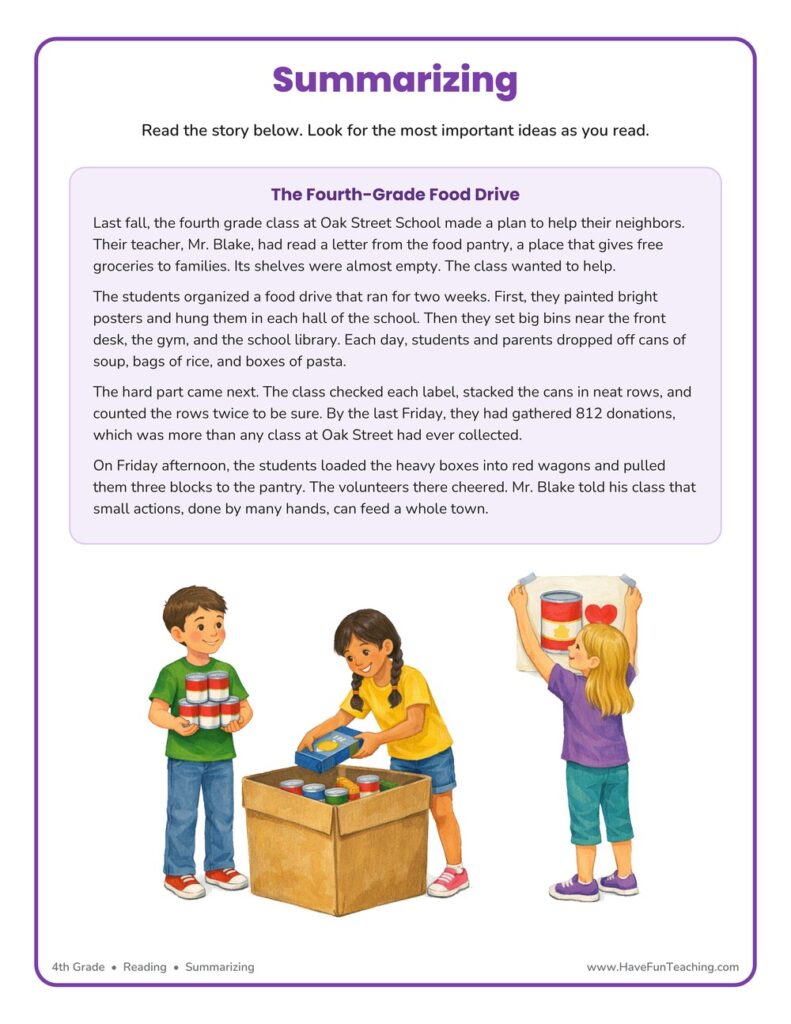
Summarizing Worksheet
This Summarizing Worksheet asks 4th graders to read an original story, map it on a who, what, where, when, and how organizer, then write a short summary. Answer key included for fast, no-prep practice.
$6.97
Or free with a membership — members pay $3.33/mo for all 10,000+ resources. See plans
Want this one free?
Tell us where to send it and it’s yours — no card, no catch.
One free resource per teacher. We’ll also send free teaching ideas each week — unsubscribe anytime.
Teaching is easier with a membership
Unlimited printables, games & videos for PreK–6th — for your classroom or homeschool. Cancel anytime.
Start your 3-day free trial$0 today · cancel anytime · Instant access to 10,000+ resources
About this resource
Description
Summarizing is the skill of pulling the most important ideas out of a text and retelling them in a few clear sentences of your own. Fourth graders meet longer stories and articles every day, and they need a reliable way to separate the big ideas from the small details. This Summarizing Worksheet gives them that method, using a five-question graphic organizer built around who, what, where, when, and how. When students answer those five questions first, the summary almost writes itself, and the guesswork disappears.
This 4th grade graphic organizers worksheet opens with an original story called The Fourth-Grade Food Drive, written at a fourth-grade reading level. Students read the story on page one, then move to page two and complete the organizer, filling in one card for each of the five questions. Once the cards are finished, they use their own notes to write a two- or three-sentence summary on the lines below. Use it as guided practice after a mini-lesson, as independent seatwork, as a reading-center task, or as a quick check before a comprehension assessment. A complete answer key is included so grading takes only a moment.
What’s Included
- 1 print-ready PDF worksheet
- Answer key
- 1 original fourth-grade story, a 5-question who/what/where/when/how graphic organizer, and a guided summary writing task
There are three reasons this Summarizing Worksheet helps kids learn the skill. First, the organizer breaks an abstract task into five concrete questions, so a student who freezes at “write a summary” always has a place to start. Second, writing the answers down before drafting forces students to choose what matters, which is the real thinking work of summarizing. Third, the directions ask students to leave the small details out, so they practice judgment rather than simply copying sentences from the story.
Teachers and parents can stretch this skill in plenty of other ways. Try summarizing a chapter of a read-aloud out loud at the end of each day, or challenge students to retell a favorite movie in exactly twenty words. Cut a familiar story into strips and have partners sort the key events from the extra details. Newspaper headlines make wonderful models, since a headline is a summary in a handful of words. Finish the week by having students summarize each other’s writing and compare notes.
Related Resources
What teachers say
Reviews
You must be logged in to post a review.
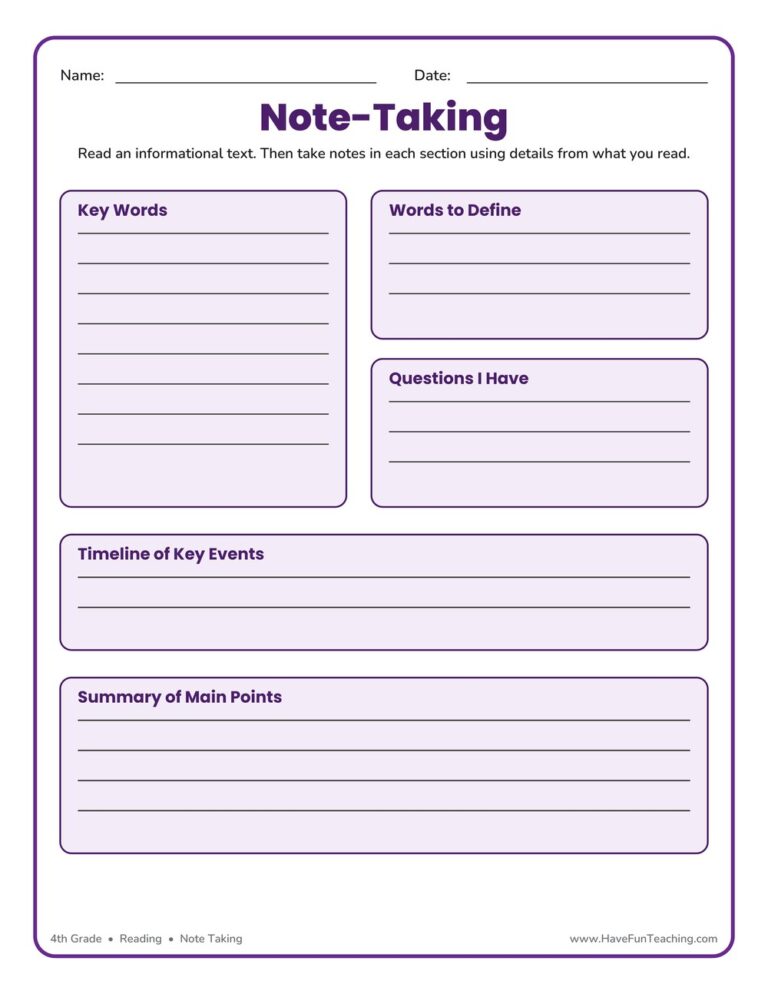
This Informational Text Note-Taking Worksheet gives 4th grade readers a five-section graphic organizer for recording key words, vocabulary, questions, a timeline, and a summary from any nonfiction text — a no-prep tool for building stronger comprehension.

This Main Idea Graphic Organizer helps 4th graders record the main idea of any nonfiction text, add four supporting details, and write a short summary that builds strong reading skills.
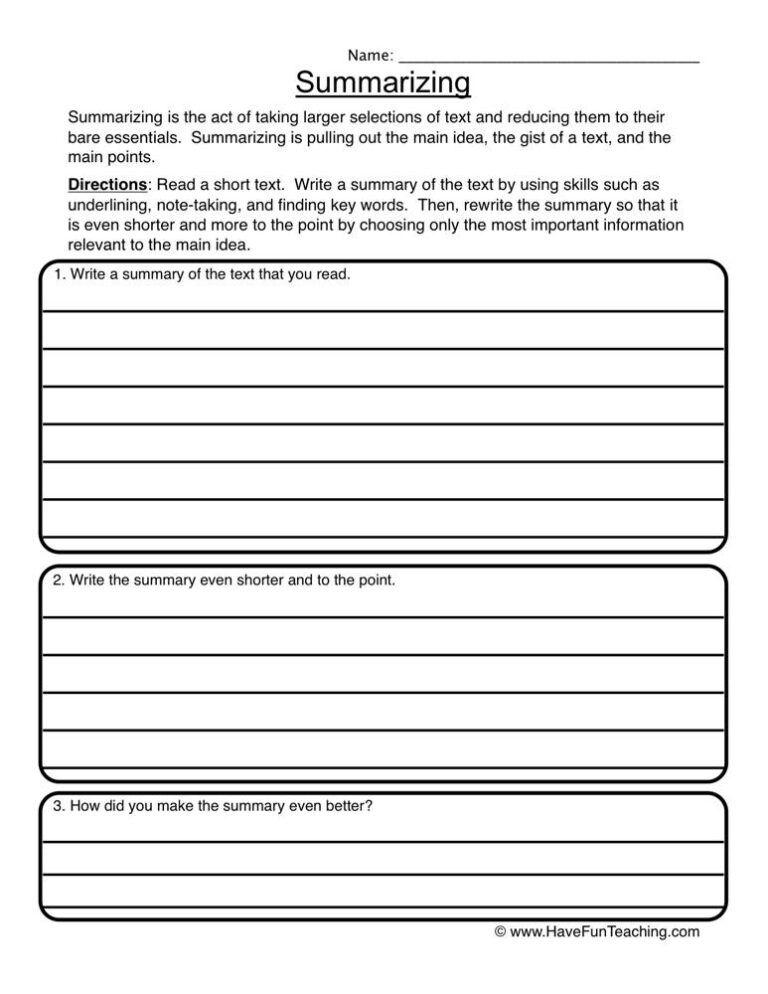
This summarizing organizer worksheet walks 4th grade students from the main idea to three key details to a short summary in their own words, using any story or article they choose.
Using RI.4.5 Fourth Grade Common Core Lesson, students describe the overall structureof events, ideas, concepts, or information in a text or part of a text.
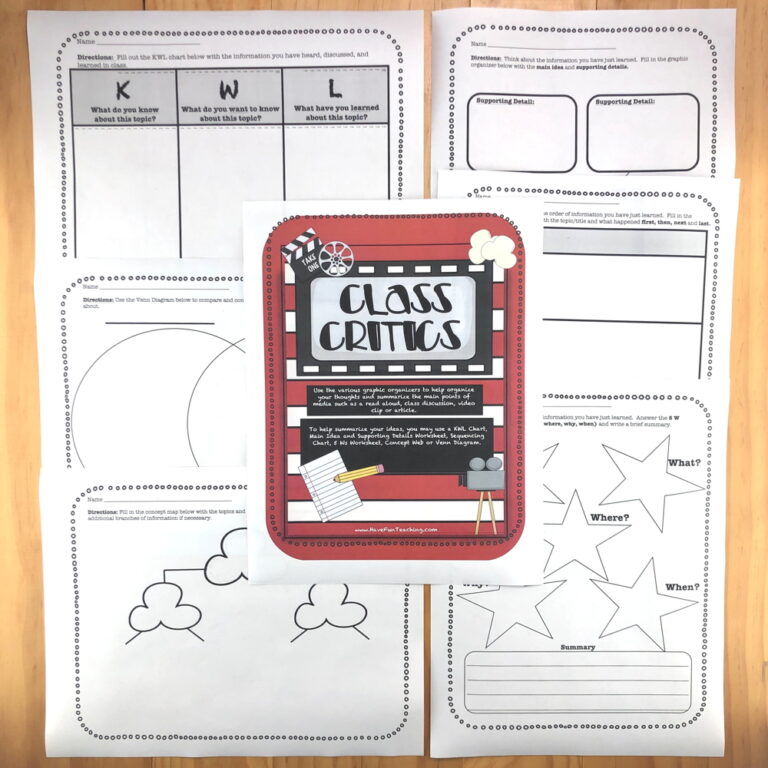
Using Retell the Story Activity, students read Floppy Ears aloud to students and then use the question chart to assess students ability to retell the story.

Using this Let's Chat Discussion Starter Activity, students summarize the points a speaker makes and explains how each claim is supported by reasons and evidence through discussion starter cards.

Using In Your Own Words Paraphrase Activity, students paraphrase portions of a text read aloud or information presented in any formats in your own words.

This Now Presenting - Report on a Topic Activity is a fun way for students to learn about Summarizing and presentations!

Using Digging for Information Text Structure Activity, students describe the relationship between events, scientific concepts, or procedures in a text.
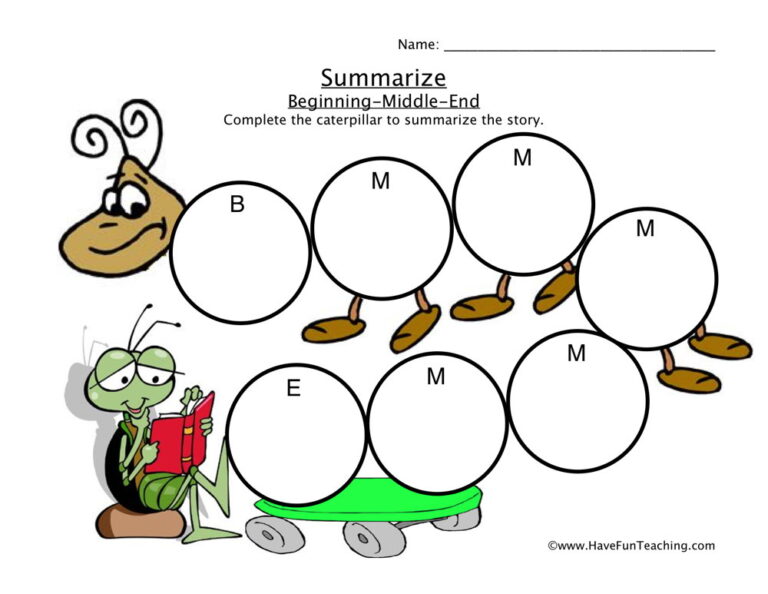
Using this Insect Beginning, Middle, End Worksheet, students describe the major events that occur in the beginning, middle, and end while reading.

Using What Comes Next Sequencing Activity,studentsdescribe the relationship between a series of historical events, scientific ideas or concepts, or steps in technical procedures in a text.
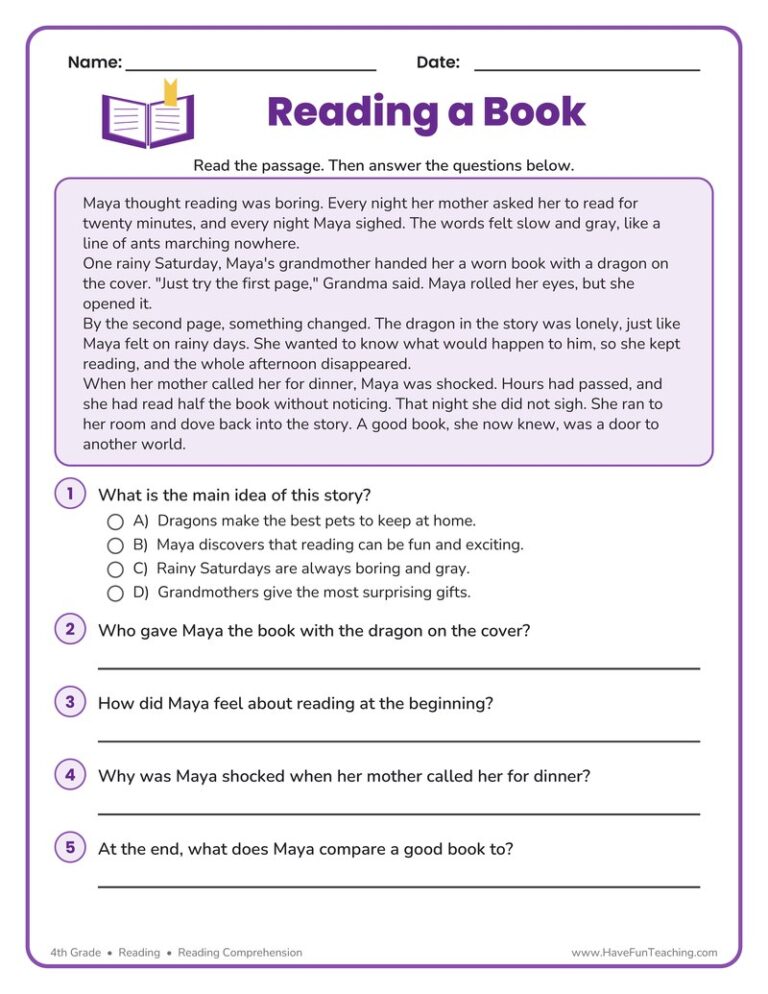
A Reading a Book Reading Comprehension Worksheet that helps 4th graders read a fun story about a girl who learns to love reading, then answer multiple-choice and short-answer questions. Includes a complete answer key for quick, no-prep practice.




Reviews
There are no reviews yet