

This Making Inferences Recording Worksheet helps 4th grade readers find story clues, add what they know, and write a clear inference for three short stories. An answer key is included.
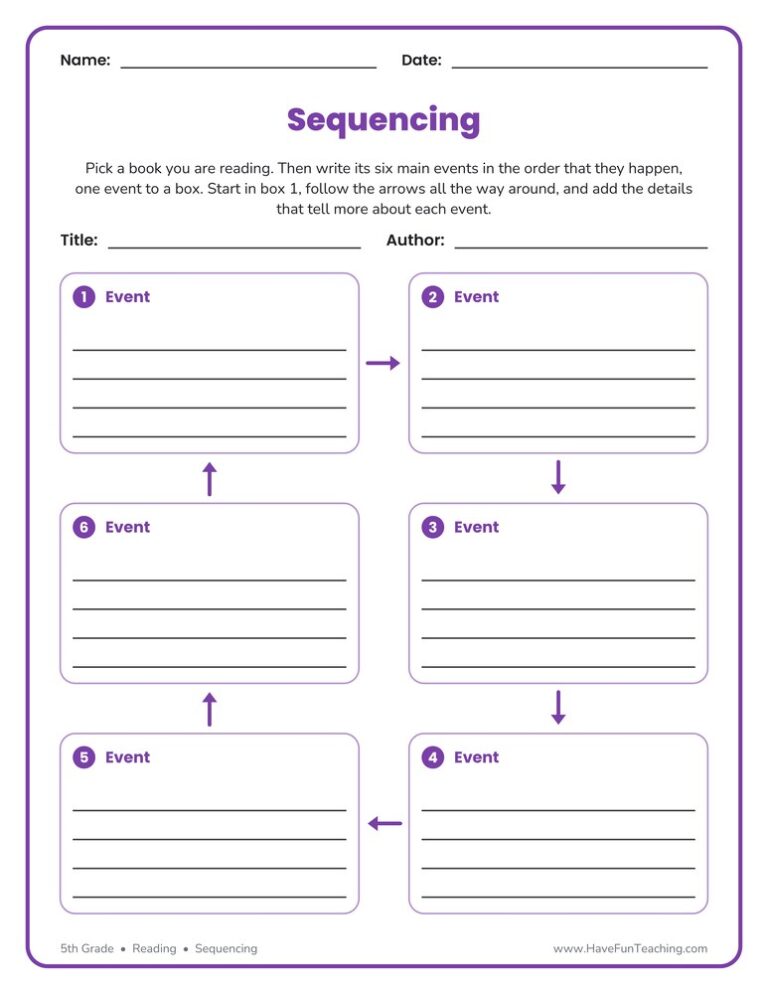
This circle sequence graphic organizer helps 5th grade students record the six main events of any book in order, with lines for supporting details. It works with fiction or nonfiction and builds summarizing skills.
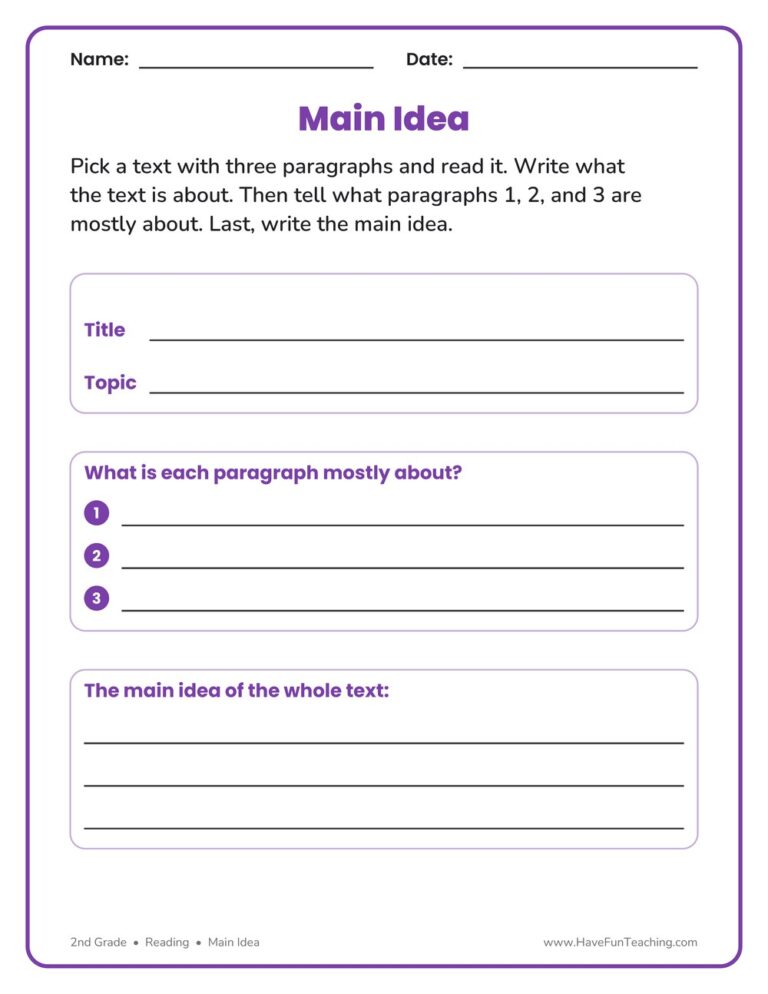
This main idea graphic organizer worksheet helps 2nd grade readers note what each of three paragraphs is about, then write the main idea of the whole text, building strong summarizing skills.
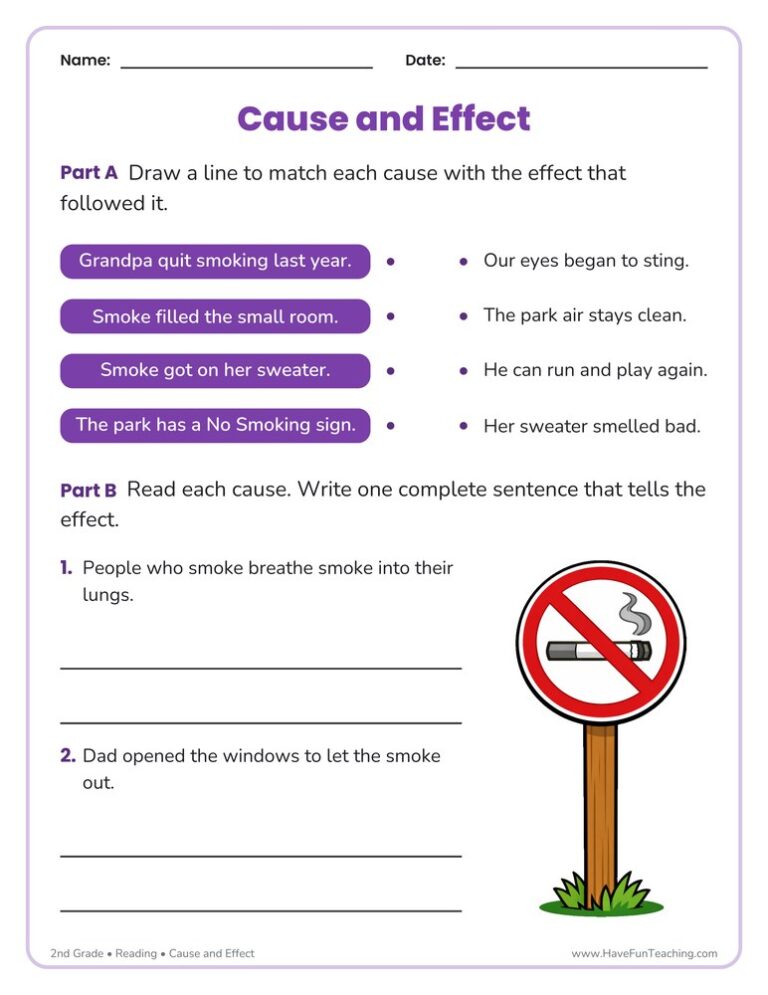
This Smoking Cause and Effect Graphic Organizer Worksheet helps 2nd graders link four health causes to their effects and write two more. An answer key is included, so kids practice reading and healthy choices together.
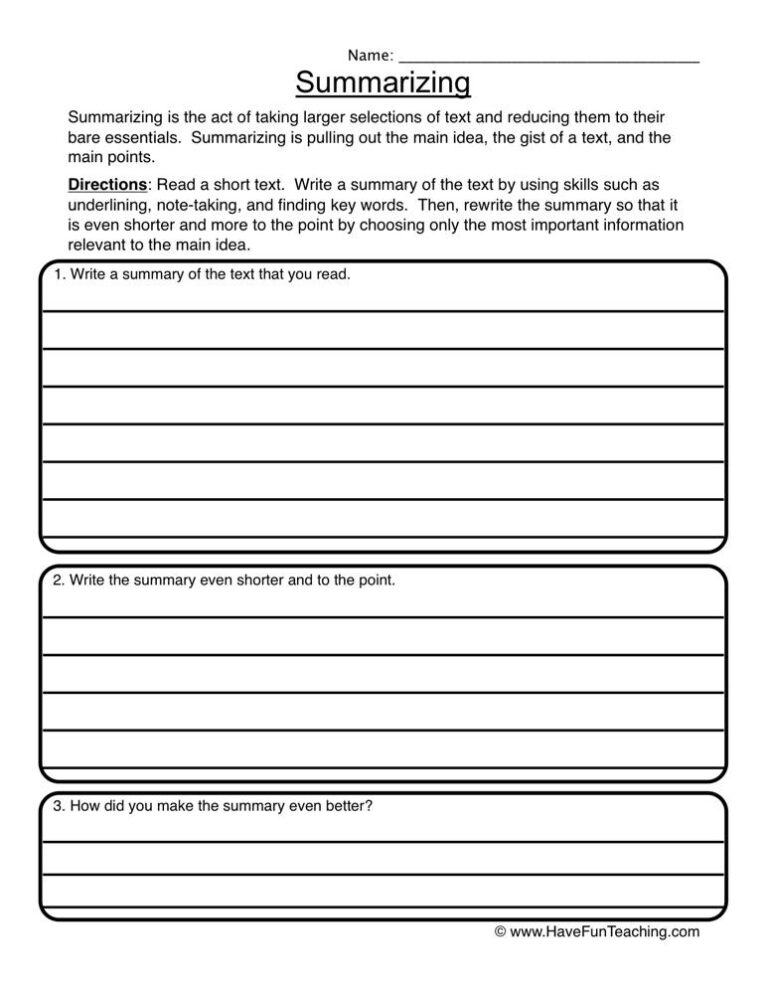
This summarizing organizer worksheet walks 4th grade students from the main idea to three key details to a short summary in their own words, using any story or article they choose.

A compare and contrast graphic organizer that helps 3rd graders map the problem and solution in two texts, then write how the two texts compare. Works with any pair of books or articles.
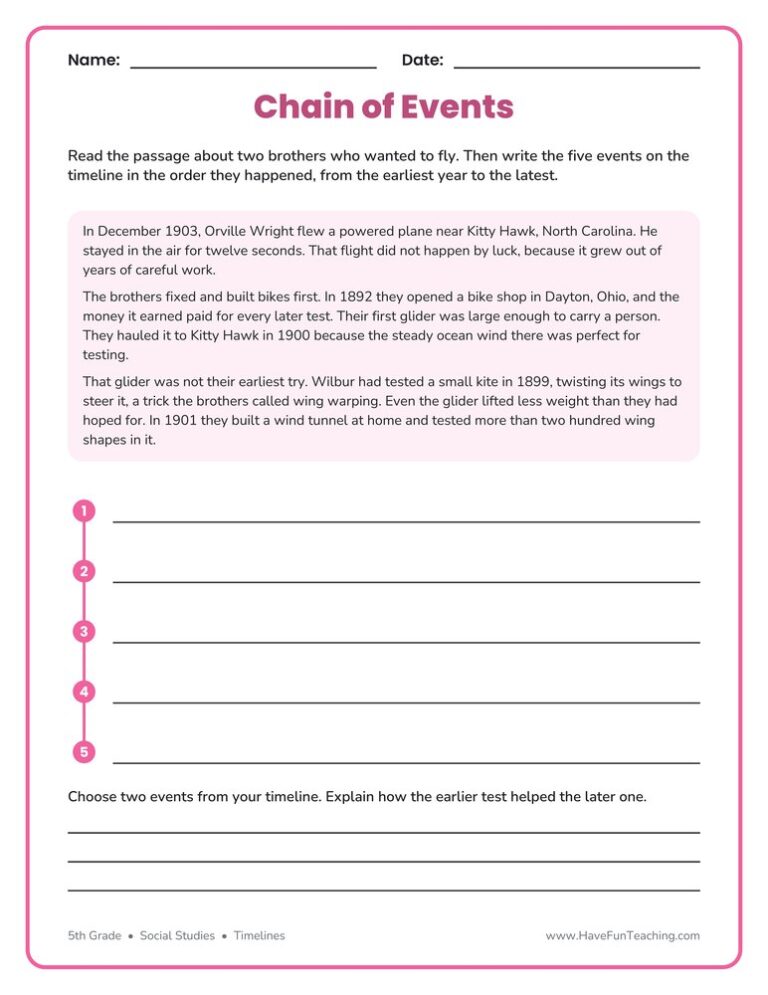
This History Vertical Timeline of Events Graphic Organizer Worksheet has 5th graders read a short Wright brothers passage and order five dated events on a vertical timeline. Answer key included.
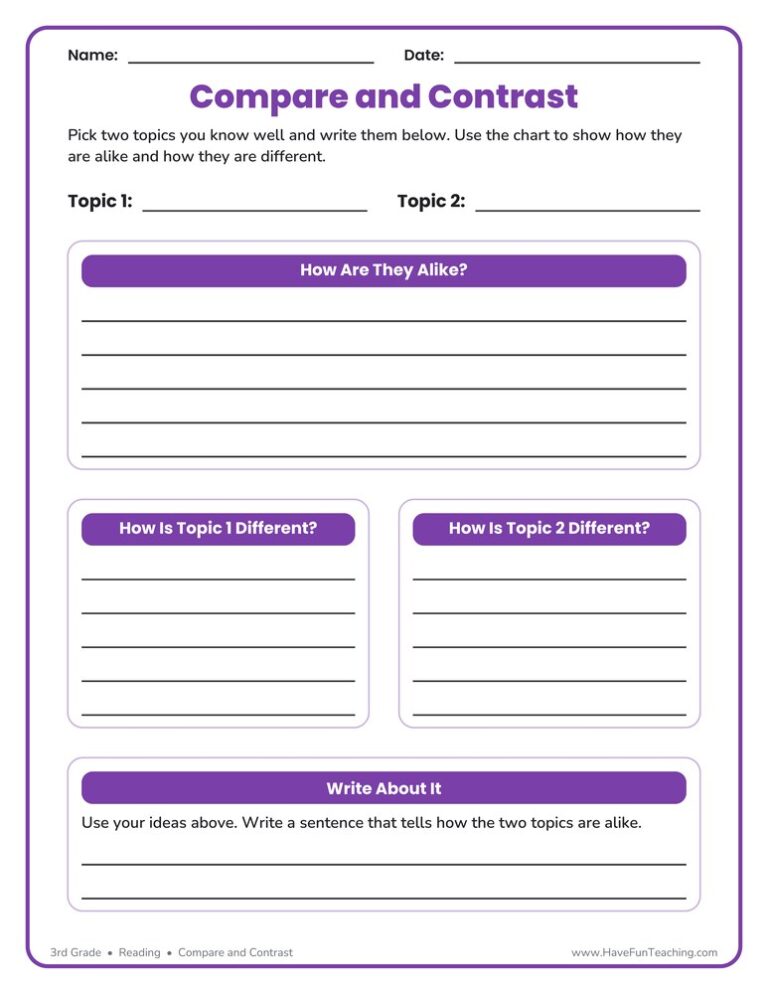
This Compare and Contrast Graphic Organizer gives 3rd Grade students one page to sort how any two topics are alike and different, then write a sentence that sums up what they found.
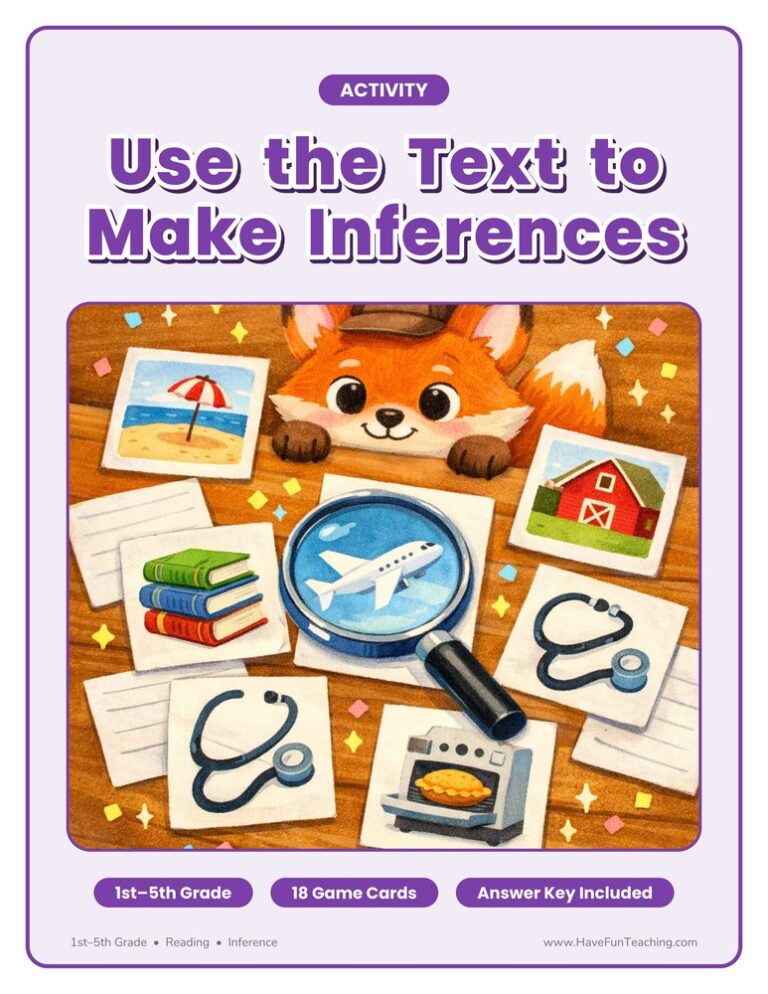
In this use the text to make inferences activity, 1st to 5th grade students read short clue stories, infer the place, and name the text clues. Answer key included.
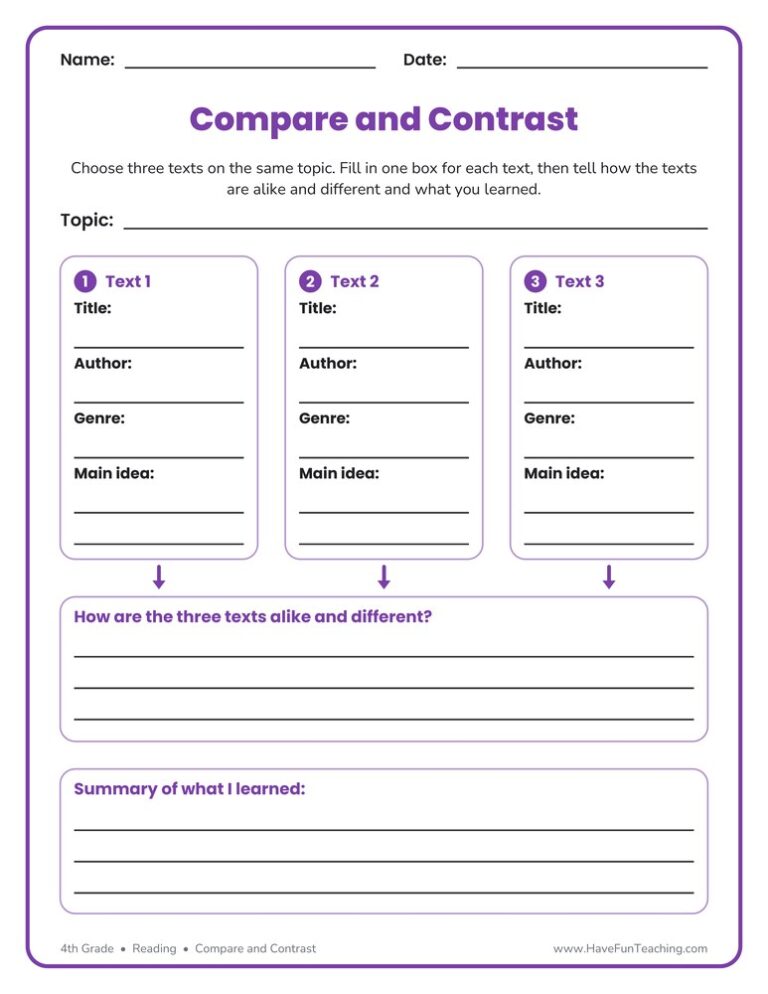
This comparing three texts graphic organizer worksheet guides 4th Grade students to record details from three texts on one topic, compare them, and write a summary of what they learned.
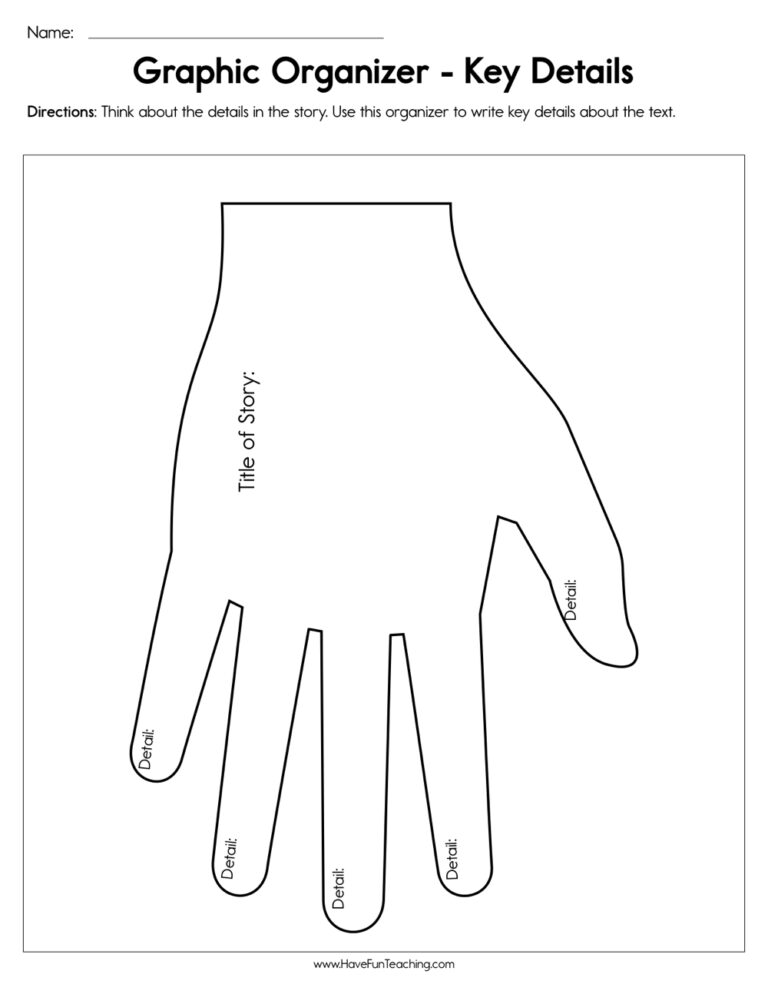
Use this key details graphic organizer worksheet with any book as 1st grade students name the main topic and write three details that tell more about the story.

A compare and contrast cause and effect graphic organizer where 3rd graders chart what happened and why in two texts, then write how the texts compare. Works with any pair of books.
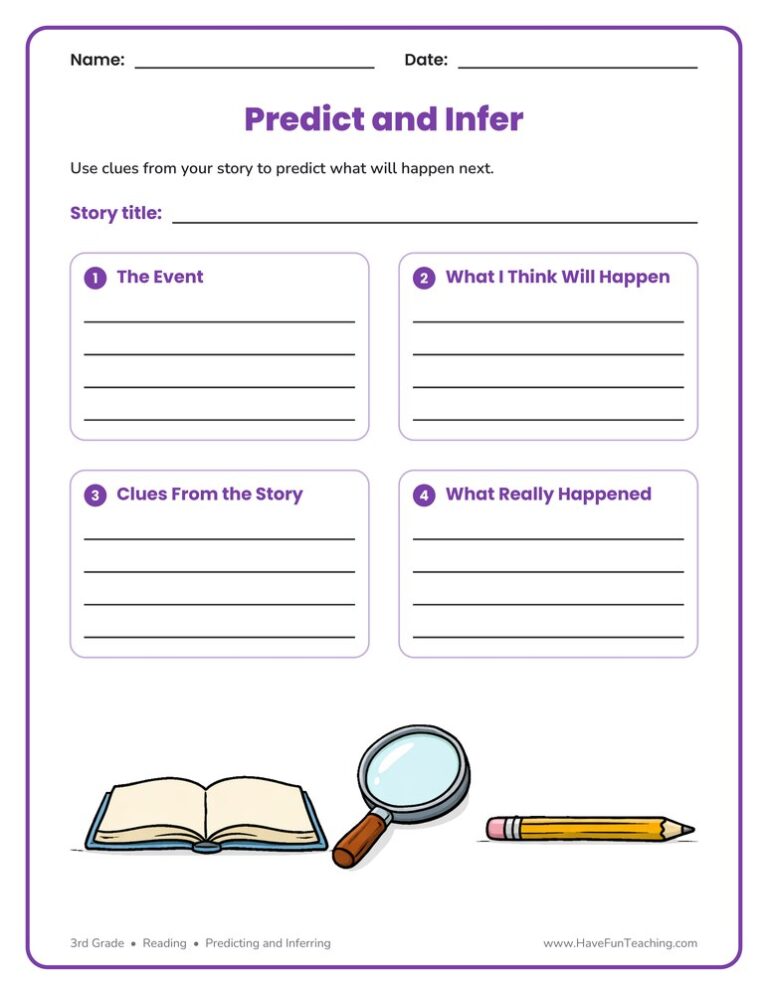
This predict and infer graphic organizer worksheet gives 3rd grade readers one page to name an event, predict what happens next, list the clues behind the guess, and then check it against the real ending.

A venn diagram graphic organizer worksheet where 2nd graders sort six sentences about rain and snow into alike and different. Answer key included, for quick compare and contrast practice.
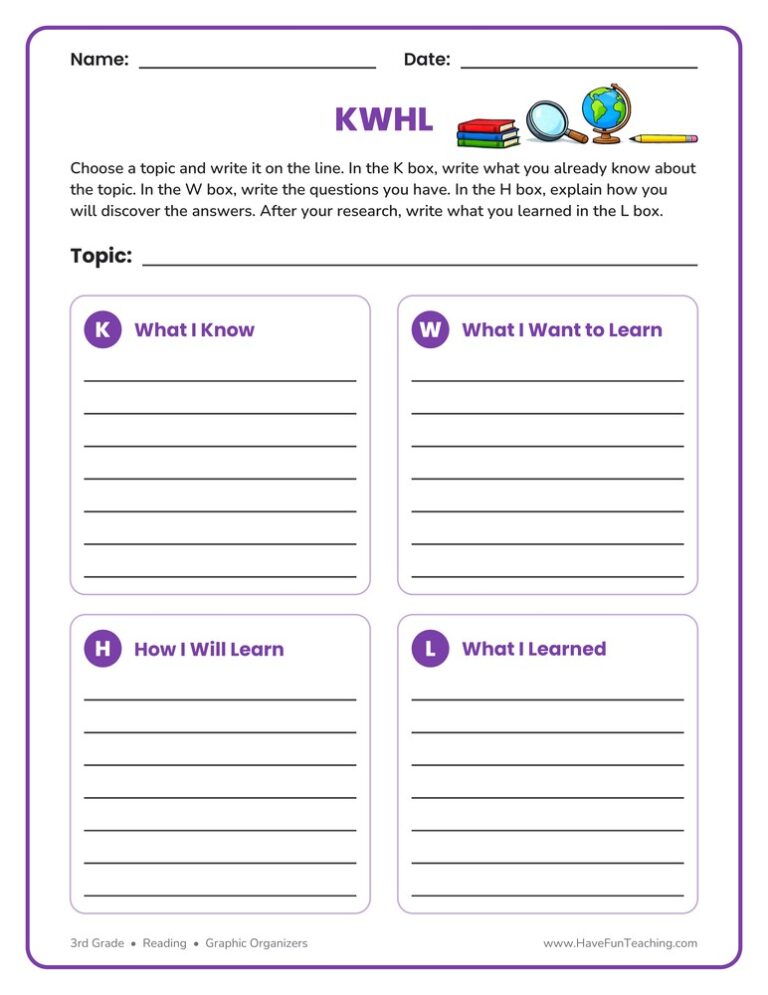
This KWHL graphic organizer helps 3rd grade students plan research on any topic by recording what they know, what they want to learn, how they will learn it, and what they discover.
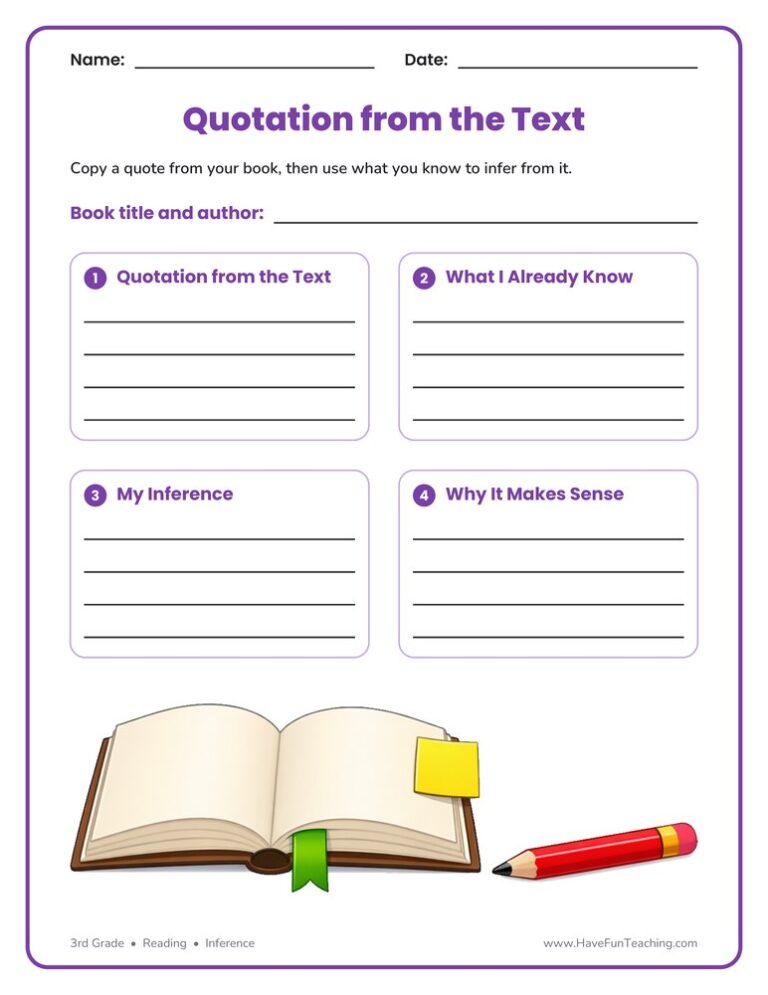
Use this Quotation from the Text Graphic Organizer Worksheet to help 3rd graders copy a quote from any book, connect it to what they know, and write a strong inference with a reason.

The Itsy Bitsy Spider Graphic Organizer Worksheet lets 1st grade readers finish a main idea sentence and four key details from a word bank. An answer key is included for quick checking.
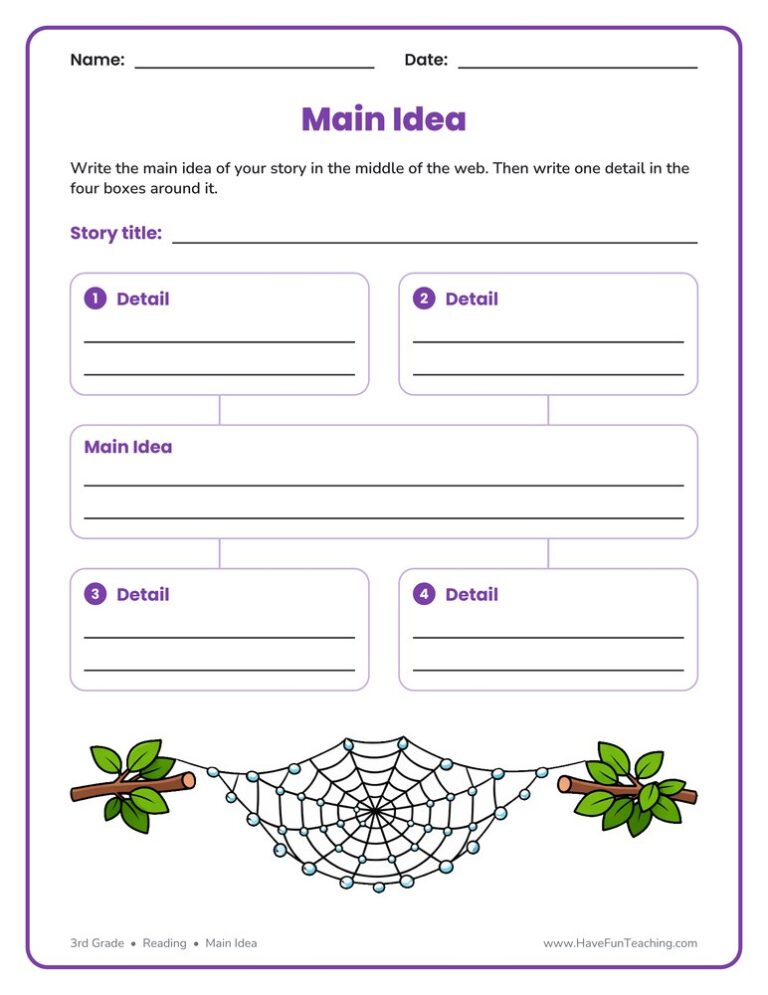
This main idea spider graphic organizer worksheet gives 3rd grade readers a web for one big idea and four supporting details, so students learn to back up what a story is mostly about with real evidence.
This organize your thinking informational text activity helps students take clear notes on nonfiction. Made for 3rd to 5th Grade, with a practice page and answer key included.

This different types of text graphic organizer worksheet invites kindergarten readers to find and draw books, magazines, and newspapers from a classroom collection, building early genre awareness through a fun hands-on hunt.



