
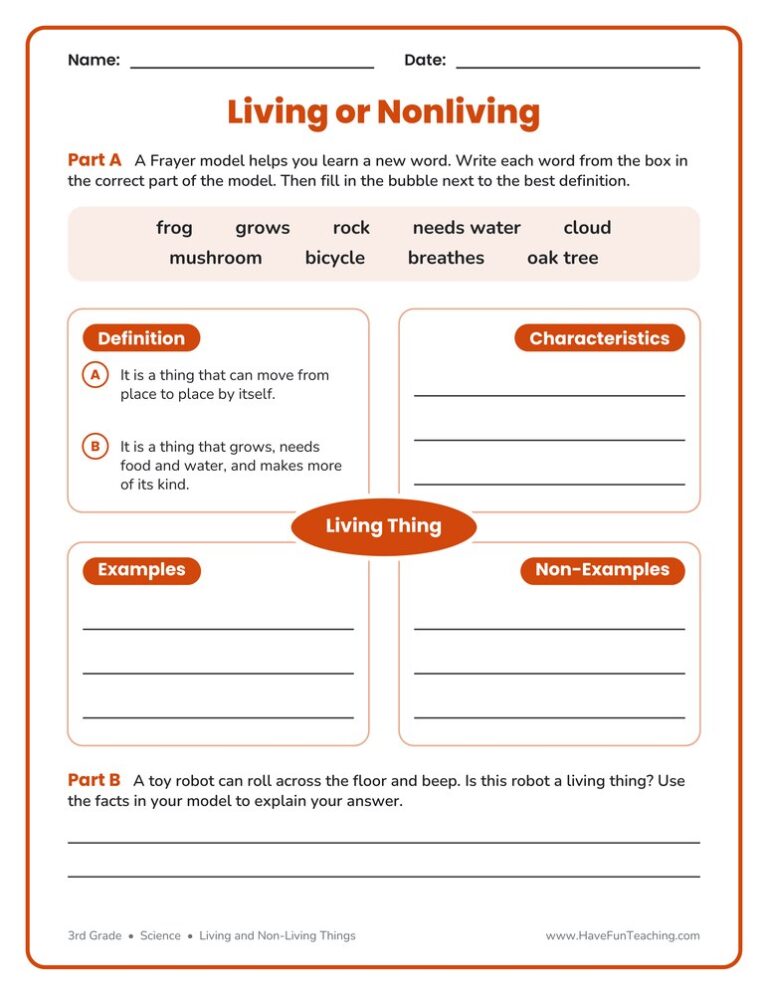
This living non-living frayer model worksheet has 3rd graders sort words, pick the best definition, and explain their thinking about living things. An answer key is included for quick, easy checking.
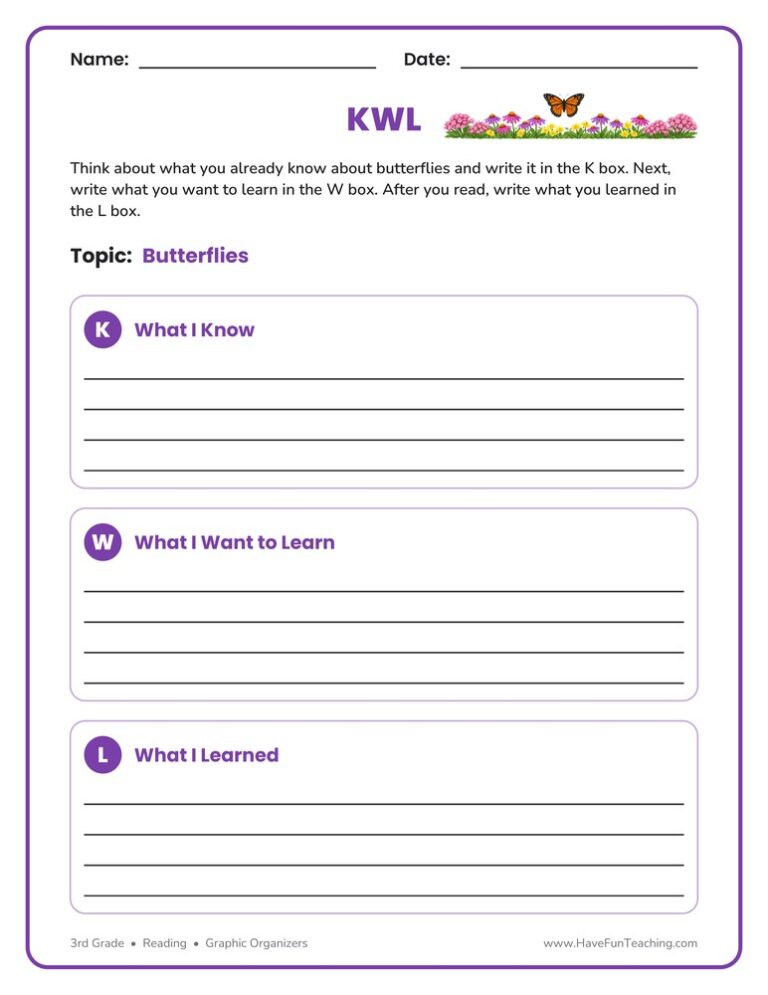
This butterflies KWL graphic organizer helps 3rd grade students record what they know, what they want to learn, and what they learned about butterflies, building strong reading and science habits.
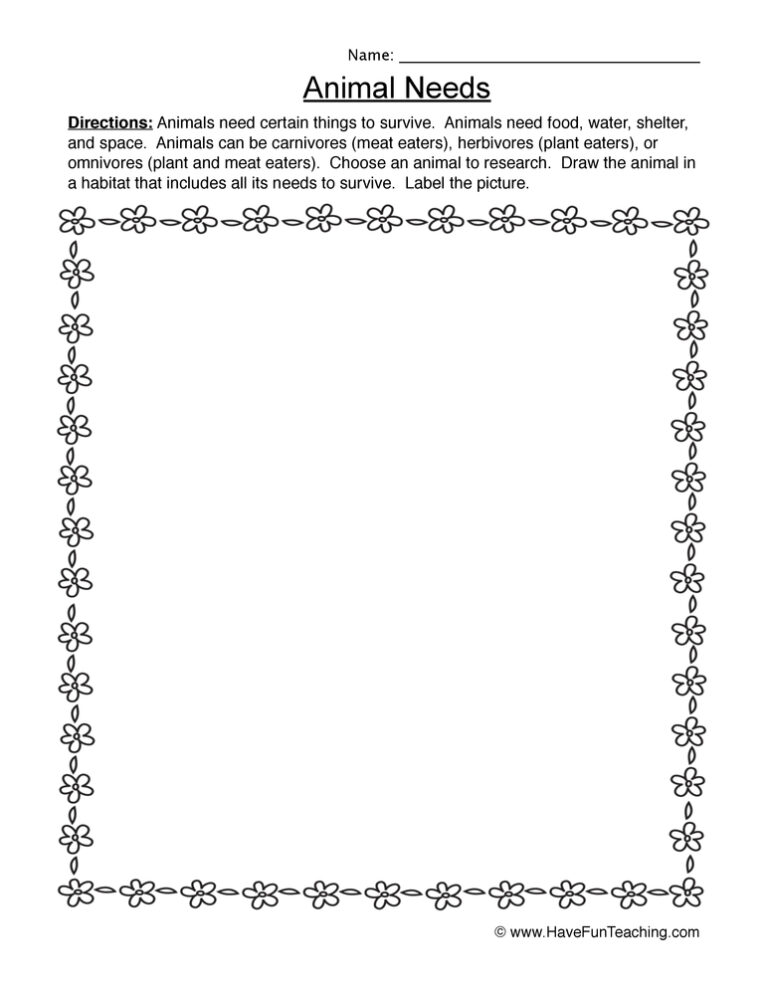
This drawing animal needs worksheet helps 2nd grade students match sentences to food, water, shelter, and space, then draw and label a habitat. An answer key is included for quick checking.

This matching animal needs worksheet has 4th grade students link five animals to the food and shelter they need, sort six needs and write one explanation. Answer key included.
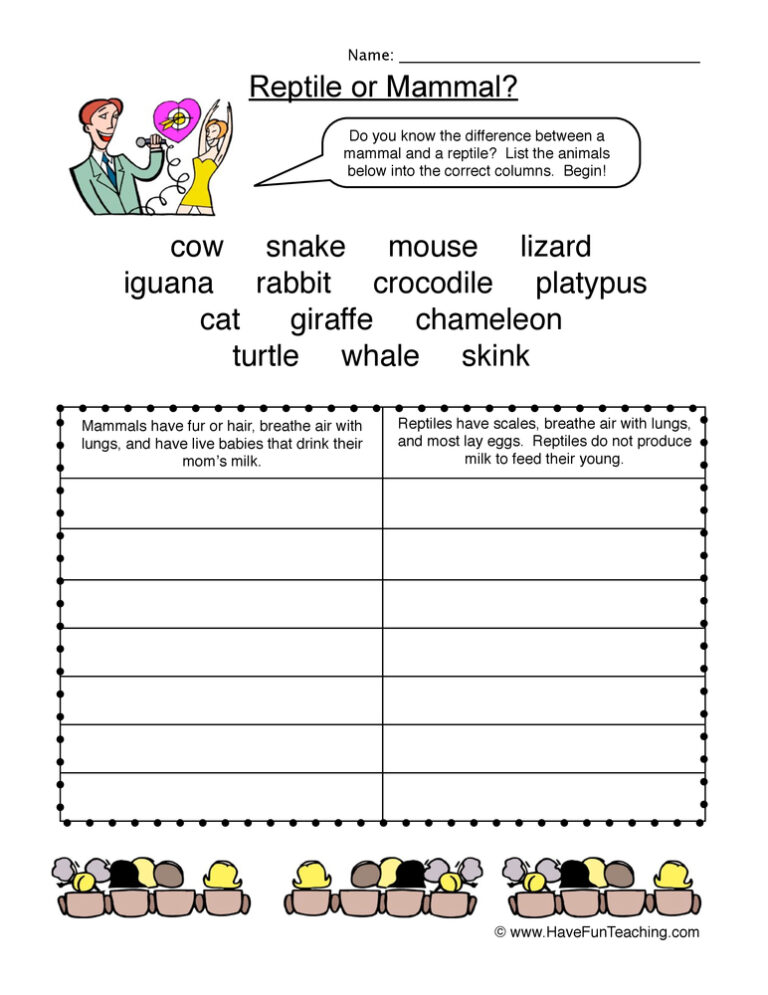
This mammal vs reptile worksheet has 3rd grade students sort eight animals into two groups, then name the clue that proves each answer, with an answer key included for fast checking.

This compare and contrast living and non living things worksheet has 2nd graders sort six words into Living and Non-Living groups, then match four traits. Answer key included for fast, no-prep science practice.

This describe it five senses worksheet has 3rd graders match five sentences to the sense that notices them, then write their own description. An answer key is included for quick, no-prep science practice.

This Labeling Animal Names Worksheet asks 1st graders to name six familiar animals using a word bank and write each word on the line. An answer key is included, so checking the page takes seconds.

This sorting characteristics living things worksheet asks 1st graders to read ten words and write each one under Living or Non-Living. An answer key is included, so science practice takes no prep at all.
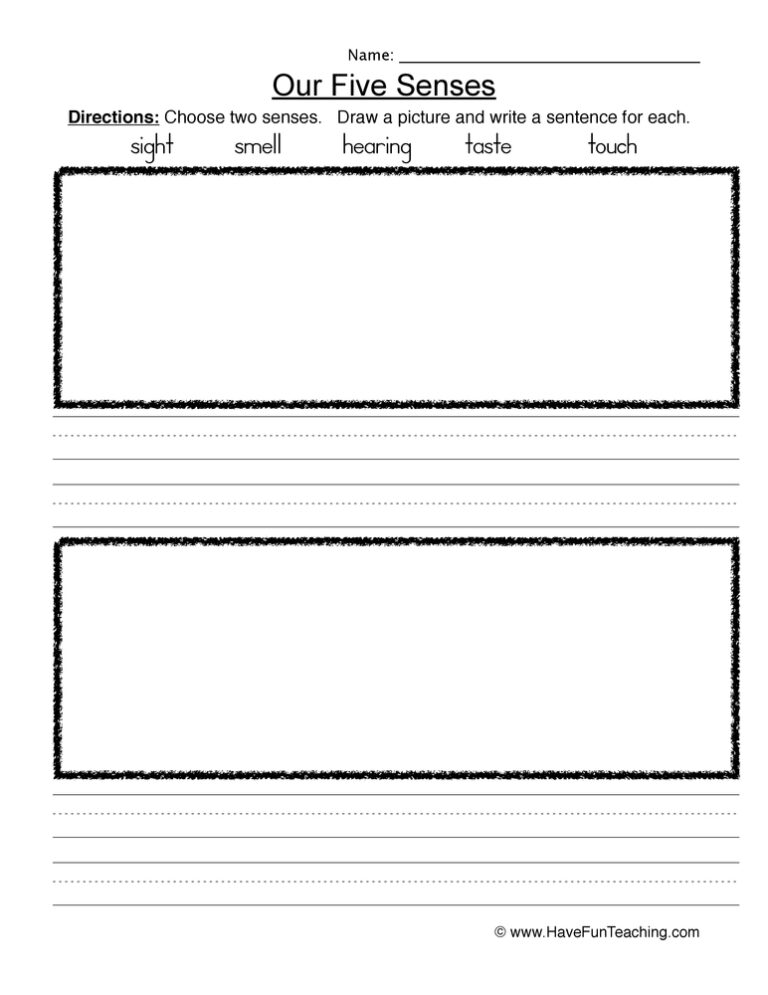
This senses draw and write worksheet has kindergarten students draw something they see, hear, smell, and taste, then finish a sentence about touch to practice early science writing.

This Funguses Life Science Reading Comprehension Worksheet gives 2nd grade readers a short nonfiction story about fungi, four comprehension questions, a written response, and an answer key, so science reading and text evidence grow together.

This Arctic and Tundra Life Science Reading Comprehension Worksheet gives 3rd graders a nonfiction passage on tundra habitats and animal adaptations, plus four multiple-choice and two written questions. Answer key included for no-prep science reading practice.

This animal words word bank worksheet has 1st graders name nine pictured animals and copy each word from a word bank. An answer key is included for quick checking and easy science vocabulary practice.
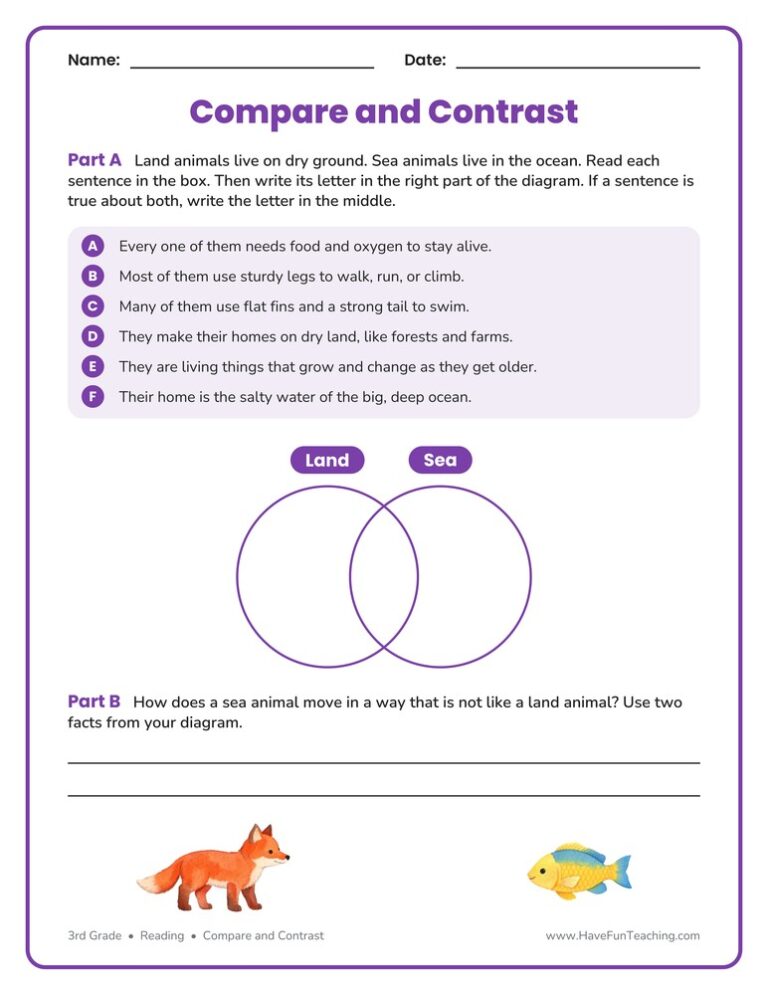
This land and sea animals compare and contrast worksheet has 3rd grade students sort facts into a Venn diagram and write about how animals move. An answer key is included for quick checking.

This Ant Body Parts Worksheet asks 2nd grade students to use a word box and label six parts on a large ant diagram. An answer key is included, so life science vocabulary practice is ready to print.
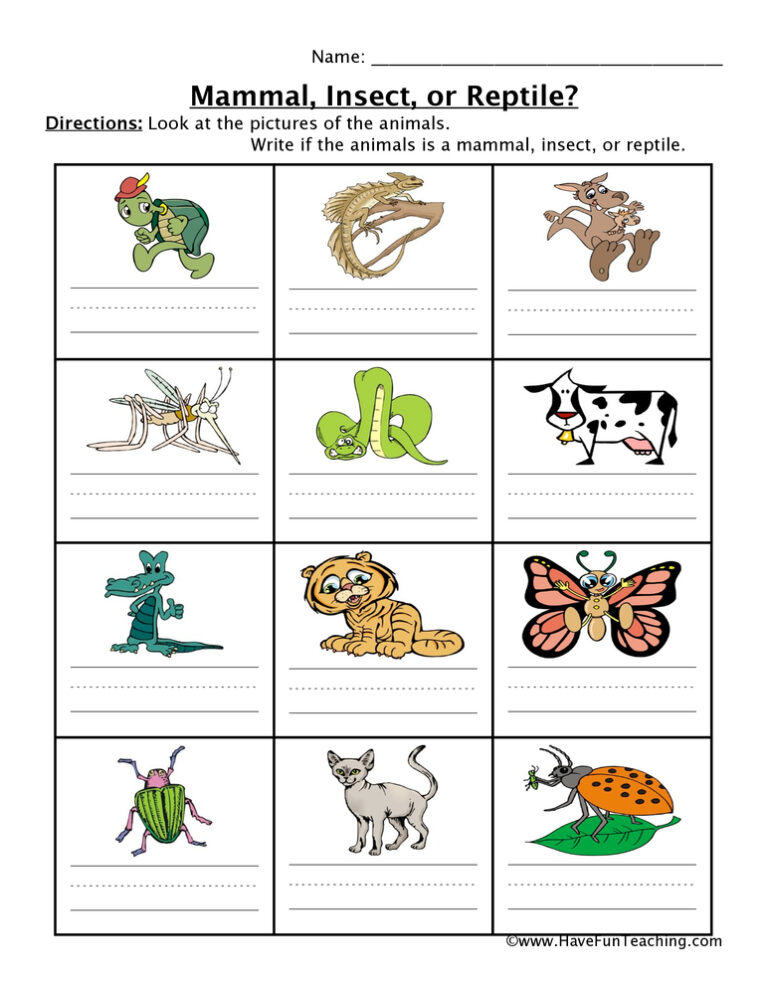
The Mammal Insect Reptile Worksheet gives 3rd Grade students twelve animals to sort into three labelled columns, four sentences to name and classify, and an answer key for both parts.
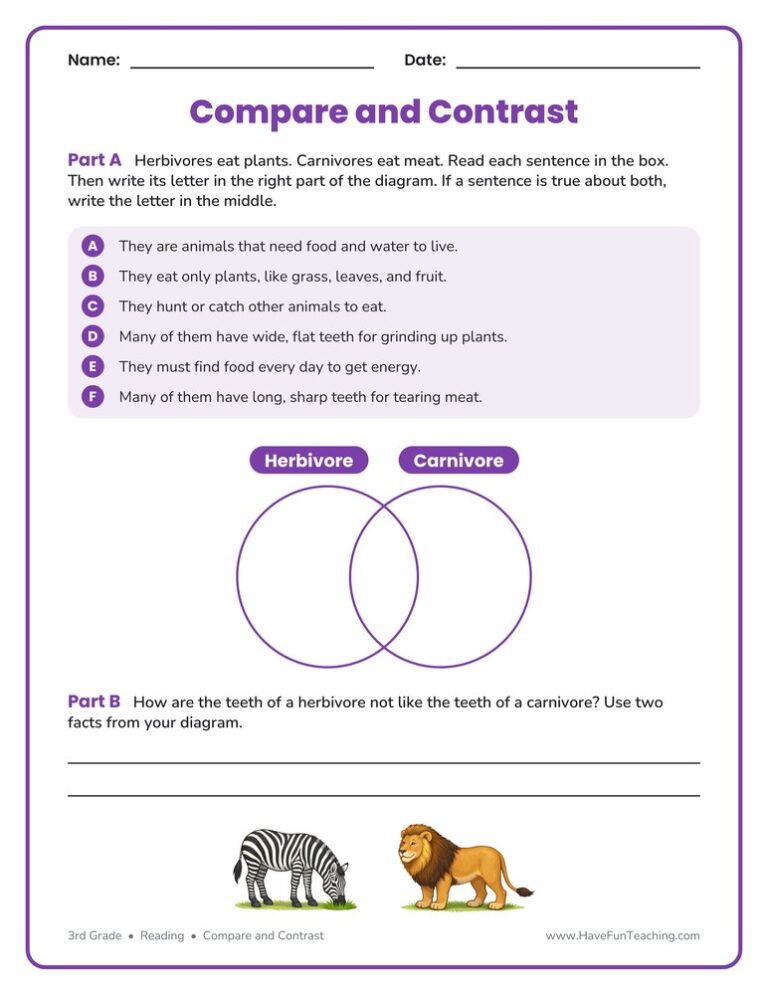
This herbivore and carnivore compare and contrast graphic organizer has 3rd graders sort animal facts into a Venn diagram and write about teeth. An answer key is included for quick checking.
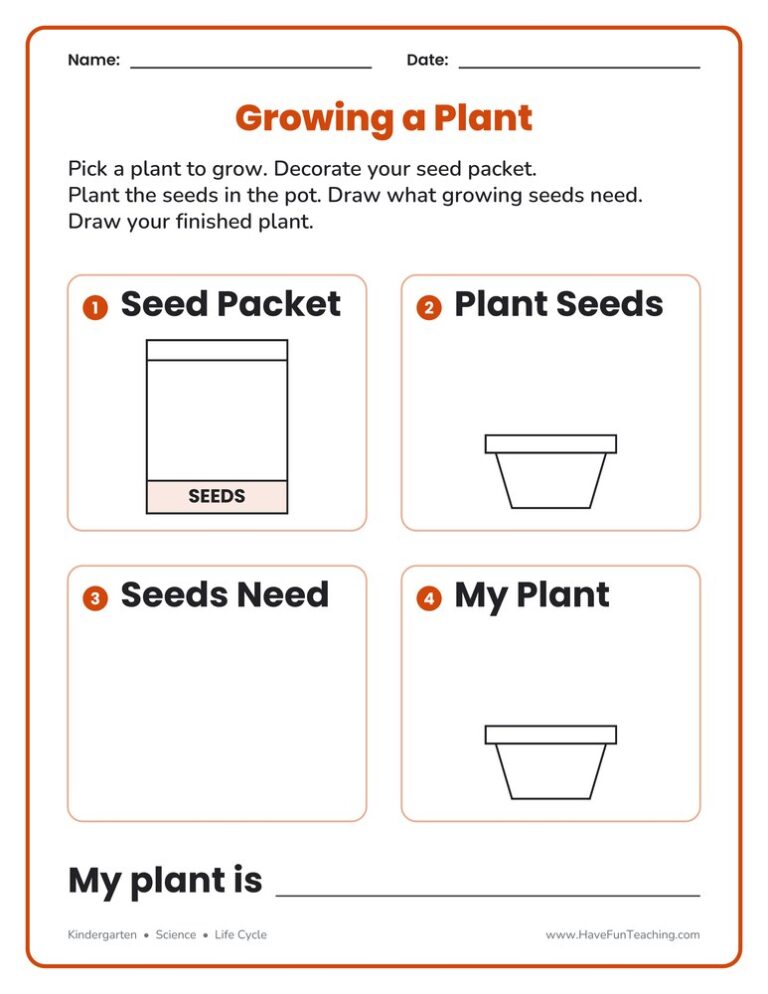
This seeds draw and write worksheet helps kindergarten students show how a seed grows, from a decorated seed packet to planting, plant needs and the finished plant, building early science and writing skills.
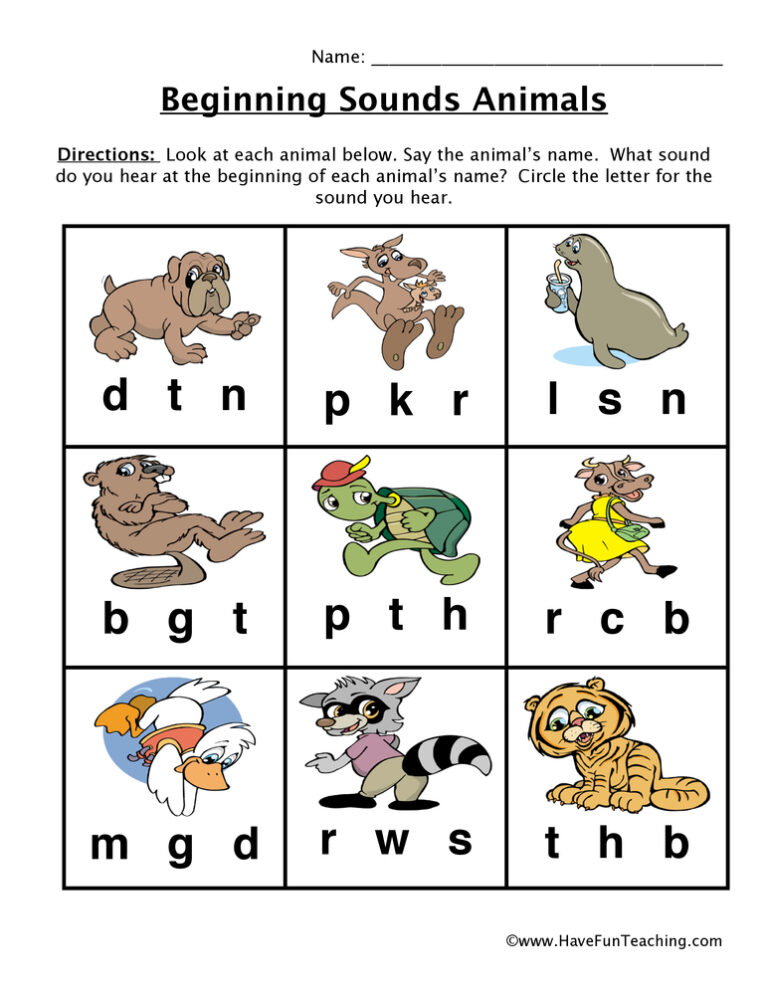
The animal pictures beginning sounds worksheet gives kindergarten students nine animal cards and one letter to write on each. An answer key is included, so a child can practice letter sounds with no prep.

The Human Body Alphabetical Order Worksheet has 3rd Grade students sort ten body words into ABC order and compare word pairs letter by letter. An answer key is included, so checking goes fast.



