
3 days free
Ready for the whole library?
You’ve had your freebie — but members download 10,000+ resources for every grade, all year long. Try it free — $0 today, cancel anytime.
Free for teachers
Pick your grade. We’ll send 10 free resources.
Worksheets, activities and a video — picked for your classroom, ready to print tonight.
One free bundle per teacher. We’ll also send free teaching ideas each week — unsubscribe anytime.


Using this A World of Word Problems Equal Groups Activity, students match multiplication and division equations to the picture or array representation.

Using this Geometric Measurement Estimate and Count Unit Squares Activity, studentsestimate how many tiles it will take to cover each plane figure.
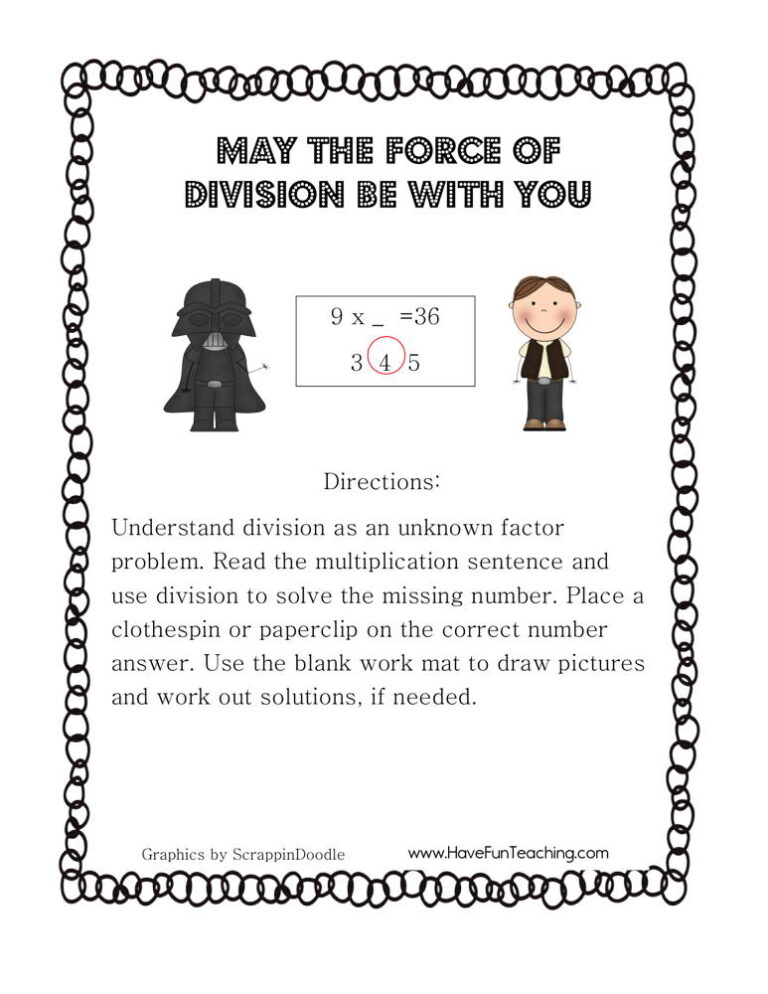
Using this May the Force of Division Be With You Activity, students understand division as an unknown factor problem to build multiplication fact fluency.

Using What Comes Next Sequencing Activity,studentsdescribe the relationship between a series of historical events, scientific ideas or concepts, or steps in technical procedures in a text.

Using How the Text is Organized Activity, studentsdescribe the logical connection between particular sentences and paragraphs in a text.

Using My Point of View Activity, students distinguish their own point of view from that of the narrator or those of the characters.
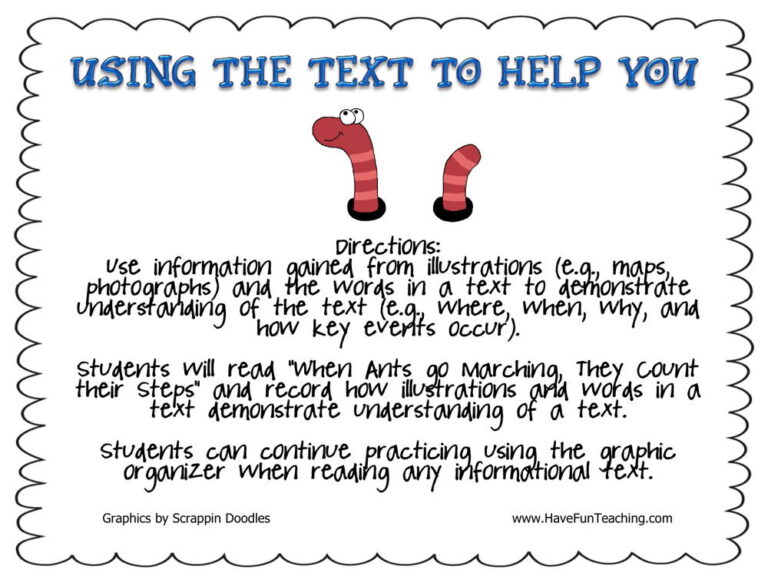
Using Using the Text to Help You Activity, students use information gained from illustrations and the words in a text to demonstrate understanding of the text.

Using What's the Main Idea Activity,studentsrecount the keydetails and explain how they support the main idea to build their comprehension skills.
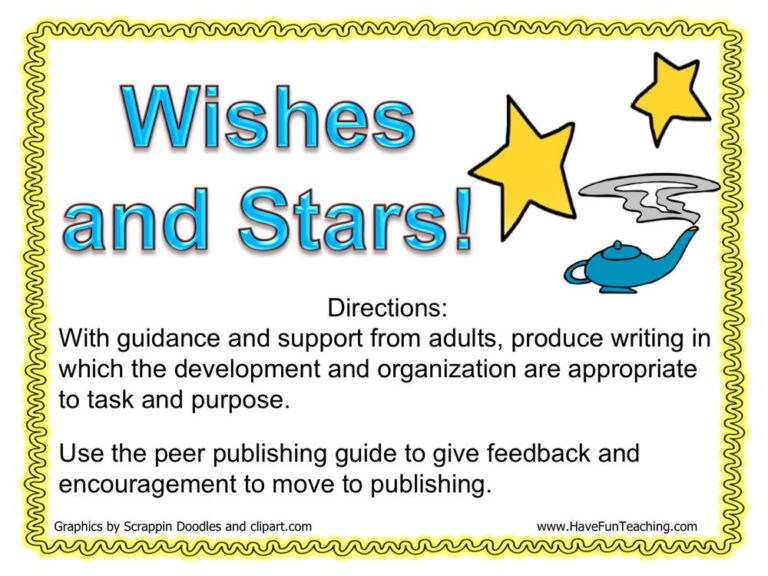
Using Wishes and Stars Peer Publishing Writing Activity, students produce writing in which the development and organization are appropriate to task and purpose.

Using the Ask Me About It Speaking and Listening Activity, students tell a story or recount an experience with appropriate facts and relevant, descriptive details, speaking audibly in coherent sentences.
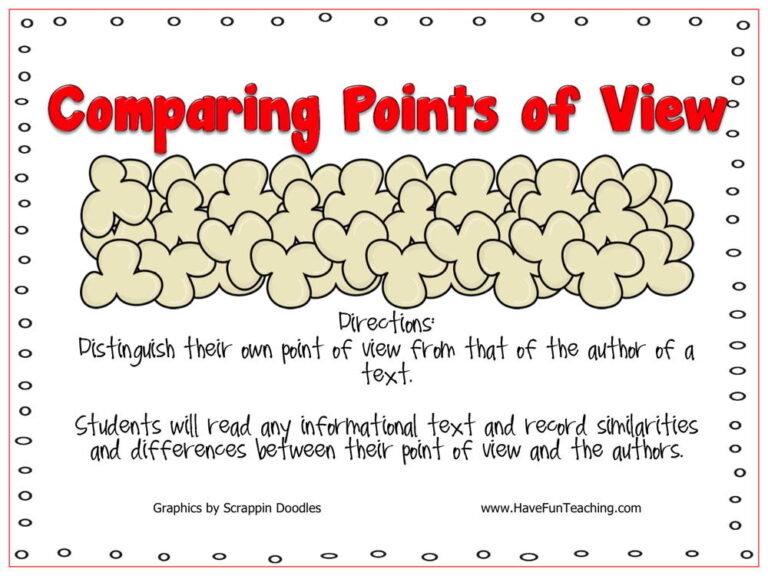
Using Comparing Points of View Activity, students distinguish their own point of view from that of the author of a text.
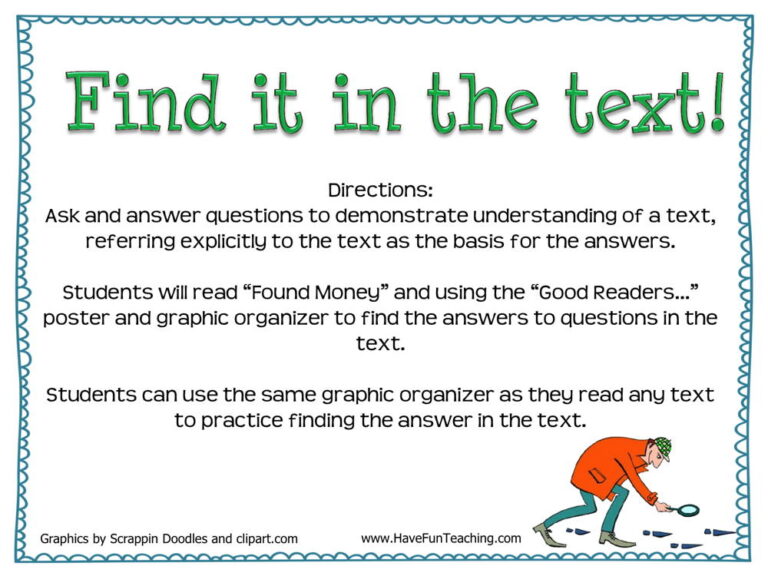
Using this Find It In The Text Activity, students ask and answer questions to demonstrate understanding of a text, referring explicitly to the text as the basis for the answers.

Using Strengthen Your Writing Activity, students respond to questions and suggestions from peers and add details to strengthen writing as needed.
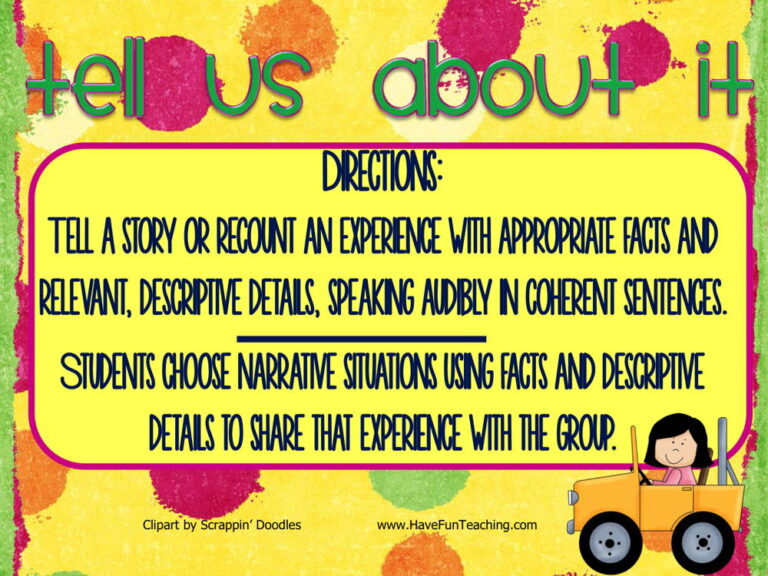
Using the Tell Us About It Speaking Activity, students tell a story or recount an experience with appropriate facts and relevant, descriptive details, speaking audibly in coherent sentences.

Using Write about Bugs Activity, studentswrite informative texts in which they introduce a topic, use facts and definitions to develop points, and provide a concluding statement or section.

Using Back to School Adjective Writing Activity, students write about the first day of school to including details to describe actions, thoughts, and feelings.

Using Barnyard Prefix Matching Activity, students match prefixes to their definitions to build their vocabulary.
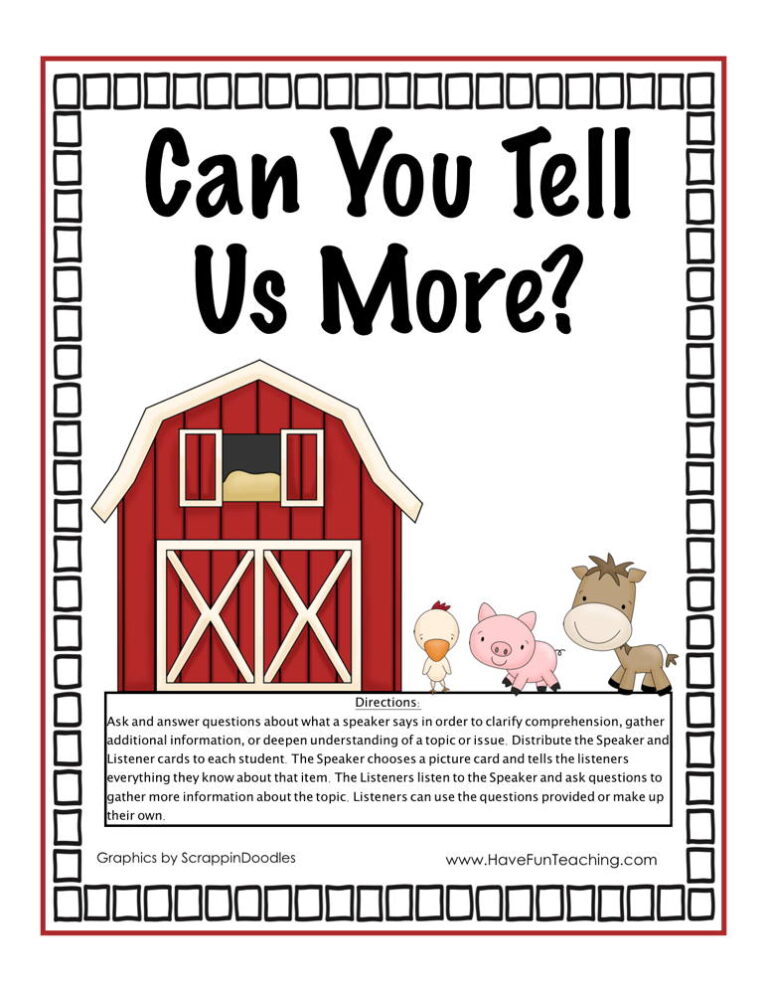
Using the Can You Tell Us More? Speaking and Listening Activity, students ask and answer questions about what a speaker says in order to deepen understanding of a topic.
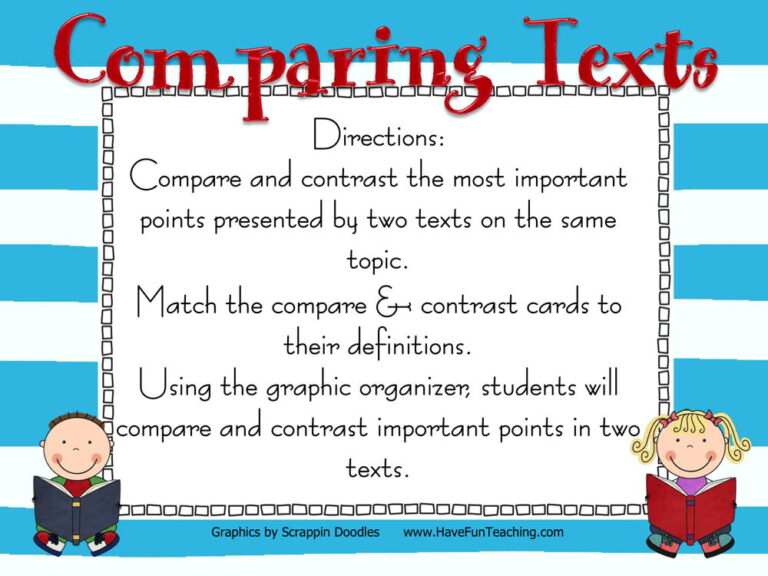
Using Comparing Texts Activity, studentsidentify basic similarities and differences between two texts on the same topic.

Using Point of View Activity, students identify who is telling the story at various points in a text.



