

Story Elements Graphic Organizer
This story elements graphic organizer worksheet helps 2nd graders name the characters in any story, describe what each one is like, and tell where and when the story happens.
$6.97
Or free with a membership — members pay $3.33/mo for all 10,000+ resources. See plans
Want this one free?
Tell us where to send it and it’s yours — no card, no catch.
One free resource per teacher. We’ll also send free teaching ideas each week — unsubscribe anytime.
Teaching is easier with a membership
Unlimited printables, games & videos for PreK–6th — for your classroom or homeschool. Cancel anytime.
Start your 3-day free trial$0 today · cancel anytime · Instant access to 10,000+ resources
About this resource
Description
Characters and setting are the first two story elements young readers learn to notice, and this story elements graphic organizer worksheet gives second graders a clear place to write them down. After reading any story they like, children record the story title, name up to three characters, and tell what each character is like. Then they describe where and when the story happens. Because the child chooses the book, the organizer works with read-alouds, library books, guided reading texts and chapter books alike.
The page is set up in two simple boxes. The first box is a small table: a short line for each character’s name and a longer line beside it for a describing detail, such as “brave,” “shy,” or “loves to help.” The second box has three lines for the setting, where kids can tell the place, the time, and anything they noticed about it. A friendly picture of a pop-up storybook reminds children that a setting is the world a story takes place in. Every answer depends on the story each child reads, so there is no single correct response.
What’s Included
- One printable page with a story title line
- A characters table with three name lines and three describing lines
- A setting box with three writing lines for where and when the story happens
- Roomy lines sized for second grade handwriting
Why This Worksheet Helps Kids
First, naming characters and describing them builds the habit of reading for details instead of rushing to the end. Second, thinking about when and where a story happens helps children picture the story and understand why characters act the way they do. Third, writing short answers in an organized table is great practice for the retelling and summarizing work that comes next.
Ideas for Teachers and Parents
Use this 2nd grade graphic organizers worksheet after a class read-aloud, then have partners compare the describing words they chose for the same character. It also works well in a reading center or as a book report starter. At home, parents can fill one out alongside their child for a bedtime story. Keep a stack of the story elements graphic organizer worksheet ready so children can use it with every new book.
Related Resources
What teachers say
Reviews
You must be logged in to post a review.

This sequence writing worksheet has 2nd graders number four mixed-up pancake story events, then write the story with order words and an ending. An answer key is included for easy checking.
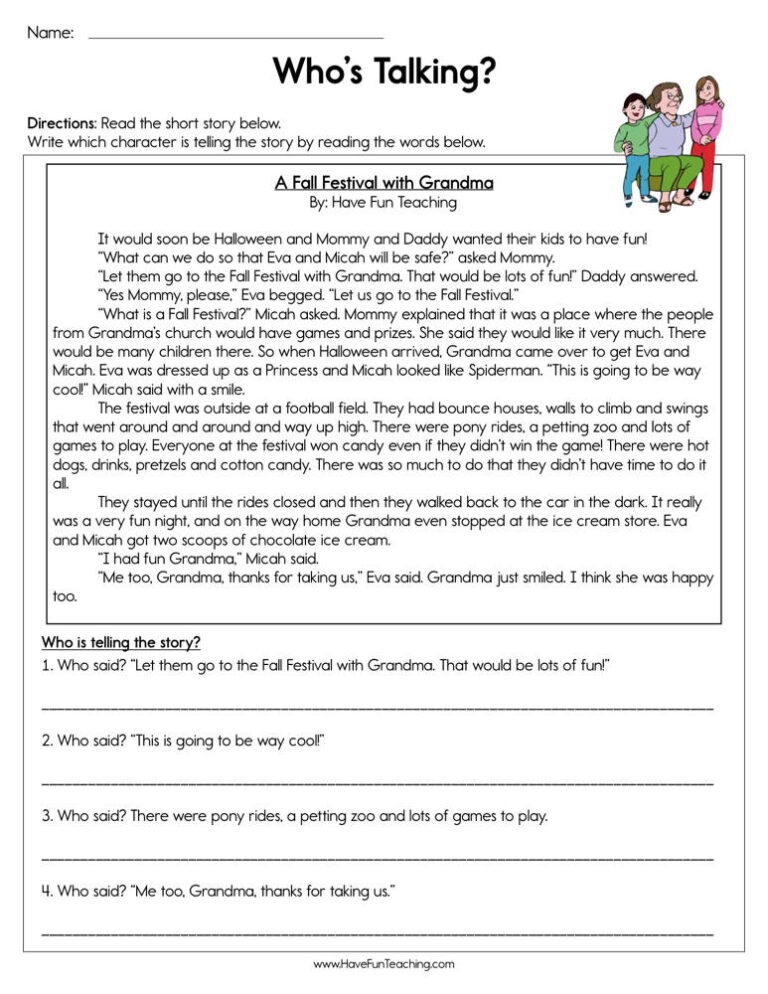
This Who's Talking Worksheet asks 2nd Grade readers to match four quoted lines back to the character who said them, then explain how they knew, with an answer key included.

This characters and story plots worksheet gives 2nd Grade readers a short story, then asks them to name the characters and tell the beginning, problem and ending. An answer key is included, so retelling a book gets easier.
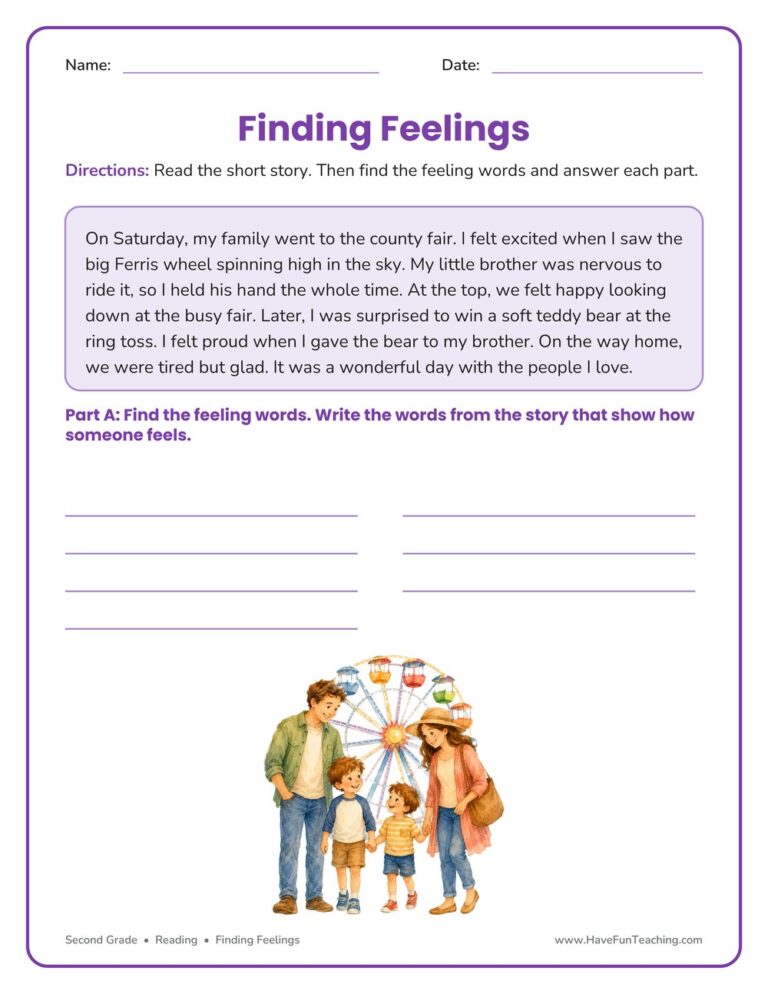
This Finding Feelings Worksheet has second graders read a short story, find the feeling words, and match story moments to emotions. Answer key included — a no-prep way to build reading comprehension and empathy.

A story elements reading graphic organizer worksheet for 2nd grade: read a short story, then fill in Somebody, Wanted, But, and So. Answer key included, so retelling practice takes no prep.

Using Feeling Words Activity, students read Amy Goes to First Grade to find words and phrases that describe Amy's feelings on the first day of school.
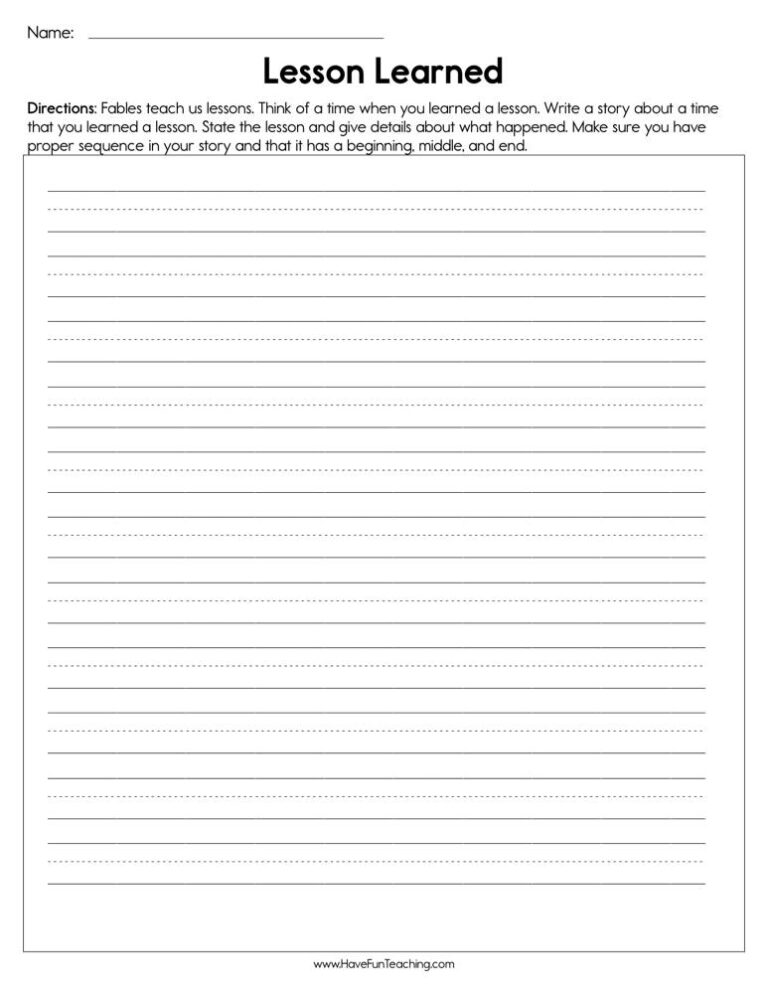
This lesson learned worksheet helps 2nd graders plan a true story about a time they learned a lesson, with boxes for the beginning, middle, end, and the lesson itself.
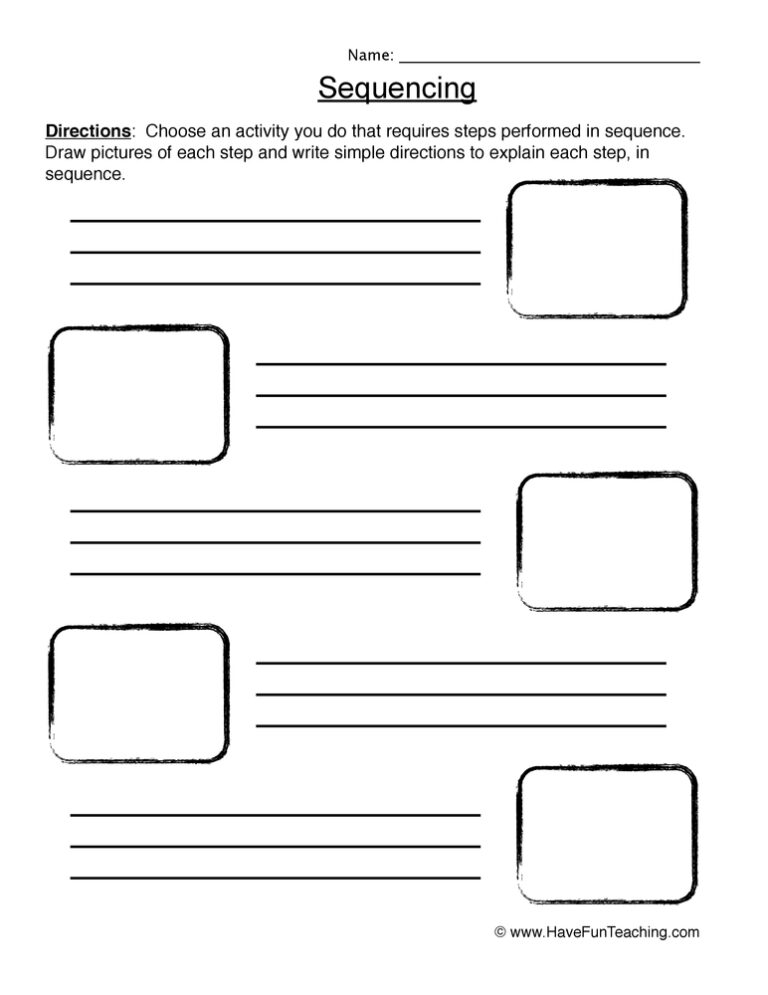
This sequencing brainstorming worksheet has 2nd graders number five story events in order, then plan the steps of their own activity. An answer key is included, so checking takes just seconds.
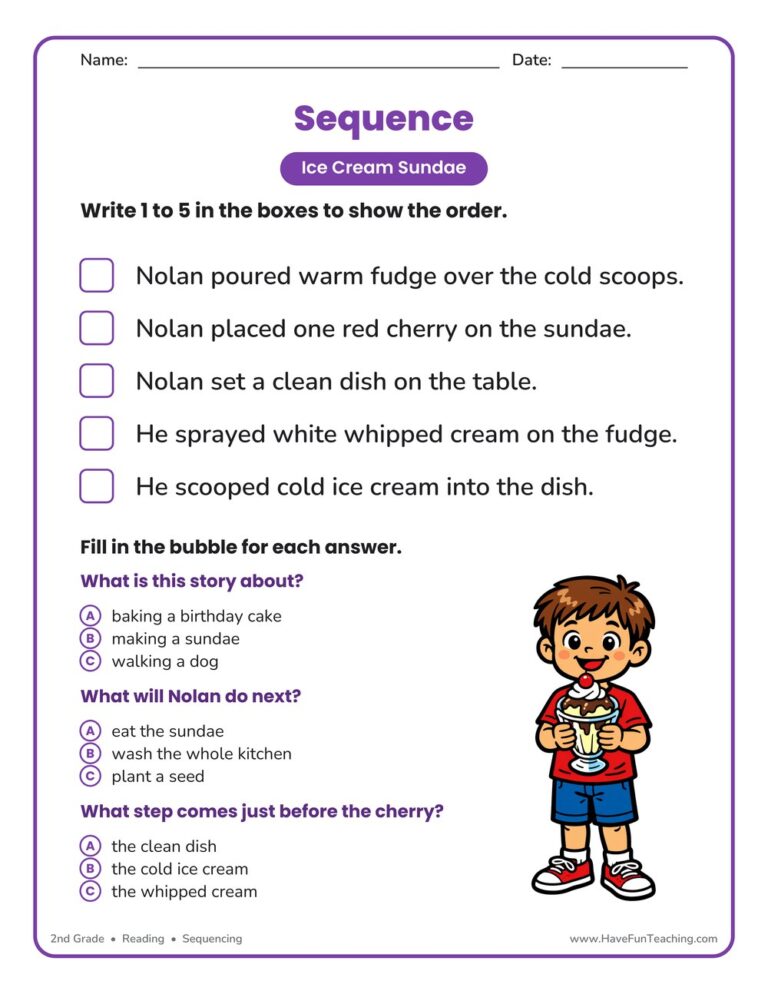
Use this ice cream sundae sequence worksheet to help 2nd graders read five mixed-up story steps and number them in order. An answer key is included, so checking work takes only seconds.
Using this Story Elements Song (MP3), your students learn about how to find examples of story elements in order to build comprehension as they read.

This problems and solutions worksheet gives 2nd Grade readers a short story and five questions about the problem and how it gets solved. An answer key is included, so students can practice finding plot evidence on their own.
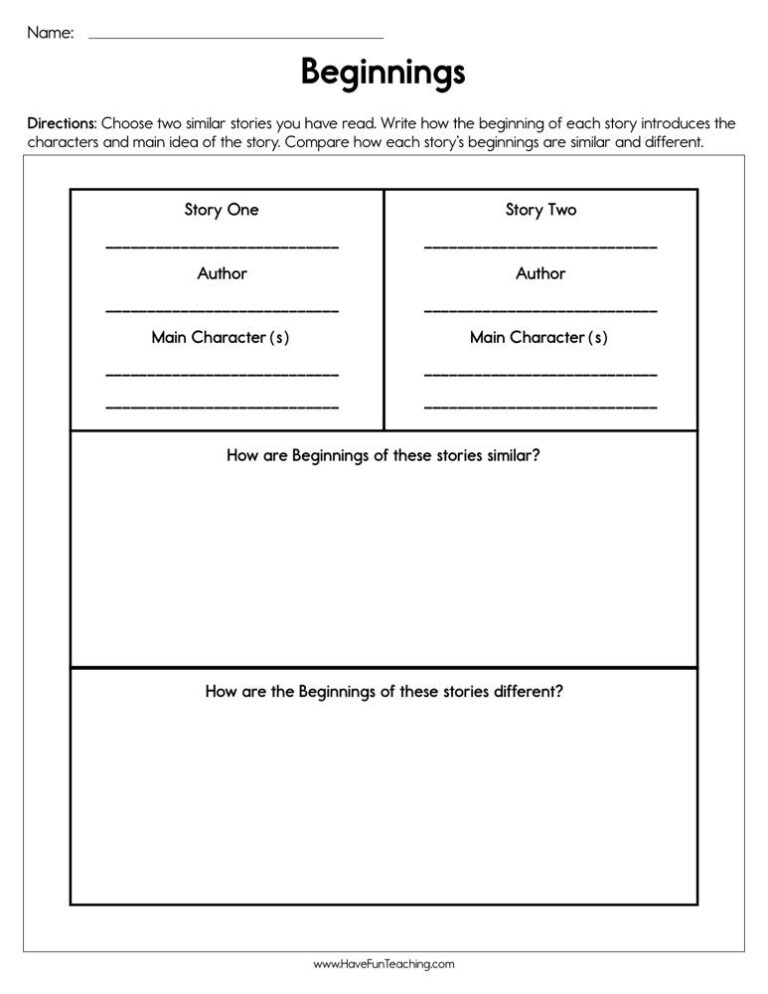
Using Beginnings Worksheet, students write how the beginning of each story introduces the characters and main idea of the story to compare the two similar stories read.
Reviews
There are no reviews yet