
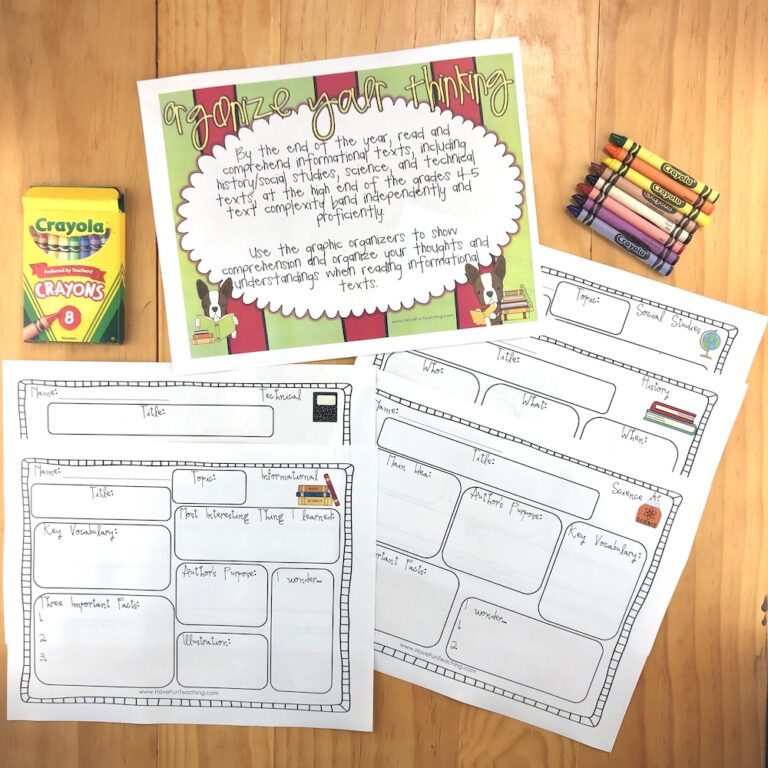
Using this Organize Your Thinking Informational Text Activity, students will have the opportunity to demonstrate their comprehension of informational texts by organizing their thoughts and understandings.
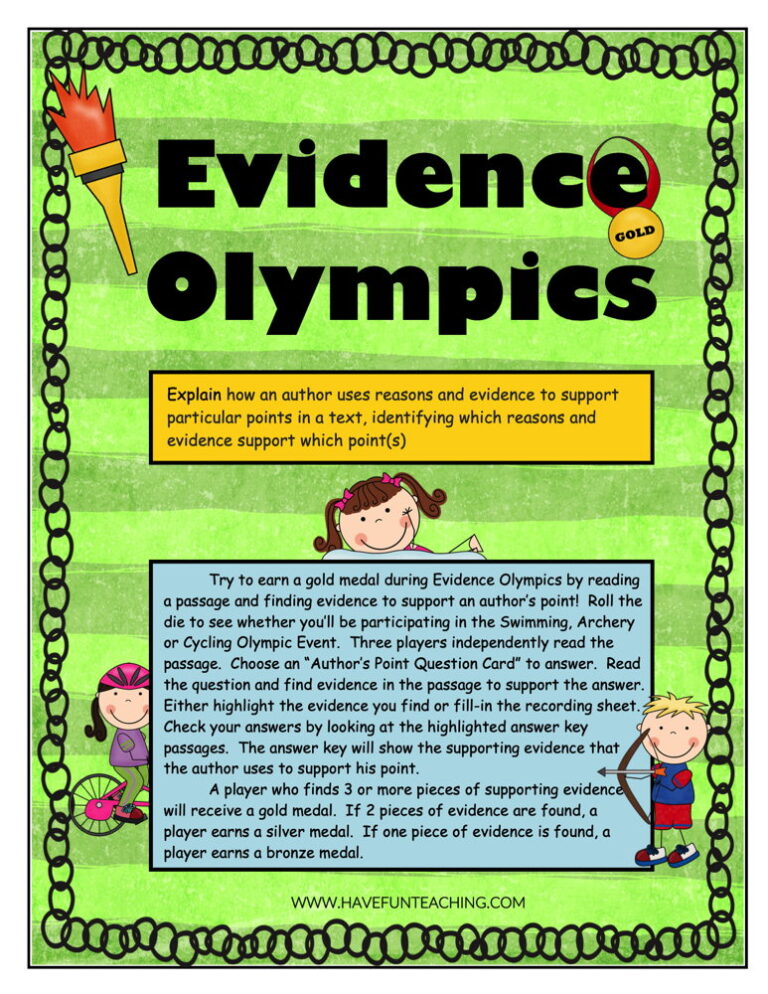
Using this Evidence Olympics Authors Purpose Activity, students try to earn a gold medal during Evidence Olympics by reading a passage and finding evidence to support an author's point.
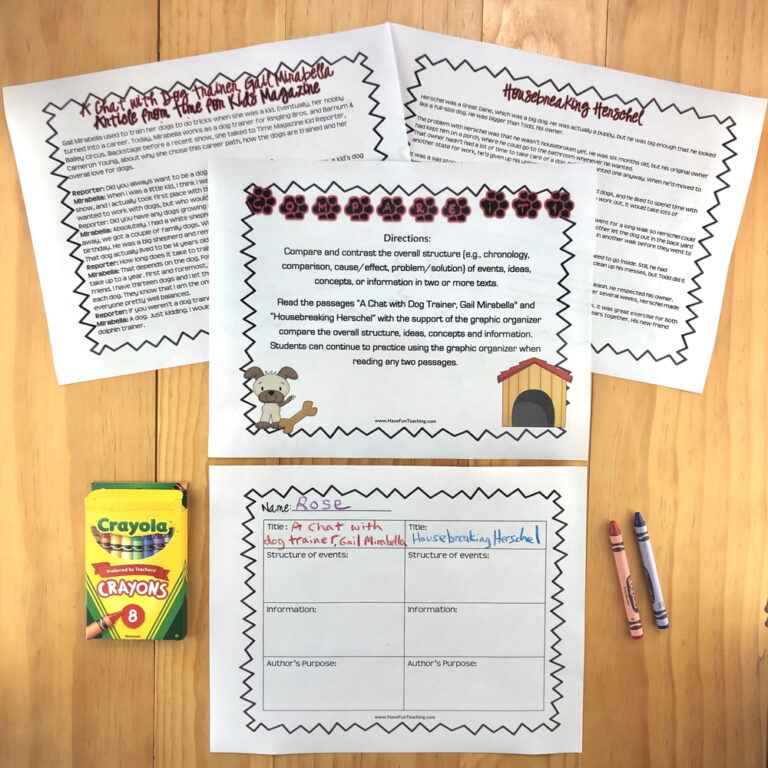
Using this Compare It Compare and Contrast Activity, students organize their ideas to compare the overall structure, ideas, concepts and information using the two provided texts.

Using this Reasons and Evidence Activity, students identify the reasons and evidence a speaker provides to support particular points.

Using this Read It Decoding Words Activity, students decode provided words by using the provided tips on the "What should I do when I don't know a word?" poster.

Using this Proofreading Capitalization and Punctuation Activity, students make punctuation and capitalization corrections on the laminated activity cards.

This Now Presenting - Report on a Topic Activity is a fun way for students to learn about Summarizing and presentations!

Using this What I Know About the Text Inference Graphic Organizer, your students will select a text, write what they know, and make an inference. This is perfect for making inferences and drawing conclusions.
Using Contributions to the Text Activity, students explain howthe information contributes to an understanding of the text in which itappears.

Using Firsthand and Secondhand Accounts Activity, students read both firsthand and secondhand accounts of the same event to describe the differences in the information provided.
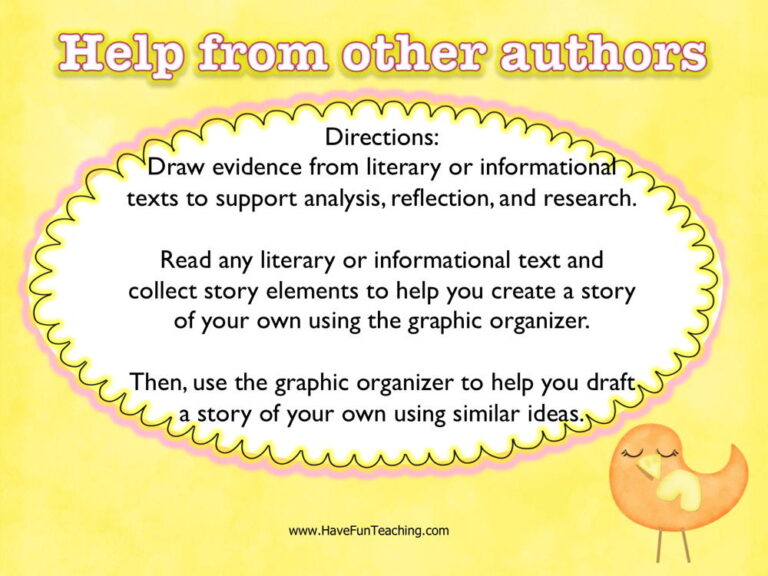
Using this Help From Other Author's Activity helps, students collect story elements from literary or informational texts to write their own story.
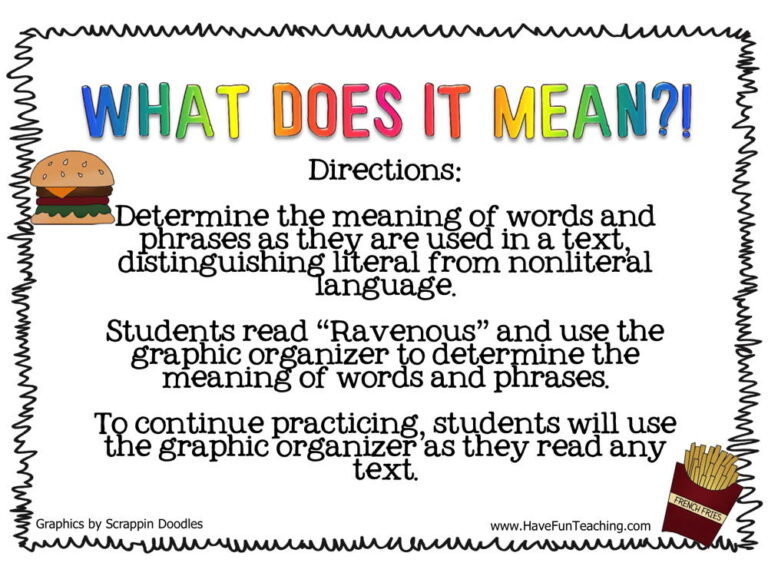
Using this What Does it Mean Literal Non-Literal Language Activity, students determine the meaning of words and phrases as they are used in a text, distinguishing literal from non-literal language.

Using Read it Fluently Cooperative Learning Activity, students readwith sufficient accuracy and fluency to support comprehension.
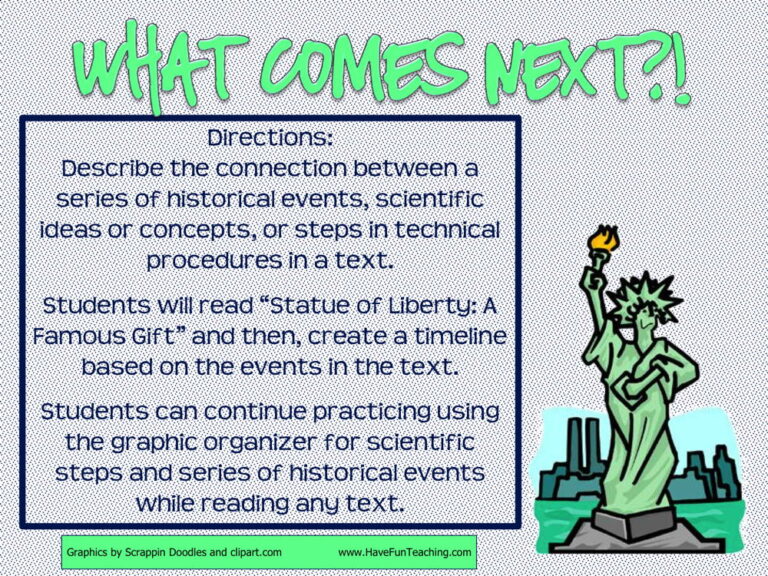
In order to use this What Comes Next? Timeline Activity, your students will describe the connection between a series of historical events, scientific ideas or concepts, or steps in technical procedures in a text.

Using Informational Texts Worksheet, students keep track of the stories they read this year by writing the title and the rating each book.

Using this Complete Sentences with Subject and Predicate Activity, students match subjects and predicates to create sentences with complete ideas.
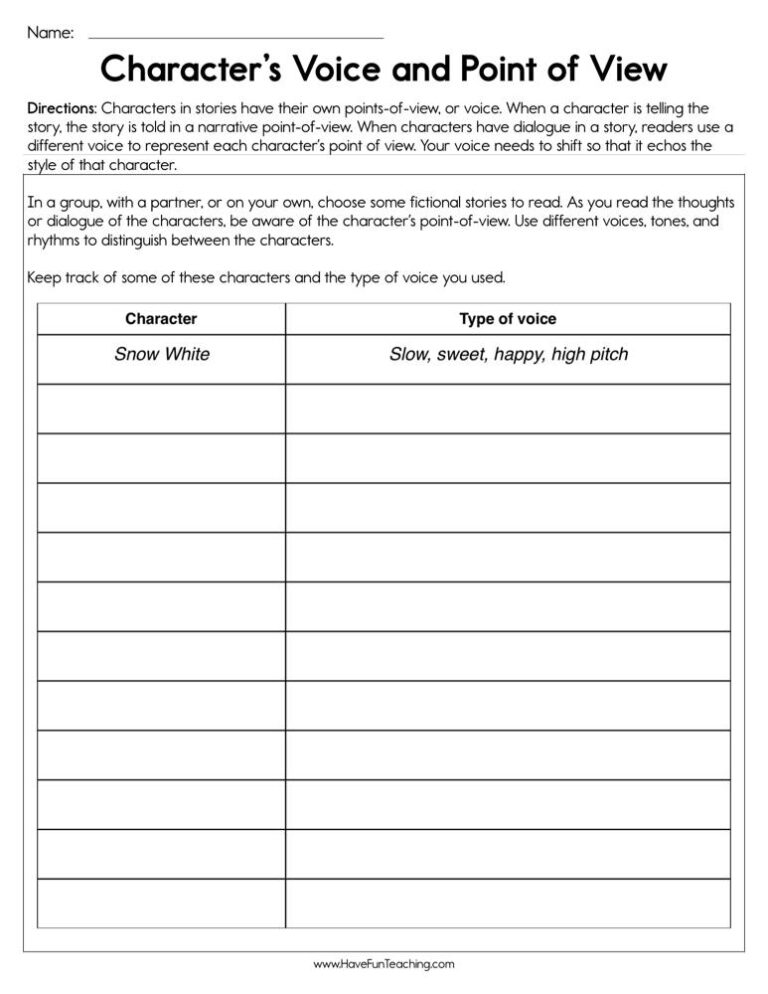
UsingCharacters Voice and Point of View Worksheet, students keep track of different types of voice characters use to show their point of view in a story.
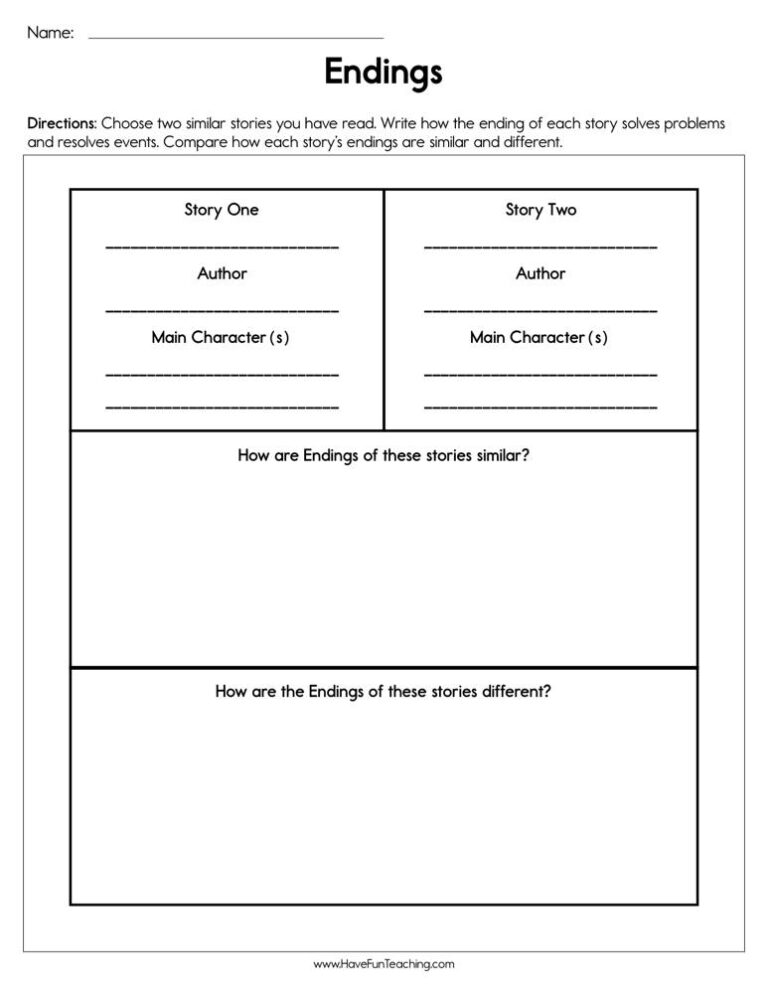
Using Endings Worksheet, students write how the ending of each story solves problems and resolves events of the story to compare the two similar stories read.

Using Books My Students are Reading Worksheet, teachers keep track of the stories their students are reading to record the status of the class.

With our Author's Point and Supporting Evidence Worksheet, the teacher will supply the students with a text, whether it be a passage or a book. The students