3 days free
Ready for the whole library?
You’ve had your freebie — but members download 10,000+ resources for every grade, all year long. Try it free — $0 today, cancel anytime.
Free for teachers
Pick your grade. We’ll send 10 free resources.
Worksheets, activities and a video — picked for your classroom, ready to print tonight.
One free bundle per teacher. We’ll also send free teaching ideas each week — unsubscribe anytime.



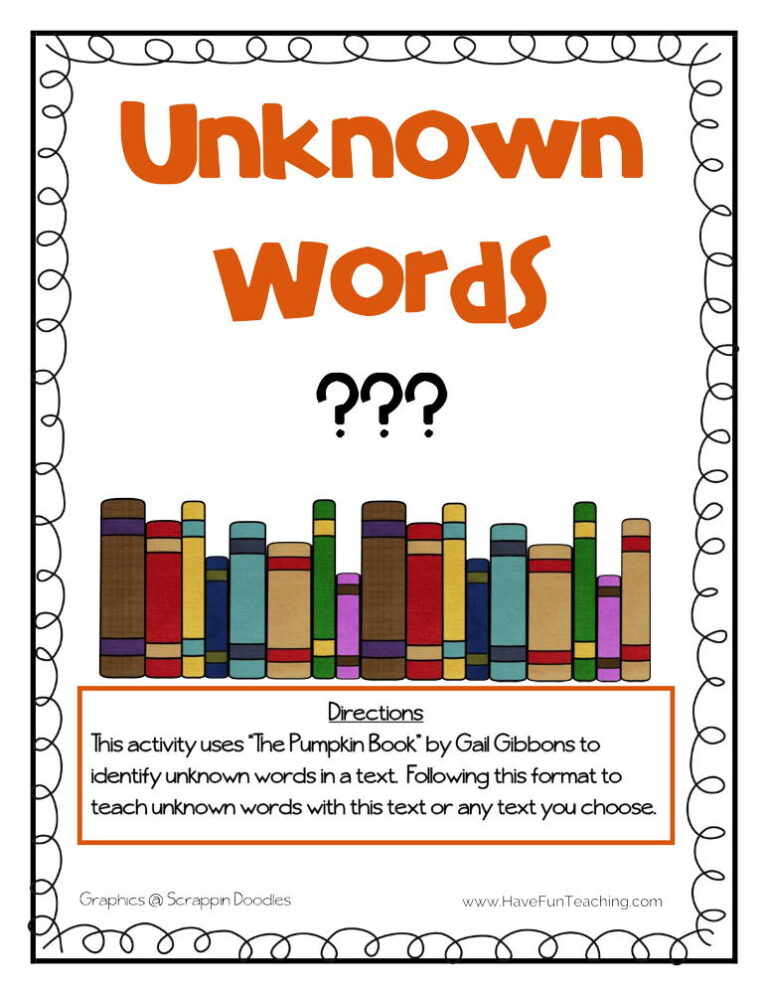
Using The Pumpkin Book Unknown Words Activity, students use context clues to figure out unknown words in a text to build their reading comprehension.

Using Comparing Characters Activity, studentsuse popular picture books to compare and contrast the adventures of and experiences of characters in familiar stories.
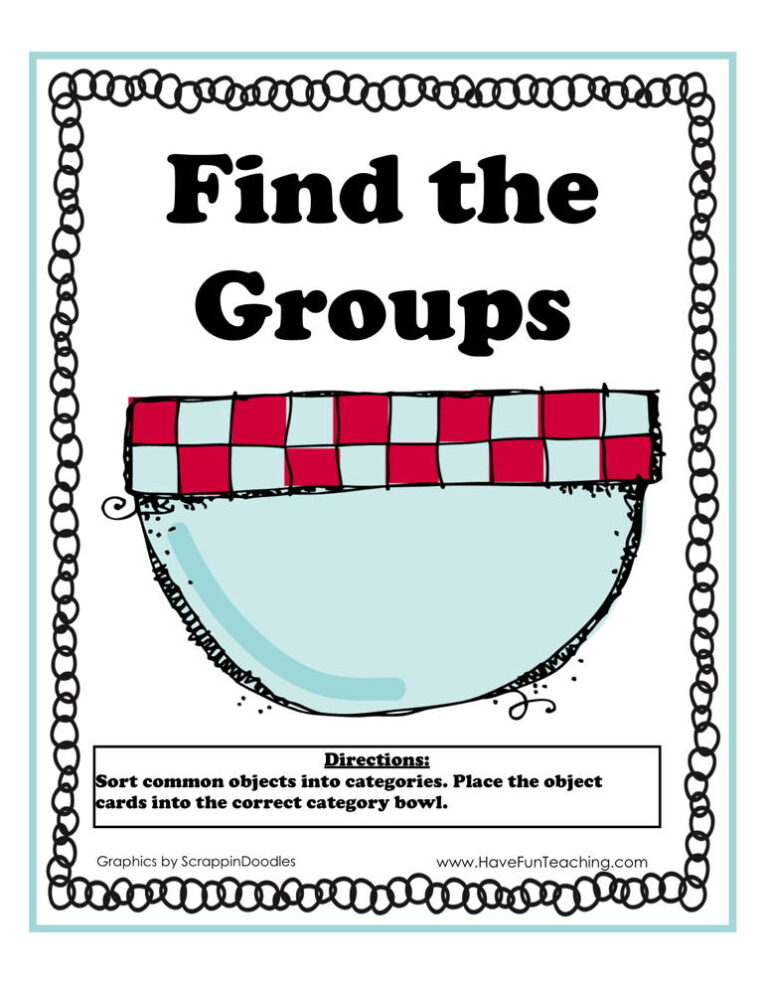
Using this Find the Groups Grouping Activity, students place picture objects in the most appropriate category based on where it fits best.

Using I Like Colors Flip Book Activity, students read the emergent reader with purpose and understanding to improve fluency and accuracy.
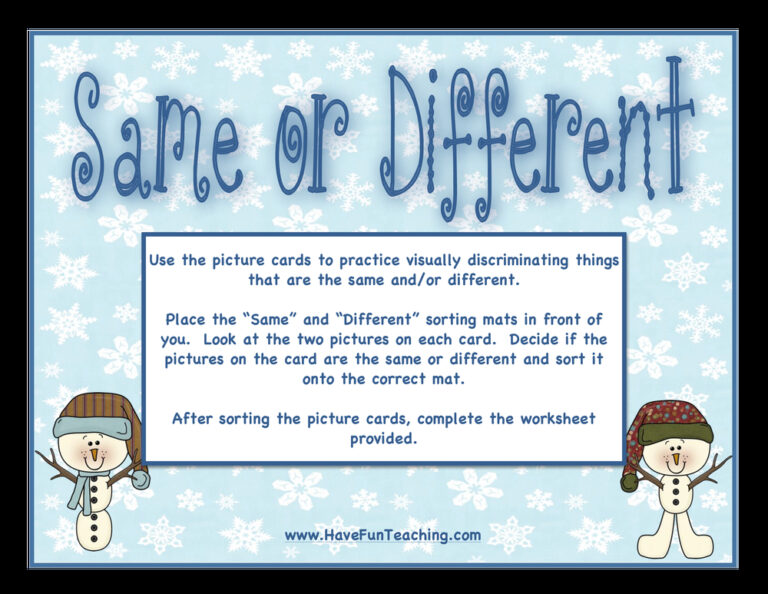
Using Same or Different Activity, students usethe picture cards to practice visually discriminating things that are the same and/or different.
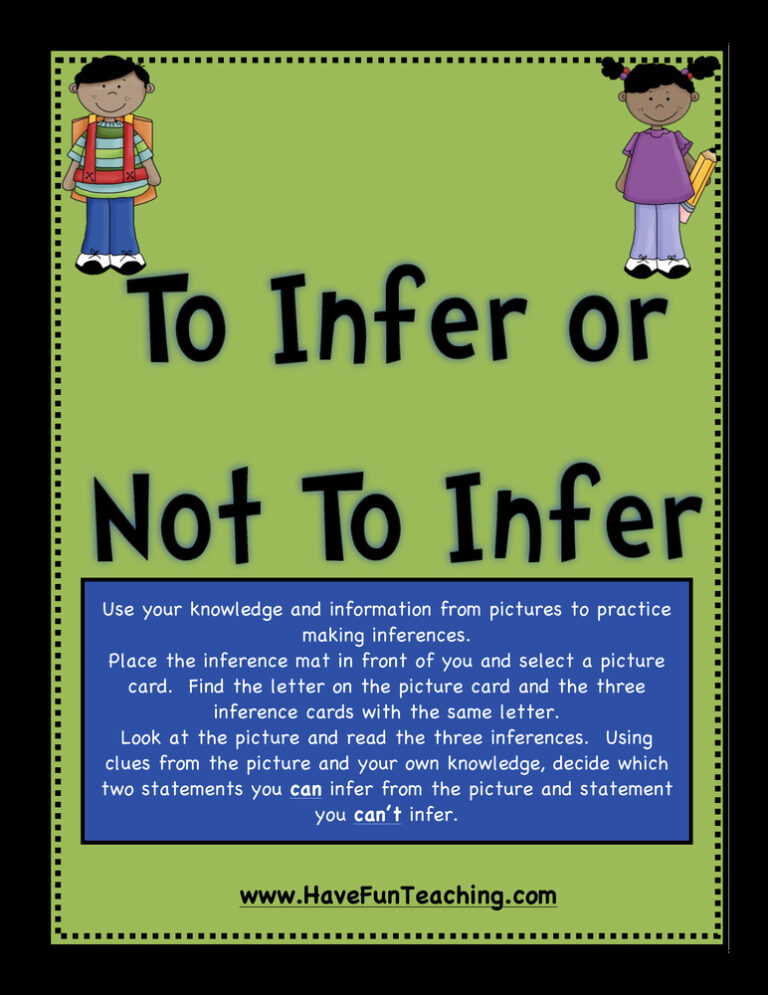
Using To Infer or not to Infer Inferences Activity, students use clues from the picture and your own knowledge to build inference skills. This is perfect for making inferences and drawing conclusions.

UsingComparing Adjectives Comparatives and Superlatives Activity, studentsuse the picture cards to practice using comparing adjectives.
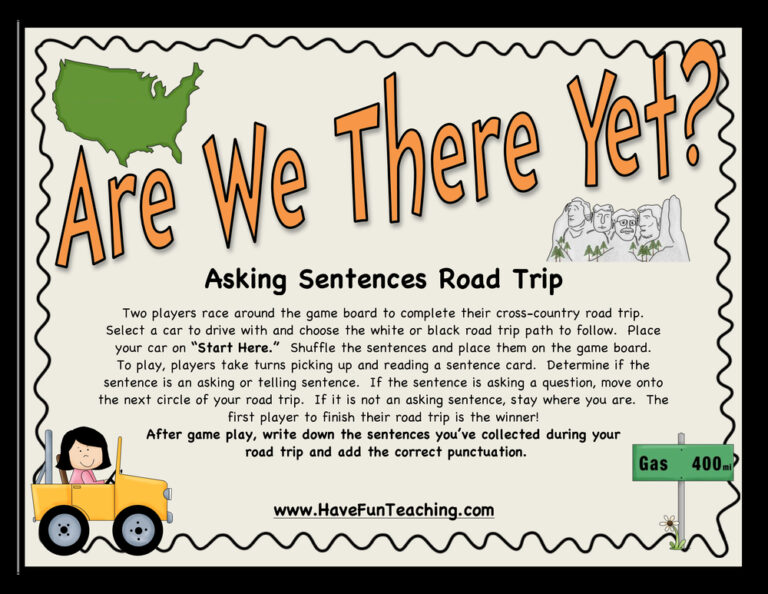
UsingAre We There Yet Asking Sentences Activity, students practice reading question and declarative sentences with correctly fluency and intonation.
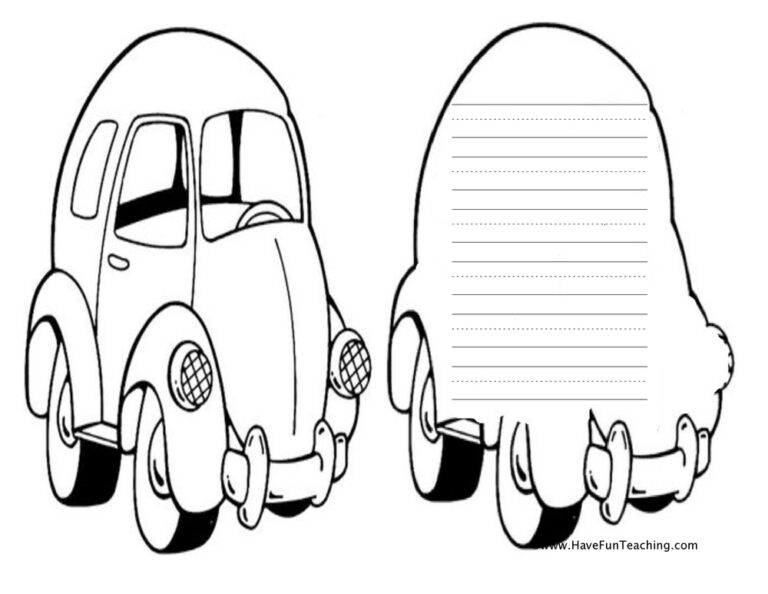
Using this Car Shape Book Activity, your students can create quick and simple books about themselves or stories about cars or transportation.
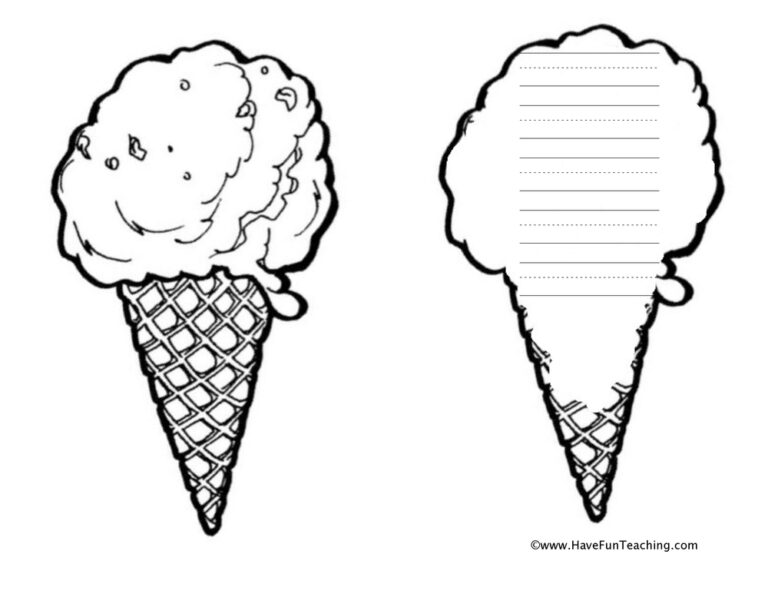
Using this Ice Cream Shape Book Activity, your students can create quick and simple books about stories about Ice Cream.

Using A Frog and a Log Position Words Activity, students learn when they should use prepositions when describing the frog in the pictures.

Using this Apple Multiple Skills Activity, students practice their reading skills using high frequency words, sequencing and reading fluency with apple themed sentences.
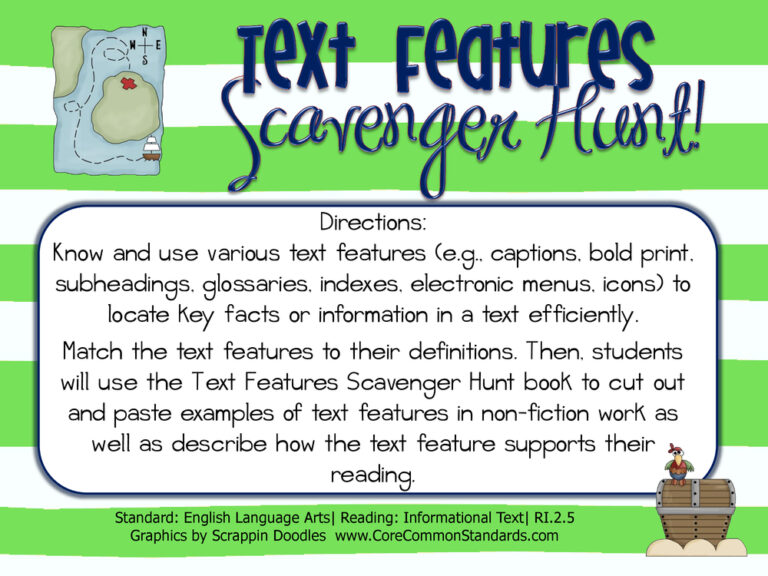
UsingCommon Core Activity - RI.2.5, students explain how text features support their acquisition of knowledge while reading.
UsingFarm Sequencing Activity, students complete the animal patterns with animal cards to build their sequencing skills.

Using this Author's Purpose Activity, students read and sort story idea cards to determine the author's purpose as to inform, entertain, or persuade.
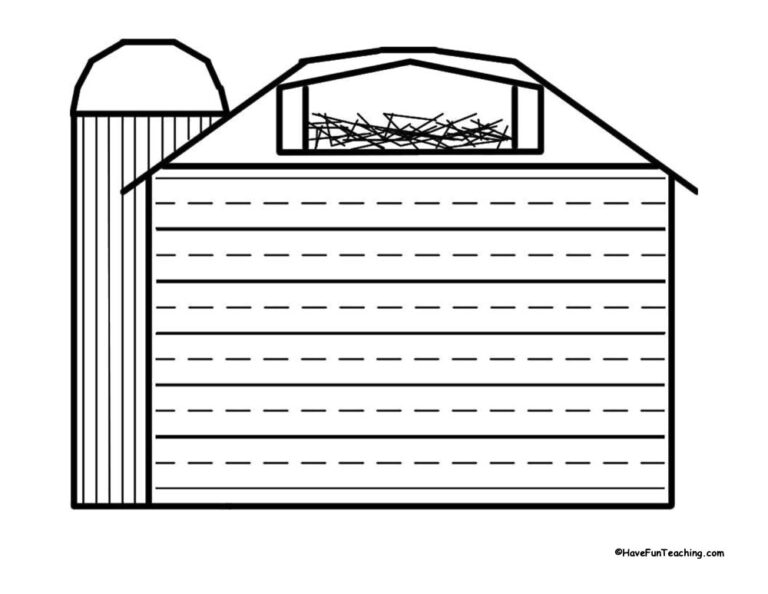
Using this Barn Shape Book Activity, your students can create quick and simple books about life on a farm.

Using this Boy Shape Book Activity, your students can create quick and simple books about themselves or stories about boy main characters.
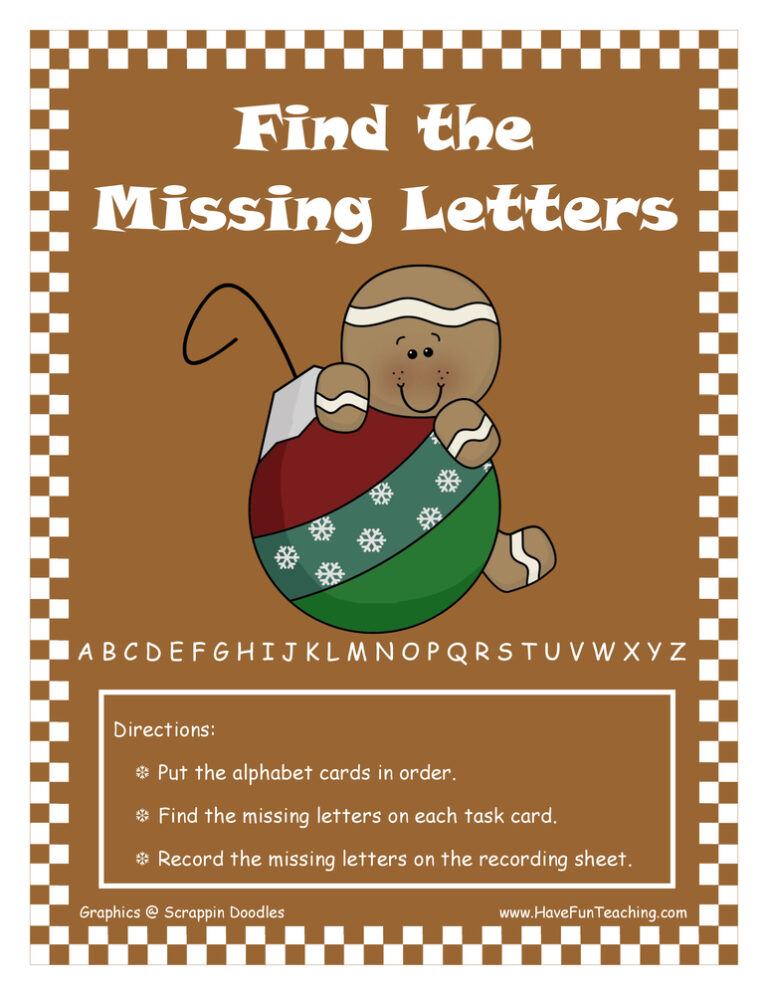
UsingFind the Missing Letters Sequencing Activity, students place alphabet letter cards to complete the alphabet sequences.
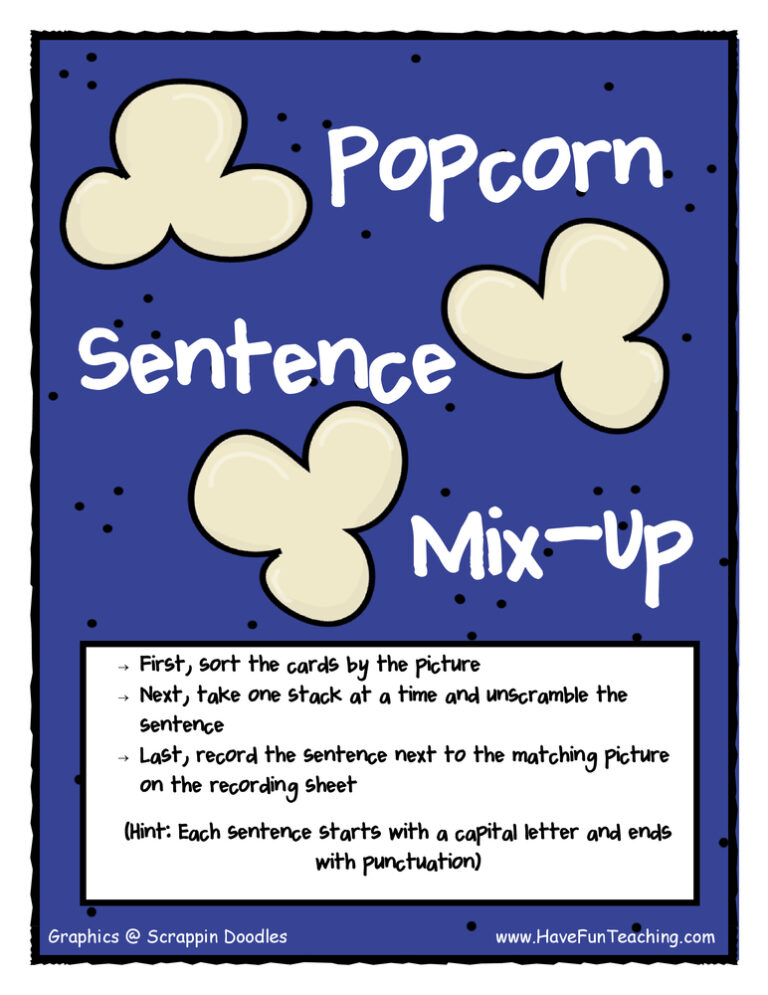
UsingPopcorn Sentence Mix-Up Activity, students unscramble sentences in order to build their understanding of sentence structure.
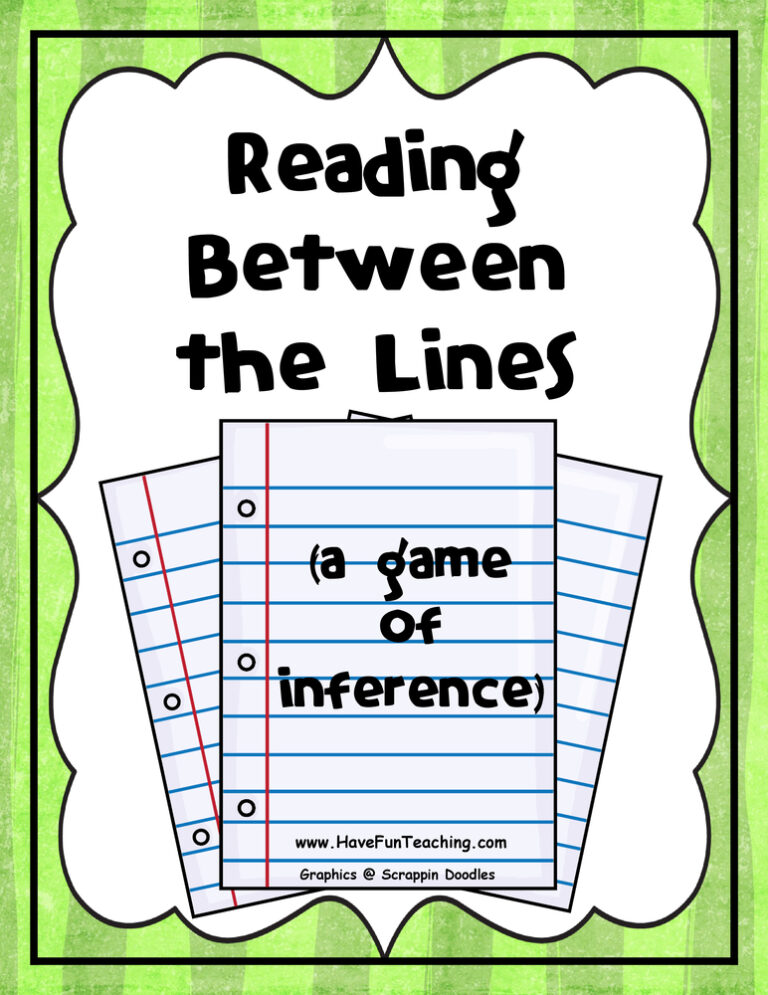
Using Reading Between The Lines Inference Activity, students match the Statement Card to the Emotion Card to build their inference skills. This is perfect for making inferences and drawing conclusions.