
3 days free
Ready for the whole library?
You’ve had your freebie — but members download 10,000+ resources for every grade, all year long. Try it free — $0 today, cancel anytime.
Free for teachers
Pick your grade. We’ll send 10 free resources.
Worksheets, activities and a video — picked for your classroom, ready to print tonight.
One free bundle per teacher. We’ll also send free teaching ideas each week — unsubscribe anytime.


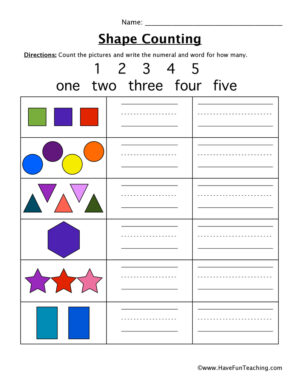


Using Retell the Story Activity,students read “Floppy Ears” aloud to students and then use the question chart to assess students ability to retell the story.

Using What is the Main Topic? Activity,students identify the main topic of a multi-paragraph text as well as the focus of specific paragraphs within the text.

Using Retelling Stories Activity,students put the Event Cards in the correct order to retell the story to build summarizing skills.
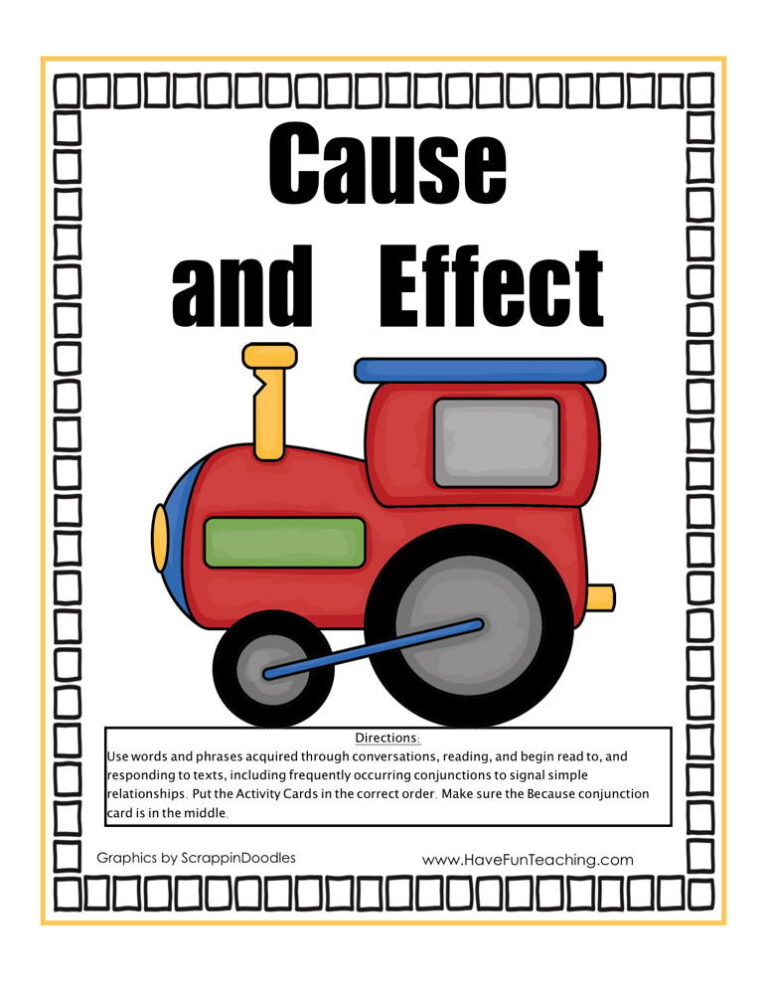
Using this Cause and Effect Sequencing Activity, students explain the reasons why the situations were caused.
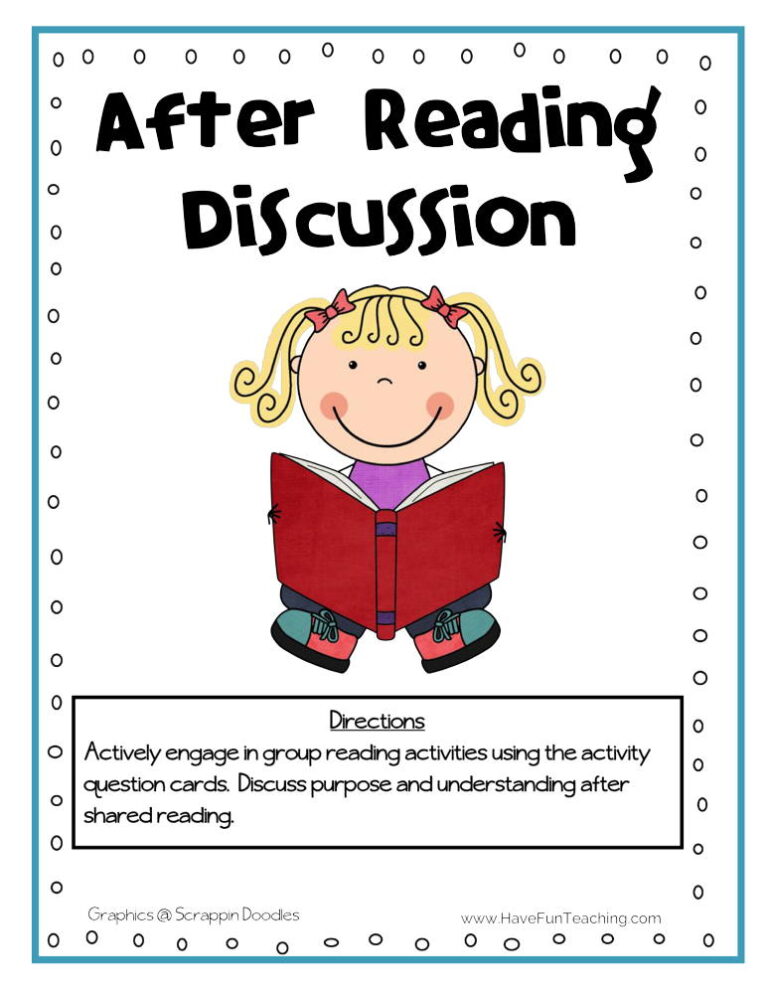
Using the After Reading Discussion Cards, students actively engage in group reading activities to discuss purpose and understanding after shared reading.

Using Comparing Books Activity, studentsidentify basic similarities and differences between two texts on the same topic.

Using Apples Fact or Fiction Activity, students sort statements of apples into fact or fiction categories.
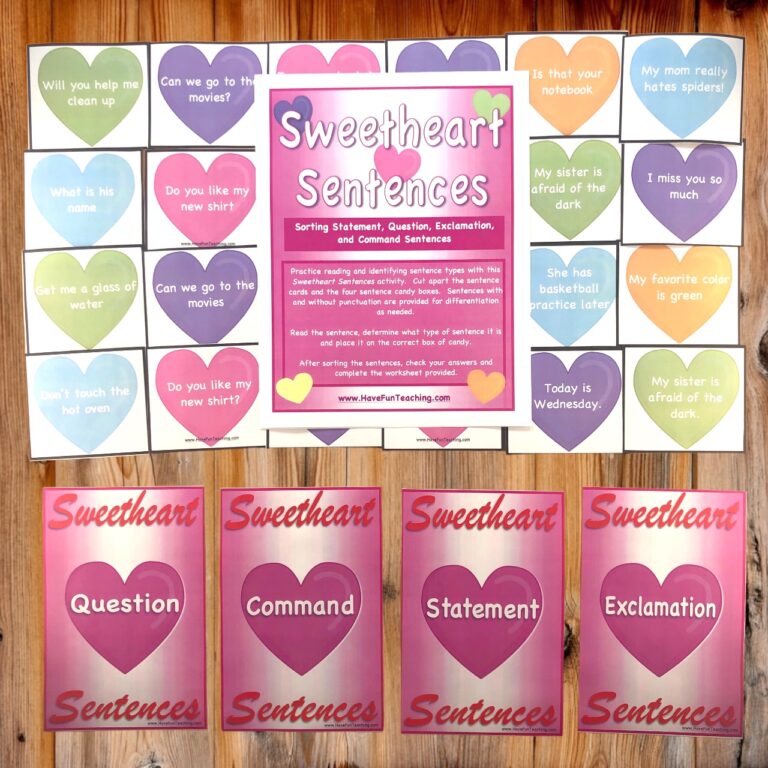
Using Sweetheart Sentences Activity, students read and identify sentence types to use in their own writing.

Using thisStocking Sort Classifying Activity, studentscomplete the Stocking Sort activity to practice classifying and grouping objects.
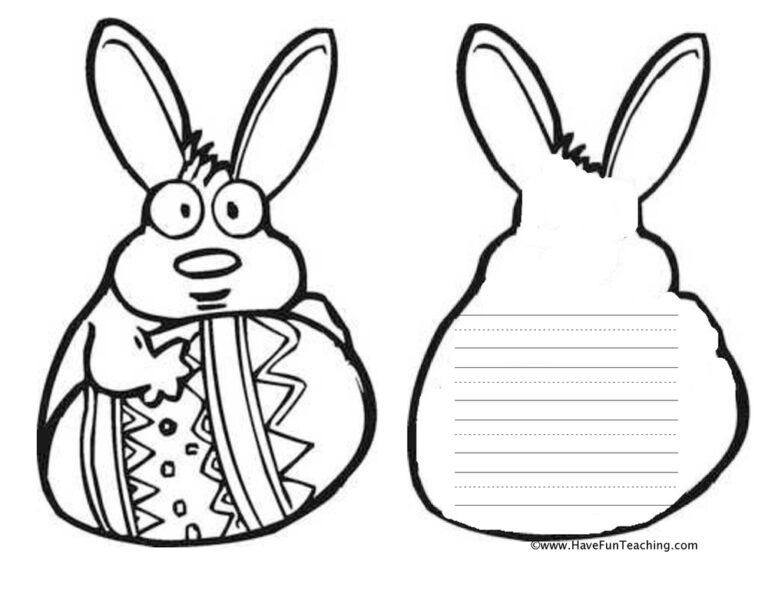
Using this Bunny Shape Book Activity, your students can create quick and simple books about stories or what they know about bunnies.
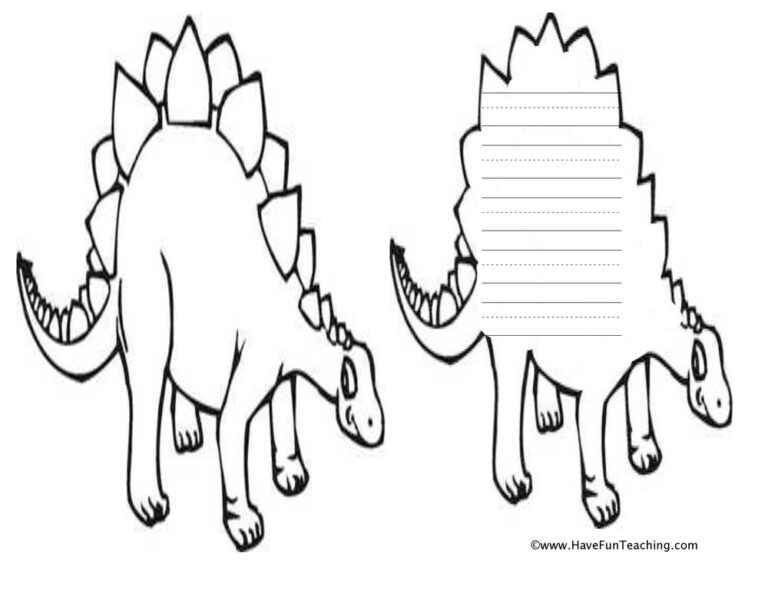
Using this Dino Shape Book Activity, your students can create quick and simple books about stories or what they know about dinosaurs.

Using Rainforest Patterns Activity, students complete the animal patterns with animal cards to build their sequencing skills.

UsingFalling Leaves Sight Words Activity, students practice reading high frequency words related to fall.

Using Cool Cat Sentences Activity, students sort and organize the different types of sentences (Telling Sentence, Asking Sentence, Exciting Sentence).
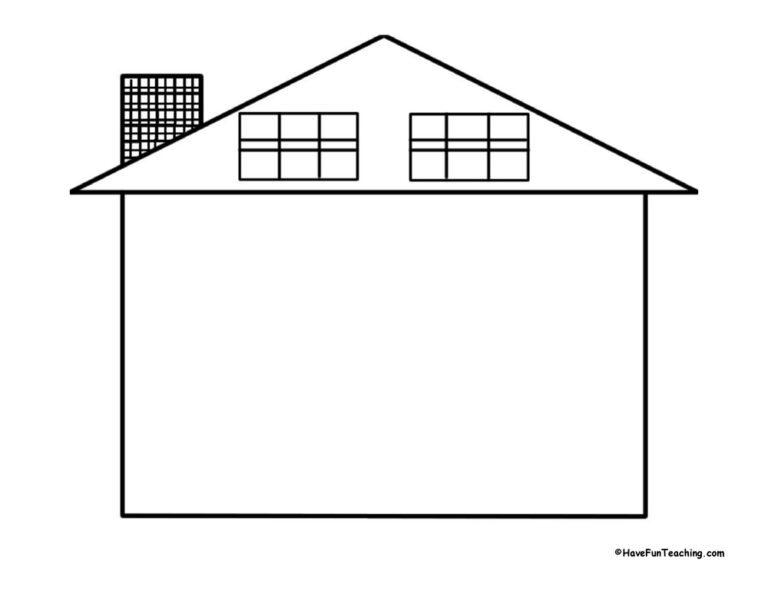
Using this House Shape Book Activity, your students can create quick and simple books about stories about their houses or homes.
Using Making Inferences Pictures Activity, students look at pictures and make inferences based on what they see to match descriptions. This is perfect for making inferences and drawing conclusions.
Using this Monster Munch-O Sight Word BINGO, studentsplay BINGO to increase their sight word fluency.
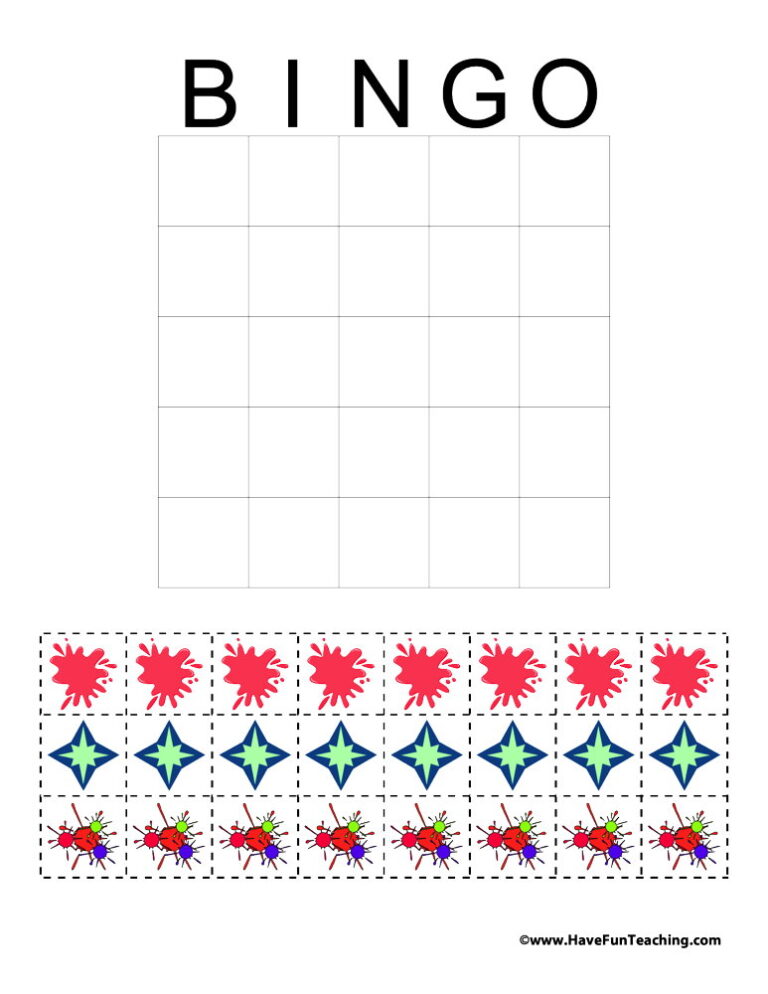
This Blank BINGO Board will quickly give you a template to create BINGO games to review material you are learning in class, no matter the topic!
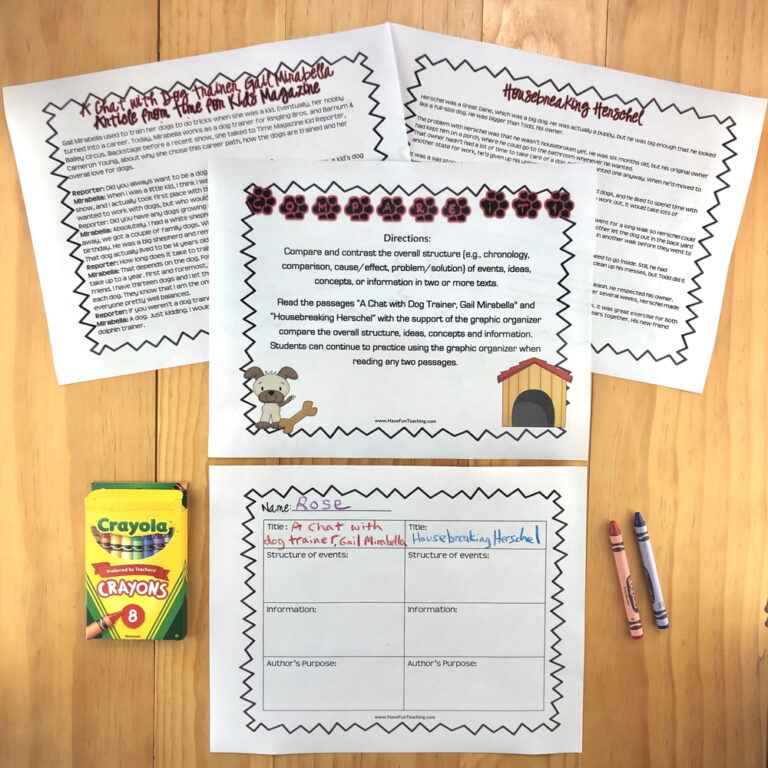
Using this Compare It Compare and Contrast Activity, students organize their ideas to compare the overall structure, ideas, concepts and information using the two provided texts.

Using this Character Comparison Activity, students compare and contrast two characters using specific details in the text.



