

Using Story Elements Organizing What You Read Activity, students use activity worksheets and graphic organizers to describe the characters, setting and events.

Using this Counting and Sorting Pictures Activity, students match the pictures to their correct categories to find similarities between items in a group.

Using the Talking to Peers Assessment Worksheet, students respond to questions and suggestions from peers and add details to writing as needed.
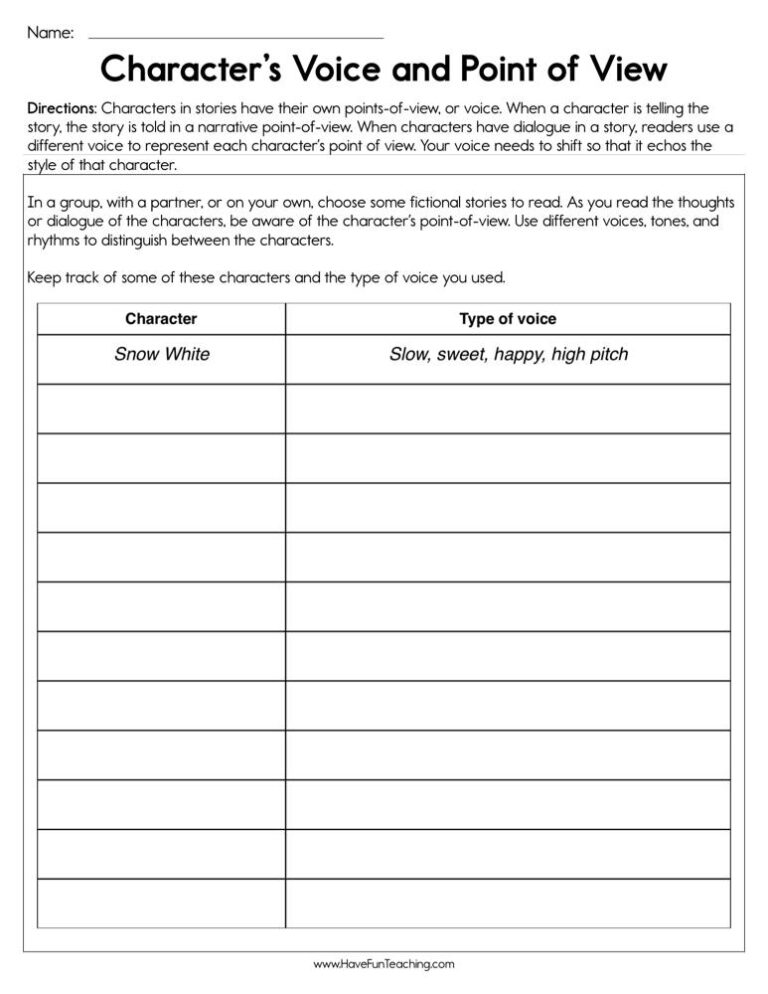
UsingCharacters Voice and Point of View Worksheet, students keep track of different types of voice characters use to show their point of view in a story.
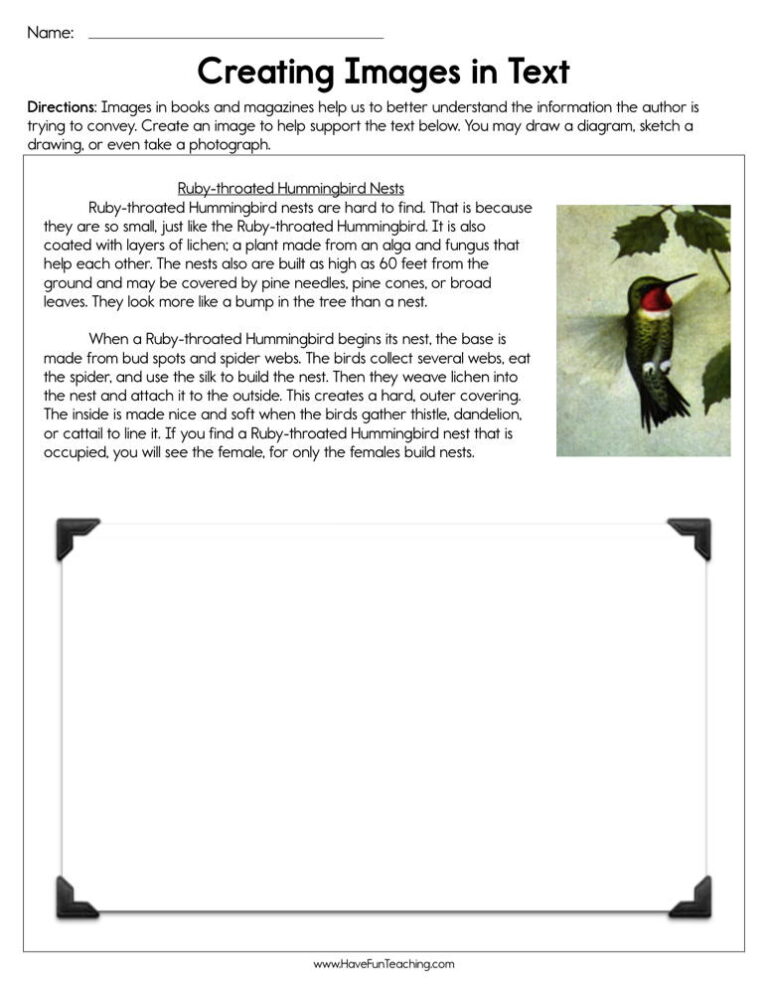
Using Creating Images in Text Worksheet, students create an diagram, a drawing, or even take a photograph to help support the text.
Using Endings Worksheet, students write how the ending of each story solves problems and resolves events of the story to compare the two similar stories read.

Using Characters and Story Plots Worksheet, studentsread two stories with similar plots, or characters to compare the elements from the two stories.

Using Compare and Contrast Points of a Text Worksheet, students compare two texts on the same topic to determine how they are alike and different.

Using Comparing Events Worksheet, students compare two informational texts to compare two events to determine how they are alike and different.

Using Comparing Similar Texts Illustrations Worksheet, students compare the illustrations from two texts to determine how they are alike and different.

Using Books My Students are Reading Worksheet, teachers keep track of the stories their students are reading to record the status of the class.
Using Writing about Animals Worksheet, students draw, write, or tell about an animal in to build their writing skills.
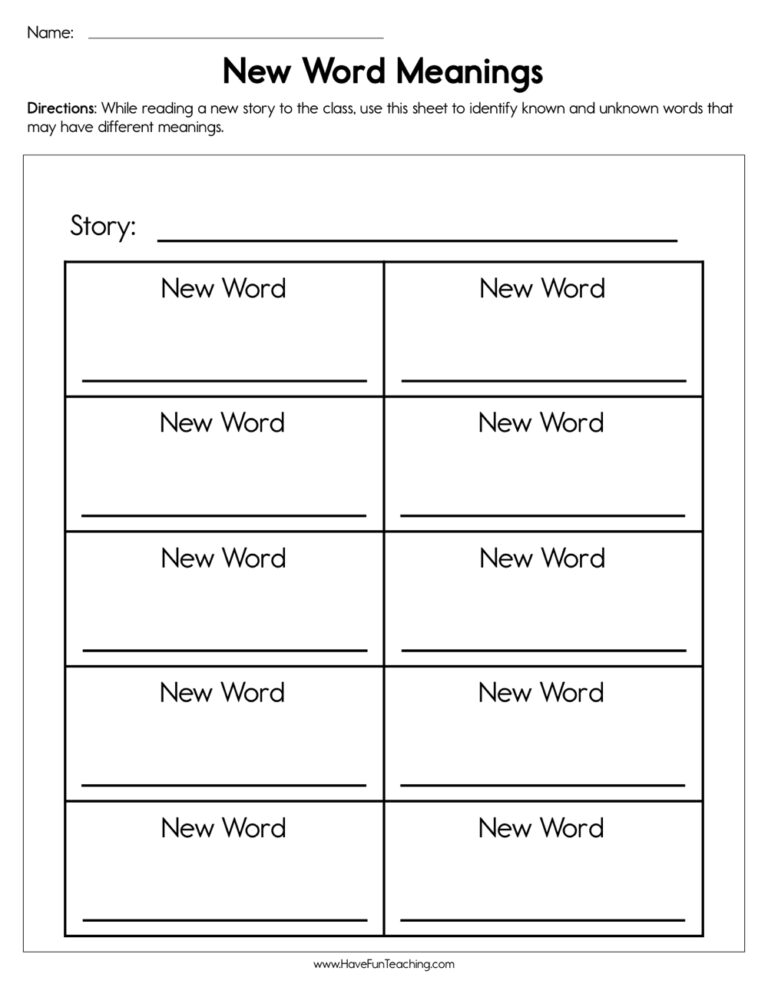
Using New Word Meanings Worksheet, students use this sheet to pull out unknown words from the story to learn new vocabulary
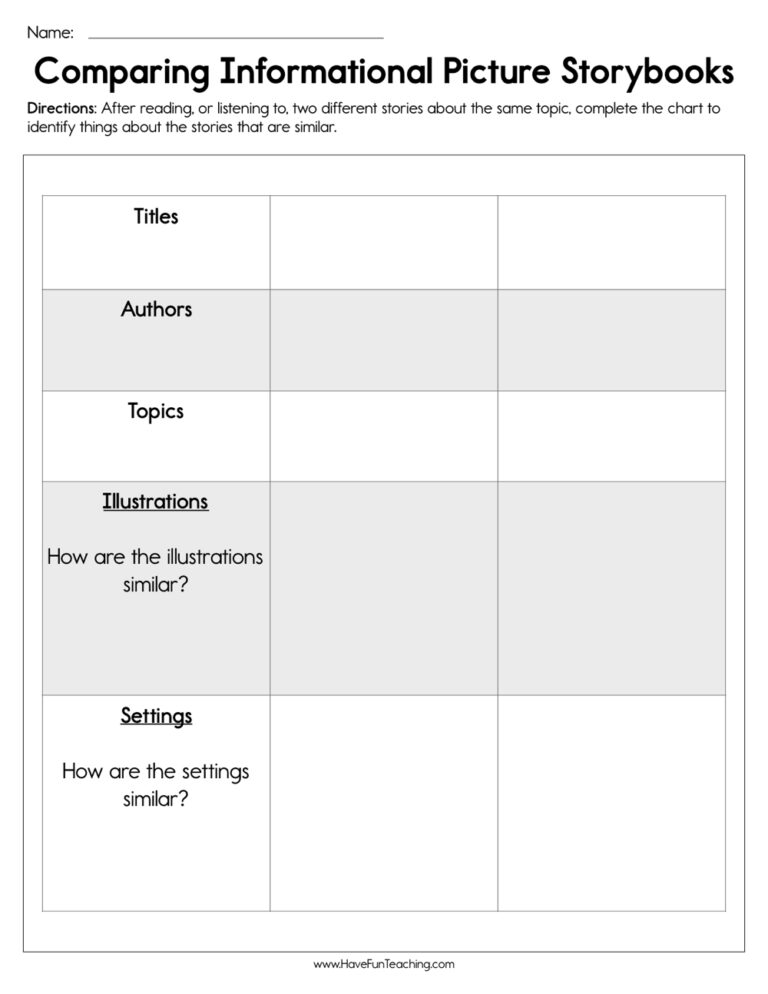
Using Comparing Informational Picture Storybooks Worksheet, students compare story elements intwo different stories about the same topic to determine how they are alike and different.
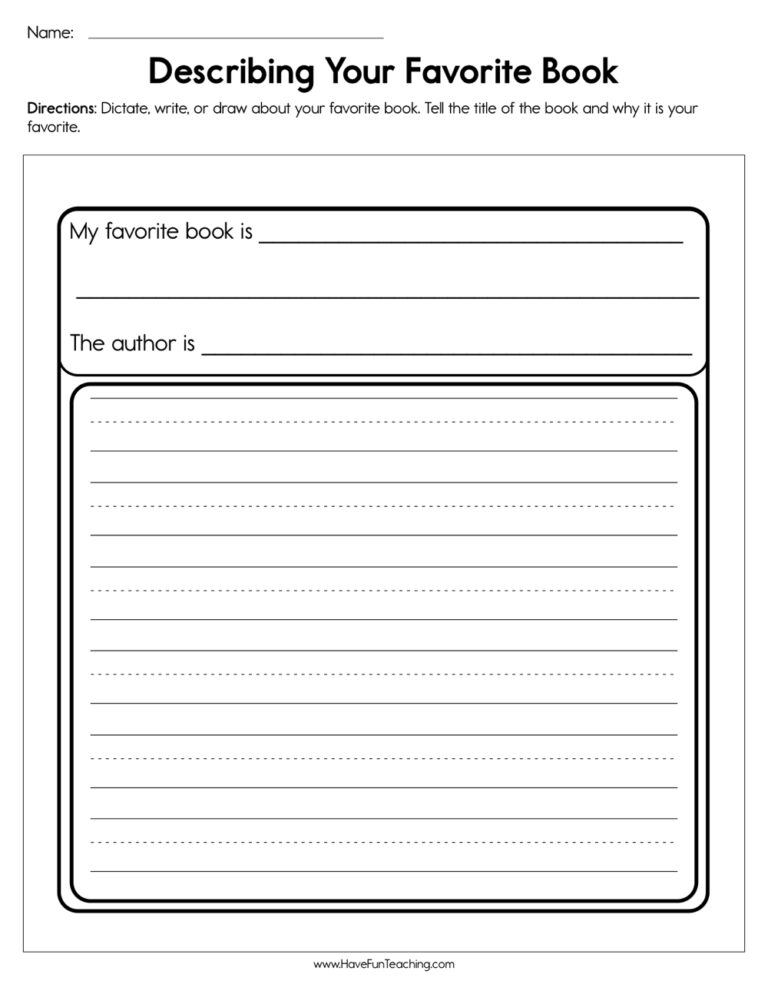
Using this Describing Your Favorite Book Worksheet, students write about their favorite book in order to explain why it is their favorite.
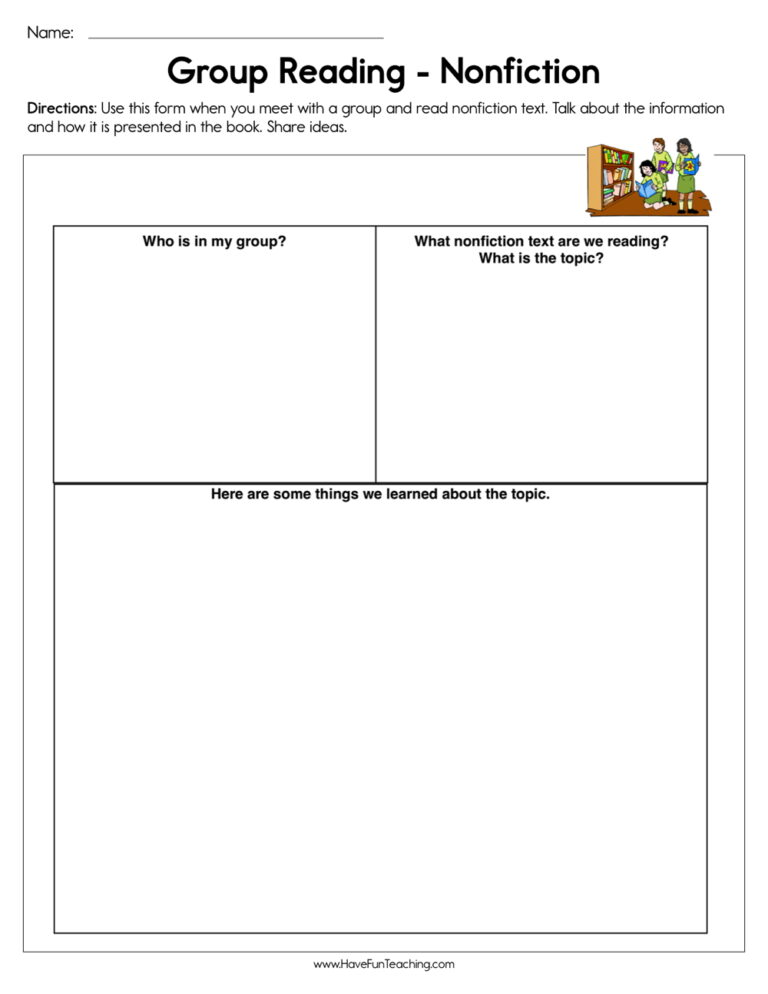
Using the Group Reading Non-Fiction Worksheet, students use this form when you meet with a group and read non-fiction text.
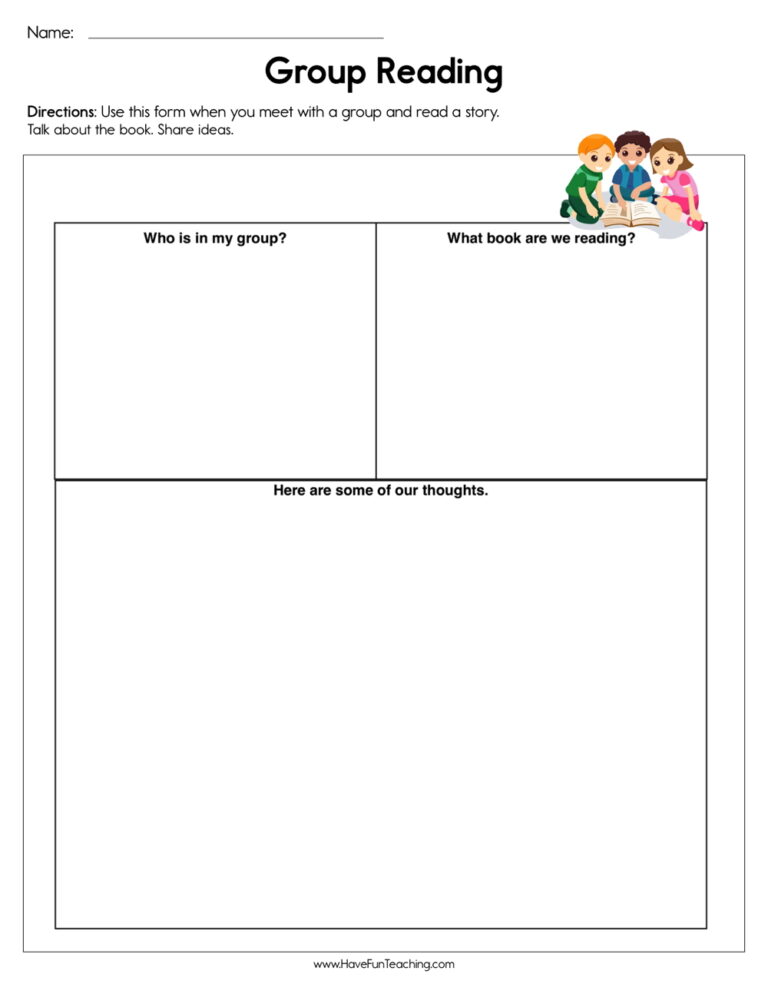
Using the Group Reading Worksheet, students use this form when you meet with a group and read fiction or non-fiction text.

Using Compare and Contrast Similar Texts Worksheet, students compare two different informational texts on similar topics.

Using Author Research Activity, students explore books written by a single author to discuss opinions and ideas of that author.

Using Comparing Books Activity, studentsidentify basic similarities and differences between two texts on the same topic.