Skip to content
Start My 3 Free Days $0 today · cancel anytime

2nd Grade Summarizing Resources

22 2nd grade summarizing resources: 12 worksheets, 9 activities, 6 assessments and more. How teachers use these

2nd Grade Summarizing Resources

22 2nd grade summarizing resources: 12 worksheets, 9 activities, 6 assessments and more. How teachers use these

Assessment
Assessment2nd GradeFables The Lion and The Mouse Worksheet

This Fables The Lion and The Mouse Worksheet gives 2nd graders an original retelling of Aesop’s fable, four comprehension questions and a written item on the lesson. Answer key included for quick, no-prep practice.

Assessment
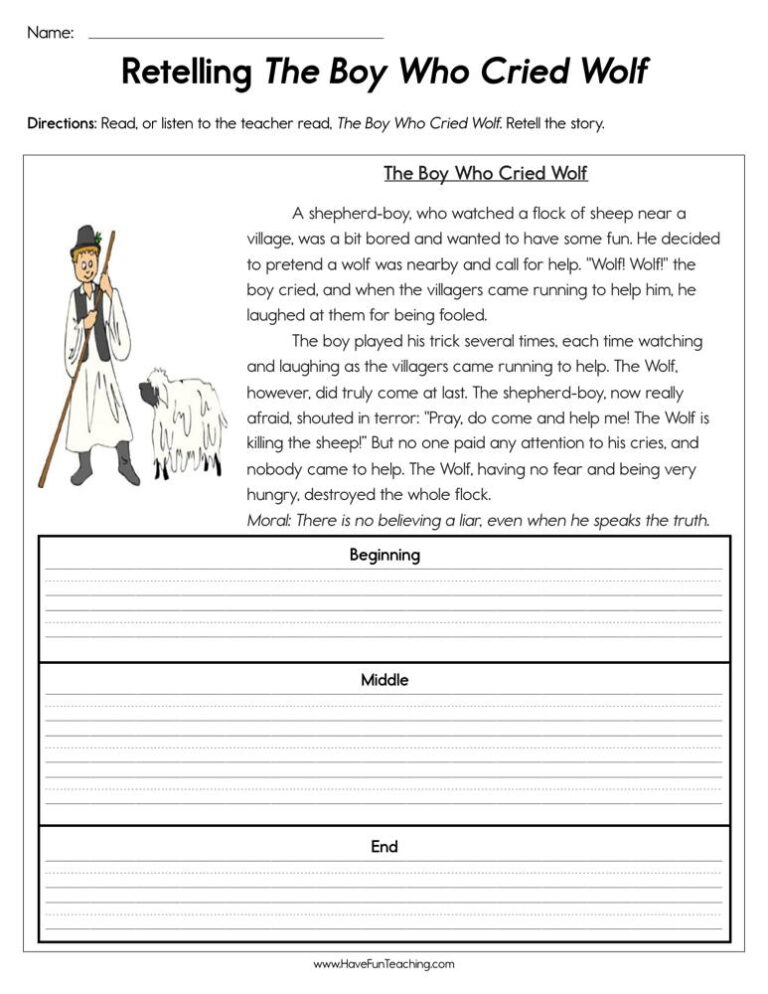
Assessment2nd GradeRetelling The Boy Who Cried Wolf Worksheet

This Retelling The Boy Who Cried Wolf Worksheet gives 2nd graders an Aesop fable to read, four events to put in order, and beginning, middle, and end boxes to fill in. Answer key included for fast, no-prep retelling practice.

Activity
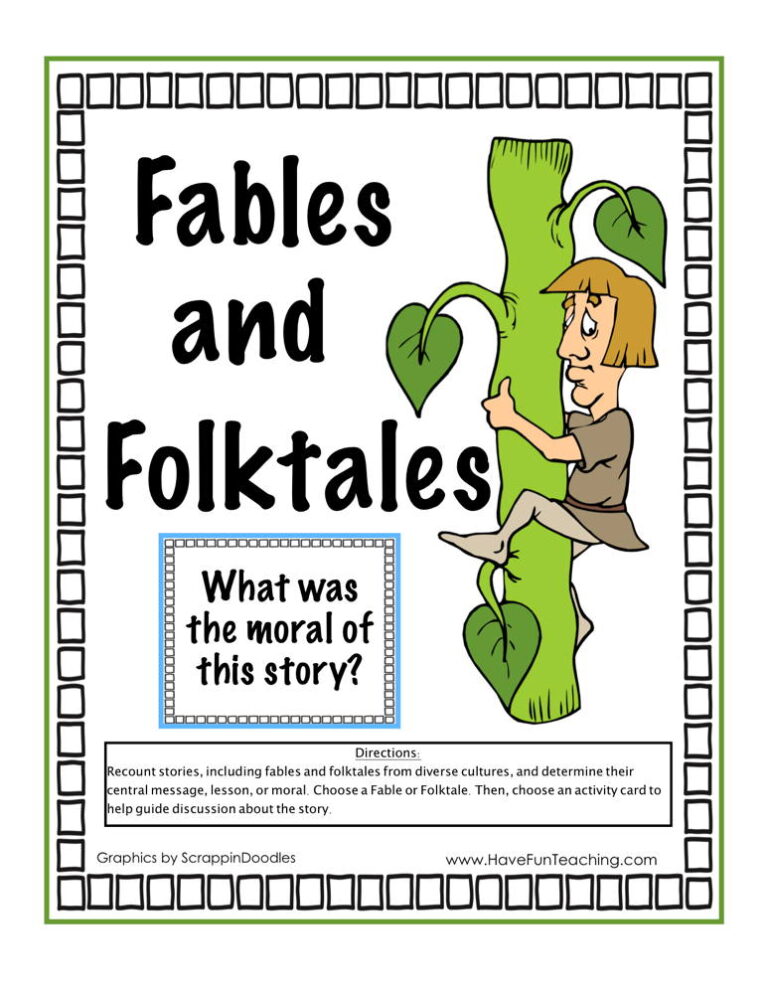
Activity2nd GradeFables and Folktales Activity

Read, retell and find the moral with this fables and folktales activity for 2nd and 3rd grade: story cards, moral cards, talk cards and a Story Map, with an answer key included.

Worksheet
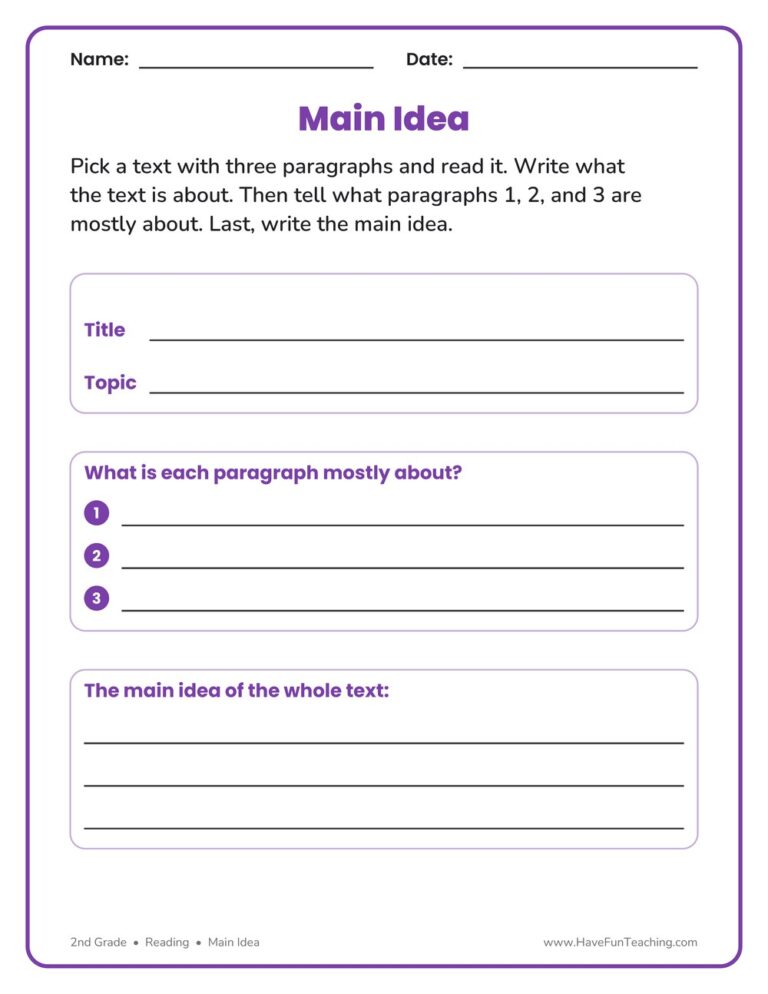
Worksheet2nd GradeMain Idea Graphic Organizer Worksheet

This main idea graphic organizer worksheet helps 2nd grade readers note what each of three paragraphs is about, then write the main idea of the whole text, building strong summarizing skills.

Worksheet
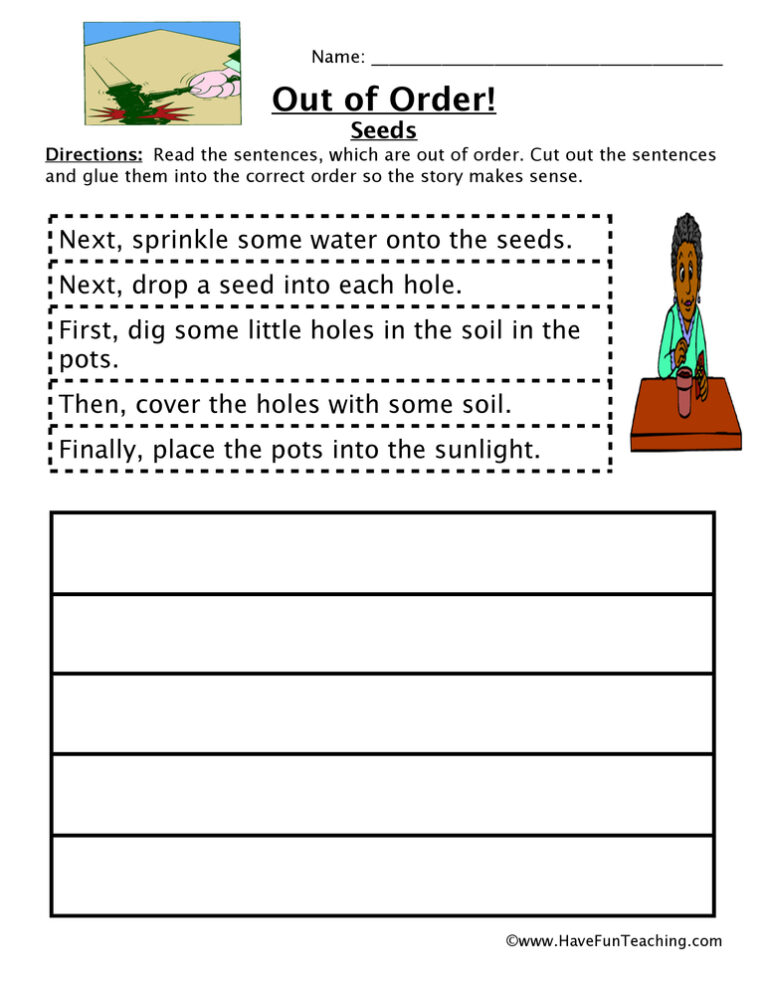
Worksheet2nd GradePlanting A Seed Sequencing Worksheet

This Planting A Seed Sequencing Worksheet asks 2nd graders to number five mixed-up planting steps and then answer two questions about them. An answer key is included for fast checking.

Assessment
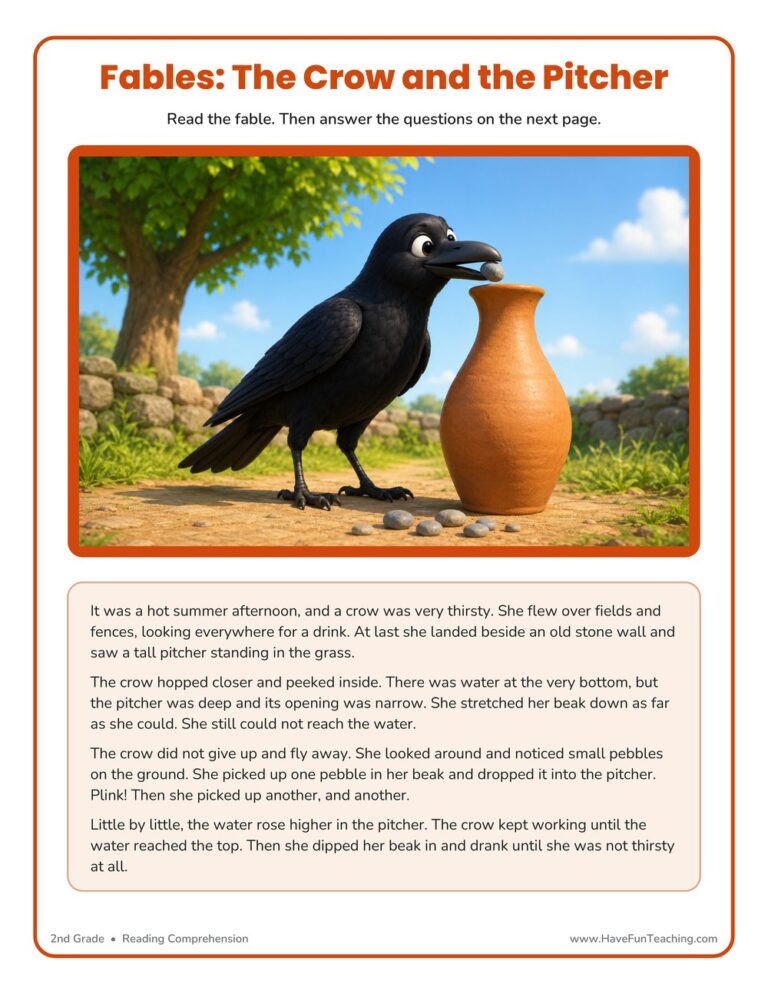
Assessment2nd GradeFables The Crow and The Pitcher Worksheet

This Fables The Crow and The Pitcher Worksheet gives 2nd Grade readers an illustrated Aesop fable, comprehension questions, a sequencing activity, and a lesson response. Answer key included for quick, no-prep reading practice.

Worksheet
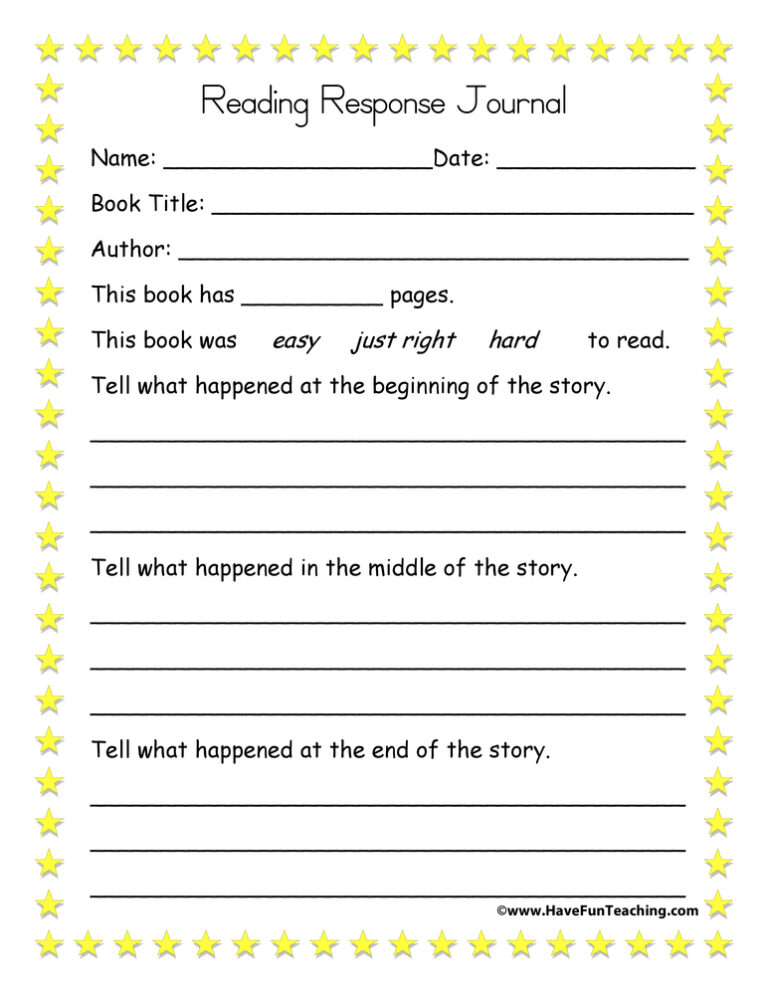
Worksheet2nd GradeBeginning, Middle, End Reading Response Journal

This beginning middle end reading response journal lets 2nd grade students record a book title and author, rate how hard it was, and retell the story in order for stronger reading.

Activity
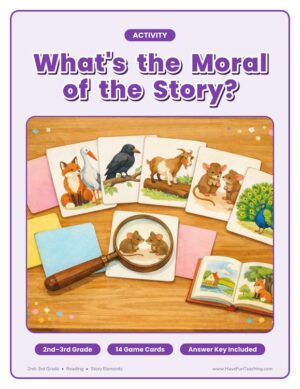
Activity2nd GradeWhat's the Moral of the Story Activity

This what's the moral of the story activity helps 2nd and 3rd graders read short fables, retell them, and match each one to its lesson. Answer key included for quick checking.

Activity
Activity2nd GradeRetelling Stories Activity

This retelling stories activity has Kindergarten to 2nd Grade students order picture and sentence cards, then retell a pool-day story. Answer key included to check every card.

Assessment
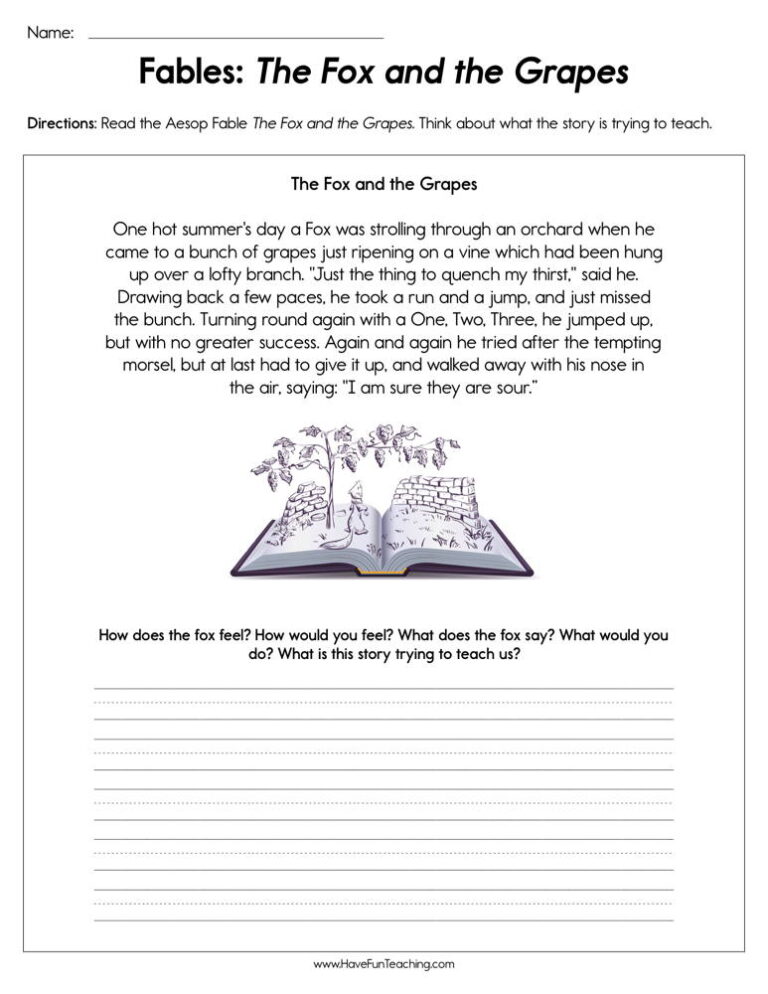
Assessment2nd GradeFables The Fox and The Grapes Worksheet

This Fables The Fox and The Grapes Worksheet gives 2nd Grade readers an original retelling of the Aesop fable, four comprehension questions and a written response on its lesson. An answer key is included.

Activity
Activity2nd GradeBrushing Your Teeth Sequencing Activity

This brushing your teeth sequencing activity helps K-2nd grade students retell a short story in order with picture cards, sentence cards and a story mat. Answer key included.

Activity
Activity2nd GradeRetelling Using Key Details Activity

This retelling using key details activity helps kindergarten to 3rd grade students sort key events, put them in order, and retell a story, with an answer key included.

Worksheet
Worksheet2nd GradeThe Paper Bag Princess Worksheet

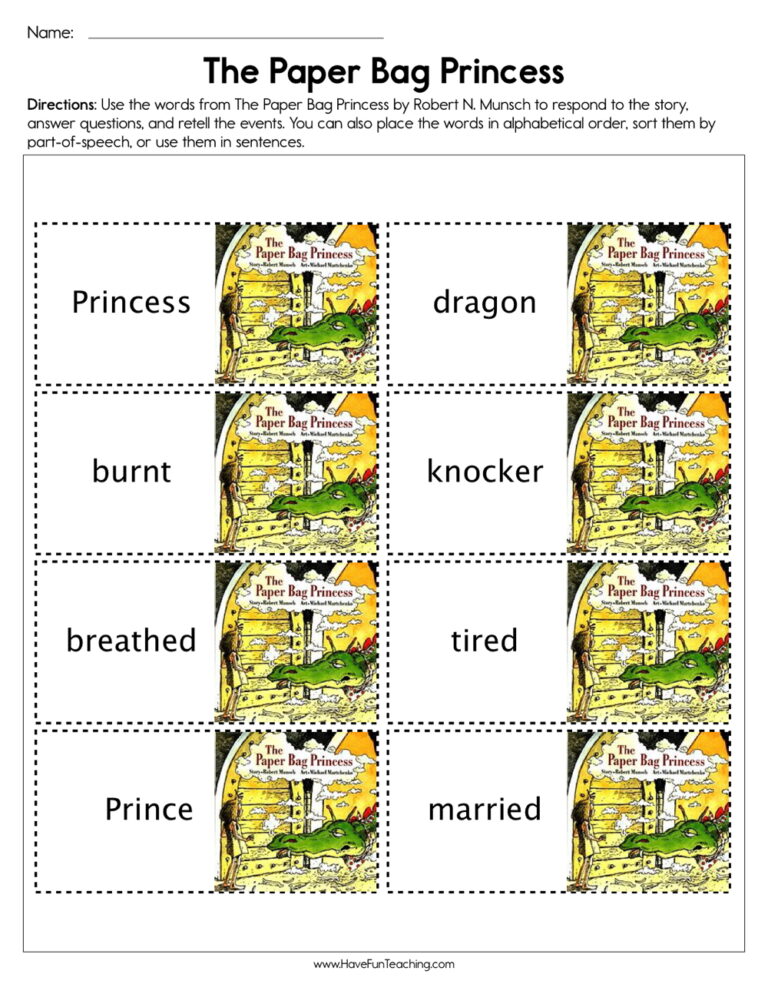
Using this The Paper Bag Princess Worksheet, students use the words from the story to respond to the story and retell the events.

Activity
Activity2nd GradeWhat Comes Next Sequencing Activity

Using What Comes Next Sequencing Activity,studentsdescribe the relationship between a series of historical events, scientific ideas or concepts, or steps in technical procedures in a text.

Common Core Lesson
Common Core Lesson2nd GradeRF.2.4 Second Grade Common Core Lesson

Using RF.2.4 Second Grade Common Core Lesson, students read grade-level text with purpose and understanding.

Activity
Activity2nd GradeDigging for Information Text Structure Activity

Using Digging for Information Text Structure Activity, students describe the relationship between events, scientific concepts, or procedures in a text.

Worksheet
Worksheet2nd GradeRespond to Arthur's TV Trouble Worksheet

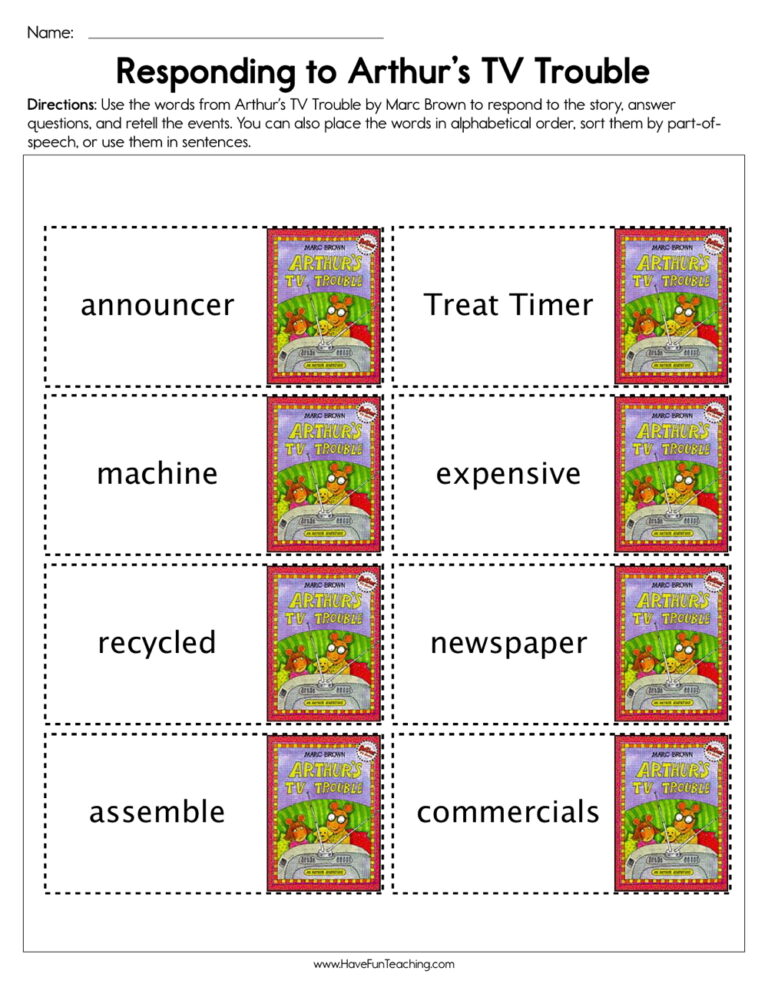
Using this Respond to Arthur's TV Trouble Worksheet, students use the words from Arthur!s TV Trouble to respond to the story and retell the events.

Activity
Activity2nd GradeTwo Texts Important Information Activity

In this two texts important information activity, 1st-3rd Grade students read two pumpkin texts and sort 12 fact cards by source. A practice page and answer key are included.

Activity
Activity2nd GradeRetell the Story Activity

Using Retell the Story Activity,students read “Floppy Ears” aloud to students and then use the question chart to assess students ability to retell the story.

Assessment
Assessment2nd GradeDescribing Sarah Plain and Tall Worksheet

Using this Describing Sarah Plain and Tall Worksheet, students read Sarah Plain and Tall and write response based on what they read.

From our teachers' playbook

Tell it short, tell it smart

What do 2nd graders learn about summarizing?

Second graders take retelling one step further. They read fables, folktales and short nonfiction, then tell what happened using only the key details. A big new idea is the central message or moral, the lesson the story teaches. After The Lion and the Mouse, kids can say, Even small friends can be a big help. They also start finding the main idea of a paragraph and the details that support it. The click moment is when a student can sum up a whole story in just two or three sentences and still get the lesson right.

Our favorite ways to teach summarizing

Second graders are ready to cut a story down to its heart. These moves show them how.

Somebody, wanted, but, so, then

Use this five-word frame to model a summary of The Boy Who Cried Wolf: Somebody (the boy) wanted (some excitement) but (no one believed him the third time) so (the wolf got the sheep) then (he learned to tell the truth). Kids try it next with the retelling page.

Why it works: showing first, practicing together, then letting kids try alone is the "gradual release" model teachers have relied on for decades (Pearson and Gallagher, 1983).

Retelling The Boy Who Cried Wolf WorksheetTry it withRetelling The Boy Who Cried Wolf WorksheetWorksheetsOpen it →
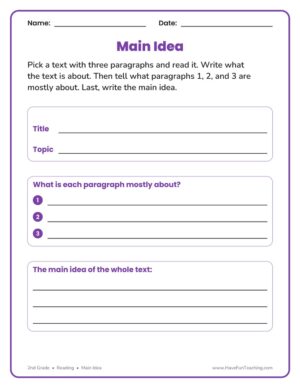
Table top and legs

Draw a table on the board. The main idea goes on the tabletop and the supporting details are the legs holding it up. The Main Idea graphic organizer uses the same picture, so kids can see when a detail doesn't belong.

Why it works: children learn more from words and pictures together than from words alone (Mayer, 2009).

Main Idea Graphic Organizer WorksheetTry it withMain Idea Graphic Organizer WorksheetGraphic OrganizersOpen it →

Find the lesson

Fables are short, so they're perfect for quick practice. After reading The Lion and the Mouse, kids answer questions about the key events and write the moral in their own words. Compare answers and talk about why different words can still mean the same lesson.

Why it works: a big review of study methods ranked quick self-quizzing among the most powerful ways to remember (Dunlosky and colleagues, 2013).

Fables The Lion and The Mouse WorksheetTry it withFables The Lion and The Mouse WorksheetAssessmentsOpen it →

Questions teachers and parents ask

What is summarizing in 2nd grade?

Summarizing in 2nd grade means retelling a story with only the most important details and naming its central message or lesson. Students also start finding the main idea of short informational texts.

What is a central message?

It's the big lesson a story teaches, like "be honest" or "slow and steady wins the race." Fables and folktales are great for practicing it because their lessons are clear.

How long should a 2nd grade summary be?

Two to four sentences is a good target. It should tell who the story was about, the problem, how it was solved and the lesson, without every little detail.

How can I practice summarizing at home?

After a TV show or bedtime story, ask your child to tell you what happened in three sentences. Then ask, "What do you think the lesson was?" It turns everyday stories into quick practice.