Skip to content
Start My 3 Free Days $0 today · cancel anytime

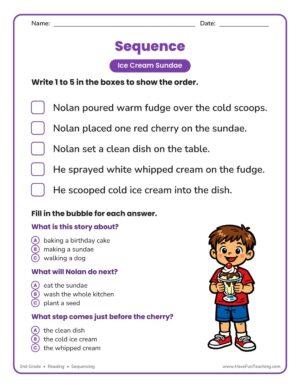
2nd Grade Sequencing Activities (Reading)

12 2nd grade sequencing activities. Teacher favorites: Fables and Folktales Activity and Beginning Middle End Plot Activity. How teachers use these

2nd Grade Sequencing Activities (Reading)

12 2nd grade sequencing activities. Teacher favorites: Fables and Folktales Activity and Beginning Middle End Plot Activity. How teachers use these

Activity
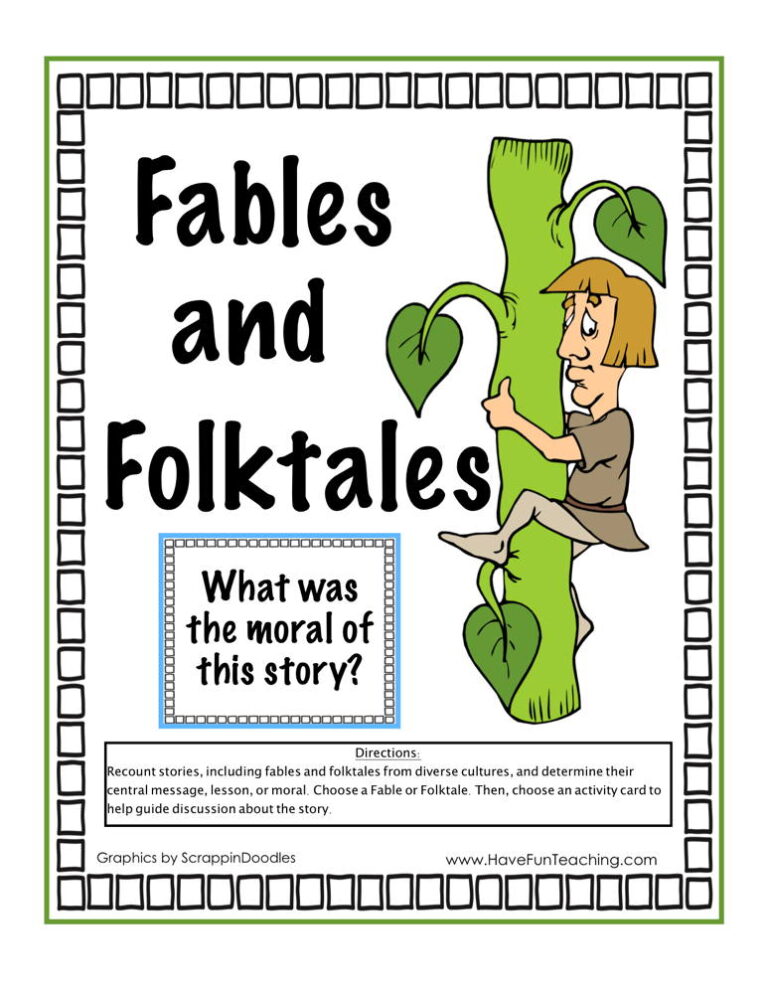
Activity2nd GradeFables and Folktales Activity

Read, retell and find the moral with this fables and folktales activity for 2nd and 3rd grade: story cards, moral cards, talk cards and a Story Map, with an answer key included.

Activity
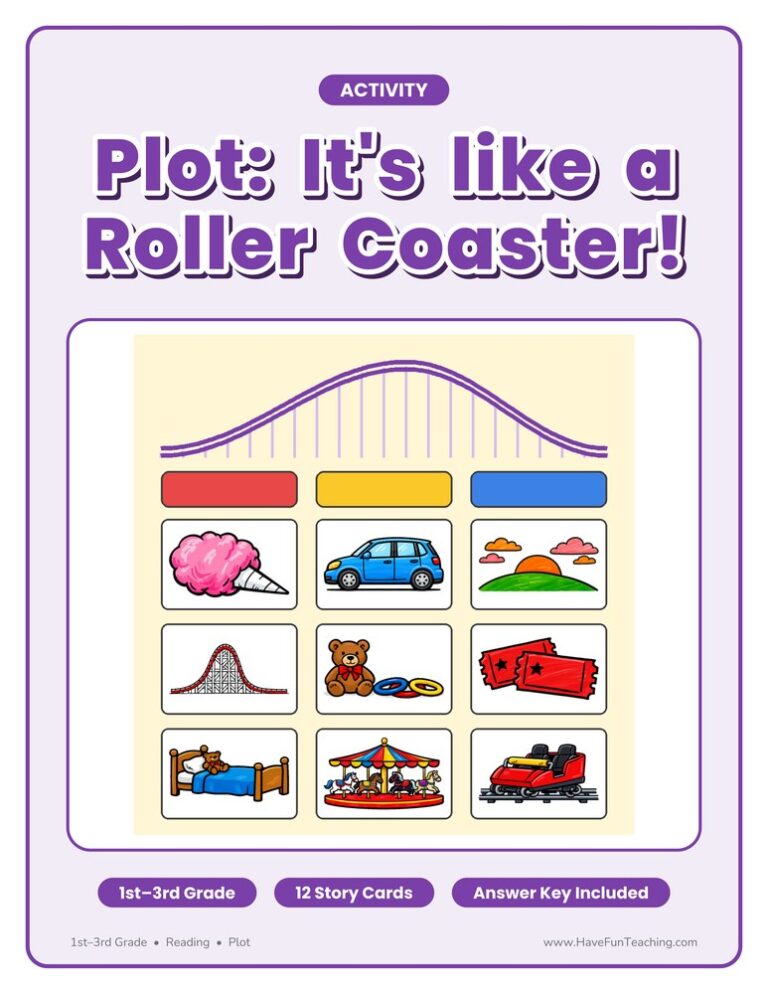
Activity2nd GradeBeginning Middle End Plot Activity

Kids sort story cards with this beginning middle end plot activity for 1st to 3rd grade, then retell the story on a roller coaster plot chart. An answer key is included for easy checking.

Activity
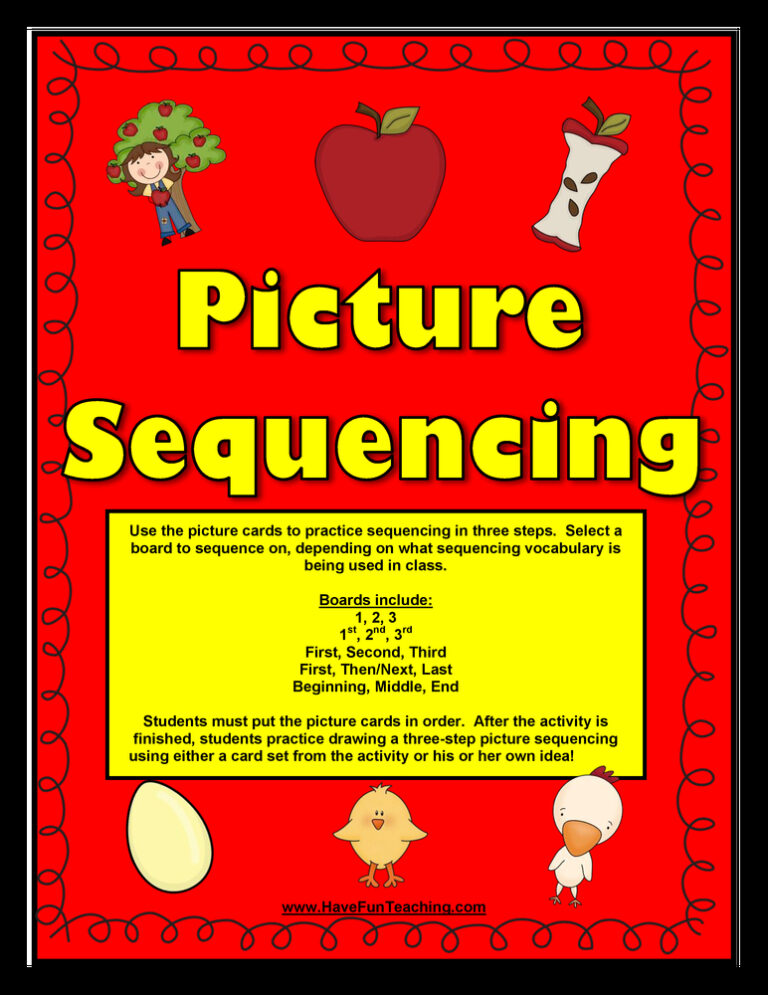
Activity2nd GradePicture Sequencing Activity

In this picture sequencing activity, Kindergarten to 2nd Grade children put five color sets of cards in order on a First, Next, Last board. Answer key included.

Activity
Activity2nd GradeWhat's the Moral of the Story Activity

This what's the moral of the story activity helps 2nd and 3rd graders read short fables, retell them, and match each one to its lesson. Answer key included for quick checking.

Activity
Activity2nd GradeDescribing Characters Beginning Middle and End Activity

In this describing characters beginning middle and end activity, 1st to 3rd Grade students order story cards and name feelings. Answer key included.

Activity
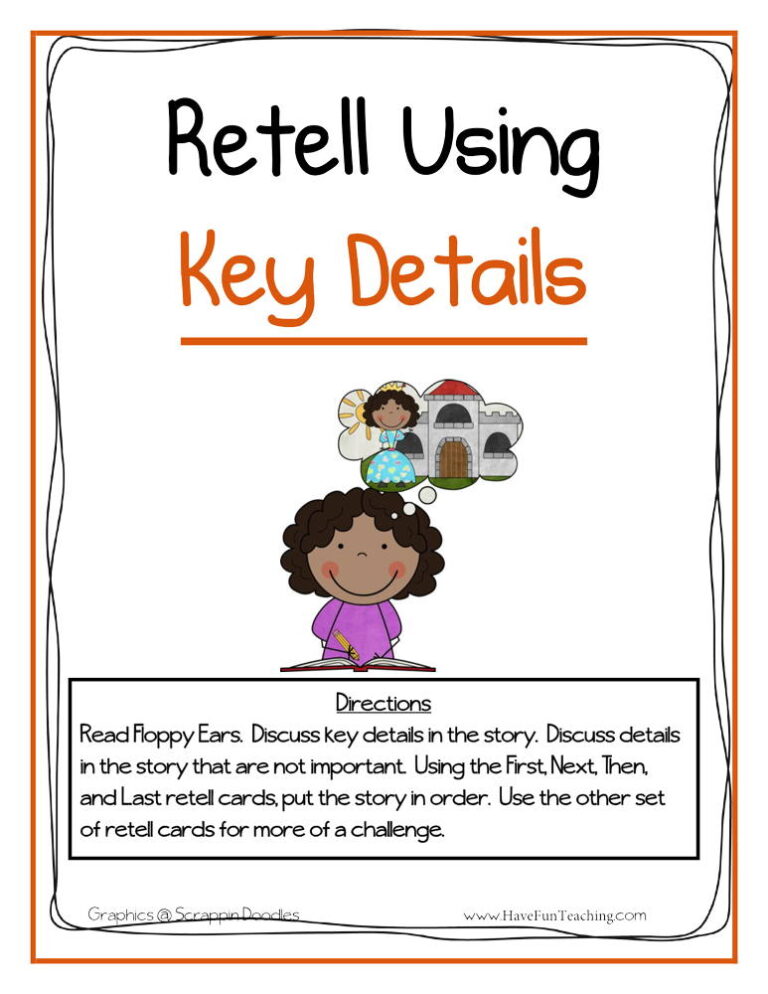
Activity2nd GradeRetelling Using Key Details Activity

This retelling using key details activity helps kindergarten to 3rd grade students sort key events, put them in order, and retell a story, with an answer key included.

Activity
Activity2nd GradeRetelling Stories Activity

This retelling stories activity has Kindergarten to 2nd Grade students order picture and sentence cards, then retell a pool-day story. Answer key included to check every card.

Activity
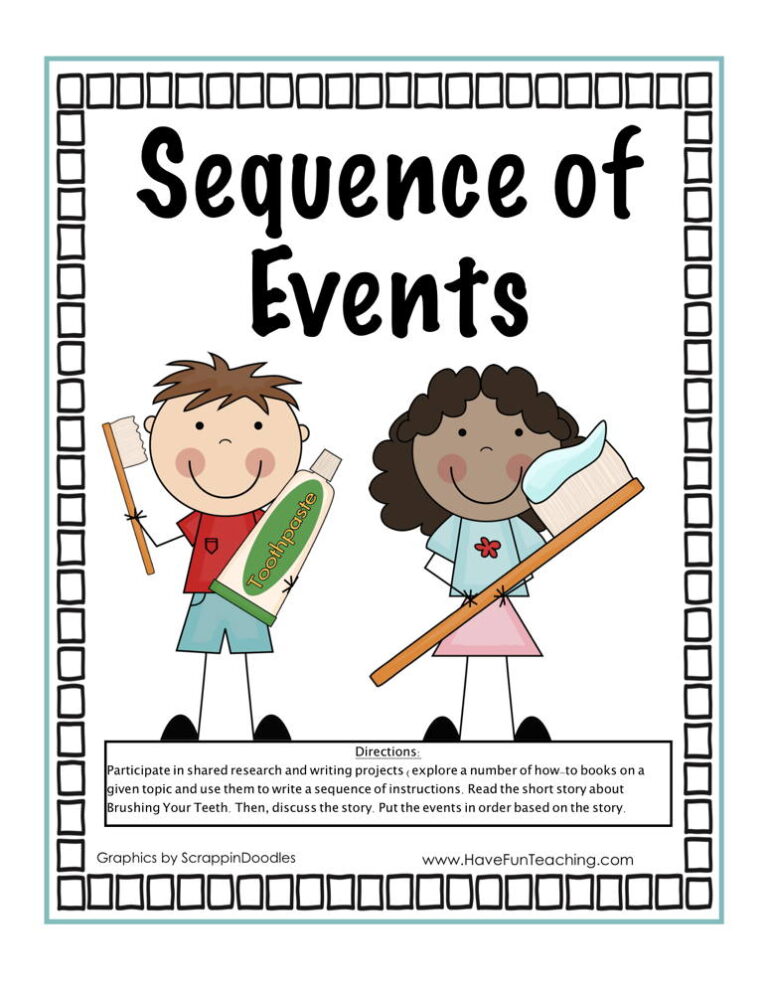
Activity2nd GradeBrushing Your Teeth Sequencing Activity

This brushing your teeth sequencing activity helps K-2nd grade students retell a short story in order with picture cards, sentence cards and a story mat. Answer key included.

Activity
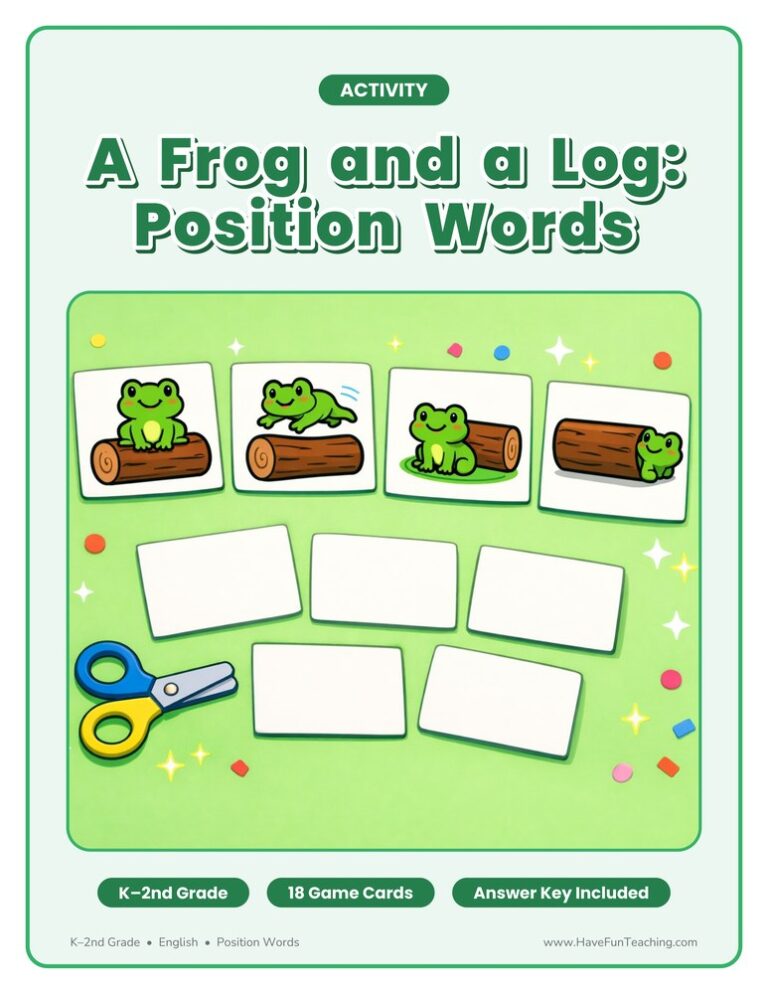
Activity2nd GradeA Frog and a Log Position Words Activity

This frog and a log position words activity helps K-2nd Grade children match picture cards to on, under, above, next to, in front of and behind, with practice and an answer key included.

Activity
Activity2nd GradeWhat Comes Next Sequencing Activity

This what comes next sequencing activity has 2nd to 4th grade students read a how-to recipe, put six step cards in order and retell each step. Answer key included.

Activity
Activity2nd GradeRetell the Story Activity

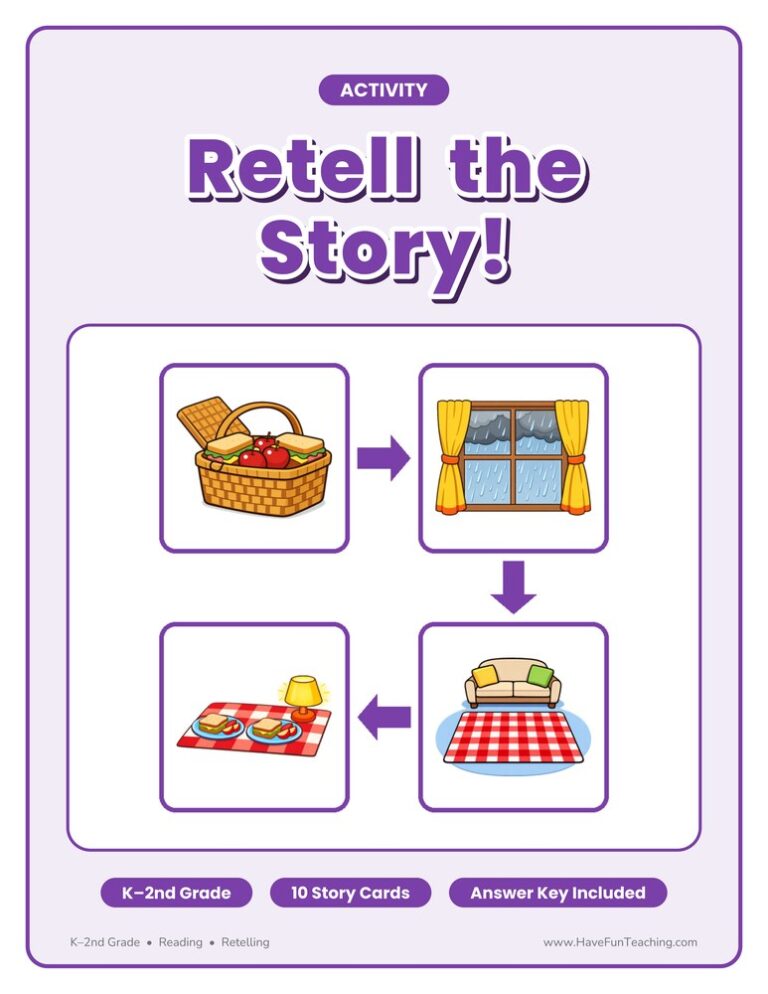
This retell the story activity has Kindergarten to 2nd Grade students order picture cards and answer question cards about a rainy-day picnic story. Answer key included for easy checking.

Activity
Activity2nd GradeTwo Texts Important Information Activity

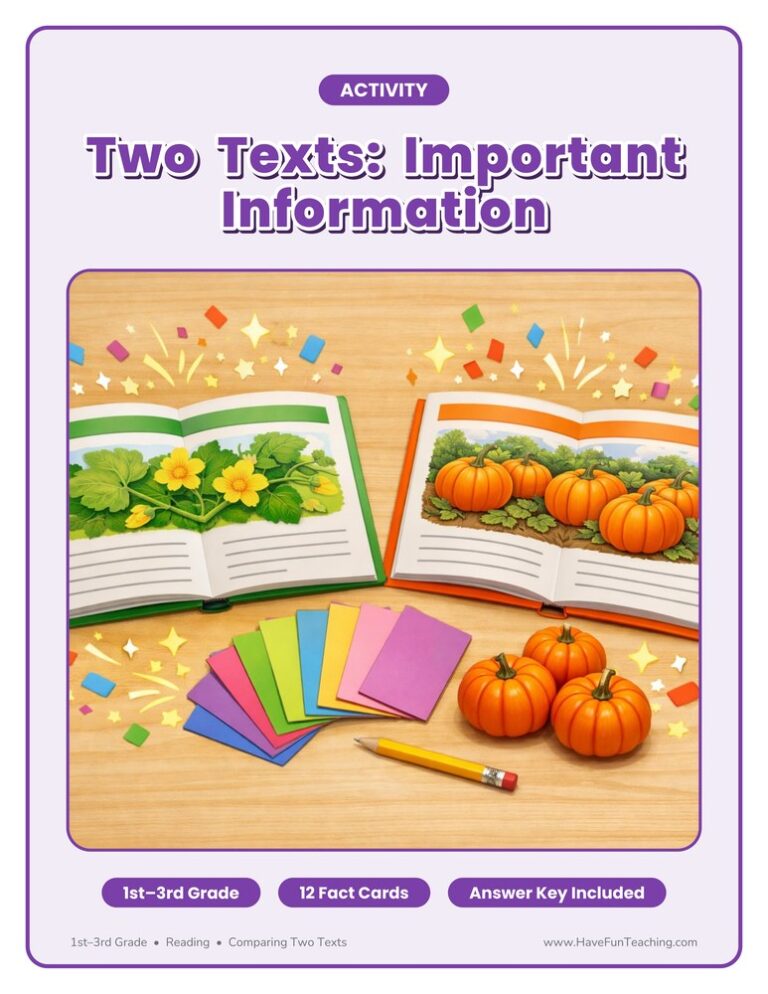
In this two texts important information activity, 1st-3rd Grade students read two pumpkin texts and sort 12 fact cards by source. A practice page and answer key are included.

From our teachers' playbook

First, next, then, last!

What do 2nd graders learn about sequencing?

Sequencing means putting events in the order they happened. Second graders retell stories with a clear beginning, middle and end, using order words like first, next, then and finally. They read how-to texts and put the steps in order, like making a sandwich or planting a seed. They also learn that order matters: if you put the jelly on before the bread, you have a mess! In fables and folktales they retell the key events and figure out the lesson. The click comes when a child retells a whole story without skipping the middle.

Our favorite ways to teach sequencing in 2nd grade

Kids sequence their days all the time. These moves bring that skill to reading.

Map the story

After reading, have kids fill a graphic organizer with one box for each big event. They draw first, then write a sentence under each picture. A visual map makes it easy to see when an important event is missing.

Why it works: children learn more from words and pictures together than from words alone (Mayer, 2009).
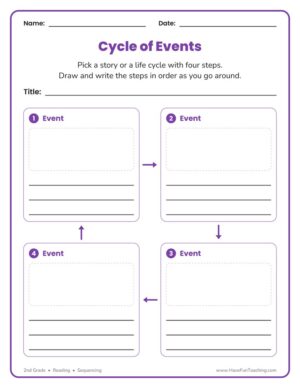
Sequencing Graphic OrganizerTry it withSequencing Graphic OrganizerGraphic OrganizersOpen it →

Mix up the pictures

Cut a story into picture cards, shuffle them and have partners put them back in order. Then they retell the story using first, next, then and last. Moving the pieces lets kids test and fix their thinking.

Why it works: kids understand an idea best when they touch it, then draw it, then write it, the order the U.S. Department of Education recommends for elementary math.

Picture Sequencing ActivityTry it withPicture Sequencing ActivityActivitiesOpen it →

Follow the steps exactly

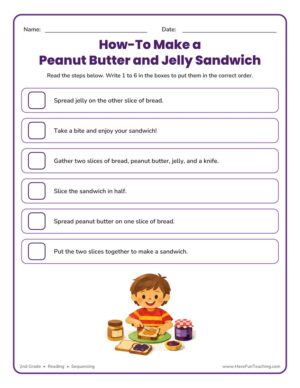
Read how-to steps for a peanut butter sandwich and follow them exactly as written, even when the steps are silly or missing. Kids laugh and quickly see why clear order matters. Then they write their own how-to steps.

Why it works: showing first, practicing together, then letting kids try alone is the "gradual release" model teachers have relied on for decades (Pearson and Gallagher, 1983).

How to Peanut Butter Jelly Sandwich Sequence WorksheetTry it withHow to Peanut Butter Jelly Sandwich Sequence WorksheetWorksheetsOpen it →

Questions parents and teachers ask about 2nd grade sequencing

What is sequencing in reading?

Sequencing is putting the events of a story or the steps of a process in the right order. It helps kids understand and retell what they read.

What sequencing words do 2nd graders use?

Second graders use words like first, next, then, after that, finally and last. These words help readers and listeners follow the order of events.

How can I practice sequencing at home?

Ask your child to tell you the steps of something they do every day, like getting ready for school. After reading a book, ask "What happened first? What happened next? How did it end?"

Why is sequencing important?

Sequencing helps kids understand cause and effect, remember stories and organize their own writing. It is a key skill for retelling and for writing clear how-to pieces.