Skip to content
Start My 3 Free Days $0 today · cancel anytime

Spelling Activities

26 spelling activities. Teacher favorites: Popcorn Blends Activity and Plurals Activity. How teachers use these

Find the perfect resource in seconds

Spelling Activities

26 spelling activities. Teacher favorites: Popcorn Blends Activity and Plurals Activity. How teachers use these

Activity
ActivityKindergartenPopcorn Blends Activity

In this popcorn blends activity, K-2nd Grade children spin a blend, sort 12 picture cards into popcorn boxes and fill in a practice page, with an answer key included for quick checking.

Activity
Activity2nd GradePlurals Activity

This plurals activity is a bee memory game where children match words that end in y to their ies plurals. Made for 2nd and 3rd grade, with a practice page and answer key included.

Activity
ActivityKindergartenBlends, Digraphs, and Trigraphs Activity

Using the Blends, Digraphs, and Trigraphs Activity, students create lists of words that have beginning and ending blends, digraphs, or trigraphs.

Activity
ActivityKindergartenConsonant Digraphs CH SH TH WH Activity

In this consonant digraphs ch sh th wh activity, Kindergarten to 3rd Grade students sort 16 picture-word cards by their first sound, with an answer key included for easy checking.

Activity
Activity1st GradeCapitalize It Activity

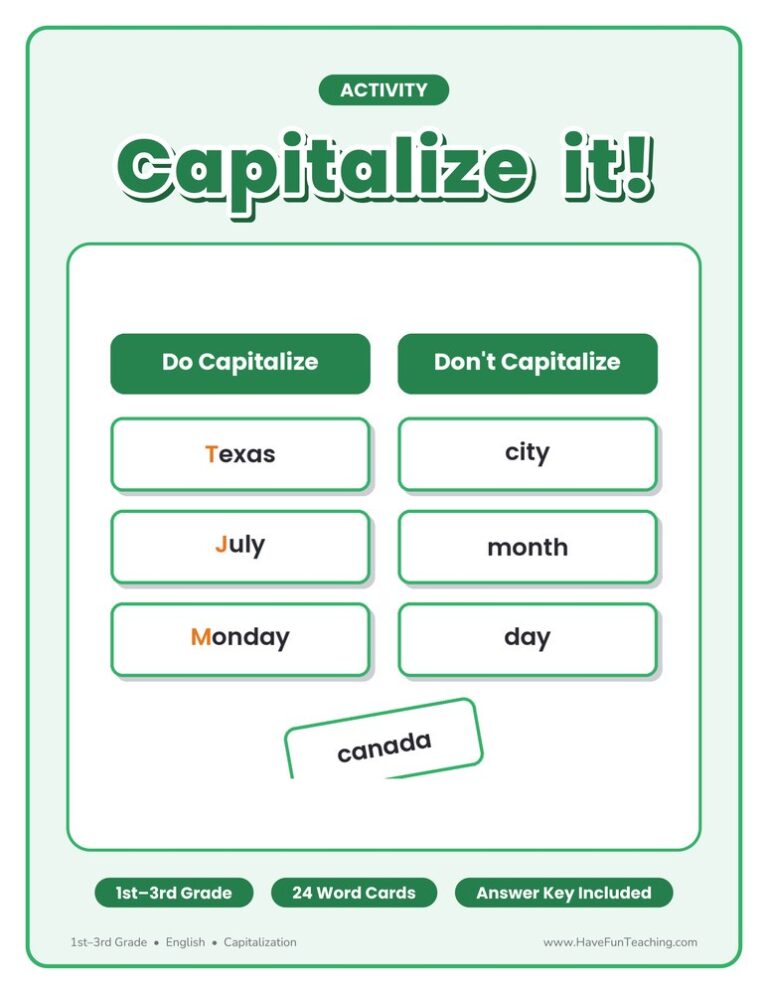
This capitalize it activity for 1st to 3rd grade has children sort 24 lowercase word cards into proper and common nouns, with a practice page and answer key included to sharpen capitalization.

Activity
ActivityPreschoolApple CVC Mat Activity

This apple cvc mat activity lets PreK-1st grade students build short-vowel words with apple letter tiles on 12 picture mats. Practice worksheet and answer key included.

Activity
ActivityKindergartenDear Valentine Activity

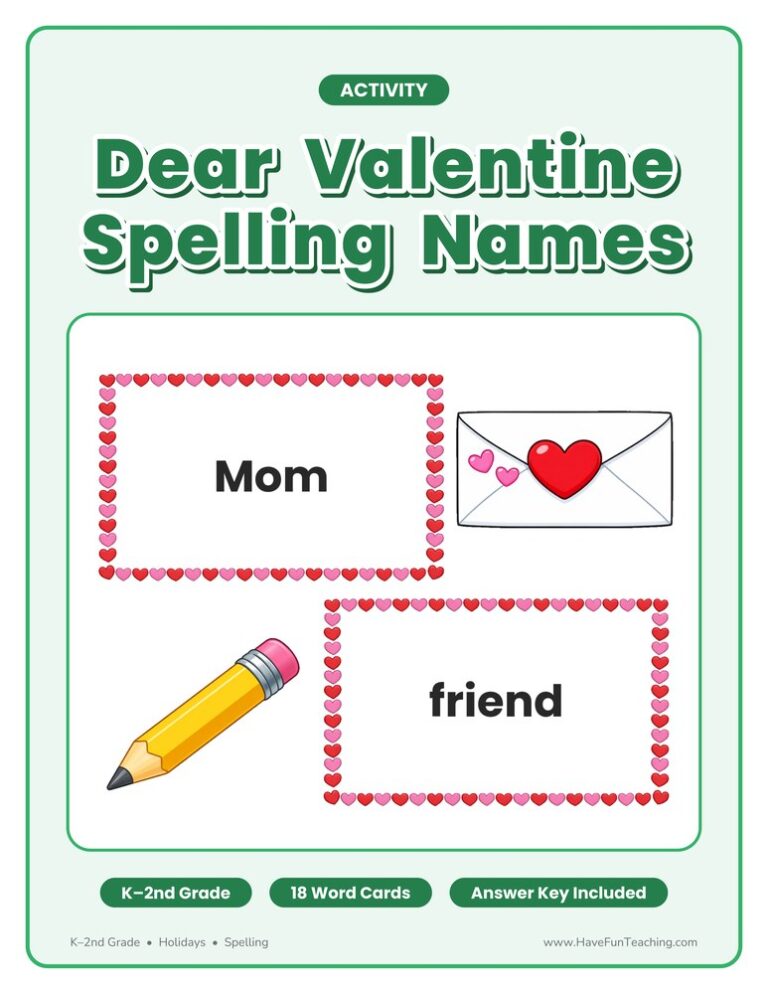
This dear valentine activity has K-2nd grade students pick heart word cards for family and school helpers and spell each word on a Valentine card. Answer key included.

Activity
ActivityKindergartenWord Work Activity

This word work activity lets kindergarten and 1st grade students build CVC words with color-coded consonant and vowel tiles, then write each word. An answer key is included for quick checking.

Activity
ActivityKindergartenBeginning Consonant Blends Activity

This beginning consonant blends activity gives Kindergarten to 2nd Grade readers 12 picture clip cards, a recording sheet and a practice page, with an answer key included, so they can hear and write r-, l- and s-blends.

Activity
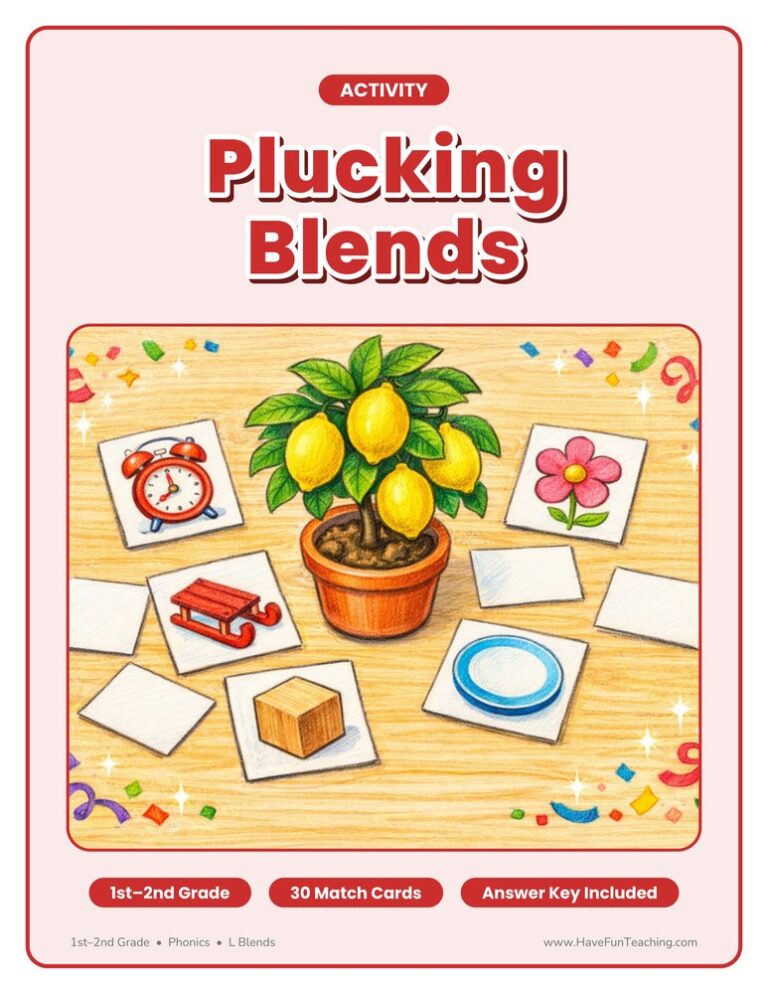
Activity1st GradePlucking Blends L Blend Activity

This l blend activity has 1st and 2nd grade students match picture cards to word cards and sort words by bl, cl, fl, pl and sl. Answer key included.

Activity
ActivityPreschoolFall CVC Mat Activity

Kids build short-vowel words with pumpkin tiles in this Fall CVC Mat Activity for preschool to 1st grade. Answer key included, so checking each word mat is fast.

Activity
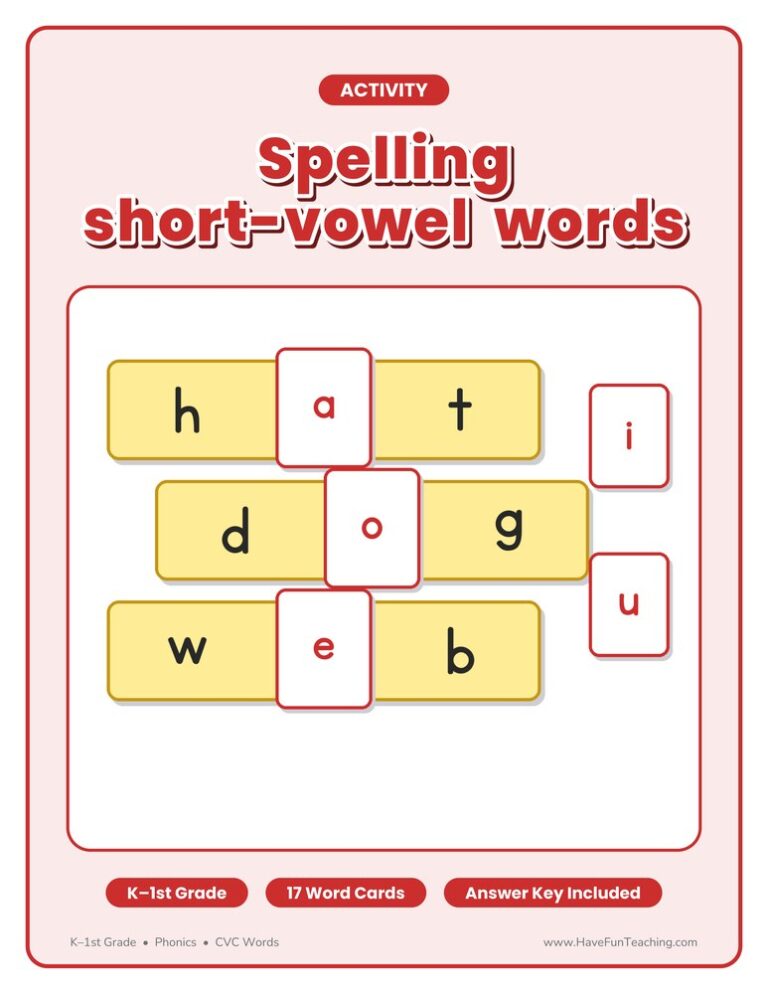
ActivityKindergartenSpelling Short Vowel Words CVC Words Activity

This spelling short vowel words CVC words activity has Kindergarten and 1st Grade students build words with frame and vowel cards and sort real from made-up words. Answer key included.

Activity
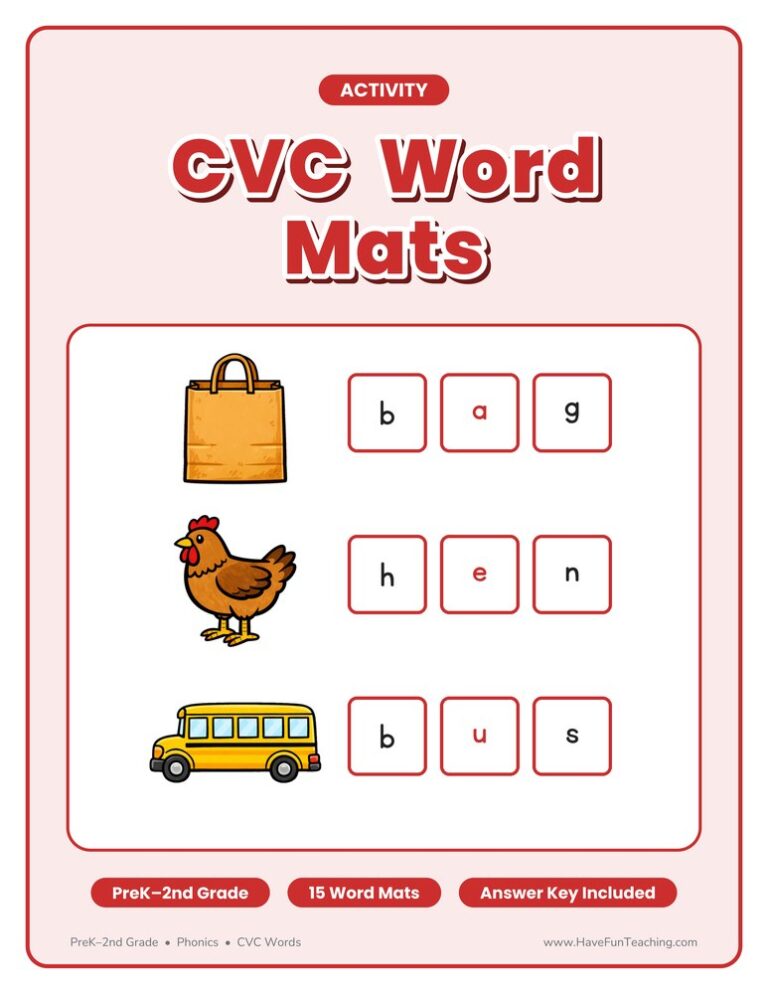
ActivityPreschoolCVC Word Mats Activity

This CVC word mats activity helps preschool to 2nd grade students build and spell short vowel words with letter tiles, with a practice page and an answer key included.

Activity
Activity1st GradeDon't Break the Ice Long Vowels Activity

Using Don't Break the Ice Long Vowels Activity, students play Don't Break the Ice to practice identifying long vowels in words.

Activity
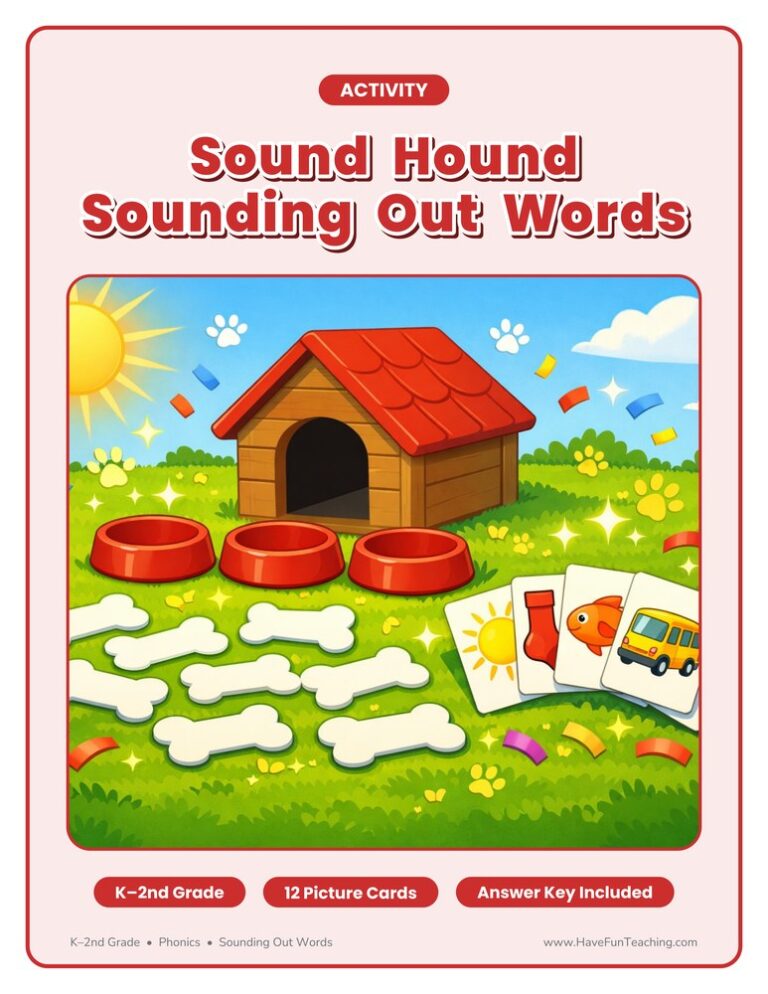
ActivityKindergartenSound Hound Sounding Out Words Activity

This Sound Hound sounding out words activity helps Kindergarten to 2nd Grade students segment and spell three-sound words with dog-bone picture cards. Answer key included.

Activity
Activity1st GradeBlends Mini Book Activity

This blends mini book activity lets 1st and 2nd grade children make a travel book, write the blend for each picture and use each word in a sentence. Answer key included.

Activity
Activity1st GradeBlending S Blends Activity

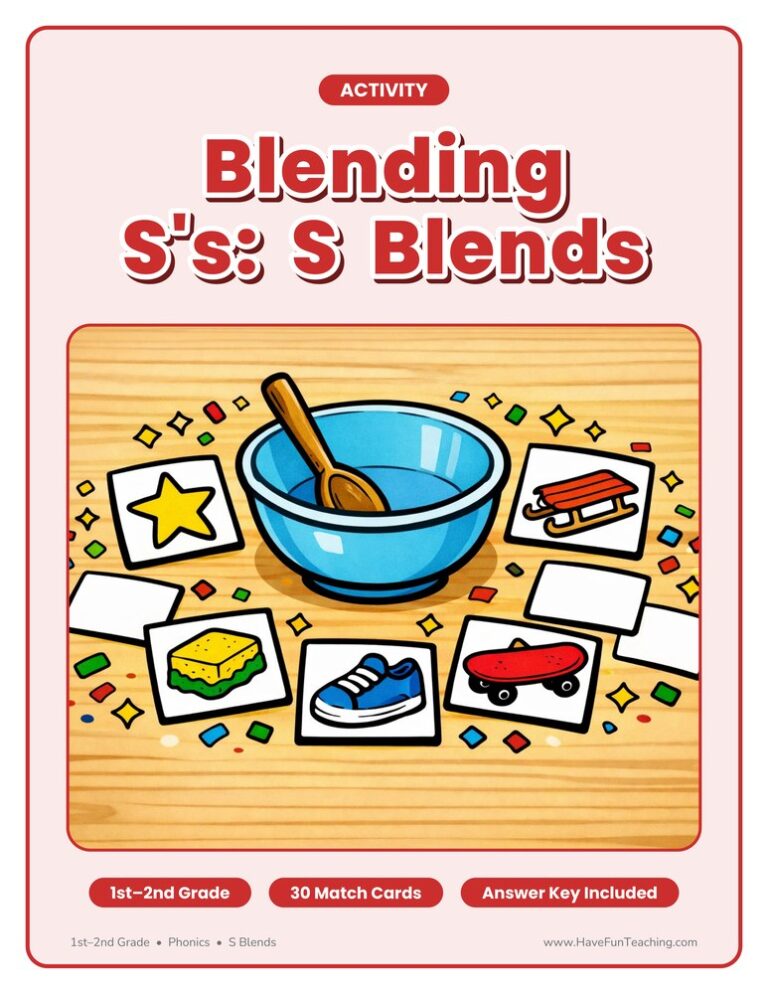
In this blending s blends activity, 1st and 2nd grade children match 15 picture cards to word cards, then sort the words by sn, sk, sl, st and sp. Answer key included.

Activity
Activity1st GradeContractions Activity

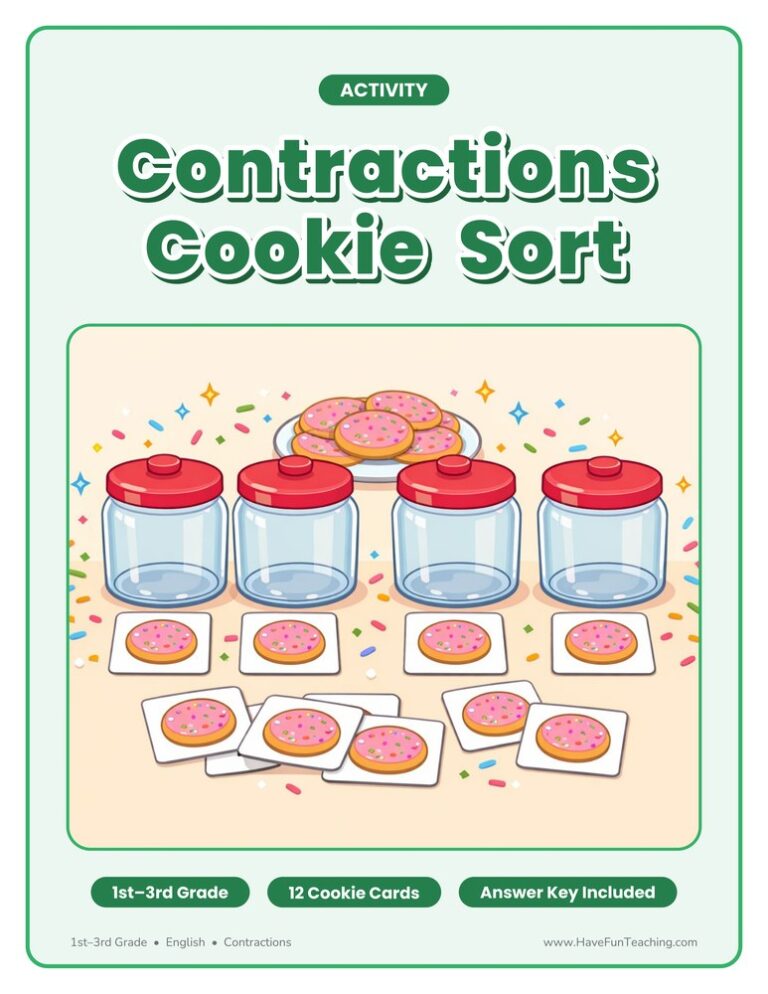
This contractions activity has 1st to 3rd grade students sort cookie cards into jars by the word the apostrophe stands for. Answer key included for quick checking.

Activity
Activity1st GradeBrick Breaker Consonant Blends Activity

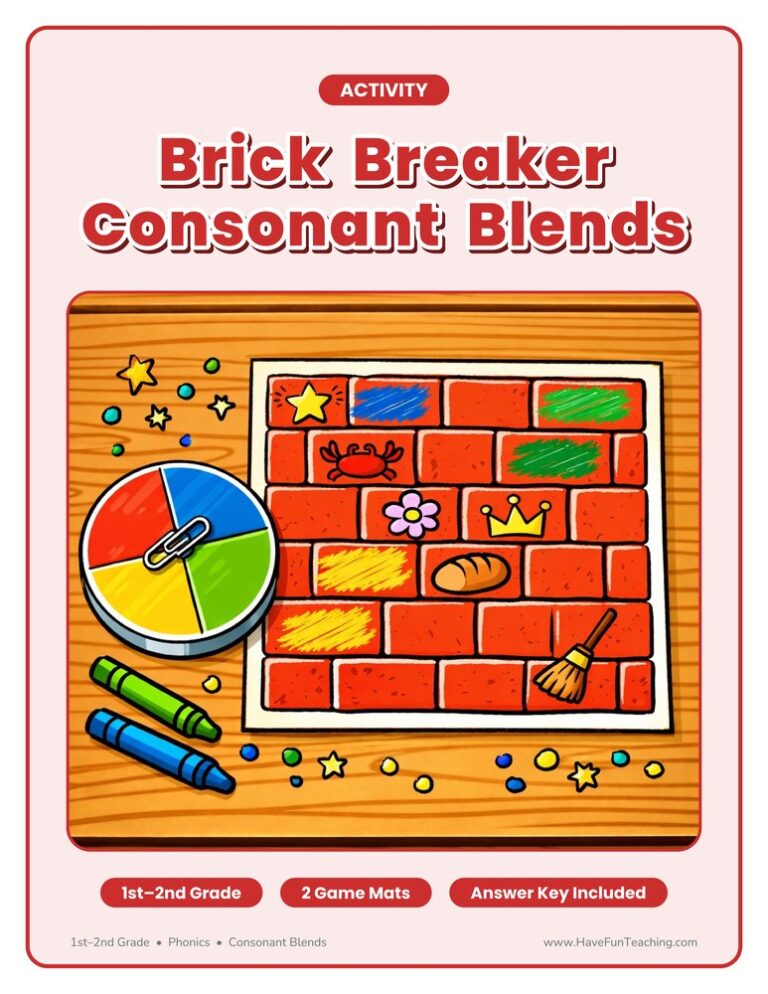
This brick breaker consonant blends activity has 1st and 2nd grade students spin a blend and break picture bricks that begin with it. An answer key is included for each game mat.

Activity
ActivityKindergartenBlends Activity

Using the Blends Activity, students match the blend, word and picture cards to build their beginning blends word fluency.

From our teachers' playbook

Sound it out, write it right!

What do kids learn about spelling?

Spelling grows alongside phonics. Kindergartners and 1st graders spell simple words by sound, like c-a-t, and then learn blends and digraphs like "st" and "sh." In 2nd and 3rd grade, kids learn vowel teams like "ea" and "ai," silent e, and spelling rules for adding endings like -ing and -ed. Older kids spell longer words by breaking them into syllables and using prefixes, suffixes and word roots. Along the way, kids learn to proofread their own writing for mistakes. The click moment is when kids stop spelling by guessing and start spelling by patterns.

Our favorite ways to teach spelling

Spelling sticks when kids understand patterns, not just memorize lists. These moves do exactly that.

Play with patterns

Use a game to practice one spelling pattern at a time, like vowel teams. Kids sort words by pattern before they write them. Seeing "rain," "pail" and "snail" together makes the "ai" pattern obvious.

Why it works: playful practice with a clear goal keeps kids practicing longer, and simple learning games have been shown to build real skills (Ramani and Siegler, 2008).
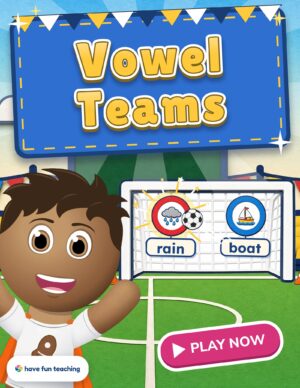
Vowel Teams GameTry it withVowel Teams GameGamesOpen it →
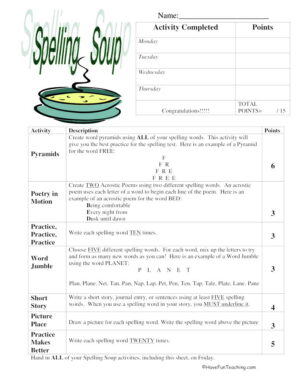
Spelling soup, every day

Give kids a short daily spelling page instead of one big test on Friday. Each day mixes this week's words with a few from earlier weeks. Spreading practice out helps the words stick long after the test.

Why it works: the brain holds on to what it meets again and again over time; spaced practice was rated among the very best methods (Dunlosky and colleagues, 2013).

Spelling Soup Primary Daily WorksheetTry it withSpelling Soup Primary Daily WorksheetWorksheetsOpen it →

Word work centers

Set up a center where kids build spelling words with letter tiles, then write them and use them in a sentence. Building the word letter by letter makes kids think about every sound.

Why it works: kids understand an idea best when they touch it, then draw it, then write it, the order the U.S. Department of Education recommends for elementary math.

Word Work ActivityTry it withWord Work ActivityActivitiesOpen it →

Questions parents and teachers ask us

How do I help my child with spelling?

Focus on patterns instead of memorizing lists. Group words that share a pattern, like "night" and "light," and practice them together. Short daily practice works better than cramming before a test.

What is the best way to practice spelling words?

Have kids say the word, spell it out loud, write it and then use it in a sentence. Building words with letter tiles and sorting them by pattern also helps.

At what age should a child spell correctly?

Spelling develops over many years. Young kids use "invented spelling" based on sounds, which is normal. Most kids spell common words correctly by 2nd or 3rd grade and keep learning harder patterns after that.

Should kids use spell check?

Spell check is a helpful tool, but kids still need to learn spelling patterns. Teach them to proofread first, then use spell check to catch what they missed.