
3 days free
Ready for the whole library?
You’ve had your freebie — but members download 10,000+ resources for every grade, all year long. Try it free — $0 today, cancel anytime.
Free for teachers
Pick your grade. We’ll send 10 free resources.
Worksheets, activities and a video — picked for your classroom, ready to print tonight.
One free bundle per teacher. We’ll also send free teaching ideas each week — unsubscribe anytime.



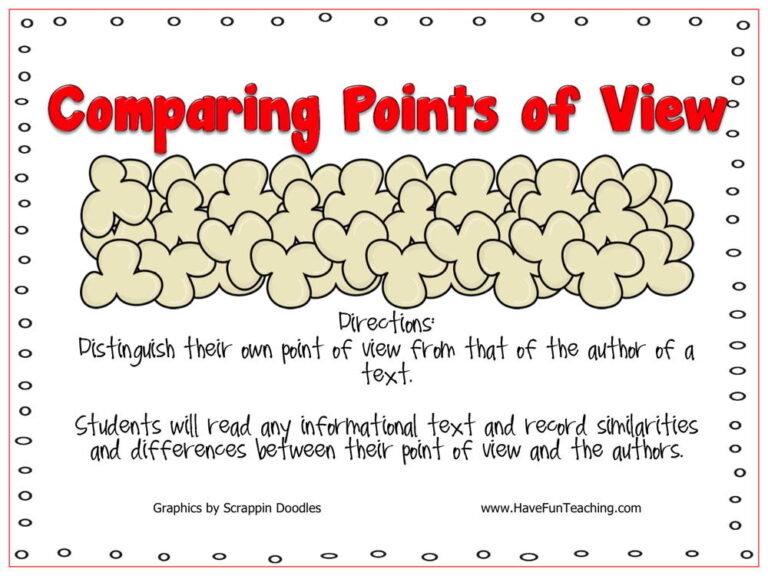
Using Comparing Points of View Activity, students distinguish their own point of view from that of the author of a text.
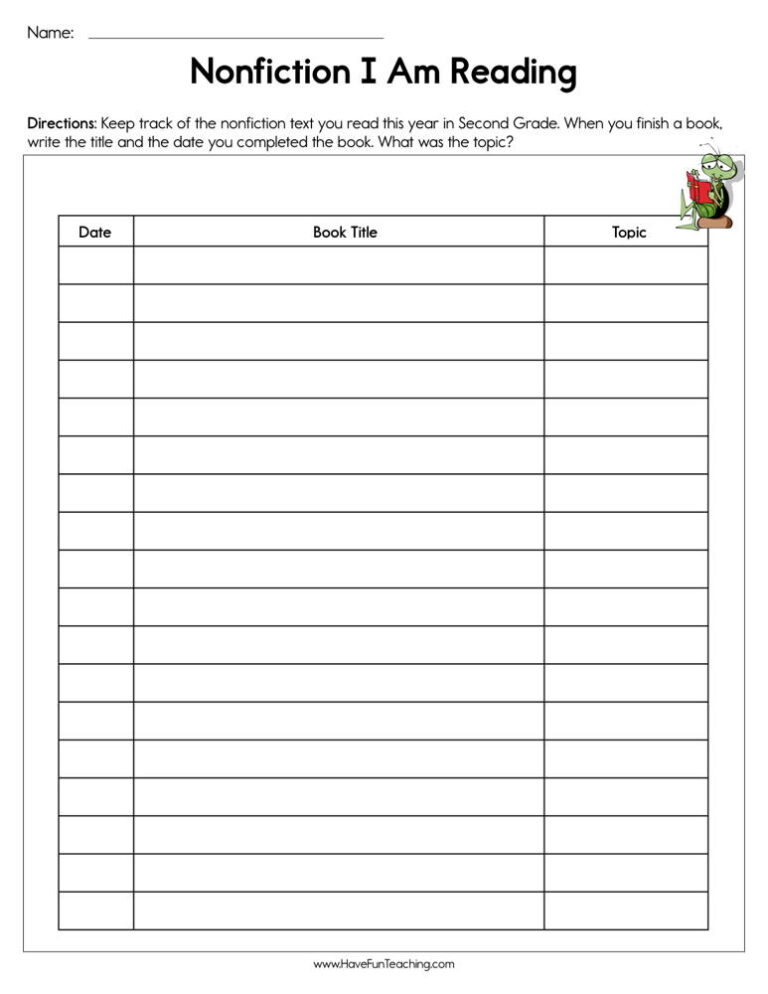
Using Second Grade Nonfiction I am Reading Worksheet, students keep track of the stories they read this year by writing the title and the date the book was completed.

Using Retell the Story Activity,students read “Floppy Ears” aloud to students and then use the question chart to assess students ability to retell the story.

Using What is the Main Topic? Activity,students identify the main topic of a multi-paragraph text as well as the focus of specific paragraphs within the text.

Using this Rainbow Fish and The Very Grouchy Ladybug Worksheet, students compare and contrast the adventures that each character experiences after reading the two stories.
Using Fun With Poetry Activity, students read prose and poetry of appropriate complexity for grade 1. to build reading comprehension skills.
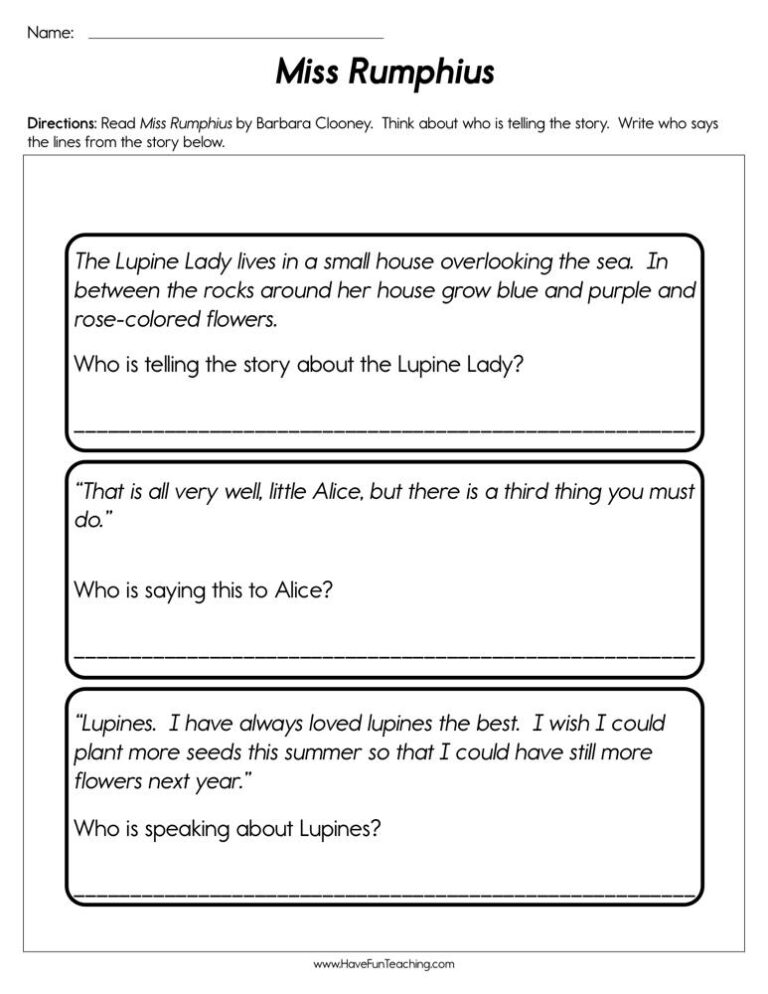
Using Miss Rumphius Point of View Worksheet, students read Miss Rumphius by Barbara Clooney to determine who says the lines from the story.

Using Retelling Stories Activity,students put the Event Cards in the correct order to retell the story to build summarizing skills.

Using Making Connections in a Story Activity, studentsmake connections as they read to build their understanding of what they have read.

Using Asking Questions about a Text Worksheet, students ask questions to seek help, get information, or clarify something that is not understood while reading or being read to.
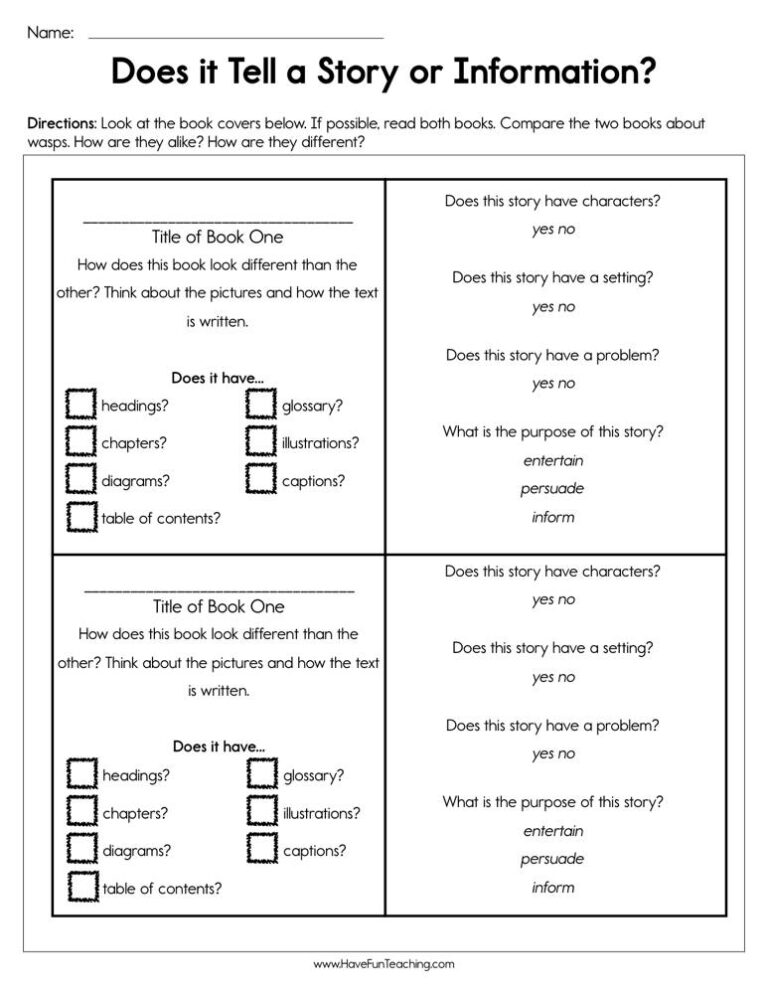
Using Does it Tell a Story or Information Worksheet, students compare two texts about wasps to determine how they are alike and different.
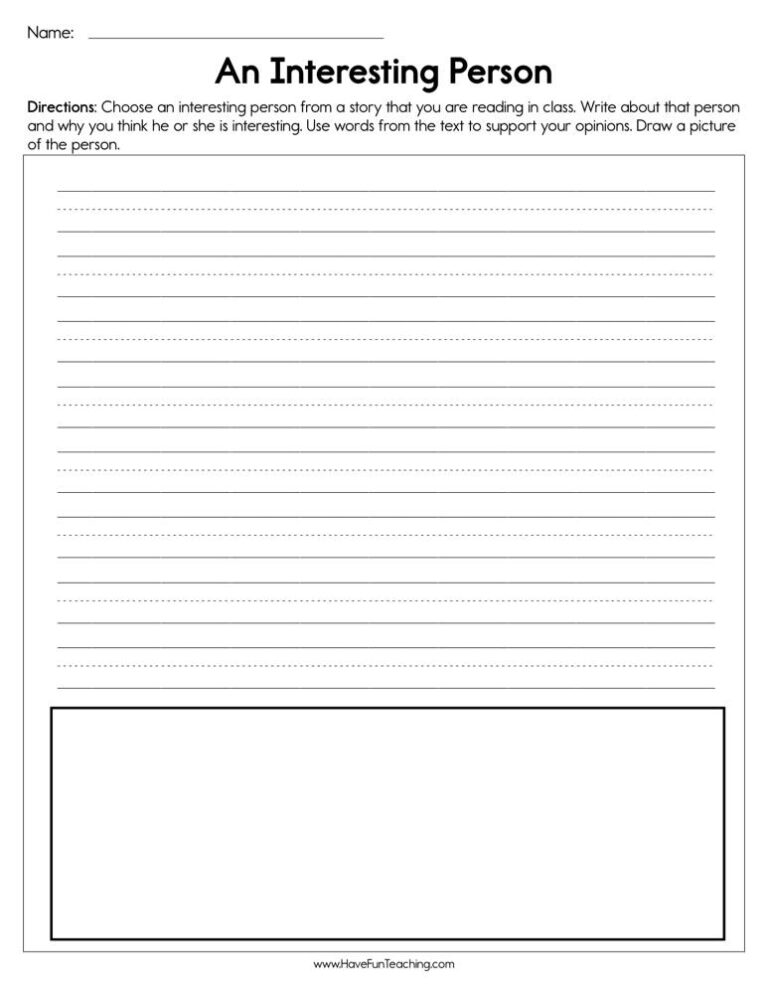
Using An Interesting Person Worksheet, studentswrite about a character from a book they are reading explaining why the person is interesting.
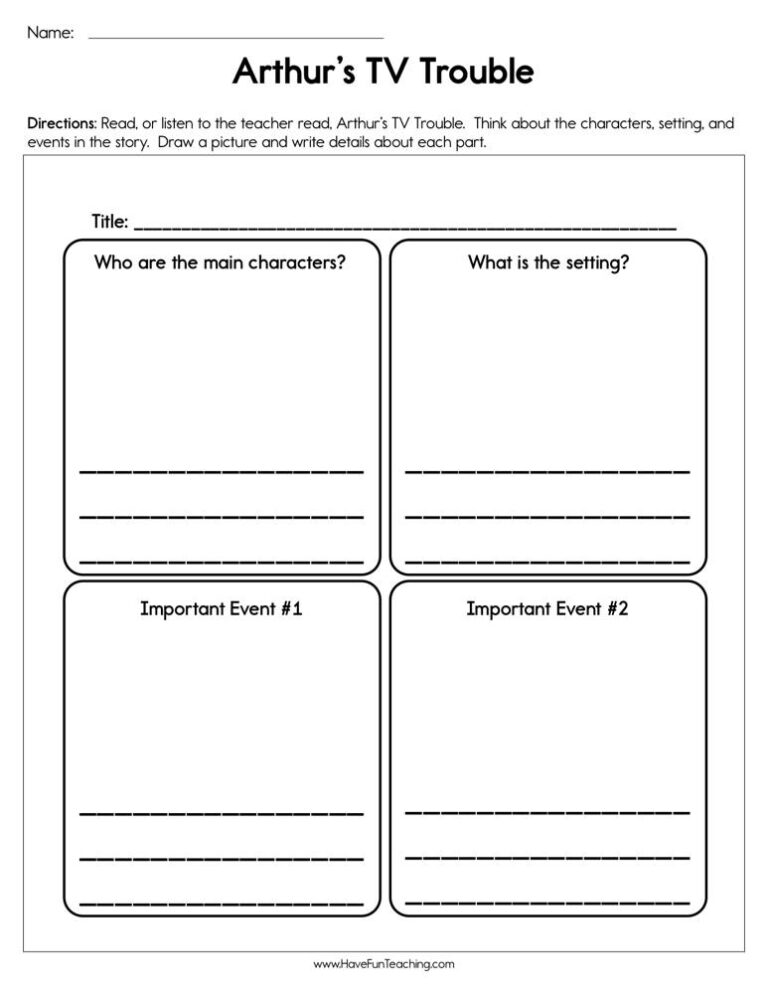
Using Arthur's TV Trouble Worksheet,students retell the story by describing the story elements of any given story to build their reading comprehension.

Using Connecting Events In The Lorax Worksheet, students make a connection between to events in The Lorax to understand how events are related.
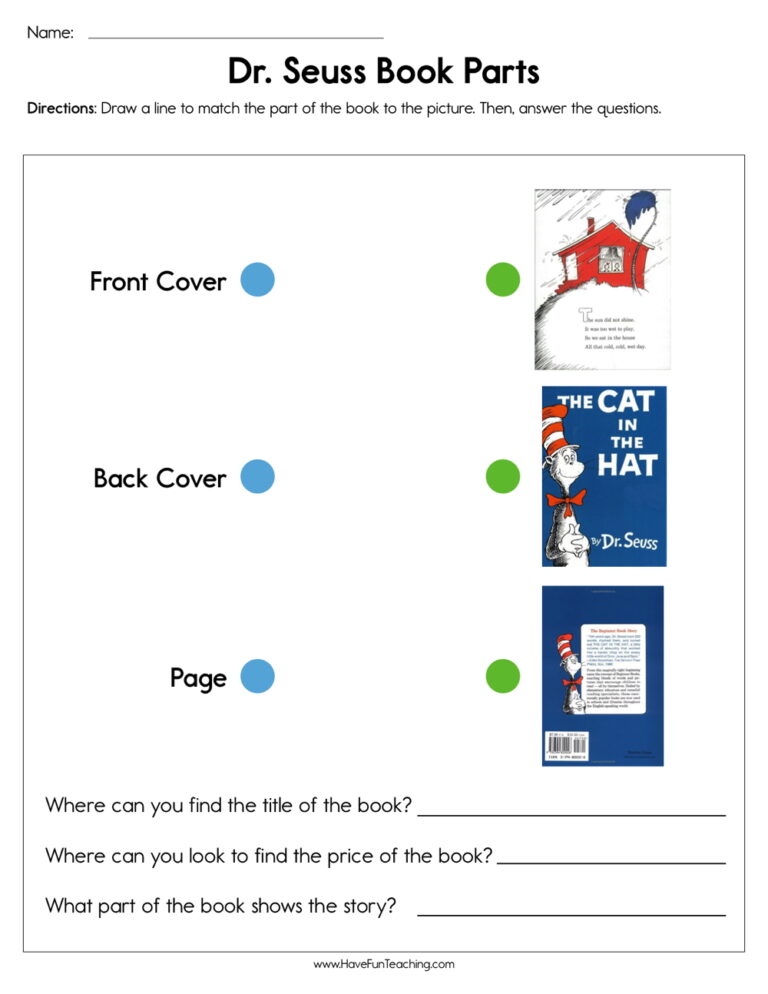
Using Dr. Seuss Book Parts Worksheet, studentsidentify the front cover, back cover, and page of a book to gather information about what they will read.

Using Identifying the Author's Reasons in a Text Worksheet, students explain the reasons the author gives for the boy to get Petey from his aunt.

Using Illustrations in a Book Worksheet, students explain why the illustrator drew that picture and how that illustration helps to tell a story.

Using Pictures and Words Matching Activity, students describethe relationship between illustrations and the text in which they appear.
Using The Pumpkin Book Unknown Words Activity, students use context clues to figure out unknown words in a text to build their reading comprehension.

Using Comparing Characters Activity, studentsuse popular picture books to compare and contrast the adventures of and experiences of characters in familiar stories.



