
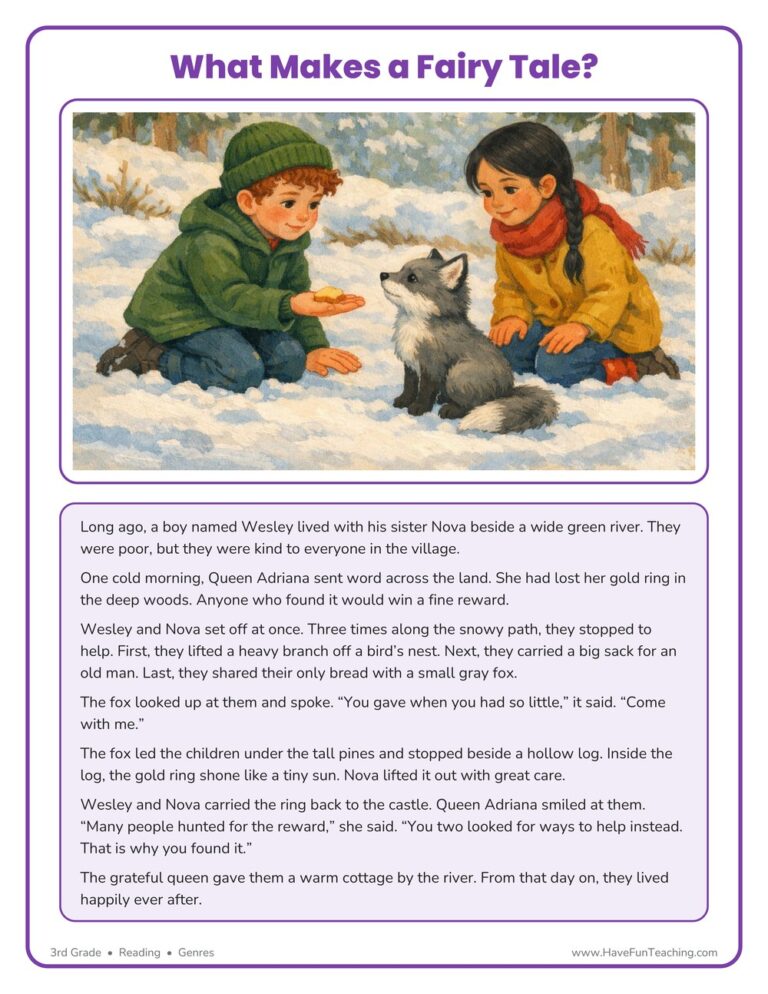
The Fairy Tales Elements Worksheet gives 3rd Grade readers an original fairy tale, a six-row elements chart, and two written responses, with an answer key included, so a genre lesson is ready to hand out.
This lesson learned worksheet helps 2nd graders plan a true story about a time they learned a lesson, with boxes for the beginning, middle, end, and the lesson itself.
This important events worksheet has 1st graders read a short story about Little Bear and answer five questions about the plot. An answer key is included for fast, easy checking.
This beginnings worksheet helps 3rd grade readers describe how two stories they chose open, then explain how those beginnings are alike and different to strengthen story structure skills.
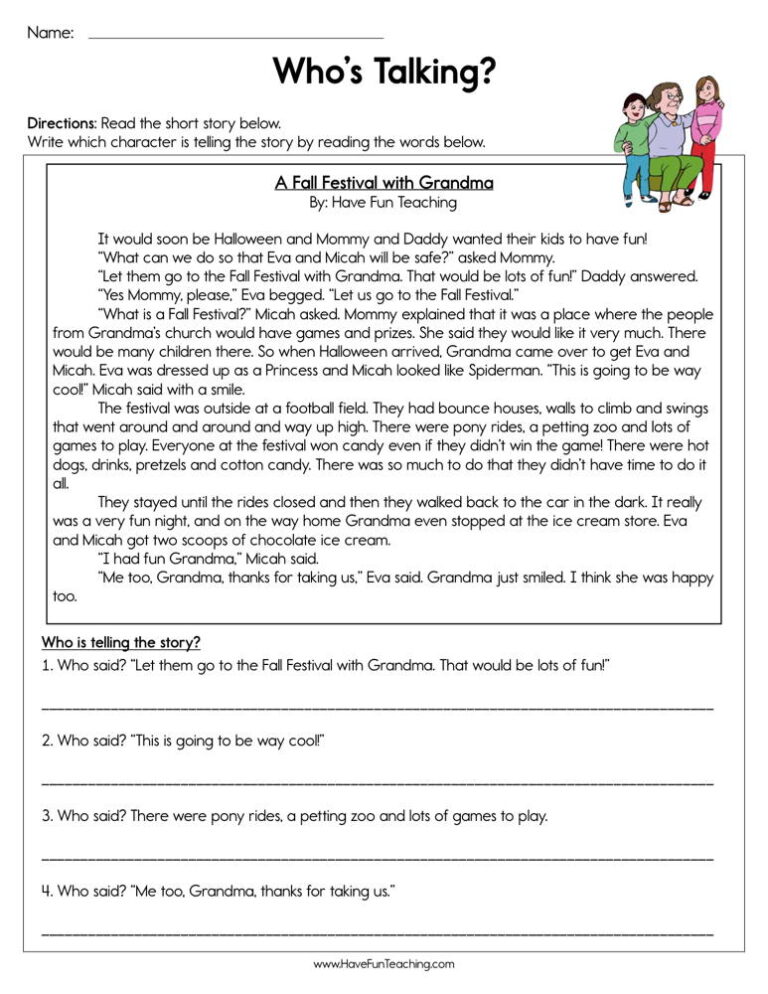
This Who's Talking Worksheet asks 2nd Grade readers to match four quoted lines back to the character who said them, then explain how they knew, with an answer key included.
Use this Important Elements of the Story Worksheet to help first grade readers name the characters, setting, and events in an original short story. Includes five questions and an answer key.
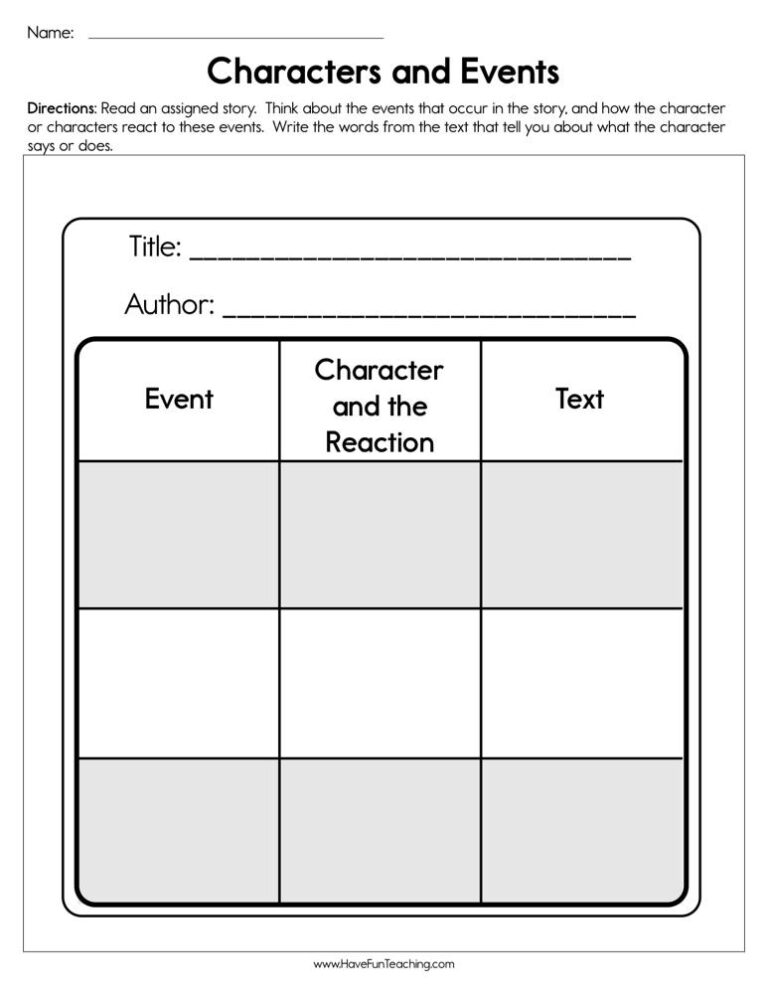
This characters and events worksheet gives 2nd Grade readers a beach story and questions about how two friends react to each event, with an answer key to help kids back up answers with the text.
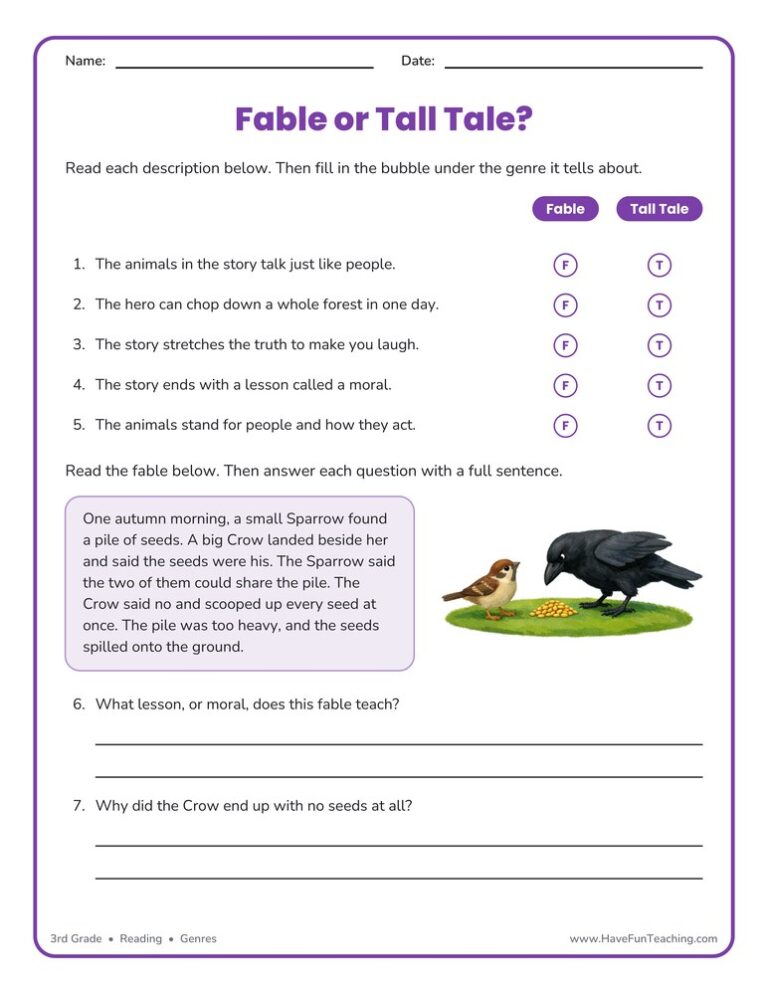
This Fables Tall Tales Worksheet helps 3rd graders sort genre clues and read an original fable about a greedy crow. An answer key is included, so folklore practice takes no prep at all.
Using Characters, Settings, and Big Events Worksheet, students draw pictures and write a sentence for each to tell about the story elements in a book.
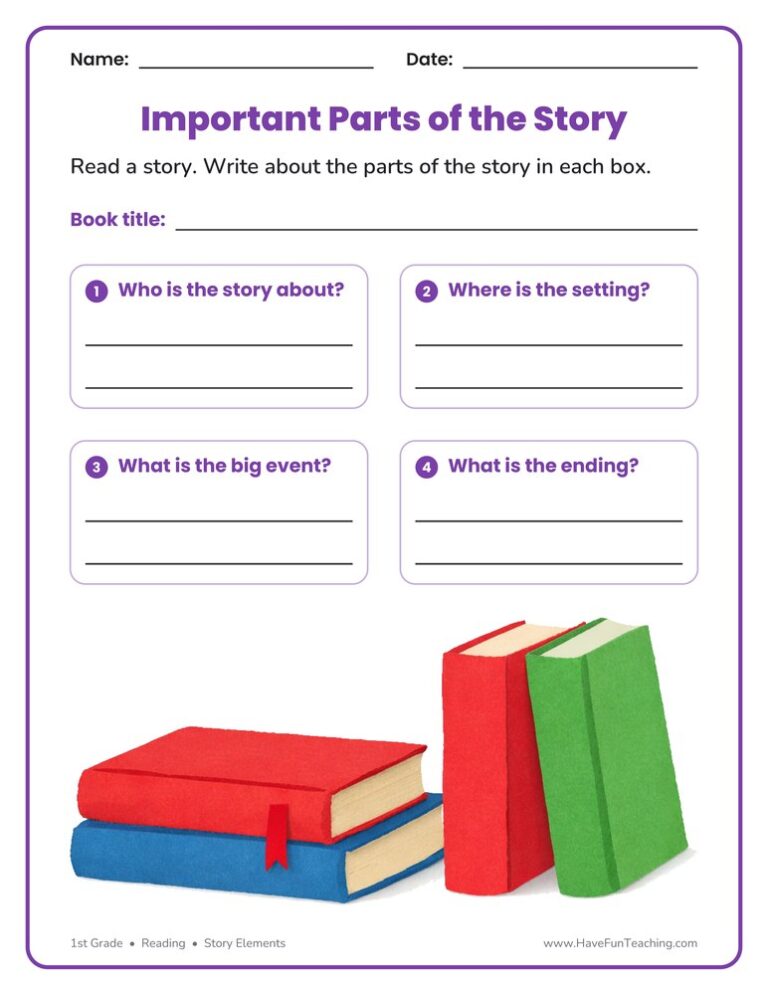
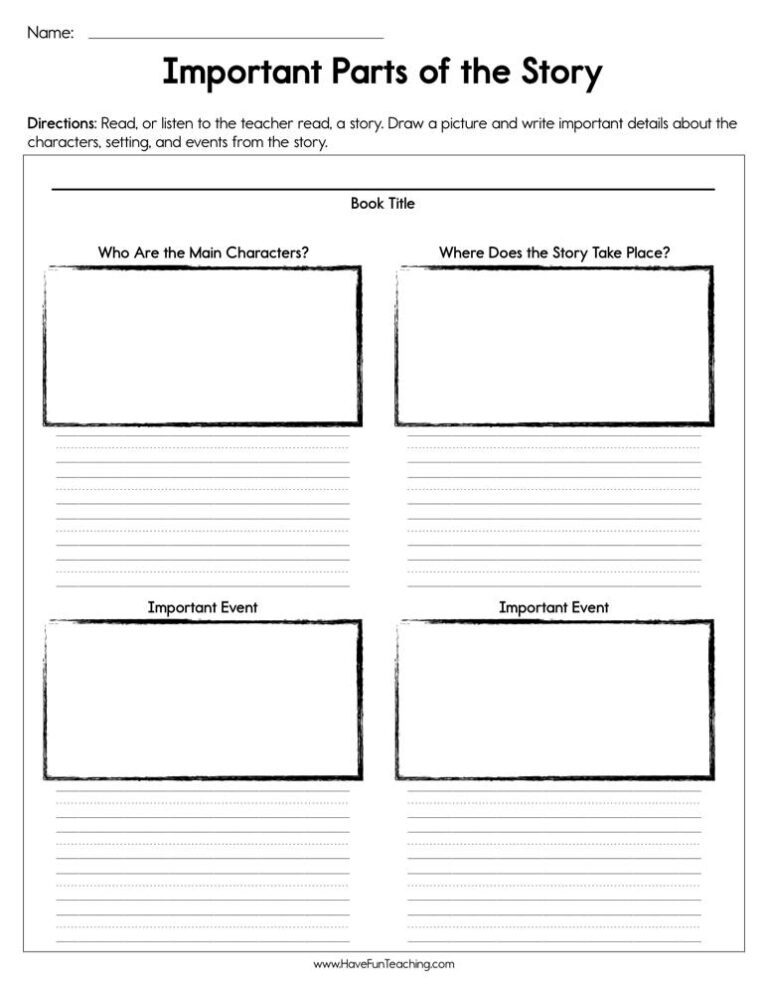
This Important Parts of the Story Worksheet gives 1st Grade students four labelled boxes, so every child names the characters, the setting, the big event, and the ending of any book they read.

This problems and solutions worksheet gives 2nd Grade readers a short story and five questions about the problem and how it gets solved. An answer key is included, so students can practice finding plot evidence on their own.

This Problem and Solutions Graphic Organizer Worksheet gives 3rd Grade readers a short story plus boxes for the problem, three solutions, and the best one. An answer key is included, so checking work takes seconds.
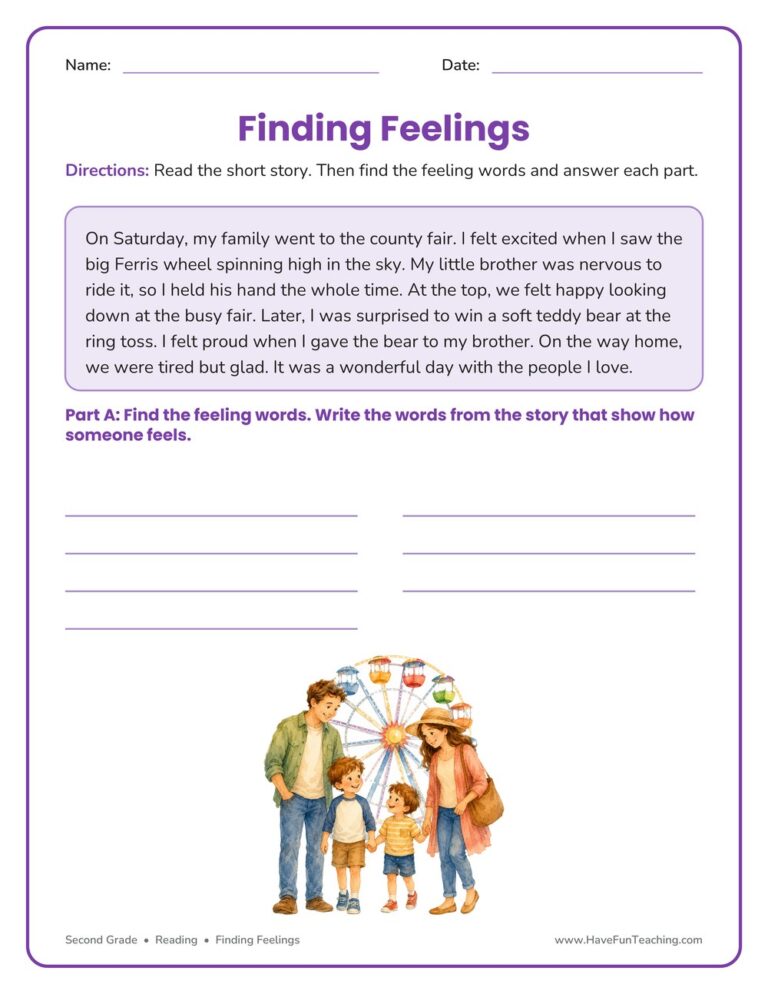
This Finding Feelings Worksheet has second graders read a short story, find the feeling words, and match story moments to emotions. Answer key included — a no-prep way to build reading comprehension and empathy.
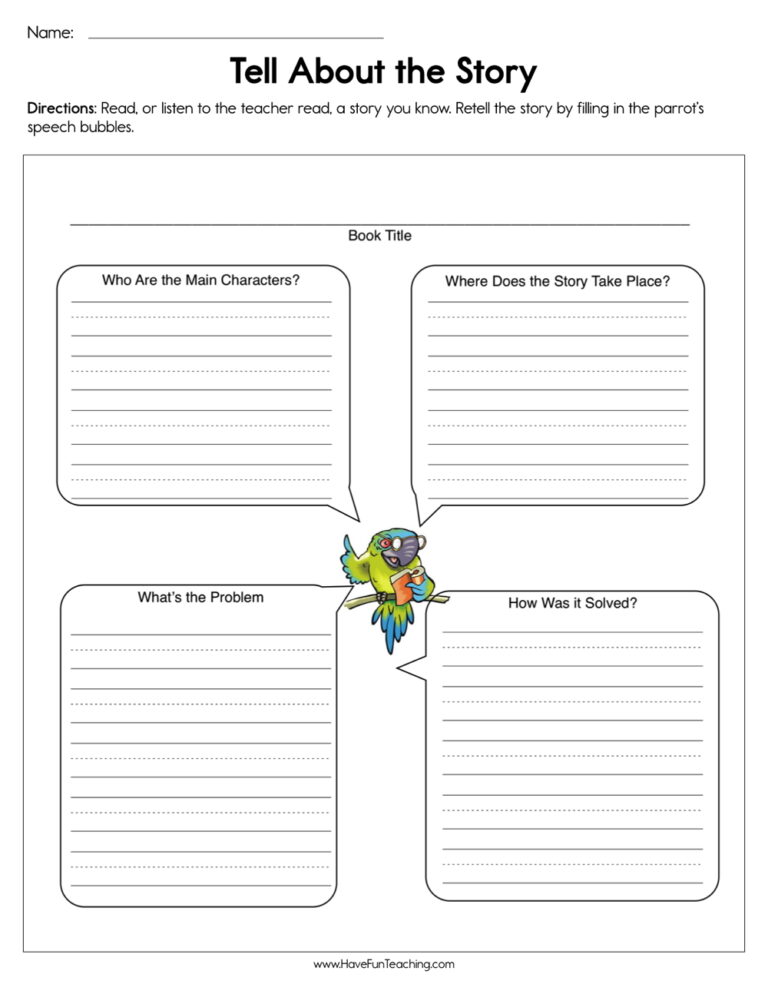
Use this Tell About the Story Worksheet after any book your 1st Grade readers choose. They write the title, then fill four boxes for characters, setting, problem, and ending to retell what they read with confidence.
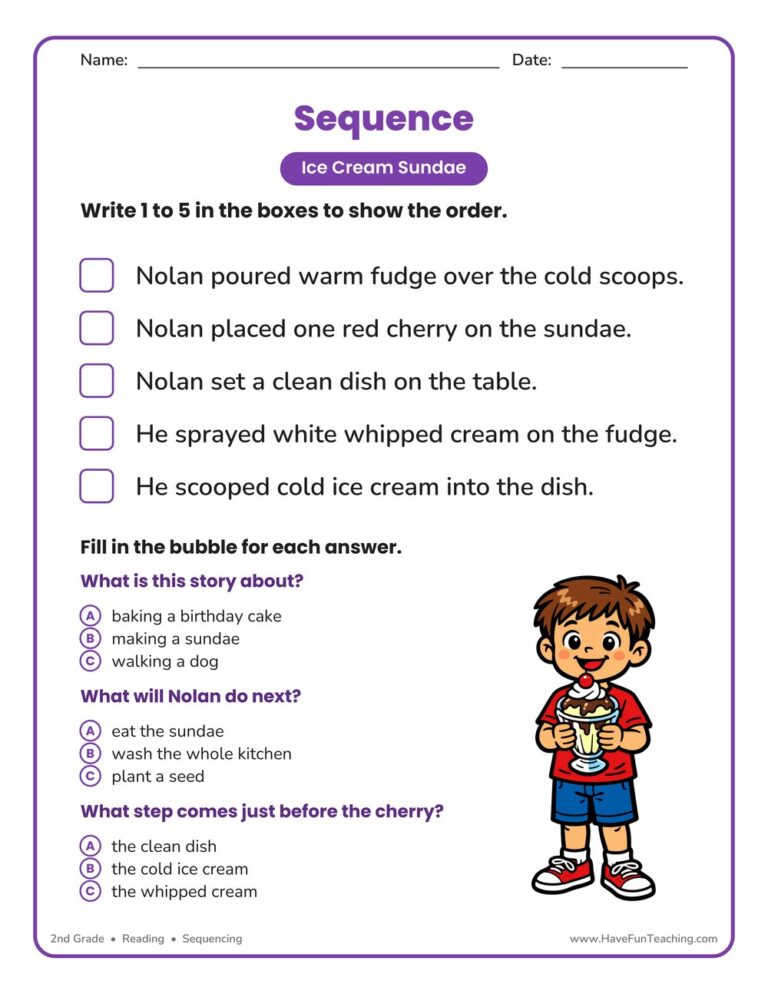
Use this ice cream sundae sequence worksheet to help 2nd graders read five mixed-up story steps and number them in order. An answer key is included, so checking work takes only seconds.

Using Compare Contrast Book Covers Worksheet, students compare two books using information from the book cover to determine how they are alike and different.
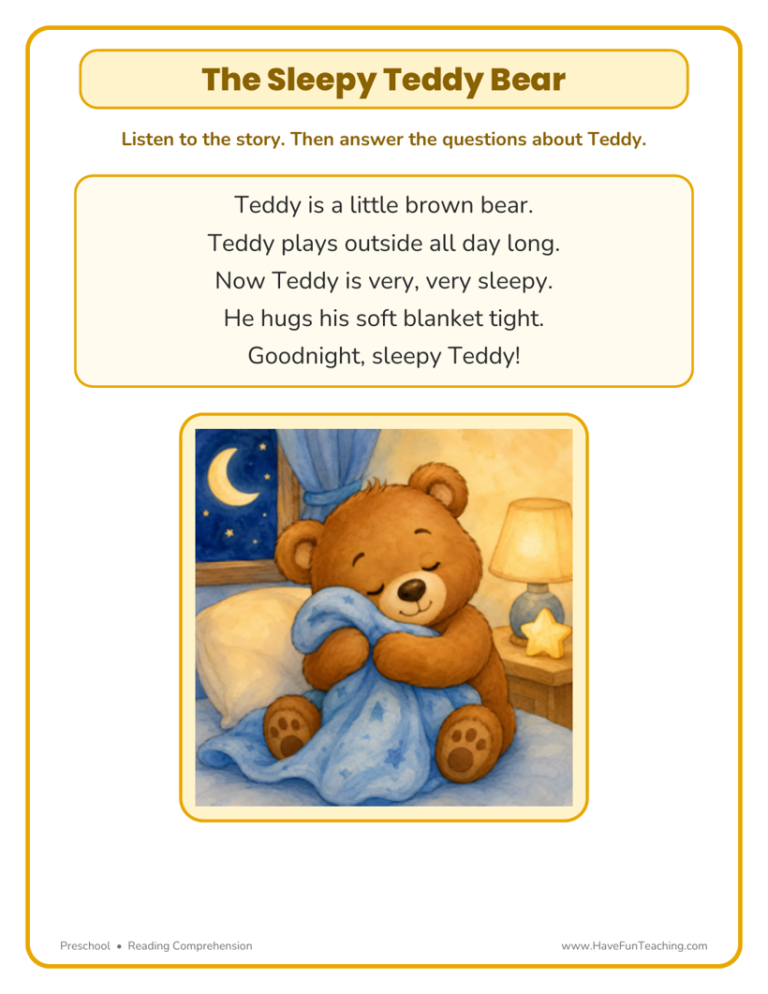
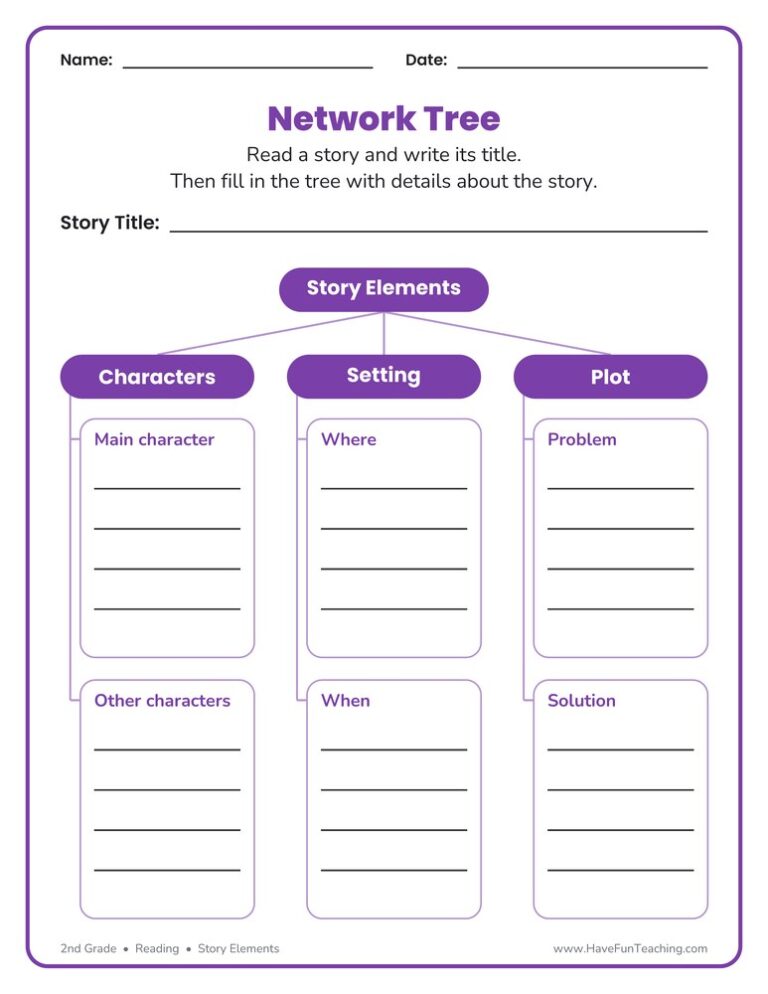
This story elements network tree graphic organizer helps 2nd grade readers map the characters, setting and plot of any book. Answers vary, so it works with every story children read.

The Build a Snowman Sequence Worksheet asks 1st grade readers to number five winter steps in order, then write the first, middle, and last one. Answer key included, so ordering practice checks itself.

A Morning Routine Sequence Worksheet that has 3rd Grade readers number six mixed-up morning events and prove the order with words from the text. Answer key included for fast, no-prep sequencing practice.



