This Grouping into Categories Worksheet asks kindergarten students to sort eight pictures into fruit, animals, plants, and shapes by writing each one's category number. Includes an answer key for fast, no-prep classification practice.

This Sorting Objects Worksheet has kindergarten students sort twelve pictures into animals, plants, vehicles, and people, then count each group. Includes an answer key — a no-prep way to build classification and early counting skills.

This Categorizing Objects Worksheet helps 1st graders read nine words and sort them into groups like animals, food, and colors. Includes a complete answer key for quick, no-prep classification practice.
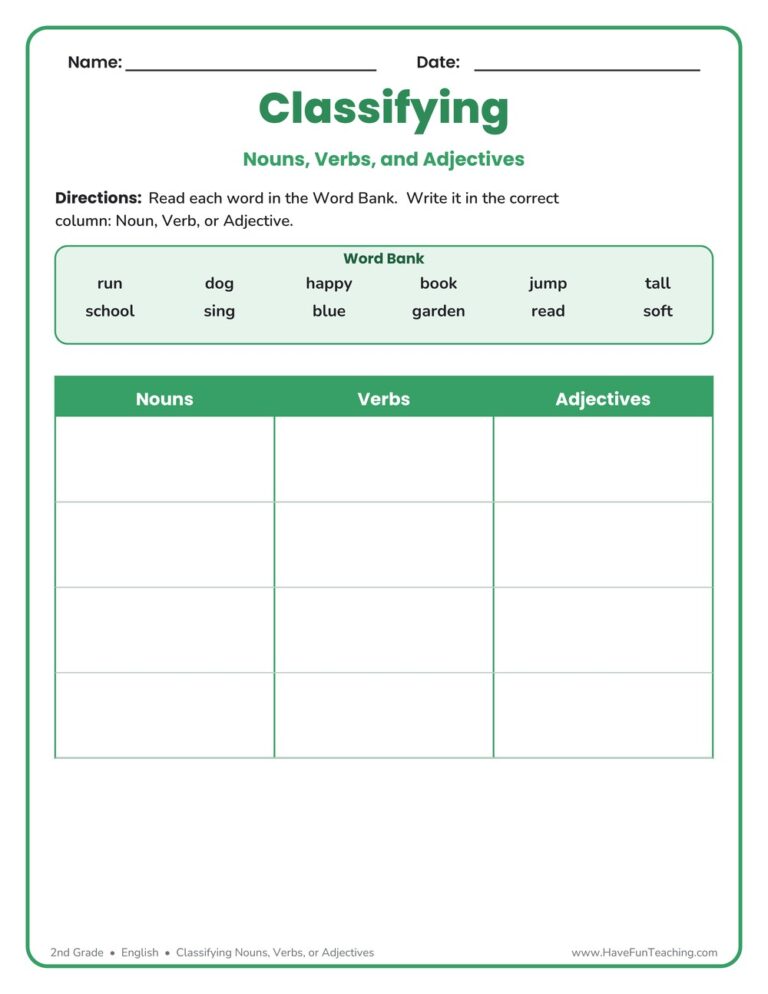
Sort twelve everyday words into nouns, verbs, and adjectives with this Classifying Nouns, Verbs, or Adjectives Worksheet for 2nd grade. Includes a complete answer key for quick, no-prep grammar practice.
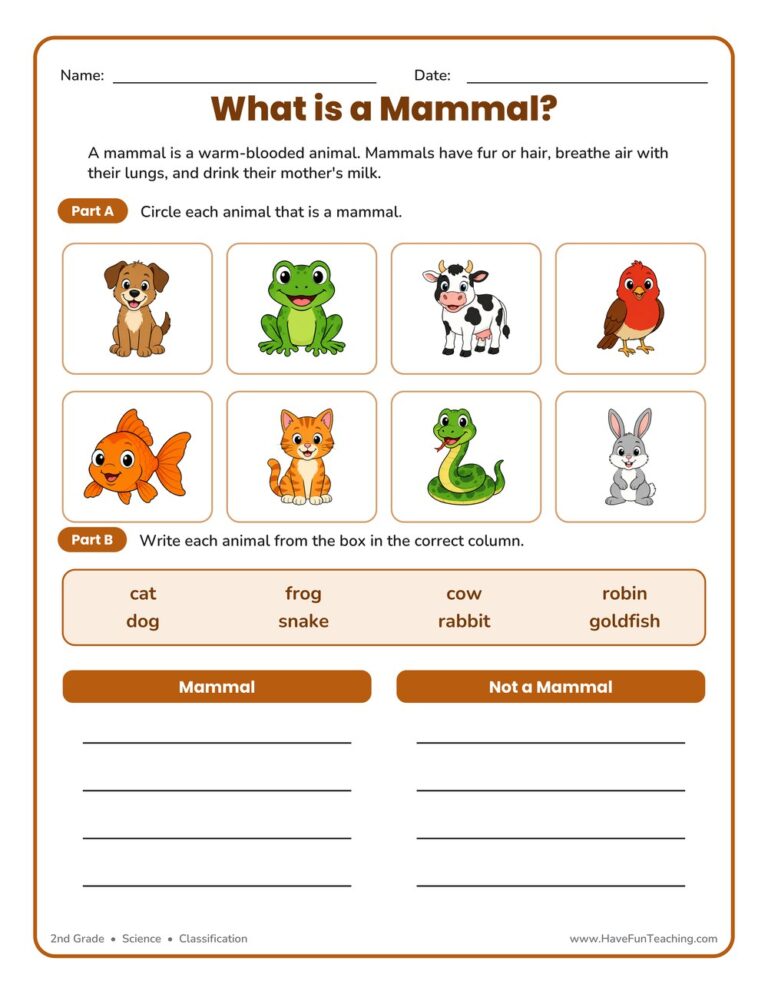
This mammal classification worksheet helps 2nd graders spot mammals and sort animals into mammal and not-a-mammal groups. It includes a complete answer key, making it perfect for no-prep science practice at home or in the classroom.
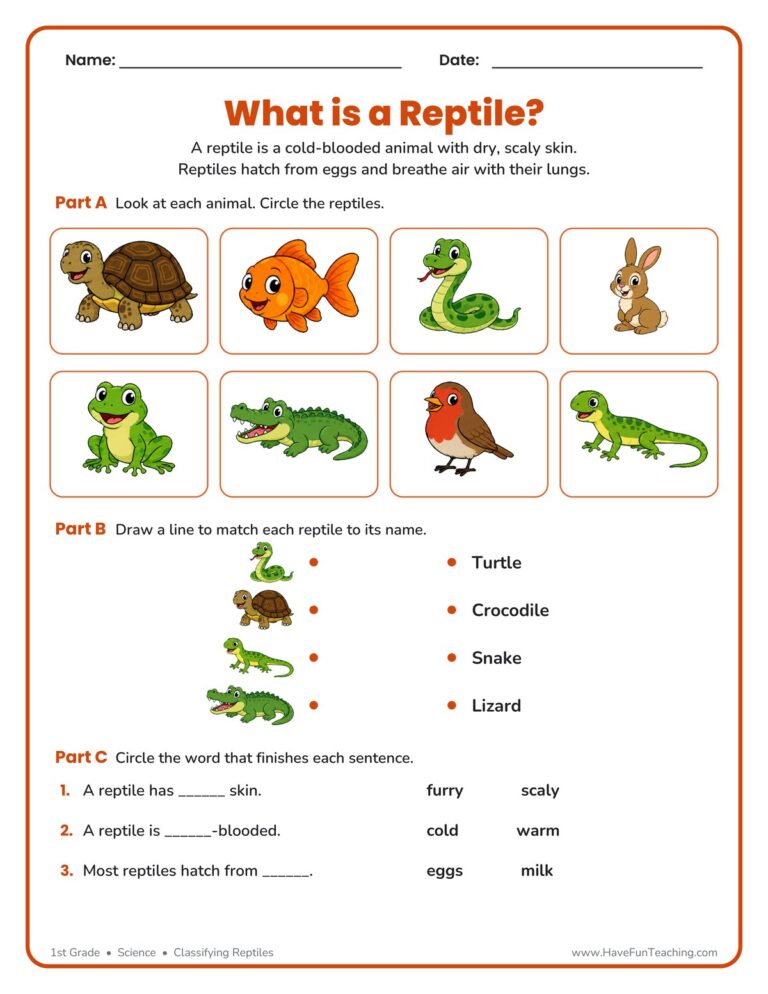
This reptile classification worksheet helps 1st graders sort animals by circling reptiles, matching them to their names, and completing simple reptile facts. Includes a complete answer key for fast, no-prep life science practice.
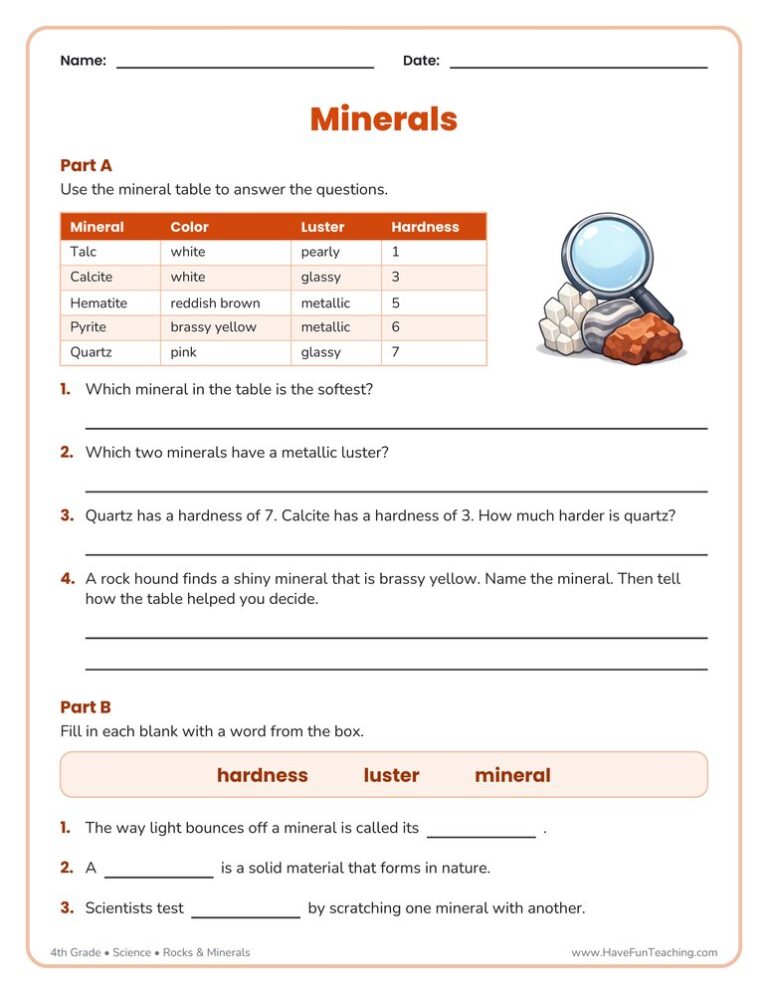
This Rocks & Minerals Worksheet gives 4th graders a real property table of talc, calcite, hematite, pyrite, and quartz to read and reason from. Answer key included, so mineral identification practice takes no prep at all.
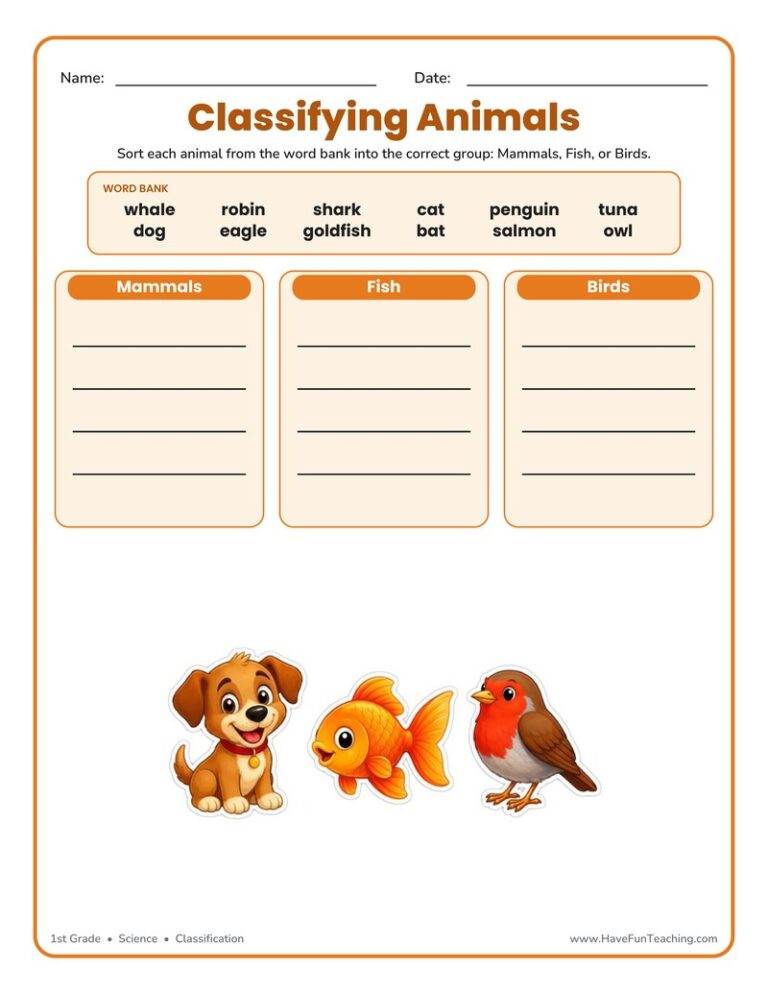
A 1st grade Mammals, Fish, or Birds Classifying Animals Worksheet where students sort a word bank of animals into three groups. Includes a complete answer key for quick, no-prep science practice.
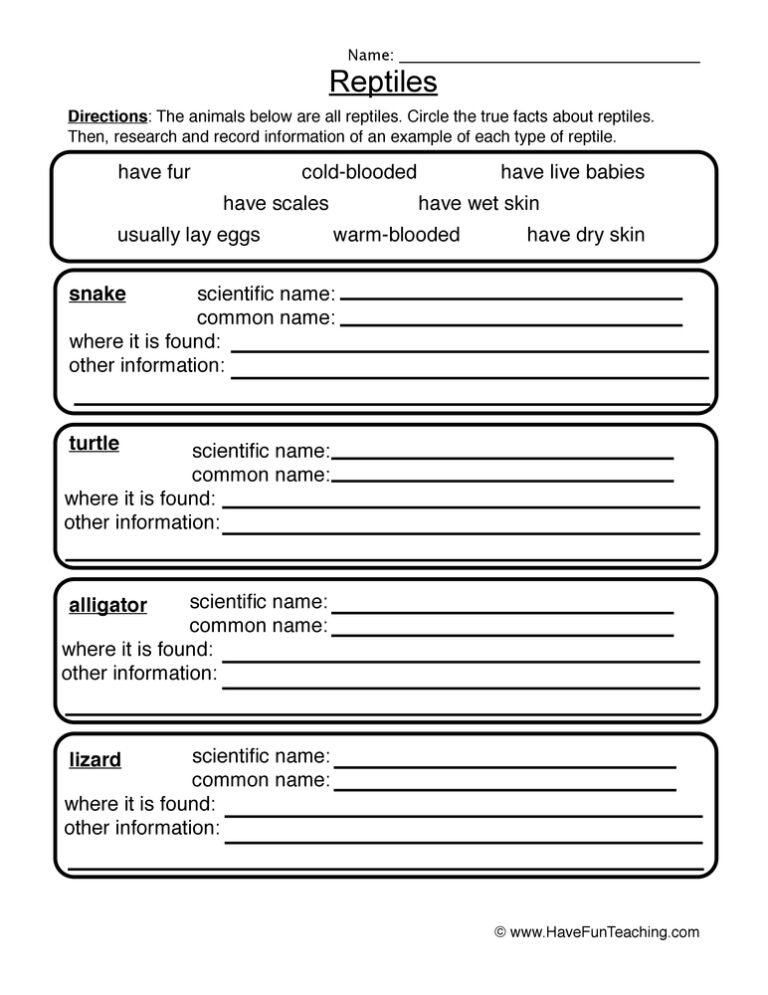
This reptiles worksheet has 3rd Grade students check reptile facts, sort eight animals into reptile and not-a-reptile columns, and explain how a frog differs. An answer key is included, so checking work takes seconds.
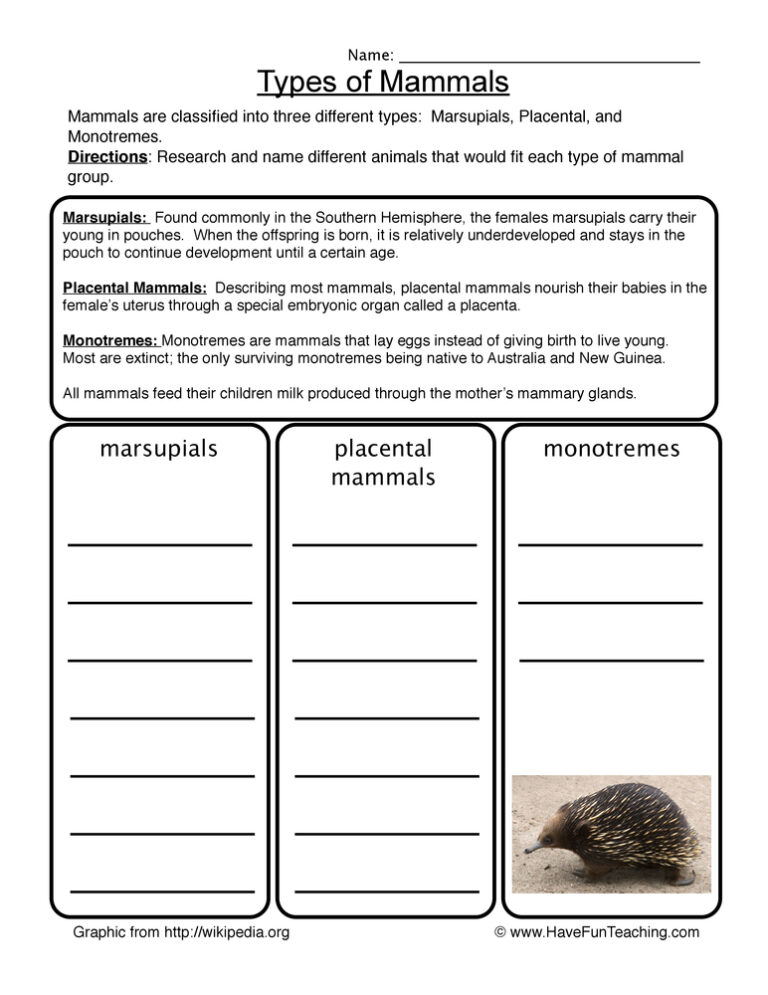
A three-part mammals worksheet that has 5th graders define, sort, and explain the three mammal groups: marsupials, placental mammals, and monotremes. Answer key included for fast, no-prep science practice.

This Count Classify and Sort Worksheet has 1st graders group nine animal pictures into birds, fish, and bugs, count each group, and compare them. Answer key included for quick, no-prep practice.
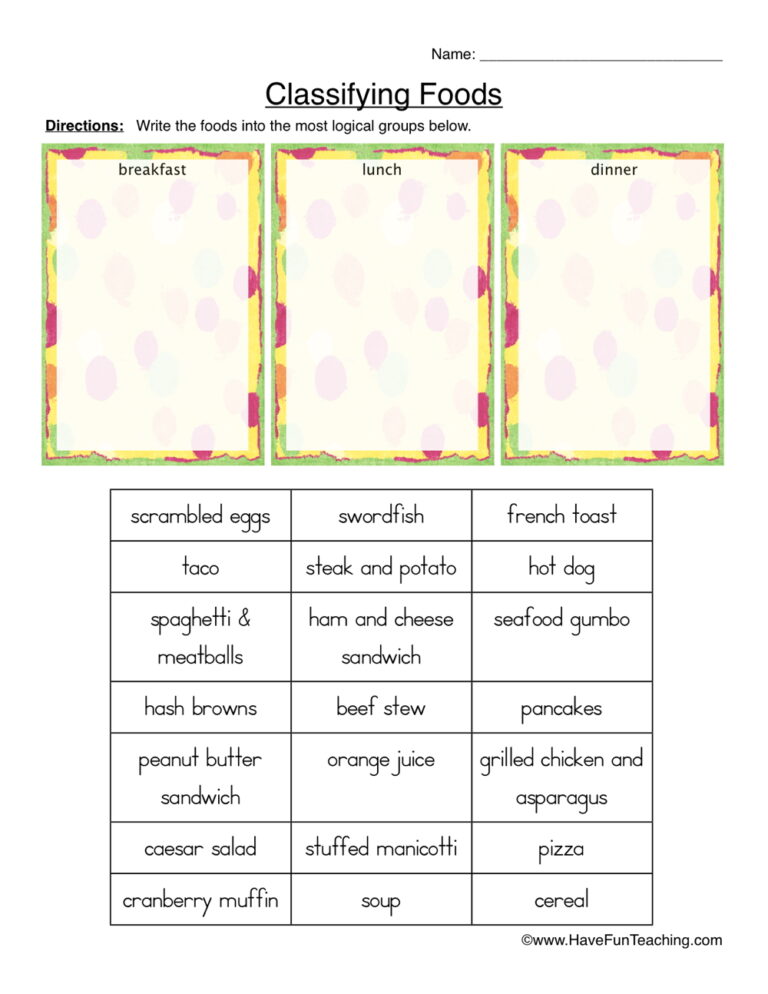
This Breakfast, Lunch, or Dinner Classifying Food Worksheet has 1st Grade students sort nine familiar foods into three meal columns. Answer key included, so sorting practice checks itself in minutes.

This Sort Classify and Count Worksheet asks kindergartners to sort twelve mixed shapes, count each kind, and answer three questions about which has the most and fewest. Answer key included.
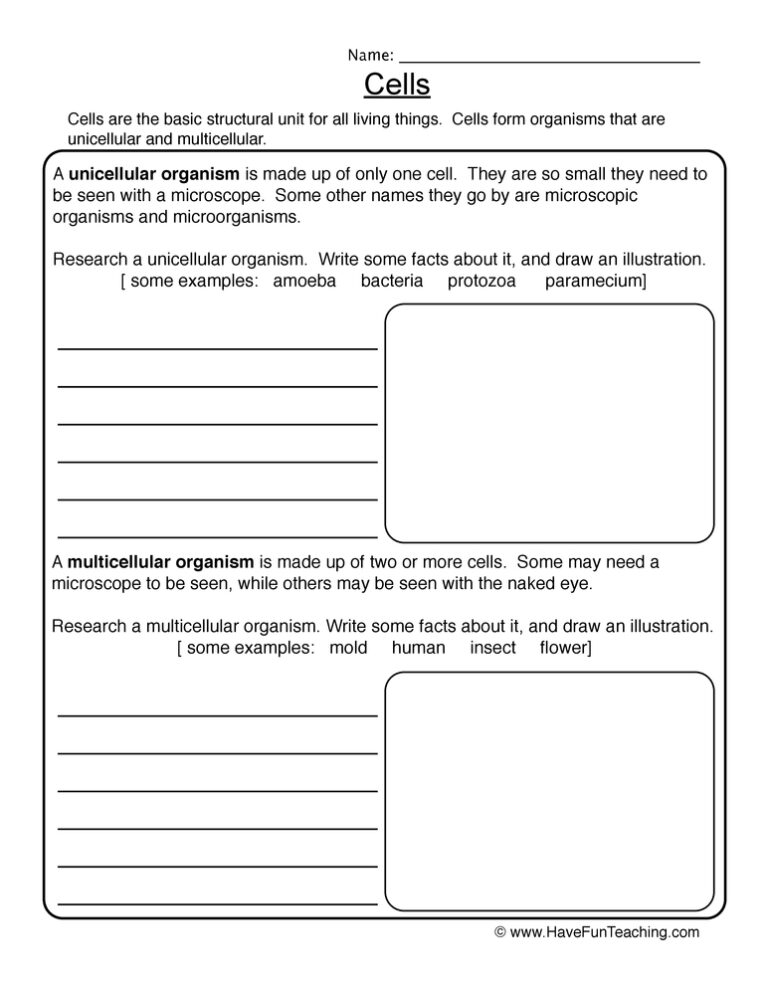
This cells worksheet has 5th graders sort eight living things into unicellular and multicellular columns, then use clues to classify four more. An answer key is included, so science practice is ready to print and grade in minutes.
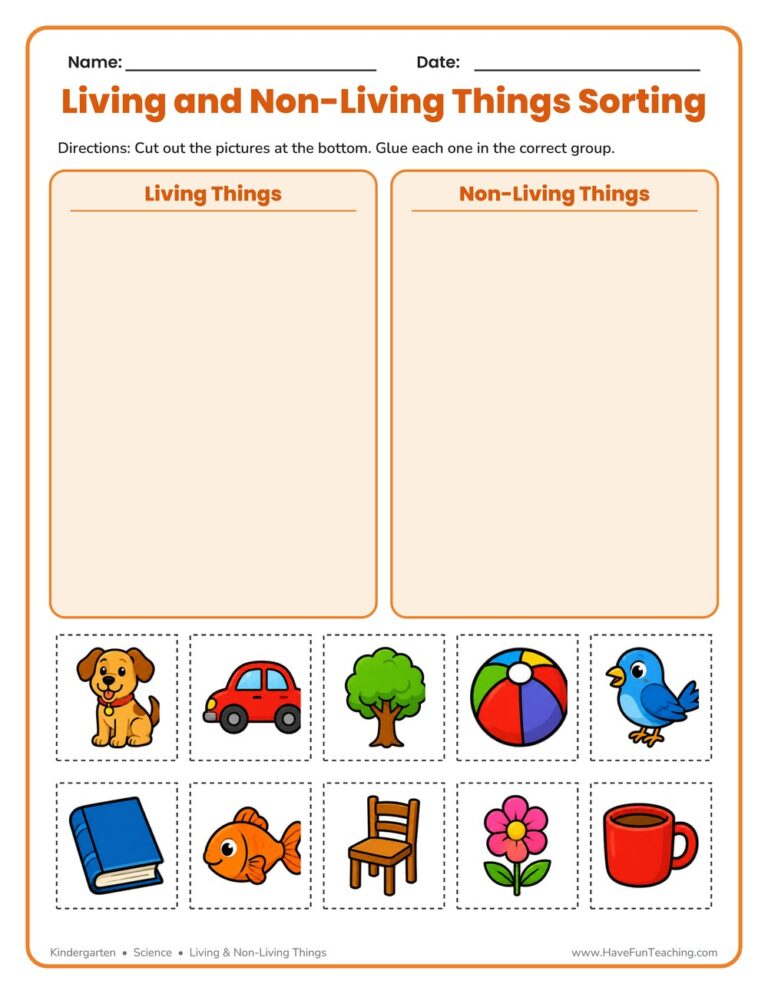
This Living Things and Non Living Things Sorting Worksheet has kindergarten students cut out ten pictures and sort them into living and non-living groups. Answer key included for quick, hands-on science practice.

This animal classification worksheet lets 2nd graders sort twelve animals into mammals, birds, fish, and reptiles using a picture-clued word box. An answer key is included — great for no-prep science practice at home or in class.

This Insect Taxonomy Worksheet gives 5th Grade students a finished honey bee chart to classify a monarch butterfly beside it, plus four questions and an answer key, so taxonomy becomes reasoning instead of memorizing.

This word attributes worksheet has 3rd graders sort twelve describing words into three columns, then name the object each clue describes. Answer key included for quick, no-prep vocabulary practice.

This bird classification worksheet asks 3rd grade students to sort eight animals into birds and not birds, then match four trait clues. A full answer key makes the sort quick to check.
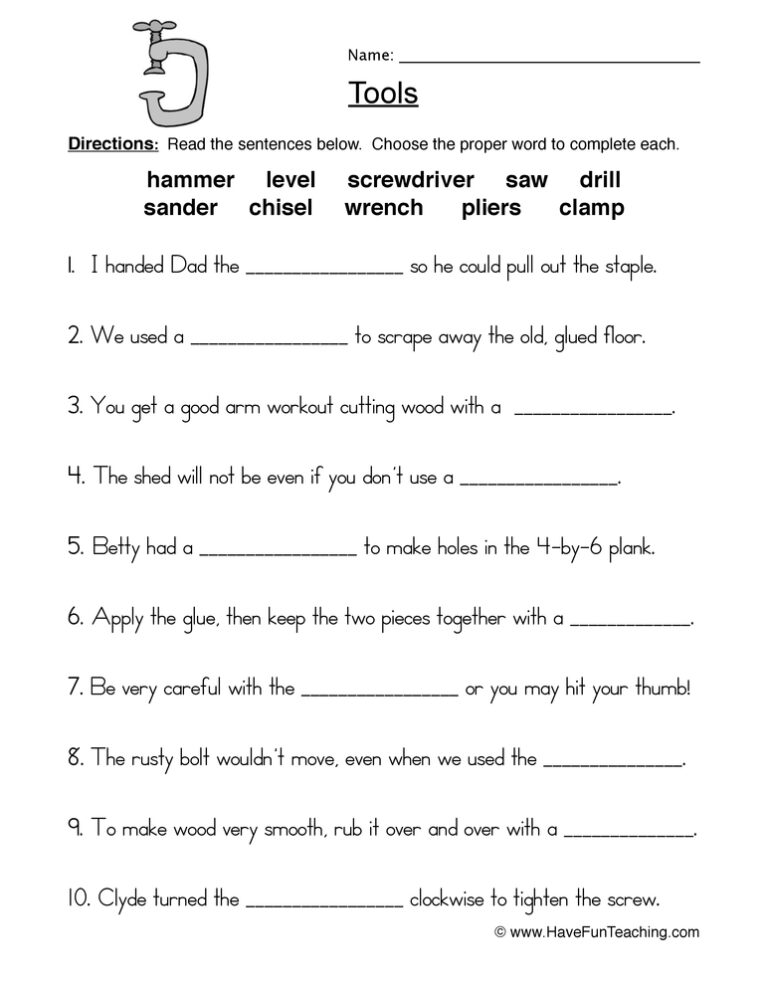
This tools worksheet has 3rd graders name each tool from the job it does, then sort six tools into cutting, turning, and measuring groups. Answer key included, so science practice is ready to print and go.