Skip to content
Start My 3 Free Days $0 today · cancel anytime

Vocabulary Activities

45 vocabulary activities. Teacher favorites: Rhyming Words Matching Activity and Idioms Figurative Language Activity. How teachers use these

Vocabulary Activities

45 vocabulary activities. Teacher favorites: Rhyming Words Matching Activity and Idioms Figurative Language Activity. How teachers use these

Activity
ActivityPreschoolRhyming Words Matching Activity

This rhyming words matching activity lets PreK to 1st grade children match picture cards that rhyme, like cat and hat. A practice page and answer key included.

Activity
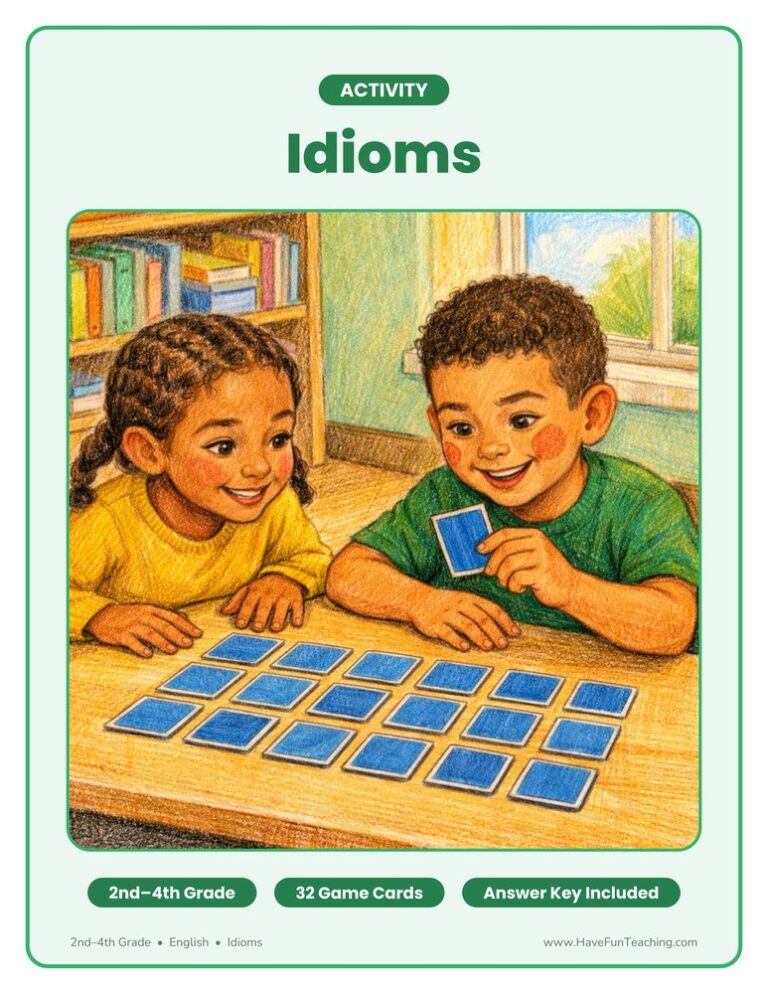
Activity2nd GradeIdioms Figurative Language Activity

This idioms figurative language activity lets 2nd to 4th grade students match idioms to their real meanings in a fun card game, then draw and explain them. Answer key included.

Activity
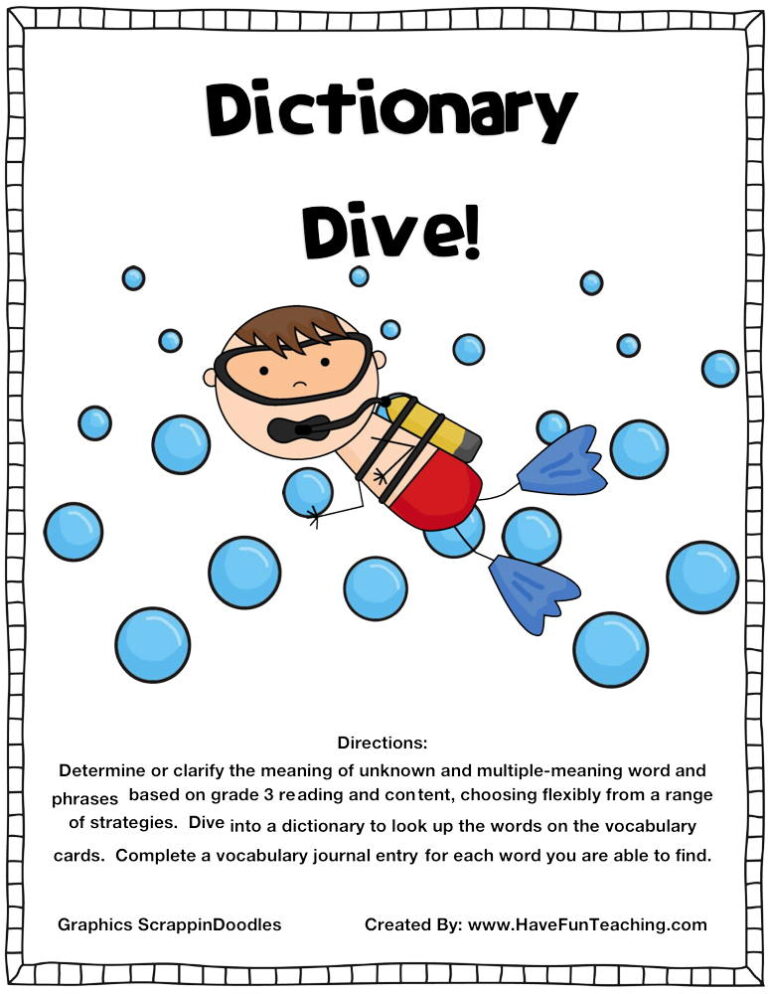
Activity2nd GradeDictionary Dive Activity

This dictionary dive activity helps 2nd to 4th grade students look up multiple-meaning words and use context clues to pick the right meaning. A printed dictionary page and an answer key are included.

Activity
Activity2nd GradePlurals Activity

This plurals activity is a bee memory game where children match words that end in y to their ies plurals. Made for 2nd and 3rd grade, with a practice page and answer key included.

Activity
ActivityPreschoolPictures and Words Context Clues Activity

This pictures and words context clues activity lets PreK to 1st grade children hold up a sign to show whether a fact came from the picture or the words. Answer key included.

Activity
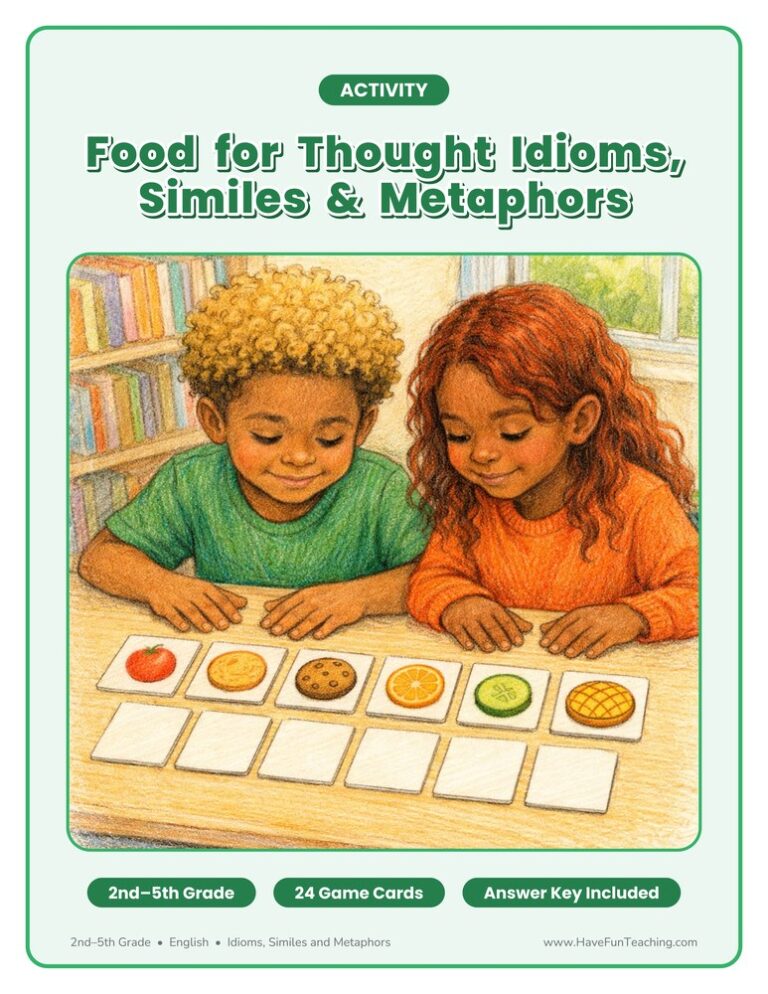
Activity2nd GradeFood for Thought Idiom Simile Metaphor Activity

Students match food idioms, similes, and metaphors to their meanings and sort them by kind in this food for thought idiom simile metaphor activity for 2nd to 5th grade, with an answer key included.

Activity
ActivityPreschoolThe Pumpkin Book Unknown Words Activity

Using The Pumpkin Book Unknown Words Activity, students use context clues to figure out unknown words in a text to build their reading comprehension.

Activity
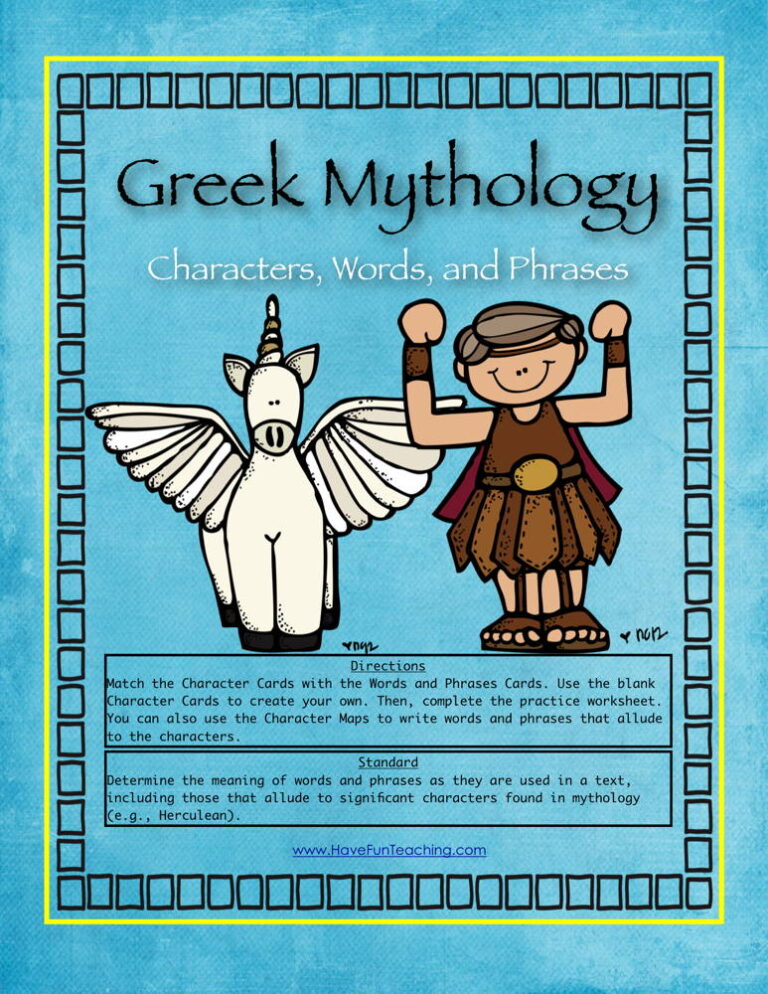
Activity3rd GradeGreek Mythology Activity

This greek mythology activity helps 3rd to 5th grade students match characters, words and meanings to learn words that come from old Greek stories. Answer key included.

Activity
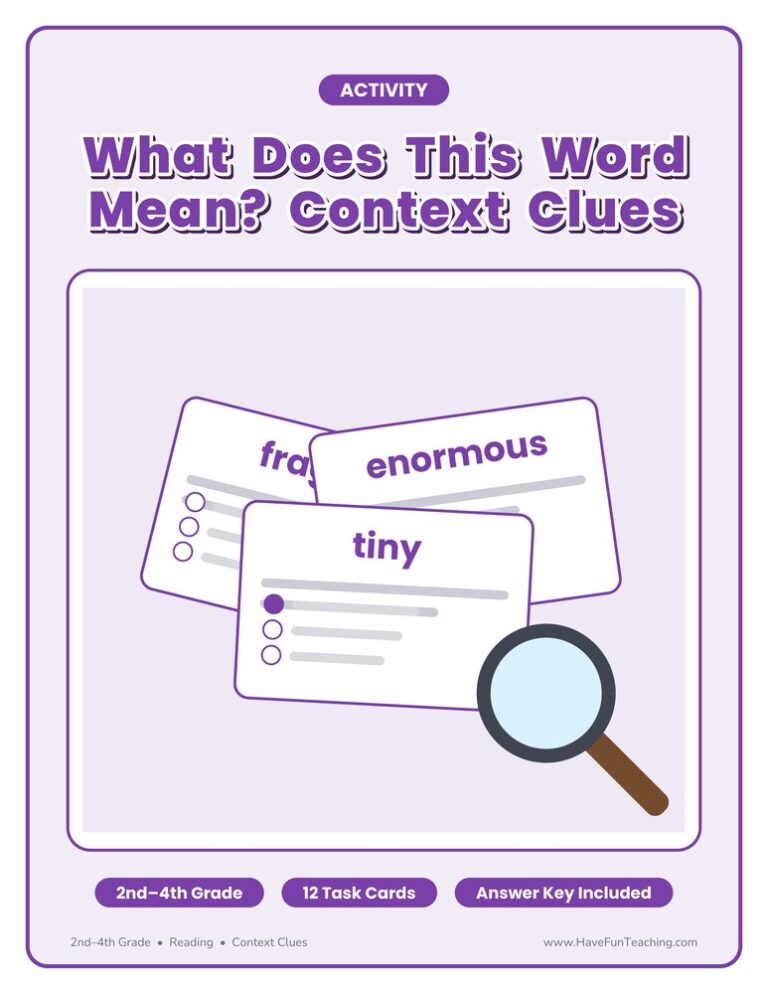
Activity2nd GradeWhat Does This Word Mean Context Clues Activity

Students solve 12 task cards in this what does this word mean context clues activity for 2nd-4th Grade, with a tips chart, practice page and answer key included.

Activity
Activity3rd GradeVocabulary Jeopardy Activity

Using Vocabulary Jeopardy Activity, students determine the meaning of words and phrases as they are used in a text to build their use of vocabulary.

Activity
ActivityPreschoolColor Word Activity

This color word activity has preschool to 1st grade students match ten paint can color words to bright picture cards. Answer key included.

Activity
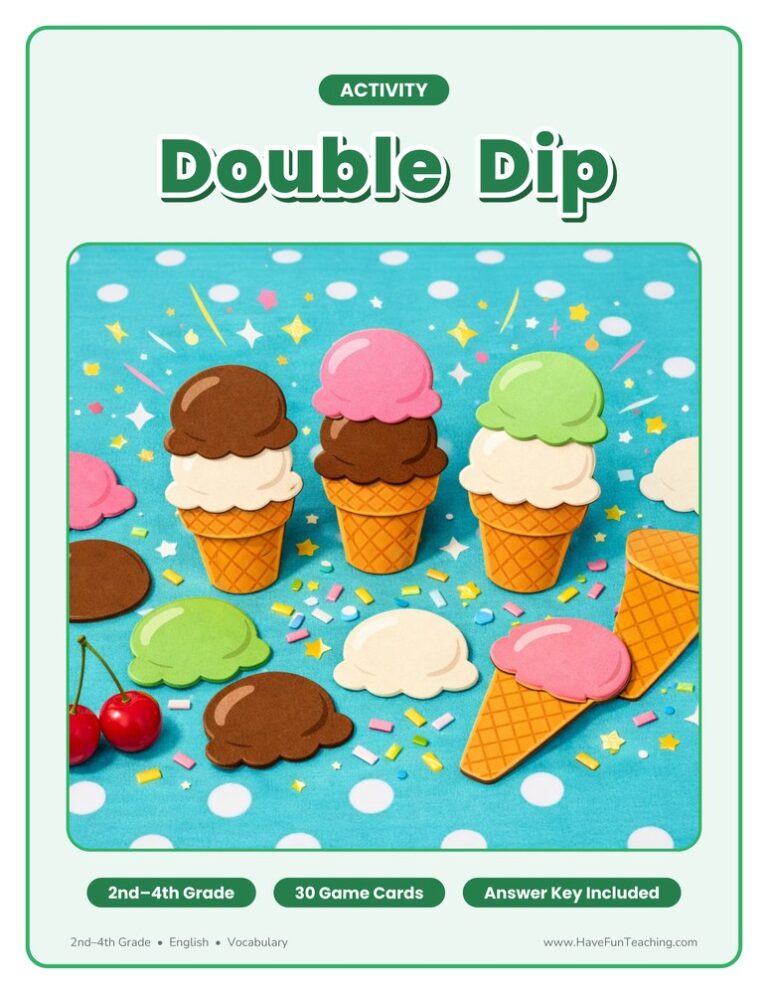
Activity2nd GradeDouble Dip Homographs Activity

This double dip homographs activity for 2nd to 4th Grade has kids match cone words to two scoop sentences, one for each meaning. Answer key included for quick checking.

Activity
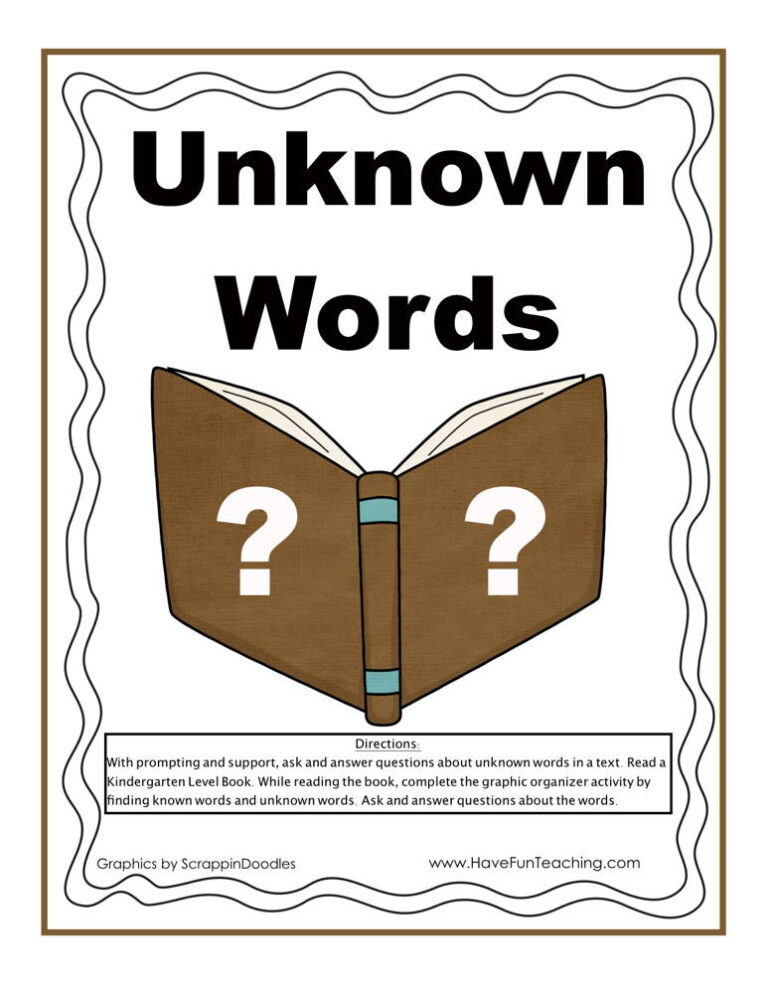
ActivityKindergartenUnknown Words Activity

This unknown words activity helps kindergarten and 1st grade students use sentence clues to figure out new words, with picture cards, a practice page, and an answer key included.

Activity
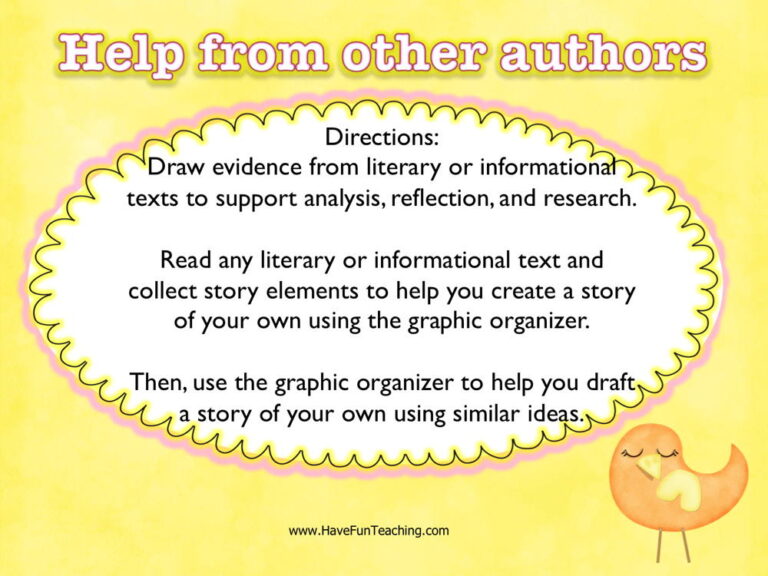
Activity2nd GradeHelp From Other Author's Activity

Using this Help From Other Author's Activity helps, students collect story elements from literary or informational texts to write their own story.

Activity
ActivityKindergartenSupermarket Sweep Food Words Activity

Using Supermarket Sweep Food Words Activity, students practice reading high frequency words tocollect all of the food items on your shopping list.

Activity
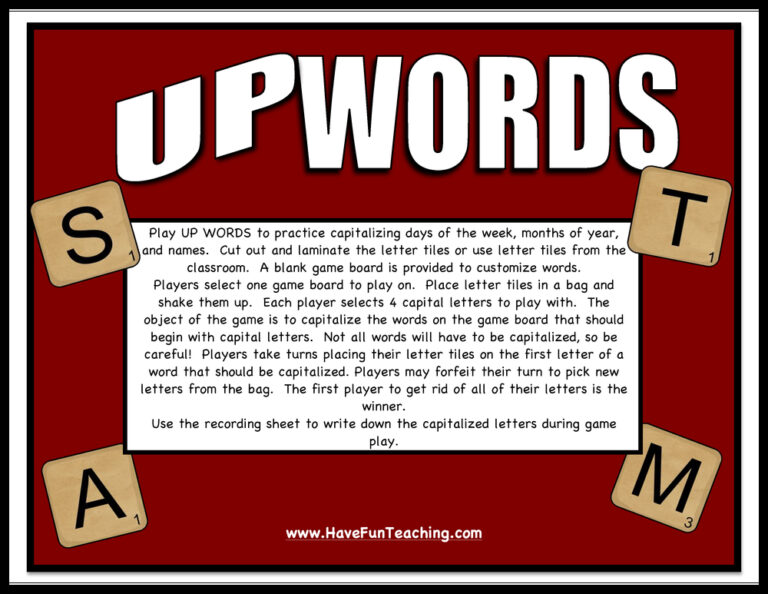
Activity1st GradeUpwords Capitalizing Words Activity

Using Upwords Capitalizing Words Activity, students practice capitalizing days of the week, months of year, and names

Activity
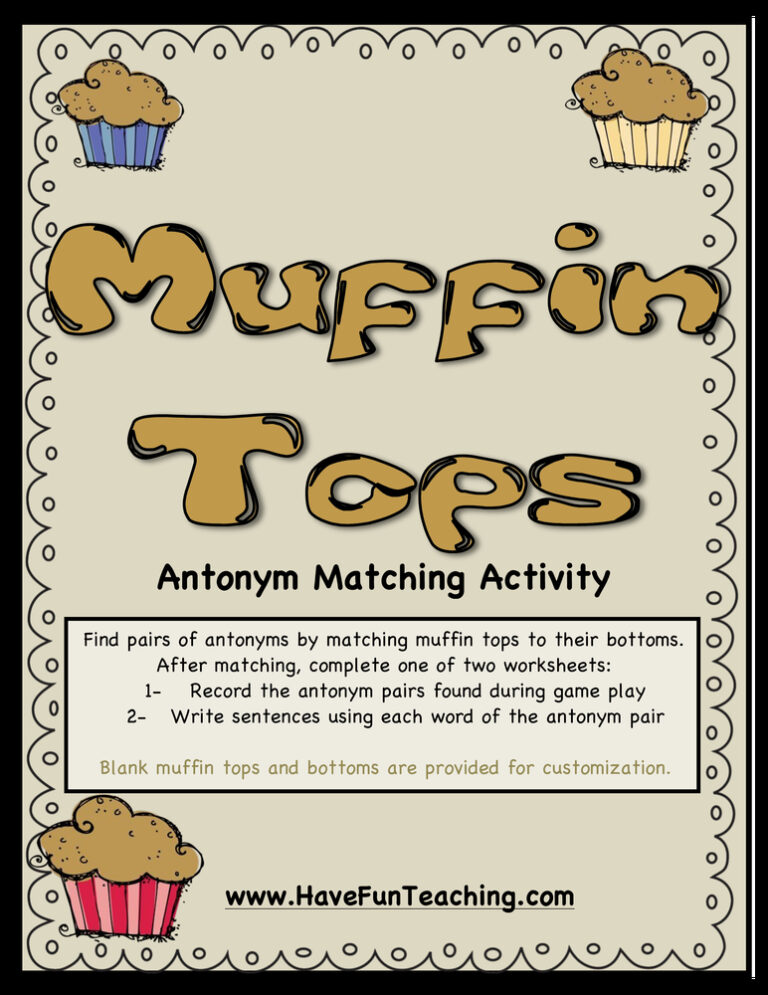
Activity1st GradeMuffin Tops Antonyms Activity

Using this Muffin Tops Antonyms Activity, students match the cards to make antonym pairs of opposite meanings.

Activity
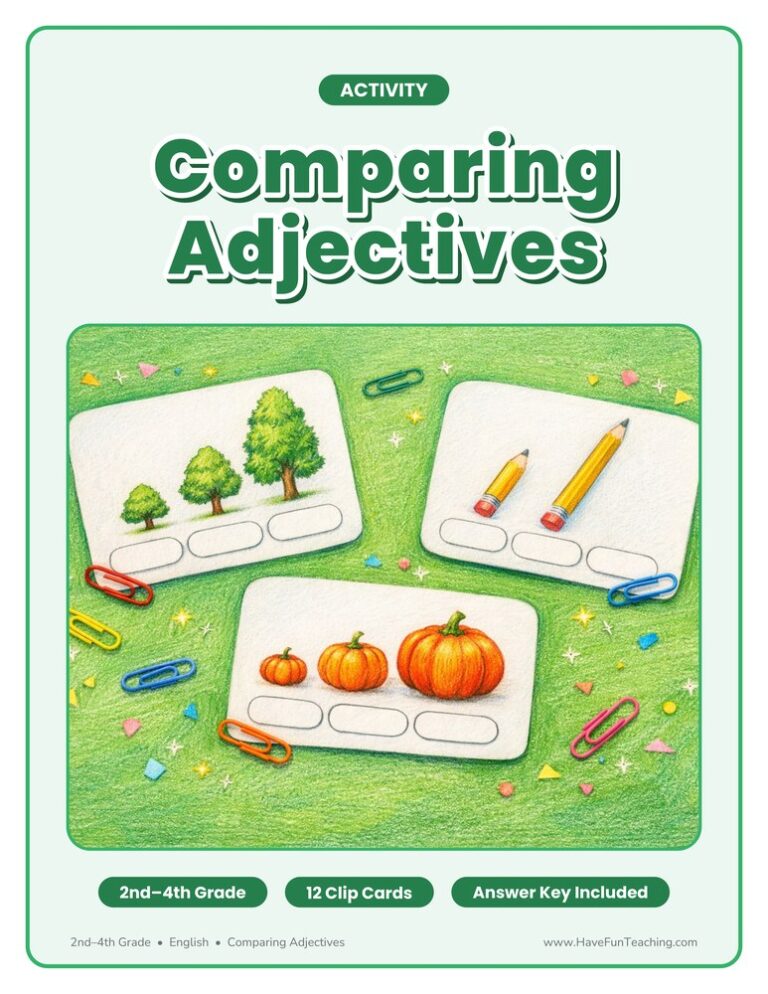
Activity2nd GradeComparing Adjectives Comparatives and Superlatives Activity

This comparing adjectives comparatives and superlatives activity gives 2nd to 4th Grade students 12 picture clip cards for choosing -er and -est words. Answer key included.

Activity
Activity3rd GradePlaying With Idioms Activity

This playing with idioms activity has 3rd to 5th grade students match idiom cards to their real meanings, draw funny literal pictures and read idioms in stories. An answer key is included.

From our teachers' playbook

More words, more power!

What do kids learn about vocabulary?

Vocabulary is all the words a child knows and uses. Young learners sort words into categories, like foods or clothes, and use picture clues to figure out new words. As they grow, they use context clues in a sentence to unlock meanings, and they break words into parts: un + happy = not happy. Older kids learn Greek and Latin roots like tele (far) and graph (write). The click comes when a kid figures out a brand new word all on their own!

Our favorite ways to grow vocabulary

Kids learn words by using them, hearing them and playing with them. These moves do all three.

Prefix game time

Play a prefix game where kids add pre, dis or mis to base words and figure out the new meaning. Then have them use each new word in a silly sentence. Games make word parts stick.

Why it works: playful practice with a clear goal keeps kids practicing longer, and simple learning games have been shown to build real skills (Ramani and Siegler, 2008).
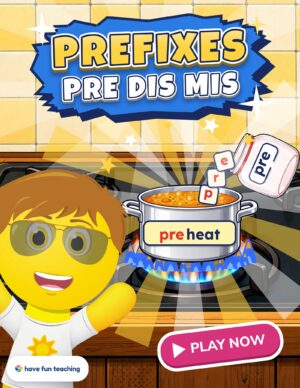
Prefixes Pre Dis Mis GameTry it withPrefixes Pre Dis Mis GameGamesOpen it →
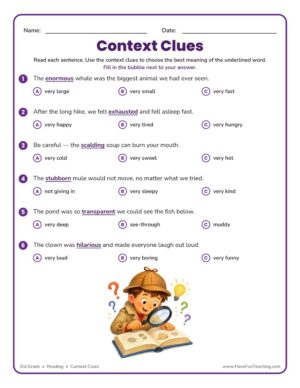
Be a context clue detective

Read a sentence with a tricky word and think aloud: "It says the soup was scalding and he burned his tongue. So scalding must mean very hot!" Then let kids try the next one with a partner.

Why it works: handing over the work step by step, from teacher to student, is one of the most widely used teaching frameworks (Pearson and Gallagher, 1983).

Context Clues WorksheetTry it withContext Clues WorksheetWorksheetsOpen it →

Sort words into groups

Give kids word cards and let them sort them into categories, like animals, foods and places. Then ask them to add a new word to each group. Sorting helps kids see how words connect.

Why it works: kids understand an idea best when they touch it, then draw it, then write it, the order the U.S. Department of Education recommends for elementary math.

Grouping into Categories WorksheetTry it withGrouping into Categories WorksheetWorksheetsOpen it →

Questions teachers and parents ask

How do kids learn new vocabulary words?

Kids learn new words by hearing them in stories and talk, using them in their own sentences, and seeing them many times. Reading aloud every day is one of the best ways to grow vocabulary.

What are context clues?

Context clues are hints in the sentence or paragraph that help readers figure out a word's meaning. Kids look at nearby words, examples and pictures to make a smart guess.

How do you teach vocabulary in a fun way?

Use games, word sorts, acting out words and a word of the day. Reward kids for using new words in their speaking and writing.

How can I build my child's vocabulary at home?

Read together every day, talk about interesting words you find, and use bigger words in everyday talk. "That's an enormous sandwich!" teaches more than "That's big."