Skip to content
Start My 3 Free Days $0 today · cancel anytime

1st Grade Reading Activities

121 1st grade reading activities, covering independent and guided reading, reading comprehension, story elements, plus 18 more topics. How teachers use these

Find the perfect resource in seconds

1st Grade Reading Activities

121 1st grade reading activities, covering independent and guided reading, reading comprehension, story elements, plus 18 more topics. How teachers use these

Activity
Activity1st GradeMain Idea and Details Activity

Sort picture cards in this main idea and details activity for PreK to 1st grade. Children match details to Farm, Beach, Birthday and Rain, then practice on a worksheet. Answer key included.

Activity
Activity1st GradeSequence of Events Activity

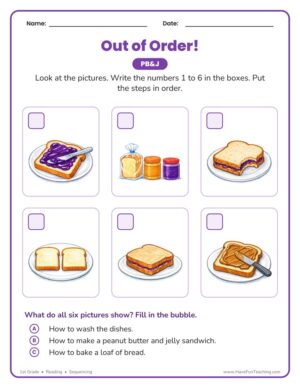
This sequence of events activity helps preschool, kindergarten, and 1st grade children put picture cards in order and retell stories with first, next, then, and last. An answer key is included.

Activity
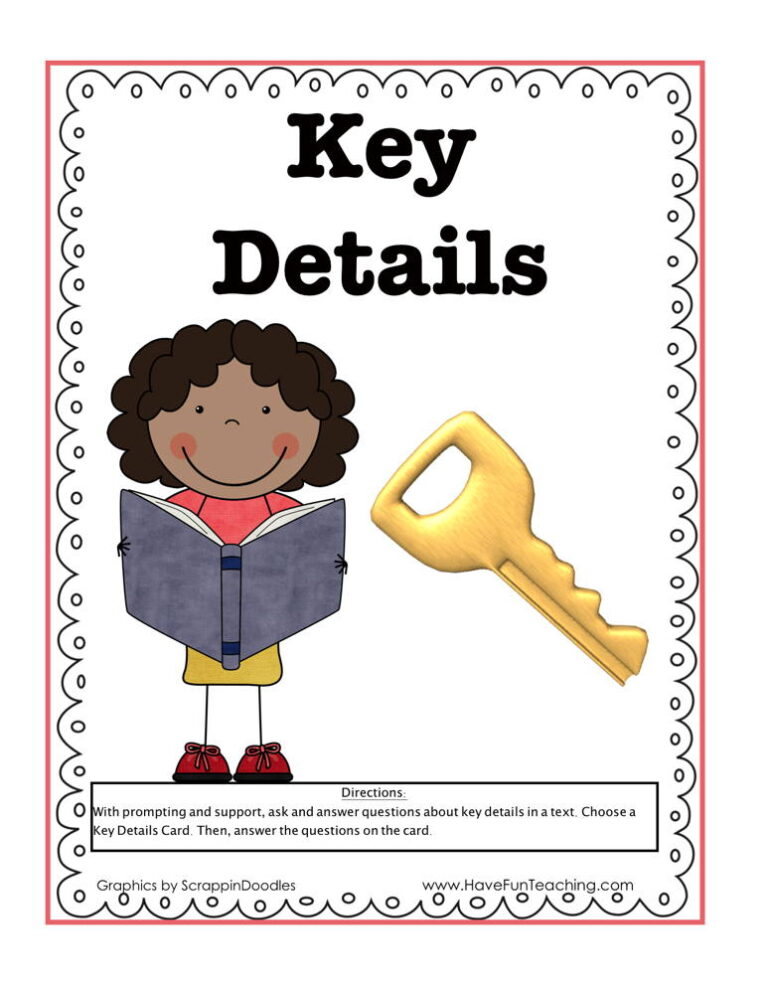
Activity1st GradeKey Details Activity

This key details activity gives K through 3rd grade readers 12 question cards to use with any book, plus a recording sheet and practice stories. Answer key included.

Activity
Activity1st GradePictures Tell Stories Sequencing Activity

Children put wordless picture cards in order and tell the story in this pictures tell stories sequencing activity for preschool to 1st grade, with a practice page and answer key included.

Activity
Activity1st GradeRhyming Words Matching Activity

This rhyming words matching activity lets PreK to 1st grade children match picture cards that rhyme, like cat and hat. A practice page and answer key included.

Activity
Activity1st GradeMain Idea and Details Reading Activity

This main idea and details reading activity for 1st and 2nd grade turns reading into a train game: match detail cars to main idea engines. Practice page and answer key included.

Activity
Activity1st GradeFinding the Author and Illustrator Activity

Kids become book detectives with this finding the author and illustrator activity for kindergarten to 2nd grade, using cover cards and a recording sheet. An answer key is included.

Activity
Activity1st GradeReading Between The Lines Inference Activity

This reading between the lines inference activity lets 1st to 3rd grade students use story clues to figure out how a character feels. An answer key is included for easy checking.

Activity
Activity1st GradeHouse Shape Book Activity

This house shape book activity helps K-2nd Grade children color, draw and write their own story about home, then cut out and staple the house pages into a book to share.

Activity
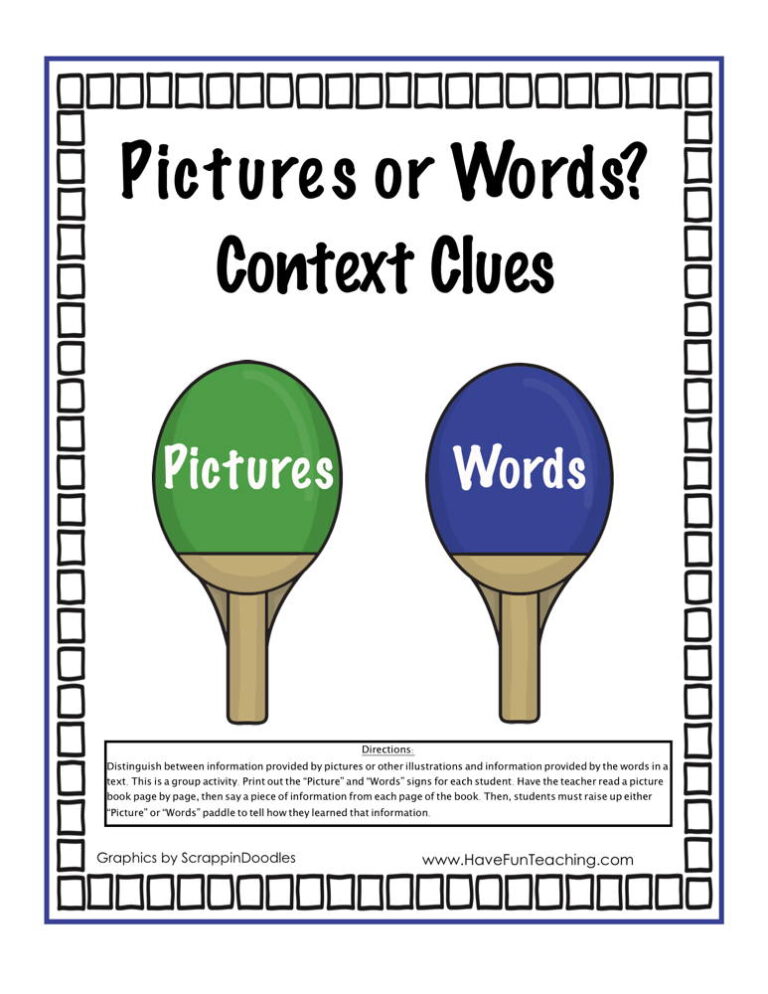
Activity1st GradePictures and Words Context Clues Activity

This pictures and words context clues activity lets PreK to 1st grade children hold up a sign to show whether a fact came from the picture or the words. Answer key included.

Activity
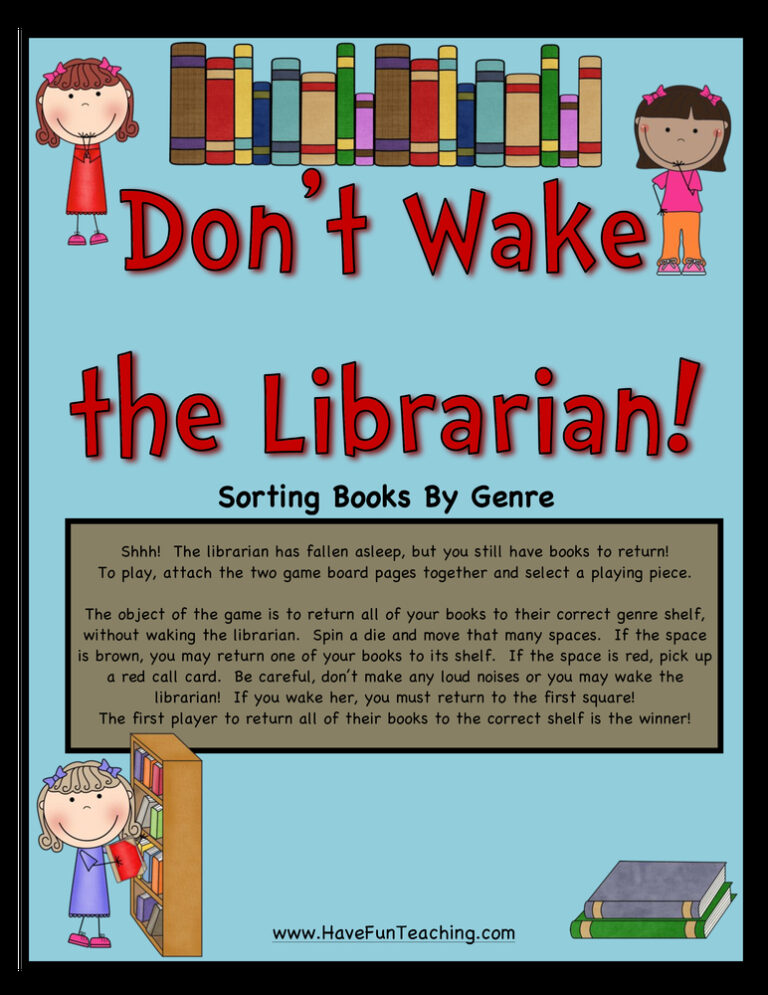
Activity1st GradeDon't Wake the Librarian Sorting Books by Genre Activity

This don't wake the librarian sorting books by genre activity is a quiet board game where 1st to 3rd grade readers sort fiction, nonfiction and poetry books. Answer key included.

Activity
Activity1st GradeApple CVC Mat Activity

This apple cvc mat activity lets PreK-1st grade students build short-vowel words with apple letter tiles on 12 picture mats. Practice worksheet and answer key included.

Activity
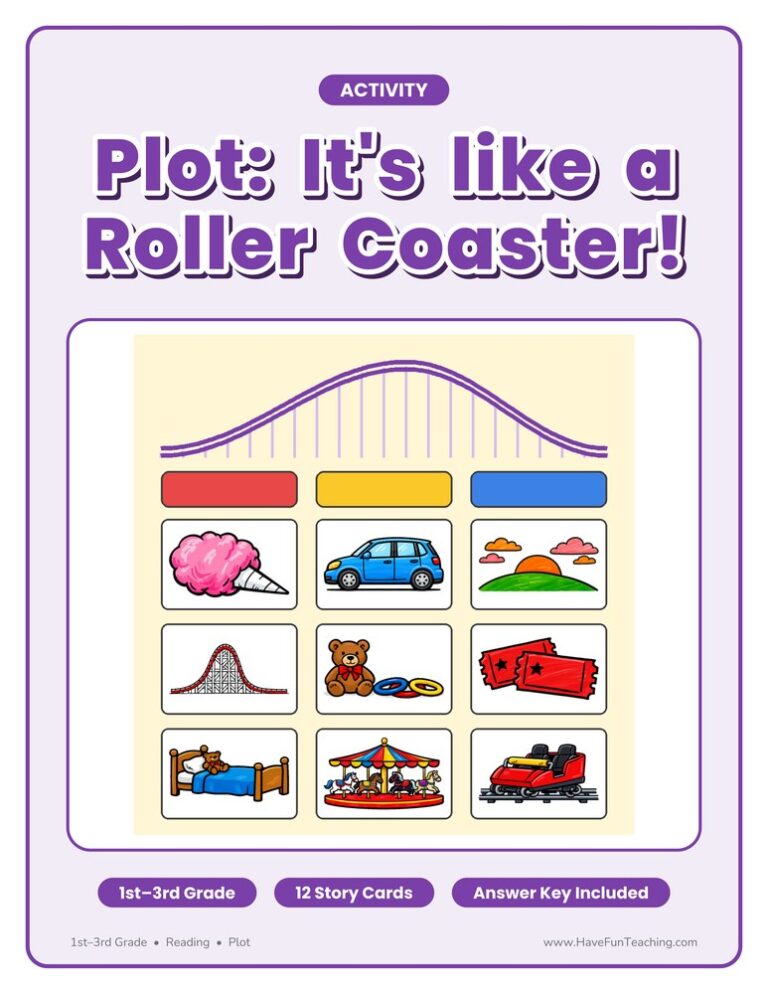
Activity1st GradeBeginning Middle End Plot Activity

Kids sort story cards with this beginning middle end plot activity for 1st to 3rd grade, then retell the story on a roller coaster plot chart. An answer key is included for easy checking.

Activity
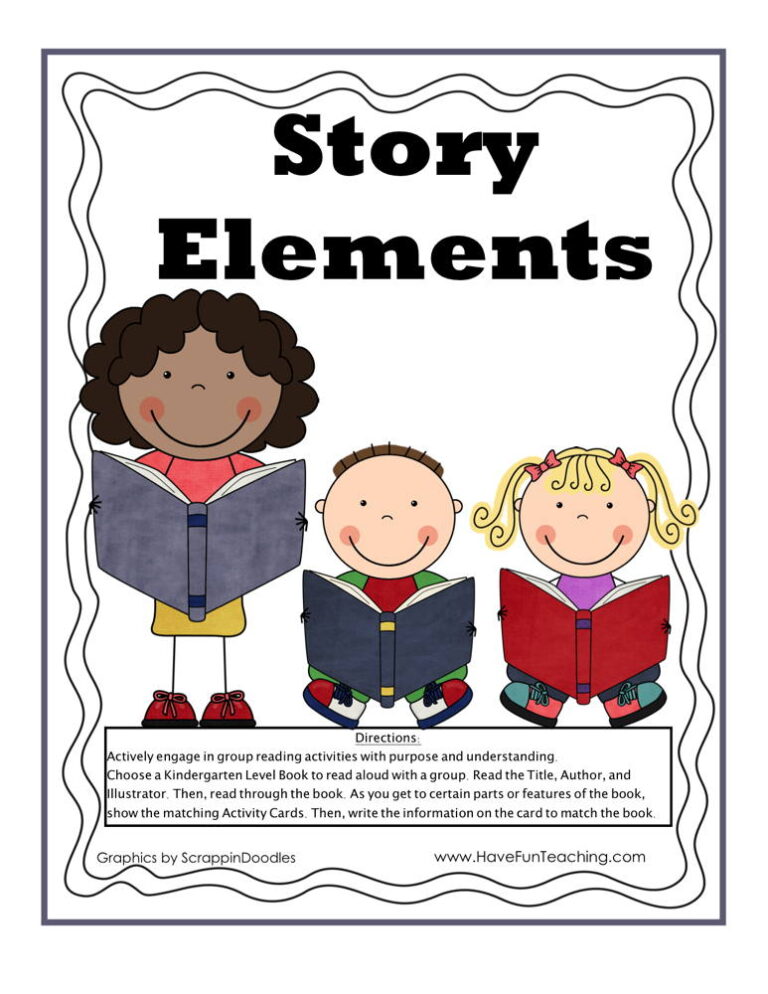
Activity1st GradeStory Elements Activity

This story elements activity has kindergarten and 1st grade students hear a short story and match picture cards to its characters, setting, problem and solution. Answer key included.

Activity
Activity1st GradeFeeling Words Activity

This feeling words activity has 1st to 3rd graders read a story, match clue cards to feeling words, and practice naming how characters feel. An answer key is included.

Activity
Activity1st GradeText Features Scavenger Hunt Activity

This text features scavenger hunt activity for 1st to 3rd Grade has kids match features to meanings, then find each one in a short sunflower book. Answer key included.

Activity
Activity1st GradeMaking Inferences Pictures Activity

This making inferences pictures activity has 1st to 3rd Grade readers use tool clues to infer which community helper uses them. Includes a record sheet, practice page and answer key.

Activity
Activity1st GradeComplete Sentences with Subject and Predicate Activity

This complete sentences with subject and predicate activity has 1st to 3rd grade students match picture subject cards to predicate cards, then practice on a worksheet. Answer key included.

Activity
Activity1st GradeWhat's the Main Idea Activity

This What's the Main Idea Activity helps 1st to 3rd Grade students match short texts to their main ideas and find a supporting detail, with an answer key included.

Activity
Activity1st GradeComparing Characters Activity

This comparing characters activity has K-2nd Grade readers hear two short animal stories, then sort picture cards into Bunny, Turtle or Both. Answer key included, so practicing alike and different feels like a game.

From our teachers' playbook

The year kids become readers

What do 1st graders learn in reading?

First grade is the year the code cracks. Kids blend sounds to read short-vowel words like c-a-t → cat, then move to blends, digraphs like sh and ch, silent e and vowel teams. They learn a growing list of sight words and start reading simple books with fluency and expression. Comprehension grows too: retelling a story with the characters, setting and big events, using picture clues, putting events in order, and asking and answering questions about what they read. The magic moment is when a 1st grader reads a whole book by themselves and immediately wants to read it again.

Our favorite ways to teach 1st grade reading

First graders need lots of practice, lots of encouragement and lots of fun. Here's our recipe.

Read it with me

Read a short passage aloud while kids follow along with a finger, then read it together, then they read it to a partner. I do, we do, you do. Each read builds confidence and fluency.

Why it works: handing over the work step by step, from teacher to student, is one of the most widely used teaching frameworks (Pearson and Gallagher, 1983).

New Friend Reading Comprehension WorksheetTry it withNew Friend Reading Comprehension WorksheetWorksheetsOpen it →

Story map it

After reading, kids draw the characters, the setting and the big events in three boxes. Then they use their drawings to retell the story to a buddy. Pictures help early readers hold the whole story in their heads.

Why it works: pairing a picture with each word gives kids two ways to remember it, a well-tested principle of how people learn (Mayer, 2009).

Characters, Settings, and Big Events WorksheetTry it withCharacters, Settings, and Big Events WorksheetGraphic OrganizersOpen it →

Decode a little every day

Spend five minutes each day reading words with the pattern you're working on, plus a few from earlier weeks. Short, steady practice builds automatic decoding far better than one long phonics block each week.

Why it works: short practice spread over several days beats one long session, according to a large review of learning research (Dunlosky and colleagues, 2013).

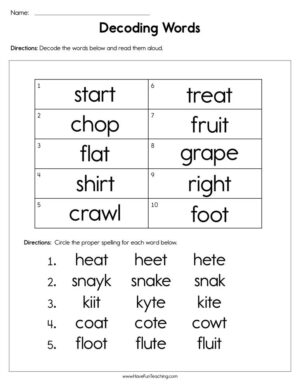
Decoding Words WorksheetTry it withDecoding Words WorksheetWorksheetsOpen it →

1st grade reading: your questions

What should a 1st grader be able to read?

By the end of 1st grade most kids read simple books with short and long vowel words, common sight words and short sentences. They retell stories and answer questions about what they read.

How can I help my 1st grader read better?

Read together every day. Let your child read a page to you, then read one to them. Praise effort, help them sound out tricky words, and reread favorite books for fluency.

How many sight words should a 1st grader know?

Many 1st graders aim to read about the first 100 Fry words or the Dolch first grade list by the end of the year. Consistent daily practice matters more than an exact number.

What if my 1st grader is struggling to read?

Talk with the teacher about which skills are hard, like letter sounds, blending or sight words. Short daily practice on that one skill, plus lots of reading aloud together, usually helps a lot.