

Matching Ecosystems Worksheet
This matching ecosystems worksheet helps 4th grade students match ecosystems to descriptions, sort animals into habitats, and order a food chain. Includes an answer key for easy, no-prep science practice.
$6.97
Or free with a membership — get this and 10,000+ resources. See plans
Teaching is easier with a membership
Unlimited printables, games & videos for PreK–6th — for your classroom or homeschool. Cancel anytime.
Start your 3-day free trialNo commitment · Cancel anytime · Instant access to 10,000+ resources
About this resource
Description
This Matching Ecosystems Worksheet helps fourth grade students connect each ecosystem to the plants, animals, and conditions that define it. An ecosystem is a community of living things and their environment working together, and learning to tell a desert from a rainforest or a tundra from a pond builds a strong foundation in life science. With this matching ecosystems worksheet, students practice identifying ecosystems, sorting animals into their habitats, and ordering a simple food chain.
The page is easy to follow. In Part A, students draw a line to match six ecosystems to their descriptions. In Part B, they use a word bank to write the ecosystem where each animal lives. In Part C, they number a food chain to show how energy moves from the sun to a plant to animals. This 4th grade environments worksheet works well for independent practice, science centers, review, or homework, and the included answer key makes grading quick.
What’s Included
- 1 print-ready PDF worksheet
- Answer key
- Three activities: ecosystem matching, habitat sorting, and food chain ordering
There are three reasons this resource helps children learn the skill. First, the matching format lets students link vocabulary to clear descriptions, which strengthens memory. Second, sorting real animals into habitats moves learning from definitions to application. Third, this matching ecosystems worksheet adds a food chain task so students see how living things in an ecosystem depend on one another for energy.
Teachers and parents can extend the lesson in hands-on ways. Have students build a diorama of a favorite ecosystem using a shoebox. Take a nature walk and list the living and nonliving things you observe. Play a food chain card game where each child becomes the sun, a plant, or an animal and lines up in order. These activities make ecosystems and habitats come to life.
Related Resources
What teachers say
Reviews
You must be logged in to post a review.
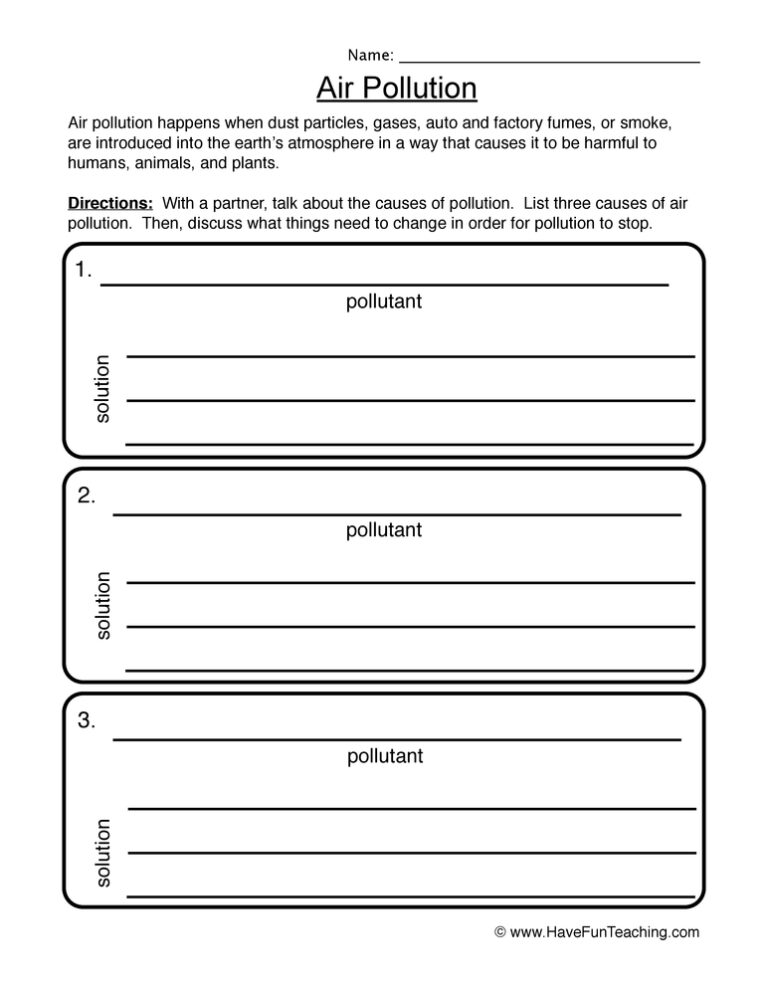
This Air Pollution Worksheet will help teach your kids about what air pollution is and how it can be harmful for people and the environment.
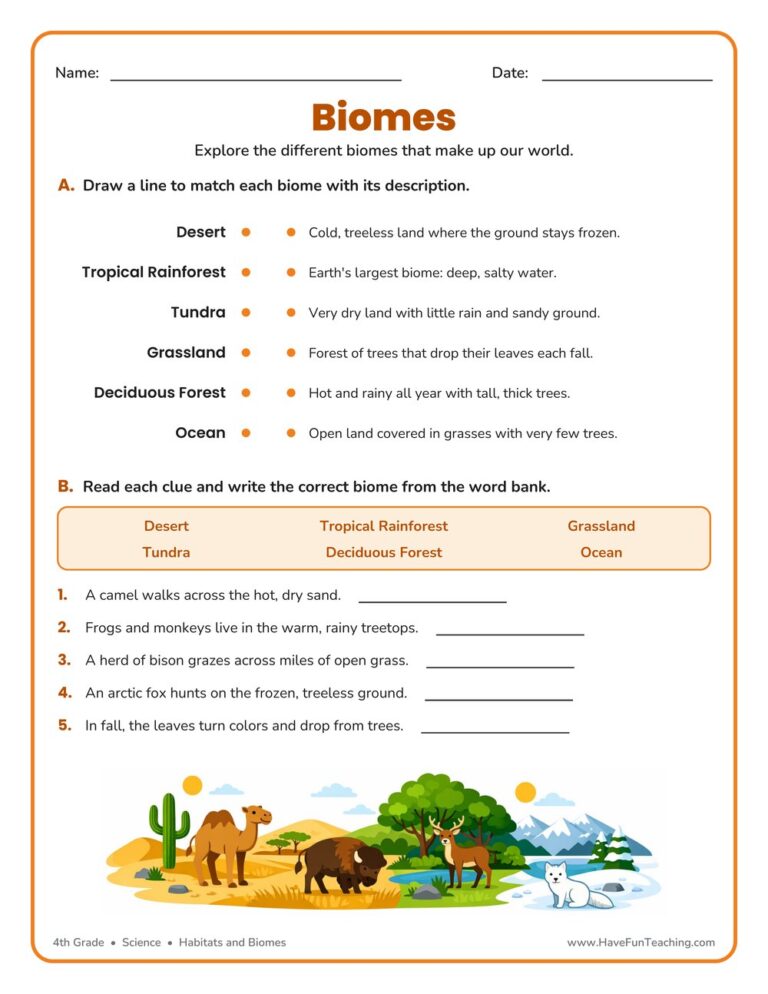
This Biomes Worksheet helps 4th grade students match major biomes to their climates and identify each one from real-world clues. Includes an answer key for fast, no-prep science practice at home or school.

Our Natural Resources Worksheet asks 4th graders to sort eight resources into renewable and nonrenewable columns, then explain the difference in writing. Answer key included — easy no-prep Earth Science practice.
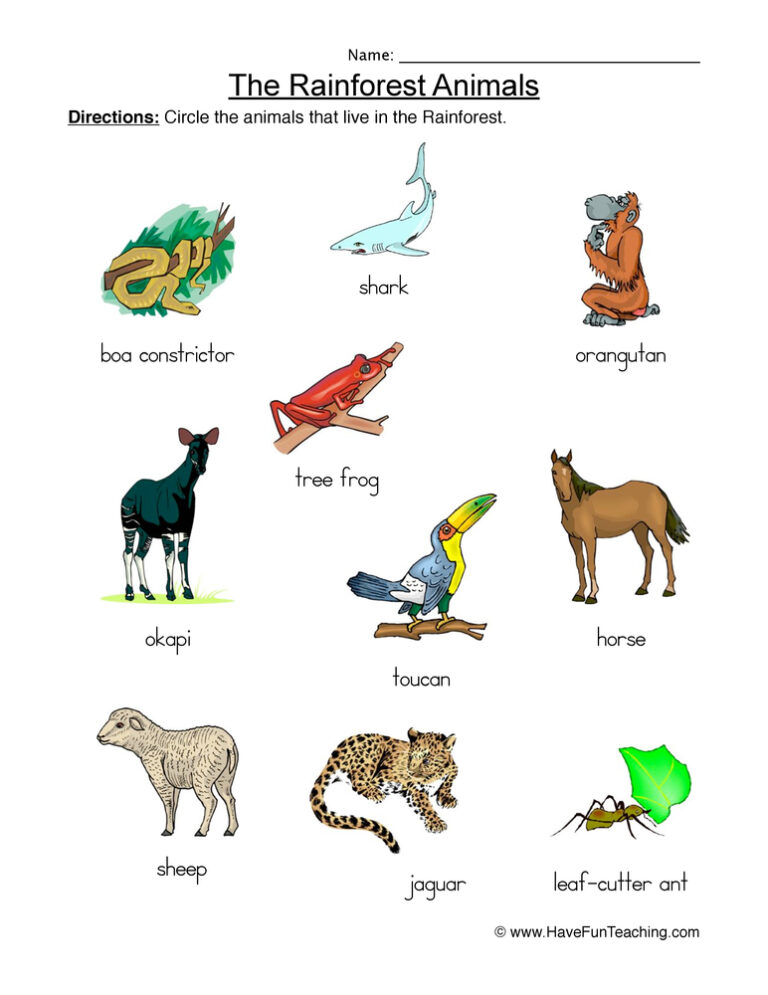
Using Rainforest Animals Worksheet , students circle the rainforest animals to build their rainforest vocabulary.

The Natural Resources Sorting Worksheet has 4th graders sort a word bank of twelve resources into renewable and non-renewable columns, then write a sentence. Answer key included for easy Earth Science practice.
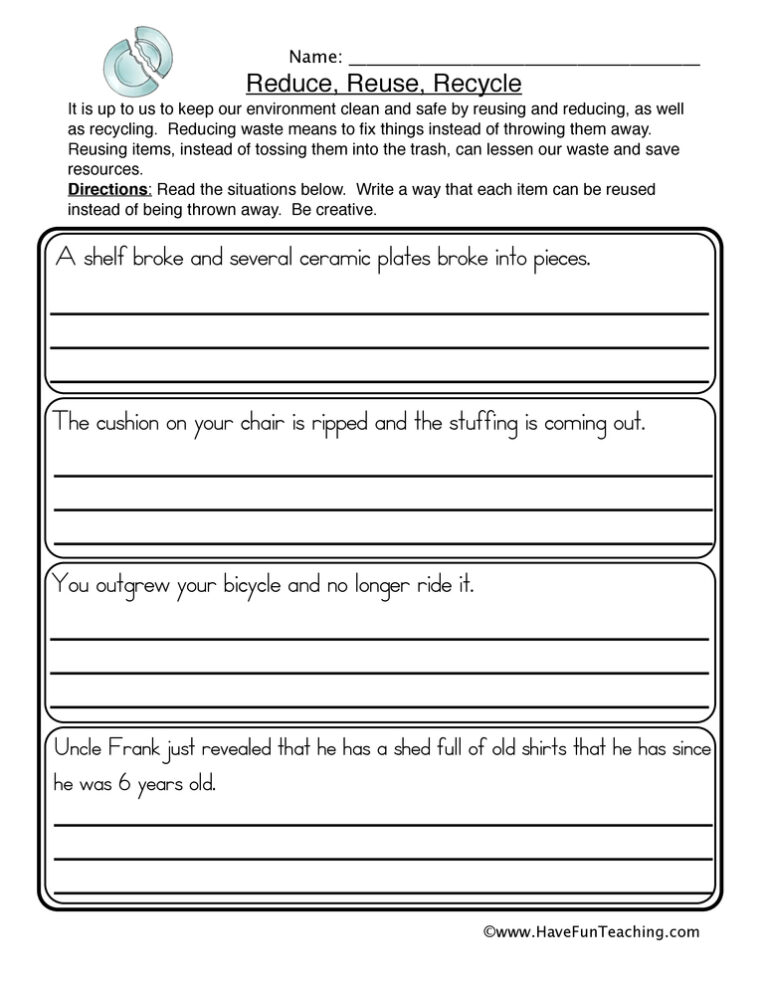
Using Reduce, Reuse, Recycle Scenarios Worksheet, students read the situations below and then, write a way that each item can be reused instead of being thrown away.
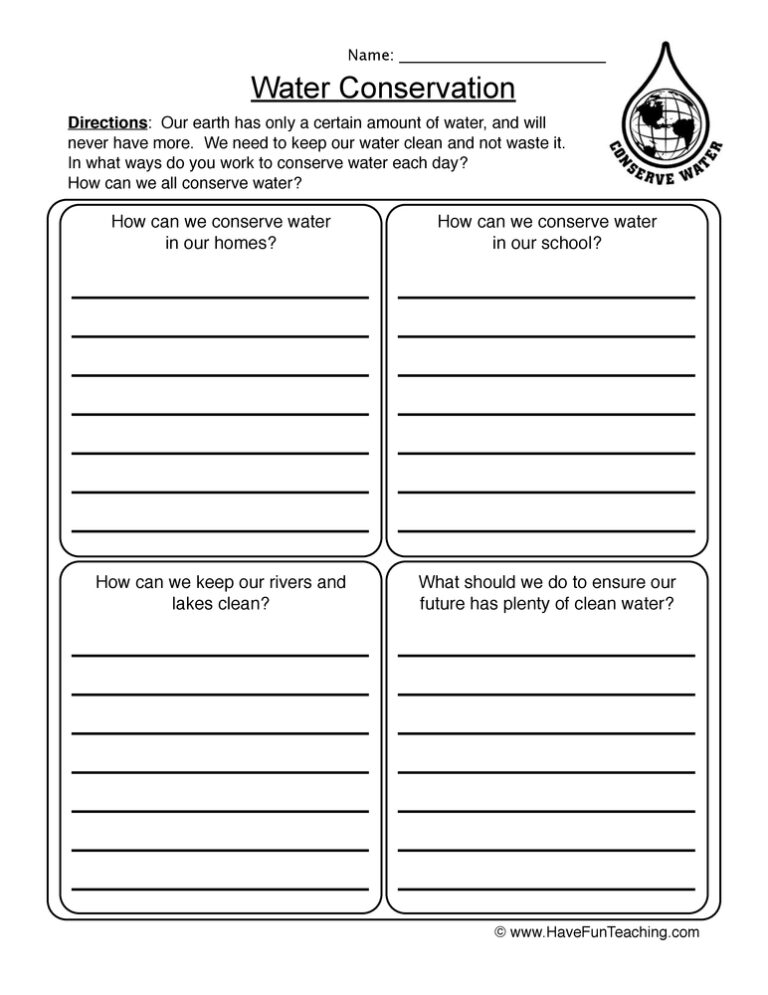
Using thisWater Conservation Worksheet, students explain how they can converse water at home, school, and take care of the public water.

Using this Environmental Health Worksheet, students research the four types of pollution that affect the earth.
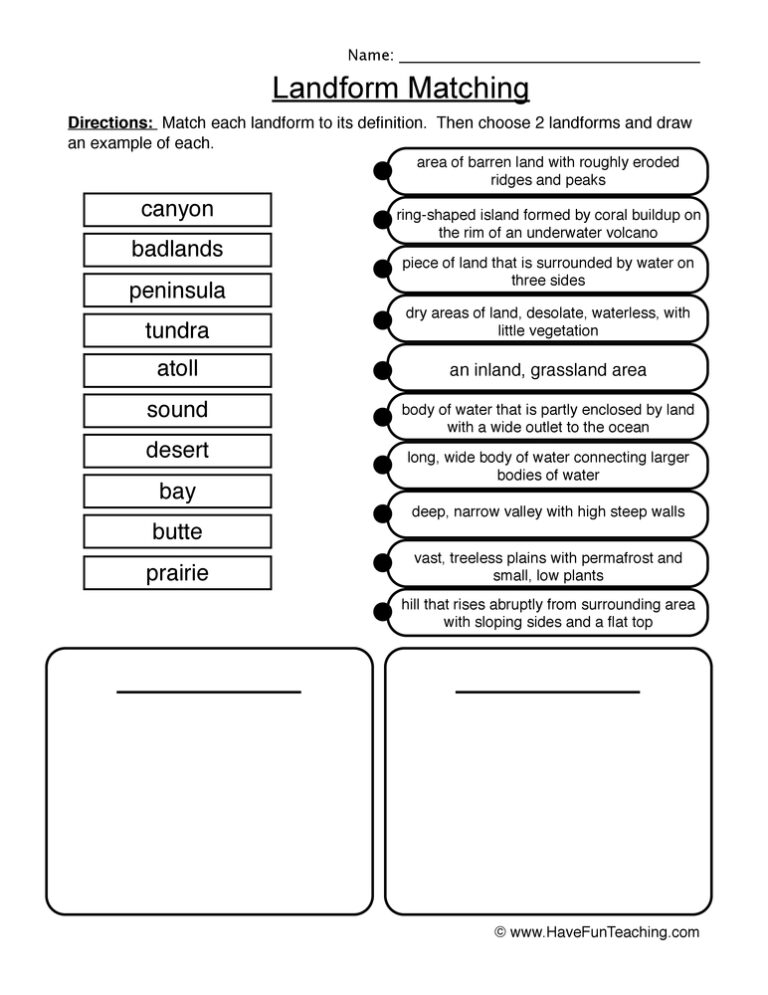
Using Landform Definition Matching Worksheet, studentsmatch each landform to its definition.

Using this Land and Water Worksheet, students write land or water beneath each picture after determining where you find each object.

Using this Water Pollution Worksheet, students list three causes ofwater pollution and discuss what things need to change in order for pollution to stop.

Using Natural Resources Writing Worksheet, students write about renewable and nonrenewable resources in order to learn more about conservation.
Reviews
There are no reviews yet