
3 days free
Ready for the whole library?
You’ve had your freebie — but members download 10,000+ resources for every grade, all year long. Try it free — $0 today, cancel anytime.
Free for teachers
Pick your grade. We’ll send 10 free resources.
Worksheets, activities and a video — picked for your classroom, ready to print tonight.
One free bundle per teacher. We’ll also send free teaching ideas each week — unsubscribe anytime.




Using Who What When Where Why How Activity, students ask and answer questions to demonstrate understanding of key details in a text.

Using First Grade Informational Texts Activity, studentsread informational texts to build reading comprehension skills and their understanding of informational texts.

Using Main Idea and Details Reading Activity,students read any book and respond to the questions to gain a better understanding of the main idea.
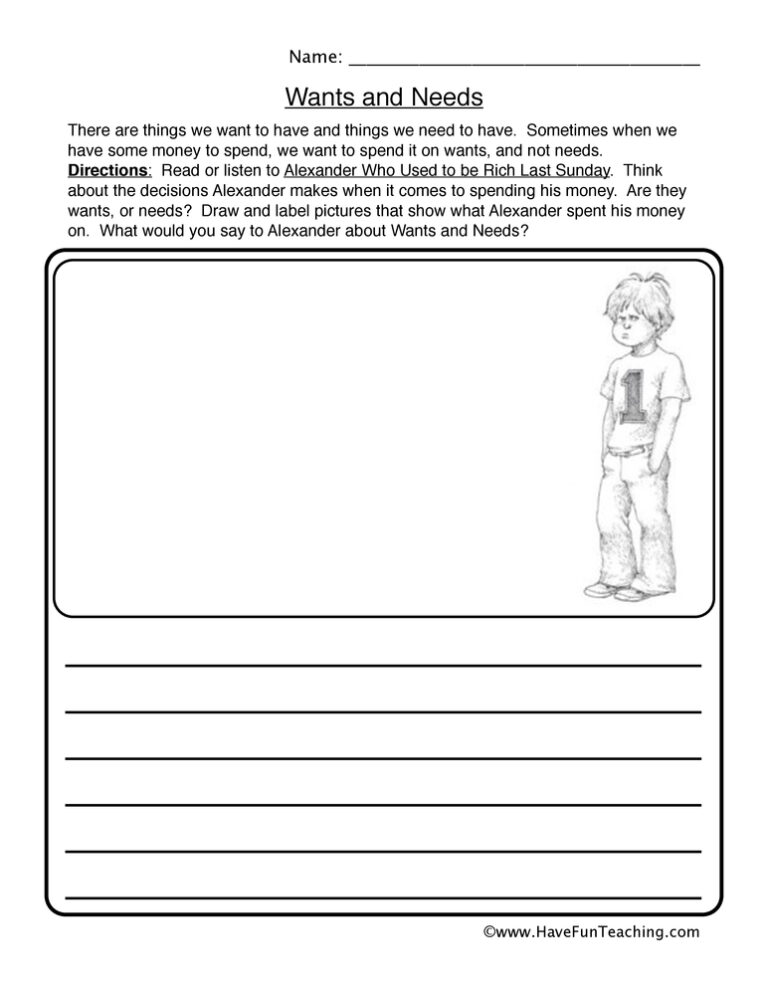
Using this Wants Needs Reading Response Worksheet, students readAlexander Who Used to be Rich Last Sunday to build their understanding of wants and needs.
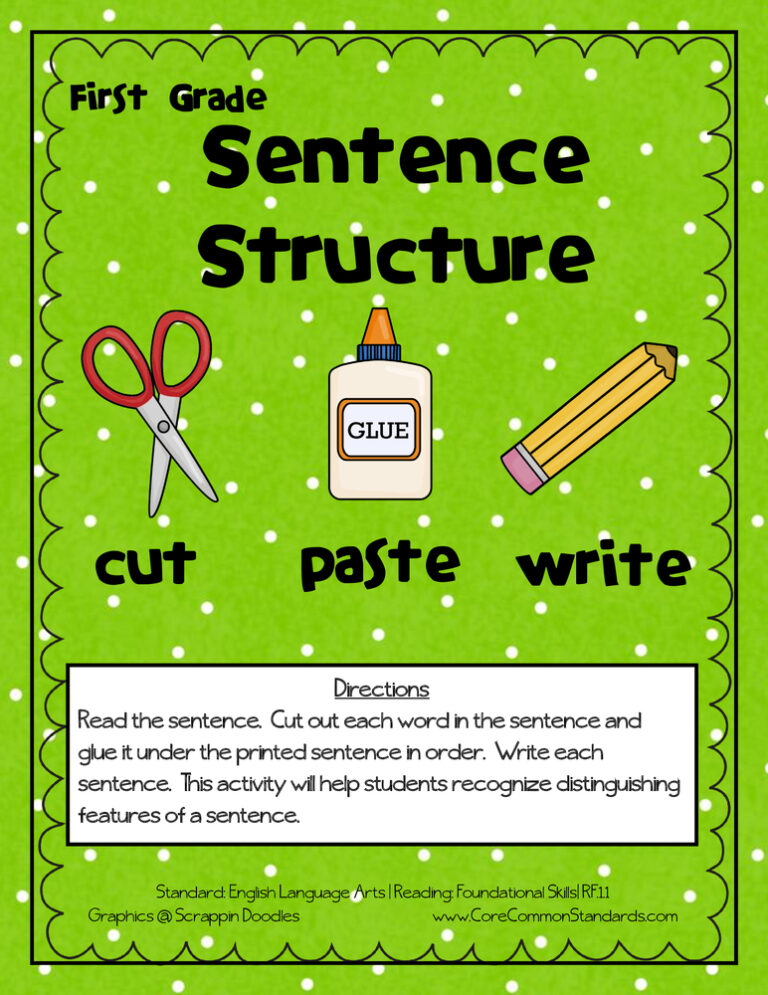
UsingRF.1.1 Common Core Activity, studentsrecognize distinguishing features of a sentence by putting a words in order to create a complete thought.
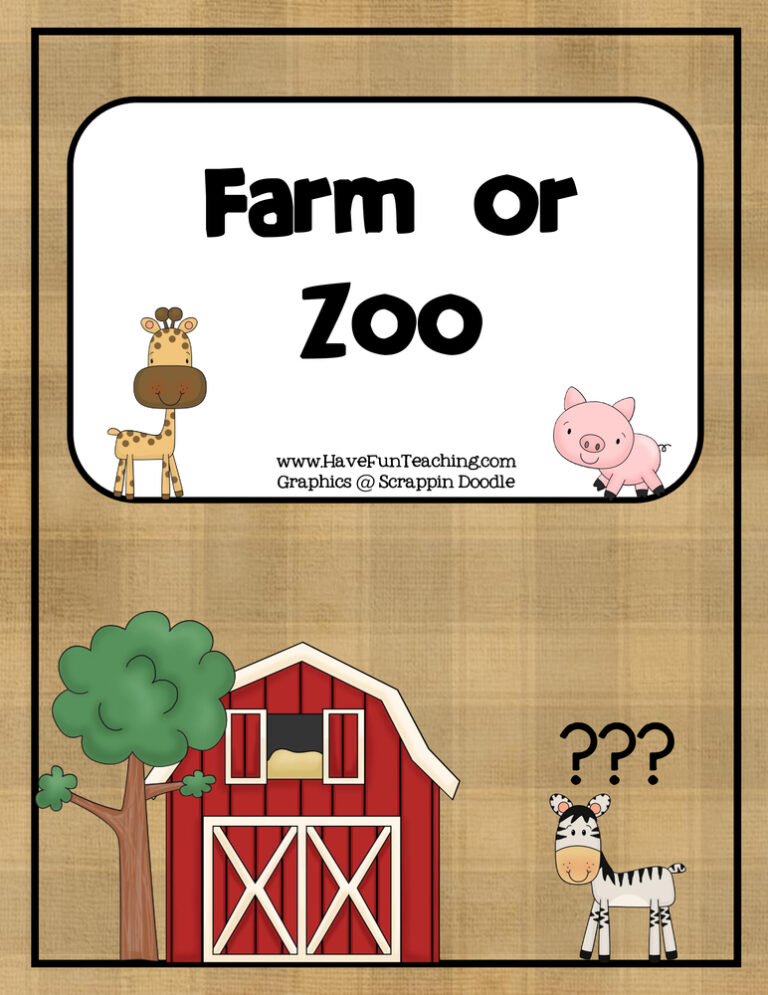
Using this Farm or Zoo Matching Activity, students sort pictures to determine if animals live on a farm or in a zoo.

Using thisSilly Stories Story Starters, studentschoose a Character, Setting and Plot from the picture and word cards to write or tell a story about the fun and unique combination.
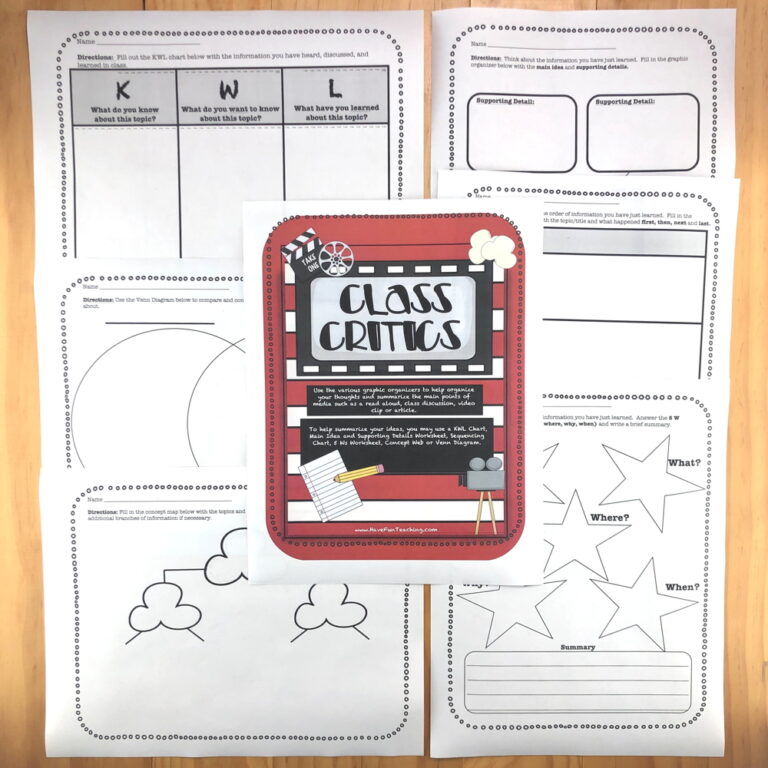
Using Retell the Story Activity, students read Floppy Ears aloud to students and then use the question chart to assess students ability to retell the story.
Using this Determining Theme Graphic Organizers Activity, students determine the theme of a story, drama, or poem from details in the text using Graphic Organizers.
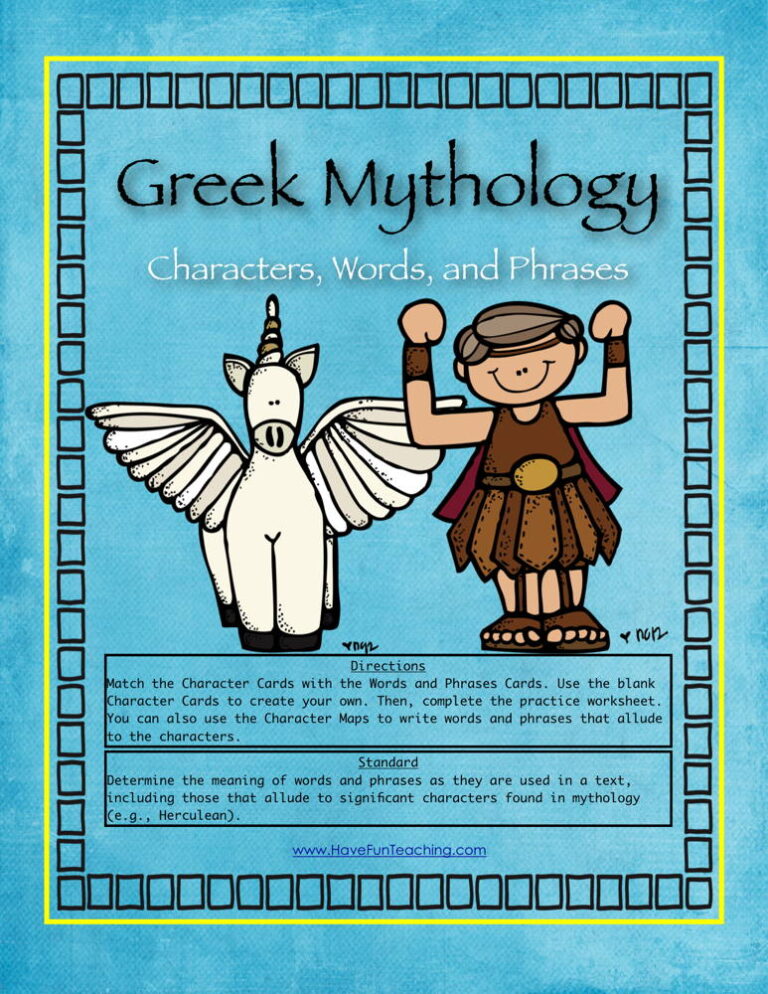
Using Greek Mythology Activity, students determine the meaning of words and phrasesincluding those that allude to significant characters found in mythology.

Using Inference Chains Activity, students refer to details in a text when explaining what the text says explicitly and when drawing inferences. This is perfect for making inferences and drawing conclusions.

This Making Inferences Math Operations Activity is a great lesson in helping your students understand inferencing and basic math operations. This is perfect for making inferences and drawing conclusions.

Using Informational Books Reading Log Activity, studentsread informational texts to build reading comprehension skills and their understanding of informational texts.
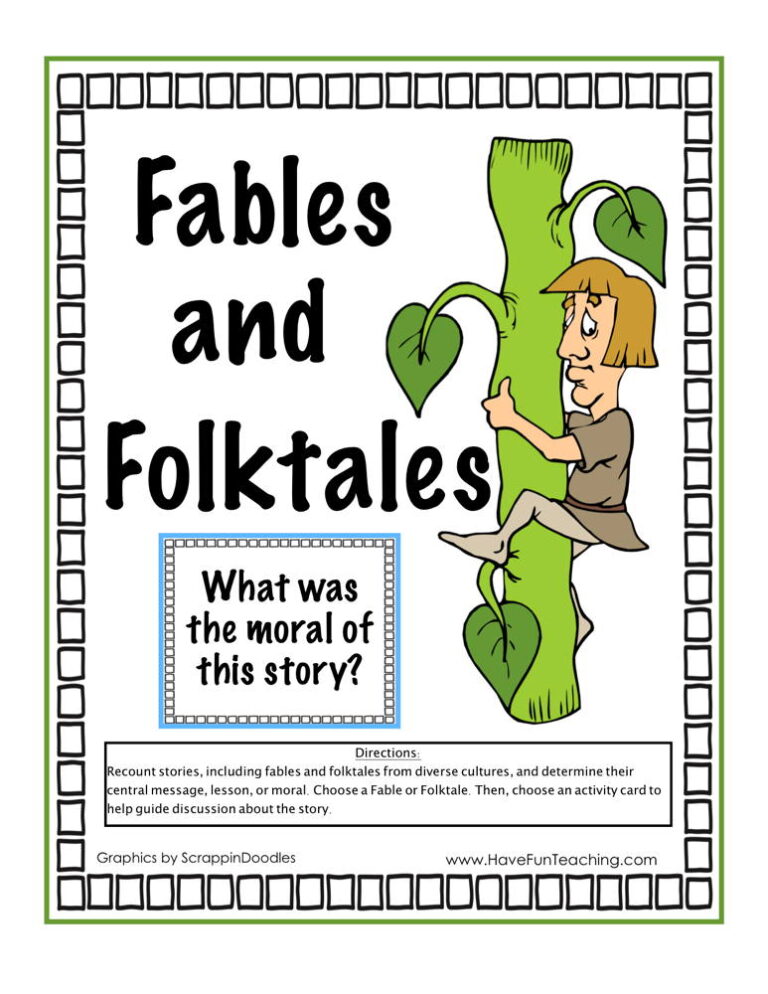
Using Fables and Folktales Activity,students recount fables and folktales from diverse cultures, and determine their central message, lesson, or moral.

This Using New Words From Books Activity helps studentsto use words and phrases acquired through conversations, reading and being read to, and responding to texts.
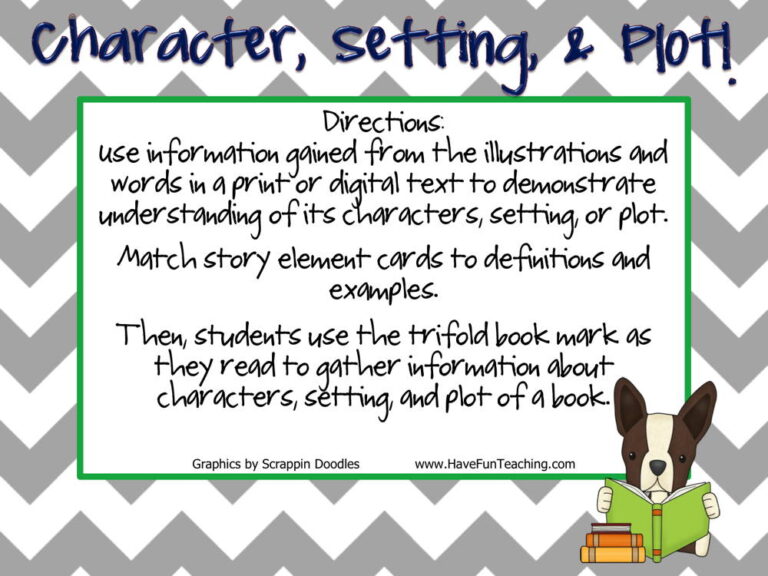
Using Character Setting Plot Activity, studentsfind examples of story elements as they read to build their reading comprehension.
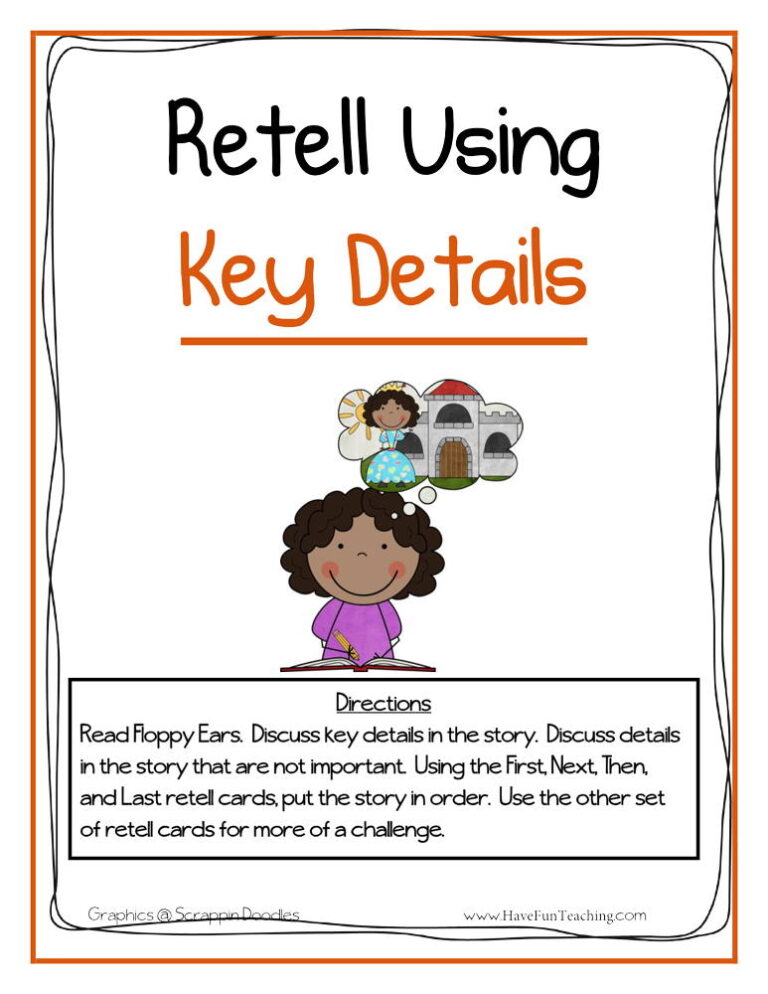
Using Retelling Using Key Details Activity,students read Floppy Ears to retell the story by putting key events in order.
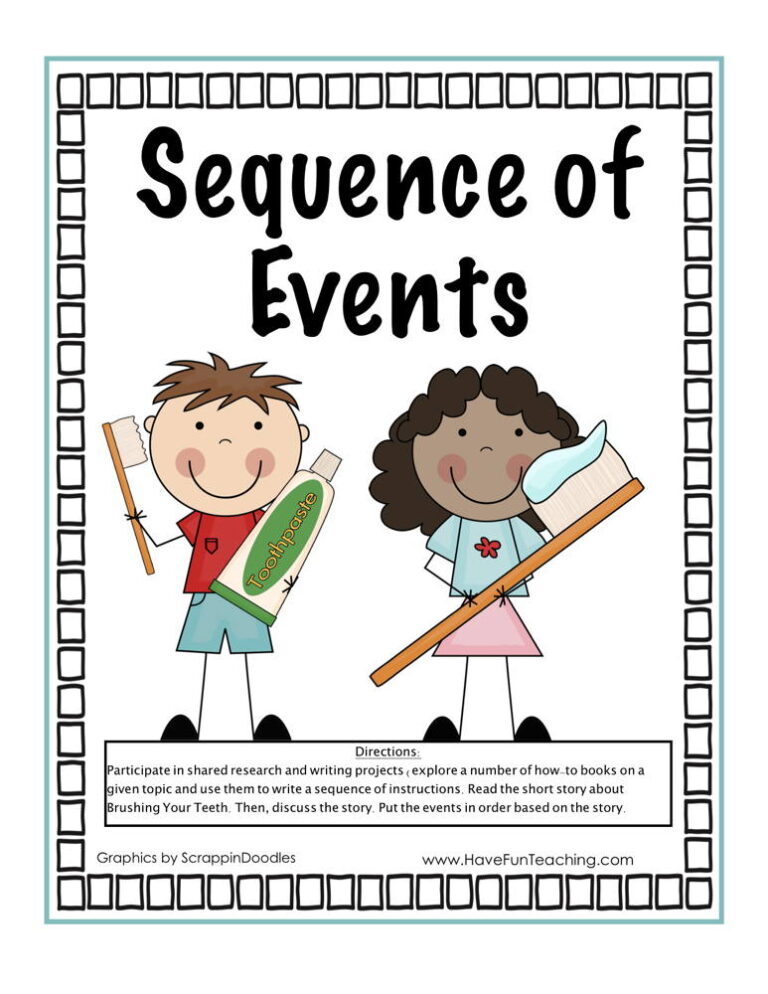
Using Brushing Your Teeth Sequencing Activity,students retell a story about brushing your teeth and put the events in order based on the story.

Using Describing Key Ideas Activity,students make up something that the Person on the card might say to show the key idea.
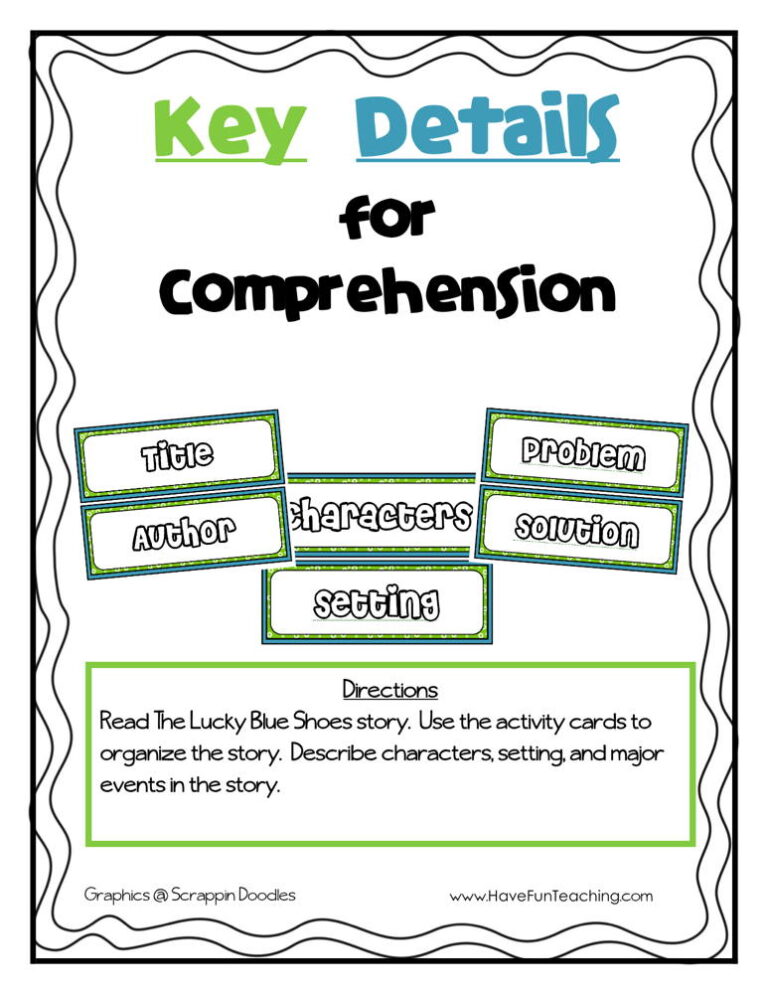
Using Key Details for Comprehension Activity, students read The Lucky Blue Shoes to describe the characters, setting, and major events in the story.



