
3 days free
Ready for the whole library?
You’ve had your freebie — but members download 10,000+ resources for every grade, all year long. Try it free — $0 today, cancel anytime.
Free for teachers
Pick your grade. We’ll send 10 free resources.
Worksheets, activities and a video — picked for your classroom, ready to print tonight.
One free bundle per teacher. We’ll also send free teaching ideas each week — unsubscribe anytime.



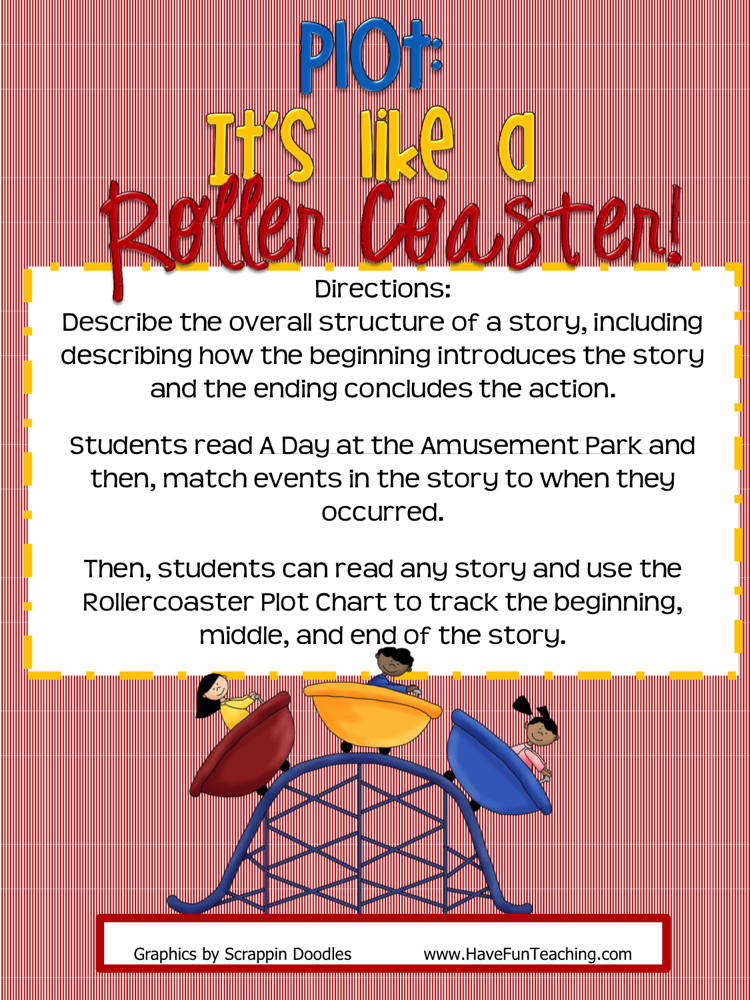
Using Beginning Middle End Plot Activity, students describe the overall structure of a story, including describing how the beginning introduces the story and the ending concludes the action.
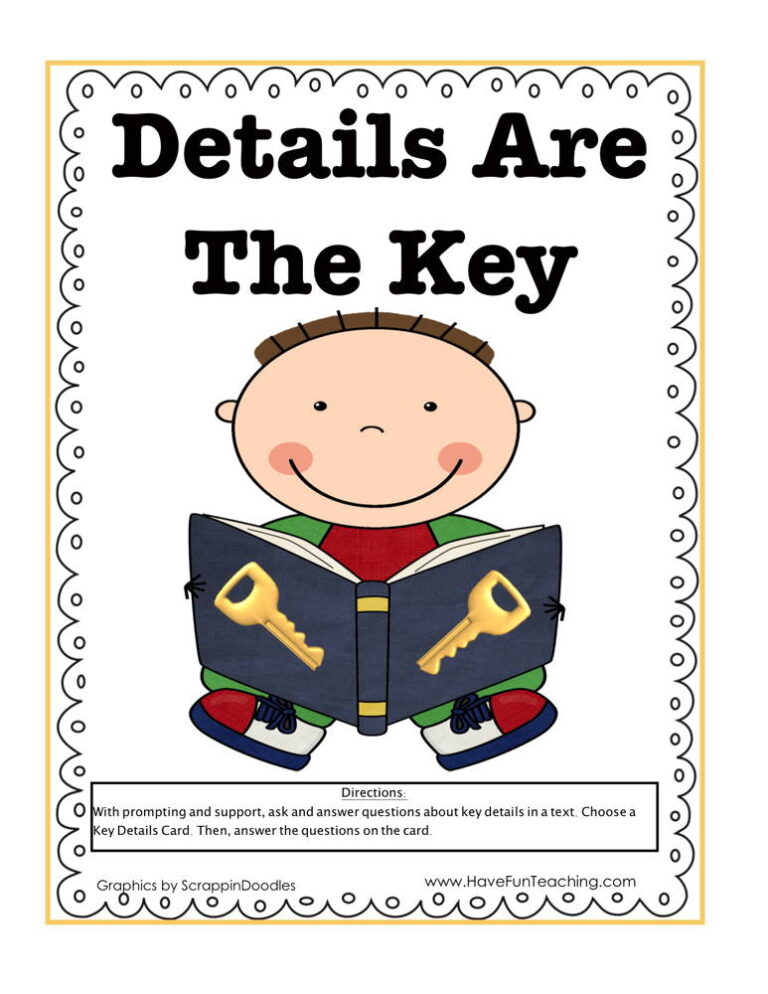
Using Key Details in a Text Activity, students ask and answer questions as who, what, where, when, why, and how to demonstrate understanding of key details in a text.

Using Author and Illustrator Activity, studentsname the author and illustrator of a text and define the role of each in presenting the ideas or information in a text.

Using Finding the Author and Illustrator Activity, students define the role of an author and illustrator using the definition cards.
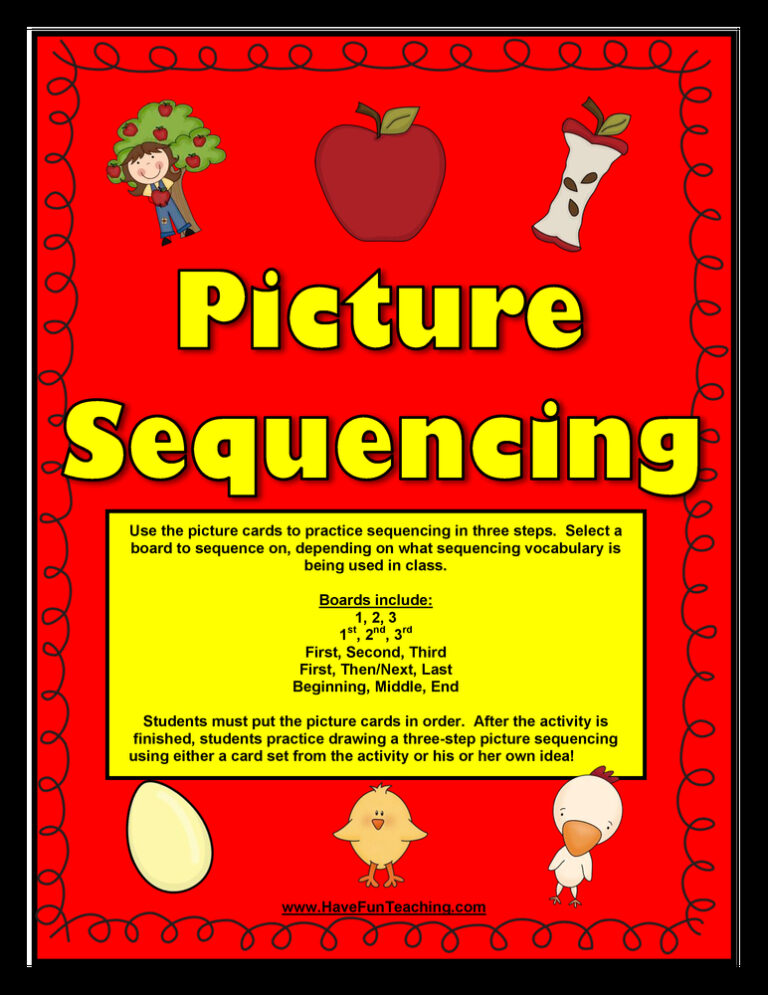
sequence activity, ordering activity, putting things in order, sequencing activity, sequencing pictures

Using this Back to School Rhyming Activity, students practice rhyming skills using this back to school themed activity.

Using Making Inferences Activity, students look at pictures and make inferences based on what they see to match descriptions. This is perfect for making inferences and drawing conclusions.

Using Identifying Theme Activity, students determine the theme of a story, drama, or poem from details in the text in order to apply to their own life.
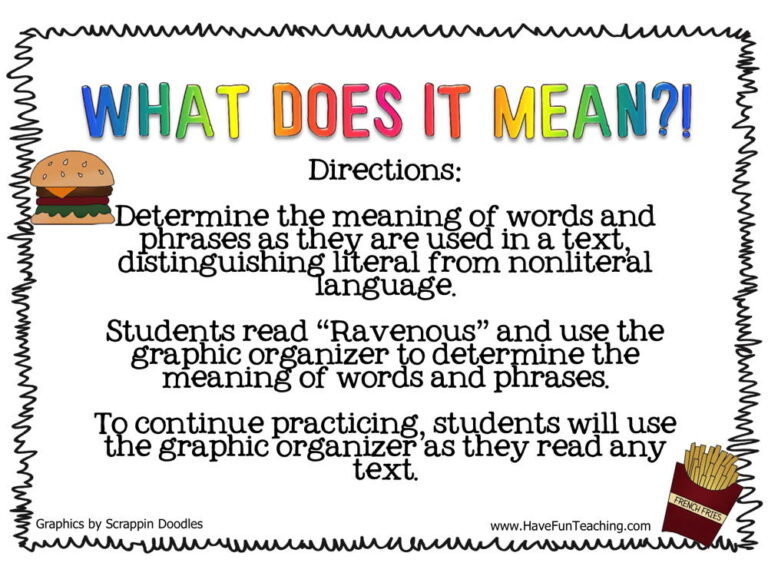
Using this What Does it Mean Literal Non-Literal Language Activity, students determine the meaning of words and phrases as they are used in a text, distinguishing literal from non-literal language.
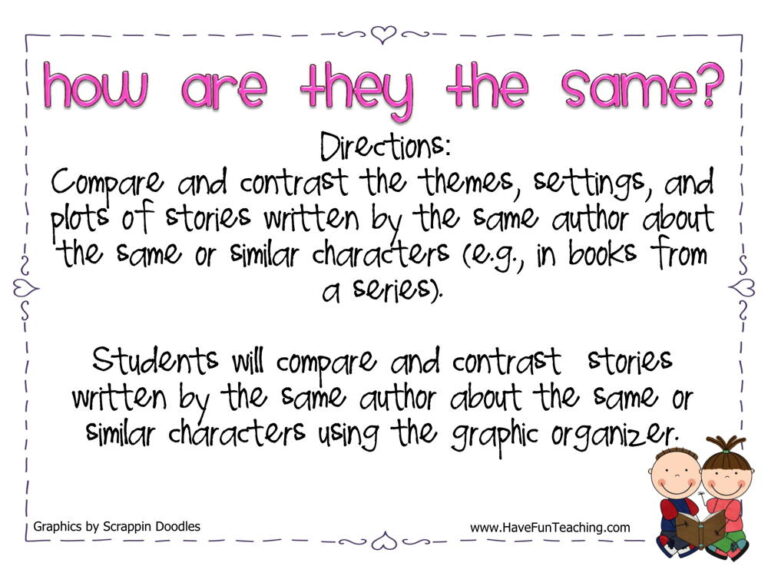
Using How are They the Same Compare and Contrast Story Elements Activity, students compare and contrast the themes, settings, and plots of stories written by the same author about the same or similar characters.
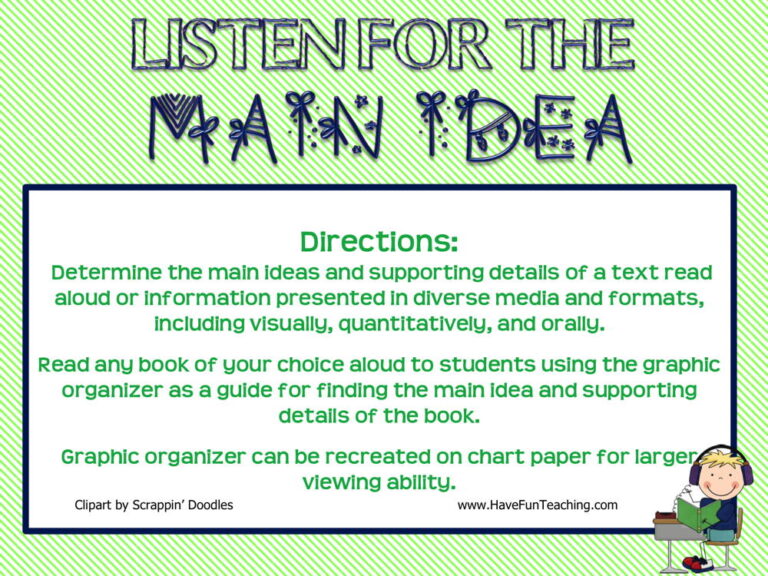
Using Listen for the Main Idea Activity,students determine the main ideas and supporting details of a text read aloud or information presented in diverse media and formats, including visually, quantitatively, and orally.

Using Describe Characters and Setting Activity, students explain how specific aspects of a text's illustrations contribute to what is conveyed by the words in a story.

Using Why Was it Written Author's Purpose Activity, students identify if the author wrote a text in order to answer, explain, or describe.
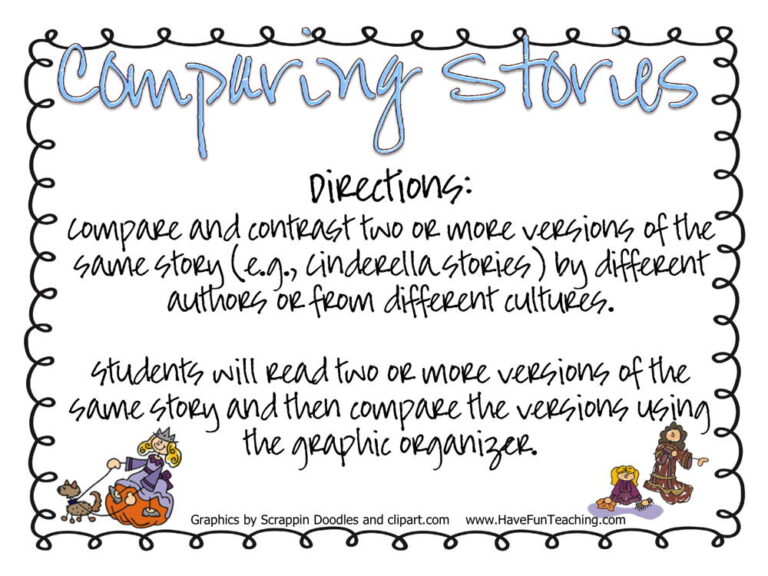
Using Comparing Two Stories Activity, students compare and contrast two or more versions of the same story by different authors or from different cultures.

Using Unknown Words and Phrases Activity, students read independently or with a partner to collect unknown words and phrases to build their vocabulary and reading comprehension.

Using Authors Purpose Picture Sorting Activity, students identify the reasons an author gives to support points in a text.

Using this Complete Sentences with Subject and Predicate Activity, students match subjects and predicates to create sentences with complete ideas.
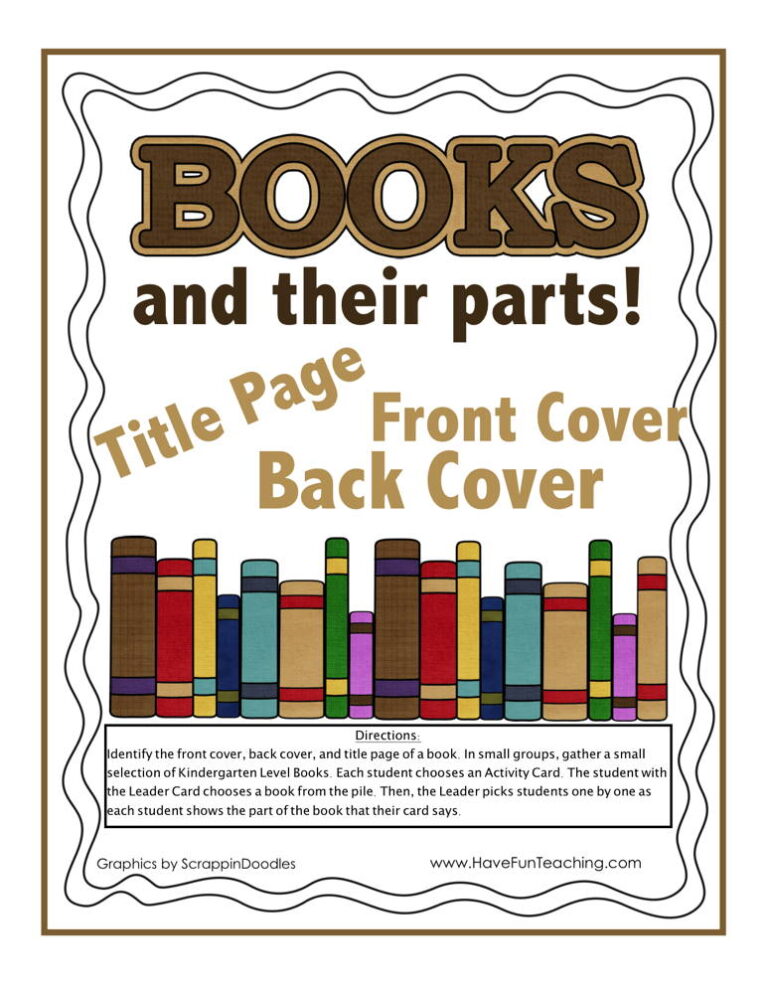
Using Parts of a Book Activity, studentsidentify the front cover, back cover, and title page of a book to gather information about what they will read.
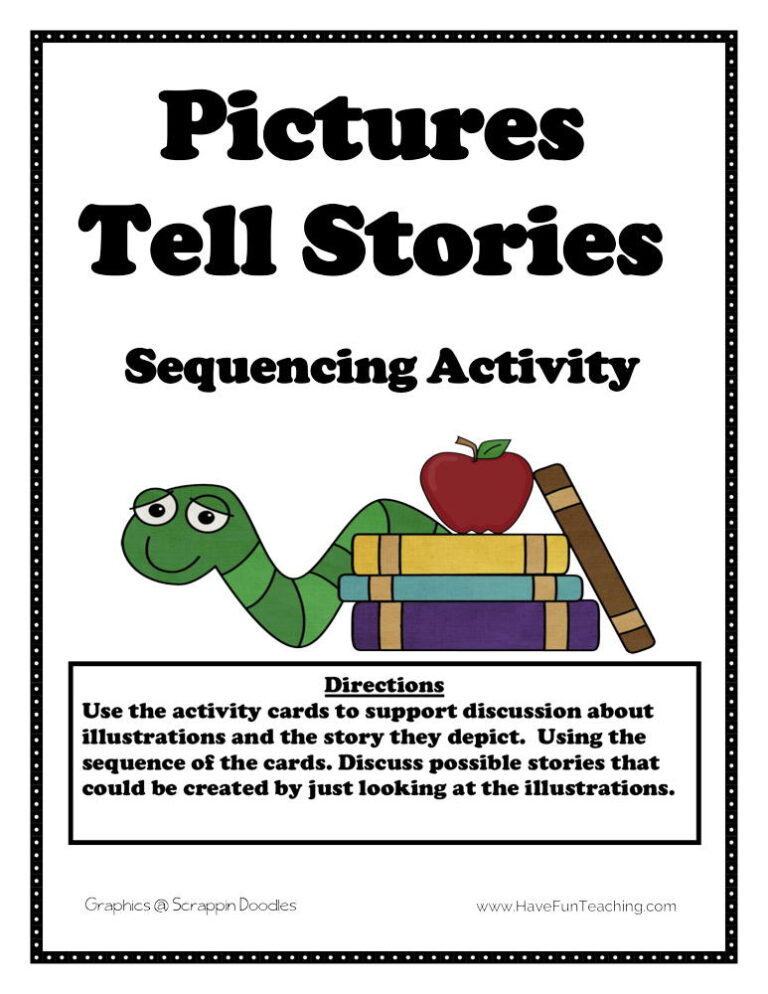
Using Pictures Tell Stories Sequencing Activity, studentsdescribethe relationship between illustrations and the story in which they appear.

Using Supermarket Sweep Food Words Activity, students practice reading high frequency words tocollect all of the food items on your shopping list.



