3 days free
Ready for the whole library?
You’ve had your freebie — but members download 10,000+ resources for every grade, all year long. Try it free — $0 today, cancel anytime.
Free for teachers
Pick your grade. We’ll send 10 free resources.
Worksheets, activities and a video — picked for your classroom, ready to print tonight.
One free bundle per teacher. We’ll also send free teaching ideas each week — unsubscribe anytime.



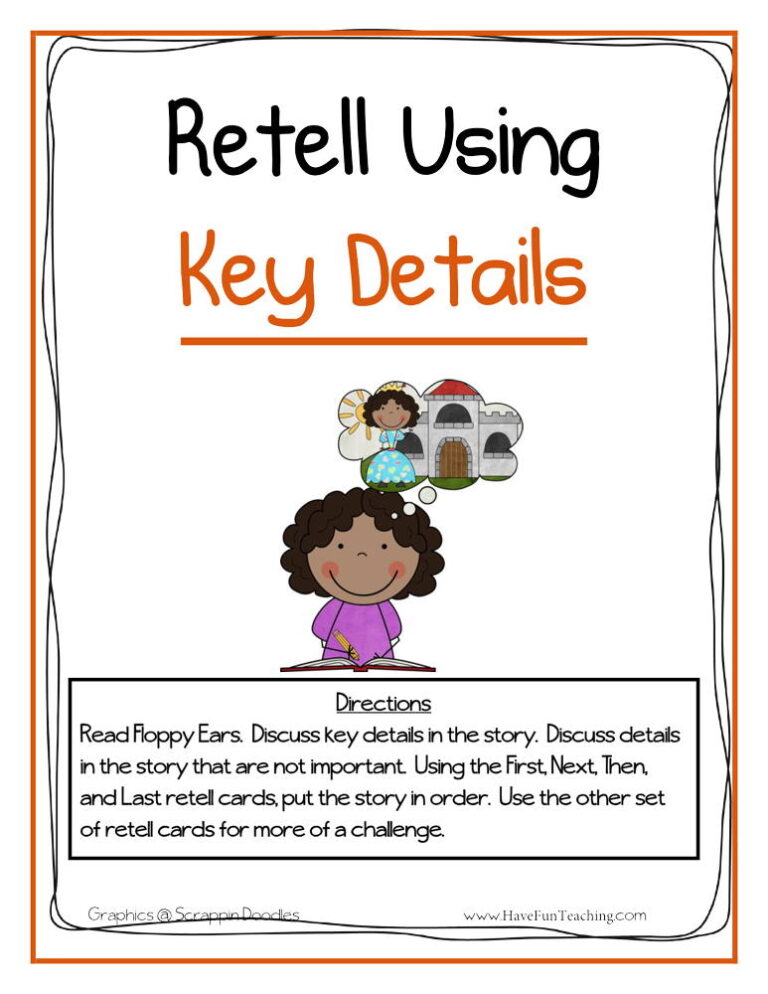
Using Retelling Using Key Details Activity,students read Floppy Ears to retell the story by putting key events in order.
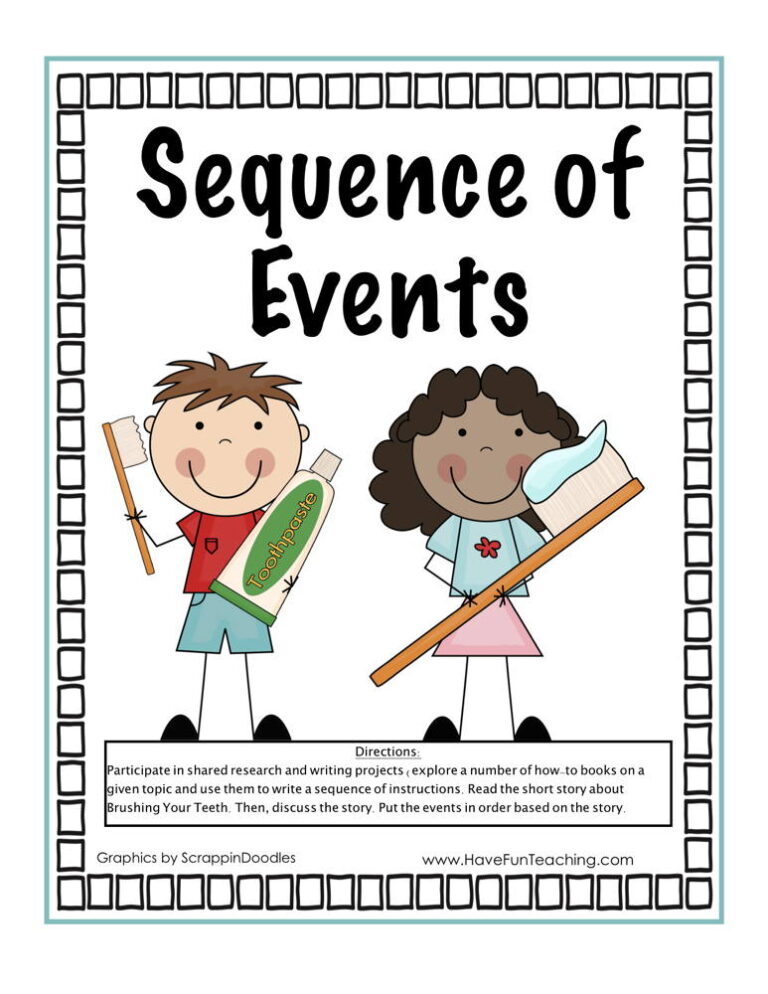
Using Brushing Your Teeth Sequencing Activity,students retell a story about brushing your teeth and put the events in order based on the story.
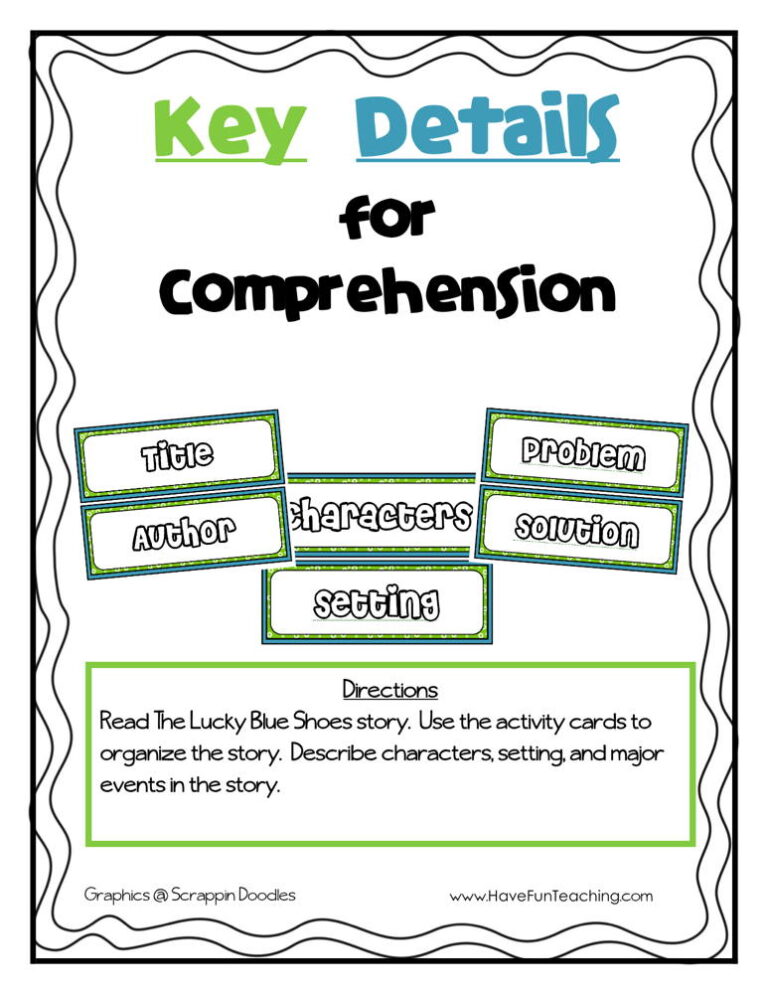
Using Key Details for Comprehension Activity, students read The Lucky Blue Shoes to describe the characters, setting, and major events in the story.

Using Main Idea and Details Activity,students identify the main topic and retell key details of a text with support and prompting.
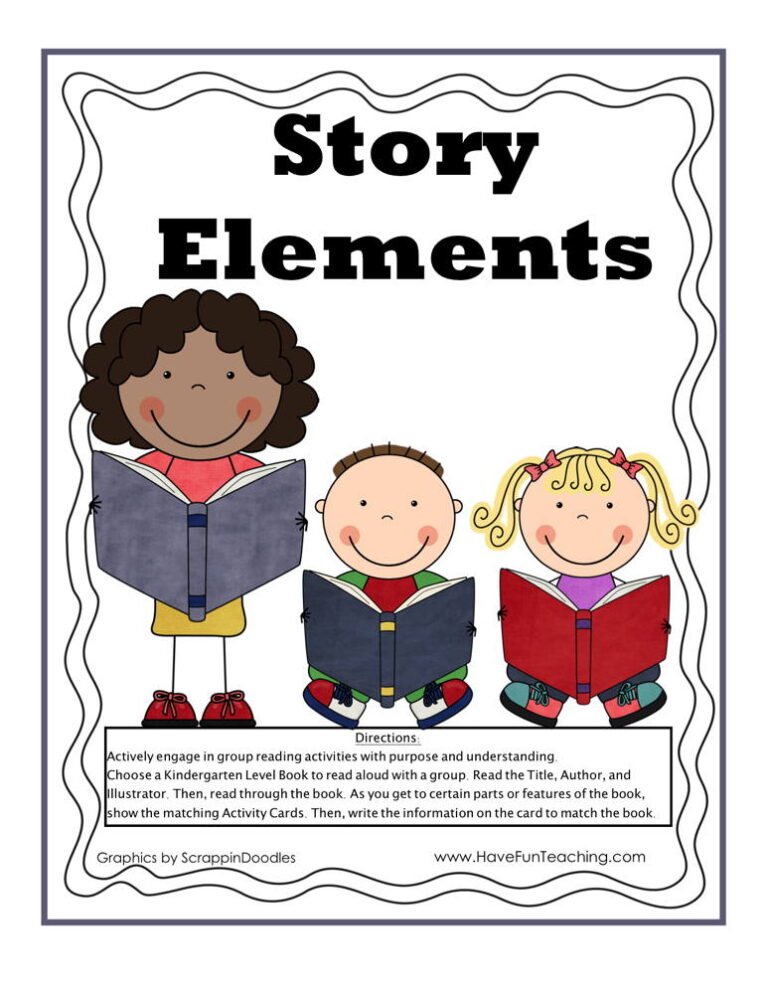
Using Story Elements Activity, studentsfind examples of text features and story elements to build their reading comprehension.

Using Author's Purpose Sorting Activity, students identify the reasons an author gives to support points in a text.

Using this Bear Shape Book Activity, your students can create quick and simple books about stories or what they know about bears.

Using thisApple CVC Mat Activity, students build CVC words using colorful apple tiles to use during your apple themed week!

UsingEarth Day Reader's Theater, students act out different parts in the story Earth Day Hen to learn more about Earth Day.
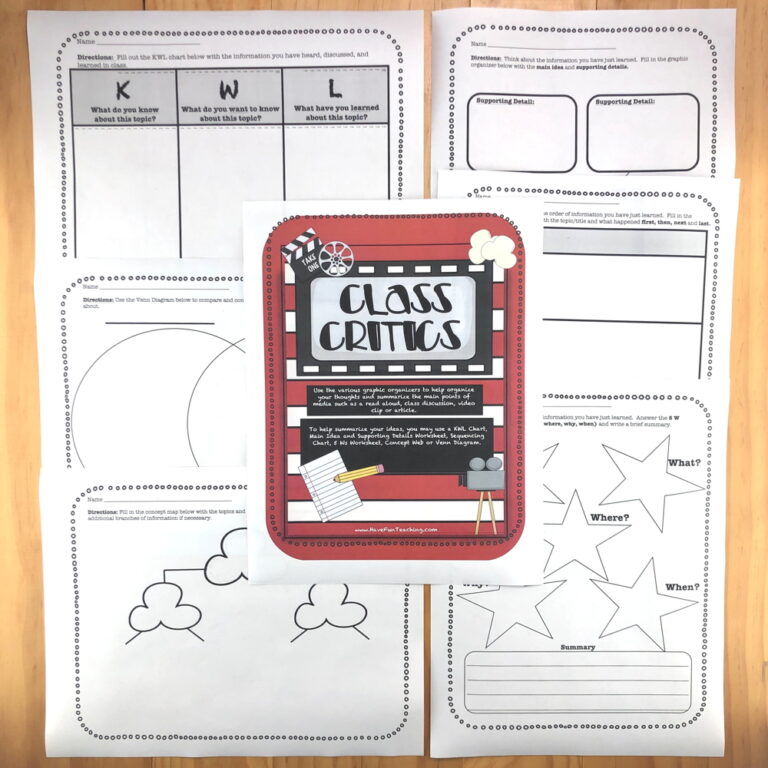
Using Retell the Story Activity, students read Floppy Ears aloud to students and then use the question chart to assess students ability to retell the story.
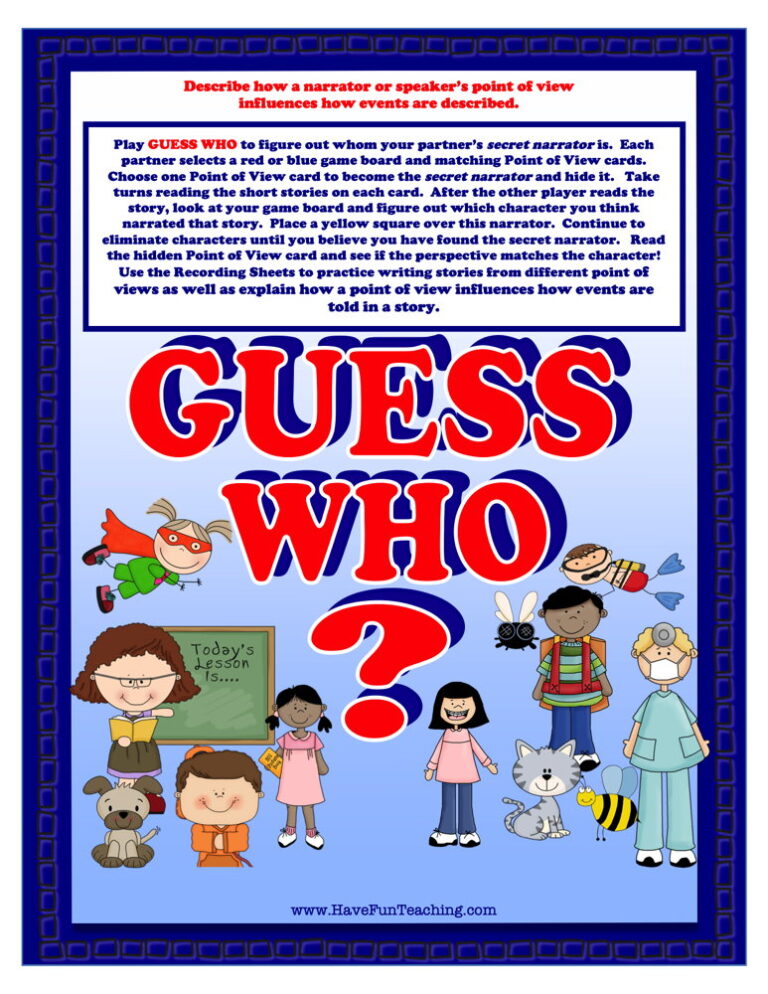
Using this Guess Who Point of View Activity, students identify their partner's "secret narrator" as the partner reads a text card.

Using this Finding Story Elements Activity, students help three superheroes defeat the evil villain Story Weaver and crack the code in a story. Use the boxes on the next pages to help them do their job!
Using this Determining Theme Graphic Organizers Activity, students determine the theme of a story, drama, or poem from details in the text using Graphic Organizers.

This Are You Smarter Than a Fifth Grader Activity is a fun way for students to review key concepts in Math, Reading, Science, and Social Studies!

Using this Three Amigos Poetry Drama Prose Activity, students sort the word cards by genre (prose, poetry, and drama). Use the sorted cards to label and fill out a Venn Diagram.
Using Contributions to the Text Activity, students explain howthe information contributes to an understanding of the text in which itappears.

Using In Your Own Words Paraphrase Activity, students paraphrase portions of a text read aloud or information presented in any formats in your own words.
This Collecting Words For Writing Activity helps studentsto use words and phrases acquired through conversations, reading and being read to, and responding to texts.
Using Comparing Points of View Activity, students distinguish their own point of view from that of the author of a text.

Using How Words Work Poetry Activity, students describe how words &phrases supply rhythm and meaning in a story, poem, or song.