
Skip to content
Start My 3 Free Days $0 today · cancel anytime

Independent and Guided Reading Activities

64 independent and guided reading activities. Teacher favorites: Identifying Theme Activity and Determining Theme Activity. How teachers use these

Independent and Guided Reading Activities

64 independent and guided reading activities. Teacher favorites: Identifying Theme Activity and Determining Theme Activity. How teachers use these

Activity
Activity3rd GradeIdentifying Theme Activity

This identifying theme activity helps 3rd to 5th grade students match short stories to their themes and back them up with text details. Answer key included.

Activity
Activity3rd GradeDetermining Theme Activity

Students read 12 short fable cards in this determining theme activity for 3rd to 5th Grade, match each to a theme, and cite a detail. Answer key included.

Activity
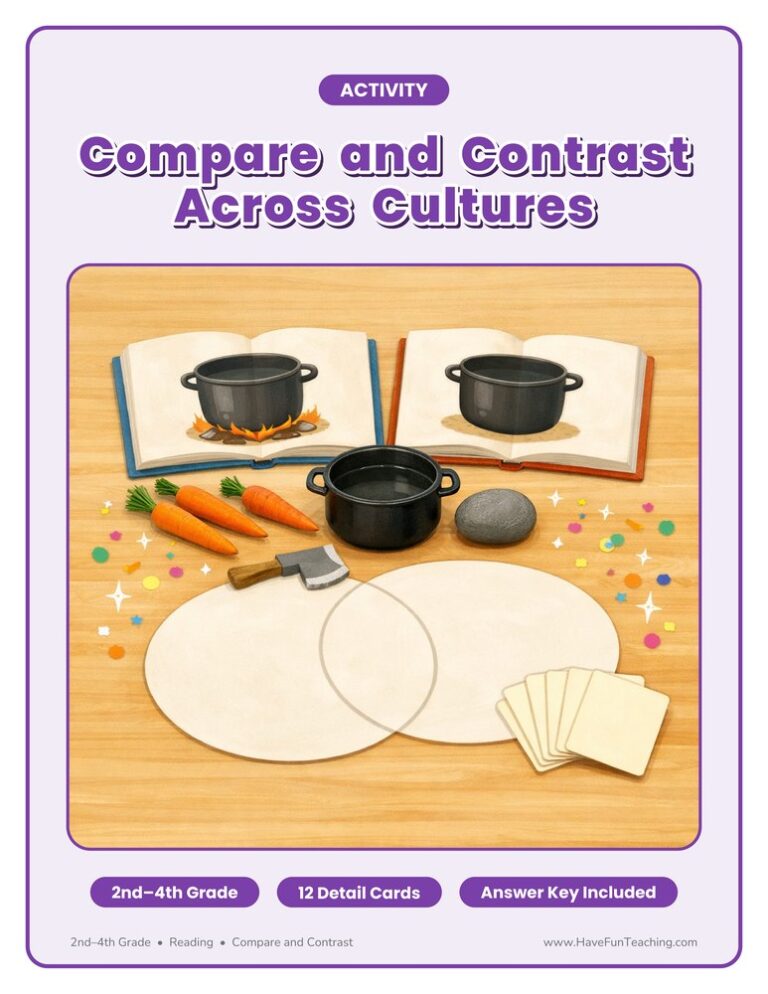
Activity2nd GradeCompare and Contrast Across Cultures Activity

This compare and contrast across cultures activity helps 2nd-4th grade readers sort story details from two folk tales onto a Venn diagram. Answer key included.

Activity
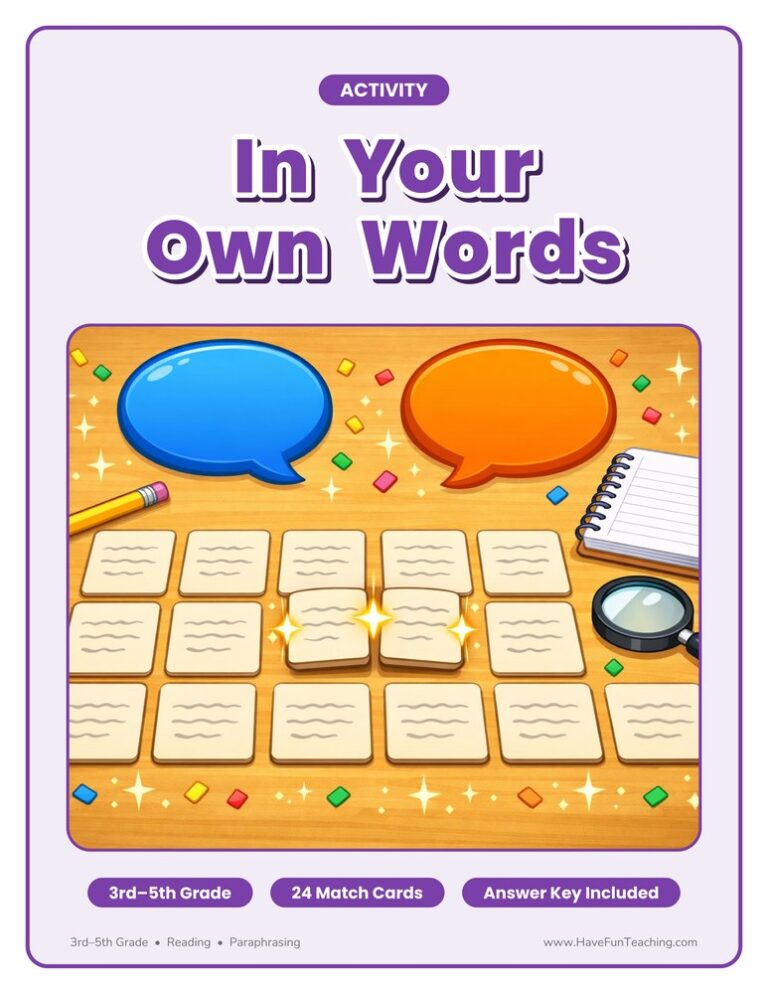
Activity3rd GradeIn Your Own Words Paraphrase Activity

This in your own words paraphrase activity has 3rd to 5th grade students match texts to paraphrase cards and write their own. A practice page and an answer key are included.

Activity
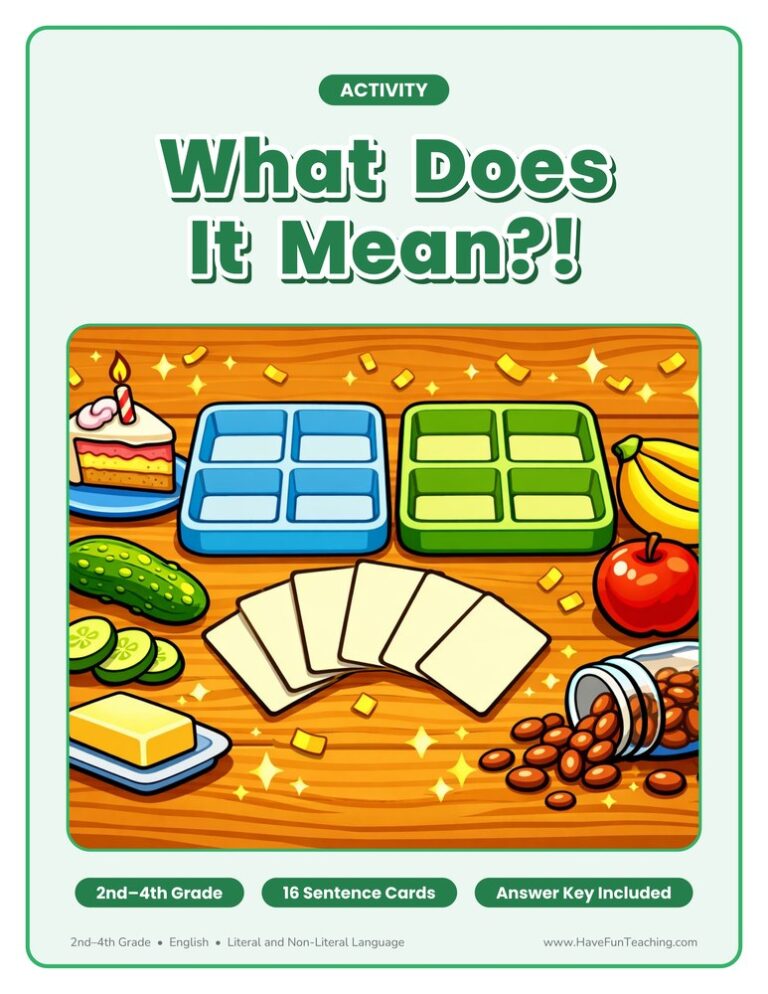
Activity2nd GradeWhat Does it Mean Literal Non-Literal Language Activity

This what does it mean literal non-literal language activity has 2nd to 4th grade students sort 16 food sentence cards and explain idioms. A practice page and answer key are included.

Activity
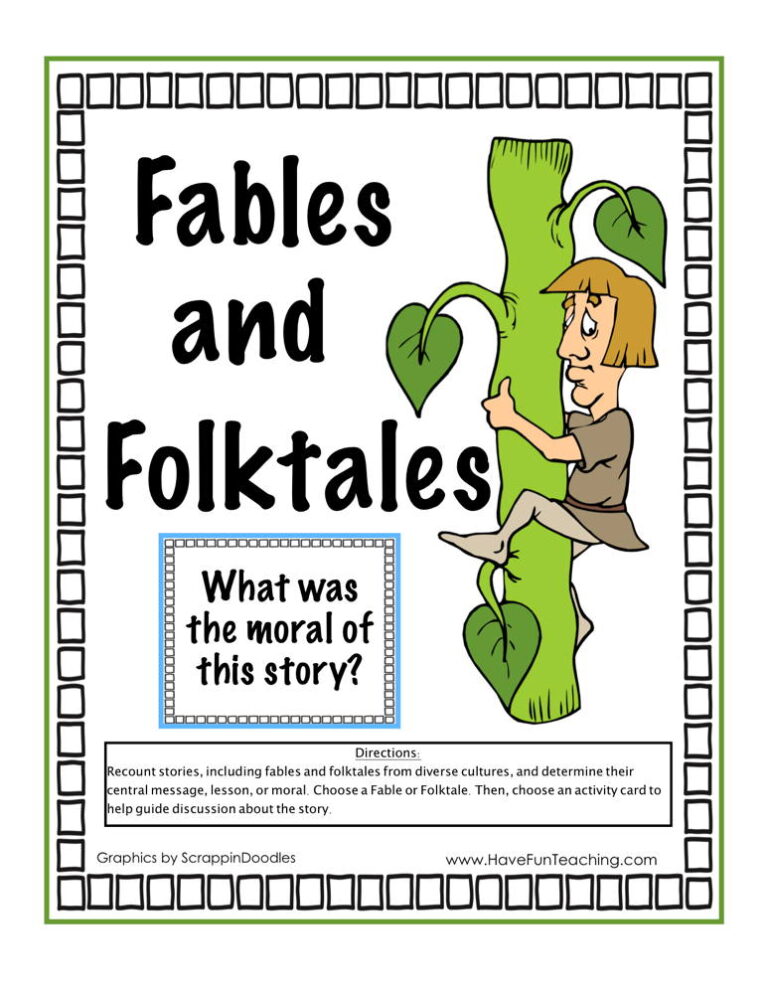
Activity2nd GradeFables and Folktales Activity

Read, retell and find the moral with this fables and folktales activity for 2nd and 3rd grade: story cards, moral cards, talk cards and a Story Map, with an answer key included.

Activity
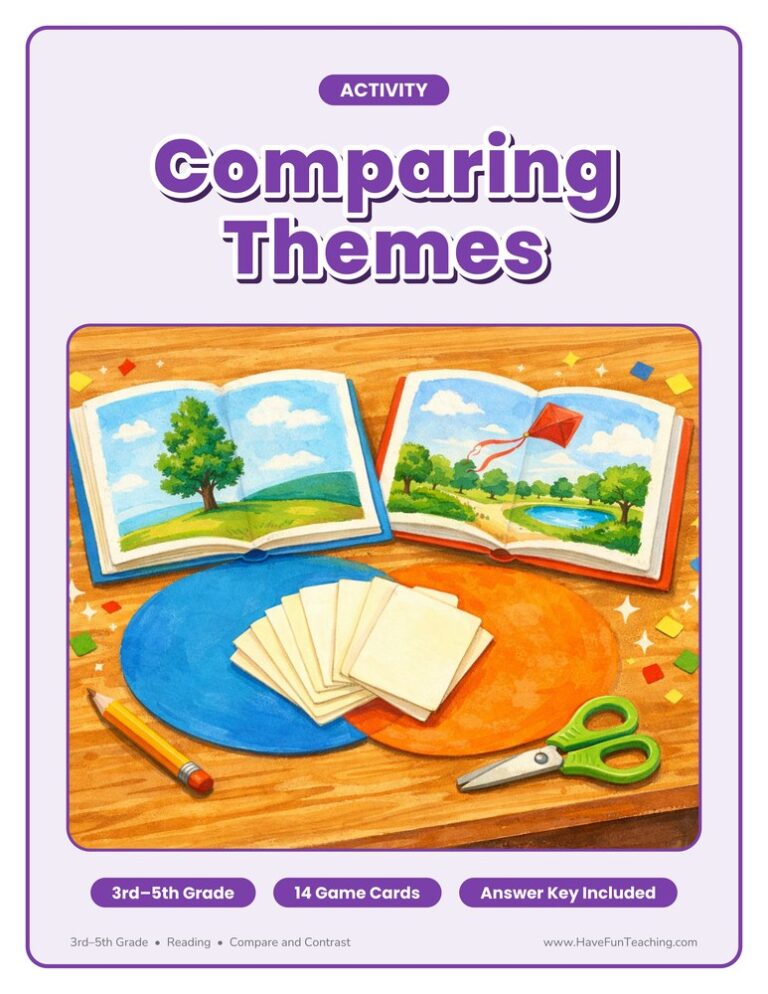
Activity3rd GradeComparing Themes of Two Stories Activity

This comparing themes of two stories activity for 3rd-5th grade turns story pairs into a fun matching game, with a graphic organizer, practice page, and answer key included.

Activity
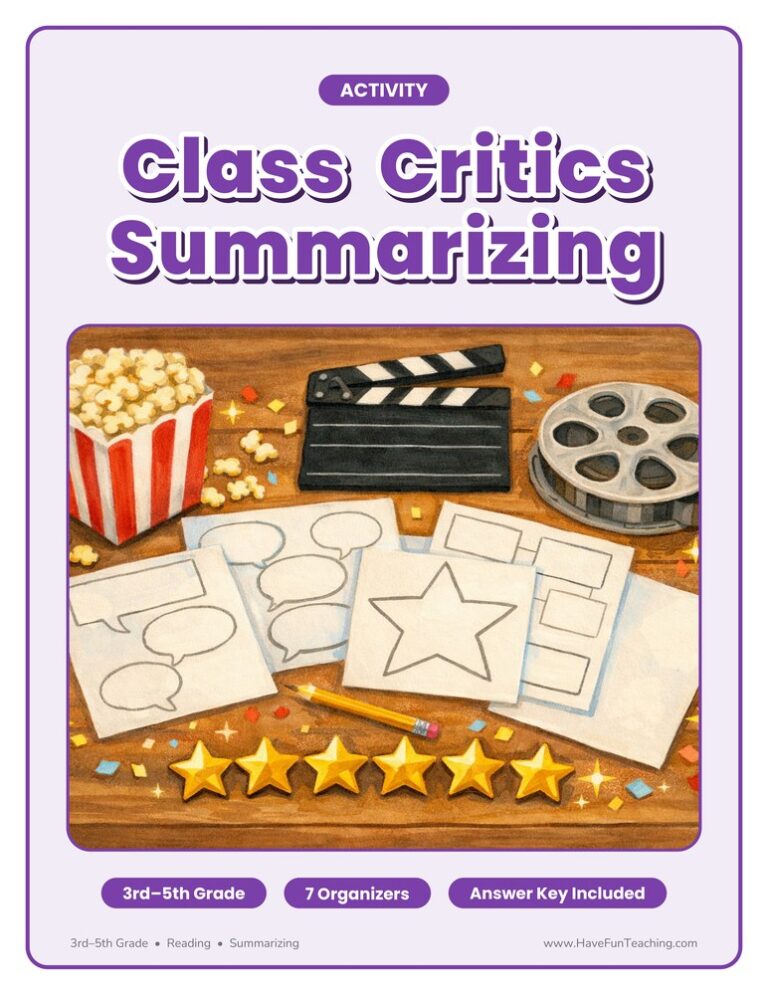
Activity3rd GradeClass Critics Summarizing Activity

This class critics summarizing activity gives 3rd to 5th grade students seven organizers to summarize books, videos, and articles. Answer key included for the model and practice.

Activity
Activity1st GradeFeeling Words Activity

This feeling words activity has 1st to 3rd graders read a story, match clue cards to feeling words, and practice naming how characters feel. An answer key is included.

Activity
Activity3rd GradeDetermining Theme Graphic Organizers Activity

This determining theme graphic organizers activity helps 3rd to 5th grade students find the lesson in a story, a play and a poem, then practice with fables. Answer key included.

Activity
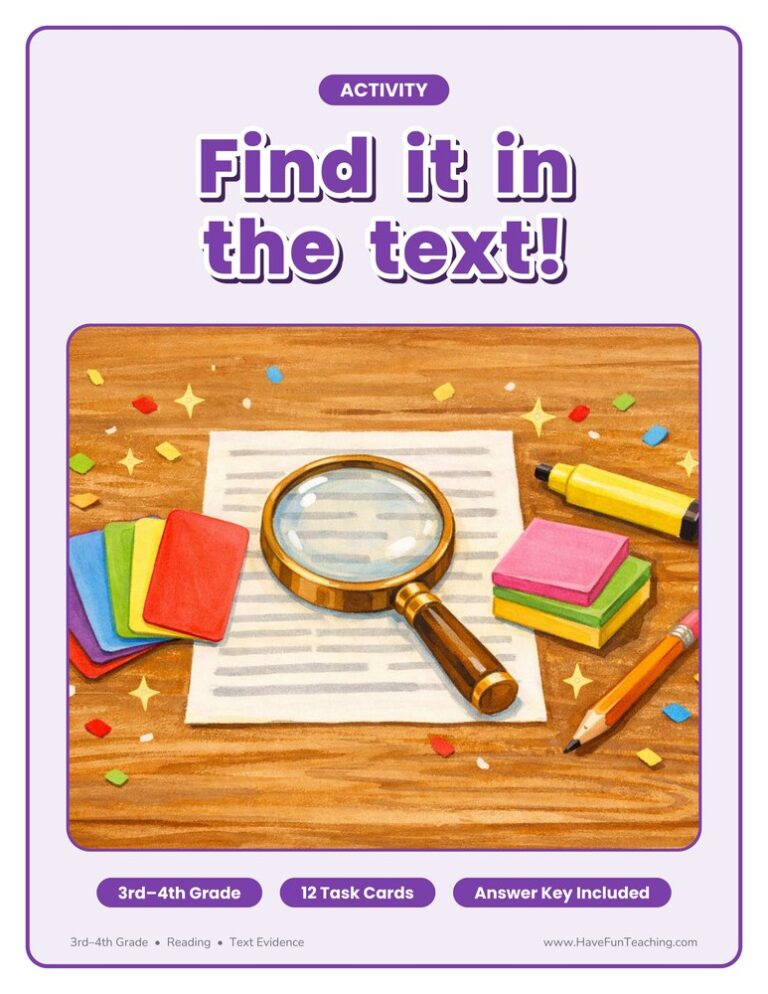
Activity3rd GradeFind It In The Text Activity

This find it in the text activity has 3rd and 4th grade readers answer 12 task-card questions and prove each one with a paragraph number. Answer key included.

Activity
ActivityPreschoolFinger Spaces Sorting Activity

This finger spaces sorting activity helps preschool to 1st grade children see that words in a sentence are separated by spaces. Answer key included for quick checking.

Activity
Activity2nd GradeWhat's the Moral of the Story Activity

This what's the moral of the story activity helps 2nd and 3rd graders read short fables, retell them, and match each one to its lesson. Answer key included for quick checking.

Activity
ActivityKindergartenRetelling Stories Activity

This retelling stories activity has Kindergarten to 2nd Grade students order picture and sentence cards, then retell a pool-day story. Answer key included to check every card.

Activity
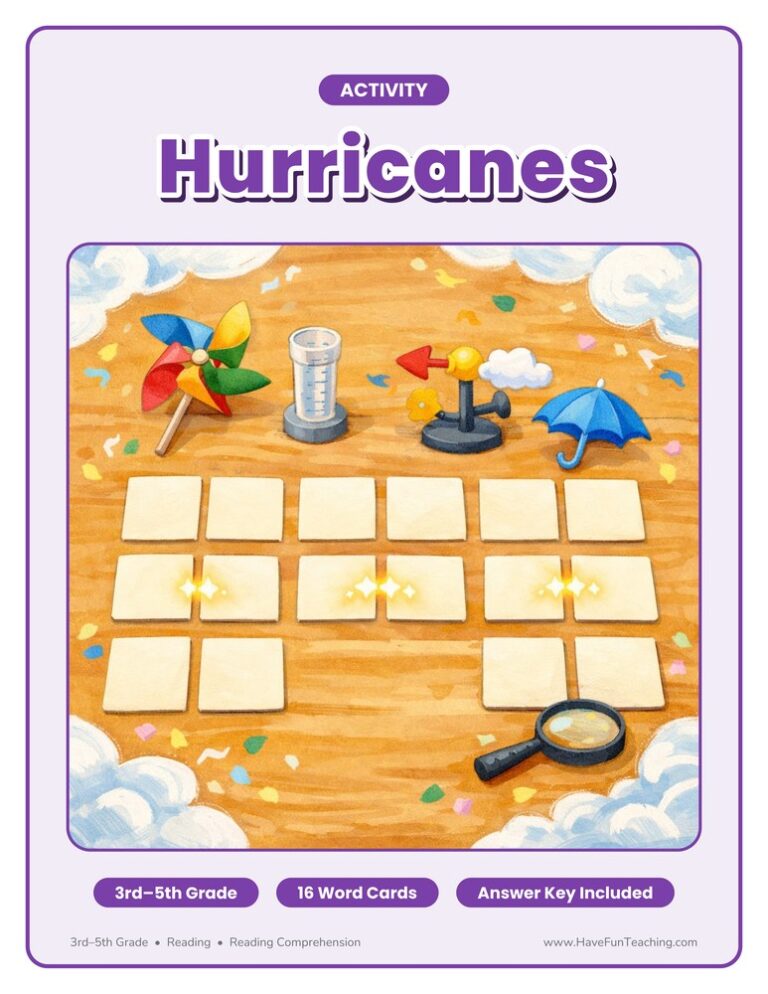
Activity3rd GradeHurricanes Reading Comprehension Activity

This hurricanes reading comprehension activity has 3rd to 5th grade students read a passage, match vocabulary cards and answer text-based questions. An answer key is included.

Activity
Activity1st GradeFirst Grade Informational Texts Activity

This first grade informational texts activity has eight nonfiction task cards that help 1st grade readers find facts in a text and answer questions. Answer key included for quick checking.

Activity
ActivityKindergartenComparing Books Activity

In this comparing books activity, K-1st grade students read two pumpkin picture books and use 12 detective cards to tell what is the same and different. Answer key included.

Activity
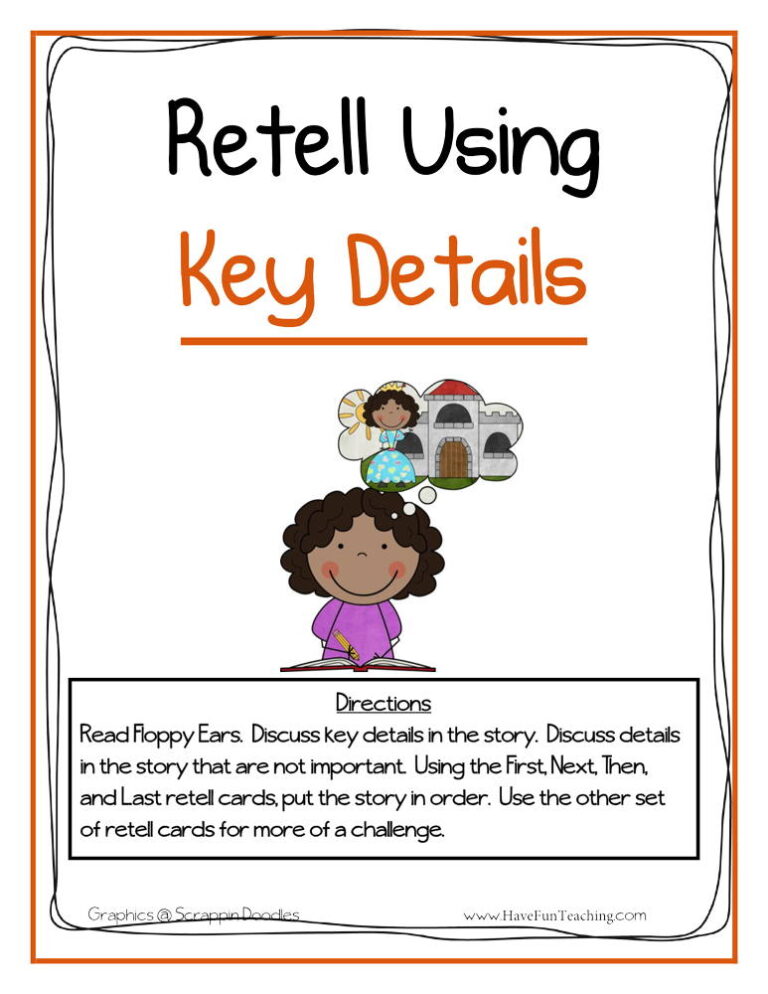
ActivityKindergartenRetelling Using Key Details Activity

This retelling using key details activity helps kindergarten to 3rd grade students sort key events, put them in order, and retell a story, with an answer key included.

Activity
ActivityPreschoolI Like Colors Flip Book Activity

Using I Like Colors Flip Book Activity, students read the emergent reader with purpose and understanding to improve fluency and accuracy.

Activity
Activity1st GradeComparing Two Stories Activity

This comparing two stories activity has students sort 16 detail cards from Stone Soup and Nail Soup. Built for 1st to 3rd grade, with a Venn sheet, practice page and answer key included.

From our teachers' playbook

Small groups, big reading growth

What do kids learn in guided and independent reading?

Guided reading is small-group time where a teacher coaches a few kids through a book that's just a little bit hard for them. Independent reading is when kids practice on their own with books they can read smoothly. Together, they build decoding, fluency and comprehension. Beginners work on reading left to right and sounding out words; older readers retell stories, ask questions, find details and figure out the theme. The click moment is when a child reads a "just right" book alone and can't wait to tell you what happened.

How we make guided reading time count

Small-group time is precious. These three moves get the most out of every minute.

Show them how to wonder

Before reading, look at the cover and pictures together and think aloud: "I wonder why the girl looks worried?" Then let each child ask one question. Kids learn that good readers are curious before they even start.

Why it works: showing first, practicing together, then letting kids try alone is the "gradual release" model teachers have relied on for decades (Pearson and Gallagher, 1983).

Asking Questions About Pictures WorksheetTry it withAsking Questions About Pictures WorksheetWorksheetsOpen it →

Retell, then answer

After the group reads, close the books and have each child tell one part of the story. Then answer a few quick questions. Pulling the story from memory shows you right away who understood and who just decoded.

Why it works: a big review of study methods ranked quick self-quizzing among the most powerful ways to remember (Dunlosky and colleagues, 2013).

New Friend Reading Comprehension WorksheetTry it withNew Friend Reading Comprehension WorksheetAssessmentsOpen it →

Reread for fluency

Have kids reread the same short passage across three days. The first read is for the words, the second for smoothness, the third for expression. Kids hear themselves improve, and that builds real confidence.

Why it works: spreading practice out over days is one of the two most effective study methods in a major research review (Dunlosky and colleagues, 2013).

Reading Fluency WorksheetTry it withReading Fluency WorksheetWorksheetsOpen it →

Guided and independent reading questions

What is the difference between guided and independent reading?

Guided reading is small-group teaching with a book that's slightly challenging, with the teacher coaching. Independent reading is solo practice with books the child can already read well.

How long should guided reading groups be?

Most guided reading groups last 15 to 20 minutes. That's enough time to introduce a book, read it, and talk about it without losing focus.

How do I choose a just-right book?

Have the child read a page aloud. If they miss more than about five words, the book is too hard for independent reading but might work for guided reading.

How can I support reading at home?

Read together every day, ask your child to retell the story, and let them choose books they enjoy. Rereading favorites is great for fluency.



